BACKGROUND:A 4-month course of rifampin is one of the recommended first-line regimens for latent tuberculosis infection (LTBI). However, data on its use among kidney transplant candidates (KTC) remain limited. METHODS:We conducted a retrospective study of all KTC treated with either 4-month rifampin or 9-month isoniazid (INH) for LTBI at a transplant infectious disease clinic in Miami from January 1, 2021 to December 31, 2024. We assessed rates of treatment completion, adverse reactions leading to discontinuation of therapy, and transaminase elevation (> 2 times the upper limit of normal). The potential impact of rifampin on blood pressure (BP) in patients on antihypertensive drugs (AHD) known to interact with rifampin was also evaluated. RESULTS:A total of 66 patients were analyzed (49 [74%] in the INH group and 17 [26%] in the rifampin group). There was a trend towards higher treatment completion in the rifampin group compared to the INH group (16 [94%] vs. 34 [69%], p = 0.05). There was no difference in adverse reactions leading to treatment discontinuation. Transaminase elevations were not observed in the rifampin group, whereas they occurred in 3 (6%) of the INH group. Three patients experienced an increase in BP while receiving rifampin, leading to treatment discontinuation in one case. CONCLUSION:A 4-month rifampin course is an excellent option for LTBI among KTC due to its high completion rate and favorable liver safety profile; however, close monitoring for AHD interactions is essential.
BACKGROUND:Chagas disease (CD), a neglected tropical disease usually associated with Latin America, is increasingly recognized as an emerging infection in the United States. Screening for CD is recommended for solid organ transplant (SOT) candidates with epidemiologic risk factors; however, data on prevalence and post-transplant reactivation in the United States remain limited. METHODS:We conducted a retrospective cohort study of SOT candidates and recipients screened for T. cruzi at a large transplant center in Miami, Florida. Demographics, clinical characteristics, and 2-year outcomes of recipients with CD were analyzed. RESULTS:Between August 1, 2013, and August 1, 2023, 6021 SOTs were performed. 1898 candidates (31%) were screened, and 21 (1.1%) tested positive for T. cruzi, of whom 10 were SOT recipients. All seropositive recipients were born in historically endemic areas. Median post-transplant surveillance was 13.5 (range 1-25) months. Seven patients developed Chagas disease reactivation (CDR) diagnosed by serum PCR; all were asymptomatic. Median time from transplantation to reactivation was 48 days (range 22-426). Treatment with benznidazole for 60 days cleared the parasitemia in all patients. At 2 years, 80% (8/10) had graft survival, one patient died unrelated to CDR. CONCLUSION:We report a high incidence of CDR among SOT recipients at a US transplant center serving a predominantly immigrant population, with favorable 2-year outcomes. Most reactivation events occurred early post-transplant, although a later recurrence was also observed. Intensive monitoring for CDR proved effective in detecting reactivation prior to the onset of symptoms.
Background Strongyloides stercoralis infection can be associated with high mortality in solid organ transplant (SOT) recipients, yet global practices regarding screening and management remain poorly characterized. We conducted an international survey to evaluate knowledge, screening, and management practices among healthcare workers (HCWs) involved in SOT care.Methods We performed a cross-sectional, web-based survey of HCWs caring for SOT candidates and recipients. The survey assessed provider characteristics, knowledge of strongyloidiasis, as well as screening and management practices. Descriptive statistics were used to summarize responses.Results A total of 101 HCWs responded, including 65 (64%) infectious diseases (ID) providers and 36 (36%) non-ID providers. Knowledge gaps were identified regarding transmission and mortality, particularly among non-ID providers. Overall, 85% of respondents reported screening SOT candidates for S. stercoralis; among those who screen, serology is the most commonly used method. Screening strategies varied by geographic region, with universal screening more common in endemic areas and targeted screening in non-endemic regions. Management practices, including approaches to indeterminate or negative test results, showed substantial heterogeneity.Conclusions This international survey demonstrates considerable variability in knowledge, screening, and management of strongyloidiasis among HCWs involved in SOT care. These findings highlight opportunities for improved education, clearer guidance, and greater standardization of practices related to Strongyloides infection to avoid unnecessary morbidity.
Abstract Background Kidney and kidney-pancreas transplantation should benefit patients with end-stage kidney disease and diabetes mellitus. Immunosuppressive medication are required to prevent rejection and maintain graft. However, immunosuppression increases the risk of infection. Surgical procedures also lead to inflammation post-kidney transplant, which results in opportunistic viral/fungal infections. Robotic surgery is well established to be less invasive and cause less harm in the short term for patients. However, it has never been investigated for infectious disease complications post-kidney transplantation. Methods This was a single-center, retrospective cohort study conducted at a large kidney transplant center in the US. We included all recipients who had received kidney or kidney-pancreas transplants through robotic surgery between November 15th, 2022, and March 14th, 2023. We investigated the incidence of infection and its pathogen and the duration from transplant to infection for bacterial, fungal, and viral etiologies within 6 months post transplantation. Results Thirty-four, and 2 kidney and kidney/pancreas transplants were performed during the study period. Thirteen (36.1%) and 4 (11.1%) of urine culture positivity (predominantly Pseudomonas and E.coli) and bacteremia were identified. The causative pathogen of 4 bacteremia includes two Staphylococcus aureus, E.coli, and Morganella. Only 6/36 (16.7%) and 3/36 (8.3%) of clinically significant CMV and BK Polyomavirus DNAemia, which required treatment, including adjusting immunosuppression, were identified. Six cases of SARS-CoV-2 and one case of influenza were also identified. Conclusion We conducted a retrospective cohort study regarding infections after robotic kidney and kidney/pancreas transplant surgery. A very low surgical site infection and relatively low BK Polyoma viral infection rate were noted. Further study should be required to compare the incidence between robotic and traditional surgery. Disclosures Yoichiro Natori, MD, Eurofin/Viracor: Honoraria|Nobel Pharma: Advisor/Consultant
Introduction In Solid Organ Transplant (SOT) recipients, due to immunosuppression, the immunogenicity after COVID-19 vaccination is suboptimal and its durability is unknown. Methods We conducted a post-hoc analysis of a patient-blinded, single center, randomized controlled trial comparing BNT162b2 vs JNJ-78436735 as the third dose after two doses of BNT162b2 in adult SOT recipients with active graft to compare long-term immunogenicity. Results Forty-one recipients were analyzed. Median IgG levels against SARS-CoV-2 at 6 months were 53,747 (range 949 – 657,558) and 7,632 (range 642 – 672,000) AU/ml for BNT162b2 vs JNJ-78436735, respectively (p=0.017). The median geometric mean fold increase ratio at 6 months was 37.2 (0.12-618.5) and 4.30 (0.1-204.2) for BNT162b2 vs JNJ-78436735, respectively (p<0.05). After two doses of BNT162b2, homologous approach with BNT162b2 achieved a superior immunogenicity compared to heterologous approach with JNJ-78436735. Conclusion In this post hoc analysis, we report durability of specific IgG between two vaccine strategies and found no statistically significant difference between two groups. (Clinical Trial Registry: NCT05047640)
Historically, liver transplant (LT) candidates with human immunodeficiency virus (HIV) have experienced high waitlist mortality. Since the HIV Organ Policy Equity (HOPE) Act expands access to organs from donors with HIV, we assessed the impact of HOPE on LT rate and wait time for this population. We linked data from a multicenter HOPE in Action study to Scientific Registry of Transplant Recipients (February 21, 2019 to June 1, 2024) and used Poisson regression to compare transplant rates among 99 candidates willing to accept HOPE donors (HOPE candidates) to 13 495 candidates with or without HIV not listed as willing to accept HOPE donors (non-HOPE candidates) matched on transplant center. The median time to any deceased donor liver transplant (DDLT) was 2.3 months for HOPE and 1.1 years for non-HOPE candidates. Within 2 years of listing, 90.9% of HOPE versus 58.5% of non-HOPE candidates received a DDLT (P < .001). HOPE was associated with an overall 3.11-fold higher DDLT incident rate ratio (95% CI 2.48-3.88, P < .001). Stratified by model for end-stage liver disease score categories 6 to 14, 15 to 24, 25 to 34, and 35 to 40/status 1; HOPE candidates had 10.12-fold, 5.31-fold, 1.41-fold and 2.90-fold higher DDLT rates, respectively. Willingness to accept livers from donors with HIV improves access to liver transplantation for candidates with HIV.
Abstract Background Preventing donor derived infections is critical in solid organ transplant medicine. However, to expand the donor pool, utilizing organs from donors with known infections or at risk of disease transmission with proper prophylaxis and/or treatments is necessary. The purpose of this study is to determine the efficacy and impact of robust transplant Infectious disease (TxID) evaluation for high-risk donors in solid organ transplant centers. Methods This is a retrospective study conducted at one of the largest solid organ transplant centers in the US. All electrical medical records regarding donor information and obtained interventions were retrospectively reviewed between June 2023, and March 2024. Results During study period, we performed 358 (250, 15, and 93 kidney, kidney-pancreas, and liver) transplants. At the time of organ offer, out of 4,579 total organ offers, 93(2.03%) TxID consultations occurred. The majority of TxID consults were to review positive culture (50/93, 53.8%) and abnormal imaging. TxID declined 19/93 (20.4%) cases due to high risk of infectious disease transmission such as active staphylococcal bacteremia or candidemia. Additional 44 cases were either declined due to other reasons or accepted in other centers. Finally, 30 cases were transplanted and out of those, 22 (73.3%) received prophylaxis. No donor derived infections were noted in those 30 cases. Of note, graft loss or death due to infection within 90 days post-transplant was seen in 10/250, 7/93, and 2/15 for kidney, kidney pancreas, and liver transplants respectively, and none of those cases developed donor derived disease. Conclusion Solid organ transplantation helps prolong and improve recipients’ quality of life. Risk assessment, prophylaxis, and monitoring makes it possible to safely accept donors who are considered high risk for infection transmission, while preventing donor derived infections. Early TxID consultation for those cases is crucial. Disclosures Yoichiro Natori, MD, Eurofin/Viracor: Honoraria|Nobel Pharma: Advisor/Consultant
The recent international resurgence of measles has led to significant public health concerns and poses significant risks to immunocompromised patients, including those who have undergone solid organ transplantation (SOT). SOT recipients may present atypically and are at an increased risk of severe complications of measles infection, underscoring the importance of preventative measures. This review summarizes contemporary data regarding measles transmission, the clinical presentation, diagnosis, and treatment of SOT recipients, as well as strategies for measles prevention, infection control considerations, postexposure prophylaxis, and opportunities for the mitigation of donor-derived measles and measles vaccine viruses.
This case describes a 62-year-old male who underwent kidney transplantation and was admitted 8 weeks post-operatively for evaluation and management of abdominal pain, nausea, and diarrhea. An extensive workup was performed, ultimately leading to a diagnosis of Strongyloides hyperinfection syndrome. This case highlights the importance of awareness of strongyloidiasis in non-endemic regions, management of Strongyloides hyperinfection syndrome in the post-transplant setting, and strategies for donor and recipient screening.
Mycobacterium abscessus complex (MABC), a rapidly growing Mycobacterium, is one of the most common causes of non-tuberculous mycobacteria (NTM) infections in the United States of America, and it has been associated with a wide spectrum of infections in immunocompetent and immunosuppressed individuals. Eradicating MABC is very challenging, even with prolonged combination therapies. The management of MABC infections in solid organ transplant (SOT) patients is usually complex given their net state of immunosuppression, associated comorbidities, and potential drug–drug interactions, among other things. In this manuscript, we discussed the antimicrobial management of pulmonary and extrapulmonary MABC infections. In addition, we reviewed promising novel therapies such as clofazimine, omadacycline, bedaquiline, and inhaled tigecycline that could join the existing antimicrobial armamentarium to fight this infection associated with significant morbidity and mortality. However, further studies are needed, especially among the immunocompromised host.
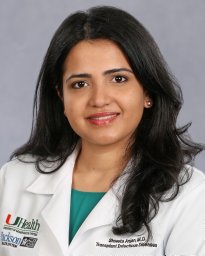 S. Anjan合作论文数Dept Med, Univ Miami50
 Yoichiro Natori合作论文数43
 Lilian Abbo合作论文数41Giselle Guerra合作论文数32
 Jose F Camargo合作论文数29Michele I Morris合作论文数University of Miami Miller School of Medicine26Rodrigo Vianna合作论文数Miami Transplant Institute, University of Miami Miller School of Medicine23Ciancio Gaetano合作论文数15
 Adela Mattiazzi合作论文数Division of Transplantation, and the Departments of Medicine and Pathology, University of Miami School of Medicine13
 Neeraj Sinha合作论文数Office of Principal Scientific Advisor, Government of India11
 Matthias Loebe合作论文数11Anita Phancao合作论文数10
 Warren Kupin合作论文数8Julia Bini Viotti合作论文数7
 Mahmoud Morsi合作论文数Miami Transplant Institute, University of Miami Miller School of Medicine7
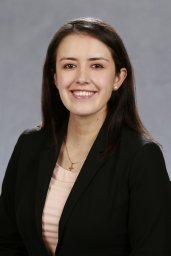 Maria A Mendoza合作论文数Department of Medicine, University of Miami Miller School of Medicine Miami7
 George Burke合作论文数Division of Transplantation, and the Departments of Medicine and Pathology, University of Miami School of Medicine7Gennaro Selvaggi合作论文数6Eric Martin合作论文数6
 Octavio Martinez合作论文数6Mrudula Munagala合作论文数6
 Rossana Rosa合作论文数6Akin Tekin合作论文数6
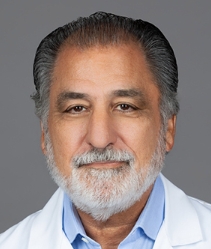 David Roth合作论文数Katz Family Division of Nephrology and Hypertension, Miller School of Medicine, University of Miami6Anmary Fernandez合作论文数5Ana Coro合作论文数5
 Lazaros Lekakis合作论文数5Mohammed Raja合作论文数5
 Akshay Khatri合作论文数Division of Infectious Diseases, UnityPoint Health5Garcia Jennifer合作论文数5
 Beduschi Thiago合作论文数5
 Linda Chen合作论文数5Jose Figueiro合作论文数5Christopher B. O'Brien合作论文数4Mariella Ortigosa-Goggins合作论文数4
 Krishna V Komanduri合作论文数4
 Nicolas Brozzi合作论文数4
 Yehuda Raveh合作论文数4Aragon Laura合作论文数4Andrews David M合作论文数4Clara Prado合作论文数3Leopoldo A. Cordova Garcia合作论文数3Gemma Rosello合作论文数3Aditya Chandorkar合作论文数3Teresa Cheung合作论文数3
 Paola Frattaroli合作论文数3Christopher B O'Brien合作论文数3S. Manickavel合作论文数3Maritza C. Alencar合作论文数3




