This study introduces a new technique in laryngeal microsurgery that combines subepithelial saline infusion with photoangiolysis to safely and effectively coagulate vocal fold vessels while minimizing thermal damage. By expanding the volume of the superficial lamina propria with saline, the method allows for precise targeting of vessels with reduced energy needed for coagulation, thereby protecting the delicate microstructure of the vocal folds. The technique allows for a more comprehensive hemostatic approach by making an increased number of vessels accessible for treatment, which can lead to reduced intraoperative bleeding and fewer postoperative complications.
OBJECTIVES:The 2 µm-wavelength thulium laser is an effective cutter during partial arytenoidectomy, but thermal trauma can damage adjacent laryngeal tissue. Pulsing laser energy may reduce trauma when compared to continuous-wave cutting. This study measured temperature changes, thermal trauma, and time to complete partial arytenoidectomy, with and without pulsing, in an ex-vivo calf model.METHODS:Tissue temperature and time to complete a trans-cartilaginous cut were measured during partial arytenoidectomy on ex-vivo calf vocal folds (N = 24) using a thulium laser in continuous-wave (CW, N = 12) and pulsed-wave (PW, N = 12) modes. Energy was 5 W for CW and PW cuts; pulse-widths were 250, 500, and 750 ms. Thermal damage was analyzed histologically by measuring the depth of lactate dehydrogenase (LDH) inactivation perpendicular to the laser-cut edge at the vocal process. Paired t-tests compared CW and PW modes.RESULTS:Change in temperature was lower using CW (6.5°C) compared to PW modes (250 ms = 18°; 500 ms = 16°; 750 = 19°; P < .05). Trans-cartilaginous cuts were completed faster using CW (37 seconds) compared to PW (250 ms = 136 seconds; 500 ms = 61 seconds; 750 = 44 seconds; P < .05), and both modes delivered the same total Joules. The average depth of LDH depletion (thermal damage) was similar for all cuts.CONCLUSIONS:1. Thulium laser cuts in continuous-mode unexpectedly produced less tissue heating yet created similar thermal damage than pulsed-mode cuts during simulated partial arytenoidectomy. 2. Trans-cartilaginous cuts were completed significantly faster in continuous-mode as compared to pulsed-mode cutting. 3. Pulsing the thulium laser does not minimize thermal damage compared to continuous wave cutting during thulium laser-assisted partial arytenoidectomy.
Objective. Singers undergoing tonsillectomy are understandably concerned about possible sequelae to their voice. The surgical risks of laryngeal damage from intubation and upper airway scarring are valid reasons for singers to carefully consider their options for treatment of tonsil-related symptoms. No prior studies have statistically assessed objective voice outcomes in a group of adult singers undergoing tonsillectomy. This study determined the impact of tonsillectomy on the adult singing voice by determining if there were statisti-cally significant changes in preoperative versus postoperative acoustic, aerodynamic, and Voice-Related Quality of Life (VRQOL) measures. Study Design. Prospective cohort study. Setting. Tertiary Referral Academic Hospital Subjects. Thirty singers undergoing tonsillectomy from 2012 to 2019. Methods. Acoustic recordings were obtained with Computerized Speech Lab (CSL) (Pentax CSL 4500) and analyzed with the Multidimensional Voice Program (MDVP) (Pentax MDVP) and Pratt Acoustic Analysis Soft-ware. Estimates of aerodynamic vocal efficiency were obtained and analyzed using the Phonatory Aerodynamic System (Pentax PAS 6600). Preoperative VRQOL scores were recorded, and singers were instructed to refrain from singing for 3 weeks following tonsillectomy. Repeat acoustic and aerodynamic measures as well as VRQOL scores were obtained at the first postoperative visit. Results. Average postoperative acoustic (jitter, shimmer, HNR) and aerodynamic (sound pressure level divided by subglottal pressure) parameters related to laryngeal phonatory function did not differ significantly from preoperative measures. The only statistically significant change in postoperative meas-ures of resonance was a decrease in the 3rd formant (F3) for the /a/ vowel. Average postoperative VRQOL scores (79.8, SD18.7) improved significantly from preoperative VRQOL scores (89, SD12.2) (P = 0.007). Conclusions. Tonsillectomy does not appear to alter laryngeal voice production in adult singers as measured by standard acoustic and aerodynamic parameters. The observed decrease in F3 for the /a/ vowel is hypothetically related to increasing the pharyngeal cross-sectional area by removing tonsillar tissue, but this would not be expected to appreciably impact the perceptual characteristics of the vowel. Singers' self-assessment (VRQOL) improved after tonsillectomy.
Objective The aim of this study was to gain quantitative insights into the role of daily voice use associated with mild phonotrauma via the Daily Phonotrauma Index (DPI), a measure derived from neck‐surface acceleration magnitude (NSAM) and difference between the first two harmonic magnitudes (H1 − H2). Methods An ambulatory voice monitor recorded weeklong voice use for 151 female patients with phonotraumatic vocal hyperfunction (PVH) and 181 female vocally healthy controls. Three laryngologists rated phonotrauma severity from each patient's laryngoscopy. Mixed generalized linear models evaluated the accuracy, sensitivity, and specificity of the original DPI trained on all patients versus a mild DPI version trained on only patients rated with mild phonotrauma. Individual contribution of NSAM and H1 − H2 to each DPI model was also evaluated. Results Reliability across the laryngologists' phonotrauma ratings was moderate (Fleiss κ = 0.41). There were 70, 69, and 12 patients with mild, moderate, and severe phonotrauma, respectively. The mild DPI, compared to the original DPI, correctly classified more patients with mild phonotrauma (Cohen's d = 0.9) and less controls ( d = −0.9) and did not change in overall accuracy. H1 − H2 contributed less to mild phonotrauma classification than NSAM for mild DPI. Conclusions Compared with the original DPI, the mild DPI exhibited higher sensitivity to mild phonotrauma and lower specificity to controls, but the same overall classification accuracy. These results support the mild DPI as a promising detector of early phonotrauma and that NSAM may be associated with early phonotrauma, and H1 − H2 may be a biomarker associated with vocal fold vibration in the presence of lesions. Level of Evidence Level 4, case–control study Laryngoscope , 133:3094–3099, 2023
Purpose The aim of this study was to use the Daily Phonotrauma Index (DPI) to quantify group-based changes in the daily voice use of patients with phonotraumatic vocal hyperfunction (PVH) after receiving voice therapy as the sole treatment. This is part of an ongoing effort to validate an updated theoretical framework for PVH. Method A custom-designed ambulatory voice monitor was used to collect 1 week of pre- and posttreatment data from 52 female patients with PVH. Normative weeklong data were also obtained from 52 matched controls. Each week was represented by the DPI, which is a combination of neck-surface acceleration magnitude skewness and the standard deviation of the difference between the first and second harmonic magnitudes. Results Compared to pretreatment, the DPI statistically decreased towards normal in the patient group after treatment (Cohen's d = -0.25). The posttreatment patient group's DPI was still significantly higher than the control group (d = 0.68). Conclusions The DPI showed the pattern of improved ambulatory voice use in a group of patients with PVH following voice therapy that was predicted by the updated theoretical framework. Per the prediction, voice therapy was associated with a decreased potential for phonotrauma in daily voice use, but the posttreatment patient group data were still significantly different from the normative control group data. This posttreatment difference is interpreted as reflecting the impact on voice use of the persistence of phonotrauma-induced structural changes to the vocal folds. Further validation of the DPI is needed to better understand its potential clinical use.
ObjectivesThe purpose of this study was to better understand the effects of stitch placement on arytenoid medialization by measuring normative cricoarytenoid joint anatomy and changes in arytenoid position when varying arytenopexy stitch configuration.MethodsThis adult human larynx study was done in two parts. First, measurements of the cricoid and arytenoid cartilage anatomy relevant to cricoarytenoid joint function were made in 45 preserved larynges (26 male (M), 19 female (F)) using digital calipers. Second, the arytenoids of six fresh larynges ( three M, three F) were sutured to the cricoid using various arytenopexy‐stitch placements ranging from inferior‐lateral to superior‐medial, and the resulting arytenoid positions were compared by measuring medial displacement of the arytenoid body and change in glottal configuration from macro still images using Image J. Paired t‐tests were used to compare the results.ResultsCartilage and joint facet dimensions showed differences between males (M) and females (F). Cricoid facet lengths averaged 9.3 mm (M) and 7.1 mm (F), and widths averaged 4.9 mm (M) and 4.0 mm (F). The arytenoid facet widths averaged 10.5 mm (M) and 9.7 mm (F). Average distances between cricoid facets were 11.8 mm for both males and females. Securing the arytenoid superior‐medially on the cricoid facet produced more medialization (2.2 mm vs 1.0 mm, P < .001) and better glottic aperture configuration (9.5° vs 2.7°, P < .001) than securing the arytenoid inferior‐laterally on the facet.ConclusionsAnatomic consistency in cricoarytenoid anatomy provides reliable surgical landmarks for ideal placement of an arytenopexy suture to optimally reposition the arytenoid cartilage. Optimal arytenoid medialization can be accurately reproduced with an arytenopexy‐suture that is placed superior‐medially on the cricoid facet.Level of EvidenceNA Laryngoscope, 131:2540–2544, 2021
Purpose The purpose of this study was to obtain a more comprehensive understanding of the pathophysiology and impact on daily voice use of nonphonotraumatic vocal hyperfunction (NPVH). Method An ambulatory voice monitor collected 1 week of data from 36 patients with NPVH and 36 vocally healthy matched controls. A subset of 11 patients with NPVH were monitored after voice therapy. Daily voice use measures included neck-skin acceleration magnitude, fundamental frequency (f o), cepstral peak prominence (CPP), and the difference between the first and second harmonic magnitudes (H1-H2). Additional comparisons included 118 patients with phonotraumatic vocal hyperfunction (PVH) and 89 additional vocally healthy controls. Results The NPVH group, compared to the matched control group, exhibited increased f o (Cohen's d = 0.6), reduced CPP (d = -0.9), and less positive H1-H2 skewness (d = -1.1). Classifiers used CPP mean and H1-H2 mode to maximally differentiate the NPVH and matched control groups (area under the receiver operating characteristic curve of 0.78). Classifiers performed well on unseen data: the logit decreased in patients with NPVH after therapy; ≥ 85% of the control and PVH groups were identified as "normal" or "not NPVH," respectively. Conclusions The NPVH group's daily voice use is less periodic (CPP), is higher pitched (f o), and has less abrupt vocal fold closure (H1-H2 skew) compared to the matched control group. The combination of CPP mean and H1-H2 mode appears to reflect a pathophysiological continuum in NPVH patients of inefficient phonation with minimal potential for phonotrauma. Further validation of the classification model is needed to better understand potential clinical uses. Supplemental Material https://doi.org/10.23641/asha.14390771.
Purpose: Previous ambulatory voice monitoring studies have included many singers and have combined speech and singing in the analyses. This study applied a singing classifier to the ambulatory recordings of singers with phonotrauma and healthy controls to determine if analyzing speech and singing separately would reveal voice use differences that could provide new insights into the etiology and pathophysiology of phonotrauma in this at-risk population. Method: Forty-two female singers with phonotrauma (vocal fold nodules or polyps) and 42 healthy matched controls were monitored using an ambulatory voice monitor. Weeklong statistics (average, standard deviation, skewness, kurtosis) for sound pressure level (SPL), fundamental frequency, cepstral peak prominence, the magnitude ratio of the first two harmonics (H-1-H-2), and three vocal dose measures were computed from the neck surface acceleration signal and separated into singing and speech using a singing classifier. Results: Mixed analysis of variance models found expected differences between singing and speech in each voice parameter, except SPL kurtosis. SPL skewness, SPL kurtosis, and all H-1-H-2 distributional parameters differentiated patients and controls when singing and speech were combined. Interaction effects were found in H-1-H-2 kurtosis and all vocal dose measures. Patients had significantly higher vocal doses in speech compared to controls. Conclusions: Consistent with prior work, the pathophysiology of phonotrauma in singers is characterized by more abrupt/complete glottal closure (decreased mean and variation for H-1-H-2) and increased laryngeal forces (negatively skewed SPL distribution) during phonation. Application of a singing classifier to weeklong data revealed that singers with phonotrauma spent more time speaking on a weekly basis, but not more time singing, compared to controls. Results are used as a basis for hypothesizing about the role of speaking voice in the etiology of phonotraumatic vocal hyperfunction in singers.
The Bering Land Bridge connecting North America and Eurasia was periodically exposed and inundated by oscillating sea levels during the Pleistocene glacial cycles. This land connection allowed the intermittent dispersal of animals, including humans, between Western Beringia (far northeast Asia) and Eastern Beringia (northwest North America), changing the faunal community composition of both continents. The Pleistocene glacial cycles also had profound impacts on temperature, precipitation and vegetation, impacting faunal community structure and demography. While these palaeoenvironmental impacts have been studied in many large herbivores from Beringia (e.g., bison, mammoths, horses), the Pleistocene population dynamics of the diverse guild of carnivorans present in the region are less well understood, due to their lower abundances. In this study, we analyse mitochondrial genome data from ancient brown bears (Ursus arctos; n = 103) and lions (Panthera spp.; n = 39), two megafaunal carnivorans that dispersed into North America during the Pleistocene. Our results reveal striking synchronicity in the population dynamics of Beringian lions and brown bears, with multiple waves of dispersal across the Bering Land Bridge coinciding with glacial periods of low sea levels, as well as synchronous local extinctions in Eastern Beringia during Marine Isotope Stage 3. The evolutionary histories of these two taxa underline the crucial biogeographical role of the Bering Land Bridge in the distribution, turnover and maintenance of megafaunal populations in North America.
ObjectivesWhile it is acknowledged that otolaryngologists performing microlaryngeal surgery can develop musculoskeletal symptoms due to suboptimal body positioning relative to the patient, flexible laryngoscopy and awake laryngeal surgeries (ALSs) can also pose ergonomic risk. This prospective study measured the effects of posture during ergonomically good and bad positions during laryngoscopy using ergonomic analysis, skin‐surface electromyography (EMG), and self‐reported pain ratings.Study DesignProspective cohort study.MethodsEight participants trained in laryngoscopy assumed four ergonomically distinct standing positions (side/near, side/far, front/near, front/far) at three different heights (neutral—top of patient's head in line with examiner's shoulder, high—6 inches above neutral, and low—6 inches below neutral) in relation to a simulated patient. Participants' postures were analyzed using the validated Rapid Upper Limb Assessment (RULA, 1 [best] to 7 [worst]) tool for the 12 positions. Participants then simulated ALS for 10 minutes in a bad position (low‐side‐far) and a good position (neutral‐front‐near) with 12 EMG sensors positioned on the limbs and torso.ResultsThe position with the worst RULA score was the side/near/high (7.0), and the best was the front/near/neutral (4.5). EMG measurements revealed significant differences between simulated surgery in the bad and good positions, with bad position eliciting an average of 206% greater EMG root‐mean‐squared magnitude across all sampled muscles compared to the good posture (paired t‐test, df = 7, P < .01), consistent with self‐reported fatigue/pain when positioned poorly.ConclusionQuantitative and qualitative measurements demonstrate the impact of surgeon posture during simulated laryngoscopy and suggest ergonomically beneficial posture that should facilitate ALSs.Level of Evidence3 Laryngoscope, 131:2752–2758, 2021
Objectives This study aimed to report the pre- and post-operative laryngeal endoscopic findings in patients referred by non-otolaryngologists who are undergoing thyroid and/or parathyroid surgery, and to determine the number and nature of referrals before and after the release of the clinical practice guideline for improving voice outcomes after thyroid surgery. Methods This retrospective cohort study, conducted at a tertiary care academic hospital, comprised adult patients referred by the endocrine surgery service for laryngoscopy from 2007 to 2018 (n = 166). Data regarding patient demographics, reason for referral and endoscopic findings were recorded. Results The number of referrals increased significantly after the release of the practice guideline. The most common indication for referral pre- and post-operatively was voice change. The most common finding during laryngoscopy was normal examination findings (pre-operatively) and unilateral vocal fold immobility (post-operatively). Conclusion Peri-operative thyroid and/or parathyroid patients have laryngoscopic findings other than vocal fold immobility. Laryngoscopy to detect structural and functional pathology is warranted.
Objectives: Prevention, diagnosis, and treatment of hyperfunctional voice disorders would be improved by better understanding their etiological contributing factors. Therefore, this study estimated the prevalence of etiological factors using self-reported data about disorder onset from a large cohort of patients with Phonotraumatic Vocal Hyperfunction (PVH) and Non-Phonotraumatic Vocal Hyperfunction (NPVH). Methods: Retrospective chart review extracted the self-reported rate (gradual, sudden) and events associated (voice use, anxiety/stress, upper respiratory infection [URI]) with disorder onset from 1,577 patients with PVH and 979 patients with NPVH. Results: Both patient groups reported a gradual onset more than a sudden onset. Voice use was the most frequently reported event for PVH and the NPVH group self-reported all three events at equal frequency. The largest PVH subgroups were associated with voice use while the NPVH subgroups were associated with only voice use, only URI, or only anxiety/stress. Conclusion: The results support the general clinical view that PVH is most strongly related to the gradual accumulated effects of phonotrauma, while NPVH has a more heterogeneous etiology. The identified PVH and NPVH subgroups may have clinical relevance and future work could investigate differences in treatment and outcomes among these subgroups.
Purpose Previous work using ambulatory voice recordings has shown no differences in average vocal behavior between patients with phonotraumatic vocal hyperfunction and matched controls. This study used larger groups to replicate these results and expanded the analysis to include distributional characteristics of ambulatory voice use and measures indicative of glottal closure. Method Subjects included 180 adult women: 90 diagnosed with vocal fold nodules or polyps and 90 age-, sex-, and occupation-matched controls with no history of voice disorders. Weeklong summary statistics (average, variability, skewness, kurtosis) of voice use were computed from neck-surface acceleration recorded using an ambulatory voice monitor. Voice measures included estimates of sound pressure level (SPL), fundamental frequency (f o), cepstral peak prominence, and the difference between the first and second harmonic magnitudes (H1-H2). Results Statistical comparisons resulted in medium-large differences (Cohen's d ≥ 0.5) between groups for SPL skewness, f o variability, and H1-H2 variability. Two logistic regressions (theory-based and stepwise) found SPL skewness and H1-H2 variability to classify patients and controls based on their weekly voice data, with an area under the receiver operating characteristic curve of 0.85 and 0.82 on training and test sets, respectively. Conclusion Compared to controls, the weekly voice use of patients with phonotraumatic vocal hyperfunction reflected higher SPL tendencies (negatively skewed SPL) with more abrupt glottal closure (reduced H1-H2 variability, especially toward higher values). Further work could examine posttreatment data (e.g., after surgery and/or therapy) to determine the extent to which these differences are associated with the etiology and pathophysiology of phonotraumatic vocal fold lesions.
Purpose Adductor spasmodic dysphonia (ADSD), the most common form of spasmodic dysphonia, is a debilitating voice disorder characterized by hyperactivity and muscle spasms in the vocal folds during speech. Prior neuroimaging studies have noted excessive brain activity during speech in participants with ADSD compared to controls. Speech involves an auditory feedback control mechanism that generates motor commands aimed at eliminating disparities between desired and actual auditory signals. Thus, excessive neural activity in ADSD during speech may reflect, at least in part, increased engagement of the auditory feedback control mechanism as it attempts to correct vocal production errors detected through audition. Method To test this possibility, functional magnetic resonance imaging was used to identify differences between participants with ADSD (n = 12) and age-matched controls (n = 12) in (a) brain activity when producing speech under different auditory feedback conditions and (b) resting-state functional connectivity within the cortical network responsible for vocalization. Results As seen in prior studies, the ADSD group had significantly higher activity than the control group during speech with normal auditory feedback (compared to a silent baseline task) in three left-hemisphere cortical regions: ventral Rolandic (sensorimotor) cortex, anterior planum temporale, and posterior superior temporal gyrus/planum temporale. Importantly, this same pattern of hyperactivity was also found when auditory feedback control of speech was eliminated through masking noise. Furthermore, the ADSD group had significantly higher resting-state functional connectivity between sensorimotor and auditory cortical regions within the left hemisphere as well as between the left and right hemispheres. Conclusions Together, our results indicate that hyperactivation in the cortical speech network of individuals with ADSD does not result from hyperactive auditory feedback control mechanisms and rather is likely related to impairments in somatosensory feedback control and/or feedforward control mechanisms.
Purpose This study attempts to gain insights into the role of daily voice use in the etiology and pathophysiology of phonotraumatic vocal hyperfunction (PVH) by applying a logistic regression-based daily phonotrauma index (DPI) to predict group-based improvements in patients with PVH after laryngeal surgery and/or postsurgical voice therapy. Method A custom-designed ambulatory voice monitor was used to collect 1 week of pre- and postsurgery data from 27 female patients with PVH; 13 of these patients were also monitored after postsurgical voice therapy. Normative weeklong data were obtained from 27 matched controls. Each week was represented by the DPI, standard deviation of the difference between the first and second harmonic amplitudes (H1-H2). Results Compared to pretreatment, the DPI significantly decreased in the patient group after surgery (Cohen's d effect size = -0.86) and voice therapy (d = -1.06). The patient group DPI only normalized after voice therapy. Conclusions The DPI produced the expected pattern of improved ambulatory voice use across laryngeal surgery and postsurgical voice therapy in a group of patients with PVH. The results were interpreted as providing new objective information about the role of daily voice use in the etiology and pathophysiology of PVH. The DPI is viewed as an estimate of potential vocal fold trauma that relies on combining the long-term distributional characteristics of two parameters representing the magnitude of phonatory forces (neck-surface acceleration magnitude) and vocal fold closure dynamics (H1-H2). Further validation of the DPI is needed to better understand its potential clinical use.
OBJECTIVE:To investigate the indications, efficacy, safety, and outcomes of potassium-titanyl-phosphate (KTP) laser procedures for treatment of laryngeal disease. METHODS:PubMed, Cochrane Library, and Scopus were searched for studies providing information about the indications, efficacy, and safety of both in-office and operative suspension microlaryngoscopy KTP laser procedure in treatment of laryngeal disease. Diagnostic criteria and clinical outcome evaluation of included studies were analyzed using Preferred Reporting Items for Systematic Reviews and Meta-Analyses criteria. RESULTS:Of the initial screened 140 papers, 17 met our inclusion criteria. Six papers involved KTP laser procedures for benign and malignant vocal fold lesions in suspension microlaryngoscopy only, 10 papers focused on only in-office KTP laser procedures for benign vocal fold lesions, and 1 paper included both in-office and suspension microlaryngoscopy procedures. The following lesions may be considered as indications for KTP laser procedures: Reinke's edema, sulcus vocalis, vocal fold hemorrhage, polyp, granuloma, cyst, scar, papillomatosis, dysplasia, leukoplakia, and early vocal fold malignancies. Irrespective of the types of procedure (in-office vs suspension microlaryngoscopy), the KTP laser is associated with a low complication rate and overall good vocal fold vibration recovery. There is an important heterogeneity among studies concerning laser settings, indications, and outcomes used for the assessment of treatment effectiveness. There are no controlled studies directly comparing KTP laser with other lasers (ie, carbon dioxide laser). CONCLUSION:The use of KTP laser procedures for treatment of laryngeal disease has increased over the past decade, especially for office-based management of vocal fold lesions. Future controlled studies are needed to compare the safety and outcomes of the KTP laser to other techniques.
Introduction: Endotracheal (ET) intubation is a common cause of acquired glottic stenosis. Severe cases often require an irreversible arytenoidectomy/cordectomy, which typically results in poor voice quality. Adult human cadaver larynges were studied to gain insights about ET tube–induced posterior glottic injuries, hoping to create a less invasive remedy. Study Design: Human cadaver investigation and case reports. Methods: Microlaryngeal assessments were done on 10 human cadaver larynges (5 men, 5 women) with and without ET tubes. After supracricoid soft tissue resection, measurements were obtained, including the distance between the outer diameter of the ET tube and the medial aspect of the cricoarytenoid joint facet. Additionally, measurements of the circumferential arc of differently sized ET tubes were made alongside both cricoarytenoid joint capsules. This information was used to design a silastic stent that would function as a self-retaining interarytenoid spring to treat posterior glottic stenosis in 5 patients. Four of 5 patients included in the clinical study were tracheotomy dependent, primarily because of glottic stenosis. The human surgical technique is described in detail. Results: The shortest distance between the outer diameter of the ET tube to the medial cricoid facet averaged 5.02 mm in men and 3.62 mm in women. On the basis of the diameter of the intralaryngeal component of the initially round stent, and the position of the cricoarytenoid joint facets, the interarytenoid spring would have a subtended arc between 110° and 175°. These data helped fashion parameters for modifying a conventional T-tube to form a new self-retaining silastic interarytenoid spring. The first 5 human cases have been successful, allowing effective tracheotomy tube decannulation and excellent voice quality. Conclusions: The anatomic investigation herein provided key insights into ET tube–induced glottic stenosis and facilitated a new straightforward procedure to surgically improve the airway yet preserve excellent vocal function in patients with acquired glottic stenosis. Level of Evidence: NA
Objectives/HypothesisPhotoangiolytic precision afforded by the 532‐nm potassium‐titanyl‐phosphate (KTP) laser relies on predictable energy delivery. Inadequate energy output can cause vessel rupture, and excessive energy can cause thermal damage. The quality of the cleaved surface and carbon deposits from ablated tissue are two factors that could negatively impact fiber performance. The effects of these on energy output and blood vessel coagulation were assessed using a chorioallantoic membrane (CAM) model.Study DesignComparative analysis.MethodsLaser fibers with carbon debris, optimal fiber cleaving, and suboptimal cleaving were inspected at three times magnification, and the light dispersion pattern of each fiber was rated. The average energy output from consecutive pulses through each fiber configuration was recorded. The effect of these fiber conditions on clinical efficacy was estimated by measuring vessel coagulation versus rupture in the CAM model. Repeated measures analysis of variance compared results.ResultsCarbon debris and suboptimal cleaving resulted in decreased energy output in comparison to optimal cleaving ([−Δ244 mJ, d = 4.31, P < .001] and [−Δ195 mJ, d = 6.04, P < .001]). Optimal cleaving resulted in immediate coagulation of vessels. Fibers with suboptimal cleaving and carbon debris had unpredictable outcomes, requiring multiple pulses for coagulation or causing vessel rupture.ConclusionsKTP laser fiber function is significantly affected by fiber tip condition. Carbon debris and suboptimal cleaving create significant attenuation of energy, which results in an unpredictable angiolytic effect, as demonstrated by increased vessel rupture in the CAM model. Optimal recleaving of KTP laser fibers restores prior energy output and predictable coagulation. Care should be taken to avoid carbon debris on laser‐fiber tips and to cleave fibers properly.Level of EvidenceNALaryngoscope, 129:2244–2248, 2019
China Bowl, a small vadose cave in the northern Interlake Region of Manitoba, Canada (53 + degrees N, 99 + degrees W), yielded the first recorded cave assemblage from central Manitoba-an Early-Middle Holocene vertebrate faunule dating to 7715 rcy BP (8500 cal y BP). The faunule, comprising mainly small mammals and amphibians, suggests an open taiga punctuated by mixed groves of trees on drier uplands interspersed with low-lying wetlands in an area occupied only a few centuries previously by proglacial Lake Agassiz. Identified elements include 3368 teeth derived from 17 small mammalian species, most of which are today locally sympatric taxa. This late, non-analog fauna, which includes Bison sp. indet., also features collared lemming (Dicrostonyx, perhaps D. richardsoni) which is now disjunct from the China Bowl locality by some 400-500 km to the north. The early postglacial, post-Agassiz occurrence of Dicrostonyx in the northern Interlake supports hypotheses about (Richardson's?) collared lemming still recolonizing northward from a refugium south of the late-Wisconsin Glacial Maximum (LGM) limits as ice and Lake Agassiz shorelines retreated. More than 3800 amphibian bones were also recovered, along with a few snake and fewer avian remains.
 Steven M. Zeitels合作论文数Mass General Research Institute, Massachusetts General Hospital;Harvard Medical School59
 Robert E. Hillman合作论文数Voice Center, Massachusetts General Hospital, Harvard University;Institute of Health Profession, MGH;Harvard Medical School;Boston University33
 James Kobler合作论文数20
 Jarrad H. Van Stan合作论文数16
 Rox Anderson合作论文数Mass General Research Institute, Massachusetts General Hospital;Wellman Center for Photomedicine, Massachusetts General Hospital;Harvard Medical School14
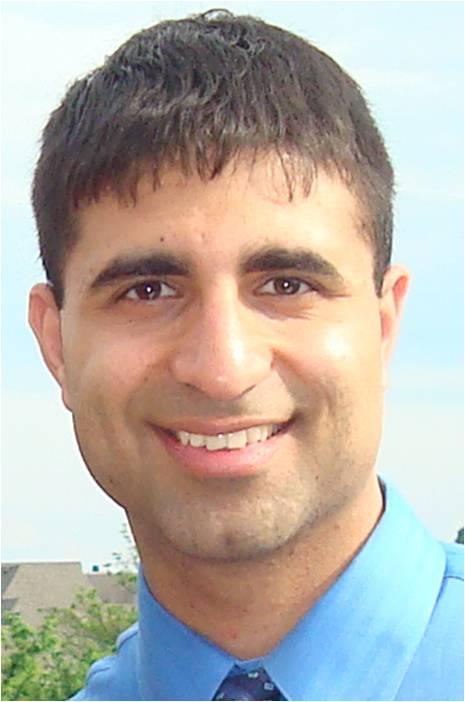 Daryush D. Mehta合作论文数Massachusetts General Hospital;MGH Institute of Health Professions;Harvard Medical School13Friedman Aaron D合作论文数12
 Gerardo Lopez Guerra合作论文数12
 James Heaton合作论文数Department of Surgery, Massachusetts General Hospital and Harvard Medical School12Barbu Anca M合作论文数10
 Lee M Akst合作论文数Cleveland Clinic Foundation Head and Neck Institute Cleveland OH9Tiffiny Hron合作论文数8Matthew S. Broadhurst合作论文数8
 Alan Cooper合作论文数Gulbali Institute, Charles Sturt University;Blue Sky Genetics7Tara Stadelman-Cohen合作论文数6Lauren F Tracy合作论文数6
 Douglas Capone合作论文数Department of Biological Sciences, Dornsife College of Letters, Arts and Sciences, University of Southern California6Katherine L. Marks合作论文数5Jason Muise合作论文数5
 Seth H Dailey合作论文数Division of Otolaryngology-Head & Neck Surgery, Department of Surgery, University of Wisconsin-Madison5Andrew J Ortiz合作论文数Massachusetts Gen Hosp, Boston, MA 02114 USA5
 Laura E Toles合作论文数Department of Otolaryngology-Head and Neck Surgery, The University of Texas Southwestern Medical Center5Landau-Zemer Tali合作论文数5
 Johannes F. De Boer合作论文数Department of Physics and Astronomy, Vrije Universiteit Amsterdam5
 Jacobo Weinstock合作论文数School of Humanities, Faculty of Arts and Humanities, University of Southampton5
 Ki Hean Kim合作论文数Dept Mech Engn, Pohang Univ Sci & Technol5Carol Krusemark合作论文数4
 Xulong Lai (赖旭龙)合作论文数China University of Geosciences, Wuhan4
 Eske Willerslev合作论文数Department of Zoology, University of Cambridge4Duane G. Froese合作论文数4Pavel A. Kosintsev合作论文数4Larry D. Martin合作论文数4Andrei Sher合作论文数4Robert H Petrillo合作论文数3
 Monica Tynan合作论文数3
 Sergio A. Sañudo Wilhelmy合作论文数Department of Biological Sciences, University of Southern California3
 Beth Shapiro合作论文数Department of Ecology & Evolutionary Biology, Division of Physical & Biological Sciences, University of California, Santa Cruz;Colossal Biosciences;Genomics Institute, University of California, Santa Cruz3
 Michael Hofreiter合作论文数Institute for Biochemistry and Biology, Department of Mathematics and Natural Sciences, Universitat Potsdam3
 Eric Scott合作论文数Howard Hughes Medical Institute, University of California, San Diego3
 Simon Ho合作论文数School of Life and Environmental Sciences, The University of Sydney3John Storer合作论文数3Charles Harington合作论文数3R Rains合作论文数3
 Simon R. Best合作论文数Department of Otolaryngology/Head and Neck Surgery, Johns Hopkins Medical Institutions3
 Dimitar D. Deliyski合作论文数Department of Communication Sciences and Disorders, University of South Carolina3
 Edward J Carpenter合作论文数Department of Biology, College of Science and Engineering, San Francisco State University3
 Adam Kustka合作论文数Earth and Environmental Sciences, Rutgers University3
 Jerome R. Lechien合作论文数2Yuan‐Di Halvorsen合作论文数2




