Horses revolutionized human history with fast mobility(1). However, the timeline between their domestication and their widespread integration as a means of transport remains contentious(2-4). Here we assemble a collection of 475 ancient horse genomes to assess the period when these animals were first reshaped by human agency in Eurasia. We find that reproductive control of the modern domestic lineage emerged around 2200 bce, through close-kin mating and shortened generation times. Reproductive control emerged following a severe domestication bottleneck starting no earlier than approximately 2700 bce, and coincided with a sudden expansion across Eurasia that ultimately resulted in the replacement of nearly every local horse lineage. This expansion marked the rise of widespread horse-based mobility in human history, which refutes the commonly held narrative of large horse herds accompanying the massive migration of steppe peoples across Europe around 3000 bce and earlier(3,5). Finally, we detect significantly shortened generation times at Botai around 3500 bce, a settlement from central Asia associated with corrals and a subsistence economy centred on horses(6,7). This supports local horse husbandry before the rise of modern domestic bloodlines.
Over the last 10,000 y, humans have manipulated fallow deer populations with varying outcomes. Persian fallow deer (Dama mesopotamica) are now endangered. European fallow deer (Dama dama) are globally widespread and are simultaneously considered wild, domestic, endangered, invasive and are even the national animal of Barbuda and Antigua. Despite their close association with people, there is no consensus regarding their natural ranges or the timing and circumstances of their human-mediated translocations and extirpations. Our mitochondrial analyses of modern and archaeological specimens revealed two distinct clades of European fallow deer present in Anatolia and the Balkans. Zooarchaeological evidence suggests these regions were their sole glacial refugia. By combining biomolecular analyses with archaeological and textual evidence, we chart the declining distribution of Persian fallow deer and demonstrate that humans repeatedly translocated European fallow deer, sourced from the most geographically distant populations. Deer taken to Neolithic Chios and Rhodes derived not from nearby Anatolia, but from the Balkans. Though fallow deer were translocated throughout the Mediterranean as part of their association with the Greco-Roman goddesses Artemis and Diana, deer taken to Roman Mallorca were not locally available Dama dama, but Dama mesopotamica. Romans also initially introduced fallow deer to Northern Europe but the species became extinct and was reintroduced in the medieval period, this time from Anatolia. European colonial powers then transported deer populations across the globe. The biocultural histories of fallow deer challenge preconceptions about the divisions between wild and domestic species and provide information that should underpin modern management strategies.
The horse is central to many Indigenous cultures across the American Southwest and the Great Plains. However, when and how horses were first integrated into Indigenous lifeways remain contentious, with extant models derived largely from colonial records. We conducted an interdisciplinary study of an assemblage of historic archaeological horse remains, integrating genomic, isotopic, radiocarbon, and paleopathological evidence. Archaeological and modern North American horses show strong Iberian genetic affinities, with later influx from British sources, but no Viking proximity. Horses rapidly spread from the south into the northern Rockies and central plains by the first half of the 17th century CE, likely through Indigenous exchange networks. They were deeply integrated into Indigenous societies before the arrival of 18th-century European observers, as reflected in herd management, ceremonial practices, and culture.
The Bering Land Bridge connecting North America and Eurasia was periodically exposed and inundated by oscillating sea levels during the Pleistocene glacial cycles. This land connection allowed the intermittent dispersal of animals, including humans, between Western Beringia (far northeast Asia) and Eastern Beringia (northwest North America), changing the faunal community composition of both continents. The Pleistocene glacial cycles also had profound impacts on temperature, precipitation and vegetation, impacting faunal community structure and demography. While these palaeoenvironmental impacts have been studied in many large herbivores from Beringia (e.g., bison, mammoths, horses), the Pleistocene population dynamics of the diverse guild of carnivorans present in the region are less well understood, due to their lower abundances. In this study, we analyse mitochondrial genome data from ancient brown bears (Ursus arctos; n = 103) and lions (Panthera spp.; n = 39), two megafaunal carnivorans that dispersed into North America during the Pleistocene. Our results reveal striking synchronicity in the population dynamics of Beringian lions and brown bears, with multiple waves of dispersal across the Bering Land Bridge coinciding with glacial periods of low sea levels, as well as synchronous local extinctions in Eastern Beringia during Marine Isotope Stage 3. The evolutionary histories of these two taxa underline the crucial biogeographical role of the Bering Land Bridge in the distribution, turnover and maintenance of megafaunal populations in North America.
1 Ancient Biomolecules Centre, Department of Zoology, University of Oxford, United Kingdom, 2 Institute of Ecology and Evolution, Russian Academy of Sciences, Moscow, Russia, 3 Department of Ecology and Evolutionary Biology, Princeton University, United States of America, 4 Government of the Yukon, Cultural Services Branch, Whitehorse, Canada, 5 Quaternary Paleontology Program, Provincial Museum of Alberta, Edmonton, Canada, 6 Natural History Museum, University of Kansas, Lawrence, Kansas, United States of America, 7 Instituto Multidisciplinario de Biologia Celular (IMBICE), La Plata, Argentina, 8 Instituto de la Patagonia, Universidad de Magallanes, Punta Arenas, Chile, 9 Department of Earth and Atmospheric Science, University of Alberta, Canada, 10 San Bernardino County Museum, Redlands, California, United States of America, 11 China University of Geosciences, Wuhan, China
Horse domestication revolutionized warfare and accelerated travel, trade, and the geographic expansion of languages. Here, we present the largest DNA time series for a non-human organism to date, including genome-scale data from 149 ancient animals and 129 ancient genomes (≥1-fold coverage), 87 of which are new. This extensive dataset allows us to assess the modern legacy of past equestrian civilizations. We find that two extinct horse lineages existed during early domestication, one at the far western (Iberia) and the other at the far eastern range (Siberia) of Eurasia. None of these contributed significantly to modern diversity. We show that the influence of Persian-related horse lineages increased following the Islamic conquests in Europe and Asia. Multiple alleles associated with elite-racing, including at the MSTN "speed gene," only rose in popularity within the last millennium. Finally, the development of modern breeding impacted genetic diversity more dramatically than the previous millennia of human management.
Supratrochlear foramina (STF) were recorded in fifteen per cent of goat and sheep/goat humeri from the New Kingdom pharaonic town of Amara West, in modern northern Sudan. To the authors' knowledge, this trait has never before been reported in the published literature for goats or sheep, whether from archaeological or modern contexts. The aim of this work is twofold: to contribute to the growing corpus of studies addressing the incidence and aetiology of STF, and to raise awareness for their possible presence in caprines, thus encouraging their identification and recording in archaeological assemblages.
Earth Resistance Tomography (ERT) is a geophysical prospecting technique that has the capacity to model subsurface sediments. This technique is applied at the Cave near Rovinjsko Selo 1 site which is in the Lim Channel, Croatia. ERT is used as a means for positively identifying a previous excavation trench location within site which, in turn, informs the excavation planning process. The potential benefits of this technique are discussed for future excavation planning efforts at Romuald’s Cave, another cave site location in the Lim Channel. While beneficial in this study, the technique’s utility will vary in other locations according to site conditions, amount of previous excavation activities, and age of earlier excavation activities which affects both the geophysical survey design and applicability of ERT to the specific site environment.
As a part of the multidisciplinary project entitled ‘Archaeological Investigations into the Late Pleistocene and Early Holocene of the Lim Channel, Istria’, archaeological research has been conducted at four sites: Romuald's Cave, Abri Kontija 002, Pećina at Rovinjsko Selo and Lim 001 (Figure 1). There is much debate on issues related to biological and behavioural continuity, to patterns of changes and adaptations during this crucial period, and to external factors (e.g. changes in ecology and climate). For example, a clearer insight is needed into how climatic change affects the ecology of specific regions, including changing sea levels. Additionally, there continues to be debate centring on who produced the earliest (Initial) Upper Palaeolithic industries in Europe. To achieve a more precise insight into long-term diachronic changes and cultural relations around the Adriatic, and to document the presence of Middle and Upper Palaeolithic humans in Istria, we concentrated on a single microregion (the Lim Channel in Istria, Croatia). Here we report work on the two sites that to date have yielded Pleistocene material: Romuald's Cave and Abri Kontija 002.
As a part of the project „Archaeological Investigations into the Late Pleistocene and Early Holocene of the Lim Channel, Istria (ARCHAEOLIM)“ financed by the Croatian Science foundation (Grant no. 7789), archaeological excavations have been undertaken on four sites Two yielded material from the Paleolithic. At Romualdo's Cave previous researchers found traces of the Upper Paleolithic industry and two human teeth, and later several artefacts that could be assigned to Mousterian industry. Our work resulted in discovery of faunal remains and lithic finds from Upper Pleistocene. While the Upper Paleolithic finds were rare (only a few lithic finds can be securely assigned to this period) there is evidence of human occupation of the site during the Middle Paleolithic. At Abri Kontija 002 archaeological work resulted in a very rich, and what seems to be either frequent or continuous human presence during the Upper Paleolithic. All excavated layers are very rich in faunal remains, lithics, and traces of fire and other finds. Here we discuss the main finds from three excavation seasons.
Horses, asses and zebras, can produce first-generation F1-hybrids, despite their striking karyotypic and phenotypic differences. Such F1-hybrids are mostly infertile, but often present characters of considerable interest to breeders. They were extremely valued in antiquity, and commonly represented in art and on coinage. However, hybrids appear relatively rarely in archaeological faunal assemblages, mostly because identification based on morphometric data alone is extremely difficult. Here, we developed a methodological framework that exploits high-throughput sequencing data retrieved from archaeological material to identify F1-equine hybrids. Our computational methodology is distributed in the open-source Zonkey pipeline, now part of PALEOMIX (https://github.com/MikkelSchubert/paleomix), together with full documentation and examples. Using both synthetic and real sequence datasets, from living and ancient F1-hybrids, we find that Zonkey shows high sensitivity and specificity, even with limited sequencing efforts. Zonkey is thus well suited to the identification of equine F1-hybrids in the archaeological record, even in cases where DNA preservation is limited. Zonkey can also help determine the sex of ancient animals, and allows species identification, which advantageously complements morphological data in cases where material is fragmentary and/or multiple candidate equine species coexisted in sympatry.
Hippidions were equids with very distinctive anatomical features. They lived in South America 2.5 million years ago (Ma) until their extinction approximately 10 000 years ago. The evolutionary origin of the three known Hippidion morphospecies is still disputed. Based on palaeontological data, Hippidion could have diverged from the lineage leading to modern equids before 10 Ma. In contrast, a much later divergence date, with Hippidion nesting within modern equids, was indicated by partial ancient mitochondrial DNA sequences. Here, we characterized eight Hippidion complete mitochondrial genomes at 3.4–386.3-fold coverage using target-enrichment capture and next-generation sequencing. Our dataset reveals that the two morphospecies sequenced ( H. saldiasi and H. principale ) formed a monophyletic clade, basal to extant and extinct Equus lineages. This contrasts with previous genetic analyses and supports Hippidion as a distinct genus, in agreement with palaeontological models. We date the Hippidion split from Equus at 5.6–6.5 Ma, suggesting an early divergence in North America prior to the colonization of South America, after the formation of the Panamanian Isthmus 3.5 Ma and the Great American Biotic Interchange.
The rich fossil record of equids has made them a model for evolutionary processes. Here we present a 1.12-times coverage draft genome from a horse bone recovered from permafrost dated to approximately 560-780 thousand years before present (kyr BP). Our data represent the oldest full genome sequence determined so far by almost an order of magnitude. For comparison, we sequenced the genome of a Late Pleistocene horse (43 kyr BP), and modern genomes of five domestic horse breeds (Equus ferus caballus), a Przewalski's horse (E. f. przewalskii) and a donkey (E. asinus). Our analyses suggest that the Equus lineage giving rise to all contemporary horses, zebras and donkeys originated 4.0-4.5 million years before present (Myr BP), twice the conventionally accepted time to the most recent common ancestor of the genus Equus. We also find that horse population size fluctuated multiple times over the past 2 Myr, particularly during periods of severe climatic changes. We estimate that the Przewalski's and domestic horse populations diverged 38-72 kyr BP, and find no evidence of recent admixture between the domestic horse breeds and the Przewalski's horse investigated. This supports the contention that Przewalski's horses represent the last surviving wild horse population. We find similar levels of genetic variation among Przewalski's and domestic populations, indicating that the former are genetically viable and worthy of conservation efforts. We also find evidence for continuous selection on the immune system and olfaction throughout horse evolution. Finally, we identify 29 genomic regions among horse breeds that deviate from neutrality and show low levels of genetic variation compared to the Przewalski's horse. Such regions could correspond to loci selected early during domestication.
The genus Equus is richly represented in the fossil record, yet our understanding of taxonomic relationships within this genus remains limited. To estimate the phylogenetic relationships among modern horses, zebras, asses and donkeys, we generated the first data set including complete mitochondrial sequences from all seven extant lineages within the genus Equus. Bayesian and Maximum Likelihood phylogenetic inference confirms that zebras are monophyletic within the genus, and the Plains and Grevy's zebras form a well-supported monophyletic group. Using ancient DNA techniques, we further characterize the complete mitochondrial genomes of three extinct equid lineages (the New World stilt-legged horses, NWSLH; the subgenus Sussemionus; and the Quagga, Equus quagga quagga). Comparisons with extant taxa confirm the NWSLH as being part of the caballines, and the Quagga and Plains zebras as being conspecific. However, the evolutionary relationships among the non-caballine lineages, including the now-extinct subgenus Sussemionus, remain unresolved, most likely due to extremely rapid radiation within this group. The closest living outgroups (rhinos and tapirs) were found to be too phylogenetically distant to calibrate reliable molecular clocks. Additional mitochondrial genome sequence data, including radiocarbon dated ancient equids, will be required before revisiting the exact timing of the lineage radiation leading up to modern equids, which for now were found to have possibly shared a common ancestor as far as up to 4 Million years ago (Mya).
For a long time, "spelaeoid" (cave-bear-like) bears, Ursus (Spelearctos) spp., were believed to be almost purely European animals. Their geographic range has recently been extended to the east, in southern Siberia, Transbaikalia, Kirghizia, Mongolia and Korea. Two unexpected new findings, presented here in detail, significantly change existing views on the distribution of cave bears; both were found in North-Eastern Siberia, far beyond the Arctic Circle, more than 1500 km to the north-east of the previously accepted range.One of the fossils is a mandible, found near the town of Cherskiy at 68.73 degrees N, 161.38 degrees E. The analysis of local geology and accompanying mammal fossils suggests that it comes from the Olyorian Fauna (Early to early Middle Pleistocene). Morphologically, the Cherskiy mandible is closest to Ursus savini, a small middle Pleistocene cave bear from the British Cromer Forest-bed Formation, but differs in having a slightly more advanced dentition, and thus it is described as a new subspecies Ursus savini nordostensis. Another newly recognized fossil of the "spelaeoid" bear is an astragalus found at the Oskhordokh site at 67.54 degrees N, 135.67 degrees E, on a large gravel bar on the right bank of the Adycha River. This specimen is attributed to Ursus cf. deningeri.The paper also presents an interesting example of the interaction between classical and "molecular" palaeontology.The new finds significantly change existing ideas on the ecology and evolution of cave bears, some of the most remarkable members of the extinct Pleistocene megafauna. (C) 2010 Elsevier Ltd. All rights reserved.
Modern domestic horses display abundant genetic diversity within female-inherited mitochondrial DNA, but practically no sequence diversity on the male-inherited Y chromosome. Several hypotheses have been proposed to explain this discrepancy, but can only be tested through knowledge of the diversity in both the ancestral (pre-domestication) maternal and paternal lineages. As wild horses are practically extinct, ancient DNA studies offer the only means to assess this ancestral diversity. Here we show considerable ancestral diversity in ancient male horses by sequencing 4 kb of Y chromosomal DNA from eight ancient wild horses and one 2,800-year-old domesticated horse. Both ancient and modern domestic horses form a separate branch from the ancient wild horses, with the Przewalski horse at its base. Our methodology establishes the feasibility of re-sequencing long ancient nuclear DNA fragments and demonstrates the power of ancient Y chromosome DNA sequence data to provide insights into the evolutionary history of populations.
Despite decades of research, the roles of climate and humans in driving the dramatic extinctions of large-bodied mammals during the Late Quaternary period remain contentious. Here we use ancient DNA, species distribution models and the human fossil record to elucidate how climate and humans shaped the demographic history of woolly rhinoceros, woolly mammoth, wild horse, reindeer, bison and musk ox. We show that climate has been a major driver of population change over the past 50,000 years. However, each species responds differently to the effects of climatic shifts, habitat redistribution and human encroachment. Although climate change alone can explain the extinction of some species, such as Eurasian musk ox and woolly rhinoceros, a combination of climatic and anthropogenic effects appears to be responsible for the extinction of others, including Eurasian steppe bison and wild horse. We find no genetic signature or any distinctive range dynamics distinguishing extinct from surviving species, emphasizing the challenges associated with predicting future responses of extant mammals to climate and human-mediated habitat change.
Until recently, cave bears were believed to have only inhabited Europe. However, recent morphological evidence suggests that cave bears' geographic range extended as far east as Transbaikalia, Eastern Siberia. These Asian cave bears were morphologically distinct from European cave bears. However, how they related to European lineages remains unclear, stressing the need to assess the phylogenetic and phylogeographic relationship between Asian cave bears and their European relatives. In this work, we address this issue using a 227 base-pair fragment of the mitochondrial control region obtained from nine fossil bone samples from eight sites from the Urals, Caucasus, Altai Mountains, Ukraine and Yana River region in Eastern Siberia. Results of the phylogenetic analyses indicate that (i) the cave bear from the Yana River is most closely related to cave bears from the Caucasus region; (ii) the Caucasus/Yana group of bears is genetically very distinct from both European cave bears and brown bears, suggesting that these bears could represent an independent species; and (iii) the Western European cave bear lineage reached at least temporarily to the Altai Mountains, 7000 km east of their known centre of distribution. These results suggest that the diversity of cave bears was greater than previously believed, and that they could survive in a much wider range of ecological conditions than previously assumed. They also agree with recent studies on other extinct and extant species, such as wolves, hyenas and steppe bison, which have also revealed higher genetic and ecological diversity in Pleistocene populations than previously known.
We present the results of a palaeogenetic analysis of two Late Pleistocene camelids originating in southern Chile. Our analysis of two mitochondrial DNA fragments (control region and cytochrome b gene) reveals that these specimens do not belong to an extinct taxon, but rather to extant vicuña (Vicugna vicugna), whose modern distribution is restricted to the extreme elevations of the Andes, more than 3500 km to the north of where these specimens originated. Our results also suggest fossil specimens from Patagonia that are currently assigned to the extinct taxon Lama gracilis, may actually belong to V. vicugna, implying a continuous distribution of the latter from the southern tip of South America to the Andes during the Final Pleistocene. The haplotypes of both specimens are not present in modern populations, suggesting a loss of genetic diversity concomitant with the contraction of the vicuña geographical distribution during the Final Pleistocene or early Holocene.
Background: Despite being one of the most studied families within the Carnivora, the phylogenetic relationships among the members of the bear family (Ursidae) have long remained unclear. Widely divergent topologies have been suggested based on various data sets and methods. Results: We present a fully resolved phylogeny for ursids based on ten complete mitochondrial genome sequences from all eight living and two recently extinct bear species, the European cave bear (Ursus spelaeus) and the American giant short-faced bear (Arctodus simus). The mitogenomic data yield a well-resolved topology for ursids, with the sloth bear at the basal position within the genus Ursus. The sun bear is the sister taxon to both the American and Asian black bears, and this clade is the sister clade of cave bear, brown bear and polar bear confirming a recent study on bear mitochondrial genomes. Conclusion: Sequences from extinct bears represent the third and fourth Pleistocene species for which complete mitochondrial genomes have been sequenced. Moreover, the cave bear specimen demonstrates that mitogenomic studies can be applied to Pleistocene fossils that have not been preserved in permafrost, and therefore have a broad application within ancient DNA research. Molecular dating of the mtDNA divergence times suggests a rapid radiation of bears in both the Old and New Worlds around 5 million years ago, at the Miocene-Pliocene boundary. This coincides with major global changes, such as the Messinian crisis and the first opening of the Bering Strait, and suggests a global influence of such events on species radiations. Published: 28 July 2008 BMC Evolutionary Biology 2008, 8:220 doi:10.1186/1471-2148-8-220 Received: 4 April 2008 Accepted: 28 July 2008 This article is available from: http://www.biomedcentral.com/1471-2148/8/220 © 2008 Krause et al; licensee BioMed Central Ltd. This is an Open Access article distributed under the terms of the Creative Commons Attribution License (http://creativecommons.org/licenses/by/2.0), which permits unrestricted use, distribution, and reproduction in any medium, provided the original work is properly cited.
 Beth Shapiro合作论文数Department of Ecology & Evolutionary Biology, Division of Physical & Biological Sciences, University of California, Santa Cruz;Colossal Biosciences;Genomics Institute, University of California, Santa Cruz9
 Ludovic Orlando合作论文数Centre for Anthropobiology & Genomics of Toulouse, Université Paul Sabatier Toulouse II;CNRS8
 Eske Willerslev合作论文数Department of Zoology, University of Cambridge8
 Andaine Seguinorlando合作论文数Universite Toulouse III Paul Sabatier7
 Alan Cooper合作论文数Gulbali Institute, Charles Sturt University;Blue Sky Genetics7
 Michael Hofreiter合作论文数Institute for Biochemistry and Biology, Department of Mathematics and Natural Sciences, Universitat Potsdam6Duane G. Froese合作论文数5
 James A. Burns合作论文数5Andrei Sher合作论文数5antoine fages合作论文数Univ Copenhagen, Ctr GeoGenet, Nat Hist Museum Denmark, DK-1350 Copenhagen K, Denmark4
 Xulong Lai (赖旭龙)合作论文数China University of Geosciences, Wuhan4
 Alfredo Prieto合作论文数CEQUA Instituto de la Patagonia, Universidad de Magallanes4Pavel A. Kosintsev合作论文数4
 Jennifer A. Leonard合作论文数Department of Evolutionary Biology, Uppsala University4
 Khaled A. S. AL Rasheid (Khaled AL Rasheid)合作论文数King Saud University4
 Marjan Mashkour合作论文数URA 1415 Laboratoire d'Anatomie Comparée 55 rue Buffon F-75005, Paris France4James C. M. Ahern合作论文数3
 Darko Komso合作论文数3Rory Becker合作论文数3
 Morten Arendt Rasmussen合作论文数Department of Food Science, Faculty of Science, University of Copenhagen3Charleen Gaunitz合作论文数3Eric Barrey合作论文数3
 Kristian Gregersen合作论文数Danish Technological Institute - DMRI3Pablo Librado合作论文数Departament de Genètica and Institut de Recerca de la Biodiversitat, Universitat de Barcelona;Departament de Genètica and Institut de Recerca de la Biodiversitat, Universitat de Barcelona3Saleh A. Alquraishi合作论文数3
 Clio Der Sarkissian合作论文数Centre for GeoGenetics, University of Copenhagen;Centre for GeoGenetics, University of Copenhagen3
 Eric Scott合作论文数Howard Hughes Medical Institute, University of California, San Diego3Trbojević Vukicević Tajana合作论文数3
 Naveed Khan合作论文数College of Medicine, University of Sharjah3John R. Southon合作论文数School of Physical Sciences, University of California, Irvine3
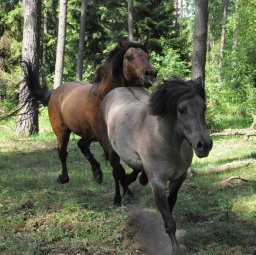 Arne Ludwig合作论文数Department of Evolutionary Genetics, Leibniz-Institute for Zoo and Wildlife Research3
 Alan K. Outram合作论文数Department of Archaeological Science, College of Humanities, University of Exeter3
 Julia T Vilstrup合作论文数Centre for GeoGenetics, University of Copenhagen3
 Petra Rajic Sikanjic合作论文数Institute for Anthropological Research Gajeva 32 Zagreb 10 000 Croatia3Larry D. Martin合作论文数3Ahmed H. Alfarhan合作论文数3
 Vedat Onar合作论文数Department of Anatomy;Faculty of Veterinary Medicine;Istanbul University;Faculty of Veterinary Medicine, Istanbul University3
 Mikkel Schubert合作论文数Nat Hist Museum Denmark, Univ Copenhagen3
 M Thomas P Gilbert合作论文数Globe Institute, Faculty of Health and Medical Sciences, University of Copenhagen3Irina Shingiray合作论文数2Yvette Running Horse Collin合作论文数2Laure Calvière-Tonasso合作论文数2Aude Perdereau合作论文数2Lorelei Chauvey合作论文数2José Granado合作论文数2Stéphanie Schiavinato合作论文数2Antonela Barbir合作论文数2Vladimir V. Pitulko合作论文数2Natalia Roslyakova合作论文数2




