Fast-acting botulinum neurotoxins (BoNTs) are highly desirable for both medical and aesthetic indications, but the underlying mechanism for the differing onset of BoNTs' action remains unknown. Here, we demonstrate that the "belt" of BoNTs, a largely unstructured loop wrapping around their catalytic light chain (LC), is key to onset of intoxication. The more flexible BoNT/E belt promotes quicker LC translocation into the neuronal cytosol, leading to faster onset of action compared to BoNT/A. Furthermore, we discover a "belt-buckle" checkpoint that regulates this process. By loosening the BoNT/A belt-buckle via protein engineering, we enhance its sensitivity to acidic pH, leading to an accelerated onset of action. Conversely, locking the belt-buckle with an antibody neutralizes BoNT/A. Our findings open avenues for developing fast-acting BoNTs and effective countermeasures.
The 13 mtDNA-encoded proteins are synthesized using a dedicated translation system that is more similar to bacterial systems than the cytoplasmic system. Consequently, many bacterial protein synthesis inhibitors, used as antibiotics, exhibit mitochondrial toxicity as off-target effects. However, whether these antibiotics act through the same mechanisms in mitochondria as in bacteria remains unclear. To address this, we characterized the impact of a panel of bacterial translation and elongation inhibitors on mitochondrial translation through mitoribosome profiling. We found that the mechanism of action for every antibiotic, except telithromycin, is the same in both bacteria and mitochondria. Additionally, mitoribosome profiling data showed that MT-ND1 and MT-ND5 have incorrectly annotated translation initiation sites and suggested the presence of several translation initiation sites on ncRNAs that produce mitoribosome footprints, as indicated by the detection of mitoribosome footprints at these locations. This work demonstrates how antibiotics can inhibit mitochondrial translation by mechanisms identically or very similar to those found in bacteria and the utility of mitoribosome profiling for annotating mitochondrial genes.
The Expert Panel for Cosmetic Ingredient Safety (Panel) assessed the safety of Tetrasodium Glutamate Diacetate and Beta-Alanine Diacetic Acid, which are reported to function as chelating agents in cosmetic products. The Panel reviewed the available data to determine the safety of these ingredients. The Panel concluded that Tetrasodium Glutamate Diacetate is safe in cosmetics in the practices of use and concentration described in this safety assessment, and that the available data are insufficient to make a determination that Beta-Alanine Diacetic Acid is safe under the intended conditions of use in cosmetic formulations.
The Expert Panel for Cosmetic Ingredient Safety (Panel) assessed the safety of Levulinic Acid and Sodium Levulinate as used in cosmetic formulations. These ingredients are both reported to function in cosmetics as skin conditioning agents, while Levulinic Acid is also reported to function as a fragrance ingredient. The Panel reviewed relevant data relating to the safety of these ingredients in cosmetic formulations, and concluded that these ingredients are safe in cosmetics in the present practices of use and concentration described in this safety assessment when formulated to be non-irritating.
Recombinant monoclonal antibody (mAb) botulinum neurotoxin (BoNT) antitoxins, consisting of three mAbs that bind non-overlapping epitopes, are highly potent. However, the three-mAb mixtures pose unique development and manufacturing challenges. Combining even more mAbs to create multivalent antitoxin drugs multiplies those challenges. We previously reported that a single tri-epitopic IgG1-based mAb (TeAb) containing the variable domains of the three parental BoNT/A mAbs and an Fc was as potent as the combination of three IgGs in the mouse neutralization assay (MNA). Here, we extended the tri-epitopic strategy to three other BoNT serotypes. Each TeAb (TeAb-B for BoNT/B, TeAb-E for BoNT/E, and TeAb-F for BoNT/F) binding was measured using fluorescence-activated cell sorting and flow fluorimetry, and the potency was tested in the MNA. The three TeAbs displayed binding affinities that were the same within error of the parental IgGs for each epitope, and all had higher avidity to each serotype of BoNT than that of the parental mAbs. The potency of the BoNT/B, BoNT/E, and BoNT/F TeAbs was similar to the combinations of the three parental IgGs binding BoNT/B, BoNT/E, and BoNT/F in the MNA. We now have four examples of a single TeAb recapitulating the affinity and in vivo potency of a three-mAb antitoxin. The tri-epitopic strategy could be applied to streamline the production and bioanalytics of antibody drugs where three-mAb binding is required for activity.
The Expert Panel for Cosmetic Ingredient Safety (Panel) assessed the safety of 5 Carica papaya (papaya)-derived ingredients as used in cosmetic formulations. These ingredients are mostly reported to function in cosmetics as skin-conditioning agents. Industry should continue to use good manufacturing practices to limit impurities that could be present in these botanical ingredients. The Panel considered all the information, and concluded that Carica Papaya (Papaya) Fruit, Carica Papaya (Papaya) Fruit Extract, Carica Papaya (Papaya) Fruit Juice, and Carica Papaya (Papaya) Fruit Water are safe in cosmetics in the present practices of use and concentration described in this safety assessment, and that the available data are insufficient to make a determination of safety for Carica Papaya (Papaya) Leaf Extract under the intended conditions of use in cosmetic formulations.
The Expert Panel for Cosmetic Ingredient Safety (Panel) assessed the safety of Diacetone Alcohol as used in cosmetic formulations. This ingredient is reported to function as a fragrance ingredient and solvent. The Panel considered the available data and concluded that Diacetone Alcohol is safe in cosmetics in the present practices of use and concentration described in this safety assessment.
Petrolatum, also known as petroleum jelly, is a widely used topical agent, with a variety of uses in dermatology. Despite its popularity, many myths surround this ubiquitous dermatologic staple. This review details the history of petrolatum and how it is manufactured as well as how its biologic properties make it a great moisturizer. Additionally, data on its potential for flammability, allergenicity, and comedogenicity are detailed, dispelling misconceptions about petrolatum use around oxygen and as a cause of acne. The uses and benefits of petrolatum in dermatology are wide-ranging d a patch test instrument, a vehicle for medicated ointments, and a wound care essential. Given its ubiquitous presence, it is important for dermatologists to understand the history, safety profile, and myths surrounding this humble skincare staple.
Mitochondrial gene expression relies on mitoribosomes to translate mitochondrial mRNAs. The biogenesis of mitoribosomes is an intricate process involving multiple assembly factors. Among these factors, GTP-binding proteins (GTPBPs) play important roles. In bacterial systems, numerous GTPBPs are required for ribosome subunit maturation, with EngB being a GTPBP involved in the ribosomal large subunit assembly. In this study, we focus on exploring the function of GTPBP8, the human homolog of EngB. We find that ablation of GTPBP8 leads to the inhibition of mitochondrial translation, resulting in significant impairment of oxidative phosphorylation. Structural analysis of mitoribosomes from GTPBP8 knock-out cells shows the accumulation of mitoribosomal large subunit assembly intermediates that are incapable of forming functional monosomes. Furthermore, fPAR-CLIP analysis reveals that GTPBP8 is an RNA-binding protein that interacts specifically with the mitochondrial ribosome large subunit 16 S rRNA. Our study highlights the role of GTPBP8 as a component of the mitochondrial gene expression machinery involved in mitochondrial large subunit maturation. Multiple GTP-binding proteins (GTPBPs) aid ribosome maturation. Here, authors pinpoint GTPBP8's involvement in human mitoribosome maturation, demonstrating its specific binding to mitoribosomal large subunit RNA, which is necessary for ribosome assembly and protein synthesis.
Dermatitis®Ahead of Print LettersDay 2 Patch Testing Does Not Impact Final Diagnosis in Patch Testing ProcessMikael Horissian, Christen Samaan, James Strassner, and James MarksMikael HorissianE-mail Address: [email protected]https://orcid.org/0000-0002-4216-3479Department of Dermatology, Penn State Hershey Medical Center, Hershey, PA, USA.Search for more papers by this author, Christen Samaanhttps://orcid.org/0000-0001-5024-8301Department of Dermatology, Penn State Hershey Medical Center, Hershey, PA, USA.Search for more papers by this author, James StrassnerDepartment of Dermatology, Penn State Hershey Medical Center, Hershey, PA, USA.Search for more papers by this author, and James MarksDepartment of Dermatology, Penn State Hershey Medical Center, Hershey, PA, USA.Search for more papers by this authorPublished Online:7 Nov 2023https://doi.org/10.1089/derm.2023.0173AboutSectionsView articleView Full TextPDF/EPUB Permissions & CitationsDownload CitationsTrack CitationsAdd to favorites Back To Publication ShareShare onFacebookXLinked InRedditEmail View article"Day 2 Patch Testing Does Not Impact Final Diagnosis in Patch Testing Process." Dermatitis®, , pp. FiguresReferencesRelatedDetails Volume 0Issue 0 Information© 2023 American Contact Dermatitis Society. All Rights Reserved.To cite this article:Mikael Horissian, Christen Samaan, James Strassner, and James Marks.Day 2 Patch Testing Does Not Impact Final Diagnosis in Patch Testing Process.Dermatitis®.ahead of printhttp://doi.org/10.1089/derm.2023.0173Online Ahead of Print:November 7, 2023PDF download
The Expert Panel for Cosmetic Ingredient Safety (Panel) reviewed the safety of 10 alkanoyl lactyl lactate salts. These ingredients have the surfactant function in cosmetics in common. The Panel reviewed data relevant to the safety of these ingredients, and concluded that these 10 ingredients are safe in cosmetics in the present practices of use and concentration described in the safety assessment when formulated to be nonirritating and nonsensitizing, which may be based on a quantitative risk assessment (QRA) or other accepted methodologies.
The Expert Panel for Cosmetic Ingredient Safety (Panel) assessed the safety of Polysilicone-11 as used in cosmetic formulations. This ingredient is reported to function as a film former. The Panel considered the available data and concluded that Polysilicone-11 is safe in cosmetics in the present practices of use and concentration described in this safety assessment.
TGF-β, essential for development and immunity, is expressed as a latent complex (L-TGF-β) non-covalently associated with its prodomain and presented on immune cell surfaces by covalent association with GARP. Binding to integrin αvβ8 activates L-TGF-β1/GARP. The dogma is that mature TGF-β must physically dissociate from L-TGF-β1 for signaling to occur. Our previous studies discovered that αvβ8-mediated TGF-β autocrine signaling can occur without TGF-β1 release from its latent form. Here, we show that mice engineered to express TGF-β1 that cannot release from L-TGF-β1 survive without early lethal tissue inflammation, unlike those with TGF-β1 deficiency. Combining cryogenic electron microscopy with cell-based assays, we reveal a dynamic allosteric mechanism of autocrine TGF-β1 signaling without release where αvβ8 binding redistributes the intrinsic flexibility of L-TGF-β1 to expose TGF-β1 to its receptors. Dynamic allostery explains the TGF-β3 latency/activation mechanism and why TGF-β3 functions distinctly from TGF-β1, suggesting that it broadly applies to other flexible cell surface receptor/ligand systems.
The Expert Panel for Cosmetic Ingredient Safety (Panel) assessed the safety of 27 inorganic and organometallic zinc salts as used in cosmetic formulations; these salts are specifically of the 2+ (II) oxidation state cation of zinc. These ingredients included in this report have various reported functions in cosmetics, including hair conditioning agents, skin conditioning agents, cosmetic astringents, cosmetic biocides, preservatives, oral care agents, buffering agents, bulking agents, chelating agents, and viscosity increasing agents. The Panel reviewed the relevant data for these ingredients, and concluded that these 27 ingredients are safe in cosmetics in the present practices of use and concentration described in this safety assessment when formulated to be non-irritating.
The Expert Panel assessed the safety of 28 alkyl phosphates and concluded that these ingredients are safe in the current practices of use and concentration when formulated to be nonirritating. The ingredients in the alkyl phosphate family share a common phosphate core structure, and vary by the identity of the alkyl chains attached therein. Most of the alkyl phosphates function as surfactants in cosmetic ingredients; however, the triesters function as plasticizers rather than surfactants. The Panel reviewed the available animal and clinical data to determine the safety of these ingredients.
The Expert Panel for Cosmetic Ingredient Safety (Panel) assessed the safety of 13 Butyrospermum parkii (shea)-derived ingredients, which are most frequently reported to function in cosmetics as skin and hair conditioning agents. The Panel reviewed the available data to determine the safety of these ingredients. Because final product formulations may contain multiple botanicals, each containing similar constituents of concern, formulators are advised to be aware of these constituents and to avoid reaching levels that may be hazardous to consumers. Industry should use good manufacturing practices to limit impurities that could be present in botanical ingredients. The Panel concluded that these ingredients are safe in the present practices of use and concentration when formulated to be non-sensitizing.
The Expert Panel for Cosmetic Ingredient Safety (Panel) reassessed the safety of Capryloyl Salicylic Acid in cosmetic products; this ingredient is reported to function as a skin conditioning agent. The Panel reviewed relevant data relating to the safety of this ingredient in cosmetic formulations, and concluded that the available data are insufficient to make a determination that Capryloyl Salicylic Acid is safe under the intended conditions of use in cosmetic formulations.
BACKGROUND:Photoallergic contact dermatitis (PACD) is a delayed hypersensitivity reaction to allergens only in the presence of ultraviolet radiation in sunlight. Photopatch testing (PhotoPT) is necessary to confirm the diagnosis of PACD. There are few published studies of PhotoPT in North America. OBJECTIVE:To summarise the results of patients photopatch tested by members of the North American Contact Dermatitis Group (NACDG), 2009-2020. METHODS:Retrospective analysis of patient characteristics and PhotoPT results to 32 allergens on the NACDG Photopatch Test Series. RESULTS:Most of the 454 tested patients were female (70.3%), 21-60 years old (66.7%) and White (66.7%). There were a total of 119 positive photopatch tests. Sunscreen agents comprised 88.2% of those, with benzophenones responsible for over half of them. Final diagnoses included PACD in 17.2%, allergic contact dermatitis (ACD) in 44.5%, polymorphous light eruption (PMLE) in 18.9% and chronic actinic dermatitis (CAD) in 9.0% of patients. CONCLUSIONS:In 454 patients with suspected photosensitivity referred for photopatch testing in North America, approximately one-fifth had PACD. Sunscreen agents, especially benzophenones, were the most common photoallergens. Other common diagnoses included ACD, PMLE and CAD. Photopatch testing is an important tool for differentiating these conditions.
 Donald V. Belsito合作论文数239Wilma F. Bergfeld合作论文数174
 Curtis D Klaassen合作论文数Department of Pharmacology, Toxicology, and Therapeutics, School of Medicine, The University of Kansas170Paul W Snyder合作论文数167Thomas J Slaga合作论文数166Ronald C. Shank合作论文数165
 Daniel Liebler合作论文数Inotiv151
 Ronald Hill合作论文数144
 Bart Heldreth合作论文数Department of Chemistry, University of South Florida107F. Alan Andersen合作论文数90Jianlong Lou合作论文数Department Anesthiology, University of California79Vincent A. Deleo合作论文数74
 James S. Taylor合作论文数Dermatology and Plastic Surgery Institute, Cleveland Clinic72
 Howard Maibach合作论文数School of Medicine, University of California, San Francisco69
 Melanie Pratt合作论文数69
 Joseph Francis Fowler合作论文数Division of Dermatology, University of Louisville;UofL Health-Jewish Hospital68
 Erin M. Warshaw合作论文数Department of Dermatology, Medical School, University of Minnesota65
 Kathryn A Zug合作论文数Geisel School of Medicine, Dartmouth-Hitchcock Medical Center64
 Monice Fiume合作论文数58C. G. Toby Mathias合作论文数58
 Denis Sasseville合作论文数Department of Medicine, Division of Experimental Medicine, Faculty of Medicine and Health Sciences, McGill University;Division of Dermatology, McGill University Health Centre;Montréal General Hospital, McGill University Health Centre;Research Institute, McGill University Health Centre46Storrs Frances J合作论文数46Christina L Burnett合作论文数42
 Joel DeKoven合作论文数Division of Dermatology, Sunnybrook Health Sciences Centre;St. Michael’s Hospital;Department of Medicine, University of Toronto41Zirwas Matthew J合作论文数41Anthony F. Fransway合作论文数40Lillian J. Gill合作论文数36Wilbur Johnson合作论文数36
 Gregory P Adams合作论文数Elucida Oncology, Inc.;Integral Molecular32Becker Lillian C合作论文数31
 Yu Zhou (周宇)合作论文数College of Life Sciences, Wuhan University;State Key Laboratory of Virology, Wuhan University31Robert L. Rietschel合作论文数31
 Daryl C Drummond合作论文数Research Institute, California Pacific Medical Center30Fraser Conrad合作论文数29Leonard A. Smith合作论文数27
 John W. Park合作论文数Genentech;University of California, San Francisco25
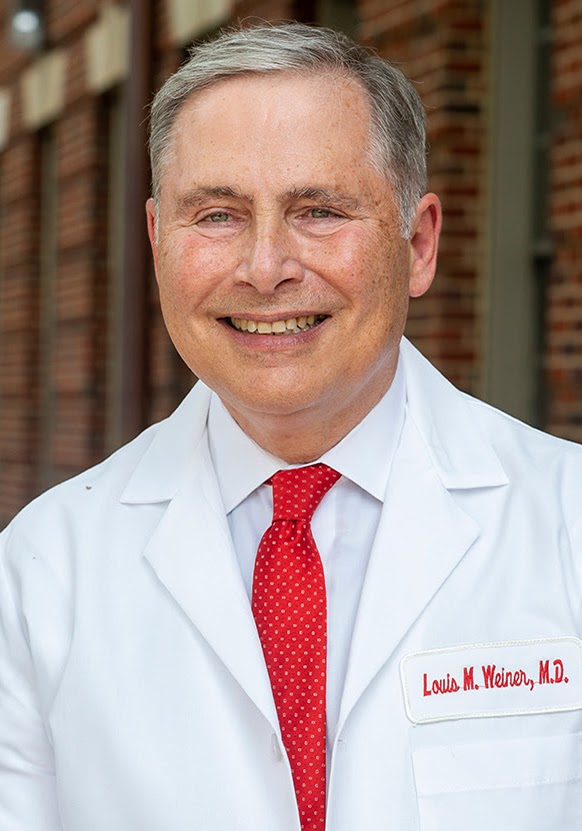 Louis M. Weiner合作论文数Lombardi Comprehensive Cancer Center, Georgetown University;Department of Oncology, Georgetown University Medical Center21Theresa J. Smith合作论文数21Consuelo Garcia-Rodriguez合作论文数19
 Ulrik B Nielsen合作论文数18Dmitri B. Kirpotin合作论文数17Weihua Wen合作论文数17Christopher C Benz合作论文数16
 Jonathan Silverberg合作论文数Dermatology Department, School of Medicine and Health Sciences, George Washington University;Revolutionizing Atopic Dermatitis15Reeder Margo J合作论文数15Yongfeng Fan合作论文数15Keelung Hong合作论文数15Db Kirpotin合作论文数14




