7529 Background: Oncology research previously demonstrated a volume-outcome relationship, where patients treated at healthcare centers with higher (vs lower) treatment volumes have improved survival. In multiple myeloma (MM), evidence supporting this association remains limited. Most patients with MM are treated at lower volume centers; it is important to recognize and prioritize partnerships between higher and low-volume centers. Methods: Adults (≥18 years) receiving ≥1 active MM therapy—IMiD, PI, anti-CD38 mAb, CAR-T, ASCT—from 2017 - 2023 with ≥6-month pre-index enrollment were identified in Komodo Health’s Healthcare Map. Patients lacking facility data or treated outside their diagnosing site were excluded. Facilities were segmented based on volume, defined as the average number of new patients with MM per year: ≤1 (very low), 1–5 (low), >5–10 (medium volume), >10 (higher volume). Outcomes included overall survival (OS) and event-free survival (EFS), the latter separately defined as time to 1) therapy change and 2) first symptomatic progression (based on CRAB criteria). Multivariable mixed-effects Cox models were adjusted for diagnosis year, demographics, comorbidities, payer type and treatment exposure. Subgroup analysis of patients initiating 2L therapy was also conducted. Results: 18,646 MM patients and 2,049 facilities were identified. Volume distribution was highly skewed: 81.0% were treated at very low volume centers and ~1.9% were treated at higher volume centers. Higher volume centers had the highest use of ASCT (63.7%) and CAR-T (2.1%). Among all patients, use of IMiD-, PI-, and anti-CD38–based regimens were 51.42%, 63.55% and 35.69%, respectively. Although median OS was not reached for any of the segments, higher volume centers had the highest unadjusted median EFS using therapy-based (771 days) and CRAB-defined progression (213 days) definitions (p<.001 vs all other segments). After adjustment, lower-volume segments (very low, low and medium volume centers) had shorter median OS (HRs: 1.03-1.26, 95% CI 0.88-1.46) than higher volume centers. However, compared with higher volume centers, median EFS was similar in lower-volume segments (HRs: 0.97-1.09, 95% CI 0.86-1.23). Among 2L patients, OS models and CRAB-defined EFS showed similar volume-related patterns compared with adjusted overall results. Conclusions: Higher-volume centers had more experience with novel therapies and combination of therapies. Experience from high volume centers can effectively be used to partner with smaller volume centers to advance MM care and be able to improve outcomes for patients. Adjusted EFS and OS hazard ratios by treatment facility segment. Change in Therapy EFS OS Facility Volume Segment Overall 95% CI Overall 95% CI Higher volume Ref Ref Ref Ref Medium volume 0.97 (0.86, 1.09) 1.03 (0.88, 1.21) Low volume 1.03 (0.92, 1.16) 1.15 (0.99, 1.34) Lower volume 1.09 (0.97, 1.23) 1.26 (1.09, 1.46)
7520 Background: Daratumumab (Dara) requires CD16-expressing natural killer (NK) cells for anti-myeloma activity. The use of bone marrow transplant (ASCT) results in prolonged immunosuppression, including lower levels of NK-cells. We evaluated if artificial intelligence (AI) predicted CD16 from routine hematoxylin and eosin (H&E) stained bone marrow biopsy slides could be used to guide Dara and transplant treatment strategies. Methods: We analyzed 212 newly diagnosed patients from the HealthTree registry treated with VRd (n=135; median follow-up 24.5 months (mo)) and D-VRd (n=77; 16.6 mo). H&E slides were processed using GigaTIME, a foundation model via zero-shot inference. Patients were dichotomized at median predicted CD16 and stratified by ASCT status. Subgroups: transplant-eligible (TE: age<65, ASCT; n=53), deferred (TD: age<70, no ASCT; n=34), and ineligible (TI: age≥70; n=17). Primary endpoint: time to next treatment (TTNT). Multivariate Cox regression adjusted for age, cytogenetic risk tested interaction between CD16, treatment and ASCT. Results: D-VRd achieved superior outcomes vs VRd (23.4% event rate vs 74.8%, p<0.001) despite lower ASCT use among D-VRd treated patients (50.6% vs 71.1%, p=0.005). In the VRd group, AI-predicted CD16 was highly prognostic in non-transplanted patients: High-CD16 achieved median TTNT 33.1 vs 5.1 mo for Low-CD16 (p=0.0053). ASCT rescued Low-CD16 patients (median 5.1 to 26.7 mo, p<0.001). Conversely, in D-VRd, CD16 did not stratify outcomes (p=0.48), indicating that Dara can rescue low-immune-fitness disease. Specifically, Dara rescued low CD16 non-transplanted patients from progression (86.8% 18-mo event-free survival for D-VRd versus 28.6% 18-mo event-free survival for VRd; p<0.001). High CD16 patients on D-VRd without ASCT achieved 86.3% event-free survival, non-inferior to ASCT (82.2%, p=0.21), supporting transplant deferral. The CD16×treatment×ASCT interaction was significant (HR 0.06, p=0.045). Among transplant-deferred patients, D-VRd improved 18-mo event-free rates vs VRd (70.5% vs 40%, p=0.029), with the largest benefit in Low CD16 (p=0.016). TI patients on D-VRd achieved 100% event-free at 18 mo vs 38.2% on VRd (p=0.011). Conclusions: We validated that AI-quantified CD16 from routine H&E guides Dara and transplant strategies in NDMM (n=212). The CD16×treatment×ASCT interaction (HR=0.06, p=0.045) confirms that CD16 predicts treatment benefit, not just prognosis. In VRd, low CD16 identifies a high-risk group (median TTNT 5.1 mo) needing intensification. D-VRd rescues low-immune-fitness patients (18-mo event-free survival: 86.8% vs 28.6% with VRd, p<0.001) and enables safe transplant deferral in high-fitness patients (82.2% with ASCT vs 86.3% without, p=0.21). This novel strategy enables precision medicine using standard H&E slides, with immediate clinical implications.
7531 Background: In the absence of head-to-head trials comparing anti-BCMA×CD3 bispecific antibodies in TCE RRMM, this study used an unanchored matching-adjusted indirect comparison (MAIC) to compare the efficacy of linvoseltamab and elranatamab. Methods: Patient (pt)-level data from LINKER-MM1 (117 pts receiving linvoseltamab 200 mg, data cut-off [DCO] 7/2024, median follow-up [mFU] 21.3 months [mos]) and published data from MagnetisMM-3 Cohort A (123 elranatamab pts, DCO 9/2024, mFU 33.9 mos) were analyzed. Ten LINKER-MM1 pts with prior BCMA antibody–drug conjugate exposure were excluded to align with MagnetisMM-3. LINKER-MM1 pts were weighted to match MagnetisMM-3 pts on prespecified prognostic factors deemed most important by an international expert panel: cytogenetic risk, age, refractory status, R-ISS stage, ECOG PS, extramedullary and/or paramedullary disease. Objective response rate (ORR), very good partial response or better (≥VGPR) and complete response or better (≥CR) rates, duration of response (DOR), progression-free survival (PFS), and overall survival (OS) were compared. DOR and PFS in LINKER-MM1 were recalculated to match MagnetisMM-3 censoring rules. Additional MAICs matched all available prespecified prognostic factors, included all 117 LINKER-MM1 pts, or matched to a MagnetisMM-3 subgroup with ECOG PS 0/1. Results: After matching, linvoseltamab effective sample size (ESS) was 71.3 (range of patient weights: 0.04–2.90). Linvoseltamab demonstrated statistically significantly higher ORR and ≥CR rate, a numerically higher ≥VGPR rate, and longer DOR, PFS, and OS vs elranatamab (Table). The additional MAICs yielded directionally consistent findings. Conclusions: Linvoseltamab demonstrated significantly higher ORR and ≥CR rate, numerically better ≥ VGPR rate, DOR, PFS, and OS compared with elranatamab, though the follow-up was shorter. These results highlight the potential of linvoseltamab as a highly effective treatment option for TCE RRMM. Elranatamab Linvoseltamab Linvoseltamab Linvoseltamab vs elranatamab Linvoseltamab vs elranatamab N=123 Unadjusted N=107 Adjusted ESS= 71.3 Unadjusted Adjusted % % % OR (CI) OR (CI) ORR 61 71 71 1.57 (1.04–2.37)* 1.60 (1.00–2.57)* ≥VGPR 56 64 65 1.36 (0.93–2.00) 1.45 (0.94–2.24) ≥CR 37 52 50 1.84 (1.26–2.68)* 1.71 (1.12–2.61)* Median, mos (CI); 12-mo landmark % Median, mos (CI); 12-mo landmark % Median, mos (CI); 12-mo landmark % HR (CI) HR (CI) DOR NR (29.4–NE); 73.9 NR (NE–NE); 82.8 NR (NE–NE); 84.4 0.93 (0.53–1.66) 0.82 (0.43–1.55) PFS 17.2 (9.8–NE); 56.4 NR (15.7–NE); 65.5 NR (16.2–NE); 64.7 0.86 (0.59–1.27) 0.86 (0.55–1.34) OS 24.6 (13.4–NE); 62.3 31.4 (27.8–NE); 75.5 NR (27.8–NE); 74.6 0.70 (0.47–1.04) 0.67 (0.42–1.05) OR >1 or HR <1 favor linvoseltamab. *Statistically significant at p<0.05. CI: 95% confidence interval, HR: hazard ratio, NE: not estimable, NR: not reached, OR: odds ratio.
In the attentional blink paradigm, participants attempt to identify two targets appearing in a rapidly presented stream of distractors. Report accuracy is typically high for the first target (T1) while identification of the second target (T2) is impaired when it follows within about 200–400 ms of T1. An important question is whether T2 is processed to a semantic level even when participants are unaware of its identity. We examined this issue in three studies that used natural scenes as stimuli and the N400 component of the event-related potential (ERP) as a measure of semantic priming. In the first experiment, the prime (e.g., a doghouse in a yard) was presented at the beginning of the trial and a test picture that was related (e.g., a dog standing in the kitchen) or unrelated (e.g., a coffee mug on a table) appeared as T2. In the second experiment, the prime was presented as T2 and the test picture appeared at the end of the picture sequence. In both experiments, we found robust semantic priming when participants were aware of the identity of the blinked picture and an absence of priming when they were unaware. In Experiment 3, we used identity priming to assess whether earlier representations preceding semantics were preserved, and again found that priming critically depended on awareness of the prime’s identity. These results suggest that semantic priming in scenes, as measured with the N400, is a higher-level process that critically depends on attention and awareness.
7503 Background: The use of modern combination therapy in NDMM patients delivers deep and durable treatment responses independent of transplant status. In the current ADVANCE study (NCT04268498), patients were randomly assigned to receive 8 cycles of carfilzomib-lenalidomide-dexamethasone with or without daratumumab (DKRd vs KRd). Transplants were offered to patients who were minimal residual disease (MRD) positive after 8 cycles. All patients transitioned to lenalidomide maintenance. Primary endpoint was MRD negativity 10^-5 by NGS after up to 8 cycles of combination therapy. Methods: 306 NDMM patients were randomly assigned 1:1 to receive 8 cycles (28-day cycles) of either DKRd or KRd (D: 1800 mg SC, days 1, 8, 15, and 22 (C1-2), days 1 and 15 (C3-6), day 1 (C7-8); K: 20/56 mg/m2 IV, days 1, 8, and 15; R: 25 mg days 1-21; d: 40/20 mg). Stem cell collection was encouraged after 4 cycles for eligible patients. After completion of cycle 8, patients were evaluated for MRD (ClonoSEQ). Transplant was reserved for MRD-positive patients (post C8). MRD-negative patients transitioned to lenalidomide 10 mg maintenance (D1-21/28). Sustained MRD status was monitored annually. Key eligibility included NDMM with ECOG PS 0-2 and adequate organ function, independent of transplant status. The study was monitored and approved by an independent data safety monitoring committee. Results: At 2nd prespecified analysis (data cutoff 01/15/25) demographics and disease characteristics were well balanced and included: median age 62 y/o (range: 35-76), Hispanic: 23%, Black: 11%, ISS 2-3: 39%, ECOG PS 2: 6%, and high-risk cytogenetics: 35%. The primary endpoint of MRD negativity at 10^-5 by NGS was significantly higher in the DKRd arm compared to the KRd arm (59% vs 36%, adjusted OR=2.5, 95%CI: 1.5-4.2; P<0.0007). EFS, PFS and OS data are currently immature, however, at 32.7 months median follow-up, PFS events included one death in each arm, PD 4 vs 5%, and 86 vs 79% were progression-free and censored in the DKRd vs KRd arms, respectively. Overall, 98% had an adverse event (AE) with hematologic AEs occurring in 15 vs 24%; cardiac AEs: 13 vs 16%; gastrointestinal AEs: 68 vs 72%; infections: 61 vs 53%; acute kidney injury: 1 vs 4%; vascular disorders: 6 vs 2% with DKRd vs KRd, respectively. Serious AEs occurring in >1% included: febrile neutropenia: 2 vs 2%; pyrexia: 5 vs 2%; chest pain: 0 vs 3%; non-cardiac chest pain: 2 vs 0%; pneumonia: 3 vs 10%; sepsis: 2 vs 0%; COVID-19: 2 vs 0%; wound infection: 2 vs 0%; hip fracture: 2 vs 0%; infusion reaction: 2 vs 0%; back pain: 2 vs 0%; syncope: 2 vs 0%; acute kidney injury: 0 vs 3%; and dyspnea: 2 vs 0%, with DKRd vs KRd, respectively. Conclusions: In this large randomized, multicenter investigator-initiated trial for NDMM, treatment with DKRd (59%) compared to KRd (36%) showed a significant, 2.5-fold higher MRD negativity rate with no new safety concerns. Updated EFS, PFS and OS results will be presented at the meeting. Based on these results, DKRd should be a new standard for most NDMM patients receiving initial KRd-backbone therapy. Clinical trial information: NCT04268498 .
BACKGROUND:B-cell maturation antigen (BCMA) bispecific antibodies have advanced treatment of relapsed/refractory multiple myeloma (RRMM), but comparative data are lacking. METHODS:An unanchored matching-adjusted indirect comparison (MAIC) was conducted between linvoseltamab and teclistamab in triple-class exposed (TCE) RRMM using patient-level data from LINKER-MM1 (117 patients, linvoseltamab 200 mg, data cutoff 1/2024, median follow-up [mFU] 14.3 months) and aggregate data from MajesTEC-1 (165 patients, teclistamab 1.5 mg/kg, data cutoff 2/2022, mFU 14.1 months). Ten LINKER-MM1 patients with prior BCMA antibody-drug conjugate exposure were excluded to match MajesTEC-1 eligibility criteria. LINKER-MM1 patients were weighted to match MajesTEC-1 on 6 prespecified prognostic factors considered most important by an international MM expert panel. RESULTS:After matching (effective sample size = 83.0), linvoseltamab showed significantly longer progression-free survival (PFS, P = .004), overall survival (OS, P = .039), and time to next treatment (P = .028), and numerically longer duration of response ((P = .100) than teclistamab based on hazard ratios. Linvoseltamab demonstrated numerically higher objective response rate, very good partial response or better, complete response or better (≥CR), and minimal residual disease-negativity (10-5 threshold) rates versus teclistamab based on odds ratios. Additional MAICs matching all prognostic factors available in both trials showed significantly longer PFS (P = .038) and OS (P = .039), significantly higher ≥CR (P = .043), and favorable trends for all other outcomes. CONCLUSION:This analysis demonstrated statistically improved PFS and OS and numerically favorable results for all other outcomes for linvoseltamab versus teclistamab in the treatment of TCE RRMM.
Introduction: Light-chain amyloidosis (ALA) is a rare plasma cell disorder characterized by multiorgan involvement. Patients often present with non-specific symptoms, which can lead to a delay in diagnosis. This is associated with progressive organ involvement and shorter survival. Reducing the time from symptom onset to diagnosis is a critical step in improving outcomes. This study was designed to evaluate the clinical prodrome and challenges associated with the diagnosis of ALA from the patient perspective. Methods: This retrospective study surveyed patients with ALA through the online HealthTree® Cure Hub platform, which helps patients navigate their disease in a holistic way. The survey consisted of 32 questions, including 23 multiple-choice, 7 date-entry, and two free-response questions. Data on diagnosis and demographics were extracted from the electronic health record and self-reported data linked to HealthTree® Cure Hub. Results were reported as numbers and percentages, and comparisons were made by age (≥70 vs. <70 years) and sex. The following statistical methods were used: Fisher's exact test for categorical data, two-sample t-test and F-test for normally distributed continuous data, Wilcoxon rank-sum test for skewed data and Spearman correlation coefficient. Results: We surveyed 248 patients. Of those, a total of 87 patients with a self-reported diagnosis of ALA completed the questionnaire between March 12, 2023, and May 8, 2024. The median age was 66 years; 55% were female, and 91% were white. The most common initial symptoms prompting patients to seek medical evaluation were fatigue/weakness (47%), swelling (38%), shortness of breath (28%), chest pain (23%), and foamy urine (22%). Pain in hands/feet, carpal tunnel syndrome, loss of appetite, hoarseness, macroglossia, diarrhea, periorbital puffiness, nail changes, and erectile dysfunction each accounted for <10% of cases. Signs and symptoms were first detected by patients themselves in 58% of cases, by a physician in 33% and by a family member or friend for the rest. The median number of symptoms per individual was 2; 31% reported only one symptom, 37% 2-3, 18% 4-6, and 14% >6; with chest pain being the most common (39%), followed by swelling (22%), shortness of breath (13%), and foamy urine (13%); one patient reported erectile dysfunction and another reported arrhythmias as their only symptom. There was a correlation between hoarseness and nail changes (ρ=0.71), and carpal tunnel syndrome and orthostatic hypotension (ρ=0.63). Only 16% were aware of ALA as a condition prior to symptom onset. Thirty six percent presented to a general practitioner for initial evaluation; about 50% sought a specialist, including a myeloma/amyloid specialist (21%), and 14% were first evaluated in the emergency department. While most patients (45%) were diagnosed by a hematologist/oncologist, patients reported seeing a median of 3 physicians (range: 1-10) before the diagnosis was established. Among responders, 61% reported having myeloma at the time of testing. After diagnosis, about 50% were referred to a center specialized in ALA, and 72% met with a stem cell transplant specialist. Most patients reported receiving multidisciplinary care, with a median of 3 additional specialists participating in ALA care (range: 0-16). More than half of patients (59%) felt the diagnosis was delayed; among those, 42%, 24%, 24%, and 11% reported a delay of 1-6, 7-12, 13-24, and >24 months, respectively. The proportion of patients reporting >12-month delay was higher among older patients (54% vs. 27%, P=0.02). A quarter of responders felt their treatment was delayed. Half of patients felt the diagnostic delay contributed to a decrease in treatment efficacy and 48% did not feel that all medical professionals were knowledgeable about ALA. Only 38% felt the diagnostic process was simple and easy within their healthcare system. Conclusion: Most patients with AL amyloidosis initially present with non-specific symptoms, with fatigue/weakness being the most common. Over a third were evaluated first by a general practitioner, and about a third reported a diagnostic delay of >12 months. The diagnostic process is associated with high healthcare utilization, even among patients with concurrent multiple myeloma. Increasing disease awareness among patients and medical providers may shorten the time to diagnosis and contribute to improved outcomes.
e23185 Background: Linvoseltamab, a B-cell maturation antigen × CD3 bispecific antibody, is being evaluated in LINKER-MM1, a Phase 1/2 study in patients with RRMM (NCT03761108). Early results over 36 weeks of treatment showed promising efficacy and a generally manageable safety profile (Jagannath et al., ASH 2023), and improvement or stability in patient-reported outcomes (PROs) including pain and fatigue (Hoffman et al., ASH 2023). We now report PRO data over a treatment period of 76 weeks. Methods: We evaluated patients in LINKER-MM1 who received the 5-25-200 mg dosing regimen in Phases 1 and 2 (n = 117). Patients ≥18 years old with triple-class exposed RRMM were administered linvoseltamab at Weeks 1 (5 mg), 2 (25 mg), and 3 (200 mg), followed by 200 mg once weekly through Weeks 14 (Phase 2) or 16 (Phase 1), then every 2 weeks until progression. Patients with a very good partial response by Week 24 in Phase 2 transitioned to dosing every 4 weeks. The EORTC QLQ-C30 was administered at baseline, Week 4, and then every 4 weeks. Least squares (LS) mean change from baseline and 95% confidence interval (CI) were estimated at each timepoint and overall on all scales using a mixed effects model for repeated measures. A 10-point change from baseline was considered clinically meaningful. Results were stratified by objective response status (at least partial response). No adjustment for multiplicity was performed; statistical significance is nominal, with LS mean change from baseline considered statistically significant if 95% CI did not cross 0. Results: PRO completion rates were generally ≥80% through Week 44 and dropped slightly after Week 44. LS mean change showed improvement in Global Health Status/QoL at Week 12, reaching the clinically meaningful threshold at Week 44; clinically meaningful improvements were observed on role and social functioning scales at Weeks 24 and 28, respectively. Pain and fatigue significantly improved and reached the clinically meaningful threshold at Weeks 20 and 44, respectively; the clinically meaningful improvement in pain was generally maintained through Week 76. Overall LS mean change in pain was clinically meaningful (-10.2; 95% CI -13.7, -6.7). Among treatment responders, statistically significant improvements were observed on all scales, including clinically meaningful improvement in pain (-11.2; 95% CI -14.7, -7.6). Non-responders had statistically significant worsening in fatigue (9.9; 95% CI 0.8, 19.1); overall change from baseline was not significant on other scales. Conclusions: Over 76 weeks of treatment, improvements in measures of HRQoL including pain and fatigue were reported in patients with triple-class exposed RRMM receiving linvoseltamab; responders showed significant improvements on all scales. These PRO results support a favorable benefit–risk profile of linvoseltamab. Clinical trial information: NCT03761108 .
PURPOSE We present a phase I/II first-in-human trial evaluating the safety and efficacy of 50 mg and 200 mg doses of linvoseltamab, a B-cell maturation antigen × CD3 bispecific antibody in relapsed/refractory multiple myeloma (RRMM). METHODS Phase II eligible patients had RRMM that either progressed on/after ≥three lines of therapy including a proteasome inhibitor (PI), an immunomodulatory drug (IMiD), and an anti-CD38 antibody or was triple-class (PI/IMiD/anti-CD38) refractory. Phase II treatment was once a week through week 14 and then once every 2 weeks. Phase II 200 mg patients who achieved a ≥very good partial response by week 24 received linvoseltamab once every 4 weeks. The primary end point in phase II was overall response rate (ORR). RESULTS Among the 117 patients treated with 200 mg, the median age was 70 years, 39% had high-risk cytogenetics, and 28% had penta-refractory disease. At a median follow-up of 14.3 months, the ORR was 71%, with 50% achieving ≥complete response (CR). In 104 patients treated with 50 mg at a median follow-up of 7.4 months, the ORR was 48%, with 21% achieving ≥CR. The median duration of response (DOR) for 200 mg patients (n = 83) was 29.4 months (95% CI, 19.2 to not evaluable). Among 200 mg patients, the most common adverse events included cytokine release syndrome (35.0% Gr1, 10.3% Gr2, 0.9% Gr3), neutropenia (0.9% Gr2, 18.8% Gr3, 23.1% Gr4), and anemia (3.4% Gr1, 4.3% Gr2, 30.8% Gr3). Immune effector cell-associated neurotoxicity syndrome occurred in 7.7% of patients (2.6% each Gr1, Gr2, Gr3). Infections were reported in 74.4% of patients (33.3% Gr3, 2.6% Gr4); infection frequency and severity declined over time. CONCLUSION Linvoseltamab 200 mg induced deep and durable responses, with a median DOR of 29.4 months, in patients with RRMM with an acceptable safety profile.
Background: Non-secretory myeloma, characterized by the absence of detectable paraprotein in the blood, poses a rare and complex challenge within the spectrum of multiple myeloma. Oligo-secretory myeloma, defined by the International Myeloma Working Group as having paraprotein levels below 10 g/L, Bence Jones protein below 200 mg/24h, and involved serum free light chain below 10 mg/dL, also presents diagnostic and monitoring difficulties due to its low paraprotein levels. Due to the limited ability of traditional methods like serum protein electrophoresis (SPEP) and immunofixation electrophoresis (IFE) to detect proteins in non-secretory and oligo-secretory multiple myeloma, monitoring these patients is challenging. Consequently, they are often excluded from clinical trials, restricting their access to novel treatments available for secretory myeloma. Current clinical practice for monitoring these conditions primarily relies on invasive bone marrow biopsies and expensive imaging techniques such as MRI and whole-body PET/CT scans. Advanced technologies such as mass spectrometry (MS) have demonstrated increased sensitivity in detecting low protein levels and offer a minimally invasive alternative to bone marrow biopsies, potentially serving as a superior tool for surveillance in these patients. In this study, we directly compared the results of SPEP and IFE with those of Matrix-Assisted Laser Desorption/Ionization Time-of-Flight (MALDI-TOF) MS using samples from a cohort of oligo-secretory and non-secretory multiple myeloma patients. This technology can provide quantitative intact M protein results and qualitative results for the presence of light chains. Methods: Serum was collected from 5 patients with oligo-secretory and 17 patients with non-secretory myeloma. Blood samples were collected at varying stages of disease, including both relapse and remission. MALDI-TOF MS was performed within a median time interval of 4 days (range: 0-7 days) between sample collection for SPEP and MS analysis. Results: Among the 22 patients studied, 13 (59%) showed detectable disease by MS that was not identified by SPEP and/or IFE, whereas none (0%) had disease detectable only by SPEP and/or IFE and not by MS. Three (14%) samples showed detectable disease by both methods, and 5 (23%) patients had no detectable disease by either method. The 2 patients whoachieved minimal residual disease negativity had no detectable M protein on either SPEP or MS. MS demonstrated a sensitivity of 90% and specificity of 100%, while SPEP showed a sensitivity of 31% and specificity of 100%. Conclusion: Non-secretory and oligo-secretory myeloma present a diagnostic and monitoring challenge due to their low or absent monoclonal protein production. Our study demonstrates the superior sensitivity of MALDI-TOF MS compared to standard SPEP in detecting M-protein in these patients. By identifying M-protein in 59% of patients where SPEP failed, MS offers a valuable tool for accurate disease surveillance and potentially earlier intervention. This increased sensitivity can also enhance risk stratification and improve therapeutic decision-making and may ultimately lead to better outcomes. Further research is warranted to explore the potential benefits of integrating MS into routine clinical practice for non-secretory and oligo-secretory myeloma patients, as it could significantly enhance our ability to monitor disease progression, response to therapy, and potentially facilitate their inclusion in clinical trials for novel therapies.
Background: Despite recent advancements in management, relapsed and refractory multiple myeloma (RRMM) remains challenging to treat. At the time of aggressive relapse, a debulking regimen consisting of traditional infusional chemotherapy is often necessary to gain control of the disease and bridge patients to continuous treatment-based therapies. These RRMM regimens have commonly included: dexamethasone, cyclophosphamide, etoposide and cisplatin (DCEP) as well as variations of bortezomib, thalidomide, dexamethasone, cisplatin, doxorubicin, cyclophosphamide and etoposide (VTD-PACE). These aggressive combinations are limited to a few cycles and are associated with severe toxicities including myelosuppression, infection, neuropathy, and renal dysfunction. Of particular interest is RRMM patients with anaplastic histology which is rare and associated with poor prognosis when managed with standard RRMM therapy. Case reports have demonstrated successful use of the lymphoma combination regimen etoposide, prednisone, vincristine, cyclophosphamide and doxorubicin (EPOCH) in patients with anaplastic multiple myeloma (Ichikawa et al. Leuk Res Rep 2021; Ichikawa et al. J Clin Exp Hematop 2018). There is very limited data to support the safety or efficacy of EPOCH in RRMM. We were motivated to evaluate our patients treated with EPOCH or DCEP in RRMM with and without anaplastic histology. Methods: This single-center study includes all RRMM patients treated with either DCEP or EPOCH at the University of Miami Hospital and Clinics, Sylvester Comprehensive Cancer Center between June 1, 2021, and data cutoff (June 21, 2024). The primary aim was to investigate the safety and efficacy of EPOCH. Adverse events were graded according to CTCAE V5.0 and responses were assessed using the IMWG uniform response criteria. P-values were calculated using Fisher's Exact test. Results: At the time of data cutoff, 41 patients received DCEP and 14 received EPOCH. Patients who received EPOCH vs DCEP had a median age of 61.5 vs 63 years, of which 7% vs 12% were Black, and 71% vs 37% of Hispanic ethnicity, respectively. The median lines of prior therapy for EPOCH vs DCEP were 5 vs 5, while the presence of high-risk disease as defined as the presence of del17p, t(4;14) or t(14;16) was 54% vs 50%, respectively. Of the patients who received EPOCH vs DCEP, 79% vs 44% had extramedullary disease with soft tissue involvement, 50% vs 15% had ≥ 90% bone marrow plasmacytosis, and 86% vs 46% had anaplastic plasma cell morphology, respectively. Serious adverse events requiring readmission to the hospital or prolongation of hospitalization occurred in 43% of patients receiving EPOCH and 51% of patients receiving DCEP. Grade ≥3 hematologic events included thrombocytopenia (79%), anemia (86%), and neutropenia (86%) in patients receiving EPOCH and 79%, 76%, and 90% in patients receiving DCEP, respectively. Moreover, bleeding events occurred in 21% of patients receiving EPOCH or DCEP. Documented infections were observed in 36% of patients in the EPOCH and 54% in the DCEP group. At the 1-year survival landmark, 36% of patients who received EPOCH and 33% of patients who received DCEP were alive. The majority of patients in the EPOCH arm (57%) received either autologous stem cell transplant, bispecific antibody or chimeric antigen receptor T-cell therapy as the next line of therapy. The overall response rate (ORR) was higher for EPOCH but did not reach statistical significance (69% vs 50%; p=0.3667). Among patients with anaplastic histology the best ORR was also higher for the EPOCH group but not statistically significant (64% vs 56%; p=0.7167). Conclusions: Our findings suggest that EPOCH may be a reasonable alternative debulking option for patients with RRMM, particularly in patients with baseline renal or other organ dysfunction making administration of platinum-based chemotherapy challenging or with extensive extramedullary disease. Larger studies are needed to confirm and expand on our results in comparison to DCEP.
Background: The emergence of FDA approved bispecific antibodies for the treatment of relapsed and refractory multiple myeloma (RRMM) has significantly changed the treatment landscape. Early studies of teclistamab and elranatamab (BCMAxCD3) as well as talquetamab (GPRC5DxCD3) have shown high response rates at the expense of cytokine release syndrome (CRS), immune effector cell-associated neurotoxicity syndrome (ICANS) and infections (Rodriguez-Otero et al. Lancet Oncol 2024). Sub-studies of larger trials have reported on the use of prophylactic tocilizumab prior to teclistamab (van de Donk et al. J Clin Oncol 2023) and the investigational bispecific antibody cevostamab (Trudel et al. Blood 2022). Limited real-world evidence is also emerging for prophylactic tocilizumab prior to teclistamab (Marin et al. Blood 2023; Kowalski et al. Blood 2023). To our knowledge there has not yet been any systematic study of this approach prior to elranatamab or talquetamab. We were motivated to administer prophylactic tocilizumab prior to the first step-up-dose for our patients treated with any of the three FDA approved bispecific antibodies. Methods: This single-center study includes all RRMM patients treated outside the context of a clinical trial with a bispecific antibody at the University of Miami Hospital and Clinics, Sylvester Comprehensive Cancer Center between the first FDA approval (October 25, 2022) and data cutoff (June 21, 2024). The primary aim was to investigate the effect on CRS mitigation which was assessed by the standard Lee ASTCT criteria (Lee et al. Biol Blood Marrow Transplant 2019). Other adverse events were graded according to CTCAE V5.0. Results: At the time of data cutoff 72 patients received prophylactic tocilizumab prior to bispecific antibody treatment. Of these patients, 36 were treated with teclistamab, 20 were treated with elranatamab and 16 were treated with talquetamab. The median age was 67 (range 40-84) and 21 (29%) patients were 75 or older. Forty-two (58%) of patients were female, 17 (24%) were Black and 25 (35%) were of Hispanic ethnicity. Fifty-five (76%) patients met at least one exclusion criteria for their respective drug's clinical trial. In this population we observed a low rate of CRS (14%; 95% CI: 7%-24%) and ICANS (8%; 95% CI: 3%-17%). The rate of CRS and ICANS for teclistamab, elranatamab, and talquetamab was 11% and 8%, 20% and 0%, and 13% and 19%, respectively. The rate of recurrence for CRS and ICANS was 0% and 1%. A single repeat dose of tocilizumab was given for ICANS and additional dexamethasone was given to 3 patients for ICANS. Among patients who experienced CRS, 9 of 10 events were grade 1 (teclistamab, elranatamab and talquetamab) and 1 was grade 2 (elranatamab). Among patients who experienced ICANS, 2 of 6 events were grade 1; 2 were grade 2 (teclistamab and talquetamab) and 2 were grade 3 (talquetamab). One of the suspected grade 3 ICANS events (decreased ICE score with possible seizure) occurred in a patient with known CNS myeloma and intra-cranial hemorrhage. The second suspected grade 3 ICANS event (seizure) occurred in a patient with plasma cell leukemia who required ICU care due to pneumonia, dialysis dependence, and suspected disseminated VZV. The complexity of these cases illustrates the real-world experience; in each case, ICANS could not be excluded. A serum IgG <400 mg/dL occurred in 59 (82%) patients and infections occurred in 34 (47%) patients. Grade 3 or higher neutropenia occurred in 38 (53%) patients within a median of 13 (range: 1-123) days. Among the 68 response evaluable patients, the overall response rate (ORR) was 45/68 (66%; 95% CI: 54-77%) in total and was 57%, 71% and 81% for teclistamab, elranatamab and talquetamab, respectively. The best objective response was complete response in 26 patients (38%; 95% CI: 27%-51%), partial response in 12 (18%; 95%CI: 9%-29%), stable disease in 13 (19%: 95% CI: 11%-30%), and progressive disease in 10 (15%: 95% CI: 7%-25%). Median follow up was 151.5 days (8-522) and among responders, the median duration of response was not reached. At the time of data cutoff, 38 (53%) patients remain on bispecific antibody therapy. Conclusions: Our findings build on previous evidence that tocilizumab may be effective as a preventative, rather than reactive, measure for patients treated with a bispecific antibody for RRMM. Larger randomized studies are needed to confirm and expand on our results.
Abstract Background We report pivotal results from the registrational filing data cut-off (DCO) of the 200 mg dose used in the LINKER-MM1 (NCT03761108) clinical trial, testing the safety and efficacy of linvoseltamab (a B-cell maturation antigen × CD3 antibody [Ab]) as treatment for relapsed/refractory multiple myeloma (RRMM). Methods Eligible patients had RRMM that either progressed on/after ≥3 lines of therapy that included a proteasome inhibitor (PI), an immunomodulatory drug (IMiD), and an anti-CD38 Ab or that was ≥double- (Phase 1) or triple- (Phase 2) class (PI/IMiD/anti-CD38 Ab) refractory. Phase 2 patients received intravenous linvoseltamab once a week through week 14, then once every 2 weeks (Q2W). Phase 2 patients achieving ≥very good partial response (VGPR) who have received treatment for ≥24 weeks transitioned to Q4W dosing. Primary endpoint was objective response rate (ORR) per Independent Review Committee (IRC). Secondary endpoints included duration of response (DOR), progression free survival (PFS), overall survival (OS), and safety. Results At DCO of Sep 8, 2023, median duration of follow-up for the 117 patients enrolled into the 200 mg dosing cohorts (phase 1+2) was 11.1 months (interquartile range 2.9-14.1). Median age was 70 years (26% ≥75), 17% were African American, 18% had International Staging System (ISS) stage III disease, 16% had extramedullary (excluding paramedullary) plasmacytomas (EMPs) ≥2 cm, 39% had high-risk cytogenetics, and 82% were ≥triple-class refractory. Linvoseltamab induced high rates of deep responses with an ORR of 71% including ≥complete response (CR) rate of 46%. Among all patients with ≥CR, 39% were documented minimal residual disease negative. These frequent and deep responses were observed across prespecified high-risk subgroups including patients with ISS stage III (ORR 62%; ≥CR 43%), and EMPs (ORR 53%; ≥CR 26%). Kaplan-Meier (KM) estimated median DOR was not reached (NR); estimated probability of ongoing response at 12 months was 78% (95% confidence interval [CI] 65-86). KM estimated PFS and OS were NR; and probability of PFS and OS at 12 months were 69% (95% CI 58-77) and 75% (65-82), respectively. The most common treatment emergent adverse event (TEAE) was cytokine release syndrome (CRS; any grade [Gr] 46%, Gr2 10%, Gr3 1%, Gr≥4 0%), which occurred mostly during step-up dosing of linvoseltamab with a median time to onset of 11 hours. Other common TEAEs were neutropenia (any Gr 41%, Gr 3-4 40%), anemia (39%, 31%), cough (36%, 0%), and diarrhea (35%, 2%). Infections occurred in 73% (Gr 3-4 34%) of patients. The frequency and severity of infections decreased after 6 months coincident with Q4W dosing. Conclusions Linvoseltamab induced high rates of deep and durable responses in patients with RRMM including those in high-risk subgroups. Linvoseltamab is associated with a generally predictable timing of CRS, and the Q4W response adapted schedule in patients with ≥VGPR may provide a substantial benefit for patient convenience and is associated with a reduced infection rate. Citation Format: Sundar Jagannath, Joshua Richter, Madhav V. Dhodapkar, James E. Hoffman, Hans C. Lee, Attaya Suvannasankha, Mansi R. Shah, Suzanne Lentzsch, Jeffrey A. Zonder, Rachid Baz, Joseph J. Maly, Swathi Namburi, Ka Lung Wu, Matthew Pianko, Rebecca Silbermann, Chang-Ki Min, Marie-Christiane Vekemans, Markus Munder, Ja Min Byun, Joaquín Martínez Lopez, Michelle DeVeaux, Dhruti Chokshi, Anita Boyapati, Anasuya Hazra, Karen Rodriguez Lorenc, Glenn S. Kroog, Yariv Houvras, Naresh Bumma. Linvoseltamab, a B-cell maturation antigen-targeted T-cell-engaging bispecific antibody, induces deep and durable responses in patients with relapsed or refractory multiple myeloma including difficult-to-treat subgroups [abstract]. In: Proceedings of the American Association for Cancer Research Annual Meeting 2024; Part 2 (Late-Breaking, Clinical Trial, and Invited Abstracts); 2024 Apr 5-10; San Diego, CA. Philadelphia (PA): AACR; Cancer Res 2024;84(7_Suppl):Abstract nr CT001.
Summary: Immune-related toxicities including cytokine release syndrome (CRS) and immune effector cell-associated neurotoxicity syndrome (ICANS) are common side effects of bispecific antibody and chimeric antigen receptor (CAR) T-cell therapies of hematologic malignancies. As anti-inflammatory therapy (the standard of care) is variably effective in mitigating these toxicities after onset, here we discuss emerging evidence for shifting the strategy from mitigation to prevention.
 Barbara Landau合作论文数Language and Cognition Lab, Department of Cognitive Science, Krieger School of Arts & Sciences, Johns Hopkins University31
 Richter Joshua合作论文数25
 Sundar Jagannath合作论文数Center of Excellence for Multiple Myeloma, Tisch Cancer Institute, Icahn School of Medicine at Mount Sinai;Center of Excellence for Multiple Myeloma, Tisch Cancer Center, Icahn School of Medicine at Mount Sinai21
 Naresh Bumma合作论文数Department of Internal Medicine, The Ohio State University Comprehensive Cancer Center17
 Jeffrey Allerton合作论文数17Karen Rodriguez Lorenc合作论文数15
 Raymond L. Comenzo合作论文数Tufts University School of Medicine15
 Yariv Houvras合作论文数Cell & Developmental Biology, Weill Cornell Graduate School of Medical Sciences, Cornell University14Lee Hans C合作论文数14
 Suzanne Lentzsch合作论文数14Madhav V. Dhodapkar合作论文数14Glenn S. Kroog合作论文数12
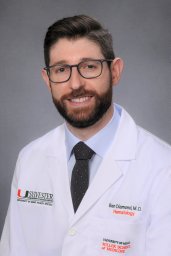 Benjamin Diamond合作论文数Sylvester Comprehensive Cancer Center, University of Miami12
 C. Ola Landgren合作论文数Division of Myeloma, Department of Medicine, Miller School of Medicine, University of Miami;Sylvester Comprehensive Cancer Center, University of Miami12
 Heather J. Landau合作论文数David H. Koch Center for Cancer Care, Memorial Sloan Kettering Cancer Center12
 Robert F Simons合作论文数Department of Psychological and Brain Sciences, University of Delaware11Dickran Kazandjian合作论文数11
 Rachid Baz合作论文数Department of Malignant Hematology, Moffitt Cancer Center;Pentecost Family Myeloma Research Center11
 Jason E Reiss合作论文数11Hani Hassoun合作论文数11Attaya Suvannasankha合作论文数Department of Medicine, Roswell Park Cancer Institute11Ka Lung Wu合作论文数11Dhruti Chokshi合作论文数9Michelle DeVeaux合作论文数Regeneron Pharmaceut Inc9Joseph Maly合作论文数9Anita Boyapati合作论文数9
 Maura Francesco合作论文数Department of Clinical Sciences and Community Health, University of Milano and Hematology 1 CTMO9Coffey David合作论文数9Charles W. Eriksen合作论文数9
 Steven Benjamin Most合作论文数School of Psychology, Faculty of Science, The University of New South Wales8Ping Zhou合作论文数8
 Ajay K. Nooka合作论文数Winship Cancer Institute, Emory University;Department of Hematology and Medical Oncology, School of Medicine, Emory University8
 Terri Lynn Parker合作论文数7Mansi Shah合作论文数7Rebecca Silbermann合作论文数7
 Matthew J. Pianko合作论文数Rogel Cancer Center, University of Michigan7Vekemans Marie-Christiane合作论文数7Tuchman Sascha A合作论文数7
 Michael Kauffman合作论文数7
 Andrew Yee合作论文数Center for Multiple Myeloma, Massachusetts General Hospital;Harvard Medical School7
 Chang-Ki Min合作论文数Seoul St. Mary’s Hospital, The Catholic University of Korea;Division of Hematology, Department of Internal Medicine, College of Medicine, The Catholic University of Korea7
 David Dingli合作论文数Department of Hematology, Mayo Clinic;Mayo Clinic Comprehensive Cancer Center, Mayo Clinic;Transplant Center, Mayo Clinic7Sharon Shacham合作论文数7
 Ravi Vij合作论文数Siteman Cancer Center, Washington University7
 Luciano Costa合作论文数O'Neal Comprehensive Cancer Center, School of Medicine, The University of Alabama at Birmingham;Center for Clinical and Translational Science, School of Medicine, The University of Alabama at Birmingham7
 Dan T. Vogl合作论文数Division of Hematology/Oncology, University of Pennsylvania School of Medicine7
 Markus Munder合作论文数Hämatologie und Medizinische Onkologie, III. Medizinische Klinik und Poliklinik, Universitätsmedizin der Johannes Gutenberg-Universität Mainz7
 Joaquin Martinez合作论文数Hematology Department, Hospital Universitario 12 de Octubre;Faculty of Medicine, Universidad Complutense de Madrid;Haematological Malignacies Clinical Research Unit, Centro Nacional de Investigaciones Oncológicas6Swathi Namburi合作论文数6




