Background: Trastuzumab deruxtecan (T-DXd) and trastuzumab emtansine (T-DM1) are HER2-targeting antibody-drug conjugates (ADCs) with activity in HER2-mutant non-small cell lung cancer (NSCLC). Whether patients benefit from sequential HER2-directed ADCs therapy remains unknown. Methods: We conducted a single-center retrospective study of patients with HER2-mutant NSCLC who received both T-DXd and T-DM1 in either order. Clinical characteristics, confirmed overall response rate, real-world progression-free survival (rwPFS), and overall survival (OS) were evaluated. All time-to-event endpoints were calculated from the start of the second ADC. Results: Twenty-five patients were identified: 17 received T-DM1 post-T-DXd and 8 received T-DXd post-T-DM1. The median age for the entire cohort was 67 years; 56% were female. Most patients (21/25, 84%) harbored HER2 kinase-domain mutations, while 3 had extracellular and 1 had transmembrane domain alterations. The median number of prior systemic therapies before the second ADC was three. Seventeen patients (68%) received the two ADCs in direct sequence without other intervening therapies. In the T-DM1 post-T-DXd cohort, the median rwPFS was 3.3 months (95% CI, 1.9–5.6) and the median OS was 9.2 months (95% CI, 4.9–NR). No confirmed responses were observed; however, two patients (12%) achieved unconfirmed partial responses, and one had prolonged stable disease for 13.9 months. In the T-DXd post-T-DM1 cohort, the median rwPFS was 5.2 months (95% CI, 4.1–NR) and the median OS was 25.0 months (95% CI, 8.2–NR); three patients (37.5%) achieved confirmed partial responses. Conclusions: T-DXd retains clinical activity after prior T-DM1 use, whereas T-DM1 has limited efficacy after prior T-DXd in HER2-mutant NSCLC. Understanding the mechanisms of response and resistance to ADCs will hopefully help to inform treatment strategies using sequential ADCs in lung cancer and other malignancies.
BACKGROUND:The management of non-metastatic non-small-cell lung cancer (NSCLC) has become increasingly complex with the integration of multimodality strategies and biomarker-driven approaches. Several clinically relevant areas remain insufficiently defined by current evidence and international guidelines. We conducted an international multidisciplinary consensus to address major areas of uncertainty in real-world practice. METHODS:A modified Delphi process was conducted during a 3-day in-person meeting in Barcelona, Spain (3-5 September 2025). Eighty-nine thoracic oncology experts independently rated predefined clinical statements developed by working groups and refined by a steering committee. Agreement was assessed using a 9-point Likert scale. Consensus was predefined as ≥75% of ratings in the 7-9 range; rejection as ≥75% in the 1-3 range. RESULTS:Ninety-six statements were evaluated. Consensus was achieved for 62 statements (64%), 31 (32%) remained without consensus, and 3 (3%) were rejected. Consensus supported routine FDG PET-CT for staging, histologic confirmation of suspicious mediastinal nodes, reflex PD-L1 testing and DNA-based next-generation sequencing at diagnosis, standardized post-neoadjuvant pathologic assessment, and sublobar resection with systematic nodal evaluation for selected peripheral node-negative tumors ≤2 cm. Consolidation durvalumab after definitive chemoradiotherapy was supported irrespective of PD-L1 expression in unresectable stage II-III disease. Persistent areas of controversy included brain MRI in stage I disease, mediastinal restaging after induction therapy, routine RNA-based testing, and the use of circulating tumor DNA/minimal residual disease to guide perioperative decisions. CONCLUSIONS:This international consensus provides structured expert guidance in areas of uncertainty in non-metastatic NSCLC and highlights priorities for future prospective research.
Kaplan-Meier curves of overall survival of patients with long-term response (LTR), short-term response (STR), and progressive disease (PD) from individual sites.
List of 301 genes included in all versions of MSK-IMPACT and DFCI OncoPanel NGS platforms used for all analyses.
Kaplan-Meier curve of progression-free survival (PFS) among patients with long-term response (LTR) in the combined cohort.
Univariable and multivariable analyses of association of clinical characteristics with patients achieving complete response (CR) compared to patients not achieving complete response (non-CR).
PURPOSE:Adjuvant osimertinib is the standard of care for patients with resected epidermal growth factor receptor (EGFR)-mutated non-small cell lung cancer (NSCLC). Neoadjuvant treatment could improve surgical and long-term outcomes. METHODS:In this randomized, controlled, phase III study, patients with resectable, EGFR-mutated, stage II-IIIB NSCLC were randomly assigned (1:1:1) to receive neoadjuvant osimertinib (80 mg orally once daily for ≥9 weeks) plus platinum-based chemotherapy (once every 3 weeks for three cycles), osimertinib monotherapy (for ≥9 weeks), or placebo plus platinum-based chemotherapy (control), followed by surgical resection. Adjuvant osimertinib was offered to eligible patients after completion of surgery. The primary end point was major pathologic response (MPR) by blinded central pathology review. Event-free survival (EFS) was a secondary end point. RESULTS:Overall, 358 patients were randomly assigned to receive osimertinib plus chemotherapy (121 patients), osimertinib monotherapy (117 patients), or placebo plus chemotherapy (120 patients). Osimertinib plus chemotherapy (MPR rate 26%) and osimertinib monotherapy (25%) demonstrated statistically significant improvement in the MPR rate versus placebo plus chemotherapy (2%), with corresponding odds ratios of 19.82 (95.002% CI, 4.60 to 85.33; P < .0001) and 19.28 (99.9% CI, 1.71 to 217.39; P < .0001), respectively. With 15% data maturity, the EFS rates at 12 months were 93%, 95%, and 83% with osimertinib plus chemotherapy, osimertinib monotherapy, and placebo plus chemotherapy, respectively. In the neoadjuvant period, grade ≥3 adverse events of any cause occurred in 36%, 13%, and 33% of patients with osimertinib plus chemotherapy, osimertinib monotherapy, and placebo plus chemotherapy, respectively. No new safety concerns were identified. CONCLUSION:Neoadjuvant osimertinib with or without chemotherapy demonstrated statistically significant improvement in the MPR rate over chemotherapy alone in patients with resectable, EGFR-mutated, stage II-IIIB NSCLC.
3020 Background: The HER2 gene is commonly amplified (amp) across a variety of tumor types. Ado-trastuzumab emtansine (TDM1) is a potent antibody-drug conjugate targeting HER2 that is approved in HER2+ breast cancer. The efficacy of TDM1 in other HER2 -amp solid tumors is unknown. Methods: We conducted a single-arm, phase 2 basket trial of TDM1 in which patients (pts) were enrolled in one of 5 HER2- amp cohorts: non-small cell lung cancer (NSCLC), colorectal cancer, endometrial cancer, salivary gland cancer, or other solid tumor. HER2 amp was identified through next generation sequencing by MSK-IMPACT, defined as two-fold change, or by in-situ hybridization (ISH) with HER2 / CEP17 ratio ≥2.0 in a CLIA-certified laboratory. In tumors sequenced by MSK-IMPACT, precise level of the ERBB2 amplification (i.e. integer copy number) was assessed and correlated with clinical response. All pts received TDM1 3.6mg/kg IV every 21 days. The primary endpoint was overall response rate (ORR). For each cohort, a Simon two-stage optimal design was used. In the first stage, 7 pts were accrued in each cohort; if 0/7 responses, the cohort was closed. Otherwise, up to 11 additional pts were accrued. Cohorts 1, 3, and 4 were expanded by up to 5 pts (max 23 pts) due to durable responses seen early on. Response and progression of disease was evaluated using RECIST version 1.1. Modified PERCIST was allowed if pts did not have RECIST measurable disease. Toxicity was graded as per CTCAE v4.1. Circulating tumor DNA was collected pre-, post-, and on-treatment for all pts when feasible. Results: 88 pts were accrued between 2016 and 2023. The ORR by cohort is listed in Table 1. The most common toxicities were decreased platelet count and elevated ALT. There was one incident of grade 5 pneumonitis in a patient in cohort 1. Median time on treatment was 2.5 months (range 0.03 – 53.7 months); in pts with salivary gland tumors, median time on treatment was 17.6 months (0.3 – 53.7). Conclusions: TDM1 demonstrated efficacy in multiple HER2- amp tumor types. The highest ORR was seen in salivary gland tumors, with a median time on treatment of about 1.5 years. More work is needed to understand the enhanced efficacy of TDM1 in these tumors. Clinical trial information: NCT02675829 . Response rate by cohort and disease site. Cohort RECIST-only ORR Combined* ORR 1: HER2 -amp lung 4/18 (22.2%) 4/19 (21.1%) 2: HER2 -amp colorectal 0/7 (0.0%) 0/7 (0.0%) 3: HER2 -amp endometrial 5/23 (21.7%) 5/23 (21.7%) 4: HER2 -amp salivary 8/10 (80.0%) 14/16 (87.5%) 5: Other HER2- amp solid tumors 2/23 (8.7%) 2/23 (8.7%) Biliary 1/8 (12.5%) 1/8 (12.5%) Bladder & urinary tract 0/5 (0.0%) 0/5 (0.0%) Cervical 0/2 (0.0%) 0/2 (0.0%) Ovarian 1/7 (14.3%) 1/7 (14.3%) Pancreatic 0/1 (0.0%) 0/1 (0.0%) TOTAL 19/81 (23.5%) 25/88 (28.4%) ORR=overall response rate. *Combined: RECIST when available, PERCIST if non-RECIST-evaluable.
Background and purpose:Early onset radiation pneumonitis (RPEarly) after concurrent chemoradiotherapy (cCRT) can lead to consolidation immunotherapy (IO) discontinuation, and poor survival in locally advanced non-small cell lung cancer (LA-NSCLC). This work assessed the external validity of a previously published RPEarly risk model. Material and methods:The RPEarly risk model utilizes pretreatment 18F-FDG PET/CT imaging of the normal lungs and the mean lung dose (MLD). The 90th percentile of the standardized uptake value (SUVP90) and the MLD model parameters from the previous derivation cohort (N = 160) were applied in the independent cohort (50 consecutive LA-NSCLC patients treated with cCRT and IO) where model performance was evaluated (area under the receiver-operating characteristic curve (AUC), p-values, and the Hosmer-Lemeshow test (pHL)). Results:Seven patients (14 %) developed RPEarly. Model performance of the previously developed SUVP90 and MLD model improved with re-fitting (AUC = 0.76 vs. 0.72; p = 0.01 vs. 0.10; pHL = 0.66 vs. 0.94). Above a clinically desirable 10 % predicted RPEarly, after refitting model coefficients in the combined derivation and validation cohorts (N = 210), the MLD was 13 ± 2.2 EQD23 Gy (SUVP90 = 1.2 ± 0.3) above the RPEarly risk threshold vs. 8.5 ± 2.6 EQD23 Gy (0.9 ± 0.2) below the threshold. For an SUVP90 of 1.1 and an MLD of 11 Gy EQD23 Gy, 25/27 patients developing RPEarly were captured. Conclusion:The previously developed SUVP90 and MLD-based risk model for RPEarly demonstrated a high probability to correctly predict RPEarly in the independent cohort. This now validated RPEarly risk model with derived high-risk indications could enable personalized thoracic RT planning to reduce the risk of RPEarly and of discontinuing life-prolonging IO post-cCRT.
Distribution of tumor mutational burden (TMB) z-scores among patients with long-term response (LTR), short-term response (STR), and progressive disease (PD).
Background EGFR-inhibitors are currently not approved for neoadjuvant treatment of resectable EGFR-mutant non-small cell lung cancers (NSCLC). We report a real-world multi-institutional analysis of surgical and pathologic outcomes in patients with resectable EGFR-mutant NSCLC treated with neoadjuvant therapies. Methods We identified patients with clinical stage II-IIIB NSCLC with sensitizing EGFR mutations who received neoadjuvant osimertinib and/or platinum-based doublet chemotherapy with intent for definitive surgical resection. Clinicopathologic characteristics and treatment outcomes were annotated. Event-free survival (EFS) was defined from the start of neoadjuvant treatment. Results We identified 51 patients who received neoadjuvant osimertinib (N = 23, 45 %), chemotherapy alone (N = 18, 35 %), or osimertinib and chemotherapy (N = 10, 20 %). R0 resection rates were 91 % with osimertinib, 72 % with chemotherapy, and 90 % with osimertinib and chemotherapy. Rates of pathologic complete response were 17 % with osimertinib, 0 % with chemotherapy, and 0 % with osimertinib and chemotherapy. Rates of major pathologic response were 44 % with osimertinib, 0 % with chemotherapy, and 10 % with osimertinib and chemotherapy. Pathologic tumor downstaging occurred in 48 % with osimertinib, 44 % with chemotherapy, and 40 % with osimertinib and chemotherapy; pathologic lymph node downstaging occurred in 35 % with osimertinib, 28 % with chemotherapy, and 40 % with osimertinib and chemotherapy. Median follow up time was 19 months. Median EFS was 61 months with osimertinib, 32 months with chemotherapy, and 20 months with osimertinib and chemotherapy. Conclusions Pathologic complete responses and major pathologic responses were only observed in patients with EGFR-mutant NSCLC treated with osimertinib. EGFR-inhibitors may play an important role in the preoperative management of EGFR-mutant lung cancer.
Genomic summary metrics and HLA features of patients with long-term response (LTR), short-term response (STR), and progressive disease (PD) among patients with next-generation sequencing by MSK-IMPACT.
Frequency of long-term response (LTR) and short-term response (STR) according to composite PD-L1 and tumor mutational burden (TMB) status.
BACKGROUND:Trials of neoadjuvant chemoimmunotherapy (chemoIO) have changed the standard of care for resectable nonsmall cell lung cancer (NSCLC). This study characterizes the outcomes of off-trial patients who received treatment with neoadjuvant chemoIO. METHODS:The authors analyzed records of patients with stage IB-III NSCLC who received neoadjuvant chemoIO with an intent to proceed to surgical resection at three US academic institutions. Clinical, demographic, and pathologic factors were incorporated in univariable and multivariable regression models to identify associations with outcomes (resection status, pathologic complete response [pCR], and subsequent event-free survival [EFS]) after standard-of-care neoadjuvant chemoIO. RESULTS:Analyses included 115 patients, of whom 63% had stage III disease, 77% completed three cycles of chemoIO, and 78% underwent surgical resection. Ages older than 72 years versus 64 years and younger were associated with not proceeding to surgery in univariable (p = .006) and multivariable (p = .014) regression analyses. Nineteen patients (17%) had tumors with a pCR, and 34 (30%) had a major pathologic response. Positive programmed death-ligand 1 (PD-L1) expression (≥50%; vs. negative PD-L1 expression: odds ratio, 12.1; 95% confidence interval, 2.0-73.7; p = .007) and KRAS mutations (vs. wild-type KRAS: odds ratio, 3.9; 95% confidence interval, 1.07-14.4; p = .039) were associated with a higher probability of pCR in univariable analysis. The median event-free survival was not reached and did not differ among subgroups stratified by key clinical variables. CONCLUSIONS:The results from this study confirm the trial experience of high pCR rates after neoadjuvant chemoIO. This supports the use of chemoIO irrespective of KRAS mutation status, PD-L1 expression, and histology, but suggests that this approach may be less suitable for older patients.
PURPOSE:NUT carcinoma (NC) is an underdiagnosed, poorly differentiated squamous cell cancer with a median survival of 6.7 months. Defined by NUTM1 fusions, NC enhances oncogene transcription, including MYC. We investigated the ability of standard next-generation sequencing (NGS) to identify NUTM1 fusions and describe additional molecular features of NC. EXPERIMENTAL DESIGN:This study included 116 patients with NC whose tumors underwent broad-panel NGS (>80 genes) of DNA, ctDNA, and/or RNA fusion sequencing between 2013 and 2024. NGS reports and medical records were manually reviewed. RESULTS:Of 116 patients (median age, 38; 40.5% female), 84.5% had DNA, 12.1% had ctDNA, and 51.7% had RNA fusion testing. In a subset of 100 patients with DNA/ctDNA testing, 92.9% (n = 79/85) had <10 pack-years/never-smoking history, and 58.8% (n = 47/80) had a BRD4::NUTM1 fusion. The median tumor mutational burden was 1.0 mut/Mb (range 0.0-16.0; n = 71 known), and 19.7% (n = 13/66) had PD-L1 expression ≥1%. DNA, ctDNA, RNA fusion, NUT IHC, and NUTM1 FISH detected NC fusions in 21.6%, 21.4%, 83.9%, 100.0%, and 91.9% of tests, respectively. Co-occurring pathogenic mutations included oncogenes PIK3CA, RET, and FGFR3 and tumor suppressors ATM and BRCA1 (n = 1 each). Secondary genes altered in >5% of NCs included LDL receptor-related protein 1B (LRP1B; 10.4%), histone-lysine N-methyltransferase 2D (KMT2D; 8.0%), and FAT atypical cadherin 1 (FAT1; 5.5%); common pathways with mutated genes were epigenetic (57.0%), cell cycle (26.0%), and DNA repair (24.0%). CONCLUSIONS:Standard DNA NGS detects less than a quarter of NCs; RNA-based fusion testing, or NUT IHC/NUTM1 FISH, should be routine for suspected NC. NCs are enriched in co-occurring epigenetic, cell cycle, and DNA repair alterations, warranting further evaluation.
 Mark G. Kris合作论文数David H. Koch Center for Cancer Care, Memorial Sloan Kettering Cancer Center143
 Matthew Hellmann合作论文数Memorial Sloan Kettering Cancer Center110
 Charles M. Rudin合作论文数David H. Koch Center for Cancer Care, Memorial Sloan Kettering Cancer Center71
 Gregory J. Riely合作论文数David H. Koch Center for Cancer Care, Memorial Sloan Kettering Cancer Center65
 Marc Ladanyi合作论文数Memorial Sloan Kettering Cancer Center62
 Andreas Rimner合作论文数Department of Radiation Oncology, University of Freiburg56
 Valerie W. Rusch合作论文数Department of Surgery, Memorial Sloan-Kettering Cancer Center;Weill Cornell Medical College55
 Hira Rizvi合作论文数44
 Abraham J. Wu合作论文数Memorial Sloan Kettering Cancer Center43
 David R. Jones合作论文数Department of Surgery, Memorial Sloan-Kettering Cancer Center42
 Natasha Rekhtman合作论文数42
 Maria E. Arcila合作论文数Memorial Sloan Kettering Cancer Center41Plodkowski Andrew J合作论文数38Daniel Gomez合作论文数37Narek Shaverdian合作论文数Department of Radiation Oncology, Memorial Sloan Kettering Cancer Center34Patrick M Forde合作论文数34
 Schoenfeld Adam合作论文数Department of Radiation Oncology, University of California, San Francisco33
 Mark Awad合作论文数Memorial Sloan Kettering Cancer Center;Weill Cornell Medicine33
 Julie Brahmer合作论文数School of Medicine, Johns Hopkins University;Sidney Kimmel Comprehensive Cancer Center, Johns Hopkins University;Bloomberg~Kimmel Institute for Cancer Immunotherapy, Johns Hopkins University;Johns Hopkins Sidney Kimmel Comprehensive Cancer Center33Taube Janis M合作论文数32
 Daphna Y. Gelblum合作论文数Memorial Sloan-Kettering Cancer Center32
 Paul K. Paik合作论文数David H. Koch Center for Cancer Care, Memorial Sloan Kettering Cancer Center;Department of Medicine, Weill Cornell Medical College32
 Jia Luo合作论文数Department of Medicine, Harvard Medical School31
 Bob T. Li合作论文数AstraZeneca31
 William D. Travis合作论文数Memorial Sloan Kettering Cancer Center30
 Kellie N Smith合作论文数Department of Oncology, The Johns Hopkins University School of Medicine29
 Biagio Ricciuti合作论文数Lowe Center for Thoracic Oncology, Dana-Farber Cancer Institute;Harvard Medical School28
 Ignacio I. Wistuba合作论文数Department of Translational Molecular Pathology, The University of Texas MD Anderson Cancer Center;Department of Pathology, The University of Texas MD Anderson Cancer Center28Michael D. Offin合作论文数28
 Valsamo Anagnostou合作论文数School of Medicine, Yale University27
 John V. Heymach合作论文数Department of Thoracic-Head & Neck Med Onc, Division of Cancer Medicine, The University of Texas MD Anderson Cancer Center;Graduate School of Biomedical Sciences, The University of Texas MD Anderson Cancer Center26
 Jarushka Naidoo合作论文数Royal College of Surgeons in Ireland25
 Drew Mark Pardoll合作论文数Department of Oncology, School of Medicine, Johns Hopkins University;Bloomberg~Kimmel Institute for Cancer Immunotherapy, School of Medicine, Johns Hopkins University;Sidney Kimmel Comprehensive Cancer Center, School of Medicine, Johns Hopkins University25
 James M Isbell合作论文数Virginia Cardiac Surgery Quality Initiative, University of Virginia24
 Tricia Cottrell合作论文数Sinclair Cancer Research Institute, Faculty of Health Sciences, Queen's University24
 Taha Merghoub合作论文数Graduate School of Medical Sciences, Weill Cornell Medicine;Meyer Cancer Center, Weill Cornell Medicine24Federica Pecci合作论文数23
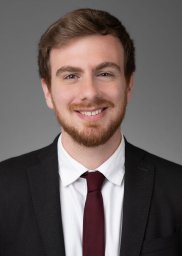 Alessandro Di Federico合作论文数Dept Expt Diagnost & Specialty Med, Univ Bologna23
 Charles B. Simone合作论文数Department of Radiation Oncology, Memorial Sloan Kettering Cancer Center;New York Proton Center23
 Naiyer A. Rizvi合作论文数Synthekine22
 Joao Victor Alessi合作论文数21
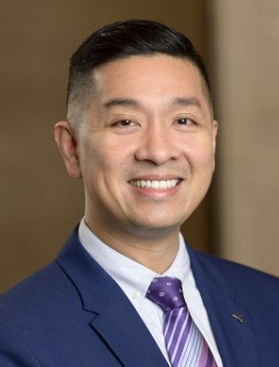 Alexander Drilon合作论文数Memorial Sloan Kettering Cancer Center21
 David Carbone合作论文数James Thoracic Oncology Center, The Ohio State University Wexner Medical Center21
 Bruce E. Johnson合作论文数Lowe Center for Thoracic Oncology, Dana-Farber Cancer Institute;Harvard Medical School, Harvard University21
 Mark T A Donoghue合作论文数Marie-Josée and Henry R. Kravis Center for Molecular Oncology, Memorial Sloan Kettering Cancer Center20
 Victor E. Velculescu合作论文数Department of Genetic Medicine, School of Medicine, Johns Hopkins University;Delfi Diagnostics20Vokes Natalie I合作论文数Dana Farber Canc Inst20Camelia S. Sima合作论文数20Rohit Thummalapalli合作论文数20




