Background The Coordinated Transitional Care (CTraC) program is an evidence-based, nurse-driven, low-cost intervention that improves transitional care for geriatric patients following hospital admission. CTraC reduces readmissions and enhances outcomes for older Veterans with chronic conditions or minimal caregiver support.Objectives This program evaluation was a component of the US Department of Veterans Affairs (VA) Geriatric Learning Health System initiative, which seeks to support community-dwelling older Veterans as they transition from hospital to home. We examined CTraC's operation across diverse hospital settings and identified critical transitional processes and contextual factors supporting patients transitioning from hospital to home. Our goal was to identify lessons to support the widespread deployment of CTraC systemwide.Design Semi-structured interviews were conducted with CTraC nurses at 11 VA hospitals. Qualitative data explored program set-up, protocol use, data tracking, program challenges and successes, and readmission reduction strategies. Comparison matrices were developed within a rapid qualitative analysis approach.Results CTraC nurses act as the point person for Veterans, address concerns, provide guidance, and resolve potential issues before escalation. Five themes emerged on CTraC alleviating gaps in transitional care and the program's organizational factors impacting implementation and sustainment. Nurses identified and addressed problems, including medication issues, follow-up appointment scheduling, in-home safety issues, and handling tasks overlooked by other clinicians. Interviews indicated variation in CTraC nurses' ability to track data, integrate CTraC into existing systems, and communicate program effectiveness with leadership. Sustainability challenges (e.g., facility decommissioning CTraC due to limited leadership awareness of program effectiveness) highlighted the need for enhanced data infrastructure and analytic support to report program efficacy.Conclusions Adaptation and feedback-driven refinement are critical to expanding CTraC's impact and promoting sustainment. Strengthening data feedback support and workforce resources may enable CTraC to sustain its adaptive, patient-centered approach to transitional care for Veterans.
Background: Polypharmacy and potentially inappropriate medications (PIMs) may be associated with survival and health care utilization in older patients undergoing treatment for diffuse large B-cell lymphoma (DLBCL). Methods: This population-based study examined patients with DLBCL aged ≥66 years receiving rituximab-based therapy from January 1, 2006, to December 31, 2017, and followed them until March 31, 2019. Polypharmacy was defined as taking ≥5 or ≥8 concurrent medications within 90 days of treatment initiation. PIMs were assessed using the Anticholinergic Risk Scale (ARS) and the Geriatric Oncology Potentially Inappropriate Medications (GO-PIM) scale. Cox regression and negative binomial models were conducted, adjusting for age, sex, frailty, and comorbidity burden (Aggregated Diagnosis Groups [ADGs]). The primary outcome was all-cause mortality, and the secondary outcome was health care utilization, measured by unplanned emergency department visits and hospitalizations. Results: A total of 5,527 patients were included (median age, 75 years; 48% female), of whom 69% and 40% had polypharmacy defined as ≥5 and ≥8 medications, respectively. In terms of PIMs, 27% of patients had at least one PIM based on ARS, whereas 70% had a high-risk medication based on the GO-PIM scale. Polypharmacy was associated with increased risk of all-cause mortality in the adjusted analysis, with an adjusted hazard ratio (aHR) of 1.14 (95% CI, 1.05–1.23; P =.0021) for patients taking ≥5 medications, and 1.18 (95% CI, 1.09–1.27; P <.0001) for those taking ≥8 medications. Increasing number of PIMs was associated with increased mortality risk. Polypharmacy was associated with an increased relative risk of health care utilization, with an adjusted rate ratio (aRR) of 1.14 (95% CI, 1.06–1.22; P =.0004) for patients taking ≥5 medications, and 1.16 (95% CI, 1.08–1.24; P <.0001) for those taking ≥8 medications. For PIMs, a higher score on the GO-PIM scale was associated with greater risk of health care utilization (aRR for ≥3 medications, 1.20; 95% CI, 1.09–1.32; P =.0003), whereas ARS was not. Conclusions: Polypharmacy and PIMs are associated with an increased relative risk of mortality and health care utilization among older adults with DLBCL undergoing treatment, independent of frailty and comorbidity.
Over-/undertreatment are pervasive in older adults with cancer, and challenges arise in applying the principles of bioethics: beneficence, nonmaleficence, justice, and patient autonomy. The objective of this study was to determine whether these ethical principles relate to over-/undertreatment for older adults, and how tensions among the principles may contribute. We conducted a modified Delphi study with 13 experts in biomedical ethics for iterative rounds of data collection. In the first round, we presented via electronic questionnaire our previously published definitions of over-/undertreatment in older adults with cancer. We then asked which ethical principles related to each definition, followed by how over-/undertreatment might arise from conflicts among different ethical principles. Consensus for each question was defined as ≥ 75
Rationale: Older adults make up the majority of patients with advanced non-small cell lung cancer (NSCLC) and often carry multiple other comorbidities (multimorbidity) when initiating treatment. The nature and impact of multimorbidity remain largely unknown, given the limitations of standard count-based comorbidity indices in aging patients and their exclusion from clinical trials. Objectives: Our objective is to identify and define multimorbidity patterns in older U.S. veterans newly treated for advanced NSCLC in the national Veterans Affairs healthcare system between 2002 to 2020, and whether they are associated with mortality and healthcare use. Methods: We measured 63 chronic conditions in 10,160 veterans aged ⩾65 years newly treated for NSCLC in the national Veterans Affairs healthcare system from 2002 to 2020. Latent class analysis was used to identify patterns of multimorbidity among these conditions, with final patterns determined on the basis of model fit and clinical meaningfulness. Kaplan-Meier and Cox proportional hazards regression analyses were used to evaluate the association of multimorbidity patterns with overall survival (primary outcome) and with emergency department visits and unplanned hospitalizations (secondary outcomes). Results: Five multimorbidity patterns arose from the latent class analysis, with overall survival varying across patterns (log-rank two-sided P < 0.001). Veterans with metabolic diseases (24.7% of all patients; hazard ratio [HR] [95% confidence interval (CI)], 1.10 [1.04-1.16]), psychiatric and substance use disorders (16.0%; HR [95% CI], 1.17 [1.10-1.24]), cardiovascular disease (14.4%; HR [95% CI], 1.22 [1.15-1.30]), and multisystem impairment (10.7%; HR [95% CI], 1.36 [1.26-1.46]) had a higher hazard of death than veterans with common conditions of aging beyond their NSCLC (34.2%, reference), controlling for age, sex, race, days between diagnosis and treatment, date of diagnosis, and NSCLC stage and histology. Associations held after adjusting for the count-based Charlson comorbidity index. Multimorbidity patterns were also independently associated with emergency department visits and unplanned hospitalizations. Conclusions: Our findings reveal that the numerous chronic conditions present in older veterans with late-stage NSCLC cluster together into distinct multimorbidity patterns; the nature of conditions in these patterns carries value beyond their number.
BACKGROUND:Previous studies have operationalized the NCCN list of high-risk medications in older adults into a measurable tool known as the Geriatric Oncology Potentially Inappropriate Medications (GO-PIMs) scale. The current study aims to evaluate the ability of GO-PIMs to identify high-risk medications and their impact on patients with both solid and liquid tumors managed in a large national health care system. METHODS:We performed a retrospective cohort study using data from the national Veterans Affairs (VA) Cancer Registry and electronic health records, including all veterans newly diagnosed with a solid or liquid malignancy from 2000 to 2022. The number of GO-PIMs for each patient was determined from outpatient pharmacy prescriptions filled in the 90 days preceding the initial cancer diagnosis (the index date). We assessed the association of PIMs with baseline frailty-measured using the electronic Veterans Affairs Frailty Index (VA-FI) and categorized as nonfrail (≤0.2), mildly frail (>0.2-0.3), or moderate-to-severely frail (>0.3)-and with unplanned hospitalization and mortality during follow-up, using multivariable models adjusted for age, gender, cancer type and stage, Charlson comorbidity index score, and socioeconomic factors. RESULTS:Among 388,113 patients with newly diagnosed cancer (median age, 69.3 years [IQR, 62.8-76.7]; most common cancer types: prostate [21.5%], lung [23.7%], and gastrointestinal [20.5%]), GO-PIMs were prevalent, with 38% patients receiving ≥1 GO-PIM. Each additional GO-PIM was associated with a 66% increase in the odds of being mildly or moderate-to-severely frail at diagnosis, after adjusting for all covariates (ordinal regression adjusted odds ratio, 1.66; 95% CI, 1.65-1.67). Each additional GO-PIM was also associated with a higher hazard of unplanned hospitalization (Cox regression adjusted hazard ratio [aHR], 1.08; 95% CI, 1.07-1.08) and death (Cox regression aHR, 1.07; 95% CI, 1.06-1.07), after adjusting for frailty and all covariates. CONCLUSIONS:An increasing number of PIMs, as identified by the GO-PIMs scale, was independently associated with greater risk of frailty at diagnosis, unplanned hospitalization during follow-up, and mortality among patients treated within a large national health care system.
Older veterans have an increased risk of lifetime trauma exposure compared to older civilians. Though few individuals develop posttraumatic stress disorder (PTSD), they may experience a reemergence of trauma symptoms or reengagement with past trauma as they age. This process may be exacerbated while in skilled nursing settings. Trauma-informed care (TIC) may alleviate or prevent the reemergence of symptoms or reengagement with past trauma; however, little is known about veterans' trauma-related experiences and needs in skilled nursing facilities within the Veterans Affairs Healthcare System (i.e., community living centers; CLCs). This quality improvement project aimed to explore PTSD symptoms, how reengagement may occur, and perceptions of TIC during CLC admission. Older veterans (N = 31, Mage = 73 years) in a CLC completed measures of trauma-related symptoms, trauma reengagement, and TIC. Veterans with a trauma history experienced at least one PTSD symptom, and participants reported reengaging with positive and challenging aspects of their service. Veterans reported positive perceptions of TIC practices of promoting autonomy (M = 2.50, SD = 0.70) and recognizing strengths (M = 2.21, SD = 0.92). Ratings were less favorable for promoting connection among residents (M = 1.80, SD = 0.88) and providing information about the effects of trauma on cognition, memory, and relationships (M = 1.66, SD = 0.90). During CLC admission, veterans experienced trauma-related symptoms, reengaged with past experiences, and reported on elements of TIC.
The Age-Friendly Health System (AFHS) movement has spread widely in recent years, with nearly 5000 healthcare organizations across the country recognized as Age-Friendly. Despite this broad recognition, there is little focus on how AFHS are implemented and the impact of implementation. The objectives of this study were to describe the strategies employed to support AFHS implementation in outpatient settings and to identify the measures used to evaluate implementation and effectiveness. We conducted a systematic review of literature from multiple databases spanning 2015 to March 2024, identified eligible studies using predefined inclusion/exclusion criteria, and extracted key data (eg, study design, study population, implementation strategies, outcomes/measures). We identified ten eligible studies from primary care clinics (N = 8), convenient care clinics (N = 1) and a cancer center (N = 1). The studies employed over 65 implementation strategies and 98 outcomes or measures. The vast majority of measures mapped to components of the 4Ms (Mobility, Mentation, Medication, What Matters), with up to ten measures per M category. Five of ten studies had reporting discrepancies and four did not fully define outcomes. The ten included studies serve as clear examples for the need for more evidence to support AFHS implementation in outpatient settings. Existing research lacks strategy specification and standardization of measures. We present gaps and opportunities to advance from AFHS "recognition" to impact.
Older adults admitted to subacute rehabilitation are at a critical window in the recovery of physical function, yet older Veterans are susceptible to sleep difficulties which may impact this recovery. This study aimed to determine the feasibility of evaluating sleep and physical function in older Veterans at admission, discharge, and 1-month post-discharge from subacute rehabilitation using patient-reported, actigraphy, and performance-based measures. Veterans aged 60+ were approached within 1 week of admission to VA Boston’s subacute rehabilitation. Each participant completed the Insomnia Severity Index(ISI)(clinically meaningful difference[CMD]=6), the Activity Measure for Post-Acute Care(AM-PAC)(CMD=4), and two performance measures (gait speed; chair stands) at admission, discharge, and 1-month follow-up. All participants completed wrist-worn ActiGraph GT3X+ accelerometer for 1 week at admission. Descriptive and frequency analyses were used to identify completion rates and preliminary descriptive data at three time points. Thirty-six Veterans were approached for participation; 20 refused with 8 declining due to concerns about wearing the actigraph and 5 declining due rehabilitation demands. Sixteen participants(Mean age=75±6.4years; 100%male; 94%White) completed actigraphy and all self-reported measures at admission; of these, 14(88%) completed measures at discharge and 12(75%) at 1-month post-discharge. Most Veterans(88%) were unable to complete gait speed or chair stands at all time points due to functional difficulties during admission and/or could not be assessed face-to-face due to travel difficulties post-discharge. Veterans were lost to follow-up due to rehospitalization(n=3) or patient death(n=1). For the 12 Veterans with complete data, AM-PAC scores improved from admission(Mean=49.9±8.1) to discharge(Mean=54.2±6.1), with minimal changes post-discharge (Mean=53.2±10.8)(overall 41.6% met/exceeded CMD=+4). Conversely, ISI scores improved from admission (Mean=10.8±7.3) to discharge (Mean=6.2±5.8)(25% met/exceeded CMD=-6) but worsened again 1-month post-discharge (Mean=10.6±7.4)(33.3% met/exceeded CMD=+6). It is feasible to assess insomnia and physical function through self-reported measures in older Veterans during and after subacute rehabilitation. Performance and actigraphy-based measures were less feasible/barriers to participation in this environment given recovery demands, lower functional status, and face-to-face difficulties post-discharge. Veterans may benefit from targeted behavioral sleep interventions during this transitional period and such interventions may confer additional benefits regarding daytime function. IK1RX004762-01 (BOYLE PI); 1 150 RX003430-01 (BEAN PI); K24 AG069176 (BEAN PI)
Poor sleep raises the risk for physical functioning difficulties and safety concerns, such as falls, in older adult populations. However, there is insufficient literature on sleep in older Veterans receiving care in VA inpatient rehabilitation settings during and after hospitalization. Furthermore, we do not sufficiently understand Veterans’ perceptions of the importance of their sleep and physical abilities during this recovery process. The present analysis assessed older Veterans’ perceptions of sleep, physical ability, and interest in pursuing non-pharmacological sleep interventions after completing their treatment at a VA subacute rehabilitation unit. Veterans aged 60+ were approached ≤1 week prior to discharge from VA Boston’s subacute rehabilitation. Veterans completed a brief semi-structured interview. Using frequency analyses, we determined how many Veterans believed their sleep and physical abilities were important to their recovery, believed their sleep impacts their physical abilities, how many were interested in non-pharmacological sleep interventions, when this intervention should occur, and how many believed this sleep intervention should include physical activities. Fourteen Veterans (Mean age=75.4±6.6 years; 100% male; 93% White) completed the brief semi-structured interviews prior to discharge. All Veterans (100%) reported that their sleep and physical abilities were important to their overall recovery and that their sleep impacts their physical abilities. Most (71%) expressed interest in a non-pharmacological intervention to help them sleep. Veterans shared that the intervention should occur during (50%), after (7.1%) or both during and after (29%) subacute rehabilitation. The majority (71%) reported that physical activity should be incorporated into the sleep intervention. This analysis highlighted Veterans’ perception regarding the importance of their sleep and physical functioning, particularly as it relates to their physical recovery process. This data also demonstrates a high level of Veteran interest in receiving non-pharmacological sleep interventions to promote their recovery. A natural next step would be to develop and study an intervention to support Veterans’ sleep and physical abilities during and/or after their discharge from subacute rehabilitation. IK1RX004762-01 (BOYLE PI); 1 150 RX003430-01 (BEAN PI); K24 AG069176 (BEAN PI)
ObjectivesEvaluate insomnia symptoms and environmental disruptors at admission and discharge in a subacute rehabilitation care setting.MethodsVeterans (age >= 50) admitted to a Veterans Health Administration (VA) Hospital subacute rehabilitation between March and August 2022 completed baseline (N = 46) and follow up (N = 33) assessments with the Insomnia Severity Index (ISI), Sleep Need Questionnaire (SNQ), Epworth Sleepiness Scale (ESS), and an assessment of environmental sleep disruptors. Veterans were offered sleep resources after admission evaluations and outpatient referrals after discharge evaluations. Pearson correlation determined associations between length of stay (LOS), ISI, SNQ, and ESS scores at admission and discharge; chi-square and Wilcoxon Signed Rank Tests compared insomnia at admission and discharge.ResultsOne-half of participants reported clinically meaningful insomnia symptoms and sleep needs at baseline with no significant change at discharge. Almost all (89.1%) Veterans reported sleep was disturbed by environmental factors, primarily staff awakenings. LOS was correlated with ESS scores at discharge (r = .52, p = .002).ConclusionsEnvironmental sleep disruption was common during a subacute rehabilitation admission and were not adequately addressed through sleep resources and treatment due to low uptake.Clinical ImplicationsProviders should assess sleep at admission and lessen environmental sleep disruptors by reducing noise, light, and non-essential awakenings at night.
Background: Skilled nursing facilities (SNFs) are an ideal setting to implement the Age-Friendly Health System (AFHS) approach, an initiative by the Institute for Healthcare Improvement (IHI) centered on the 4Ms: what matters, mobility, mentation, and medication. AFHS implementation has not been well studied in SNFs. Methods: A 112-bed VA SNF implemented a facility-wide AFHS initiative including the following: (1) participating in a national IHI Age-Friendly Action Community; (2) establishing an AFHS workgroup centered on the 4Ms; (3) identifying meaningful clinical tools and frameworks for capturing each M; and (4) developing sustainment methods. Clinical (life-sustaining treatment, falls, disruptive behaviors, and medication deprescribing) and quality outcomes (rehospitalization, emergency department utilization, and discharge to the community) in addition to patient satisfaction were compared pre- and post-AFHS implementation (bed days of care [BDOC] 17413) to post-implementation (BDOC 20880). Results: Clinical outcomes demonstrated improvements in the 4Ms, including: (1) what matters: 14% increase in life-sustaining treatment documentation (82%-96%; p < 0.01); (2) mobility: reduction in fall rate by 34% (8.15 falls/1000 BDOC to 5.41; p < 0.01); (3) mentation: decrease in disruptive behavior reporting system (DBRS) by 62% (5.11 DBRS/1000 BDOC to 1.96; p = 0.04); (4) medications: 53% increase in average potentially inappropriate medications (PIMs) deprescribing (0.38-0.80 interventions/patient; p < 0.01). Quality outcomes improved including rehospitalization (25.6%-17.9%) and emergency department utilization (5.3%-2.8%) within 30 days of admission. Patient satisfaction scores improved from a mean of 77.2 (n = 31, scale 1-100) to 81.3 (n = 42). Conclusions: Implementation of the AFHS initiative in a SNF was associated with improved clinical and quality outcomes and patient satisfaction. We describe here a sustainable, interprofessional approach to implementing the AFHS in a SNF.
Frailty represents an integrative prognostic marker of risk that associates with a myriad of age-related adverse outcomes in older adults. As a concept, frailty can help to target scarce resources and identify subgroups of vulnerable older adults that may benefit from interventions or changes in medical management, such as pursing less aggressive glycaemic targets for frail older adults with diabetes. In practice, however, there are several operational challenges to implementing frailty screening outside the confines of geriatric medicine. Electronic frailty indices (eFIs) based on the theory of deficit accumulation, derived from routine data housed in the electronic health record, have emerged as a rapid, feasible and valid approach to screen for frailty at scale. The goal of this paper is to describe the early experience of three diverse groups in developing, implementing and adopting eFIs (The English National Health Service, US Department of Veterans Affairs and Atrium Health-Wake Forest Baptist). These groups span different countries and organisational complexity, using eFIs for both research and clinical care, and represent different levels of progress with clinical implementation. Using an implementation science framework, we describe common elements of successful implementation in these settings and set an agenda for future research and expansion of eFI-informed initiatives.
PURPOSE:Stage in multiple myeloma (MM) is an essential measure of disease risk, but its measurement in large databases is often lacking. We aimed to develop and validate a natural language processing (NLP) algorithm to extract oncologists' documentation of stage in the national Veterans Affairs (VA) Healthcare System. METHODS:Using nationwide electronic health record (EHR) and cancer registry data from the VA Corporate Data Warehouse, we developed and validated a rule-based NLP algorithm to extract oncologist-determined MM stage. To that end, a clinician annotated MM stage within over 5,000 short snippets of clinical notes, and annotated MM stage at MM treatment initiation for 200 patients. These were allocated into snippet- and patient-level development and validation sets. We developed MM stage extraction and roll-up algorithms within the development sets. After the algorithms were finalized, we validated them using standard measures in held-out validation sets. RESULTS:We developed algorithms for three different MM staging systems that have been in widespread use (Revised International Staging System [R-ISS], International Staging System [ISS], and Durie-Salmon [DS]) and for stage reported without a clearly defined system. Precision and recall were uniformly high for MM stage at the snippet level, ranging from 0.92 to 0.99 for the different MM staging systems. Performance in identifying for MM stage at treatment initiation at the patient level was also excellent, with precision of 0.92, 0.96, 0.90, and 0.86 and recall of 0.99, 0.98, 0.94, and 0.92 for R-ISS, ISS, DS, and unclear stage, respectively. CONCLUSION:Our MM stage extraction algorithm uses rule-based NLP and data aggregation to accurately measure MM stage documented in oncology notes and pathology reports in VA's national EHR system. It may be adapted to other systems where MM stage is recorded in clinical notes.
9046 Background: Over-/undertreatment are pervasive in older adults with cancer, despite oncologists prescribing with best intentions. What “ought” to be prescribed with limited evidence creates challenges in adhering to the principles of bioethics: beneficence, nonmaleficence, justice, and respect for autonomy. Our objective for this study was to elucidate whether and how tensions among these ethical principles can contribute to over-/undertreatment in older patients. Methods: We designed a modified Delphi study, convening a panel of 13 experts in biomedical ethics (5 male, 8 female; 4 MD, 4 PhD, 2 MD/MA, 1 MD/PhD, 1 JD/MDiv, 1 DNP) from U.S. and Canadian institutions for three iterative rounds of data collection. In the first round—an electronic questionnaire—we presented definitions of overtreatment and undertreatment in older adults with cancer (DuMontier, J Clin Oncol, 2020) and asked questions delineating which ethical principles related to each definition, followed by questions regarding how over-/undertreatment might occur from conflicts among different ethical principles. Consensus for each question was defined as ≥75% of experts answering “agree” or “strongly agree”. The second round consisted of a virtual synchronous focus group of 9 of the panel experts led by a qualitative researcher to review round one results and discuss questions that did not reach consensus, followed by a second questionnaire including these questions. Results: After the first round, experts reached consensus that bioethical principles applied to over-/undertreatment in older adults with cancer. Specifically, 92% felt that overtreatment can occur when oncologists overemphasize beneficence that values the potential benefit of cancer treatments, while underemphasizing non-maleficence with respect to treatment adverse effects. Moreover, 77% felt that overtreatment can also occur when oncologists prioritize patient autonomy (preference to be treated) over non-maleficence (oncologists' concerns that treatment harms outweigh benefits). 84% felt that undertreatment can occur due to a lack of justice in equitable consideration of cancer treatments that could provide similar benefits in older adults as they would in younger adults. Moreover, 77% felt that undertreatment can occur when oncologists underemphasize patient autonomy, failing to consider patient preferences regarding which benefits to pursue and risks to take. Data collection for the second questionnaire and qualitative analysis of the focus group are underway. Conclusions: Our findings suggest that tension in ethical principles can lead to over- and undertreatment in older adults with cancer. The “right” treatment in older patients in the context of limited evidence is not simply one that aims to aggressively target their cancer, but that balances both benefits and harms in light of the whole patient and their preferences, while not restricting therapies based on age alone.
INTRODUCTION: Formal geriatric assessment is now recommended for all older (65+) adults with cancer who are receiving systemic therapy (Dale, JCO, 2023). While many tools have been validated in cancer populations, the association of geriatrics-driven frailty assessment tools with long-term survival for older adults with hematologic malignancies has yet to be characterized. METHODS: The Older Adult Hematologic Malignancy (OHM) Program at Dana-Farber Cancer Institute aims to assess the utility of three widely-studied frailty assessment tools-deficit accumulation method, phenotypic model and 4-meter gait speed (4MGS)-for older adults with blood cancers. From February 2015 to July 2024, we approached patients aged ≥ 73 years presenting for an initial consultation for MDS/leukemia, myeloma, or lymphoma at our institution. A trained research assistant conducted a frailty assessment consisting of 42 patient-reported and objective measures, spanning domains of comorbidity, functional status (e.g., instrumental activities of daily living, IADLs), physical performance (e.g., 4MGS and grip strength), and cognition (e.g., delayed recall). The majority of assessments were performed in-person, with a portion conducted virtually (DuMontier, Blood Advances, 2022). The deficit accumulation method (Rockwood, Journals of Gerontology, 2007) counts aging-related health deficits across multiple domains to compute a frailty index (FI) as the proportion of deficits present out of the total number of possible deficits measured. Patients were classified as robust if the FI was less than 0.2, pre-frail if between 0.2 and 0.35, and frail if greater than 0.35. The phenotypic model (Fried, Journals of Gerontology, 2001) uses five criteria to define a frailty syndrome (slow gait speed, weakness measured by grip strength, self-reported exhaustion, low physical activity, and weight loss). Patients were classified as robust if they had no deficits, pre-frail if they had one or two deficits, and frail if they had 3 or more deficits. For gait speed, patient's normal 4MGS was analyzed as a categorical variable (>0.8, >0.6 to 0.8, < 0.6) consistent with a priori cutoffs from the literature. Patients were followed from the time of initial consultation through the date of death or last follow-up, after which they were censored. Demographic and clinical variables were descriptively summarized, and multivariable Cox proportional hazards regression was used to estimate hazard ratios for the frailty assessment tools adjusted for age and gender. RESULTS: As of July 18, 2024, frailty was assessed for 1271 patients; all three measures of interest-deficit accumulation method, phenotypic model and 4MGS-were available for 945 patients. Among these, median age was 78 years (IQR, 76 to 82) and 36% were female. 32% had MDS/AML, 34% lymphoma, and 34% myeloma. Median follow-up was 30 months (IQR, 10 to 59) among all patients and 44 months (IQR, 0.03 to 110) among 490 patients alive at last follow-up. Median survival was 56 months and 5-year overall survival was 48% (95% CI 45%, 52%). According to the deficit accumulation method, 34% were pre-frail and 8% were frail. According to the phenotypic model, 61% were pre-frail and 6% were frail. In terms of 4MGS, 33% were >0.6 to 0.8 m/s and 14% were < 0.6 m/s. Over half (52%) reported weak grip strength, 31% unintentional loss of at least 10 pounds within the past year, and 10% “exhaustion.” All three frailty assessment tools were associated with mortality, independent of age and gender (deficit accumulation method: robust ref; pre-frail HR 1.90 [95% CI 1.55, 2.32]; frail HR 2.46 [1.83, 3.31]; phenotypic model: robust ref; pre-frail HR 2.07 [1.64, 2.62], frail HR 3.19, [2.19, 4.66]); 4MGS: >0.8 m/s ref; >0.6 to 0.8 HR 1.47 [1.19, 1.81], ≤ 0.6 HR 2.13 [1.63, 2.78]). CONCLUSIONS: In this large cohort of older adults with blood cancers and long-term follow-up, pre-frail and frail states were prevalent as measured with gold standard geriatric tools. Impaired mobility, weakness, and weight loss were more prevalent than in general populations of community-dwelling adults (e.g., 31% of OHM patients reported weight loss, while this has been found to be only 6% in a general population; Fried, Journals of Gerontology, 2001). All three tools showed dose-response relationships with survival. These data underscore the importance of measuring and addressing frailty in older adults undergoing treatment for blood cancer.
As the population grows, the incidence of dementia will increase. A common occurrence in people with dementia is behavioral and psychological symptoms of dementia (BPSD). BPSD can include apathy, aggression, resistance to care, and agitation. BPSD can start or worsen during an acute hospitalization, but these units are not well-equipped to handle BPSD, often relying on pharmacological interventions to address distress behaviors. One known behavioral intervention for BPSD is STAR-VA, an interdisciplinary approach to managing these behaviors. However, this intervention has not been utilized in acute care. Our team implemented STAR-VA in acute care at a Veterans Affairs hospital in the northeastern United States. Using the VA's Quality Enhancement Research Initiative (QUERI) implementation roadmap to guide our work, we first outlined the problem, completed a needs assessment with staff, and began implementation. Results from this quality improvement project demonstrated the feasibility and efficacy of STAR-VA in an acute care setting.
Abstract Pessimism about aging is ubiquitous and impacts emotional well-being and willingness to implement healthcare strategies with older adults. Individuals experiencing increased stress may be motivated to differentiate themselves from an older, more vulnerable group, which may further intensify pessimistic beliefs. This is particularly important to consider in skilled nursing facilities (SNFs) due to vulnerabilities residents experience. Healthcare environments/approaches can contribute to re-engagement with trauma symptoms, and pessimism about aging are related to trauma symptom endorsement. To explore how expectations about aging may impact staff perceptions of trauma-informed care (TIC), we assessed staff across disciplines (n = 78; nursing, rehabilitation, psychosocial, medical) in a sample of VA SNFs. Staff completed Expectations Regarding Aging (e.g., cognition, physical) and Attitudes Related to Trauma-Informed Care (e.g., beliefs about behavior) questionnaires. Higher total and subscale scores indicate positive expectations of aging and greater TIC endorsement. Expectations of aging differed significantly by discipline (F(3, 65) = 6.79, p <.001, ƞ2 =.24); nurses had lower expectations compared to other disciplines – and a significant difference compared to rehabilitation staff (p =.001; Bonferroni correction). Expectations about aging were not significantly related to overall perceptions of TIC (p =.09). However, staff expectations about cognitive functioning, were positively correlated with TIC attitudes about underlying causes of behavior (r =.25, p =.037), suggesting accurate knowledge about cognitive aging relates to more accurate understanding of resident behavior. This preliminary work suggests beliefs about aging may be related to some but not all aspects of TIC attitudes.
Background Frailty, a syndrome of physiologic vulnerability, increases cardiovascular disease (CVD) risk. Whether in person or automated frailty tools are ideal for identifying CVD risk remains unclear. We calculated 3 distinct frailty scores and examined their associations with mortality and CVD events in the Million Veteran Program, a prospective cohort of nearly 1 million US veterans. Methods and Results Veterans aged ≥50 years and enrolled from 2011 to 2018 were included. Two frailty indices (FI) based on the deficit accumulation theory were calculated: the questionnaire‐based 36‐item Million Veteran Program‐FI and 31‐item Veterans Affairs‐FI using claims data. We calculated Fried physical frailty using the self‐reported, 3‐item Study of Osteoporotic Fractures. Multivariable‐adjusted Cox models examined the association of frailty by each score with primary (all‐cause and CVD mortality) and secondary (myocardial infarction, stroke, and heart failure) outcomes. In 190 688 veterans (69±9 years, 94% male, 85% White), 33, 233 (17%) all‐cause and 10 115 (5%) CVD deaths occurred. Using Million Veteran Program‐FI, 29% were robust, 42% pre‐frail, and 29% frail. Frailty prevalence increased by age group (27% in 50‐59 to 42% in ≥90 years). Using the Million Veteran Program‐FI, over 6±2 years, frail veterans had a higher hazard of all‐cause (hazard ratio [HR], 3.05 [95% CI, 2.95–3.16]) and CVD mortality (HR, 3.65 [95% CI, 3.43–3.90]). Findings were concordant for the Veterans Affairs‐FI and Study of Osteoporotic Fractures frailty definitions, and remained significant even among younger veterans aged 50‐59 years. Conclusions Irrespective of frailty measure, frailty is associated with a higher risk of all‐cause mortality and adverse CVD events. Further study of frailty in veterans aged <60 years old is warranted.
 John Michael Gaziano合作论文数Division of Aging, Brigham and Women's Hospital;Harvard Medical School54
 Ariela Orkaby合作论文数42
 Clark DuMontier合作论文数39Abel Gregory A合作论文数37Hshieh Tammy T合作论文数25
 Kelly Cho合作论文数24
 Luc Djousse合作论文数Division of Aging Research, Department of Medicine Research, Brigham and Women's Hospital;Harvard Medical School;Department of Nutrition, Harvard T.H. Chan School of Public Health23
 David R. Gagnon合作论文数Department of Biostatistics, Boston University School of Public Health19
 Dae Hyun Kim合作论文数Harvard Medical School;Marcus Institute for Aging Research, Hebrew SeniorLife18Nathanael R Fillmore合作论文数VA Boston Healthcare Syst, Massachusetts Vet Epidemiol Res & Informat Ctr, Boston, MA 02130 USA17Mary T. Brophy合作论文数Department of Medicine, Chobanian & Avedisian School of Medicine, Boston University17Nhan Do合作论文数16
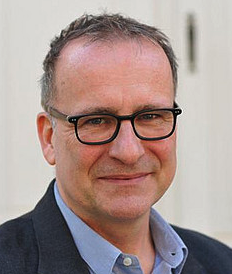 Tobias Kurth合作论文数Institut für Public Health, Charité – Universitätsmedizin Berlin;Berlin School of Public Health, Charité – Universitätsmedizin Berlin16Jennifer La合作论文数VA Boston Healthcare System, Boston, MA.15
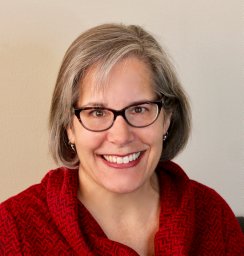 Jennifer Moye合作论文数VA Boston Healthcare System Department of Psychiatry, Harvard Medical School and Mental Health Service Line13Kelly A O'Malley合作论文数Department of Psychiatry, Harvard Medical School11
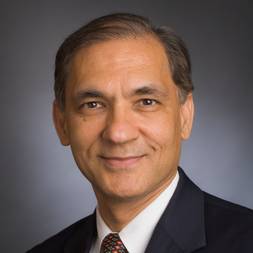 Nikhil C. Munshi合作论文数Jerome Lipper Multiple Myeloma Center, Dana-Farber Cancer Institute;Harvard Medical School11
 Richard M. Stone合作论文数Dana-Farber Cancer Institute;Harvard Medical School11
 Robert J. Soiffer合作论文数Department of Medical Oncology, Dana-Farber Cancer Institute;Division of Hematologic Malignancies, Dana-Farber Cancer Institute;Harvard Medical School11
 Giancarlo Logroscino合作论文数Dipartimento di Biomedicina Traslazionale e Neuroscienze, Università Degli Studi di Bari Aldo Moro;Center for Neurodegenerative Diseases and the Aging Brain, University of Bari “Aldo Moro”11Brian Charest合作论文数10
 Kunping Lu合作论文数Beth Israel Deaconess Medical Center;Harvard Brain Science Initiative, Harvard University;Harvard Medical School;Pinteon Therapeutics;Western University10
 Julie E. Buring合作论文数Department of Epidemiology, Harvard T.H. Chan School of Public Health;Division of Preventive Medicine, Brigham and Women's Hospital9
 Jonathan Bean合作论文数Mass General Research Institute, Massachusetts General Hospital;Department of Physical Medicine and Rehabilitation, Harvard Medical School;Spaulding Rehabilitation Hospital9Marcus D. Ruopp合作论文数8
 Chelsea Hawley合作论文数Center for Healthcare Organization and Implementation Research and the New England Geriatric Research Education and Clinical Center, VA Bedford Healthcare System8
 Rafael Tabares Seisdedos合作论文数Department of Medicine, University of Valencia8Ridao Manuel合作论文数8Catalá-López F合作论文数8
 Adolfo Alonso-Arroyo合作论文数Facultad de Medicina y Odontología, Universidad de Valencia8
 Alfonso Valencia合作论文数Life Science Department, Barcelona Supercomputing Centre;INB Spanish National Bioinformatics Institute;IMPaCT Spanish Personalised Medicine initiative of the ISC-III8
 Brian Hutton合作论文数School of Epidemiology and Public Health, Faculty of Medicine, University of Ottawa;Ottawa Hospital Research Institute;Royal Ottawa Institute of Mental Health Research8Mayuri Dharne合作论文数7Cenk Yildirim合作论文数7
 Lee Mozessohn合作论文数Sunnybrook Research Institute;Division of Medical Oncology, Department of Medicine, Odette Cancer Centre, Sunnybrook Health Sciences Centre;Division of Medical Hematology, Department of Medicine, Odette Cancer Centre, Sunnybrook Health Sciences Centre;Division of Medical Oncology, Department of Medicine, Temerty Faculty of Medicine, University Of Toronto;Division of Medical Hematology, Department of Medicine, Temerty Faculty of Medicine, University Of Toronto7Martha Wadleigh合作论文数7
 Peter Wilson合作论文数Division of Cardiology, Department of Medicine, School of Medicine, Emory University;Rollins School of Public Health, Emory University;Atlanta VA Medical Center7Rachel E. Ward合作论文数6Saadia Qazi合作论文数6Jaume Forés-Martos合作论文数Biomedical Research Networking Center of Mental Health (CIBERSAM)6
 Julia Boyle合作论文数6Macías Saint-Gerons Diego合作论文数Division of Pharmacoepidemiology and Pharmacovigilance, Spanish Medicines and Healthcare Products Agency (AEMPS),6
 Sarvari Venkata Yellapragada合作论文数Dan L Duncan Comprehensive Cancer Center, Baylor College of Medicine6
 Wershof Schwartz Andrea合作论文数Icahn School of Medicine at Mount Sinai6
 Matthew J Page合作论文数School of Public Health and Preventive Medicine, Monash University6
 Daniel J. DeAngelo合作论文数Harvard Medical School;Dana-Farber Cancer Institute6Julie M. Paik合作论文数5June K Corrigan合作论文数5Richard Chen合作论文数5




