Metaplastic breast cancer (MBC) is a rare subtype of breast cancer, and its clinical presentations and outcome are not clear. This multi-institutional study comprehensively evaluated the clinicopathologic features, treatment patterns, and outcomes of 149 MBC cases. In total, 149 MBC cases diagnosed from 2005 to 2023 were included and compared with 350 non-MBC triple-negative breast cancer (TNBC) cases diagnosed from 2004 to 2019: 62 MBCs and 174 TNBCs were treated with neoadjuvant chemotherapy (NACT) and 87 MBCs and 176 TNBCs with adjuvant chemotherapy (ACT). We evaluated pathologic variables, including necrosis, lymphovascular invasion, tumor-infiltrating lymphocytes (TILs), tumor nuclear grade, Nottingham grade, tumor size, the presence of ductal carcinoma in situ, and the presence and percentage of different metaplastic components. Clinical data, including age, race, estrogen receptor, progesterone receptor, and human epidermal growth factor receptor 2 status, local recurrence-free survival, and metastasis-free survival (MFS), were retrieved. The median follow-up time was 58.9 months for all patients. Only 8.1% of patients with MBC (n = 5) achieved pathologic complete response (pCR) when treated with NACT compared with 37.9% of TNBC patients (P < .0001). None of the patients with MBC who achieved pCR developed metastasis. No clinicopathologic variables were associated with the pCR rate in MBC. The proportion of metaplastic components was not associated with the pCR rate or MFS in MBC cases. Patients with MBC treated with NACT had significantly shorter MFS than those treated with ACT (P = .011). In patients with MBC who did not achieve pCR after NACT, larger tumor size was associated with shorter MFS (P < .001). In patients with MBC who received ACT, higher TILs level was associated with longer MFS (P = .016). This study with large cohorts showed patients with MBC had a low pCR rate to NACT, and those patients who achieved pCR had excellent prognosis. Therefore, it is important to identify which patients benefit from NACT. The proportion of metaplastic component was not associated with the pCR rate or MFS, supporting the current recommendation that breast carcinoma with any metaplastic component should be diagnosed as MBC. Finally, higher TILs levels were associated with improved MFS in patients with MBC treated with ACT. Further investigation is warranted to define biomarkers and patient selection for NACT versus ACT in MBC.
Despite endocrine therapy (ET), approximately 20–40% of Stage I–III estrogen receptor-positive breast cancer (ER + BC) patients experience recurrence. Recurrence while on ET is indicative of ET resistance. This study aimed to identify differentially expressed genes (DEGs) associated with recurrence during ET (ET resistance) and to explore gene expression differences across PAM50 molecular subtypes. Eighty tumor specimens from 79 patients treated at the City of Hope Comprehensive Cancer Center (2012–2016) were analyzed using NanoString technology. Fourteen patients (17.7%) experienced recurrence over a median follow-up of 68 months (range 35–104 months). Key upregulated DEGs in the recurrence group included EZH2 (log2 fold change[log2FC]: 0.67, p = 0.0017), WNT11 (log2FC: 1.08, p = 0.0088), ITGB6 (log2FC: 0.80, p = 0.0312), and TOP2A (log2FC: 0.79, p = 0.0381). Downregulated DEGs included SNAI2 (log2FC: − 0.63, p = 0.0055), ITPR1 (log2FC: − 0.75, p = 0.0083), CD10 (log2FC: − 0.70, p = 0.0092), PTEN (log2FC: − 0.29, p = 0.0163), VRD (log2FC: − 0.46, p = 0.0184), and WNT5A (log2FC: − 0.76, p = 0.0272). EZH2 and TOP2A were positively correlated with proliferation scores, while WNT11 and ITGB6 emerged as potential biomarkers independently associated with recurrence. These findings suggest novel biomarker candidates that could help overcome ET resistance, reduce recurrence, and improve outcomes in ER + BC.
To describe real-world characteristics and clinical outcomes among patients with HER2+ MBC receiving tucatinib-based treatments. This retrospective study included patients diagnosed with HER2+ MBC between January 2017 and December 2022 from two administrative health claims databases, MerativeTMMarketScan® and the Komodo Healthcare Map™. Patient characteristics were captured at baseline (≤ 6 months prior to tucatinib initiation). Outcomes were assessed starting from tucatinib-based treatment initiation and included real-world time to discontinuation (rwTTD) and treatment persistence. There were 150 patients in MarketScan® who received tucatinib-based therapy: median (IQR) prior lines of therapy (LOT) was 2 (2–4) and 110 patients (73.3
Lasofoxifene, but not fulvestrant, improved vaginal and vulvar health in women with metastatic breast cancer having ESR1 mutations and adverse vulvar-vaginal symptoms in the phase 2, ELAINE 1 study. If approved as a breast cancer treatment, lasofoxifene (5 mg/day) may provide benefits on vaginal and vulvar symptoms while treating advanced or metastatic, resistant breast cancer with ESR1 mutations. Background: Lasofoxifene, a novel endocrine therapy (ET), showed antitumor activity versus fulvestrant in women with ESR1 -mutated, metastatic breast cancer (mBC) that progressed on prior ET (phase 2, ELAINE 1 study). We investigated changes in genitourinary syndrome of menopause (GSM) vulvar-vaginal symptoms with lasofoxifene and how patient/disease characteristics affect baseline vulvar-vaginal symptoms in ELAINE 1. Methods: Women were randomized to oral lasofoxifene 5 mg/day or IM fulvestrant 500 mg (days 1, 15, and 29, then every 28 days) until disease progression/severe toxicity. Changes in mean vaginal (VAS) and vulvar (VuAS) assessment scales, and their composite (average of all symptom scores/patient), from baseline to week 16, and mean baseline VAS/VuAS scores by patient/disease characteristics, were descriptively summarized. Results: Of 103 enrolled patients, 72 (70%) completed the VAS/VuAS (mean age 61.5 years). Vaginal (40%)/vulvar (25%) dryness and vaginal pain (22%) were the most frequently reported symptoms; 26% reported >= 1 moderate/severe symptom. Lasofoxifene decreased the mean composite VAS/VuAS, VAS, and VuAS from baseline to week 16 by 74%, 74%, and 79%, respectively; fulvestrant increased them by 36%, 15%, and 63%, respectively. Baseline vaginal/vulvar symptoms were more severe if patients were under age 40, had no visceral disease, used adjuvant tamoxifen previously, or had longer AI duration in the adjuvant/metastatic settings. Conclusions: Oral lasofoxifene (5 mg/day), but not fulvestrant, appears to improve GSM vaginal symptoms in women with mBC. These preliminary findings suggest further study is needed; such will be explored in the phase 3, registrational, ELAINE 3 trial in patients with ESR1 -mutated, ER + /HER2- mBC.
PURPOSE:Cyclin-dependent kinase 4 and 6 inhibitors (CDKIs) are effective breast cancer therapies but pose adherence challenges because of cost, side effects, and complexity of medication schedule. We assessed the feasibility and usability of a smart label-enabled remote therapeutic monitoring (RTM) mHealth intervention for women with breast cancer prescribed a CDKI. Exploratory adjusted analyses examined factors associated with usability and CDKI adherence. METHODS:Participants were recruited from a comprehensive cancer center between April and August 2024. For 3 months, participants used Tappt smart labels and web app to record CDKI doses, receive missed dose reminders, report symptoms biweekly, and complete baseline and follow-up surveys. Alerts were sent to oncology teams for nonadherence (>20% missed doses) or moderate-to-severe symptoms. Feasibility was defined as ≥70% of participants using the smart label >30 days and completing the follow-up survey. Usability was assessed using the System Usability Scale, with a benchmark score of ≥68. Linear regression was used to examine factors associated with usability and CDKI adherence. RESULTS:Among 168 screened, 107 were eligible and reached; 75.7% (81/107) consented; 90.1% (73/81) completed the follow-up survey, and 88.9% (72/81) used the intervention >30 days. Most participants self-identified as White (69.9%), were privately insured (72.6%), and had early-stage breast cancer (58.9%) and depression or anxiety (58.9%). The mean usability score was 75.8; participants who self-identified as Black reported 12.0 points higher usability than those who self-identified as White (P = .03). Mean CDKI adherence was 92.8%. A history of anxiety or depression was associated with an 8.6 percentage-point lower CDKI adherence rate (P = .02). CONCLUSION:A smart label-enabled RTM mHealth intervention exceeded feasibility and usability benchmarks and showed promise for supporting CDKI adherence and symptom management.
PURPOSE:Oral capecitabine improves convenience compared to intravenous therapies but presents monitoring challenges. We conducted a randomized pilot trial to evaluate a mobile health intervention to remotely monitor capecitabine adherence and patient-reported outcomes (PROs) among women with breast cancer. METHODS:Patients with breast cancer prescribed capecitabine, an oral chemotherapy with a complex, cyclical regimen, were randomly assigned to enhanced usual care (EUC) or PRO arm. Participants were asked to use a smart pill bottle to measure adherence (timing and dose) and complete baseline and 90-day follow-up surveys. PRO participants received text messages for missed or incorrect doses and weekly text-based symptom assessments, and their oncologists received alerts for severe symptoms or missed doses. We compared nonadherence (<80%) and changes from enrollment to follow-up on reported physical and mental health quality-of-life scores and number of severe symptoms by study arm. RESULTS:Overall, 32 women were randomly assigned (17 EUC and 15 PRO): 28 (87.5%) received the intervention and 24 (78.1%) completed the follow-up survey. Among participants who received the intervention, PRO participants responded to 83.3% of symptom questions; 7.7% of PRO participants were nonadherent compared with 40.0% of EUC participants (P = .049). Among those who completed the follow-up survey, 12.5% of PRO participants had reductions in their mental health composite scores compared with 69.2% of EUC participants (P = .011); 10% of PRO participants had more severe symptoms at follow-up compared with 57.1% of EUC participants (P = .019). CONCLUSION:A mobile health intervention using text message reminders and symptom assessments improved medication adherence and mental health quality-of-life scores and lowered symptom burden of patients with breast cancer prescribed capecitabine. Future work should evaluate the longer-term impacts of this intervention.
Background: Endocrine therapy remains the treatment backbone for patients with hormone receptor-positive (HR+) breast cancer. However, many patients with early-stage HR+ breast cancer struggle with treatment adherence due to treatment-related adverse events (TRAEs) and menopausal symptoms that affect quality of life. Research shows that nonadherence is especially prevalent among Black patients and patients younger than 40. In premenopausal patients, ovarian function suppression (OFS) is recommended in addition to standard endocrine therapy. OFS can increase the incidence and severity of TRAEs, but also significantly reduces the risk of recurrence of breast cancer. Use of a GnRH agonist during chemotherapy can also reduce the incidence of ovarian failure. Therefore, it is critical that providers understand the importance of selecting the appropriate adjuvant therapy, managing TRAEs, and promoting treatment adherence so that patients can stay on their treatment plan reliably and achieve the best disease-related outcomes. This study aimed to identify real-world provider barriers and knowledge gaps in managing AEs and enhancing patient adherence to adjuvant endocrine therapy. Methods: In January-February 2024, 118 healthcare providers (HCPs) completed surveys on practice gaps and challenges related to care delivery, treatment selection, AE management, and shared decision-making in HR+ Breast Cancer. Results: Over 70% of HCPs reported high or very high confidence in differentiating available endocrine therapy regimens for premenopausal versus postmenopausal HR+ breast cancer patients. However, significant challenges remain, as providers estimated that less than 50% of their early HR+ breast cancer patients adhere to their endocrine therapy for the full 5 years. HCPs reported individualizing treatment plans, engaging patients in shared decision-making, and recognizing and managing treatment-related adverse events as their top 3 challenges. Sixty-three percent of providers cited side effects of endocrine therapy as the top reason for inconsistent adherence to treatment by patients. They reported that patients struggle the most with vaginal dryness (40%), arthralgias and bone pain (39%), and nausea and vomiting (32%). Providers’ perceived top barriers to patients’ communication about side effects were that patients are not sure which symptoms are important or relevant to share (66%), there is not enough time during their appointment (36%), or they do not wish to complain so they do not mention their symptoms (31%). Around half of HCPs reported utilizing patient navigators to support individuals from diverse backgrounds (54%), regularly assessing and updating cultural competence and implicit bias training (45%), and providing education materials in multiple languages (44%) as strategies to address health care disparities and promote equitable access to shared decision-making to support patient engagement and adherence. However, only 15% reported that they display affirming messaging in waiting rooms and patient rooms, and only 12% reported that their institution or leadership has made a public statement of support in advocating for health equity. When asked about strategies that would most improve adherence to endocrine therapy, HCPs selected improved patient education on the importance of treatment adherence (54%), tools to support adherence monitoring (52%), and improved patient education on expectations for treatment and when/how to reach out to their health care team (47%). Conclusions: Oncologists face multiple challenges that limit sustained adherence to endocrine therapy in their patients with HR+ breast cancer, especially in diverse patients and patients younger than 40 years old. Further research and implementation of strategies to address healthcare disparities and improve sustained adherence to endocrine therapy are needed to improve outcomes for all HR+ breast cancer patients. Citation Format: Jane Lowe Meisel, Brandi Hobbs, Ilona Dewald, Samuel Dooyema, Jeffrey Carter, Cherilyn Heggen, Kelly McKinnon. Adjuvant Endocrine Therapy in HR+ Breast Cancer: HCPs Report on Real-World Barriers to Treatment Adherence [abstract]. In: Proceedings of the San Antonio Breast Cancer Symposium 2024; 2024 Dec 10-13; San Antonio, TX. Philadelphia (PA): AACR; Clin Cancer Res 2025;31(12 Suppl):Abstract nr P1-11-22.
e12520 Background: Oral CDK 4/6 inhibitors (CDK4/6is) have transformed the management of HR+/HER2- breast cancer (BC), offering patients (pts) greater flexibility and convenience. However, this places significant responsibility on pts to maintain adherence and manage treatment-related adverse events (TRAEs). This pilot study evaluated the impact of a digital adherence tool designed to facilitate remote monitoring and enhance adherence to CDK4/6is. Methods: In 2024, three health systems piloted a novel remote therapeutic monitoring technology, Tappt Health, customized to BC patients. Pts received near-field communication-enabled smart labels to affix to their medication containers, enabling them to record timing of each dose by tapping their phones. The smart labels were linked to pts’ unique medication schedules and notifications were sent for missed doses. Pt-reported outcomes surveys were incorporated in the app to assess AEs and adherence over 12 weeks. Oncology care teams were alerted if medication adherence dropped below 80%, or when pts experienced bothersome AEs or social determinants of health (SDOH) that impacted adherence. In response to pt alerts, care teams provided real-time remote support, AE management, dose adjustments, and referrals. Results: Altogether, 92 BC pts on CDK4/6is consented to use of Tappt Health. Adherence data were collected for 78 pts who participated in remote monitoring for at least 12 weeks (56% early-stage). Overall, 34% pts triggered an adherence alert and 35% triggered an AE alert. Overall, the most common AEs included menopausal symptoms such as insomnia and hot flashes (59%), extreme fatigue (33%), and severe diarrhea (25%). Additionally, 23% of pts reported experiencing SDOH that impacted health, most commonly economic hardship or unemployment (15%), social isolation or limited access to transportation (8%), and gaps in insurance coverage (3%). In response to the 276 alerts that were triggered, care teams offered real-time support through pt communication and outreach (27%), dose adjustments or additional treatments/supportive care (19%), and referrals to social workers or care navigators (4%, 1%). During the study period, overall adherence was 91%. Conclusions: Remote monitoring with real-time adherence tracking, actionable alerts, AE management, and support for addressing SDOH can enable care teams to intervene promptly, potentially improving adherence to oral anticancer therapies, including CDK4/6 inhibitors, in HR+/HER2- BC patients. These findings underscore the value of digital health tools and remote monitoring in supporting adherence to oral oncology treatments and support further study in this area.
Background: DNADX, a novel machine learning-based approach, utilizes DNA copy-number aberration (CNA) data from plasma ctDNA to identify clinically relevant phenotypic tumor features and classify breast cancer into 5 groups (Nat Comm 2023). This study evaluates the ability of DNADX to predict prognosis and treatment benefit in advanced ER+/HER2- breast cancer after progression on CDK4/6 and aromatase inhibition. Methods: DNADX was centrally evaluated in available baseline tumor plasma from the PACE trial (NCT03147287), a multicenter phase 2 clinical trial that randomized 220 patients (pts) with HR+/HER2- advanced breast cancer after progression on AI and CDK4/6 inhibitor to receive fulvestrant alone (F), F and palbociclib (F+P), or F+P and avelumab (F+P+A) in a 1:2:1 ratio. Shallow whole genome sequencing was performed on ctDNA, identifying 5 DNA-based groups through unsupervised analysis of 150 breast cancer signatures (Luminal-high, Proliferative, Basal-related, CNA-flat, and a group with tumor fraction [TF] < 3% [TF-low]). The primary objective was to evaluate the association of DNADX subtypes with progression-free survival (PFS). Secondary objectives included assessing the association of DNADX subtypes and TF with treatment benefit from palbociclib or avelumab. Uni- and multivariable Cox regression models were used. Results: DNADX was evaluated in baseline plasma samples from 149 pts (67.7%). PFS across arms in this subset was similar to the original study population. DNADX in the pooled population identified 39 (26.2%) cases with TF-low, 4 (2.7%) with CNA-flat, 61 (41.0%) with Luminal-high disease, 30 (20.1%) with Proliferative disease, and 15 (10.0%) with Basal-related disease. The DNADX 5-group classification at baseline was significantly associated with PFS in both univariate (p=0.0298) and multivariable (p=0.012) analyses, adjusted by treatment arm and age. Compared to pts with TF-low, those with Luminal-high disease had inferior PFS (adjusted hazard ratio=1.96, 95% CI 1.19-3.24, p=0.008). The addition of palbociclib to F+/-A significantly improved PFS in the DNADX Luminal-high group (hazard ratio [HR] 0.45, 95% CI 0.22-0.92, p=0.029; interaction test p=0.081). The addition of avelumab to F+/-P showed a nonsignificant trend towards PFS benefit in the DNADX TF-low group (HR 0.49, 95% CI 0.18-1.34, p=0.164; interaction test p=0.667). Similarly, DNADX plasma TF above the median was associated with a significant PFS benefit from the addition of palbociclib (HR 0.37, 95% CI 0.19-0.74, p=0.004; interaction p=0.025), whereas DNADX plasma TF below the median was associated with a nonsignificant trend towards PFS benefit from the addition of avelumab (HR 0.54, 95% CI 0.28-1.02, p=0.0576; interaction p=0.283). Conclusions: In the PACE trial population, the liquid biopsy-based DNADX assay reveals substantial biological heterogeneity after progression on CDK4/6 and AI which impacts prognosis in advanced ER+/HER2- breast cancer. With further validation, DNADX may help identify a patient population that may derive benefit from continuation of CDK4/6 inhibition after progression. Citation Format: Guilherme Nader-Marta, Rosario Vega-León, Guillermo Villacampa, Reshma Mahtani, Cynthia Ma, Angele DeMichele, Sandra Cobo, Francisco Pardo, Massimo Cristofanilli, Jane Meisel, Kathy D. Miller, Yara Abdou, Elizabeth C. Riley, Ashka Patel, Melissa E. Hughes, Fara Brasó-Maristany, Oleguer Castillo, Patricia Galván, Rubina Qamar, Priyanka Sharma, Laia Paré, Marina Gómez Rey, Judit Matito, Sonya Reid, Michelle DeMeo, Patricia Villagrasa, Charles M. Perou, Joel S. Parker, Ana Vivancos, Yuan Liu, Eric Gauthier, Harold J. Burstein, Sara M. Tolaney, Rinath Jeselsohn, Aleix Prat, Erica L. Mayer. Liquid biopsy DNADX assay in advanced ER+/HER2-negative breast cancer after progression on CDK4/6 and aromatase inhibitors: a correlative analysis from the PACE phase II randomized trial [abstract]. In: Proceedings of the San Antonio Breast Cancer Symposium 2024; 2024 Dec 10-13; San Antonio, TX. Philadelphia (PA): AACR; Clin Cancer Res 2025;31(12 Suppl):Abstract nr PS2-09.
PURPOSE The time required for in-clinic drug administration can substantially affect breast cancer patients' quality of life. Subcutaneous (SC) drug administration, as opposed to intravenous (IV), may reduce this time commitment. This study sought to estimate the difference in time burden between IV and SC administration of trastuzumab and pertuzumab (HP). METHODS We prospectively enrolled a subcohort of patients participating in the ADEPT trial (ClinicalTrials.gov identifier: NCT04569747, investigating adjuvant HP plus endocrine therapy for stage I human epidermal growth factor receptor 2-positive breast cancer) to this single-arm crossover time and motion substudy. Patients received two cycles of IV HP followed by two cycles of SC HP. During each cycle, time points in drug preparation and administration were captured. The primary end point was total patient time in the treatment chair. Additional end points included total patient treatment experience time and total pharmacy workflow time. A sample size of 22 patients was estimated to provide 90.7% power with two-sided alpha .05 to detect a difference of 70 minutes in the primary end point by treatment arm (IV v SC). RESULTS Twenty-two patients were enrolled. The mean total patient time in the treatment chair was 61.8 minutes shorter with SC versus IV HP (22.5 v 84.3 minutes; P < .0001). The mean total patient treatment experience time (incorporating time spent waiting for treatment initiation and time spent in the treatment chair) was 81.8 minutes shorter for SC administration (96 v 177.8 minutes; P < .0001). The pharmacy workflow time was 78.2 minutes shorter for SC versus IV formulation (41 v 119.2 minutes; P < .0001). CONCLUSION SC administration of HP shortened patient time burden by approximately 1 hour. SC drug administration can facilitate faster workflows for health care professionals and improve patients' breast cancer treatment experience.
1054 Background: The PACE (NCT03147287) randomized phase II trial investigates CDK4/6 inhibition beyond progression in combination with endocrine treatment, with or without PD-L1 inhibition, in hormone receptor-positive (HR+)/HER2- metastatic breast cancer (MBC) (Mayer et al 2024). We previously reported that cfDNA alterations and CTC number correlated with survival and treatment response (Jeselsohn et al 2024; Gerratana et al ASCO 2023). Here we investigated ER expression on CTCs in relation to the cfDNA mutational landscape. Methods: Samples were collected at baseline. CTC enumeration and ER protein expression on CTCs (by immunofluorescence) was evaluated with the CellSearch and the ACCEPT software. Samples were classified as CTC high or CTC low (cutoff ≥5 CTC/sample). CTC high samples were defined ER+ if >15% CTCs/sample expressed ER to ensure good inter-group stratification. Concurrently, cfDNA was analyzed with the Guardant360 assay. Only pathogenic single nucleotide (snv) and copy number variations (cnv) with ≥3% prevalence were included and categorized into oncogenic pathways (Sanchez-Vega et al 2018). Differences in distribution across CTC groups were tested through Chi-squared and Fisher's test. Results: From 220 enrolled patients, 167 were evaluable for ER on CTCs. Of these, 91 were CTC low , 30 were CTC high /ER-, and 46 CTC high /ER+. ESR1 mutations were more common in CTC high /ER+ samples, while CTC high /ER- samples had higher incidence of alterations in SMAD4 , PIK3CA , BRAF and CDK4 compared to the other 2 groups (Table 1). CTC high /ER- had also higher mutant allele frequency compared to CTC high /ER+ and CTC low (MAF > 3% in 73% vs 54% and 31%, respectively, p < 0.001). CTC low samples had overall lower cfDNA alteration incidence. Similarly, alterations in the ER pathway were more frequent in samples with CTC high /ER+, whereas alterations in PI3K, cell cycle and P53 pathways were more common in CTC high /ER- samples. Alterations in the RTK/RAS/RAF pathway were more common in CTC high samples (23% and 28% for ER- and ER+ vs 9.9% for CTC low , p = 0.017). Similar results were observed with a 10% threshold. Conclusions: Distinct cfDNA alterations were identified based on ER expression in CTCs in HR+/HER2- MBC. Integrating CTC enumeration and cfDNA profiling may help elucidate resistance mechanisms, identify actionable targets, and predict benefit from continued CDK4/6 inhibition beyond progression. Incidence of cfDNA alterations across the 3 CTC-based groups. cfDNA alterations CTC low 1 CTC high /ER- 1 CTC high /ER+ 1 P value ESR1 2 36 (40) 15 (50) 31 (67) 0.009 SMAD4 2 0 (0) 3 (10) 2 (4.3) 0.009 PIK3CA 3 2 (2) 4 (13) 0 (0) 0.012 BRAF 3 1 (1) 1 (3.3) 5 (11) 0.022 CDK4 3 1 (1) 3 (10) 2 (4.3) 0.035 ER pathway 2 40 (44) 15 (50) 32 (70) 0.017 PI3K pathway 3 2 (2.2) 4 (13) 0 (0) 0.012 Cell cycle pathway 3 8 (8.8) 9 (30) 8 (17) 0.019 P53 pathway 2 27 (30) 16 (53) 13 (28) 0.040 1 n (%); 2 snv; 3 cnv.
Background: In patients with HER2+ MBC, treatment guidelines recommend first-line (1L) combination therapy with a taxane, trastuzumab, and pertuzumab (THP), followed by 1L maintenance therapy with trastuzumab and pertuzumab. Real-world data on treatment patterns and clinical outcomes with 1L therapy and, in particular, 1L maintenance therapy in patients with HER2+ MBC are limited. Furthermore, while brain metastases (BM) are less common at 1L initiation, up to 50% of patients with HER2+ MBC will eventually develop BM, often during 1L maintenance. Objective: To describe patient characteristics and treatment patterns overall, and clinical outcomes with THP, in patients with HER2+ MBC, including patients with BM prior to or at 1L initiation, receiving 1L therapy and 1L maintenance therapy in the real-world setting.Methods: This retrospective cohort study included female patients (≥18 years old) diagnosed with HER2+ MBC between January 2012 and February 2024 in the Flatiron Health Metastatic Breast Cancer Enhanced Datamart who received 1L therapy in real world clinical practice settings. Patients with BM were those with BM prior to or at 1L initiation. Key outcomes for patients who received 1L THP, including time to discontinuation (TTD), time to next treatment (TTNT), and overall survival (OS), were assessed from 1L initiation date (index date) until data cut off or death using the Kaplan-Meier method. Induction duration for patients who received 1L THP was defined as time from index date until 20 days after last administration of taxane. Maintenance duration was defined as time from 21 days after last administration of taxane until the end of 1L maintenance with trastuzumab and/or pertuzumab. Results: A total of 4739 patients with HER2+ MBC received 1L treatment and met inclusion criteria, including 606 patients with BM at or prior to initiating 1L therapy. At 1L initiation, 2382 (50.3%) patients received dual HER2-targeted therapy, 1727 (36.4%) single HER2-targeted therapy, 310 (6.5%) chemotherapy alone, and 320 (6.8%) other regimens. In patients with BM, 234 (38.6%) received dual HER2-targeted therapy, 319 (52.6%) single HER2-targeted therapy, 28 (4.6%) chemotherapy alone, and 25 (4.1%) other regimens. Overall, 1878 (39.6%) patients received 1L THP, and their median (95% CI) TTD was 14.0 (13.0–15.0) months, median (95% CI) TTNT was 15.0 (14.0–16.0) months, and median (95% CI) OS was 57.0 (53.0–63.0) months. In the subset of patients who had BM at or before 1L initiation who received 1L THP (n = 147, 24.3%), median (95% CI) TTD was 12.0 (9.6–14.0) months, TTNT 12.0 (9.7–14.0) months, and OS 29.0 (26.0–40.0) months. Of those who received 1L THP, 1289 of 1878 patients (68.6%), including 87 of 147 (59.2%) with BM, received 1L maintenance therapy. Median (IQR) duration of induction therapy was 4.2 (3.6–4.9) months overall and 4.2 (3.5–5.6) months in patients with BM. Median (IQR) duration of maintenance therapy was 9.4 (4.1–22.6) months overall and 6.9 (3.3–18.2) months in patients with BM. Conclusion: Patients with HER2+ MBC were treated with a range of 1L regimens during the study period. Less than half of the patients received guideline-recommended 1L THP; of these, real-world outcomes including OS were poorer in patients with BM compared with the overall group. While median duration of induction therapy was similar between the overall cohort and patients with BM, patients with BM had a shorter duration of maintenance therapy than patients overall. These data highlight the unmet need for effective 1L treatment options in patients with HER2+ MBC, particularly patients with BM. Ongoing clinical trials evaluating HER2-targeting regimens in the 1L maintenance setting may offer additional options for improved outcomes in this treatment landscape. Citation Format: Agreen Hadadi, Edward Neuberger, Brian T. Pittner, Karen Watkins, Ziqi Zhou, Cynthia Gutierrez, Karen Bartley, Jane Meisel. Real-world treatment patterns and clinical outcomes of first-line therapy and first-line maintenance therapy in patients with human epidermal growth factor 2-positive metastatic breast cancer [abstract]. In: Proceedings of the San Antonio Breast Cancer Symposium 2024; 2024 Dec 10-13; San Antonio, TX. Philadelphia (PA): AACR; Clin Cancer Res 2025;31(12 Suppl):Abstract nr P5-05-10.
Background: There are no validated predictive biomarkers for continuation of CDK4/6 inhibition (CDK4/6i) beyond progression in patients (pts) with estrogen receptor-positive (ER+), HER2-negative (HER2-) metastatic breast cancer (MBC). Thymidine kinase (TK) is an enzyme involved in DNA synthesis that is released into the bloodstream by proliferating cells. Lower baseline serum TK activity (TKa) levels as well as on-treatment changes (TKa decreases with CDK4/6i and increases with immunotherapy) have been associated with better outcomes. The aim of this study is to assess the prognostic value of TKa in pts previously treated with CDK4/6i, as well as its predictive value for response to CDK4/6i beyond progression with or without immunotherapy in the PACE trial. Methods: The PACE (NCT03147287) multicenter phase II trial randomized 220 pts with ER+, HER2- MBC who had progressed on at least 6 months (mo) of prior CDK4/6i and aromatase inhibitor (AI) to receive fulvestrant alone (F), F plus palbociclib (F+P), or F+P plus the PD-1 inhibitor avelumab (F+P+A). No statistically significant differences in median progression-free survival (PFS) were observed for F+P or F+P+A compared to F. Blood samples were collected at baseline (BL, within 14 days of treatment start) and at cycle 2 day 1 (C2D1); serum TKa was quantified at a central laboratory with the ELISA-based DiviTum® TKa assay (Biovica, USA). TKa analysis was blinded to clinical data. The associations of BL and C2D1 TKa PFS were assessed using stratified Cox models, the predictive associations by testing for treatment-by-TKa interaction. In this study, prespecified TKa cutoffs were defined as 250 DuA (DiviTum unit of Activity) and the median TKa values. Results: BL samples were available for 198 pts (90.0%), and 176 (80.0% ) had paired C2D1 samples. Median BL TKa was 408 DuA (IQR 198-822) in the overall population, 372 (202-604), 465 (203-843), and 328 (190-805) in F, F+P, and F+P+A arms, respectively. Higher BL TKa (>250 DuA) was not associated with inferior PFS (HR 1.0, 90%CI: 0.74-1.36) with all arms combined. Among those with high BL TKa, median PFS was 3.6 mo (90% CI: 1.9-7.3) for F, 5.4 mo (90% CI: 3.5-8.1) for F+P, and 8.1 mo (90% CI: 3.2-14.3) for F+P+A. Higher BL TKa (>250 DuA) was not predictive of differential PFS when comparing F with F+P (interaction p=0.16) or F with F+P+A (interaction p=0.41). Similar results were observed using the median BL TKa as a cutoff. Median TKa at C2D1 was 248 (IQR 136-546) with all arms combined, 290 (161-620), 239 (109-500), and 228.0 (149.0-492.0) for F alone, F+P, and F+P+A, respectively. High C2D1 TKa (> 250 DuA) was associated with shorter PFS (mPFS 2.4 mo vs 7.2 mo, HR 2.3, 90%CI: 1.6-3.1) with all arms combined. TKa at C2D1 was not predictive of PFS when comparing arm F with F+P (interaction P-value 0.74) or F with F+P+A (interaction P = 0.19). To evaluate TKa dynamic change, pts from all arms combined were classified in 4 groups based on TKa change between BL and C2D1 (cutoff of 250 DuA): 44 (25.0%) pts had “high to low,” 45 (25.6%) pts had “stay low,” 15 (8.5%) pts had “low to high,” and 72 (40.9%) pts had “stay high.” PFS differed based on the on-treatment TKa dynamic change: “high to low” mPFS 7.6 mo (90% CI: 7.1-16.3), “stay low” mPFS 5.6 mo (90% CI: 3.3-9.6), “low to high” mPFS 4.9 mo (90% CI: 1.7-8.2), and “stay high” mPFS 2.2 mo (90% CI: 1.4-2.6). Pts with “high to low” TKa decrease had favorable PFS compared to “stay low” (HR 0.58, 90% CI: 0.36-0.92), “low to high” (HR 0.46, 90% CI: 0.26-0.83), or “stay high” (HR 0.29, 90% CI: 0.18-0.45) groups. Conclusion: In the PACE trial, BL TKa after progression on CDK4/6i was not associated with prognosis or benefit from different therapies. However, high C2D1 on-treatment TKa was associated with inferior outcomes. Early dynamic changes in TKa levels may allow identification of populations with distinct prognoses, possibly facilitating clinical decisions in this context. Citation Format: Nader-Marta, Yue Ren, Reshma Mahtani, Cynthia Ma, Angela DeMichele, Massimo Cristofanilli, Jane Meisel, Kathy Miller, Yara Abdou, Elizabeth Riley, Rubina Qamar, Priyanka Sharma, Sonya Reid, Naomi Ko, Harold Burstein, Michelle DeMeo, Amy Williams, Yuan Liu, Eric Gauthier, Sara Tolaney, Meredith Regan, Rinath Jeselsohn, Erica Mayer. Thymidine kinase activity as a prognostic and predictive biomarker in the Phase II PACE trial of CDK4/6 inhibition beyond progression [abstract]. In: Proceedings of the San Antonio Breast Cancer Symposium 2024; 2024 Dec 10-13; San Antonio, TX. Philadelphia (PA): AACR; Clin Cancer Res 2025;31(12 Suppl):Abstract nr P2-07-25.
 Li Xiaoxian合作论文数26Kevin Kalinsky合作论文数Division of Hematology-Oncology, University of Minnesota/Division of Hematology-Oncology, Columbia University Irving Medical Center18
 Timothy Pluard合作论文数15Erica L. Mayer合作论文数Dana-Farber Cancer Institute, Harvard Medical School15
 Sarah Sammons合作论文数Department of Medicine, School of Medicine, Duke University School of Medicine14
 Angela M DeMichele合作论文数Center for Clinical Epidemiology and Biostatistics, University of Pennsylvania;Abramson Cancer Center, University of Pennsylvania;Department of Medicine, Perelman School of Medicine, University of Pennsylvania14Dominic Carroll合作论文数11
 Yara Abdou合作论文数Department of Medicine, University of North Carolina11
 Massimo Cristofanilli合作论文数Department of Medicine, Weill Cornell Medical College, Cornell University;Englander Institute of Precision Medicine, Weill Cornell Medicine, Cornell University;Meyer Cancer Center, Weill Cornell Medicine, Cornell University11Rubina Qamar合作论文数10Kelly Shanahan合作论文数10Erica M Stringer-Reasor合作论文数10Priyanka Sharma合作论文数10
 Reshma Mahtani合作论文数10
 Yuan Liu合作论文数Pfizer Inc, La Jolla, CA;10
 Sonya Reid合作论文数10
 Ruth Oregan合作论文数Bell Telephone Laboratories, Inc.10Elizabeth Attias合作论文数9Monica Kozlowski合作论文数9
 Carol Aghajanian合作论文数Memorial Sloan Kettering Cancer Center9
 Sara M. Tolaney合作论文数Department of Medical Oncology, Dana-Farber Cancer Institute;Harvard Medical School9
 Mylin Torres合作论文数Division of Health Services Research, Outcomes, and Policy, Department of Radiation Oncology, School of Medicine, Emory University;Winship Cancer Institute, Emory University9Sarah Friend合作论文数8
 Ann H. Partridge合作论文数Department of Medical Oncology, Dana-Farber Cancer Institute;Harvard Medical School8
 Harold Burstein合作论文数Dana-Farber Cancer Institute;Harvard Medical School;Brigham and Women's Hospital8
 David M Hyman合作论文数Loxo Oncology, Eli Lilly and Company8
 Jorge S. Reis-Filho合作论文数AstraZeneca8
 Rajmohan Murali合作论文数Sydney Medical School, University of Sydney8
 Toncred Styblo合作论文数8
 Kathy D. Miller合作论文数Hematology/Oncology Division, Department of Medicine, School of Medicine, Indiana University8Qamar J Khan合作论文数7Ros Cutts合作论文数Breast Cancer Now Toby Robins Research Centre, Institute of Cancer Research;Breast Cancer Now Toby Robins Research Centre, Institute of Cancer Research7Pier Selenica合作论文数Mem Sloan Kettering Canc Ctr, Dept Pathol, 1275 York Ave, New York, NY 10021 USA7Charlotte Fribbens合作论文数Inst Canc Res, Breast Canc Now Res Ctr, London, England7Lei Tian (田蕾)合作论文数华中科技大学同济医学院7
 Roger A. Greenberg合作论文数Department of Cancer Biology, Perelman School of Medicine, University of Pennsylvania7
 Maria E. Arcila合作论文数Memorial Sloan Kettering Cancer Center7Borsu Laetitia合作论文数7
 Luciano Martelotto合作论文数School of Biomedicine, Faculty of Health and Medical Sciences, The University of Adelaide7
 Mark E. Robson合作论文数Memorial Sloan Kettering Cancer Center7
 Inaki Comino-Mendez合作论文数7Lim Raymond S合作论文数7
 Zaibo Li合作论文数7Ng Charlotte K Y合作论文数7
 Ino de Bruijn合作论文数School of Biotechnology, KTH Royal Institute of Technology7
 Nick Turner合作论文数Royal Marsden Hospital;Breast Cancer Now Research Centre, The Institute of Cancer Research7
 Britta Weigelt合作论文数Gynecology DMT Research Laboratory, Memorial Sloan Kettering Cancer Center7
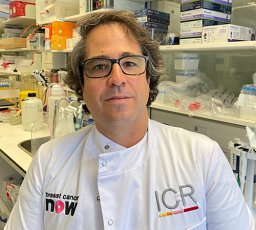 Garcia-Murillas Isaac合作论文数7
 Larry Norton合作论文数Evelyn H. Lauder Breast Center, Memorial Sloan Kettering Cancer Center7




