High-grade central nervous system cancers incur a significant burden of care on society. The combination of therapeutic resistance and high mortality makes it both a challenging target and a devastating diagnosis. Of these, one in two is characterized as glioblastoma (GBM) with a median survival rate of only 13.5 months with the current standard of therapy. Modern interventions, such as PD-1 and CTLA-4 checkpoint inhibition and autologous CAR T cell delivery, remain stymied by both the difficult nature of drug delivery to the brain and the inherent immunosuppressive tumor microenvironment. However, recent advances in the characterization of GBM have unveiled promising new therapeutic avenues aiming to target and eliminate the tumor. In this review, we summarize the mechanisms through which GBM is initiated, localized, and eludes therapy responses and provide an update on recent advances made within this therapeutic space to overcome GBM-mediated immunosuppression. We also discuss the challenges with current and next generational treatment strategies before finally exploring the landscape of potential future therapeutic targets.
BACKGROUND:Spinal cord stimulation (SCS) has developed from the classical tonic, paresthesia-based stimulation to an increasingly differentiated, personalized neuromodulation. New paradigms such as high-frequency SCS, burst stimulation, differential target multiplexed (DTM™) SCS, and closed-loops expand the therapeutic spectrum, particularly in chronic neuropathic back and leg pain. Today, paresthesia-free forms of stimulation, adaptive control systems, physiological feedback parameters, and data-based programming are at the forefront technologically. Clinical studies show appreciable pain reduction for many of these procedures, improved quality of life, and partial advantages compared with conventional SCS. At the same time, questions regarding long-term efficacy, patient selection, mechanisms of action, and cost-benefit relationship remain unanswered. Overall, the new SCS paradigms mark a shift away from the symptom-oriented electrostimulation to an individualized, neurophysiology-based pain therapy. OBJECTIVE:The aim of this review article is to present the current technological developments in SCS and critically assess the clinical evidence. MATERIALS AND METHODS:There follows a narrative literature review on conventional tonic SCS, 10-kHz high-frequency SCS, burst SCS, FAST™ (fast-acting subperception therapy), differential target multiplexed (DTM™) SCS, closed-loop SCS/electrically evoked compound action potentials(ECAPs)-guided SCS, as well as related precision tools such as dorsal root ganglion (DRG) stimulation. RESULTS:New SCS paradigms enable paresthesia-free or adaptive therapy and address the limitations of conventional SCS, in particular in axial back pain, position-dependent stimulation, and patient-specific variability. The strongest evidence is available for 10-kHz SCS, ECAP-guided closed-loop-SCS, burst-SCS, DTM SCS, as well as DRG stimulation in selected neuropathic pain syndromes. CONCLUSION:Modern SCS should not be considered as a single procedure but as a spectrum of technologically differing therapies. Strict indication criteria, multidisciplinary patient selection, and realistic evaluation of the available evidence remain crucial to clinical success.
Epithelial-mesenchymal transition (EMT) is a biological process that involves the transformation of epithelial cells into more mobile and invasive mesenchymal cells. While EMT is crucial for typical physiological functions like maturation of the embryo and tissue restoration, its association with cancer often leads to tumor proliferation, metastasis, and resistance to therapy. This transition permits tumors to acquire traits that promote invasion, migration, and resistance to cell death. Therefore, unraveling the intricate mechanisms of EMT activation in cancer will contribute to the advancement of personalized medicine and the design of more effective treatments against metastatic disease. Inhibiting EMT holds the potential for restricting cancer cell invasion and metastasis, ultimately improving patient outcomes. EMT induction can be triggered by various factors, including extracellular signals, external substances, and pathological conditions such as hypoxia. This paper primarily examines the function of EMT in the initiation and progression of tumors, along with the factors that contribute to its activation. With the aid of cutting-edge technologies and improved experimental techniques, researchers can more effectively investigate the complex network of molecular events underlying EMT, leading to the identification of novel biomarkers and the advancement of therapies. By leveraging these advancements, scientists are better equipped to unravel the intricacies of EMT and pave the way for advancements in personalized medicine and improved treatment strategies for patients affected by EMT-related conditions. Understanding the cellular events and signaling cascades that drive EMT can aid in the development of interventions that disrupt or reverse this process.
Tumor suppressor genes (TSGs) are critical regulators of cellular homeostasis and are extensively studied in cancer biology. However, their roles in neurodegenerative diseases, particularly Alzheimer's disease (AD), remain poorly understood. Recent evidence of an inverse association between cancer and AD suggests the existence of shared molecular mechanisms. We conducted an integrative analysis to identify TSGs with potential involvement in both AD and glioblastoma (GBM), using Mendelian randomization, transcriptomic profiling (bulk and single-cell RNA-seq), cell-cell communication inference, and in vitro validation. Among 1,217 TSGs screened, TNFRSF12A was consistently dysregulated in both GBM and AD datasets. Further analysis revealed its association with immune-related pathways and transcriptional programs relevant to both diseases. Knockdown of TNFRSF12A in glioma cells altered the expression of genes associated with amyloid precursor protein (APP) processing and Wnt signaling pathways. This study identifies TNFRSF12A as a cross-disease candidate gene in GBM and AD, based on transcriptomic convergence and partial functional validation. Our findings suggest that TSGs may contribute to shared molecular programs in neurodegeneration and cancer, and warrant further mechanistic investigation.
Glioblastoma (GBM), the most malignant central nervous system cancer, has a median survival rate of 14–16 months. GBM patients have a poor prognosis despite rigorous multi-modal treatments like surgical resection, chemotherapy, and radiation. A systematic bioinformatics analysis of GXA gene expression datasets showed thirty-three overexpressed genes in GBM that were enriched in neuroactive ligand receptor interaction. Subsequently, bulk brain tissue gene expression profiling showed high to moderate expression of CCK, VGF, APLN, CNR1, GRIA4, and PDYN in the cortex, frontal cortex-BA9, BA24 region, cerebellar hemisphere, cerebellum, hippocampus, amygdala, basal ganglia, hypothalamus, substantia nigra, and spinal cord. Interesting, the cortex, frontal cortex-BA9, and BA24 regions had unbelievably high CCK expression. Brain cortex and frontal lobe mutational scoring showed significant rates of IDH1 (49
Despite the favorable effects of immunotherapies in multiple types of cancers, its complete success in CNS malignancies remains challenging. Recently, a successful clinical trial of cytokine-induced killer (CIK) cell immunotherapy in patients with glioblastoma (GBM) has opened a new avenue for adoptive cellular immunotherapies in CNS malignancies. Prompt from these findings, herein, we investigated whether dendritic cells (DC) in combination with cytokine-induced killer cells (DC-CIK) could also provide an alternative and more effective way to improve the efficacy of GBM treatment. The analysis showed that DC-CIK cells exerted a significant cytotoxic effect on the glioblastoma cell lines, especially with the phenotype of stem-like cells (GSCs). In addition, the increased specific lysis of these cells subsequent to DC-CIK co-culture was confirmed with confocal fluorescence microscope. The direct interactions between tumor and effector cells were found to be highly effective in GBM organoids (GBOs). Moreover, a significant increase in apoptosis and elevated levels of IFN-γ (and not TNF-α) secretion were observed as a targeting mechanism of DC-CIK cells against GBM cell models. Overall, we provide important preliminary evidence that DC-CIK cells may have potential in the treatment of CNS malignancies, particularly glioblastoma.
Cancer, being the most formidable ailment, has had a profound impact on the human health. The disease is primarily associated with genetic mutations that impact oncogenes and tumor suppressor genes (TSGs). Recently, growing evidence have shown that X-linked TSGs have specific role in cancer progression and metastasis as well. Interestingly, our genome harbors around substantial portion of genes that function as tumor suppressors, and the X chromosome alone harbors a considerable number of TSGs. The scenario becomes even more compelling as X-linked TSGs are adaptive to key epigenetic processes such as X chromosome inactivation. Therefore, delineating the new paradigm related to X-linked TSGs, for instance, their crosstalk with autosome and involvement in cancer initiation, progression, and metastasis becomes utmost importance. Considering this, herein, we present a comprehensive discussion of X-linked TSG dysregulation in various cancers as a consequence of genetic variations and epigenetic alterations. In addition, the dynamic role of X-linked TSGs in sex chromosome–autosome crosstalk in cancer genome remodeling is being explored thoroughly. Besides, the functional roles of ncRNAs, role of X-linked TSG in immunomodulation and in gender-based cancer disparities has also been highlighted. Overall, the focal idea of the present article is to recapitulate the findings on X-linked TSG regulation in the cancer landscape and to redefine their role toward improving cancer treatment strategies.
Objectives: Raynaud's phenomenon (RP) is a vascular disorder characterized by episodic peripheral artery vasospasms, resulting in paleness, cyanosis, and/or erythema. There are few reports, mostly case reports, on the benefits of spinal cord stimulation (SCS) for the treatment of RP. However, there is a lack of objective evidence on SCS-induced modulation of the sympathetic system (eg, vasodilation) in this condition. We hypothesize that evoked compound action potential- controlled closed-loop SCS may relieve pain, reduce the severity and frequency of Raynaud attacks, and improve peripheral blood flow. Materials and Methods: This prospective, observational, single-center pilot study aimed to evaluate the effectiveness of SCS in treating primary and secondary RP. Patient outcomes such as pain, Raynaud severity/condition score, Cochin Hand Function Scale, Scleroderma Health Assessment Questionnaire RP visual analog scale, EQ-5D-5L, Patient Global Impression of Change, blood fl ow assessments, and neurophysiological measurements were collected at baseline, trial end, one month, three months, and six months. Results: Ten patients were successfully enrolled in the study and underwent epidural electrode placement for SCS. SCS resulted in a significant improvement in the severity of RP attacks (severity difference from baseline at trial end: - 1.8, 95% CI, - 3.1 to - 0.5; p = 0.01; at one month: - 2.1; 95% CI, - 3.4 to - 0.8; p = 0.004; at three months: - 2.9; 95% CI, - 4.2 to - 1.6; p = 0.0002) and Raynaud condition score (difference from baseline at trial end: - 2.1; 95% CI, - 3.3 to - 0.9; p = 0.002; at one month: - 2.2; 95% CI, - 3.4 to - 1.0; p = 0.002; at three months: - 3.3; 95% CI, - 4.6 to - 2.1; p = 0.00002; at six months: - 4.1; 95% CI, - 5.4 to - 2.8; p = 0.0000008), and an objective reduction in peripheral occlusion and ulceration. While one of the combined primary end points was successfully achieved in terms of severity at the three-month follow-up, it is worth noting that the primary end point related to frequency improvement was not met during the same time frame. Conclusions: This pilot study offers evidence linking SCS with the activation of large, myelinated fi bers within the dorsal column in patients with RP. This activation is associated with improvement in the number of patient-related outcomes and enhanced peripheral circulation.
Cancer stem cells (CSCs) are widely acknowledged as the drivers of tumor initiation, epithelial-mesenchymal transition (EMT) progression, and metastasis. Originating from both hematologic and solid malignancies, CSCs exhibit quiescence, pluripotency, and self-renewal akin to normal stem cells, thus orchestrating tumor heterogeneity and growth. Through a dynamic interplay with the tumor microenvironment (TME) and intricate signaling cascades, CSCs undergo transitions from differentiated cancer cells, culminating in therapy resistance and disease recurrence. This review undertakes an in-depth analysis of the multifaceted mechanisms underlying cancer stemness and CSC-mediated resistance to therapy. Intrinsic factors encompassing the TME, hypoxic conditions, and oxidative stress, alongside extrinsic processes such as drug efflux mechanisms, collectively contribute to therapeutic resistance. An exploration into key signaling pathways, including JAK/STAT, WNT, NOTCH, and HEDGEHOG, sheds light on their pivotal roles in sustaining CSCs phenotypes. Insights gleaned from preclinical and clinical studies hold promise in refining drug discovery efforts and optimizing therapeutic interventions, especially chimeric antigen receptor (CAR)-T cell therapy, cytokine-induced killer (CIK) cell therapy, natural killer (NK) cell-mediated CSC-targeting and others. Ultimately use of cell sorting and single cell sequencing approaches for elucidating the fundamental characteristics and resistance mechanisms inherent in CSCs will enhance our comprehension of CSC and intratumor heterogeneity, which ultimately would inform about tailored and personalized interventions.
Raynaud's phenomenon (RP) is an episodically occurring vasospasm of the peripheral arteries that causes cyanosis, erythema, pain, paresthesia, and sometimes ulceration of the fingers and/or toes [1]. In severe cases, RP patients have physical and functional impairments that substantially affect their ability to work. There are few reports, mostly case series, on the utility of spinal cord stimulation (SCS) to treat RP [2]–[9]. However, there is a lack of objective evidence on the physiological effects (e.g., vasodilation) of SCS in this condition. Here, we present clinical outcomes of severe RP patients treated with evoked compound action potential (ECAP)-controlled closed-loop SCS.
Background: Sacral neuromodulation is an established minimally invasive therapy indicated for the treatment of functional pelvic floor disorders. While it received its original US Food and Drug Administration (FDA) approval for the treatment of overactive bladder symptoms, it is now regarded as a therapeutic option to treat both urinary/fecal incontinence and retention. In addition, it has proven to be a valuable tool in the treatment of chronic pelvic pain, and preliminary results indicate a potential to elicit improvements in sexual functioning. Objective: This article serves to provide a summary of the therapy and its applications. Method: Selective literature review. Results: Sacral neuromodulation implants allow for the controlled shifting of the autonomic control of bladder and rectum towards an inhibition or facilitation of voiding, dependent on the patient's needs and under the patient's control. At the same time and depending on the applied stimulation, the implants can interfere with the nerve's conduction of pain signals. This makes them a therapeutic option for pelvic pain that fails to respond to conventional treatment. Finally, there have been first reports suggesting improvements in sexual dysfunction under sacral neuromodulation, thus, potentially opening up a new line of therapy for those disorders. Discussion: Sacral neuromodulation is a flexible and efficient form of therapy for functional disorders of the pelvic floor. Specifically, the same intervention can treat seemingly contradictory disorders such as urinary/fecal incontinence and retention as well as chronic pain.
 Ulf Kahlert合作论文数Div Neuropathol, Johns Hopkins Univ Hosp21
 Guido Nikkhah合作论文数20
 Charles Eberhart合作论文数Department of Pathology, Johns Hopkins University14
 Eric H Raabe合作论文数Johns Hopkins School of Medicine, Department of Pathology, Division of Neuropathology, Baltimore, Maryland/Johns Hopkins School of Medicine, Sidney Kimmel Comprehensive Cancer Center, Division of Pediatric Oncology, Baltimore, Maryland12
 Gregor A Bara合作论文数11
 Amit L. Sharma合作论文数11
 Ingo Schmidt-Wolf合作论文数Oncology Department, University Medicine Center;West German Tumor Center, Essen University Hospital11
 Tikam Chand Dakal合作论文数Genome & Comp Biol Lab, Mohanlal Sukhadia Univ9
 Amit Sharma合作论文数8
 Pantelis Karakostas合作论文数6Birte Dietz合作论文数5
 Valentin Sebastian Schafer合作论文数Clinic of Internal Medicine III, Oncology, Hematology, Rheumatology and Clinical Immunology, University Hospital Bonn5
 Hans-Jakob Steiger合作论文数Pediatric Neurosurgery Division, University Hospital Duesseldorf;Neurosurgery Center, Ludwig Maximilian University Hospital5Silke Neumann合作论文数4
 Bernhard Landwehrmeyer合作论文数Department of Neurology, University of Ulm4
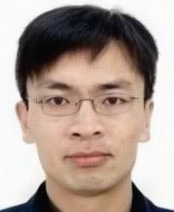 Hongde Liu (刘宏德)合作论文数State Key Laboratory of Bioelectronics, School of Biological Science & Medical Engineering, Southeast University4
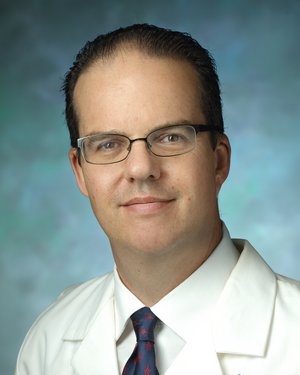 Charles G. Eberhart合作论文数Johns Hopkins University School of Medicine4
 Abigail Kora Suwala合作论文数4
 Xing-Gang Mao合作论文数4Philippe Aretz合作论文数3Hongjia Liu合作论文数3Abhishek Kumar合作论文数3
 Katharina Koch合作论文数3
 Eli E Bar合作论文数Dept Neurol Surg, Case Western Reserve Univ3Maciaczyk D合作论文数3
 Daniel Hanggi合作论文数3P. Capetian合作论文数3M. Remke合作论文数2G Pantazis合作论文数2Peng Chen合作论文数2
 Dayana Herrera合作论文数2Dave Mugan合作论文数2Fangfang Ge合作论文数2
 Vikas Yadav合作论文数2Suad Yusuf合作论文数2
 Allison R Hanaford合作论文数2Ann-Christin Nickel合作论文数2
 Bhanupriya Dhabhai合作论文数Genome & Comp Biol Lab, Mohanlal Sukhadia Univ2Yulu Wang合作论文数2
 Xing Fan合作论文数Department of Neurosurgery, University of Michigan Medical School2
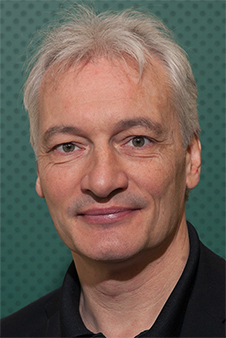 Dirk De Ridder合作论文数Surgery Section, Surgical Sciences Department, Dunedin School of Medicine, Division of Health Sciences, University of Otago;BRAI3N2
 Manabu Natsumeda合作论文数2
 Seashore-Ludlow Brinton合作论文数KTH Chemical Science and Engineering, Royal Institute of Technology2Pomeroy Scott L合作论文数2Vescovi Angelo Luigi合作论文数2
 Matt Rees合作论文数2Ehrenberger Tobias合作论文数2Lim Kah Suan合作论文数Institute of Molecular and Cell Biology, A*STAR2Dančík Vlado合作论文数2




