Abstract Agricultural management practices act as ecological disturbances that can restructure soil and plant-associated microbial communities, but the functional consequences of these microbial shifts on crop performance remain poorly understood. Here, we examined how common orchard inputs, including wood mulch, glyphosate, and humic acid, affect citrus root and rhizosphere microbiomes, leaf nutrient trajectories, and tree performance over a three-year field experiment. Mulch emerged as the dominant driver of fungal community composition and taxonomic turnover, enriching for saprophytic fungi. Conversely, bacterial communities responded primarily to interactions among applications, particularly mulch x glyphosate, which was associated with significant depletions of bacterial genera in roots and rhizospheres. These microbiome changes corresponded with reduced tree carbon assimilation, transpiration, and yield, and altered leaf nutrients dynamics. To verify whether the microbial shifts were contributing to these plant phenotypic changes, we conducted a greenhouse experiment using field-derived soil microbiota. Active microbiota from mulch-treated soils reduced citrus seedling establishment and root growth relative to microbiota from non-mulched soils, whereas heat-killed controls eliminated these negative effects, demonstrating a causal relationship between management-induced microbiota changes and decreases in plant performance. The effect of mulch-associated microbiota on root growth further depended on glyphosate history, paralleling field observations. Humic acid increased root growth regardless of microbiota activity and moderated decreases in shoot growth by mulch-associated microbiota. Together, these results show that management practices can restructure citrus microbiomes and generate community-level traits that influence plant performance, highlighting the importance of incorporating microbial ecology and microbiome information when devising crop management strategies.
Gene expression patterns are determined to a large extent by transcription factor (TF) binding to noncoding regulatory regions in the genome. However, gene expression cannot yet be systematically predicted from genome sequences, in part because nonfunctional matches to the sequence patterns (motifs) recognized by TFs occur frequently throughout the genome. Large-scale functional genomics data for many TFs has enabled characterization of regulatory networks in experimentally accessible cells such as budding yeast. Beyond yeast, fungi are important industrial organisms and pathogens, but large-scale functional data is only sporadically available. Uncharacterized regulatory networks control key pathways and gene expression programs associated with fungal phenotypes. Here, we explore a sequence-only approach to inferring regulatory networks by leveraging the 100s of genomes now available for many clades of fungi. We use gene orthology as the learning signal to infer interpretable, TF motif-based representations of noncoding regulatory regions. Using these representations to identify conserved signals for motifs, comparative genomics can be scaled to evolutionary comparisons where sequence similarity cannot be detected. We show that similarity of these conserved motif signals predicts gene expression and regulation better than using experimental data, and that we can infer known and novel regulatory connections in diverse fungi. Our new predictions include a pathway for recombination in Candida albicans and pathways for mating and an RNAi immune response in Neurospora. Taken together, our results indicate that specific hypotheses about transcriptional regulation in fungi can be obtained for many genes from genome sequence analysis alone.
The fungus Conoideocrella luteorostrata is a recently discovered pathogen of invasive elongate hemlock scale insects (EHS; Fiorinia externa) in Christmas tree farms in the eastern U.S. Here, we report a scaffold-level genome and assembly along with an initial survey of biosynthetic gene clusters for strain ARSEF 14590 from EHS.
The Fifth International Symposium on Fungal Stress (ISFUS) brought together in Brazil many of the leaders in the field of fungal stress responses, from fourteen countries, for four days of outstanding science ranging from basic research to studies with agricultural, medical, industrial, and environmental significance. In addition to the excellent oral and poster presentations, the Symposium organisers ensured that all participants had ample opportunity to engage, socialise, and network to exchange ideas and share research. The conference was enhanced by the world-class venue near Iguazu Falls, probably the greatest natural phenomenon in South America.
Gene expression patterns are determined to a large extent by transcription factor binding to non-coding regulatory regions in the genome. However, gene expression cannot yet be systematically predicted from genome sequences, in part because non-functional matches to the sequence patterns (motifs) recognized by transcription factors (TFs) occur frequently throughout the genome. Large-scale functional genomics data for many TFs has enabled characterization of regulatory networks in experimentally accessible cells such as budding yeast. Beyond yeast, fungi are important industrial organisms and pathogens, but large-scale functional data is only sporadically available. Uncharacterized regulatory networks control key pathways and gene expression programs associated with fungal phenotypes. Here we explore a sequence-only approach to inferring regulatory networks by leveraging the 100s of genomes now available for many clades of fungi. We use gene orthology as the learning signal to infer interpretable, TF motif-based representations of non-coding regulatory regions, thus scaling comparative genomics beyond evolutionary comparisons where these regions can be aligned. We show that similarity of promoters in our motif-based representation predicts gene co-expression, and that we can infer known and novel regulatory connections in diverse fungi. Our new predictions include a pathway for recombination in C. albicans and pathways for mating and an RNAi immune response in Neurospora . Taken together, our results indicate that specific hypotheses about transcriptional regulation in fungi can be obtained for many genes from genome sequence analysis alone.
Giant viruses of the phylum Nucleocytoviricota have emerged as particularly notable due to their increasingly recognized impacts on eukaryotic genome evolution. Their origins are hypothesized to predate or coincide with the diversification of eukaryotes, and they have been detected in hosts that span the eukaryotic tree of life. But surprisingly, such viruses have not been definitively found in Kingdom Fungi, though genomic and metagenomic work suggests a putative association. Here we report both "viral fossils" and active infection by giant viruses in fungi, particularly in the zoosporic phyla Blastocladiomycota and Chytridiomycota. The recovered viral genomes span up to 350 kb, encode over 300 genes, and form a monophyletic family-level clade within the Nucleocytoviricota related to orders Imitervirales and Algavirales, which we name Mycodnaviridae. We observed variation in infection status among the isolates including apparent active infection and transcriptionally-suppressed states, suggesting that viral activation may be constrained to certain life stages of the host. Our experimental findings add to the limited natural virus-host systems available in culture for the study of giant viruses. These viruses may have shaped the early evolution of these fungal lineages by the shuttling of genes between major kingdoms and domains of life. Our findings expand the known host range of Nucleocytoviricota into a new kingdom that contains many model species. Mycodnaviridae have a global distribution, which invites inquiry into the implications of these infections for host traits, host genome evolution, and the metabolic impacts to ecosystems.
The fungus Aspergillus melleus is an important biosynthesis host for varied commercial applications. Gene annotation of a previously published genome produced 12,841 protein-coding genes and identified 102 biosynthetic gene clusters.
Designing CRISPR (Clustered Regularly Interspaced Short Palindromic Repeats) single guide RNA (sgRNA) libraries targeting entire kingdoms of life will significantly advance genetic research in diverse and underexplored taxa. Current sgRNA design tools are often species-specific and fail to scale to large, phylogenetically diverse datasets, limiting their applicability to comparative genomics, evolutionary studies, and biotechnology. Here, we introduce ALLEGRO, a combinatorial optimization algorithm designed to compose minimal, yet highly effective sgRNA libraries targeting thousands of species at the same time. Leveraging integer linear programming, ALLEGRO identified compact sgRNA sets simultaneously targeting multiple genes of interest for over 2000 species across the fungal kingdom. We experimentally validated sgRNAs designed by ALLEGRO in Kluyveromyces marxianus, Komagataella phaffii, Yarrowia lipolytica, and Saccharomyces cerevisiae, confirming successful genome edits. Additionally, we employed a generalized Cas9-ribonucleoprotein delivery system to apply ALLEGRO's sgRNA libraries to untested fungal genomes, such as Rhodotorula araucariae. Our experimental findings, together with cross-validation, demonstrate that ALLEGRO facilitates efficient CRISPR genome editing, enabling the development of universal sgRNA libraries applicable to entire taxonomic groups.
Cells reorganize in space and time to move and divide - complex behaviors driven by their internal cytoskeleton. While we have substantial knowledge of the molecular parts and rules of cytoskeletal assembly, we know less about how structures are remodeled, for example to interconvert centrioles from the ciliary base to the centrosome. To study this in an evolutionary context we use the chytrid fungus, Rhizoclosmatium globosum , a member of the zoosporic fungi which have centrioles and cilia, lost in other fungal lineages. Chytrids undergo reorganization of their microtubule cytoskeleton as they cycle from zoospore to multinucleated coenocyte. We use comparative bioinformatics, RNA sequencing, and expansion microscopy to map the microtubule cytoskeleton over the chytrid lifecycle. We find that when zoospores encyst, cilia are retracted into the cytoplasm and degraded, and centrioles detach but are protected from degradation. A shortened proximal centriole then forms the mitotic centrosome and ultimately elongates to form cilia at the end of the mitotic cycles, driven by a conserved transcriptional program. Thus, structural remodeling of the chytrid centriole is coupled temporally to ciliated stages rather than mitotic cycles, which may serve as a mechanism to tune microtubule organization to meet the needs of different lifecycle stages.
The cyanosphere consists of heterotrophic microorganisms residing within the exopolysaccharide sheath of cyanobacteria, acting as a crucial interface between the cyanobacteria and their surrounding environment. Understanding the interactions between cyanobacteria and their cyanospheres is essential for predicting the success of terrestrial cyanobacteria in providing ecosystem services in nutrient-poor environments. However, knowledge of the microbial diversity within the cyanosphere remains limited. In this study, we employed metagenomic sequencing to reconstruct 410 metagenome-assembled genomes (MAGs) from cyanosphere-associated microbes linked to 56 unialgal terrestrial cyanobacteria cultures, representing 12 distinct cyanobacteria orders. Our findings revealed that the composition of cyanosphere microbial communities was unique to each cyanobacterial host and was significantly shaped by environmental factors such as habitat, precipitation, and temperature from which the cultures were originally obtained. Notably, three microbial genera, Brevundimonas , Devosia , and Sphingopyxis , were present in over 30% of the cyanospheres, forming a core cyanosphere microbiome. Functional gene analysis showed a distinction between the cyanobacteria and their associated cyanospheres, with dissimilatory nitrate reduction being the dominant pathway in the cyanosphere, while nitrogen fixation was more common in the cyanobacteria. Three cyanospheres also contained nitrogen fixation genes of which two hosts were nitrogen fixation capable themselves. The cyanosphere harbored genes for polysaccharide lyases, indicating a possible link to the exopolysaccharides produced by the cyanobacteria. Given the observed variability in microbial community composition and function across different cyanobacterial hosts, future ecological assessments and restoration efforts involving cyanobacteria should not only focus on the cyanobacteria themselves but also consider their associated microbial communities. Importance Our study identifies members of a highly understudied, and potentially under-valued, microbial community -- the cyanosphere. We used a diversity of terrestrial cyanobacteria to understand how the cyanosphere composition and predicted functions were influenced by the host cyanobacterium and environmental factors using metagenomics. This is a new approach to study the cyanosphere and provides insights into the diversity of terrestrial microbial communities. Importantly, our results underscore the need to consider microbial consortia when assessing the ecological potential of cyanobacteria in terrestrial restoration. ### Competing Interest Statement The authors have declared no competing interest. National Science Foundation, DEB-0842702, DEB-841734, DEB-9870201 Bureau of Land Management, https://ror.org/01sy5zn44 National Park Service, https://ror.org/044zqqy65 John Carroll University, https://ror.org/001gmya32 National Institute of Food and Agriculture, CA-R-PPA-5062-H, PEN04949 Phycological Society of America, https://ror.org/00a4fk439
Fungi play pivotal roles in terrestrial ecosystems as decomposers, pathogens, and endophytes, yet their significance in marine environments is often understudied. Seagrasses, as globally distributed marine flowering plants, have critical ecological functions, but knowledge about their associated fungal communities remains relatively limited. Previous amplicon surveys of the fungal community associated with the seagrass, Zostera marina have revealed an abundance of potentially novel chytrids. In this study, we employed deep metagenomic sequencing to extract metagenome-assembled genomes (MAGs) from these chytrids and other microbial eukaryotes associated with Z. marina leaves. Our efforts resulted in the recovery of five eukaryotic MAGs, including a single fungal MAG in the order Loubulomycetales (65% BUSCO completeness), three MAGs representing diatoms in the family Bacillariaceae (93%, 70% and 31% BUSCO completeness) and a single MAG representing a haptophyte algae in the genus Prymnesium (40% BUSCO completeness). Whole-genome phylogenomic assessment of these MAGs suggests they all largely represent under sequenced, and possibly novel eukaryotic lineages. Of particular interest, the chytrid MAG was placed within the order Lobulomycetales, consistent with the identity of the dominant chytrid from previous Z. marina amplicon survey results. Annotation of this MAG yielded 5,650 gene models of which 77% shared homology to current databases. With-in these gene models, we predicted 121 carbohydrate-active enzymes and 393 secreted proteins (103 cytoplasmic effectors, 30 apoplastic effectors). Exploration of orthologs between the Lobulomycetales MAG and existing Chytridiomycota genomes have revealed a landscape of high-copy gene families related to host recognition and interaction. Further machine learning analyses based on carbohydrate-active enzyme composition predict that this MAG is a symbiont. Overall, these five eukaryotic MAGs represent substantial genomic novelty and valuable community resources, contributing to a deeper understanding of the roles of fungi and other microbial eukaryotes in the larger seagrass ecosystem. ### Competing Interest Statement Jonathan A. Eisen is on the Scientific Advisory Board of Zymo Research, Inc. Jason E. Stajich is a scientific consultant for Michroma, Inc.
Fungal secondary metabolites (SMs) are complex organic compounds comprising a variety of biological activities that are essential in medicine. These natural products can be found in various environments, with studies demonstrating the importance of studying marine-sourced fungi due to the increased potency of the compounds they produce. In this study, we sourced a Penicillium rubens YAP001 strain isolated from Exaiptasia diaphana and explored an avenue for the upregulation of its SMs by combining the one-strain-many-compounds (OSMAC) strategy with genetic manipulation of negative global regulator of secondary metabolism, mcrA. Here, we generated a mcrAΔ strain of marine P. rubens (YAP001), which led to the detection of sorbicillinoids, which is significant due to the prior discovery that these compounds illicit cytotoxic effects that have the potential as an anticancer agent. Specifically, we found that sorbicillin was not only upregulated but the mutant strain also produced the dimeric product, trichodimerol, which often exhibits stronger biological activities compared to sorbicillin. Furthermore, the reduced form of trichodimerol, dihydrotrichodimerol, was also detected in the mutant strain. This work suggests that genetic manipulation of global regulators in combination with the OSMAC method in filamentous fungi is a promising technique for upregulating pathways of interest for small-molecule drug discovery.
Designing CRISPR single guide RNA (sgRNA) libraries targeting entire kingdoms of life will significantly advance genetic research in diverse and underexplored taxa. Current sgRNA design tools are often species-specific and fail to scale to large, phylogenetically diverse datasets, limiting their applicability to comparative genomics, evolutionary studies, and biotechnology. Here, we present ALLEGRO, a combinatorial optimization algorithm able to design minimal, yet highly effective sgRNA libraries targeting thousands of species. Leveraging integer linear programming, ALLEGRO identified compact sgRNA sets simultaneously targeting several genes of interest for over 2,000 species across the fungal kingdom. We experimentally validated the sgRNAs designed by ALLEGRO in Kluyveromyces marxianus , Komagataella phaffii , and Yarrowia lipolytica . In addition, we adopted a generalized Cas9-Ribonucleoprotein delivery system coupled with protoplast transformation to extend ALLEGRO's sgRNA libraries to other untested fungal genomes, such as Rhodotorula araucariae . Our experimental results, along with cross-validation, show that ALLEGRO enables efficient CRISPR genome editing, supporting the development of universal sgRNA libraries applicable to entire taxonomic groups. ### Competing Interest Statement The authors have declared no competing interest.
Fungal infections are difficult to prevent and treat in large part due to strain heterogeneity, which confounds diagnostic predictability. Yet, the genetic mechanisms driving strain-to-strain variation remain poorly understood. Here, we determined the extent to which Starships—giant transposons capable of mobilizing numerous fungal genes—generate genetic and phenotypic variability in the opportunistic human pathogen Aspergillus fumigatus. We analyzed 519 diverse strains, including 11 newly sequenced with long-read technology and multiple isolates of the same reference strain, to reveal 20 distinct Starships that are generating genomic heterogeneity over timescales relevant for experimental reproducibility. Starship-mobilized genes encode diverse functions, including known biofilm-related virulence factors and biosynthetic gene clusters, and many are differentially expressed during infection and antifungal exposure in a strain-specific manner. These findings support a new model of fungal evolution wherein Starships help generate variation in genome structure, gene content, and expression among fungal strains. Together, our results demonstrate that Starships are a previously hidden mechanism generating genotypic and, in turn, phenotypic heterogeneity in a major human fungal pathogen.IMPORTANCENo “one size fits all” option exists for treating fungal infections in large part due to genetic and phenotypic variability among strains. Accounting for strain heterogeneity is thus fundamental for developing efficacious treatments and strategies for safeguarding human health. Here, we report significant progress toward achieving this goal by uncovering a previously hidden mechanism generating heterogeneity in the human fungal pathogen Aspergillus fumigatus: giant transposons, called Starships, that span dozens of kilobases and mobilize fungal genes as cargo. By conducting a systematic investigation of these unusual transposons in a single fungal species, we demonstrate their contributions to population-level variation at the genome, pangenome, and transcriptome levels. The Starship compendium we develop will not only help predict variation introduced by these elements in laboratory experiments but will serve as a foundational resource for determining how Starships impact clinically relevant phenotypes, such as antifungal resistance and pathogenicity.
A draft genome sequence was assembled and annotated for an uncultured archaeon reconstructed from shotgun metagenomes obtained from Antarctic endoliths. The assembled genome is 1.99 megabases and encodes 2,405 predicted protein-coding genes. This genome sequence provides insights into the microbial diversity and functional potential of extremophiles inhabiting Antarctic rock environments.
The cyanosphere contains heterotrophic microorganisms living within the exopolysaccharide sheath of cyanobacteria and serves as an interface between the cyanobacteria and their surrounding ecosystem. The symbiosis between the cyanobacterial host and its cyanosphere microbes spans the mutualistic-antagonistic spectrum. Understanding these relationships will predict the success of terrestrial cyanobacteria and the ecosystem services they provide including primary production in often oligotrophic environments. However, our understanding of the microbial diversity within the cyanosphere is limited. In this study, we used metagenomic sequencing to construct 528 metagenome-assembled genomes (MAGs) from the cyanosphere microbes associated with 50 unialgal terrestrial Cyanobacteria cultures, spanning 12 orders. We found that the composition of cyanosphere microbial communities was unique between Cyanobacteria hosts and was largely influenced by environmental (habitat, precipitation, and temperature) and phylogenetic variables (host order). Alphaproteobacteria was the most common cyanosphere microbial class and Bosea, Devosia, Hyphomicrobium, Mesorhizobium, and Sphingomonas were core genera found across all habitats. Interestingly, the nitrogen-fixing cyanobacterial order, Nostocales, contained the highest diversity of cyanosphere bacteria, many of which have the genomic potential also to fix atmospheric nitrogen. Given the observed variations in the cyanosphere microbial communities across different hosts, future considerations for ecological assessments and cyanobacterial restoration efforts must extend beyond the cyanobacteria to encompass their associated microbial communities.
Arbuscular mycorrhizal fungi (AMF) form beneficial associations with plants, and are thought to have been critical to the adaptation of the ancestor of terrestrial plants during the transition onto land. However, the ability of AMF to associate with aquatic plants is unclear. To address this, we used 65 publicly available genomes and transcriptomes (25 freshwater, 23 terrestrial and 17 marine plants) to interrogate the genomic potential to form AMF associations in aquatic plant lineages in the order Alismatales. We explored the presence or absence of homologs of 45 genes, with a a special focus on six critical genes including three that co-evolved with AMF associations (RAD1, STR1, STR2) and three necessary for intracellular symbiosis (SymRK, CCaMK/DMI3, CYCLOPS/IDP3). Our results indicate a pattern likely consistent with independent gene losses (or extreme divergence) of symbiosis genes across aquatic lineages suggesting a possible inability to form AMF associations. However, some of these conserved genes (i.e., CCaMK/DMI3) are purported to function in other types of fungal symbioses, such as ectomycorrhizal symbiosis, and were observed here in a subset of aquatic lineages, including seagrasses. Overall, our findings highlight the complex evolutionary trajectories of symbiosis-related genes in aquatic plants, suggesting that while AMF associations may have been lost in certain lineages, others have genes that may allow them to form alternative fungal symbioses which may still play an underappreciated role in their ecology. ### Competing Interest Statement The authors have declared no competing interest.
This exploratory study surveyed seven contaminated brownfields and Superfund sites in Southern California to identify locally adapted species tolerant of mixed organic and metal contamination under arid and semi-arid conditions. Five novel native plants, including Brickellia californica, Baccharis salicifolia, Baccharis sarothroides, Eriogonum fasciculatum, and Heterotheca grandiflora were identified as hyperaccumulators of copper (Cu), alongside a non-native species from the Asteraceae family, Helminthotheca echioides. Additional metal-accumulating plants (including native plants) for lead (Pb), chromium (Cr), arsenic (As), and nickel (Ni) were identified, and warrant further evaluation for their phytoremediation potential. Dominant microbial communities included fungal taxa from the Ascomycota and bacterial taxa from the Proteobacteria, with bioremediation candidates detected across sites. Redundancy and principal component analyses revealed that site variability, water-extractable organic carbon, and soil texture significantly shaped microbial communities. These findings provide insight into plant and microbial candidates for bioremediation and the soil drivers influencing their success in Southern California. The results support experimental research into regionally adapted, climate-resilient bioremediation and ecological restoration strategies for contaminated arid and semi-arid environments.
 Joseph Spatafora合作论文数Department of Botany and Plant Pathology, College of Agricultural Sciences, Oregon State University29
 Claudia Coleine合作论文数Dept Ecol & Biol Sci, Univ Tuscia27
 T. Y. James合作论文数Department of Ecology and Evolutionary Biology, College of Literature, Science, and the Arts, University of Michigan27
 Laura Selbmann合作论文数Dipartimento Di Scienze Ecologiche E Biologiche, University of Tuscia23
 Igor Grigoriev合作论文数Joint Genome Institute, Lawrence Berkeley National Laboratory22
 Joseph Heitman合作论文数Department of Molecular Genetics and Microbiology, School of Medicine, Duke University;Marine Biological Laboratory at Woods Hole19
 Marcus M. Teixeira合作论文数Universidade de Brasília18
 Bridget Marie Barker合作论文数Department of Biological Sciences, Northern Arizona University18
 Ettinger Cassandra L合作论文数17
 Kasson Matthew T合作论文数Division of Plant and Soil Sciences, West Virginia University17
 Nuttapon Pombubpa合作论文数Inst Integrat Genome Biol, Univ Calif Riverside16M PERICAKVANCE合作论文数15
 Yan Wang合作论文数Department of Ecology and Evolutionary Biology, Faculty of Arts and Science, University of Toronto15
 Silvano Onofri合作论文数Università degli Studi della Tuscia, Università15
 Jeff Vance合作论文数Department of Human Genetics, Miller School of Medicine, University of Miami14
 Allen David Roses合作论文数Duke University13
 Fred Samuel Dietrich合作论文数Department of Molecular Genetics and Microbiology, Duke University School of Medicine12
 John W. Taylor合作论文数Department of Plant and Microbial Biology, College of Natural Resources, University of California, Berkeley12
 Tania Kurbessoian合作论文数11
 Nicole Pietrasiak合作论文数11
 Christina Cuomo合作论文数Department of Molecular Microbiology and Immunology, Brown University;Genomic Data, Genomic Center for Infectious Disease, Broad Institute of MIT and Harvard11
 Derreck Carter-House合作论文数Institute for Integrative Genome Biology, University of California10
 Ying Chang合作论文数Division of Science, Yale-NUS College10
 Lovett Brian合作论文数Department of Entomology, University of Maryland10
 Kasthuri Venkateswaran合作论文数Biotechnology and Planetary Protection Group, NASA Jet Propulsion Laboratory10
 Rytas J. Vilgalys合作论文数Department of Biology, Trinity College of Arts & Sciences, Duke University10
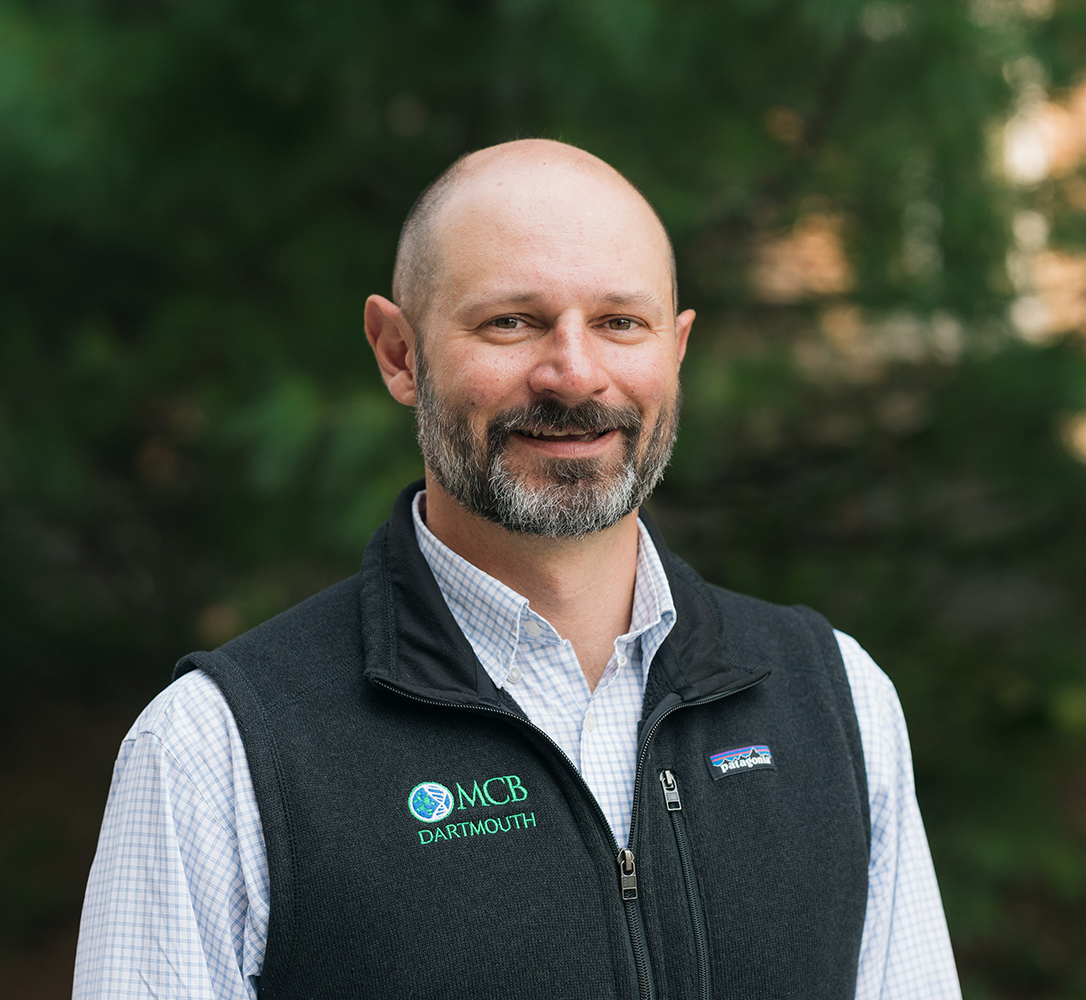 Robert A. Cramer合作论文数Department of Microbiology and Immunology, Geisel School of Medicine, Dartmouth College10
 Angie M Macias合作论文数Div Plant & Soil Sci, West Virginia Univ9Masonjones Sawyer R合作论文数Biology Department, University of Florida9
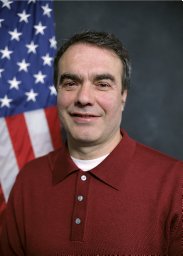 Andrii P. Gryganskyi合作论文数Duke University, Duke University9
 Claudio Donati合作论文数Novartis Vaccines and Diagnostics9
 Laura Zucconi合作论文数Università degli Studi della Tuscia, Università9
 Jinfeng Chen (陈金锋)合作论文数State Key Laboratory of Integrated Management of Pest Insects and Rodents, Institute of Zoology, Chinese Academy of Sciences8
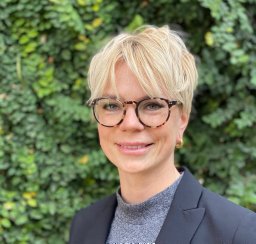 Lotus Alicia Lofgren合作论文数Dept Microbiol & Plant Pathol, Univ Calif Riverside8
 Kerry O'Donnell合作论文数Agricultural Research Service, U.S. Department of Agriculture8
 Jim Kronstad合作论文数Department of Microbiology and Immunology, Faculty of Science, The University of British Columbia;Faculty of Land and Food Systems, The University of British Columbia;Michael Smith Laboratories, The University of British Columbia8
 Eskalen Akif合作论文数Dept Plant Pathol & Microbiol, Univ Calif Riverside8Mondo Stephen J合作论文数Department of Plant Pathology &Plant Microbe-Biology, Cornell University8
 Theo Kirkland合作论文数The University of California at San Diego and the La Jolla Veterans Administration Medical Center8
 Gregory M Bonito合作论文数Biology Department, Duke University8
 Erica Bree Rosenblum合作论文数Department of Environmental Science, Policy and Management, University of California Berkeley8
 Susan R Wessler合作论文数Department of Botany and Plant Sciences, University of California, Riverside;College of Natural and Agricultural Sciences, University of California, Riverside8
 Hanna Johannesson合作论文数Department of Ecology, Environmental and Plant Sciences, Stockholm University8Lipzen Anna合作论文数7
 Sybren De Hoog合作论文数Center of Expertise for Mycology, Radboud University Medical Center7
 Albanese Davide合作论文数Computational Biology Department, Research and Innovation Centre7
 Erik F Y Hom合作论文数7
 Bruce W. Birren合作论文数Genomic Center for Infectious Diseases, Broad Institute7
 Daniel R. Matute合作论文数Department of Biology, University of North Carolina7




