Fungal infections are a growing global health concern due to the limited number of available antifungal therapies as well as the emergence of fungi that are resistant to first-line antimicrobials, particularly azoles and echinocandins. Development of novel, selective antifungal therapies is challenging due to similarities between fungal and mammalian cells. An attractive source of potential antifungal treatments is provided by ecological niches co-inhabited by bacteria, fungi, and multicellular organisms, where complex relationships between multiple organisms have resulted in evolution of a wide variety of selective antimicrobials. Here, we characterized several analogs of one such natural compound, collismycin A. We show that NR-6226C has antifungal activity against several pathogenic Candida species, including C. albicans and C. glabrata, whereas it only has little toxicity against mammalian cells. Mechanistically, NR-6226C selectively chelates iron, which is a limiting factor for pathogenic fungi during infection. As a result, NR-6226C treatment causes severe mitochondrial dysfunction, leading to formation of reactive oxygen species, metabolic reprogramming, and a severe reduction in ATP levels. Using an in vivo model for fungal infections, we show that NR-6226C significantly increases survival of Candida-infected Galleria mellonella larvae. Finally, our data indicate that NR-6226C synergizes strongly with fluconazole in inhibition of C. albicans. Taken together, NR-6226C is a promising antifungal compound that acts by chelating iron and disrupting mitochondrial functions.IMPORTANCEDrug-resistant fungal infections are an emerging global threat, and pan-resistance to current antifungal therapies is an increasing problem. Clearly, there is a need for new antifungal drugs. In this study, we characterized a novel antifungal agent, the collismycin analog NR-6226C. NR-6226C has a favorable toxicity profile for human cells, which is essential for further clinical development. We unraveled the mechanism of action of NR-6226C and found that it disrupts iron homeostasis and thereby depletes fungal cells of energy. Importantly, NR-6226C strongly potentiates the antifungal activity of fluconazole, thereby providing inroads for combination therapy that may reduce or prevent azole resistance. Thus, NR-6226C is a promising compound for further development into antifungal treatment.
The combination of chemocatalysts and biocatalysts enables access to synthetic routes that would otherwise be elusive when using either catalyst type in isolation. However, most chemoenzymatic routes have been limited due to incompatibility issues. Catalyst compartmentalization is an effective strategy to overcome these issues. In this work, we demonstrate the heterogenization of a Au catalyst and the versatile ketoreductase from Lactobacillus kefir to perform a model three-step chemoenzymatic cascade that continuously transforms 4-pentynoic acid into 4-(R)-hydroxypentanoic acid with exquisite enantioselectivity. To this aim, we telescope two packed-bed reactors that physically segregate a chemoenzymatic cycloisomerization/hydrolysis step from the self-sufficient biocatalytic asymmetric reduction. As a result, the chemoenzymatic system continuously operated at pH 3.8 maintains a constant spacetime yield (STY) of 0.47 g L- 1 h-1- 1 for 24 h, highlighting the excellent operational stability of the catalysts. Overall, our findings emphasize the importance of catalyst spatial orchestration to develop efficient hybrid chemoenzymatic cascades.
The highly efficient biodeoximation of aromatic ketoximes, promoted by the enzymatic oxidative system laccase/TEMPO/O2, has been successfully assembled with the fast and chemoselective addition of highly-polar s-block organometallic reagents (RLi/RMgX) en route to highly-substituted tertiary alcohols. By using this hybrid one-pot tandem protocol, tertiary alcohols have been selectively synthesized in good yields and under mild and bench-type reaction conditions (room temperature, the absence of a protecting atmosphere and aqueous media, which are non-typical conditions for polar organometallic reagents). The overall hybrid one-pot tandem transformation amalgamates two distant organic synthetic tools (RLi/RMgX reagents and enzymes) without the need for any tedious and energy/time-consuming intermediate isolation/purification steps.
Invited for the cover of this issue is the group of Vicente del Amo, Alejandro Presa Soto and Joaquín García-Álvarez (QuimSinSos Group) at the University of Oviedo. The image depicts the use of the FeIII -based deep eutectic mixture [FeCl3 ⋅6 H2 O/Gly (3:1)] (Gly = glycerol) as both promoter and solvent for the straightforward and selective hydration of alkynes, working under mild (45 °C), bench-type reaction conditions (air) and in the absence of ligands, co-catalysts or co-solvents. Read the full text of the article at 10.1002/chem.202301736.
Table S1, PCR primers used in gene signature panel. Table S2, Evidence for selection of each gene as an EWS-FLI1 target. S3A Mean fold change in expression of NR0B1 as a function of GAPDH (2Î"Î"CT) following treatment with MMA or EC-8105. Data is the average of 3 independent experiments as measured by qPCR. S3B Mean fold change in expression of EWS-FLI1-induced targets as a function of GAPDH (2Î"Î"CT) for treatment with an siRNA targeted at the breakpoint of EWS/FLI1 for 24 h. Data is the average of 3 independent experiments as measured by qPCR S3C Mean fold change in expression of EWS-FLI1-suppressed targets as a function of GAPDH (2Î"Î"CT) for treatment with an siRNA targeted at the breakpoint of EWS-FLI1for 24 h. Data is the average of 3 independent experiments as measured by qPCR S4A: Structures and NSC numbers of mithramycin analogs S4A: Structures and NSC numbers of mithramycin analogs (cont'd). S4C. Allometric scaling estimates for dosing as a function of weight of an organism for mithramycin (MMA) and EC-8042. (see text for reference). S5A Pearson correlation analysis showing similar responses of the PPTP panel of cell lines for EC-8105 and EC-8042 relative to mithramycin. S5B IC50 values for cell lines in PPTP. Columns are all cell lines tested, exclusion of rhabdoid tumor (minus rhabdoid) and exclusion of rhabdoid tumor and acute lymphoblastic leukemia cell lines (minus rhabdoid and ALL). The statistics are shown in boxes at the bottom. S5C Graph of IC50 as a function of p53 status. Cell lines with wild-type p53 (P53 wt) were more sensitive to treatment with mithramycin (MMA) and EC-8105 than lines with mutant p53 (P53 Mut) across the entire PPTP panel of cell lines independent of histology. Note there was no difference with the non-DNA damaging analogy, EC-8042. S6 Prediction plot showing mean tumor volume as a function of days of treatment with EC-8105 (1.0 mg/kg IP, M/W/F schedule, 8 doses). Thick, dotted lines represent mean tumor growth and the individual lines in the back represent the individual tumor growth by cohort. S7 Weight of each mouse in cohort of EC-8105 treated mice (black lines) treated on a 1.5 mg/kg/dose IV Q3D X 8 doses schedule relative to weight change of control mice (grey line). S8 Survival curves for control mice (black) relative to EC-8042-treated mice (grey) treated at 24 mg/kg dose X 8 either intravenously (S8A) or intraperitoneal (S8B). Arrows indicate end of treatment. S9. Response of mice treated with 24 mg/kg/dose EC-8042 IP M, W, F X8 (S9A). Regression of tumors for every mouse mouse in the cohort. Each line represents an individual mouse. Asterisks (*) highlight treatment days. S9B Mean tumor volume (+/- SEM) of every mouse in the control cohort (3177 mm3 +/- 308.2) relative to the EC-8042-treated cohort (422.5 mm3 +/- 48) on day 11 of treatment (P < 0.0001). S10: Suppression of NR0B1 staining in cells treated with 1.5 mg/kg EC-8105 IV, 48 hours after treatment. Three representative sections are shown stained for NR0B1 (red) or DAPI (blue) since the tumors were large and showed a range of staining.
Thanks to the use of a sustainable FeIII-based deep eutectic solvent (DES) as promoter/reaction medium, alkynes were hydrated under bench-type reaction conditions (45 °C, air, absence of co-catalysts or co-solvents). This Fe-DES could be recycled for up to eight consecutives runs in the absence of any VOC solvent (E factor = 10). Furthermore, the Fe-DES is able to promote the efficient formal oxidation of internal alkynes into 1,2-diketones, with the system being recycled up to three consecutive times. More information can be found in the Research Article by A. Presa Soto, V. del Amo, J. García-Álvarez, and co-workers (DOI: 10.1002/chem.202301736).
Deep Eutectic Solvents (DES) are expected to play a pivotal role in many future chemical segments, particularly when sustainability aspects are considered. This article provides an overview of the recent granted patents related to DES, which reflects many of the practical applications that can be conceived. In the entire history of DES, more than one hundred patents have been identified, reporting strategies for areas like (bio)refineries, extraction of natural products, purification of effluents, organic synthesis, batteries, materials, etc. In many of these cases, DES are not considered to be mere innocent solvents, but their properties are tuned and adapted for the desired goals. Overall, the patent analysis reflects the potential that DES may have as emerging solutions for the Sustainable Chemistry of the future.
Compartmentalization represents a fundamental tool to control complexity in nature. The biological compartmentalization and substrate channeling, as fundamental principles of life, create distinct microenvironments optimized for specific tasks in cells, enabling complex multienzyme reactions to proceed in a "one-pot" system. As a result, a long-standing goal of synthetic chemistry is mimicking the metabolic processes that facilitate the development of cost-efficient, sustainable multienzyme and multi-catalyst reaction sequences for production of valuable organic compounds. In recent years, the development of systems for the compartmentalization has led to ingenious strategies, from macroscopic approaches through temporal and spatial compartmentalization to microscopic approaches based on nanoreactors. The intense research in areas as diverse as synthetic biology, materials science, and both protein and medium engineering allows to anticipate exciting breakthroughs in this rising field in the coming years, especially with the prospect to meet the parameters of a manufacture setting.
Amine transaminases (ATAs) are used to synthesize enantiomerically pure amines, which are building blocks for pharmaceuticals and agrochemicals. R-selective ATAs belong to the fold type IV PLP-dependent enzymes, and different sequence-, structure- and substrate scope-based features have been identified in the past decade. However, our knowledge is still restricted due to the limited number of characterized (R)-ATAs, with additional bias towards fungal origin. We aimed to expand the toolbox of (R)-ATAs and contribute to the understanding of this enzyme subfamily. We identified and characterized four new (R)-ATAs. The ATA from Exophiala sideris contains a motif characteristic for d-ATAs, which was previously believed to be a disqualifying factor for (R)-ATA activity. The crystal structure of the ATA from Shinella is the first from a Gram-negative bacterium. The ATAs from Pseudonocardia acaciae and Tetrasphaera japonica are the first characterized (R)-ATAs with a shortened/missing N-terminal helix. The active-site charges vary significantly between the new and known ATAs, correlating with their diverging substrate scope.
The one-pot/two-step combination of enzymes and polar organometallic chemistry in aqueous media is for the first time presented as a proof-of-concept study. The unprecedented combination of the catalytic oxidation of secondary alcohols by the system laccase/TEMPO with the ultrafast addition (3 s reaction time) of polar organometallic reagents (RLi/RMgX) to the in situ formed ketones, run under air at room temperature, allows the straightforward and chemoselective synthesis of tertiary alcohols with broad substrate scope and excellent conversions (up to 96%).
An efficient and selective N-functionalization of amides is first reported via a CuI-catalyzed Goldberg-type C-N coupling reaction between aryl iodides and primary/secondary amides run either in Deep Eutectic Solvents (DESs) or water as sustainable reaction media, under mild and bench-type reaction conditions (absence of protecting atmosphere). Higher activities were observed in an aqueous medium, though the employment of DESs expanded and improved the scope of the reaction to include also aliphatic amides. Additional valuable features of the reported protocol include: (i) the possibility to scale up the reaction without any erosion of the yield/reaction time; (ii) the recyclability of both the catalyst and the eutectic solvent up to 4 consecutive runs; and (iii) the feasibility of the proposed catalytic system for the synthesis of biologically active molecules.
A series of optically active β-hydroxy sulfones has been obtained through an oxosulfonylation-stereoselective reduction sequence in aqueous medium. Firstly, β-keto sulfones were synthesized from arylacetylenes and sodium sulfinates to subsequently develop the carbonyl reduction in a highly selective fashion using alcohol dehydrogenases as biocatalysts. Optimization of the chemical oxosulfonylation reaction was investigated, finding inexpensive iron(III) chloride hexahydrate (FeCl3 ⋅ 6H2 O) as the catalyst of choice. The selection of isopropanol in the alcohol-water media resulted in high compatibility with the enzymatic process for enzyme cofactor recycling purposes, providing a straightforward access to both (R)- and (S)-β-hydroxy sulfones. The practical usefulness of this transformation was illustrated by describing the synthesis of a chiral intermediate of Apremilast. Interestingly, the development of a chemoenzymatic cascade approach avoided the isolation of β-keto sulfone intermediates, which allowed the preparation of chiral β-hydroxy sulfones in high conversion values (83-94 %) and excellent optical purities (94 to >99 % ee).
A novel series of enantiopure naphthalimide-cycloalkanediamine conjugates were designed, synthetized and evaluated for in vitro cytotoxicity against human colon adenocarcinoma (LoVo), human lung adenocarcinoma (A549), human cervical carcinoma (Hela) and human promyelocytic leukemia cell lines (HL-60). The cytotoxicity of the compounds was highly dependent on size and relative stereochemistry of the cycloalkyl ring as well as length of the spacer. By contrast, any kind of enantioselection was observed for each pair of enantiomers. Flow cytometric analysis indicated that compounds 22 and 23 could effectively induce G2/M arrest in the four previous cell lines despite a mild apoptotic effect.
The self-assembly of styrene-type olefins into the corresponding stilbenes was conveniently performed in the Deep Eutectic Solvent (DES) mixture 1ChCl/2Gly under air and in the absence of hazardous organic co-solvents using a one-pot chemo-biocatalytic route. Here, an enzymatic decarboxylation of p-hydroxycinnamic acids sequentially followed by a ruthenium-catalyzed metathesis of olefins has been investigated in DES. Moreover, and to extend the design of chemoenzymatic processes in DESs, we also coupled the aforementioned enzymatic decarboxylation reaction to now concomitant Pd-catalyzed Heck-type C-C coupling to produce biaryl derivatives under environmentally friendly reaction conditions.
Highly polarized organometallic compounds of s-block elements are added smoothly to chiralN-tert-butanesulfinyl imines in the biodegradabled-sorbitol/choline chloride eutectic mixture, thereby granting access to enantioenriched primary amines after quantitatively removing the sulfinyl group. The practicality of the method is further highlighted by proceeding at ambient temperature and under air, with very short reaction times (2 min), enabling the preparation of diastereoisomeric sulfinamides in very good yields (74-98 %) and with a broad substrate scope, and the possibility of scaling up the process. The method is demonstrated in the asymmetric syntheses of both the chiral amine side-chain of (R,R)-Formoterol (96 % ee) and the pharmaceutically relevant (R)-Cinacalcet (98 % ee).
A chemoenzymatic approach has been developed for the preparation of sertraline, an established anti‐depressant drug. Ketoreductases (KREDs) were employed to yield a key chiral precursor. The bioreduction of the racemic tetralone exhibited excellent enantioselectivity (>99 % ee) and diastereomeric ratio (99:1) at 29 % conversion (the maximum theoretical yield is 50 %) after 7 hours. The resulting (S,S)‐alcohol was efficiently oxidized to an enantiopure (S)‐ketone, an immediate precursor of sertraline, by using sodium hypochlorite as oxidant and 2‐azaadamantane N‐oxyl (AZADO) as organocatalyst. Alternative routes aiming at the direct biocatalytic amination using imine reductases and transaminases were unsuccessful.
The amazing potential of multi-catalytic cascade reactions to reduce the number of reaction steps and to solve synthetic problems brings the challenge of an increasing complexity that must be controlled. Particularly chemo-enzymatic reactions are prone to conflicts regarding different optimal reaction conditions for chemical and biological catalysts. The preference of many chemical catalysts for hydrophobic (and often water-free) solvent and of many enzymes for water poses a solvent dilemma. Recently, non-conventional solvents have been very successful to provide suitable reaction media for catalysts that otherwise require very different solvents, and to alleviate fundamental problems such as the low solubility of many substrates in aqueous solvents. In the last few years, several examples underlined the considerable potential of ionic liquids and deep eutectic solvents for the engineering of cascade reactions. This mini-review showcases the recent developments on the implementation of the so-called non-conventional media in such processes.
A tandem protocol to access tertiary alcohols has been developed which combines the organocatalytic oxidation of secondary alcohols to ketones followed by their chemoselective addition by several RLi reagents. Reactions take place at room temperature, under air and in aqueous solutions, a trio of conditions that are typically forbidden in polar organometallic chemistry.
The Meyer-Schuster rearrangement of propargylic alcohols into α,β-unsaturated carbonyl compounds has been revisited by setting up an atom-economic process catalyzed by a deep eutectic solvent FeCl3·6H2O/glycerol. Isomerizations take place smoothly, at room temperature, under air and with short reaction times. The unique solubilizing properties of the eutectic mixture enabled the use of a substrate concentration up to 1.0 M with the medium being recycled up to ten runs without any loss of catalytic activity.
 francisco moris varas合作论文数37
 Nicolas Rios-Lombardia合作论文数35
 Vicente Gotor Fernández合作论文数Departamento de Química Orgánica e Inorgánica, Universidad de Oviedo24Francisca Rebolledo合作论文数23
 Joaquín García-Álvarez合作论文数Instituto Universitario de Química Organometálica “Enrique Moles” (Unidad Asociada al CSIC),, Universidad de Oviedo18Carmen Méndez合作论文数Departamento de Biología Funcional e Instituto Universitario de Oncología del Principado de Asturias (I.U.O.P.A),, Universidad de Oviedo12fernandez jose antonio salas合作论文数11Alfredo F. Brana合作论文数10
 Robert Kourist合作论文数Institute of Biochemistry, Greifswald University9
 Luciana Cicco合作论文数8
 Vito Capriati合作论文数8Elisa Liardo合作论文数6
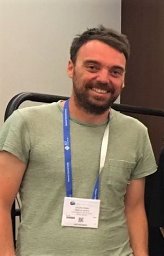 Alejandro Presa Soto合作论文数Facultad de Química C/Julián Clavería S/N, Universidad de Oviedo6Marina Ramos-Martín合作论文数5
 Ignacio Garcia合作论文数5
 Maria Jose Rodriguez Alvarez合作论文数Escuela Técnica Superior de Ingeniería Informática, Universitat Politècnica de València;Instituto de Instrumentación para Imagen Molecular, Universitat Politècnica de València;Departamento de Matemática Aplicada, Universitat Politècnica de València5Filippo Maria Perna合作论文数5
 Paola Vitale合作论文数4
 Juraj Paris合作论文数4
 Luz Elena Nunez合作论文数4
 Harald Gröger合作论文数Faculty of Chemistry, Bielefeld University4Fernando Lopez-Gallego合作论文数4
 Carmen Pena合作论文数4José A Hernández-Fernández合作论文数3
 Natalia Miguel-Vior合作论文数3
 Lisa Marx合作论文数3María Pérez合作论文数3Philipp Süss合作论文数3
 Aline Telzerow合作论文数InnoSyn BV3
 Helmut Schwab合作论文数3
 Jurgen Rohr合作论文数Department of Pharmaceutical Sciences, College of Pharmacy, University of Kentucky 3Wolfgang Kroutil合作论文数Department of Chemistry Organic and Bioorganic Chemistry University of Graz3Nuria Menendez合作论文数3Francisco Moris合作论文数Research & Development Statistics Program (RDS),, National Science Foundation3Antonio Salomone合作论文数3MaríA RodríGuez-Mata合作论文数3
 Kerstin Steiner合作论文数Zentrum für NanoBiotechnologie A-1180 Wien, Universität für Bodenkultur Wien3gonzalez luz elena nunez合作论文数2francois lefoulon合作论文数2
 Ignacio Alfonso合作论文数2
 Ana I. Benitez-Mateos合作论文数Dept Chem Biochem & Pharmaceut Sci, Univ Bern2Morán-Ramallal Roberto合作论文数2
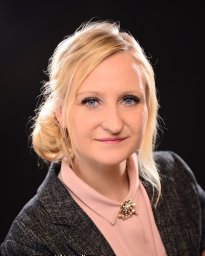 Schmidt Sandy合作论文数Institute of Biochemistry, Dept. of Biotechnology &Enzyme Catalysis, Greifswald University;Institute of Biochemistry, Greifswald University2
 Cristian Vidal合作论文数2
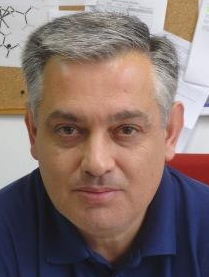 Victorio Cadierno Menéndez合作论文数Department of Organic and Inorganic Chemistry, Faculty of Chemistry, University of Oviedo2
 Martin Schurmann合作论文数2Iván Lavandera合作论文数2Matthias Höhne合作论文数2
 Bettina Siebers合作论文数Institute of Biology, Universität Duisburg-Essen2




