Language impairment is common in progressive supranuclear palsy (PSP) and is often overlooked due to the severity of the motor symptoms. We investigated whether language can be used to predict PSP prognosis. One hundred-forty-six patients with a diagnosis of possible or probable PSP from the Tilavonemab (ABBV-8E12) clinical trial were evaluated at baseline and week 32 using the Repeatable Battery for the Assessment of Neuropsychological Status (RBANS), the PSP rating scale (PSPRS) and the Schwab and England Activities of Daily Living Scale (SEADL). Percentage of change was calculated for each measure. Using correlations, we evaluated relationships between all RBANS-subscores (language, attention, memory and visuoconstructional), the PSPRS and SEADL scores at baseline; p-values were FDR corrected. Linear regression analyses were performed between the RBANS-language, RBANS-delayed-memory and RBANS-executive at baseline and the percentage of change over time. Grey matter volumes were extracted from three regions of interest based on language (bilateral temporal poles and inferior frontal gyri), executive (bilateral dorsolateral and superior frontal gyri and frontal pole) and memory (bilateral hippocampus, inferior, middle and superior temporal gyri) areas. Mean age of PSP patients: 68.8 years (49-86 years), 57 (39%) females. The RBANS language, executive and delayed memory scores at baseline were positively correlated with each other and with visuoconstructional and immediate memory score (all p<0.05). Only the RBANS-language score at baseline predicted percentage of change in PSPRS (B = -0.63, p = 0.003). The percentage of change in the RBANS-language score was predicted by the RBANS-language at baseline (B = -0.59, p<0.001). Lower age at baseline was associated with a worsening in language score over time (B = 0.51, p = 0.009). Language grey matter volume was associated with the change in RBANS-language score (B = 0.01, p = 0.02). language impairment at baseline, in contrast to memory and executive functions, was predictive of functional decline as measured by PSPRS. Atrophy in language areas at baseline predicted language decline. Language impairment may be an independent prognostic factor in PSP. *Based on research using data from AbbVie that has been made available through Vivli, Inc. Vivli has not contributed to or approved, and is not in any way responsible for, the contents of this publication.
Aim Black individuals in the United States (US) are at increased risk for short sleep duration, daytime sleepiness, poor sleep quality, and sleep apnea than are White individuals — disparities that stem from exposure to toxic stress. Hip-Hop music, such as rap or “rhythm and blues” (R&B), is a cornerstone of Black culture, and has the potential to persuade audience members by conveying values, norms, and expectations through rhyme and repetition. Our aim is to explore how sleep is depicted in popular rap and R&B songs. Subject and methods We searched songs labeled as “rap” or “R&B” genres with “sleep” in the lyrics on a music sharing website, then sorted by the number of downloads. We identified 178 popular rap and R&B songs that mention sleep. Results Each song had been downloaded on average 2.0 million times (SD = 1.9 million). The most common theme had to do with sleep difficulties (33% of songs; “Where the hustlers don't sleep, take cat naps”). The next most common themes had to do with success at the price of sleep, or sleep being attainable after achieving success (12% of songs; “Money comin' fast, we never gettin' sleep”) and romantic relationships (12% of songs; “No, I can't sleep until I feel your touch”), followed by fears associated with sleep (9% of songs; “Pistol by my bed, I'm sleep, but I'm awake”). Conclusion Our findings demonstrate that, most commonly, poor sleep habits were portrayed in hip-hop music, which may contribute to social norming of poor sleep among Black individuals, a population already vulnerable to sleep difficulties.
Background: DATATOP was a study of early Parkinson’s disease (PD) conducted in the 1980 s, before mandatory folic acid fortification in the United States. Our analysis of its baseline serum samples revealed a geometric mean vitamin B12 of 369 pg/mL and homocysteine (tHcy) of 9.5μmol/l. We also found that low B12 predicted greater worsening of ambulatory capacity (AC) and elevated tHcy (>15μmol/L) predicted greater declines in cognitive function. Objective: We sought to measure B12 and tHcy in contemporary trial participants with early PD who had not started dopaminergic treatment and to determine whether these analytes were associated with clinical progression. Methods: We measured B12 and tHcy from baseline and end-of-study blood samples from three recent clinical trials. Results: Baseline geometric mean B12 levels for these studies ranged from 484– 618 pg/ml and for tHcy ranged from 7.4– 10μmol/L. Use of B12-containing supplements ranged from 41– 61%, and those taking supplements had higher B12 and lower tHcy. Those who began levodopa, but were not taking B12-supplements, had greater end-of-study tHcy. There was no association of baseline tHcy > 15μmol/L with annualized change in Montreal Cognitive Assessment and no association of baseline B12 tertiles with change in AC. Conclusions: In these longitudinal trials, B12 levels were higher than for DATATOP, due in large part to increased B12-supplement intake, while tHcy levels were similar. Initiation of levodopa was associated with increases of tHcy in those not taking a B12-containing supplement. These smaller studies did not replicate prior findings of low B12 and elevated tHcy with features of progression, possibly due to higher baseline B12.
To evaluate the longitudinal performance of the Montreal Cognitive Assessment (MoCA) as a measure of cognitive outcomes in progressive supranuclear palsy (PSP).
Gunshots affect those directly involved in an incident and those in the surrounding community. The community-level impact of nighttime gunshots, which may be particularly disruptive to the sleep of nearby community members, is unknown. Our aim is to estimate the number of people potentially affected by nighttime gunshots and the relationship between nighttime gunshots and median household income in the USA. We collected publicly available data on the timing and location of gunshots in six U.S. cities (Baltimore, MD; Boston, MA; Washington, D.C.; New York, NY; Philadelphia, PA; and Portland, OR) from 2015 to 2021. We then analyzed the data by computing rate ratios (RRs) to compare the frequency of gunshots during nighttime hours (6:00 pm to 5:59 am) versus daytime hours (6:00 am to 5:59 pm). Additionally, we used geospatial mapping to create choropleth maps to visualize the variation in nighttime gunshot density across cities. We estimated, using city-wide population, person-nights potentially impacted by the sound of gunshots within areas of 0.2- (low) and 0.5-mile (high) radius. Finally, for five of six cities where data on median household income were available by census tract, we built nonlinear regression models to estimate the relationship between the number of nighttime gunshots and median household income. We analyzed 72,236 gunshots. Gunshots were more common during the nighttime than daytime (overall RR = 2.5). Analyses demonstrated that the low estimates for the mean annual number of person-nights impacted by nighttime gunshots were 0.4 million in Baltimore and Portland, 1.3 million in Philadelphia, 1.6 million in Boston, 2.9 million in New York City, and 5.9 million in Washington. The number of nighttime gunshots was inversely related to median household income. Nighttime gunshots are prevalent, particularly in low-income neighborhoods, and may have under-recognized effects on the surrounding community.
This secondary analysis of a randomized clinical trial examines changes in the progression of progressive supranuclear palsy (PSP) associated with 31 concomitant medication classes used by study participants over 1 year.
BackgroundThe Montreal Cognitive assessment (MoCA) is a well-validated global cognitive screening instrument. Its validity in progressive supranuclear palsy (PSP) has not been assessed.ObjectivesTo evaluate the MoCA as an outcome measure in PSP clinical trials.MethodsCognitive data from 162 participants in the placebo arm of the Biogen PASSPORT study (NCT03068468) were analyzed using linear mixed-effects modeling (LMM) and repeated measures correlation.ResultsThere was a significant decline in the MoCA score over time of −1.4 (95% CI −0.84 to −1.97) points over a 48-week period (p < 0.0001). Small but significant changes (p < 0.01) were observed in all MoCA domains except abstraction. The MoCA correlated weakly with the Repeatable Battery for the Assessment of Neuropsychological Status (RBANS) over time (rrm = 0.1, p = 0.02) but exhibited a stronger correlation with the PSP Rating Scale (PSPRS) (rrm = −0.25, p < 0.0001).ConclusionThe MoCA appears to have limited sensitivity in capturing cognitive decline in PSP.
Progressive supranuclear palsy (PSP) has emerged as a key area of interest among researchers worldwide, including those in India, who have actively studied the disorder over the past several decades. This review meticulously explores the extensive range of Indian research on PSP up to the present and offers insights into both current initiatives and potential future directions for managing PSP within the region. Historical research contributions have spanned 80 publications from 1974 to 2023, encompassing diverse themes from clinical phenotyping and historical analysis to isolated investigative studies and therapeutic trials. Traditionally, these studies have been conducted in single centers or specific departments, involving a broad range of recruitment numbers. The most frequently encountered phenotype among these studies is PSP-Richardson's syndrome, with patients typically presenting at an average age of 64 years, alongside various other subtypes. Recently, there has been a significant shift toward more collaborative research models, moving from isolated, center-based studies to expansive, multicentric, and pan India projects. A prime example of this new approach is the PAn India Registry for PSP (PAIR-PSP) project, which represents a comprehensive effort to uniformly examine the demographic, clinical, and genetic facets of PSP across India. Looking ahead, there is a critical need for focused research on unraveling genetic insights, identifying risk factors, and developing effective treatment interventions and preventive models. Given its vast population, India's role in advancing our understanding of PSP and other tauopathies could be pivotal, and this work reflects the work on PSP in India till now.
In recent years, there has been substantial work in low-cost medical diagnostics based on the physical manifestations of disease. This is due to advancements in data analysis techniques and classification algorithms and the increased availability of computing power through smart devices. Smartphones and their ability to interface with simple sensors such as inertial measurement units (IMUs), microphones, piezoelectric sensors, etc., or with convenient attachments such as lenses have revolutionized the ability collect medically relevant data easily. Even if the data has relatively low resolution or signal to noise ratio, newer algorithms have made it possible to identify disease with this data. Many low-cost diagnostic tools have been created in medical fields spanning from neurology to dermatology to obstetrics. These tools are particularly useful in low-resource areas where access to expensive diagnostic equipment may not be possible. The ultimate goal would be the creation of a “diagnostic toolkit” consisting of a smartphone and a set of sensors and attachments that can be used to screen for a wide set of diseases in a community healthcare setting. However, there are a few concerns that still need to be overcome in low-cost diagnostics: lack of incentives to bring these devices to market, algorithmic bias, “black box” nature of the algorithms, and data storage/transfer concerns.
BACKGROUND:Language impairment is common in progressive supranuclear palsy (PSP) and is often overlooked due to the severity of the motor symptoms. We investigated whether language can be used to predict PSP prognosis. METHODS:One hundred-forty-six patients with a diagnosis of possible or probable PSP from the Tilavonemab (ABBV-8E12) clinical trial were evaluated at baseline and week 32 using the Repeatable Battery for the Assessment of Neuropsychological Status (RBANS), the PSP rating scale (PSPRS) and the Schwab and England Activities of Daily Living Scale (SEADL). Percentage of change was calculated for each measure. Using correlations, we evaluated relationships between all RBANS-subscores (language, attention, memory and visuoconstructional), the PSPRS and SEADL scores at baseline; p-values were FDR corrected. Linear regression analyses were performed between the RBANS-language, RBANS-delayed-memory and RBANS-executive at baseline and the percentage of change over time. Grey matter volumes were extracted from three regions of interest based on language (bilateral temporal poles and inferior frontal gyri), executive (bilateral dorsolateral and superior frontal gyri and frontal pole) and memory (bilateral hippocampus, inferior, middle and superior temporal gyri) areas. RESULTS:Mean age of PSP patients: 68.8 years (49-86 years), 57 (39%) females. The RBANS language, executive and delayed memory scores at baseline were positively correlated with each other and with visuoconstructional and immediate memory score (all p<0.05). Only the RBANS-language score at baseline predicted percentage of change in PSPRS (B = -0.63, p = 0.003). The percentage of change in the RBANS-language score was predicted by the RBANS-language at baseline (B = -0.59, p<0.001). Lower age at baseline was associated with a worsening in language score over time (B = 0.51, p = 0.009). Language grey matter volume was associated with the change in RBANS-language score (B = 0.01, p = 0.02). CONCLUSIONS:language impairment at baseline, in contrast to memory and executive functions, was predictive of functional decline as measured by PSPRS. Atrophy in language areas at baseline predicted language decline. Language impairment may be an independent prognostic factor in PSP. *Based on research using data from AbbVie that has been made available through Vivli, Inc. Vivli has not contributed to or approved, and is not in any way responsible for, the contents of this publication.
ABSTRACT Purpose Fluorescein staining (FS) is a standard method of assessing corneal epithelium (CE) integrity. However, the equipment and personnel required for FS may be unavailable in low-resource environments. We developed and validated a low-cost, noninvasive, and quantitative CE evaluation pipeline using a custom smartphone attachment and convolutional neural networks (CNNs). Methods A 3D-printed smartphone attachment and placido disk illumination module was attached to a OnePlus 7 Pro smartphone. 26 smartphone-acquired images were obtained from 15 subjects, comprising a dataset including healthy eyes and corneal epitheliopathies of Oxford grade I-V. A classifier CNN was trained on 8 subjects (23,173 image patches) to identify areas of suspected epithelial disruption, and validated on 7 subjects (10,883 image patches). The fraction of disrupted corneal surface area (FDSA) was computed for each subject from the model output. Results were compared with FS slit lamp photos which were independently graded by two clinicians using the Oxford scheme. Results FDSA showed promise as a non-invasive marker of CE integrity, with mean FDSA in the Oxford >II cohort being higher than the Oxford ≤II cohort ( p = 0.04 and p = 0.09 using Oxford scores from each clinician, respectively). Additionally, areas of CE disruption identified by our smartphone-based technique showed qualitative concordance with those revealed by FS. Conclusions Our technique for smartphone-based CE imaging and automated analysis is a promising low-cost, noninvasive method to quantitatively evaluate the CE. Translational Relevance This tool can be used to evaluate ocular surface disease in low-resource regions.
The Internet is a common source of sleep information but may be subject to commercial bias and misinformation. We compared the understandability, information quality, and presence of misinformation of popular YouTube videos on sleep to videos with credible experts. We identified the most popular YouTube videos on sleep/insomnia and 5 videos from experts. Videos were assessed for understanding and clarity using validated instruments. Misinformation and commercial bias were identified by consensus of sleep medicine experts. The most popular videos received, on average, 8.2 (± 2.2) million views; the expert-led videos received, on average, 0.3 (± 0.2) million views. Commercial bias was identified in 66.7
STUDY OBJECTIVES Philips Respironics issued a voluntary recall of positive airway pressure (PAP) devices used to treat obstructive sleep apnea in June 2021. We surveyed sleep medicine clinicians from the American Academy of Sleep Medicine membership to assess the impact of the recall on clinicians and patients. METHODS One hundred and thirty-six clinicians participated between June 2022 and November 2022. Participants reported their treatment recommendations for patients impacted by the recall; their patients' behaviors regarding the recall; the recall's impact on themselves as clinicians and on their patients; and the approximate time their patients were waiting for a replacement device. RESULTS Clinicians most commonly reported first learning about the recall from Philips (25.0%), while patients most commonly first heard about the recall from news sources (34.5%). Most clinicians (62.4%) reported that they recommended patients continue using a recalled device. In comparison, only 9.3% of clinicians reported encouraging patients to stop using their recalled device. Clinicians reported that patients continued (59.9%) treatment with their recalled device, while 26.5% stopped treatment. Clinicians reported that over one-third of their patients are still waiting for a replacement machine. 86.8% of clinicians reported their stress levels were impacted due to the recall and 91.5% of clinicians reported the recall impacted their patients' health and well-being. 83.3%of clinicians reported the recall impacted their patients' trust in medicine. CONCLUSIONS Clinicians reported that the Philips recall impaired the vast majority of their patients' health and trust in medicine and that many patients are still waiting for replacement devices.
Background: Sleep deficiency can adversely affect the performance of resident physicians resulting in greater medical errors. However, the impact of sleep deficiency on surgical outcomes, particularly among attending surgeons is less clear. Methods: Sixty attending surgeons from academic and community departments of surgery or obstetrics and gynecology were studied prospectively using direct observation and self-report to explore the effect of sleep deprivation on patient safety, operating room communication, medical errors, and adverse events while operating under two conditions, Post-Call (defined as >2 hours of nighttime clinical duties) and Non-Post-Call. Results: Each surgeon contributed up to five surgical procedures post-call and non-post-call yielding 362 cases total (150 Post-Call and 210 Non-Post-Call). Most common were caesarian section and herniorrhaphy. Hours of sleep on the night before the operative procedure were significantly less Post-Call (4.98 ± 1.41) vs. Non-Post-Call (6.68 ± 0.88, p<0.01). Errors were infrequent and not related to hours of sleep or post-call status. However, Non-Technical Skills for Surgeons (NOTSS) ratings demonstrated poorer performance while Post-Call for Situational Awareness, Decision Making and Communication/Teamwork. Fewer hours of sleep also was related to lower ratings for Situational Awareness and Decision Making. Decreased self-reported alertness was observed to be associated with increased procedure time. Conclusions: Sleep deficiency in attending surgeons was not associated with greater errors during procedures performed during the next day. However, procedure time was increased suggesting that surgeons were able to compensate for sleep loss by working more slowly. Ratings on non-technical surgical skills were adversely affected by sleep deficiency.
Developing interventions to prevent firearm-related violence and to address its consequences requires an improved understanding of when these violent events are most likely to occur. We explored gunshot events in 6 of the most populated cities in the United States by time of day, day of week, holiday/non-holiday, and month using publicly available datasets. In some of these cities, gunshot events occurred most often at nighttime, on holidays and weekends, and during summer months, with significant interaction effects. There were also time-related changes in characteristics of the victims. Primary prevention efforts aimed at curbing firearm-related violence should consider these differential risks.
Developing interventions to prevent firearm-related violence and to address its consequences requires an improved understanding of when these violent events are most likely to occur. We explored gunshot events by time of day, day of week, and holiday/non-holiday in six major US cities. We utilized publicly available police department datasets that report the date and time of day of gunshot events from six major US cities. In these cities, shootings occurred most often at night and on holidays and weekends, with significant interaction effects. Primary prevention efforts should consider this differential risk. ### Competing Interest Statement MA, JI, PTM, CAS: none EBK: consulting: American Academy of Sleep Medicine Foundation, Circadian Therapeutics, National Sleep Foundation, Sleep Research Society Foundation, Yale University Press. Travel support: European Biological Rhythms Society. Other: partner owns Chronsulting. RR: consulting: Sonesta Hotels, Castle Hot Springs, Oura Ring, Savoir Beds, byNacht GmbH. MA ### Funding Statement MA, JI, PTM, CAS: None EBK: NIH R01-NS099055, U01-NS114001, U54-AG062322, R21-DA052861, R21-DA052861, R01-NS114526-02S1, R01-107064; DoD W81XWH201076; and Leducq Foundation for Cardiovascular Research RR: NIH K01-HL150339 ### Author Declarations I confirm all relevant ethical guidelines have been followed, and any necessary IRB and/or ethics committee approvals have been obtained. Yes The details of the IRB/oversight body that provided approval or exemption for the research described are given below: Source data were openly available before the initiation of the study. Links are: I confirm that all necessary patient/participant consent has been obtained and the appropriate institutional forms have been archived, and that any patient/participant/sample identifiers included were not known to anyone (e.g., hospital staff, patients or participants themselves) outside the research group so cannot be used to identify individuals. Yes I understand that all clinical trials and any other prospective interventional studies must be registered with an ICMJE-approved registry, such as ClinicalTrials.gov. I confirm that any such study reported in the manuscript has been registered and the trial registration ID is provided (note: if posting a prospective study registered retrospectively, please provide a statement in the trial ID field explaining why the study was not registered in advance). Yes I have followed all appropriate research reporting guidelines and uploaded the relevant EQUATOR Network research reporting checklist(s) and other pertinent material as supplementary files, if applicable. Yes Data are available online at the links provided in the Data Availability Links section.
 Rebecca Robbins合作论文数a Department of Communication, Cornell University8
 Anthony E. Lang合作论文数Krembil Research Institute, University of Toronto;Department of Medicine, University of Toronto;Division of Neurology, University of Toronto;Tanz Centre for Research in Neurodegenerative Diseases, Temerty Faculty of Medicine, University of Toronto5
 Anne-Marie Wills合作论文数Department of Neurology, Massachusetts General Hospital5
 Mahmoud Affouf合作论文数4
 Alexander Pantelyat合作论文数Department of Neurology4
 Ece Bayram合作论文数Parkinson and Other Movement Disorders Center, University of California San Diego4Marian L Dale合作论文数4Sacks Chana A合作论文数4
 Douglas D Gunzler合作论文数Ctr Hlth Care Res & Policy, Case Western Reserve Univ4Swan Matthew合作论文数Department of Neurology, Beth Israel Medical Center4Peter T. Masiakos合作论文数Boston Medical Center, Boston University School of Medicine4
 Elizabeth B Klerman合作论文数Dept. of Medicine, Brigham & Women's Hospital4
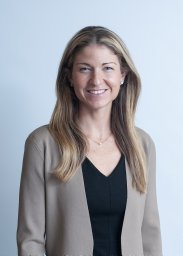 Cornelia L Griggs合作论文数3
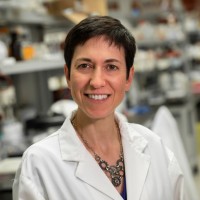 Carmela Tartaglia合作论文数Tanz Centre for Research in Neurodegenerative Diseases, Temerty Faculty of Medicine, University of Toronto3
 Stuart Fun Quan合作论文数Division of Sleep Medicine, Harvard Medical School3
 Lawrence I Golbe合作论文数Department of Neurology, Rutgers University3
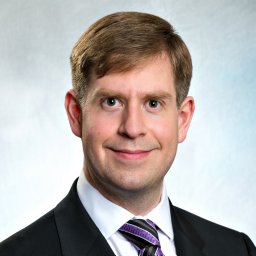 Stephen Christopher D合作论文数Harvard Medical School, Beth Israel Deaconess Medical Center3
 Tao Xie合作论文数Department of Neurology, University of Chicago3
 Adam Boxer合作论文数Department of Neurology, University of California, San Francisco3Indira Ruth Garcia Cordero合作论文数2Jay Chandra合作论文数Harvard Medical School, Harvard University2Rodriguez-Porcel Federico合作论文数Department of Psychiatry &Human Behavior, University of Mississippi Medical Center;Department of Psychiatry & Human Behavior, University of Mississippi Medical Center2
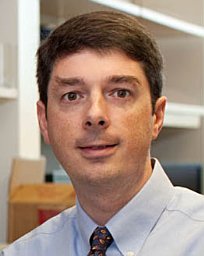 McFarland Nikolaus R合作论文数Dept Neurol, Univ Florida2Suzanne M. Bertisch合作论文数2Lawrence J. Epstein合作论文数Academy of Sleep Medicine and Sleep Disorders Center;College of Medicine, Mayo Clinic;Academy of Sleep Medicine and Sleep Disorders Center, Mayo Clinic College of Medicine2
 Matthew D. Weaver合作论文数School of Psychology, Victoria University of Wellington2Colin Le合作论文数1
 Noemi Cannizzaro合作论文数1Olabimpe Fashanu合作论文数1Annie Miall合作论文数1Heli Shah合作论文数1Andrew Zhang合作论文数1Raymond Lin合作论文数1
 Atanu Biswas合作论文数1Pettarusp M Wadia合作论文数1Kristen Monten合作论文数1Lyvin Tat合作论文数1
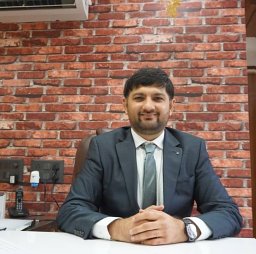 Mitesh Chandarana合作论文数1Jayanth Pratap合作论文数1
 Vineet Joshi合作论文数Ctr Innovat, LV Prasad Eye Inst1
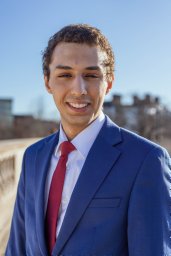 Sammer Marzouk合作论文数Dept Chem & Chem Biol, Harvard Univ1Kuldeep Shetty合作论文数1
 Niraj Kumar合作论文数Department of Neurology, AIIMS Rishikesh1
 Divyani Garg合作论文数Dept Neurol, Vardhman Mahavir Med Coll & Safdarjung Hosp1
 Elizabeth Lerner Papautsky合作论文数Boston Medical Center, Boston University1
 Sreekar Mantena合作论文数Harvard Univ1Vijayashankar Paramanandam合作论文数Dept Movement Disorders, Apollo Hosp1
 Tanya Simuni合作论文数The Ken & Ruth Davee Department of Neurology, Feinberg School of Medicine, Northwestern University1Dr Deepika Joshi合作论文数1




