Distracted driving is responsible for nearly 1 million crashes each year in the United States alone, and a major source of driver distraction is handheld phone use. We conducted a randomized, controlled trial to compare the effectiveness of interventions designed to create sustained reductions in handheld use while driving (NCT04587609). Participants were 1,653 consenting Progressive® Snapshot® usage-based auto insurance customers ages 18 to 77 who averaged at least 2 min/h of handheld use while driving in the month prior to study invitation. They were randomly assigned to one of five arms for a 10-wk intervention period. Arm 1 (control) got education about the risks of handheld phone use, as did the other arms. Arm 2 got a free phone mount to facilitate hands-free use. Arm 3 got the mount plus a commitment exercise and tips for hands-free use. Arm 4 got the mount, commitment, and tips plus weekly goal gamification and social competition. Arm 5 was the same as Arm 4, plus offered behaviorally designed financial incentives. Postintervention, participants were monitored until the end of their insurance rating period, 25 to 65 d more. Outcome differences were measured using fractional logistic regression. Arm 4 participants, who received gamification and competition, reduced their handheld use by 20.5% relative to control ( P < 0.001); Arm 5 participants, who additionally received financial incentives, reduced their use by 27.6% ( P < 0.001). Both groups sustained these reductions through the end of their insurance rating period.
This study assessed the accuracy of a smartphone telematics algorithm that classifies car trips as driver or non-driver. Participants’ trips were measured for 4 weeks by Way to Drive, a research telematics application that uses the same data algorithms as leading auto-insurance companies. At the end of each week, participants completed a survey prompting them to review trips within the app and report time and nature of any misclassified trips. Overall accuracy of driver vs. non-driver classification was high (96.5 %, SD = 5.1 %). Sensitivity, the percentage of actual driver trips classified as such, was also high (97.5 %, SD = 4.6 %). Specificity, the percentage of non-driver trips classified as such, was slightly lower and more variable (91.2 %, SD = 14.8 %). The algorithm’s accuracy was generally robust to a variety of phone characteristics, vehicle features, and driving habits.
ImportanceHandheld cellphone use while driving is associated with increased motor vehicle crash risk among adolescents.ObjectiveTo examine the association of handheld cellphone use while driving with kinematic risky driving (KRD) events—hard braking and rapid acceleration—in adolescent drivers.Design, Setting, ParticipantsAdolescents aged 16.50 to 17.99 years licensed 365 days or less in Pennsylvania were eligible to participate in this cross-sectional study. Enrollment occurred from July 29, 2021, to June 6, 2022. Participants downloaded a smartphone telematics cellphone app to record driving data for 60 days.ExposuresTrip characteristics, including frequency, length, and duration; presence of speeding; frequency and duration of handheld cellphone use; time of day; and presence of precipitation.Main Outcomes and MeasuresKinematic risky driving events per 100 miles driven. Zero-inflated Poisson regression models examined whether individual characteristics and trip characteristics were associated with KRD. Incidence rate ratios were computed.ResultsOf 405 adolescents who responded to recruitment, 151 enrolled, 140 completed study procedures, and 119 with 12 360 trips were included in the analytic sample (60 female participants [50.4%]; mean [SD] age, 17.2 [0.4] years). Adolescents drove a mean (SD) of 103.8 (65.7) trips, 565.0 (487.3) miles, and 25.1 (19.3) hours. Adolescents had minimal night trips (1.5% [192]), and few trips with precipitation present (9.0% [1097]). Speeding occurred in 43.9% (5428) of the trips and handheld cellphone use occurred in 34.1% (4214) of the trips. Kinematic risky driving events occurred in 10.9% (1358) of the trips at a rate of 2.65 per 100 miles. In adjusted models, increased KRD events were associated with handheld cellphone use (incidence rate ratio [IRR], 2.62; 95% CI, 1.53-4.48), speeding (IRR, 2.12; 95% CI, 1.06-4.26), and minutes driving (IRR, 1.02; 95% CI, 1.01-1.02). Trips at night, precipitation presence, licensure for less than 6 months, and sex were not associated with increased KRD events.ConclusionsIn this cross-sectional study of adolescent drivers, trips with handheld cellphone use and speeding were associated with higher rates of KRD, while individual characteristics were not. The findings suggest that smartphone telematics apps provide an opportunity to observe behaviors as well as surveil changes due to intervention efforts.
Importance Handheld phone use while driving is a major factor in vehicle crashes. Scalable interventions are needed to encourage drivers not to use their phones. Objective To test whether interventions involving social comparison feedback and/or financial incentives can reduce drivers' handheld phone use. Design, Setting, and Participants In a randomized clinical trial, interventions were administered nationwide in the US via a mobile application in the context of a usage-based insurance program (Snapshot Mobile application). Customers were eligible to be invited to participate in the study if enrolled in the usage-based insurance program for 30 to 70 days. The study was conducted from May 13 to June 30, 2019. Analysis was completed December 22, 2023. Interventions Participants were randomly assigned to 1 of 6 trial arms for a 7-week intervention period: (1) control; (2) feedback, with weekly push notification about their handheld phone use compared with that of similar others; (3) standard incentive, with a maximum $50 award at the end of the intervention based on how their handheld phone use compared with similar others; (4) standard incentive plus feedback, combining interventions of arms 2 and 3; (5) reframed incentive plus feedback, with a maximum $7.15 award each week, framed as participant's to lose; and (6) doubled reframed incentive plus feedback, a maximum $14.29 weekly loss-framed award. Main Outcome and Measure Proportion of drive time engaged in handheld phone use in seconds per hour (s/h) of driving. Analyses were conducted with the intention-to-treat approach. Results Of 17 663 customers invited by email to participate, 2109 opted in and were randomized. A total of 2020 drivers finished the intervention period (68.0% female; median age, 30 [IQR, 25-39] years). Median baseline handheld phone use was 216 (IQR, 72-480) s/h. Relative to control, feedback and standard incentive participants did not reduce their handheld phone use. Standard incentive plus feedback participants reduced their use by -38 (95% CI, -69 to -8) s/h (P = .045); reframed incentive plus feedback participants reduced their use by -56 (95% CI, -87 to -26) s/h (P < .001); and doubled reframed incentive plus feedback participants reduced their use by -42 s/h (95% CI, -72 to -13 s/h; P = .007). The 5 active treatment arms did not differ significantly from each other. Conclusions and Relevance In this randomized clinical trial, providing social comparison feedback plus incentives reduced handheld phone use while individuals were driving.
COVID Watch is a remote patient monitoring program implemented during the pandemic to support home dwelling patients with COVID-19. The program conferred a large survival advantage. We conducted semi-structured interviews of 85 patients and clinicians using COVID Watch to understand how to design such programs even better. Patients and clinicians found COVID Watch to be comforting and beneficial, but both groups desired more clarity about the purpose and timing of enrollment and alternatives to text-messages to adapt to patients’ preferences as these may have limited engagement and enrollment among marginalized patient populations. Because inclusiveness and equity are important elements of programmatic success, future programs will need flexible and multi-channel human-to-human communication pathways for complex clinical interactions or for patients who do not desire tech-first approaches.
Objective:Balancing surgical pain management and opioid stewardship is complex. Identifying patient-level variables associated with low or no use can inform tailored prescribing. Methods:A prospective, observational study investigating surgical procedures, prescription data, and patient-reported outcomes at an academic health system in Pennsylvania. Surgical patients were consented following surgery, and prospective data were captured using automated text messaging (May 1, 2021-February 29, 2022). The primary outcome was opioid use. Results:Three thousand six hundred three (30.2%) patients consented. Variation in patient reported used included 28.1% of men reported zero use versus 24.3% of women, 20.5% of Black patients reported zero use versus 27.2% of white patients. Opioid-naïve patients reported more zero use as compared with chronic use (29.7% vs 9.8%). Patients reporting higher use had more telephone calls and office visits within 30 days but no change in emergency department utilization or admissions. Higher discharge pain score was associated with higher use. In the adjusted analysis, opioid use relative to the guideline, higher use was associated with age, male sex, obesity, discharge pain score, and history of mental health disorder. In the adjusted model, younger age and being opioid-naïve to be associated with low to zero use across procedures. Conclusions:Younger age, being opioid-naïve, and lower discharge pain score are associated with low or no postoperative opioid use. These characteristics can be used by clinicians to help tailor opioid prescribing to specific patients to reduce the risk of prolonged exposure and unused `ts in the community.
Statement of Purpose To compare the effectiveness of novel interventions aimed at building the habit of putting down one’s phone while driving, among drivers eligible for a smartphone telematics-based auto-insurance rate. Methods/Approach We enrolled 1,670 Progressive Snapshot usage-based auto insurance customers in a 10-week randomized trial (NCT04587609) to test the additive impact of interventions designed to reduce handheld phone use while driving. Arm 1 (control) educated participants about the risks of handheld use. Arm 2 also gave them a free phone mount. Arm 3 included goal commitment and habit tips. Arm 4 added gamification and social competition, and Arm 5 linked performance to financial incentives ($11 average/driver). Post-intervention, participants were monitored for 25–65 more days. Outcome differences were measured using fractional logistic regression with Holm adjustment for multiple comparisons. Results Participants had a mean age of 33 (18 to 77); 66% identified as white, 22% as Black, 4% as Asian, and 15% as Hispanic. Mean overall baseline handheld phone use was 388 sec/hr. During the intervention, Arm 2 (phone mount) had similar handheld use compared to control. Arm 3 (commitment + tips) had 26 sec/hr less use than control, Arm 4 (gamification + competition) had 51 sec/hr less, and Arm 5 (incentives) had 90 sec/hr less. After Holm adjustment, Arm 5 remained significantly different from control during the intervention (25% relative reduction, p < 0.001) and after (23%, p < 0.005). Subgroup analyses found that Arm 5 was successful across all ages. Conclusion A multi-component behavioral intervention focusing on habit formation led to a sustained, one-quarter decrease in a common form of distracted driving. Significance Given its successful implementation in a large usage-based auto insurance program, this intervention has significant potential for reducing a leading crash risk if brought to scale.
Statement of Purpose Motor vehicle crashes are a leading cause of adolescent death and disability. Risky driving behaviors are associated with adolescent motor vehicle crashes. We report on initial data for risky driving behaviors in adolescent drivers using a smartphone application. Methods/Approach Prospective data was collected using Way to Drive, a novel research smartphone application developed by TrueMotion-Cambridge Mobile Telematics and managed by University of Pennsylvania. Adolescent licensed Pennsylvania drivers aged 16–18 years downloaded Way to Drive. For this analysis, we used the first six weeks of data to describe trip-level variations in metrics passively collected by the app: trip duration and length, nighttime driving (11pm-5am), hard braking events, speeding, and handheld phone use while driving. Results The 18 adolescent drivers were mean age of 17.4 years (50% male; 89% white), with a mean licensure length of 9.6 months. They recorded 1370 unique trips, totaling 8,247 miles and 344.8 hours. Adolescents drove a mean of 76.1 trips at 6.0 miles/trip and 15.1 minutes/trip. There was little nighttime driving (1.6% of trips). Hard braking occurred in 35.7% of trips. Speeding occurred in 41.5% of trips (mean duration of 1.3 minutes speeding). Handheld phone use was detected in 24.6% of trips (mean duration of 2.3 minutes). Handheld phone use while driving >25mph occurred in 18.8% of trips (mean duration of 2.1 minutes), and handheld phone use while speeding occurred in 4.5% of trips (mean duration of 1.1 minutes). Nighttime handheld phone was detected in <0.2% of trips. Conclusions Way to Drive gives insight into normally difficult to measure teen driving behaviors. Variations in risky driving behaviors in this sample highlight key intervention opportunities for motor vehicle crash prevention. Significance This tool can provide a novel, scalable approach for remotely conducting epidemiologic data collection and testing real-time behavioral interventions.
Pulse Oximetry in Covid-19 Pulse oximetry is frequently used to monitor the respiratory status of outpatients with Covid-19. This randomized trial found that adding pulse oximetry to an established symptom-based remote-monitoring program did not prolong nonhospitalized survival.
 Ruiying Xiong合作论文数Perelman School of Medicine, University of Pennsylvania9
 M. Kit Delgado合作论文数Department of Biostatistics, Epidemiology and Informatics, Perelman School of Medicine, University of Pennsylvania9
 Dina Abdel-Rahman合作论文数6
 Catherine C. McDonald合作论文数School of Nursing, University of Pennsylvania6
 Douglas J. Wiebe合作论文数Center for Clinical Epidemiology and Biostatistics, Department of Biostatistics, Epidemiology and Informatics, Perelman School of Medicine, University of Pennsylvania4Jessica Hemmons合作论文数3
 Ian J. Barnett合作论文数Department of Biostatistics, Epidemiology and Informatics, Perelman School of Medicine, University of Pennsylvania3
 Flaura K. Winston合作论文数Center for Injury Research and Prevention, The Children's Hospital of Philadelphia;Perelman School of Medicine, University of Pennsylvania;Diagnostic Driving, Inc.3
 Rosin Roy合作论文数3
 Scott D. Halpern合作论文数Department of Medicine, Perelman School of Medicine, University of Pennsylvania;Department of Medical Ethics and Health Policy, Perelman School of Medicine, University of Pennsylvania3
 Kevin G. Volpp合作论文数Leonard Davis Institute Center for Health Incentives and Behavioral Economics,University of Pennsylvania3
 Sheila Kelly合作论文数2Aaron Leitner合作论文数2Medha Ganguly Ghosh合作论文数2Neda Khan合作论文数2
 Kevin Rix合作论文数Penn Injury Science Center, University of Pennsylvania2Christopher K Snider合作论文数2Kathleen Lee合作论文数2
 Anna U. Morgan合作论文数Division of General Internal Medicine, Department of Medicine, Perelman School of Medicine, University of Pennsylvania2
 Krisda H. Chaiyachati合作论文数Division of General Internal Medicine, Department of Medicine, Perelman School of Medicine, University of Pennsylvania2
 Zachary F. Meisel合作论文数Department of Emergency Medicine, Perelman School of Medicine, University of Pennsylvania2
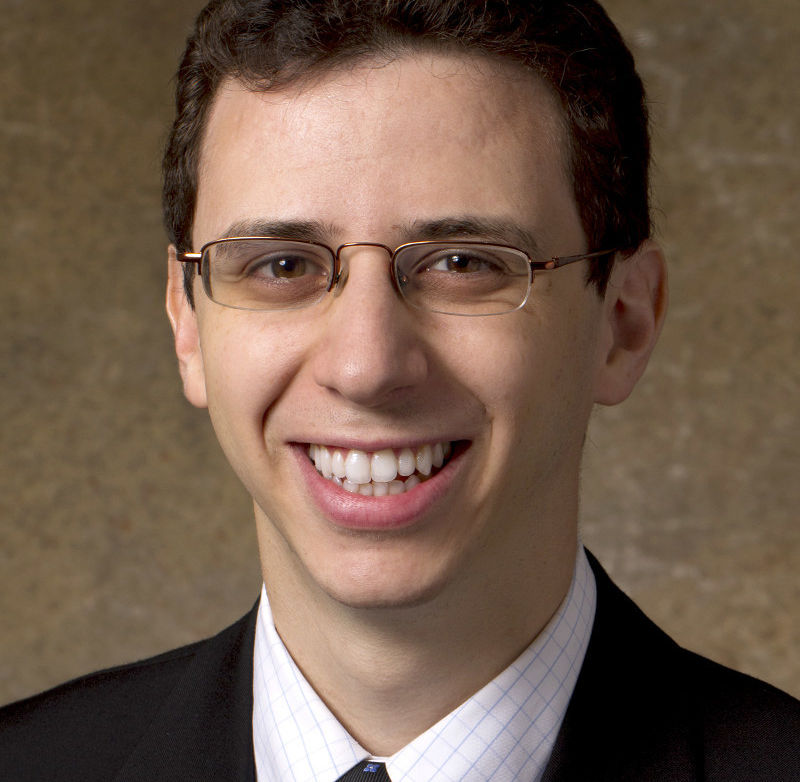 Ari B. Friedman合作论文数Department of Medical Ethics and Health Policy, Perelman School of Medicine, University of Pennsylvania2
 Kilaru Austin S合作论文数Perelman School of Medicine, University of Pennsylvania2
 Judy A. Shea合作论文数Division of General Internal Medicine, Department of Medicine, Perelman School of Medicine, University of Pennsylvania2Zoe Barbati合作论文数1Susan McGinley合作论文数1Nancy Mannion合作论文数1Claire Bocage合作论文数1Evan Spencer合作论文数1Mohan Balachandran合作论文数1Daniel Lee合作论文数1Neda Kahn合作论文数1
 Christina O'Malley合作论文数1Maria N Nelson合作论文数1William Fisher合作论文数1Michaela Ward合作论文数1Doreen Lam合作论文数1
 Andrew Parambath合作论文数Division of Orthopaedics, The Children's Hospital of Philadelphia1
 Ann Marie Huffenberger合作论文数Univ Penn, Philadelphia, PA 19104 USA1Chelsea Ward McIntosh合作论文数Children's Hospital of Philadelphia1Lauren Hahn合作论文数1
 Zarina S. Ali合作论文数Department of Neurosurgery, Perelman School of Medicine, University of Pennsylvania1David Do合作论文数Department of Neurology, Perelman School of Medicine, University of Pennsylvania1Anish K Agarwal合作论文数Department of Emergency Medicine, Perelman School of Medicine, University of Pennsylvania1
 Nandita Mitra合作论文数Department of Biostatistics, Epidemiology and Informatics, Perelman School of Medicine, University of Pennsylvania1
 Dylan Small合作论文数Department of Statistics and Data Science, The Wharton School, The University of Pennsylvania;The Leonard Davis Institute of Health Economics, The University of Pennsylvania1
 David A. Asch合作论文数Department of Medicine, Perelman School of Medicine, University of Pennsylvania;Hospital of the University of Pennsylvania1




