Many applications in aerodynamics, particularly in closed-loop control, depend on sensors to estimate the evolving state of the flow. This estimation task is inherently accompanied by uncertainty due to the noisy measurements of sensors or the non-uniqueness of the underlying mapping. Knowledge of this uncertainty can be as important for decision-making as that of the state itself. Uncertainty tracking is challenged by the often-nonlinear relationship between the measurements and the flow state. For example, a collection of passing vortices leaves a footprint in wall pressure that depends nonlinearly on the vortices' strengths and positions. In this paper, we outline recent approaches to flow estimation and illuminate them with worked examples and selected case studies. We review relevant probability tools, including sampling and estimation, in the powerful setting of Bayesian inference and demonstrate these in static flow estimation examples. We then review unsteady examples and illustrate the application of sequential estimation, and particularly, the ensemble Kalman filter. Finally, we discuss uncertainty quantification in neural network approximations of the mappings between sensor measurements and flow states. Recent aerodynamic applications have shown that the flow state can be encoded into a very low-dimensional latent space. We discuss the uncertainty implications of this encoding.
This paper presents a novel machine-learning framework for reconstructing low-order gust-encounter flow field and lift coefficients from sparse, noisy surface pressure measurements. Our study thoroughly investigates the time-varying response of sensors to gust-airfoil interactions, uncovering valuable insights into optimal sensor placement. To address uncertainties in deep learning predictions, we implement probabilistic regression strategies to model both epistemic and aleatoric uncertainties. Epistemic uncertainty, reflecting the model's confidence in its predictions, is modeled using Monte Carlo dropout, as an approximation to the variational inference in the Bayesian framework, treating the neural network as a stochastic entity. On the other hand, aleatoric uncertainty, arising from noisy input measurements, is captured via learned statistical parameters, which propagates measurement noise through the network into the final predictions. Our results showcase the efficacy of this dual uncertainty quantification strategy in accurately predicting aerodynamic behavior under extreme conditions while maintaining computational efficiency, underscoring its potential to improve online sensor-based flow estimation in real-world applications.
This paper introduces a Bayesian inference framework for two-dimensional steady-state heat conduction, focusing on the estimation of unknown distributed heat sources in a thermally-conducting medium with uniform conductivity. The goal is to infer heater locations, strengths, and shapes using temperature assimilation in the Euclidean space, employing a Fourier series to represent each heater's shape. The Markov Chain Monte Carlo (MCMC) method, incorporating the random-walk Metropolis-Hasting algorithm and parallel tempering, is utilized for posterior distribution exploration in both unbounded and wall-bounded domains. Strong correlations between heat strength and heater area prompt caution against simultaneously estimating these two quantities. It is found that multiple solutions arise in cases where the number of temperature sensors is less than the number of unknown states. Moreover, smaller heaters introduce greater uncertainty in estimated strength. The diffusive nature of heat conduction smooths out any deformations in the temperature contours, especially in the presence of multiple heaters positioned near each other, impacting convergence. In wall-bounded domains with Neumann boundary conditions, the inference of heater parameters tends to be more accurate than in unbounded domains.
This work presents a fast, scalable, and uncertainty-aware methodology for real-time estimation of key aerodynamic states, including instantaneous vorticity fields and aerodynamic loads, during severe gust encounters where strong flow separation and vortex-gust interactions dominate the dynamics. The methodology, trained and tested on high-fidelity simulations of two-dimensional wing-gust encounters with sparse pressure data, combines physics-based ensemble filtering with data-driven surrogate modeling in a learned low-order space. Within this reduced space, latent dynamics and sensor observation operators are learned using neural networks, enabling efficient modeling of complex aerodynamic responses. These components are embedded within a low-rank Ensemble Kalman Filter (LREnKF), yielding a computationally efficient scheme that combines data-driven expressivity with physical interpretability in the original high-dimensional space. Because assimilation occurs entirely within the latent space, updates are fast enough for real-time use, ensuring that aerodynamic states can be continuously estimated from streaming pressure data. The filter corrects predictions predominantly in directions that are both dynamically significant and observable, improving efficiency and reducing spurious adjustments. An observability analysis shows how sensor informativeness evolves during wing-gust interactions, and sensor dropout experiments demonstrate that the LREnKF adaptively re-weights neighboring sensors to preserve estimation quality under degraded sensing.
The intrinsic high dimension of fluid dynamics is an inherent challenge to control of aerodynamic flows, and this is further complicated by a flow’s nonlinear response to strong disturbances. Deep reinforcement learning, which takes advantage of the exploratory aspects of reinforcement learning (RL) and the rich nonlinearity of a deep neural network, provides a promising approach to discover feasible control strategies. However, the typical model-free approach to reinforcement learning requires a significant amount of interaction between the flow environment and the RL agent during training, and this high training cost impedes its development and application. In this work, we propose a model-based reinforcement learning (MBRL) approach by incorporating a novel reduced-order model as a surrogate for the full environment. The model consists of a physics-augmented autoencoder, which compresses high-dimensional CFD flowfield snapshots into a three-dimensional latent space, and a latent dynamics model that is trained to accurately predict the long-time dynamics of trajectories in the latent space in response to action sequences. The accuracy and robustness of the model are demonstrated in the scenario of a pitching airfoil within a highly disturbed environment. Additionally, an application to a vertical-axis wind turbine in a disturbance-free environment is discussed in the Appendix. Based on the model trained in the pitching airfoil problem, we realize an MBRL strategy to mitigate lift variation during gust-airfoil encounters. We demonstrate that the policy learned in the reduced-order environment translates to an effective control strategy in the full CFD environment.
The principal stress-bearing component of bacterial cell walls is the tough, covalently linked peptidoglycan network. This active material maintains the shape and integrity of bacterial cells in the presence of high turgor pressures while constantly growing. It is not well understood how its extreme material properties derive from its molecular structure. The large stress in the cell wall demands a description going beyond small-strain approximations, an approach that has not been taken in the biomaterials community. We here derive a continuum elastic model of E. coli peptidoglycan (PG) in two steps: We first reduce the complex microscopic structure of the PG layer to the spring elements of a 2D hyperelastic triangular network, and then interpret those results in the context of finite-strain continuum theory. We present a self-contained formalism to study stress-strain relationships for large deformations and arbitrary anisotropies. We obtain the minimal model compatible with the available data on E. coli morphology and mechanics. We show that the strain hardening of PG leads to a stiffness matrix that is linearly proportional to the turgor pressure of the cell.
This study explores the application of deep reinforcement learning (RL) to design an airfoil pitch controller capable of minimizing lift variations in randomly disturbed flows. The controller, treated as an agent in a partially observable Markov decision process, receives non-Markovian observations from the environment, simulating practical constraints where flow information is limited to force and pressure sensors. Deep RL, particularly the TD3 algorithm, is used to approximate an optimal control policy under such conditions. Testing is conducted for a flat plate airfoil in two environments: a classical unsteady environment with vertical acceleration disturbances (i.e., a Wagner setup) and a viscous flow model with pulsed point force disturbances. In both cases, augmenting observations of the lift, pitch angle, and angular velocity with extra wake information (e.g., from pressure sensors) and retaining memory of past observations enhances RL control performance. Results demonstrate the capability of RL control to match or exceed standard linear controllers in minimizing lift variations. Special attention is given to the choice of training data and the generalization to unseen disturbances.
Background: Low wall shear stress (WSS) is predictive of aortic aneurysm growth and rupture. Yet, estimating WSS in a clinical setting is impractical, whereas measuring aneurysm geometry is feasible. This study investigates the association between saccular aneurysm geometry of the infrarenal aorta and WSS. Methods: Starting with a nonaneurysmal, patient-specific, computational fluid dynamics model of the aorta, saccular aneurysms of varying geometry were created by incrementally increasing the neck width and sac depth from 1 cm to 4 cm. The aspect ratio (the ratio between sac depth and neck width) varied between 0.25 and 4. The peak WSS, time-averaged WSS (TAWSS), and oscillatory shear index (OSI) were measured within the aneurysm sac. Results: Decreasing the neck width from 4 cm to 1 cm decreased the peak WSS by 69% and the TAWSS by 83%. Increasing the sac depth from 1 cm to 4 cm decreased the peak WSS by 55% and the OSI by 37%. The aspect ratio was negatively correlated to peak WSS (Rs-0.85; P < 0.001). Conclusions: In saccular aneurysms of the infrarenal aorta, a smaller neck width, deeper aneurysm sac, and larger aspect ratio are associated with lower peak WSS.
We study the instantaneous inference of an unbounded planar flow from sparse noisy pressure measurements. The true flow field comprises one or more regularized point vortices of various strength and size. We interpret the true flow's measurements with a vortex estimator, also consisting of regularized vortices, and attempt to infer the positions and strengths of this estimator assuming little prior knowledge. The problem often has several possible solutions, many due to a variety of symmetries. To deal with this ill-posedness and to quantify the uncertainty, we develop the vortex estimator in a Bayesian setting. We use Markov-chain Monte Carlo and a Gaussian mixture model to sample and categorize the probable vortex states in the posterior distribution, tailoring the prior to avoid spurious solutions. Through experiments with one or more true vortices, we reveal many aspects of the vortex inference problem. With fewer sensors than states, the estimator infers a manifold of equally-possible states. Using one more sensor than states ensures that no cases of rank deficiency arise. Uncertainty grows rapidly with distance when a vortex lies outside of the vicinity of the sensors. Vortex size cannot be reliably inferred, but the position and strength of a larger vortex can be estimated with a much smaller one. In estimates of multiple vortices their individual signs are discernible because of the non-linear coupling in the pressure. When the true vortex state is inferred from an estimator of fewer vortices, the estimate approximately aggregates the true vortices where possible.
Oscillating heat pipes (OHPs) consist of a serpentine capillary channel partially filled with liquid that is embedded in a thermally-conducting solid. They have significant advantages for cooling electronics and aerospace systems. The model reported here aims to capture the essential physics of an OHP with minimal complexity and treats some parameters typically derived from correlations or experiments (such as the film thickness and film triple point velocity) as functions with tunable constants to be estimated by data assimilation. This model contains two modules. The first uses a novel and flexible formulation of the conducting solid, solving the two-dimensional heat equation in a thin plate, with evaporators and condensers as immersed forcing terms and the OHP channel as an immersed line source. The second module solves one-dimensional fluid motion and heat transfer equations within the fluid-filled channels based on mass, momentum, and energy conservation, nucleate boiling, and bubble dryout. It extends the commonly-used film evaporation-condensation model, allowing both variable liquid film thickness and length and thereby enabling the model to capture dryout. These modules are weakly coupled, in that wall temperature in the channels are obtained from the first module and heat flux from the channels determines the line source strength. After minimal training, the thermal conductance calculated by this model shows good agreement with a wide range of experiments performed by Drolen et al. [1]. In particular, the model successfully predicts the experimentally-observed transition from stable OHP operation to dryout, for the first time to the authors' knowledge.
Superhydrophobic (SHPo) surfaces can capture a thin layer of air called a plastron under water to reduce skin friction. Although a similar to 30 % drag reduction has been recently reported with longitudinal micro-trench SHPo surfaces under a boat and in a towing tank, the results lacked the consistency to establish a clear trend. Designed based on Yu et al. (J. Fluid Mech, vol. 962, 2023, A9), this work develops and tests a series of high-performance SHPo surface coupons that can sustain a pinned plastron underneath a passenger motorboat revamped to reach 14 knots. Importantly, plastrons in a pinned state, not just their existence, are confirmed during flow experiments for the first time. All the drag-reduction data measured on different longitudinal micro-trenches are found to collapse if plotted against slip length in wall units. In comparison, aligned posts and transverse trenches show less and little drag reduction, respectively, confirming the adverse effect of the spanwise slip in turbulent flows. This report not only verifies SHPo surfaces can provide a consistent drag reduction at high speeds in open sea but also shows that one may predict the amount of drag reduction in turbulent flows using the physical slip length obtained for Stokes flows.
Abstract Large-amplitude flow disturbances such as gusts can drastically change the aerodynamic loads on machines. Developing active flow control strategies to mitigate these gusts is challenging because the flow response depends non-linearly on the gust parameters. Wind-tunnel experiments and computational models can explore this parameter space but suffer from individual limitations such as a sensor's limited field of view or modeling uncertainties. However, combining both tools through data assimilation can alleviate some issues and generate richer data sets. For accurate results, it is important that the computational model can realistically predict the flow in the wind tunnel. For this purpose, we present a computational model (a digital twin) for a low-speed aerodynamics wind tunnel with irrotational gust generation using suction at the top of the test section. The model couples a viscous flow solution without wind-tunnel walls with a potential flow to correct the normal velocity at the walls and model the suction. We demonstrate the simulation of gust responses using three examples and compare different airfoils and approximations to show their effects. In the last example, we illustrate how to apply this model for data assimilation with experiments by inferring the time-varying gust strength from synthetic velocity measurements.
Large-amplitude flow disturbances, or gusts, can drastically alter the aerodynamic forces on an airfoil and are regularly investigated through wind tunnel (or water tunnel) experiments. The gusts generated in those experiments are often further analyzed using numerical simulations, but usually without fully accounting for the wind tunnel walls or gust generator. The current work investigates the wind tunnel effects on the predicted lift response and flow field using a computational framework that models the viscous flow around the airfoil but treats the tunnel walls and gust generation as inviscid boundary conditions. We apply this model to three examples and compare the predicted gust response with the responses predicted by a free-space viscous model and a classical unsteady aerodynamics model to highlight the wind tunnel effects. We find that the wind tunnel modeling introduces non-negligible effects depending on the airfoil and gust configurations. These effects include the confinement effect of the wind tunnel walls and the triggering of flow separation when it does not occur in the corresponding free-space model. In the last example, we also note that this virtual counterpart of an actual wind tunnel can be paired with experiments through data assimilation to increase the accuracy of the gust response or perform parameter estimation.
A low-order vortex model has been developed for analysing the unsteady aerodynamics of airfoils. The model employs an infinitely thin vortex sheet in place of the attached boundary layer and a sheet of point vortices for the shed shear layer. The strength and direction of the vortex sheet shed at the airfoil trailing edge are determined by an unsteady Kutta condition. The roll-up of the ambient shear layer is represented by a unique point vortex, which is consistently fed circulation by the last point vortex of the free vortex sheet. The model's dimensionality is reduced by using three tuning parameters to balance representational accuracy and computational efficiency. The performance of the model is evaluated through experiments involving impulsively started and heaving and pitching airfoils. The model accurately captures the dynamics of the development and evolution of the shed vortical structure while requiring minimal computational resources. The validity of the model is confirmed through comparison with experimental force measurements and a baseline unsteady panel method that does not transfer circulation in the free vortex sheet.
Heavy tails is a common feature of filtering distributions that results from the nonlinear dynamical and observation processes as well as the uncertainty from physical sensors. In these settings, the Kalman filter and its ensemble version - the ensemble Kalman filter (EnKF) - that have been designed under Gaussian assumptions result in degraded performance. t-distributions are a parametric family of distributions whose tail-heaviness is modulated by a degree of freedom $\nu$. Interestingly, Cauchy and Gaussian distributions correspond to the extreme cases of a t-distribution for $\nu = 1$ and $\nu = \infty$, respectively. Leveraging tools from measure transport (Spantini et al., SIAM Review, 2022), we present a generalization of the EnKF whose prior-to-posterior update leads to exact inference for t-distributions. We demonstrate that this filter is less sensitive to outlying synthetic observations generated by the observation model for small $\nu$. Moreover, it recovers the Kalman filter for $\nu = \infty$. For nonlinear state-space models with heavy-tailed noise, we propose an algorithm to estimate the prior-to-posterior update from samples of joint forecast distribution of the states and observations. We rely on a regularized expectation-maximization (EM) algorithm to estimate the mean, scale matrix, and degree of freedom of heavy-tailed \textit{t}-distributions from limited samples (Finegold and Drton, arXiv preprint, 2014). Leveraging the conditional independence of the joint forecast distribution, we regularize the scale matrix with an $l1$ sparsity-promoting penalization of the log-likelihood at each iteration of the EM algorithm. By sequentially estimating the degree of freedom at each analysis step, our filter can adapt its prior-to-posterior update to the tail-heaviness of the data. We demonstrate the benefits of this new ensemble filter on challenging filtering problems.
The immersed boundary method (IBM) of Peskin (J. Comput. Phys., 1977), and derived forms such as the projection method of Taira and Colonius (J. Comput. Phys., 2007), have been useful for simulating flow physics in problems with moving interfaces on stationary grids. However, in their interface treatment, these methods do not distinguish one side from the other, but rather, apply the motion constraint to both sides, and the associated interface force is an inseparable mix of contributions from each side. In this work, we define a discrete Heaviside function, a natural companion to the familiar discrete Dirac delta function (DDF), to define a masked version of each field on the grid which, to within the error of the DDF, takes the intended value of the field on the respective sides of the interface. From this foundation we develop discrete operators and identities that are uniformly applicable to any surface geometry. We use these to develop extended forms of prototypical partial differential equations, including Poisson, convection-diffusion, and incompressible Navier-Stokes, that govern the discrete masked fields. These equations contain the familiar forcing term of the IBM, but also additional terms that regularize the jumps in field quantities onto the grid and enable us to individually specify the constraints on field behavior on each side of the interface. Drawing the connection between these terms and the layer potentials in elliptic problems, we refer to them generically as immersed layers. We demonstrate the application of the method to several representative problems, including two-dimensional incompressible flows inside a rotating cylinder and external to a rotating square.
We propose a regularization method for ensemble Kalman filtering (EnKF) with elliptic observation operators. Commonly used EnKF regularization methods suppress state correlations at long distances. For observations described by elliptic partial differential equations, such as the pressure Poisson equation (PPE) in incompressible fluid flows, distance localization should be used cautiously, as we cannot disentangle slowly decaying physical interactions from spurious long-range correlations. This is particularly true for the PPE, in which distant vortex elements couple nonlinearly to induce pressure. Instead, these inverse problems have a low effective dimension: low-dimensional projections of the observations strongly inform a low-dimensional subspace of the state space. We derive a low-rank factorization of the Kalman gain based on the spectrum of the Jacobian of the observation operator. The identified eigenvectors generalize the source and target modes of the multipole expansion, independently of the underlying spatial distribution of the problem. Given rapid spectral decay, inference can be performed in the low-dimensional subspace spanned by the dominant eigenvectors. This low-rank EnKF is assessed on dynamical systems with Poisson observation operators, where we seek to estimate the positions and strengths of point singularities over time from potential or pressure observations. We also comment on the broader applicability of this approach to elliptic inverse problems outside the context of filtering.
We propose here a method to experimentally quantify unsteady leading-edge flow separation on aerofoils with finite thickness. The methodology relies on the computation of a leading-edge suction parameter based on measured values of the partial circulation around the leading edge and the stagnation point location. We validate the computation of the leading-edge suction parameter for both numerical and experimental data under steady and unsteady flow conditions. The leading-order approximation of the definition of the leading-edge suction parameter is proven to be sufficiently accurate for the application to thin aerofoils such as the NACA0009 without a priori knowledge of the stagnation point location. The higher-order terms including the stagnation point location are required to reliably compute the leading-edge suction parameter on thicker aerofoils such as the NACA0015. The computation of the leading-edge suction parameter from inviscid flow theory does not assume the Kutta condition to be valid at the trailing edge which allows us to compute its value for separated flows. The relation between the leading-edge suction parameter and the evolution of the shear layer height is studied in two different unsteady flow conditions, a fixed aerofoil in a fluctuating free-stream velocity and a pitching aerofoil in a steady free stream. We demonstrate here that the instantaneous value of the leading-edge suction parameter based on the partial circulation around the leading edge is unambiguously defined for a given flow field and can serve as a directly quantitative measure of the degree of unsteady flow separation at the leading edge.
Potential flow has many applications, including the modelling of unsteady flows in aerodynamics. For these models to work efficiently, it is best to avoid Biot-Savart interactions. This work presents a grid-based treatment of potential flows in two dimensions and its use in a vortex model for simulating unsteady aerodynamic flows. For flows consisting of vortex elements, the treatment follows the vortex-in-cell approach and solves the streamfunction-vorticity Poisson equation on a Cartesian grid after transferring the circulation from the vortices onto the grid. For sources and sinks, an analogous approach can be followed using the scalar potential. The combined velocity field due to vortices, sinks, and sources can then be obtained using the Helmholtz decomposition. In this work, we use several key tools that ensure the approach works on arbitrary geometries, with and without sharp edges. Firstly, the immersed boundary projection method is used to account for bodies in the flow and the resulting body-forcing Lagrange multiplier is identified as the bound vortex sheet strength. Secondly, sharp edges are treated by decomposing the vortex sheet strength into a singular and smooth part. To enforce the Kutta condition, the smooth part can then be constrained to remove the singularity introduced by the sharp edge. These constraints and the Poisson equation are formulated as a saddle-point system and solved using the Schur complement method. The lattice Green's function is used to efficiently solve the discrete Poisson equation with unbounded boundary conditions. The method and its accuracy are demonstrated for several problems.
 Chong Kwitae合作论文数15
 John Kim合作论文数Samueli School of Engineering, University of California, Los Angeles14
 Peyman Benharash合作论文数David Geffen School of Medicine at UCLA and Greater Los Angeles Veterans Hospital13
 Xiaolin Zhong (钟小林)合作论文数Mechanical and Aerospace Engineering Department, Samueli School of Engineering, University of California, Los Angeles13
 Erik Dutson合作论文数Huggins Hospital13
 Mathieu Le Provost合作论文数Mech & Aerosp Engn Dept, Univ Calif Los Angeles12
 Tim Colonius合作论文数Andrew and Peggy Cherng Department of Medical Engineering, Division of Engineering and Applied Science, California Institute of Technology;Department of Mechanical and Civil Engineering, Division of Engineering and Applied Science, California Institute of Technology12Chengjie Wang合作论文数Simer Inc10
 David R. Williams合作论文数Research School of Physical Sciences and Engineering, Australian National University9Daniel Canuto合作论文数8
 Ricardo Baptista合作论文数Massachusetts Institute of Technology7Jonathan Toomey合作论文数7
 Joseph M. Teran合作论文数Department of Mathematics, University of California, Davis7Michael A. Calkins合作论文数6Diederik Beckers合作论文数6
 Jean-Pierre Hubschman合作论文数Department of Bioengineering, School of Engineering, University of California, Los Angeles6
 Youssef M. Marzouk合作论文数Department of Aeronautics and Astronautics, Massachusetts Institute of Technology;Center for Computational Science and Engineering, Massachusetts Institute of Technology;Aerospace Computational Design Laboratory, Massachusetts Institute of Technology6maher lagha合作论文数5
 Albert Medina合作论文数5Yi-Jui Chang合作论文数5Stuart Smith合作论文数5
 Jonathan Aurnou合作论文数Department of Earth, Planetary, and Space Sciences, College of Physical Sciences, University of California5Megan Wilson合作论文数5Xuanhong An合作论文数4Patrick T. Greene合作论文数4
 Maziar S. Hemati合作论文数Dept Aerosp Engn & Mech, Univ Minnesota4
 Chien-Jung Huang合作论文数Livermore Software Technology Corporation4
 Sanjay M. Mallya合作论文数School of Dentistry, University of California, Los Angeles4
 Anand Santhanam合作论文数Departmentof Radiation Oncology, University of California, Los Angeles4Syed Rehman合作论文数4Jerome Noir合作论文数Inst Geophys, ETH4
 Xiaowei He合作论文数3
 Andre Fernando de Castro da Silva合作论文数Instituto Tecnologico de Aeronautica3
 Wei Hou合作论文数California Institute of Technology3
 Julien Deparday合作论文数Inst Energy Technol, Eastern Switzerland Univ Appl Sci OST3
 Karen Mulleners合作论文数School of Engineering, École Polytechnique Fédérale de Lausanne3
 Scott David Kelly合作论文数3Michael V. Ol合作论文数Wright-Patterson AFB Air Force Research Lab Dayton OH USA3
 Ann Dowling (安道琳)合作论文数Division of Energy, Fluids and Turbomachinery, Department of Engineering, University of Cambridge3
 Navid Dehdari Ebrahimi合作论文数Department of Mechanical and Aerospace Engineering, UCLA2
 Andrea Leonard合作论文数Univ Washington, Dept Mech Engn, Seattle, WA 98195 USA2Cayley Bowles合作论文数Stanford Univ, Dept Cardiothorac Surg, Stanford, CA 94305 USA2
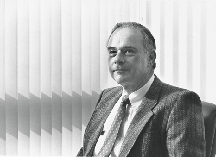 Jason L. Speyer合作论文数Electrical and Computer Engineering Department, School of Engineering, University of California2Juan Tingting合作论文数2
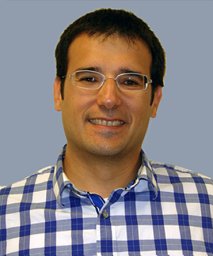 Luigi Perotti合作论文数Department of Mechanical and Aerospace Engineering, University of California;Department of Bioengineering, University of California,;Department of Radiological Sciences, University of California,;University of California, University of California2
 Joe Luis Pantoja合作论文数2
 Haecheon Choi合作论文数School of Mechanical and Aerospace Engineering, Seoul National University;Center for Turbulence and Flow Control Research, Seoul National University;Turbulence, Flow Control & CFD Laboratory, Seoul National University;Bio-mimetic Engineering Laboratory, Seoul National University2
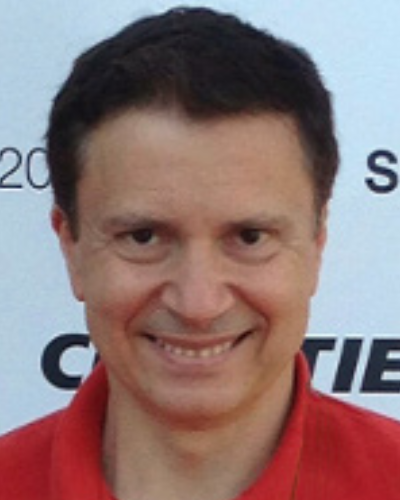 Demetri Terzopoulos合作论文数Computer Graphics & Vision Laboratory, Department of Computer Science, Samueli School of Engineering, University of California, Los Angeles2
 Chenfanfu Jiang (蒋陈凡夫)合作论文数Department of Mathematics, University of California, Los Angeles2




