Cerebral organoids have emerged as robust models for neurodevelopmental and pathological processes, as well as a powerful discovery platform for less-characterized neurobiological programs. Toward this prospect, we leverage mass-spectrometry-based proteomics to molecularly profile precursor and neuronal compartments of both human-derived organoids and mid-gestation fetal brain tissue to define overlapping programs. Our analysis includes recovery of precursor-enriched transcriptional regulatory proteins not found to be differentially expressed in previous transcriptomic datasets. To highlight the discovery potential of this resource, we show that RUVBL2 is preferentially expressed in the SOX2-positive compartment of organoids and that chemical inactivation leads to precursor cell displacement and apoptosis. To explore clinicopathological correlates of this cytoarchitectural disruption, we interrogate clinical datasets and identify rare de novo genetic variants involving RUVBL2 in patients with neurodevelopmental impairments. Together, our findings demonstrate how cell-type-specific profiling of organoids can help nominate previously unappreciated genes in neurodevelopment and disease.
Acute mild respiratory SARS-CoV-2 infection can lead to a more chronic cognitive syndrome known as "COVID fog.'' New findings from Ferna' ndez-Castaneda et al. reveal how glial dysregulation and consequent neural circuit dysfunction may contribute to cognitive impairments in long COVID.
Cerebral organoids have emerged as faithful humanoid avatars for modeling advanced neurodevelopmental and pathological processes. Additionally, they serve as a powerful discovery platform for less characterized neurobiological programs. Towards this later prospect, we leveraged mass spectrometry-based proteomics to molecularly profile precursor and more committed neural compartments of both human-derived organoids and mid-gestation fetal brain tissue, to define overlapping protein-level programs. Interestingly, our analysis included numerous precursor-enriched transcriptional regulatory proteins that were notably not found to be differentially expressed in previous transcriptomic datasets. Specifically, we show that the RuvB-like 2 (RUVBL2) AAA-type ATPase is preferentially expressed in the SOX2-positive compartment of cerebral organoids and chemical inactivation leads to precursor cell displacement and apoptosis within the more mature DCX-positive niche. To explore potential clinicopathological correlates of this cytoarchitectural disruption, we interrogated clinical datasets, and identified rare de novo genetic variants involving RUVBL2 in patients diagnosed with neurodevelopmental and autism spectrum disorders. Together, our study demonstrates how cell-type specific and phenotype-level profiling of cerebral organoids can help nominate and implicate previously unappreciated genes in neurodevelopment and disease.
The prevalence of dementia and other neurodegenerative diseases is rapidly increasing in aging nations. These relentless and progressive diseases remain largely without disease-modifying treatments despite decades of research and investments. It is becoming clear that traditional two-dimensional culture and animal model systems, while providing valuable insights on the major pathophysiological pathways associated with these diseases, have not translated well to patients' bedside. Fortunately, the advent of induced-pluripotent stem cells and three-dimensional cell culture now provide tools that are revolutionizing the study of human diseases by permitting analysis of patient-derived human tissue with non-invasive procedures. Specifically, brain organoids, self-organizing neural structures that can mimic human fetal brain development, have now been harnessed to develop alternative models of Alzheimer's disease, Parkinson's disease, motor neuron disease, and Frontotemporal dementia by recapitulating important neuropathological hallmarks found in these disorders. Despite these early breakthroughs, several limitations need to be vetted in brain organoid models in order to more faithfully match human tissue qualities, including relative tissue immaturity, lack of vascularization and incomplete cellular diversity found in this culture system. Here, we review current brain organoid protocols, the pathophysiology of neurodegenerative disorders, and early studies with brain organoid neurodegeneration models. We then discuss the multiple engineering and conceptual challenges surrounding their use and provide possible solutions and exciting avenues to be pursued. Altogether, we believe that brain organoids models, improved with classical and emerging molecular and analytic tools, have the potential to unravel the opaque pathophysiological mechanisms of neurodegeneration and devise novel treatments for an array of neurodegenerative disorders.
Molecular characterization of diffuse gliomas has thus far largely focused on genomic and transcriptomic interrogations. Here, we utilized mass spectrometry and overlay protein-level information onto genomically defined cohorts of diffuse gliomas to improve our downstream molecular understanding of these lethal malignancies. Bulk and macrodissected tissues were utilized to quantitate 5,496 unique proteins over three glioma cohorts subclassified largely based on their IDH and 1p19q codeletion status (IDH wild type (IDHwt), n = 7; IDH mutated (IDHmt), 1p19q non-codeleted, n = 7; IDH mutated, 1p19q-codeleted, n = 10). Clustering analysis highlighted proteome and systems-level pathway differences in gliomas according to IDH and 1p19q-codeletion status, including 287 differentially abundant proteins in macrodissection-enriched tumor specimens. IDHwt tumors were enriched for proteins involved in invasiveness and epithelial to mesenchymal transition (EMT), while IDHmt gliomas had increased abundances of proteins involved in mRNA splicing. Finally, these abundance changes were compared with IDH-matched GBM stem-like cells (GSCs) to better pinpoint protein patterns enriched in putative cellular drivers of gliomas. Using this integrative approach, we outline specific proteins involved in chloride transport (e.g. chloride intracellular channel 1, CLIC1) and EMT (e.g. procollagen-lysine, 2-oxoglutarate 5-dioxygenase 3, PLOD3, and serpin peptidase inhibitor clade H member 1, SERPINH1) that showed concordant IDH-status-dependent abundance differences in both primary tissue and purified GSC cultures. Given the downstream position proteins occupy in driving biology and phenotype, understanding the proteomic patterns operational in distinct glioma subtypes could help propose more specific, personalized, and effective targets for the management of patients with these aggressive malignancies.
We recently discovered 27 recurrent DNA double-strand break (DSB) clusters (RDCs) in mouse neural stem/progenitor cells (NSPCs). Most RDCs occurred across long, late-replicating RDC genes and were found only after mild inhibition of DNA replication. RDC genes share intriguing characteristics, including encoding surface proteins that organize brain architecture and neuronal junctions, and are genetically implicated in neuropsychiatric disorders and/or cancers. RDC identification relies on high-throughput genome-wide translocation sequencing (HTGTS), which maps recurrent DSBs based on their translocation to “bait” DSBs in specific chromosomal locations. Cellular heterogeneity in 3D genome organization allowed unequivocal identification of RDCs on 14 different chromosomes using HTGTS baits on three mouse chromosomes. Additional candidate RDCs were also implicated, however, suggesting that some RDCs were missed. To more completely identify RDCs, we exploited our finding that joining of two DSBs occurs more frequently if they lie on the same cis chromosome. Thus, we used CRISPR/Cas9 to introduce specific DSBs into each mouse chromosome in NSPCs that were used as bait for HTGTS libraries. This analysis confirmed all 27 previously identified RDCs and identified many new ones. NSPC RDCs fall into three groups based on length, organization, transcription level, and replication timing of genes within them. While mostly less robust, the largest group of newly defined RDCs share many intriguing characteristics with the original 27. Our findings also revealed RDCs in NSPCs in the absence of induced replication stress, and support the idea that the latter treatment augments an already active endogenous process.
MicroRNAs are potent regulators of gene expression that have been widely implicated in reproduction and embryo development. Recent studies have demonstrated that miR-21, a microRNA extensively studied in the context of disease, is important in multiple facets of reproductive biology including folliculogenesis, ovulation, oocyte maturation and early mammalian development. Surprisingly, little is known about the mechanisms that regulate miR-21 and no studies have characterized these regulatory pathways in cumulus-oocyte complexes (COCs). We therefore investigated miR-21 in an in vitro model of bovine oocyte maturation. Levels of the primary transcript of miR-21 (pri-miR-21) and mature miR-21 increased markedly in COCs over the maturation period. Cloning of the bovine pri-miR-21 gene and promoter by 5′3′RACE (rapid amplification of cDNA ends) revealed a highly conserved region immediately upstream of the transcription start site and two alternatively-spliced variants of pri-miR-21. The promoter region contained several putative transcription factor binding sites, including two for signal transducer and activator of transcription 3 (STAT3). Mutation of these sites significantly decreased both the intrinsic activity of pri-miR-21 promoter-luciferase constructs and the response to leukemia inhibitory factor (LIF) (a STAT3 activator) in cultured MCF7 cells. In COCs, treatment with a STAT3 pathway inhibitor markedly decreased pri-miR-21 expression and prevented cumulus expansion. Pri-miR-21 expression was also inhibited by the protein synthesis inhibitor cycloheximide, suggesting that a protein ligand or signaling cofactor synthesized during maturation is necessary for transcription. Together these studies represent the first investigation of signaling pathways that directly influence miR-21 expression in bovine oocytes and cumulus cells.
Ig heavy chain (IgH) class switch recombination (CSR) in B lymphocytes switches IgH constant regions to change antibody functions. CSR is initiated by DNA double-strand breaks (DSBs) within a donor IgH switch (S) region and a downstream acceptor S region. CSR is completed by fusing donor and acceptor S region DSB ends by classical nonhomologous end-joining (C-NHEJ) and, in its absence, by alternative end-joining that is more biased to use longer junctional microhomologies (MHs). Deficiency for DSB response (DSBR) factors, including ataxia telangiectasia-mutated (ATM) and 53BP1, variably impair CSR end-joining, with 53BP1 deficiency having the greatest impact. However, studies of potential impact of DSBR factor deficiencies on MH-mediated CSR end-joining have been technically limited. We now use a robust DSB joining assay to elucidate impacts of deficiencies for DSBR factors on CSR and chromosomal translocation junctions in primary mouse B cells and CH12F3 B-lymphoma cells. Compared with wild-type, CSR and c-myc to S region translocation junctions in the absence of 53BP1, and, to a lesser extent, other DSBR factors, have increased MH utilization; indeed, 53BP1-deficient MH profiles resemble those associated with C-NHEJ deficiency. However, translocation junctions between c-myc DSB and general DSBs genome-wide are not MH-biased in ATM-deficient versus wild-type CH12F3 cells and are less biased in 53BP1-and C-NHEJ-deficient cells than CSR junctions or c-myc to S region translocation junctions. We discuss potential roles of DSBR factors in suppressing increased MH-mediated DSB end-joining and features of S regions that may render their DSBs prone to MH-biased end-joining in the absence of DSBR factors.
This White Paper reviews the empirical evidence on pharmaceutical regulation and private research investments from the health economics and health policy literature regarding off-label drug use and related topics. First, off-label use is defined and the rationale for government regulation is reviewed. The subsequent sections brings evidence from the literature to bear on pharmaceutical regulation, promotion, and private investments. Finally, the concluding section lists useful datasets for researchers interested in studying off-label use. I am grateful to David Cutler, Ariel Stern and Value of Medical Research Pre-Doctoral Meeting participants for helpful comments and suggestions. Research reported in this publication was supported by the National Institute on Aging under Award Number R24AG048059 to the National Bureau of Economic Research. The content is solely the responsibility of the authors and does not necessarily represent the official views of the National Institutes of Health or NBER.
High-throughput, genome-wide translocation sequencing (HTGTS) studies of activated B cells have revealed that DNA double-strand breaks (DSBs) capable of translocating to defined bait DSBs are enriched around the transcription start sites (TSSs) of active genes. We used the HTGTS approach to investigate whether a similar phenomenon occurs in primary neural stem/progenitor cells (NSPCs). We report that breakpoint junctions indeed are enriched around TSSs that were determined to be active by global run-on sequencing analyses of NSPCs. Comparative analyses of transcription profiles in NSPCs and B cells revealed that the great majority of TSS-proximal junctions occurred in genes commonly expressed in both cell types, possibly because this common set has higher transcription levels on average than genes transcribed in only one or the other cell type. In the latter context, among all actively transcribed genes containing translocation junctions in NSPCs, those with junctions located within 2 kb of the TSS show a significantly higher transcription rate on average than genes with junctions in the gene body located at distances greater than 2 kb from the TSS. Finally, analysis of repair junction signatures of TSS-associated translocations in wild-type versus classical nonhomologous endjoining (C-NHEJ)-deficient NSPCs reveals that both C-NHEJ and alternative end-joining pathways can generate translocations by joining TSS-proximal DSBs to DSBs on other chromosomes. Our studies show that the generation of transcription-associated DSBs is conserved across divergent cell types.
Repair of DNA double-strand breaks (DSBs) by non-homologous end joining is critical for neural development, and brain cells frequently contain somatic genomic variations that might involve DSB intermediates. We now use an unbiased, high-throughput approach to identify genomic regions harboring recurrent DSBs in primary neural stem/progenitor cells (NSPCs). We identify 27 recurrent DSB clusters (RDCs), and remarkably, all occur within gene bodies. Most of these NSPC RDCs were detected only upon mild, aphidicolin-induced replication stress, providing a nucleotide-resolution view of replication-associated genomic fragile sites. The vast majority of RDCs occur in long, transcribed, and late-replicating genes. Moreover, almost 90% of identified RDC-containing genes are involved in synapse function and/or neural cell adhesion, with a substantial fraction also implicated in tumor suppression and/or mental disorders. Our characterization of NSPC RDCs reveals a basis of gene fragility and suggests potential impacts of DNA breaks on neurodevelopment and neural functions.
Reactive oxygen species (ROS) such as hydrogen peroxide (H2O2) govern cellular homeostasis by inducing signaling. H2O2 modulates the activity of phosphatases and many other signaling molecules through oxidation of critical cysteine residues, which led to the notion that initiation of ROS signaling is broad and nonspecific, and thus fundamentally distinct from other signaling pathways. Here, we report that H2O2 signaling bears hallmarks of a regular signal transduction cascade. It is controlled by hierarchical signaling events resulting in a focused response as the results place the mitochondrial respiratory chain upstream of tyrosine-protein kinase Lyn, Lyn upstream of tyrosine-protein kinase SYK (Syk), and Syk upstream of numerous targets involved in signaling, transcription, translation, metabolism, and cell cycle regulation. The active mediators of H2O2 signaling colocalize as H2O2 induces mitochondria-associated Lyn and Syk phosphorylation, and a pool of Lyn and Syk reside in the mitochondrial intermembrane space. Finally, the same intermediaries control the signaling response in tissues and species responsive to H2O2 as the respiratory chain, Lyn, and Syk were similarly required for H2O2 signaling in mouse B cells, fibroblasts, and chicken DT40 B cells. Consistent with a broad role, the Syk pathway is coexpressed across tissues, is of early metazoan origin, and displays evidence of evolutionary constraint in the human. These results suggest that H2O2 signaling is under control of a signal transduction pathway that links the respiratory chain to the mitochondrial intermembrane space-localized, ubiquitous, and ancient Syk pathway in hematopoietic and nonhematopoietic cells.
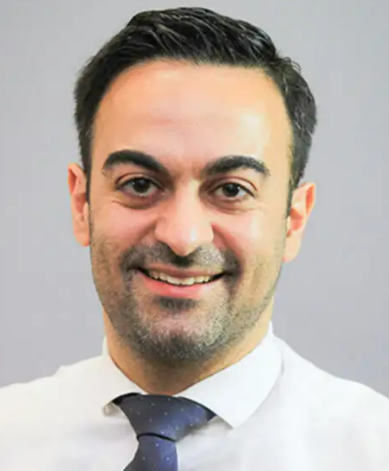 Phedias Diamandis合作论文数Department of Laboratory Medicine and Pathobiology, Temerty Faculty of Medicine, University of Toronto5
 Pei-Chi Wei合作论文数Harvard Med Sch, Howard Hughes Med Inst, Boston, MA 02115 USA4
 Djuric Ugljesa合作论文数Departments of Human Genetics and Obstetrics and Gynecology, McGill University Health Center4
 Zhou Du (杜舟)合作论文数Tongji University4
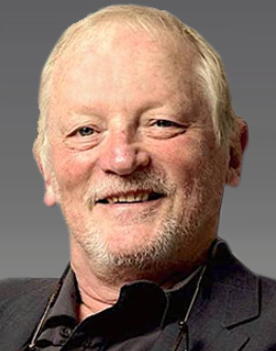 Frederick W. Alt合作论文数Department of Genetics, Blavatnik Institute, Harvard Medical School;Department of Pediatrics, Boston Children's Hospital4
 Michail-Dimitrios Papaioannou合作论文数Princess Margaret Cancer Centre3
 Bjoern Schwer合作论文数Institute of Virology and Immunology, University of California Gladstone3K H Brian Lam合作论文数2Jennifer L Howe合作论文数2Sofia Melliou合作论文数2Kevin T. Sangster合作论文数2Rifat Shahriar Sajid合作论文数2Queenie Tsang合作论文数2
 Dimitri James Stavropoulos合作论文数Department of Laboratory Medicine and Pathobiology, Temerty Faculty of Medicine, University of Toronto2
 Patrick Shannon合作论文数Department of Laboratory Medicine and Pathobiology, Temerty Faculty of Medicine, University of Toronto2
 Robin M. Meyers合作论文数Howard Hughes Medical Institute;Program in Cellular and Molecular Medicine, Boston Children’s Hospital;Department of Genetics, Harvard Medical School;Howard Hughes Medical Institute, Harvard Medical School2Amelia Chang合作论文数Howard Hughes Medical Institute;Program in Cellular and Molecular Medicine, Boston Children’s Hospital;Department of Genetics, Harvard Medical School2Céline Bonnet合作论文数Hôpitaux de Brabois-Hôpital d’Enfants, Centre Hospitalier Universitaire2
 Mehdi Zarrei合作论文数Royal Botanic Gardens Kew2Bruno Leheup合作论文数2Ihor Batruch合作论文数2
 Stephen Scherer合作论文数Department of Molecular Genetics, Temerty Faculty of Medicine, University of Toronto;The Centre for Applied Genomics, The Hospital for Sick Children;Institute of Medical Science, University of Toronto;The McLaughlin Centre, Faculty of Medicine, University of Toronto2F. -Nora Voegtle合作论文数1M. Michael Harden合作论文数1Jeffrey Zurita合作论文数1Ken Aldape合作论文数1Rui Song合作论文数1Karl Grenier合作论文数Parkinson Society Canada, Canadian Institutes of Health Research1
 Yoav Shaul合作论文数The Institute for Medical Research Israel-Canada, Hebrew University of Jerusalem1
 Stefan D. Jevtic合作论文数1Vipul Kumar合作论文数1Rohit A. Panchakshari合作论文数Program in Cellular and Molecular Medicine and Immune Disease Institute, Boston Children’s Hospital;Department of Genetics, Harvard Medical School;Howard Hughes Medical Institute;Harvard Medical School, Howard Hughes Medical Institute1Stokes Matthew P合作论文数1
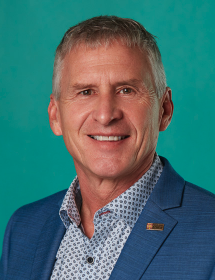 Marc André Sirard合作论文数Centre de Recherche en Reproduction, Developpement et Sante Intergenerationnelle, Universite Laval;Departement des Sciences Animales, Faculte des Sciences de l'Agriculture et de l'Alimentation;Institut sur la Nutrition et les Aliments Fonctionnels, Universite Laval1Klekner Almos合作论文数1Prathapan Thiru合作论文数1
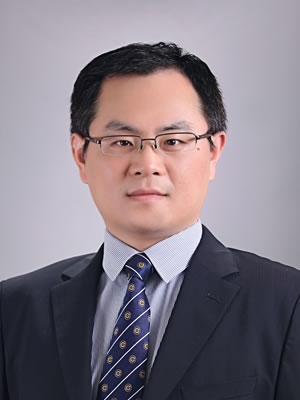 Junchao Dong (董俊超)合作论文数Zhongshan School of Medicine, Sun Yat-Sen University1Gerbeth Carolin合作论文数1Huang Cher X合作论文数Whitehead Institute for Biomedical Research, Massachusetts Institute of Technology1Shahsafaei Aliakbar合作论文数1
 Leanne Stalker合作论文数1
 Daniel Macarthur合作论文数Centre for Population Genomics, Murdoch Children's Research Institute;Centre for Population Genomics, Garvan Institute of Medical Research;Faculty of Medicine, University of New South Wales1
 Marko Knoll合作论文数Roche Diagnostics Europe1
 Paul Frankland合作论文数Department of Psychology, Faculty of Arts & Science, University of Toronto;Hospital for Sick Children1
 Allison Tscherner合作论文数1Lee Cheng-Sheng合作论文数1
 Harvey F. Lodish合作论文数Department of Biology, Massachusetts Institute of Technology;Department of Biological Engineering, Massachusetts Institute of Technology;Whitehead Institute1
 Yu-Xiang Zhang合作论文数1
 Xuefei Zhang (张学飞)合作论文数Biomedical Pioneering Innovation Center, Peking University;Beijing Advanced Innovation Center for Genomics1




