This study aimed to determine the optimal maize NPK microdosing rate in Mali and compare labor requirements for mechanized versus manual sowing and fertilization across three locations with varying rainfall. The treatments included six microdosing rates, ranging from zero to 93 kg NPK/ha (3 g NPK/hill), and the recommended rate of 100 kg NPK/ha applied by row application. All treatments received an additional 150 kg urea/ha. Grain yield was significantly increased with NPK application up to 93.7 kg/ha, resulting in a 61.3
ABSTRACTThe pearl millet value chain in Niger, from sowing to the production of millet flour, is mainly done using manual labor. The objective of this study was to compare manual and motorized postharvest operations in pearl millet based on several criteria: output per hour, labor and energy demand, product quality, drudgery (measured by heart rate), profitability, farmers' perceptions of quality and cost of operations, and adoption rates. The study also assessed the conditions under which motorized operations could be adopted. The research methods included a survey of 200 households, interviews with entrepreneurs, and field measurements of both manual and motorized postharvest operations using the above criteria. An economic assessment was undertaken based on investment costs, time use, and the cost and income of each operation. The results showed that 72.5% of the households surveyed used motorized milling, whereas only 4% used motorized threshing. The time‐saving effect of motorization was the highest for milling (211 h/Mg), whereas it was lowest for threshing (21 h/Mg). Motorized processing of 1 Mg of millet grain adequate for a household's yearly needs saves 49 man‐days/year compared to manual methods. Quality measurements showed that only 38% of millet flour met quality standards after manual milling compared to 87% for motorized milling. By considering factors like fuel use and losses in the manual and motorized operations, it was found that motorized operations used 429 kWh/Mg less than the manual operation. Threshing is the most challenging postharvest operation to motorize, with investment costs four times higher than milling and dehulling, and lower profitability than other operations. Moreover, threshing and straw chopping are only done in the months following harvesting, whereas milling and dehulling services are in demand throughout the year. The study found that motorization of postharvest operations is an interesting option for farmers based on the criteria of time saving, quality of products, energy efficiency, reduction in women's workload, and profitability.
Au Mali, des changements rapides dû à la pression démographique et à la variabilité climatique sont intervenus ces dernières années. L’augmentation de la densité de population rurale, ne permet plus d’assurer un système durable de production. Pour remédier à ces contraintes, l’introduction et l’adoption des semences sont devenu une solution intournable. cette étude vise à analyser l’effet de production des variétés de mil Toroniou et Synthétique 006 diffusées au niveau des membres de la plateforme de Tingoni sur la sécurité alimentaire. Elle a été conduite pendant les campagnes 2020-2021, 2021-2022 et 2022-2023 auprès de 53 exploitations agricoles. Elle a consisté à faire un suivi et collecte de données permanent auprès des exploitations pendant les campagnes et complétée par les enquêtes individuelles à travers un questionnaire semi-structuré. Les données ont été saisies sur une base de données conçue sur Excel à cet effet. Ensuite, elles ont été analysées avec le logiciel STATA 14 et SPSS 25. Le score de consommation et Household Food Insecurity Access Scale (HFIAS)ont utilisé pour déterminer le niveau de consommation d’insécurité alimentaire des exploitations agricoles. Le statut de résidence des producteurs a une corrélation significative avec le niveau d’adoption des variétés de mil Toroniou et Synthétique 006. Les rendements moyens sont de 1037 kg/ha pour les adoptants des variétés de mil et 627 kg/ha pour les non adoptants. L’analyse de variance a montré une différence hautement significative (P≤0,001) entre les rendements suivant le statut des producteurs. L’analyse de la sécurité alimentaire des membres de la plateforme de Tingoni montre que 74 % des exploitations adoptantes ont une consommation acceptable contre 42 % pour les non adoptantes. Les conditions liées à l’insécurité alimentaire ont montré qu’environ 68 % des producteurs adoptants sont dans les bonnes conditions. Par contre Seulement 42 % sont dans les bonnes conditions pour les non adoptants. Les technologies (variétés de mil Toroniou et Synthétique 006) contribuent à l’amélioration des revenus des producteurs. Ces revenus issus de la vente des surplus de production permettent de diversifier la ration alimentaire des exploitations. Par conséquence, contribue au bien-être des membres de la plateforme d’innovation de Tingoni. In Mali, rapid changes due to demographic pressure and climate variability have occurred in recent years. The increase in rural population density no longer makes it possible to ensure a sustainable production system. To remedy these constraints, the introduction and adoption of seeds has become an unavoidable solution. This study aims to analyze the production effect of the millet varieties Toroniou and Synthetic 006 disseminated at the level of the members of the Tingoni platform on food security. It was conducted during the 2020-2021, 2021-2022 and 2022-2023 campaigns on 53 farms. It consisted of continuous monitoring and data collection from farms during the campaigns and was supplemented by individual surveys through a semi-structured questionnaire. The data was entered into a database designed in Excel for this purpose. Then, they were analyzed with the STATA 14 and SPSS 25 software. The Consumption Score and the EAIAM Score were used to determine the level of food insecurity consumption of farms. The residency status of growers has a significant correlation with the level of adoption of Toroniou and Synthetic 006 millet varieties. Average yields are 1037 kg/ha for adopters of millet varieties and 627 kg/ha for non-adopters. The analysis of variance showed a highly significant difference (P≤0.001) between yields according to producer status. The analysis of the food security of the members of the Tingoni platform shows that 74% of adopting farms have an acceptable consumption compared to 42% of non-adopters. Food insecure conditions have shown that about 68% of adoptive producers are in good condition. On the other hand, only 42% are in good condition for non-adopters. The technologies (Toroniou millet varieties and Synthetic 006) contribute to the improvement of producers' incomes. This income from the sale of surplus production makes it possible to diversify the food ration of farms. As a result, contributes to the well-being of the members of Tingoni's innovation platform.
Studies do not often provide evidence as to how innovations improve women smallholders’ livelihoods in male-headed households by analyzing women farmers in their own rights which is vital to develop and implement future gender responsive and transformative agricultural innovations. This study investigates if Climate Smart Agriculture (CSA) – specifically conservation agriculture (CA) and small-scale irrigation schemes (SSIS) – improve women smallholders’ livelihoods. A concurrent mixed method was applied, and data was collected using survey, in-depth interviews and focus group discussions (FGDs). Descriptive and t- statistics were used to analyze quantitative data and thematic and narrative analysis methods to analyze qualitative data. Findings demonstrate that gender norms and intersectional identities and experiences of women together with the absence of gender equity and equality based structural works limit improvement in women’s livelihoods. While the use of CA did not change both men and women farmers livelihoods, SSIS improved men users’ financial and physical capitals. Hence, future CSA innovations should first identify the root causes of contextual gender inequalities and CSA innovations should be implemented based on women smallholders needs, experiences and realities. Building women smallholders’ livelihood capitals through off-farm income-generating activities and broadening the operational scale of CSA innovations for addressing strategic gender needs are desired. Explicitly, there is a need to move to a gender transformative approach (GTA) when implementing CSA innovations as GTA challenges and transforms gender norms and intersectional problems including unequal gendered access to livelihood capitals and decision-making power, unequal gender role distributions and gendered representations and implementation processes in economic policies.
The objectives of this study were to determine the optimal maize NPK microdosing rate in Mali and compare labor requirements for mechanized versus manual sowing and fertilization across three locations with varying rainfall. The treatments included five microdosing rates, ranging from zero to 93 kg NPK/ha (3 g NPK/hill), and the recommended rate of 100 kg NPK/ha applied by row application. All treatments also received an additional 150 kg urea/ha. Grain yield increased with application rates up to 93 kg/ha, resulting in a 1029 kg/ha (61.3%) increase compared to the control. The 63 kg NPK/ha microdosing rate resulted in a yield and economic return comparable to the application of 100 kg NPK/ha using row placement. The profitability of fertilizer use was evaluated by analyzing scenarios with both unfavorable and favorable ratios between fertilizer costs and grain prices. The 78.1 kg NPK/ha microdosing rate gave the highest average gross margin and VCR across the two price scenarios. The value-cost ratio was above the critical threshold of two in all fertilizer treatments, even under an unfavorable fertilizer-to-grain price ratio. Therefore, the risk associated with fertilizer use in maize is low, even if only non-subsidized fertilizer is available. The labour study showed that the manual application of seeds and microdosing of fertilizer averaged 11.4 man-days/ha, compared to 1.0 man-days/ha for the corresponding mechanized operation. Farmers will, therefore, not be likely to practice microdosing unless the operation is mechanized.
Over a period of two years, this study analyzes the effect on food security of introducing new technologies through farmer field schools in the project "Adapting Agriculture and Livestock to Climate Change" (ACC). A household survey was conducted to compare 125 households in villages that were part of the project to 79 households in villages that were not part of the project. These two groups were compared regarding cereal surplus production, the number of food-secure months and food diversity. The data were analyzed using analysis of variance, a two-sample t-test and boxplots. The project was implemented in the semiarid regions of Segou and Koulikoro in Mali. The technologies introduced were microdosing of mineral fertilizer, seed priming, new cereal varieties, horticulture, poultry and goat production, assisted natural regeneration and ridging. Microdosing of mineral fertilizer and seed priming was adopted by more than 85% of the households in the ACC villages. Grain yields of pearl millet, sorghum and maize increased by 418, 429 and 673 kg/ha, respectively, (p < 0.0001) due to seed priming and microdosing. This resulted in a cereal surplus of 756 kg in the ACC households, while the surplus in the non-ACC households was 161 kg. In addition, the ACC households were food secure for two months longer than the non-ACC households and consumed food from one more food group than the non-ACC households. This study shows that, despite the difficult situation in Mali, it is possible to improve food security by introducing improved technologies.
Increased in soil total nitrogen (TN) as influenced by Faidherbia albida here after F. albida have been explored for decades. However, changes in ammonium (NH ) to nitrate (NO ) ratios as influenced by the tree and the relationships with other soil physicochemical and biological properties were not explored. Thus, the present study was carried out in 2023 to investigate changes in soil NH / NO ratios and the relationships with biotic and abiotic factors across different stand age of F. albida in a semi-arid Arenosols at Abraha we Atsbeha, northern Ethiopia. Soil NH and NO were extracted using analytical grade potassium chloride solution and their concentrations were determined by colorimetric method using UV-VIS spectrophotometer (Model: UV-VIS Spectrophotometer, Series No.: AE1605020). One-way analysis of variance (ANOVA) was done to compare means and Pearson correlations using IBM SPSS Statistics Version 20, and redundancy analysis (RDA) using CANOCO software to understand the relationships among soil physicochemical and biological variables. Our results indicated that TN, NH , NO and NH / NO ratios significantly (P < 0.05) increased with F. albida stand age. The most important thing here was that the proportion of NH has been succeeding over NO and this could have profound effect on both below and above ground features of the Arenosol agro-ecosystem. Moreover, redundancy analysis (RDA) showed that NH concentration strongly associated with soil moisture content (MC), cation exchange capacity (CEC), TN, extractable base cations (K, Ca, Mg), extractable phosphorus (EP), soil organic Carbon (SOC), organic matter (OM) microbial biomass carbon (MBC), clay texture, abundance of nematodes, density of fibrous rooted weeds while it was found to have negative relationships with soil bulk density, sandy texture and pH. Our findings enabled us to accept the hypothesis that NH / NO ratios would increase with increasing F. albida stand age. In conclusion, increased F. albida stand age in agro ecosystems would increase NH / NO ratios. Consequently, this triggered below and above ground communities successions and ultimately surpasses production and productivity of arid and semi-arid Arenosols .
Our study aims to contribute to improving the state of knowledge of the adaptation strategies of producers in flood recession production systems in Yélimané. The methodology is based on the collection of data at the level of the commune, where a general assembly made it possible to choose the villages, to define and validate criteria for classifying households into wealthy, moderately wealthy and poor on the basis of the level of equipment and the differentiation of flood recession production systems. A questionnaire was administered to heads of households, resource persons and a focus group interview guide with FOs and other actors involved in the field of Agriculture. In terms of results, 330 households were surveyed, including 110 per category. 65% are men and 35% women. 91% are married and 70% are illiterate. The average household size is 34.2, 27.5 and 17.4 people; they have an average area of 14.3, 4.8 and 5.2 ha respectively for types A, B and C. Poorly equipped, they practice flood recession and rainfed crops. The data shows that almost all households (96%) have actually observed climate change and the consequences are felt in the drop in yields and income. Also, households are limited to the types and diversity of crops they can grow. Among them, 59% of households have adopted strategies to reduce these negative effects and make ad hoc and technical adjustments in anticipation for all seasons.
This research was undertaken in the agropastoral regions of Maradi, Tahoua and Tillabéri in Niger. The first study covered 900 households and assessed farmers production methods, income, household expenditure, gender issues and food security using four different indicators. The second study assessed causes for child malnutrition by combining a household survey (450 households) with measurement of the upper arm circumference of 1618 children aged 6 to 59 months from these households. A logistic regression analysis was used to identify the causes for malnutrition. The number of food-insecure months in the households were on average 3.54 months per year and 11.4% of the children belonged to the group defined as suffering from 'global acute malnutrition'. Cereal yields were below 250 kg ha-1 and only 33% of the households were able to sell any of their cereal harvest. The households spent 66% of their total expenditure on the purchase of food. Money spent on diversifying their nutrition was very limited and horticulture production focused on temperate crops. The indicators for nutrition diversity, food quality and household perception of food security were low. The major causes identified for food insecurity and child malnutrition were low agricultural production, low nutritional diversity, women's autonomy in agriculture (control over income) and poor sanitation. To address these challenges, we propose a mix of incremental and transformative changes, including strengthening the role of women, promotion of precision farming, nutrient-sensitive agriculture, eco-sanitation, and training on improved nutrition and childcare.
This study assessed the effects of introducing a technology package consisting of seed priming and microdosing of mineral fertilizer on sorghum and pearl millet yield, cereal production, net value of cereal production, household expenditure, adoption rate of technology and household food security in the millet and sorghum producing areas in Mopti, Segou and Koulikoro regions of Mali. Three different surveys were undertaken to collect the data during the period from 2013 to 2015. The first survey assessed the farmers practices (360 households), the second survey assessed production, household expenditure and food security in the households (54 households) and the third survey assessed the adoption rates of the technologies (108 households). The surplus cereal production was in average 1155 kg/household for adopting households while non-adopting households had a surplus of only 196 kg/household. The monetary surplus increased from 31.2 Euro for non-adopting households to 215.6 Euro for adopting households. Households using the package spent 167.8 Euro on health, children's education, and other necessities while non-adopting households spent only 29.5 Euro. Furthermore, households using the package spent 55.9 Euro on fertilizer against close to zero for non-adopting households. Finally, the number of food insecure months were significantly reduced from 3.57 months for the adopting households to 1.24 months for non-adopting households. The technology package initiated positive development pathways characterized by increased production and income, surplus grain production, investments in livelihood assets and yield-enhancing technologies and improved food security. This link from technology introduction to improved food security is very important from a development perspective, but there is a lack of research that clearly demonstrate this effect in the drylands of West Africa. Future interventions to ensure a more broad-based development should focus on continued investment in yield-enhancing technologies, diversification of production to ensure better access to high quality food, strengthening the role of women, and building institutions to support farmers' livelihood and agency.
Flood recession farming is an important cropping system for ensuring food security in western Mali. The present study identified sorghum varieties adapted to this farming system. In the first year, numerous varieties were tested in the fields of 12 farmers. The 22 best-performing varieties, based on farmers’ scores using a preference index (PI), were further studied the following year. In the third year, the four varieties with the highest PI scores were tested against the local variety, Samé. The best-performing varieties were given the names Yélimané 1, Yélimané 2, Yélimané 3, and Yélimané 4. Across the three years, the best-performing variety, Yélimané 1, showed a 60.2% and 55.3% greater grain and stover yield, respectively, compared to the local Samé variety. The four improved varieties also reached maturity 30 days sooner than the local variety. A survey involving 101 farmers showed that the improved varieties, combined with higher plant density, seed priming and microdosing of mineral fertilizer, reduced the number of food-insecure months by 3.59 months. These varieties combined with improved agronomic practices have the potential to improve food security in flood recession areas in West Africa.
Summary Field experiments were conducted in 2015 and 2016 to study the effect of tillage frequency, seed rate, and glyphosate on teff and weeds. The experiments were arranged in a split plot design with three replications consisting of tillage frequency (conventional, minimum, and zero tillage) as the main plot and the combination of seed rate (5, 15, and 25 kg ha −1 ) and glyphosate (with and without) as subplots. Results showed that zero tillage reduced teff biomass yield by 15% compared to minimum tillage and by 26% compared to conventional tillage. Zero tillage and minimum tillage also diminished grain yield by 21% and 13%, respectively, compared to conventional tillage. Lowering the seed rate to 5 kg ha −1 reduced biomass yield by 22% and 26% compared to 15 and 25 kg ha −1 , respectively. It also reduced the grain yield by around 21% compared to 15 and 25 kg ha −1 seed rates. Conventional tillage significantly diminished weed density, dry weight, and cover by 19%, 29%, and 33%, respectively, compared to zero tillage. The highest seed rate significantly reduced total weed density, dry weight, and cover by 18%, 19%, and 15%, respectively, compared to the lowest seed rate. Glyphosate did not affect weed density but reduced weed dry weight by 14% and cover by 15%. Generally, sowing teff using minimum tillage combined with glyphosate application and seed rate of 15 kg ha −1 enhanced its productivity and minimized weed effects.
Frankincense, gum arabic and myrrh are among the most valuable commercial non-timber forest products in the drylands of eastern Africa. This study examines the frankincense value chain and its contribution to the household economy in southern Ethiopia. The study applied a combination of sustainable livelihood and value chain framework to assess the values and the contribution of frankincense to household economies. Data were collected through a household survey, focus group discussions, key informant interviews and field observations. On average, the annual cash income generated from the harvest and sale of frankincense was estimated at 60 USD per adult equivalent unit (AEU) which was 35% of the total household annual cash income. Our analyses reveal that income from frankincense constitutes the second largest share of the total average household cash income after livestock, which accounted for 60%. The poorer households (44% of the sample) have a relatively higher reliance on frankincense income (49.8%), which is almost as much as the contribution from livestock and non-farm income combined (50.2%). Frankincense income functions as a supplementary source of income for the herders. The value chain analysis shows that the price increases from nearly 1 USD per kg at harvest sites to 5.5 USD per kg at the retail level. Nevertheless, despite the abundance of the resource and a growing domestic market demand, the marketed quantities are low, extraction practices are primitive and both local and national markets are poorly developed. Recommendations for researchers and development practitioners include improving harvesting and processing skills through training, introducing harvesting and post-harvest technologies, improving market access, providing credit services, and training to gatherers and local traders on value-adding activities and marketing skills. These measures could improve the economic returns from frankincense extraction and sale and contribute to increased incomes and more sustainable livelihoods.
Citation correct de ce document / Correct citation of this document: Traore, K. et al. (2020). Amelioration de la productivite du sorgho de decrue par une meilleure installation des cultures dans le cercle de Yelimane. In: N'Diaye, I. et al. (eds.) Adaptation de l'Agriculture et de l'Elevage au Changement Climatique au Mali: Resultats et lecons apprises au Sahel. Bamako, Mali: Institut d'Economie Rurale. pp. 173-189.
Citation correct de ce document / Correct citation of this document: Noussourou, M.et al. (2020). Caracterisation de l’entomofaune dans le systeme de decrue du cercle de Yelimane en zone sahelienne au Mali. In: N'Diaye, I. et al. (eds.) Adaptation de l'Agriculture et de l'Elevage au Changement Climatique au Mali: Resultats et lecons apprises au Sahel. Bamako, Mali: Institut d'Economie Rurale. pp. 147-158.
Citation correct de ce document / Correct citation of this document: Traore, B. et al. (2020) Determination des depots de terre et de nutriments par la crue dans la zone de Yelimane en zone sahelienne au Mali. In: N'Diaye, I. et al. (eds.) Adaptation de l'Agriculture et de l'Elevage au Changement Climatique au Mali: Resultats et lecons apprises au Sahel. Bamako, Mali: Institut d'Economie Rurale. pp. 159-169.
Sowing and application of mineral and organic fertilizer is generally done manually in the Sahel, resulting in low precision and delayed application. The objective of this paper is to present a new mechanical planter (Gangaria) for the combined application of seeds and soil amendments (mineral fertilizer, compost, etc.), and to assess the effects of using this planter in pearl millet on labor use, yield and economic return. The labor study showed that the mechanized application of seeds and compost reduced time use by a factor of more than six. The on-station experiments were completely randomized experiments with six replications and six treatments: T0 (control), T1 (0.3 g NPK hill−1), T2 (25 g compost hill−1), T3 (25 g compost + 0.3 g NPK hill−1), T4 (50 g compost hill−1) and T5 (50 g compost + 0.3 g NPK hill−1). Treatments T1 to T5 were sown by the planter with seeds that were primed in combination with coating of seeds with a fungicide/insecticide. The treatment T5 increased grain yield and economic return compared to the control by 113% and 106%, respectively. The advantages for farmers using this approach of agricultural intensification are timelier sowing of dryland cereal crops, easy application of organic fertilizer and more precise delivery of input, thereby making this cropping system more productive and less vulnerable to drought.
Pearl millet production in Niger is characterized by manual sowing and weeding and low use of inputs like mineral and organic fertilizer. This objective of the study was to compare a traditional production package (control) against a new production package consisting of mechanized sowing and weeding, seed priming, seed treatment with a fungicide/insecticide, and microdosing at rate of 0.3 g NPK 15–15–15 hill−1. The experiment was conducted for 2017 and 2018 and at three sites each year. The average time used for sowing and weeding was reduced from 70.2 hours ha−1 in manual operations to 20.3 hours ha−1 in mechanized operations. The new production package reduced the time to maturity by 11 days compared with the traditional package. Average grain yield in the traditional and new production package was 947 and 1470 kg ha−1, respectively, while the corresponding stover yields were 2460 and 3005 kg ha−1, respectively. The increased yield as a result of the new production package is likely an effect of more precise sowing, better weed control, and faster crop development. The improved package increased the gross margin by 80.2% compared with the traditional production method. The improved package will be interesting for the farmers because of the increase in land and labour productivity.
 Gry Synnevag合作论文数10Adama Coulibaly合作论文数10A. Ngwira合作论文数Chitedze Agricultural Research Station7Fred H. Johnsen合作论文数7
 Saidou Addam Kiari合作论文数6
 Rattan Lal合作论文数Carbon Management and Sequestration Center, The Ohio State University6Kamkam Woumou合作论文数5
 Lars Kare Grimsby合作论文数Corresponding author. Tel.: +47 91358726.5
 Bal Ram Singh合作论文数Faculty of Environmental Sciences and Natural Resource Management, Norwegian University of Life Sciences;International Environment and Development Studies, Noragric, Norwegian University of Life Sciences5I. K. Kullaya合作论文数5M. Kilasara合作论文数5Abdoulaye Hamadoun合作论文数4Kalifa Traore合作论文数4
 Getachew Sime合作论文数4Abdourahamane Issa M. Nourou合作论文数4Kalifa B. Traoré合作论文数4
 Vegard Iversen合作论文数School of Development Studies;University of East Anglia;School of Development Studies, University of East Anglia4
 Ayana Angassa Abdeta合作论文数Department of International Environment and Development Studies, Norwegian University of Life Sciences4
 Bishal K. Sitaula合作论文数Department of Soil and Water Sciences;Agricultural University of Norway;Department of Soil and Water Sciences, Agricultural University of Norway4Penda Sissoko合作论文数3Bouya Traore合作论文数3
 Ole Martin Eklo合作论文数3symon mkwinda合作论文数3
 Yonas Berhanu合作论文数3Haftamu Gebretsadik Gebrehiwot合作论文数3
 Maman Sadi Souley合作论文数3Meseret Tsige合作论文数3Bridget Bwalya Umar合作论文数3Lars Olav Brandsæter合作论文数3
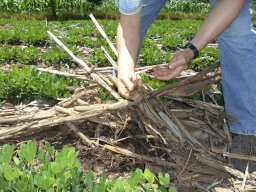 Christian Thierfelder合作论文数Int Maize & Wheat Improvement Ctr CIMMYT3Torp Torfinn合作论文数3
 Ruth Haug合作论文数3
 Trond Vedeld合作论文数3Harouna Yossi合作论文数3Balesh Tulema合作论文数3Solveig Glomsrod合作论文数3Daouda Togo合作论文数2Boubé Morou合作论文数2AA Ayele合作论文数2DOUMBIA Mamadou合作论文数2
 Pal Vedeld合作论文数2Boubacar Coulibaly合作论文数2Sebastian Eiter合作论文数2n perez almario合作论文数2f b kaihura合作论文数2matewos tera bussa合作论文数2fenta gugsa asfaw合作论文数2kamala p gautam合作论文数2alene t alemu合作论文数2




