Background Chronic exposure to heavy metals remains a major global health concern driven largely by dietary intake from contaminated foods and drinking water. Current mitigation strategies based on source control and pharmacological interventions such as chelation therapy are often impractical for widespread, low-level exposure, highlighting the need for complementary long-term strategies, including dietary interventions that operate within the gastrointestinal tract. Scope and approach Fermented foods may be relevant in this context, as they represent complex biological systems composed of microorganisms, fermentation-derived metabolites, and structurally transformed food matrices that collectively influence metal bioaccessibility and adsorption in the gut, with downstream effects on systemic bioaccumulation and host responses. In addition, recent clinical studies have shown that fermented foods can modulate the gut microbiota and immune system both of which play a role in mitigating heavy metal burden. Key findings and conclusions Experimental evidence from in vitro and animal studies suggests that fermented foods or their associated microorganisms can reduce intestinal metal absorption, enhance fecal excretion of metals, and attenuate oxidative stress and tissue damage associated with metal exposure. Emerging human evidence suggests potential benefits; however, the evidence is very limited. In this review, we outline the mechanisms by which fermented foods may mitigate heavy-metal toxicity and propose that fermented foods may represent accessible, diet-based strategies to mitigate the toxic effects of chronic metal exposure. However, further clinical research is needed to establish efficacy and to identify optimal food matrices, microbial characteristics, and intake levels.
AIMS:Metabolic dysfunction-associated steatotic liver disease (MASLD, formerly non-alcoholic fatty liver disease) is a prevalent and progressive condition closely linked to gut microbiota composition. Fecal microbiota transplantation (FMT) may help restore a health-associated microbiome, but its efficacy is often limited by inconsistent engraftment of beneficial taxa. Prebiotics may selectively support keystone microbes associated with reduced MASLD risk. This study evaluated two prebiotics, inulin and xylooligosaccharides (XOS), for their ability to modulate the microbiota of healthy FMT donors in an in vitro gut model, focusing on enriching beneficial taxa and functions associated with MASLD resilience. METHODS AND RESULTS:Stool from eight clinically qualified FMT donors was cultured anaerobically for 24 h with or without prebiotics. Microbiota composition was assessed by 16S rRNA gene sequencing and short-chain fatty acid (SCFA) concentrations were measured using nuclear magnetic resonance. Functional potential was inferred using predictive metagenomic analysis. Prebiotic responses were highly donor-specific, yet both inulin and XOS consistently enriched Bifidobacterium and Bacteroides-genera associated with SCFA production and metabolic health. XOS preferentially enriched Lactobacillus and Parabacteroides, while inulin enhanced Holdemanella and Mediterraneibacter. Functional pathways relevant to MASLD pathophysiology were enriched, including carbohydrate metabolism, vitamin biosynthesis, fatty acid metabolism, and tryptophan degradation. Both prebiotics significantly increased acetate levels, while butyrate showed a donor-dependent increasing trend. CONCLUSIONS:These findings suggest that prebiotic supplementation can selectively enrich MASLD-relevant microbial taxa and functions in donor-derived FMT material, supporting their potential as adjuvants to enhance the efficacy and disease-specificity of FMT interventions for MASLD.
Mental illnesses affect one in five Canadians and often require psychotropic medications. While effective, many psychotropic medications can cause weight gain and metabolic side effects. The gut microbiota, influenced by short-chain fatty acids like acetate, plays a role in mental health via the gut-brain axis and may be disrupted as a result of medication use. This case-series explored the feasibility of acetate supplementation contained in delayed-release capsules as an intervention to alter the gut microbiota and reduce metabolic side effects in people taking psychotropic medication for mood and anxiety disorders. Eleven participants aged 22-32 with medication-related weight gain were evaluated at baseline, across three months of delayed-release acetate supplementation, and at one-month follow-up. Adherence was high, with no serious adverse events. Six participants showed signs of metabolic improvements, including clinically-meaningful changes in cholesterol and weight. Mood and anxiety symptoms meaningfully improved in two participants. 16S rRNA gene sequencing revealed alterations in the gut microbiota at both the individual and group levels following the intervention, including increased relative abundance of butyrate-producing bacteria and functional changes potentially influencing cholesterol metabolism. Microbiota differences were also noted between participants with and without metabolic improvements, both pre- and post-intervention, suggesting a potential "responder" phenotype. These findings support further exploration of the effectiveness of delayed-release acetate as a safe adjunctive therapy to offset metabolic concerns and gut microbiome changes in people on psychotropic medication. Larger studies with longer follow-up are needed to confirm these effects and validate responder subgroups.
Chronic and autoimmune diseases continue to rise across Canada, demonstrating the need for sustainable dietary strategies that promote long-term health. Fermented foods (FFs) have emerged as a potential approach, yet national data on consumption patterns and public perceptions remain largely unknown. A cross-sectional survey of 4045 Canadian adults was conducted (September-November 2023) to assess consumption patterns, including behaviors, perceptions, and general knowledge about FFs and fermentation practices. Overall, 25.7% of participants reported consuming all 18 surveyed FFs at least once. Cheese (95.7%) and yogurt (93.2%) were the most consumed, while fermented fish (38.9%) and fermented cereals/grains (40.2%) were least consumed. Consumption patterns varied by age, sex, income, and education. Lower intake was seen in older adults, those with lower income and education, and those for whom health was not a primary consideration in food choice. Taste was the main motivator for consumption, with health second. Home fermentation was uncommon (9.0%) but more frequent among younger, more educated individuals. While there was a willingness to try new products (29.1%) and engage in home fermentation (30.0%), participants expressed uncertainty about FF safety (18.4%) and potential health benefits (52.7%). Nonetheless, two-thirds wanted to learn more about FFs, and nearly half preferred guidance from trusted sources such as Canada's Food Guide. This study is the first comprehensive assessment of FF consumption patterns and perceptions across Canada, revealing sociodemographic trends, knowledge gaps, and opportunities to strengthen consumer education, evidence-based resources, and future public health initiatives related to FFs.
The penile microbiota has been implicated in genital inflammation and increased risk of HIV, HPV, HSV-2, and female-partner bacterial vaginosis in adult males, yet its development during childhood and potential role in pediatric foreskin pathologies remain unknown. We characterized the coronal sulcus microbiota of 75 pediatric males (median age 8.5 years; 43% with pathological phimosis) before and after circumcision and compared these profiles to 56 uncircumcised adult men. Pediatric penile microbiota were highly diverse, dominated by strict and facultative anaerobes, and loosely structured compared to adults, who exhibited two distinct, ecologically organized communities. Circumcision markedly reduced anaerobic taxa and increased Corynebacterium and Staphylococcus. Pathological phimosis (the inability to retract the foreskin due to scarring) was associated with increased densities of CD3+ T cells, CD4+ cells, and CD11c+ dendritic cells, suggesting an adaptive immune mechanism; however, pathological phimosis was not associated with microbiota composition. Nonetheless, Mobiluncus was negatively correlated with CD11c+ dendritic cells, while Campylobacter and Peptoniphilus were negatively correlated with CD56+ NK cells, suggesting microbe-immune interactions. Our data suggest pathologic phimosis is driven by adaptive immune responses but not by specific bacteria; the pathology may be driven by differences in host responses to bacteria or by other stimuli, such as fungal antigens. Our data also demonstrate that the transition to adulthood is accompanied by reorganization of penile communities into structured types previously linked to infection risk, highlighting puberty as a potential window for interventions that promote protective adult microbiota and improve lifelong sexual and reproductive health.IMPORTANCEThe human penis hosts complex bacterial communities that can influence inflammation, infection risk, and sexual health, but little is known about how these communities form early in life or whether they contribute to childhood foreskin inflammatory disorders. We combined 16S rRNA sequencing with quantitative microscopy to investigate the penile microbiota in boys and its relationship to pathological phimosis, a common condition marked by foreskin scarring. We found that phimosis is associated with infiltration of T cells and dendritic cells, indicating an adaptive immune process, but with no associations with specific bacteria. We also show that penile microbiota reorganize during puberty into structured community types previously linked to HIV and sexually transmitted infection risk. These findings suggest that childhood pathologic phimosis is mediated by adaptive immune responses rather than driven by specific bacterial communities and identify puberty as a critical period for shaping adult penile microbiota, with implications for lifelong genital health.
Fermented foods represent a diverse category of products shaped by microbial metabolism, offering distinctive sensory qualities and potential health benefits. Although prior reviews have explored the nutritional and microbial aspects of fermented foods or focused on specific health outcomes and mechanisms of action, few recent narrative reviews have integrated clinical and epidemiologic evidence across diverse health domains. This review addresses that gap by critically evaluating observational and interventional studies linking fermented food consumption with metabolic, cardiovascular, oncologic, and neuropsychological outcomes, while summarizing associated biomarkers that may underpin these effects. Emphasis is placed on clinical studies of fermented foods containing live microbes. Through mapping current evidence to noncommunicable disease outcomes, the review identifies consistent protective associations, methodological limitations, and key knowledge gaps, and outlines priorities to advance the field and its translation into dietary guidance. It further underscores the need for standardized product characterization and well-powered clinical trials to establish causality. Overall, this work provides the most current and integrative assessment of fermented foods and human health, highlighting their potential as a valuable yet underutilized component of strategies for chronic disease prevention and public health policy.
ABSTRACT Toxic shock syndrome toxin-1 (TSST-1) is a superantigen produced by Staphylococcus aureus and is the determinant of menstrual toxic shock syndrome (mTSS); however, the impact of TSST-1 on the vaginal environment beyond mTSS is not understood. Herein, we assessed how TSST-1 affects vaginal colonization by S. aureus , host inflammatory responses, and changes in microbial communities within the murine vagina. We demonstrated that TSST-1 induced a CD8 + T-cell-dependent inflammatory response in 24 h that correlated with S. aureus persistence within the vaginal tract. This increase was due to superantigen-dependent T-cell activation that triggered a change in microbial composition within the vaginal tract. Altogether, this study demonstrates that within the vaginal tract, TSST-1 modulates the vaginal microbiota to favor the survival of S. aureus in the absence of mTSS. IMPORTANCE Toxic shock syndrome toxin-1 (TSST-1) is a superantigen toxin produced from Staphylococcus aureus that causes the menstrual form of toxic shock syndrome. This research demonstrates that TSST-1 also has a wider function within the vaginal tract than previously expected. We show that TSST-1, by activating CD8 + T cells, induces an inflammatory environment that modifies the vaginal microbiota to favor colonization by S. aureus . These are important findings as S. aureus can colonize the human vaginal tract efficiently and subsequently trigger dysbiosis within the microbial communities leading to several adverse outcomes such as decreased fertility, increased risks for sexually transmitted diseases, and issues related to pregnancy and birth.
The recognition that microbes are the life support system of the biosphere and play a major role in the health of all life forms provides us with a unique opportunity to channel resources into utilizing them for our benefit. This policy document was prepared by assessing the scientific rationale and evidence for the application of beneficial microbes to One Health. Ten recommendations are made including the establishment of a new national program that creates strategies, provides funding, and partners with industries and end-users to make Canada a self-directed global leader in this transformative field. Issues covered include biotics, fecal microbiota transplant, fundamental and applied research, regulatory, the education system, and applications to pollinators, aquaculture, coral, biofertilizers, livestock, companion animals, horses, and sustainability of agriculture and environmental management. It is hoped that this document will provide politicians, bureaucrats, academics, and representatives of the end users of beneficial microbial products the incentive to appoint an expert panel to develop the means to implement a program of this type. At a time when climate change, biodiversity, long-term health, integration of cultures, and access to home resourced nutritious food are high on government agendas, the proposed program offers a novel means to positively influence residents across the country.
BACKGROUND:The gastrointestinal (GI) microbiota, composed of diverse microbial communities, is essential for physiological processes, including immune modulation. Strains such as Escherichia coli Nissle 1917 support gut health by reducing inflammation and resisting pathogens. Microbial therapies using such strains may restore GI balance and offer alternatives to antibiotics, whose overuse contributes to antibiotic resistance. However, effective treatment will require optimizing delivery and understanding microbial dissemination and engraftment. PURPOSE:We developed a method to monitor microbial migration and GI permeability post-ingestion using hybrid PET/MRI. To simulate probiotic therapy, bacteria were radiolabeled with 89Zr, encapsulated, and administered to pigs. Organ level and whole-body dosimetry was determined from the time activity curves recorded over 7 days post ingestion. METHODS:We administered 89Zr-labeled Lactobacillus crispatus ATCC33820 (Gram-positive) to six female Duroc pigs (weight = 33.3 ± 4.6 kg) and E. coli Nissle 1917 (Gram-negative). Scans were performed between 6 h and 7 days post-ingestion using a hybrid PET/MRI system. The mean administered dose was 74.7 ± 12.9 MBq. Whole-body PET scans were acquired simultaneously with MRI using a T2-weighted HASTE sequence. Images were processed using 3D-Slicer co-registering PET with MRI and semi-automated organ segmentation was performed. Gender-averaged human equivalent organ-level effective doses (ED) and whole body ED were calculated using OLINDA. RESULTS:PET imaging showed 89Zr-labeled L. crispatus and E. coli post-ingestion localized primarily within the GI tract before excretion within feces. The highest mean ED for 89Zr-labeled L. crispatus and E. coli were in the distal colon (26.8 ± 4.9 µSv/MBq and 28.4 ± 7.9 µSv/MBq, respectively) and proximal colon (17.9 ± 3.7 µSv/MBq and 18.4 ± 5.1 µSv/MBq, respectively). EDs in other organs were low. Whole body ED were 60.5 ± 9.5 µSv/MBq (L. crispatus) and 66.7 ± 14.9 µSv/MBq (E. coli). CONCLUSIONS:The whole-body ED for L. crispatus and E. coli is lower than reported values for ingested tracers, such as that from 89Zr labelled antibodies and 111In labelled "meals" used to determine gut transit times. Hence ingestion of 89Zr labelled bacteria shows promise for becoming a human nuclear-medicine procedure to determine the effectiveness of probiotic therapies.
In health, the gut microbiome functions as a stable ecosystem maintaining overall balance and ensuring its own survival against environmental stressors through complex microbial interaction. This balance and protection from stressors is maintained through interactions both within the bacterial ecosystem as well as with its host. As a consequence, the gut microbiome plays a critical role in various physiological processes including maintaining the structure and function of the gut barrier, educating the gut immune system, and modulating the gut motor, digestive/absorptive, as well as neuroendocrine system all of which are crucial for human health and disease pathogenesis. Pre- and probiotics, widely available and clinically established, offer various health benefits primarily by beneficially modulating the gut microbiome. However, their clinical outcomes can vary significantly due to differences in host physiology, diets, individual microbiome compositions, and other environmental factors. This perspective paper highlights emerging scientific insights into the importance of microbial micronutrient sharing, gut redox balance, keystone species, and the gut barrier in maintaining a diverse and functional microbial ecosystem, and their relevance to human health. We propose a novel approach that targets microbial ecosystems and keystone taxa performance by supplying microbial micronutrients in the form of colon-delivered vitamins, and precision prebiotics [e.g. human milk oligosaccharides (HMOs) or synthetic glycans] as components of precisely tailored ingredient combinations to optimize human health. Such a strategy may effectively support and stabilize microbial ecosystems, providing a more robust and consistent approach across various individuals and environmental conditions, thus, overcoming the limitations of current single biotic solutions.
The gastrointestinal (GI) microbiota, composed of diverse microbial communities, is essential for physiological processes, including immune modulation. Strains such as Escherichia coli Nissle 1917 support gut health by reducing inflammation and resisting pathogens. Microbial therapies using such strains may restore GI balance and offer alternatives to antibiotics, whose overuse contributes to antibiotic resistance. However, effective treatment will require optimizing delivery and understanding microbial dissemination and engraftment. We developed a method to monitor microbial migration and GI permeability post‐ingestion using hybrid PET/MRI. To simulate probiotic therapy, bacteria were radiolabeled with 89 Zr, encapsulated, and administered to pigs. Organ level and whole‐body dosimetry was determined from the time activity curves recorded over 7 days post ingestion. We administered 89 Zr‐labeled Lactobacillus crispatus ATCC33820 (Gram‐positive) to six female Duroc pigs (weight = 33.3 ± 4.6 kg) and E. coli Nissle 1917 (Gram‐negative). Scans were performed between 6 h and 7 days post‐ingestion using a hybrid PET/MRI system. The mean administered dose was 74.7 ± 12.9 MBq. Whole‐body PET scans were acquired simultaneously with MRI using a T 2 ‐weighted HASTE sequence. Images were processed using 3D‐Slicer co‐registering PET with MRI and semi‐automated organ segmentation was performed. Gender‐averaged human equivalent organ‐level effective doses (ED) and whole body ED were calculated using OLINDA. PET imaging showed 89 Zr‐labeled L. crispatus and E. coli post‐ingestion localized primarily within the GI tract before excretion within feces. The highest mean ED for 89 Zr‐labeled L. crispatus and E. coli were in the distal colon (26.8 ± 4.9 µSv/MBq and 28.4 ± 7.9 µSv/MBq, respectively) and proximal colon (17.9 ± 3.7 µSv/MBq and 18.4 ± 5.1 µSv/MBq, respectively). EDs in other organs were low. Whole body ED were 60.5 ± 9.5 µSv/MBq ( L. crispatus ) and 66.7 ± 14.9 µSv/MBq ( E. coli ). The whole‐body ED for L. crispatus and E. coli is lower than reported values for ingested tracers, such as that from 89 Zr labelled antibodies and 111 In labelled “meals” used to determine gut transit times. Hence ingestion of 89 Zr labelled bacteria shows promise for becoming a human nuclear‐medicine procedure to determine the effectiveness of probiotic therapies.
The microbiota is integral to human health and has been mostly characterized through various ex vivo 'omic'-based approaches. To better understand the real-time function and impact of the microbiota, in vivo molecular imaging is required. With technologies such as positron emission tomography (PET), magnetic resonance imaging (MRI), and computed tomography (CT), insight into microbiological processes may be coupled to in vivo information. Noninvasive imaging enables longitudinal tracking of microbes and their components in real time; mapping of microbiota biodistribution, persistence and migration; and simultaneous monitoring of host physiological responses. The development of molecular imaging for clinical translation is an interdisciplinary science, with broad implications for deeper understanding of host-microbe interactions and the role(s) of the microbiome in health and disease.
Abstract Introduction Peyronie's disease (PD) affects about 10% of men and is often studied using traditional monolayer fibroblast monolayer cultures and limited animal models, which do not adequately replicate the complex cellular interactions of PD. We have developed an advanced three-dimensional (3D) cellular model named PD.SPHERE using a novel 'micro-gravity' cell culture technique from human PD tissues. Significant advancements in the culturing protocol have improved the morphology and physiopathology of these models, providing an essential platform for in vitro treatment screening. Objective The aim is to refine the culturing protocol for generating PD.SPHEREs that more accurately mimics the morphological and physiological features of PD plaques and to assess the efficacy of these refined models as tools for treatment screening. Methods Fibroblasts from human PD tissues were isolated and cultured using the 'micro-gravity' technique with modifications. The PD fibroblast cells were cultured and propagated in a non-adhesive 96-well plate, with and without 10 ng/ml transforming growth factor-beta (TGF-β) supplementation, under micro-gravity conditions. The plates were then placed on an orbital shaker inside the incubator and incubated at 37°C with 5% CO2 and 95% relative humidity. We confirmed the appropriate morphology and cellular compositions, including α-smooth muscle actin (α-SMA) and cellular collagen, using microscopic assays. The refined 3D model was subsequently used to evaluate the effects of collagenase from Clostridium histolyticum (CCH) and actinidin, a collagenase-like enzyme derived from kiwi fruits. Results Our findings from the refined 3D model revealed significant changes in cellular morphology. Specifically, PD.SPHEREs developed from cells that were not initially supplemented with TGF-β, but were later cultured in micro-gravity with TGF-β supplementation, and PD.SPHEREs from cells both propagated and cultured with TGF-β were approximately 2.3 and 3.5 times larger, respectively, than those PD.SPHEREs propagated and cultured entirely without TGF-β (P < 0.0001). The collagen content was significantly highest (P < 0.01) in PD.SPHEREs that were both propagated and cultured with TGF-β, compared to all other groups. The refined model was susceptible to both CCH and actinidin. The size and collagen content of the refined PD.SPHEREs significantly decreased (P < 0.05) following treatment with CCH and actinidin. Conclusions The advancements made in the culturing protocol of PD.SPHEREs represent a significant improvement in the modeling of PD for in vitro studies. Our results demonstrate the critical role of TGF-β in the growth and morphology of PD.SPHEREs. The increase in sized collagen content of the spheroids when cultured in the presence of TGF-β suggests that this factor plays a substantial role in cellular proliferation and cellular matrix accumulation, which are key aspects of PD pathogenesis. Furthermore, the increased collagen content in PD.SPHEREs cultured with TGF-β aligns with the known pathophysiology of PD, where collagen accumulation contributes to plaque formation and disease progression. This finding underscores the utility of our model in replicating key pathological features of PD and supports the potential of PD.SPHERE as an effective tool for screening and evaluating the efficacy of treatments aimed at modulating these pathological processes. Disclosure No.
You have accessJournal of UrologyStone Disease: Epidemiology & Evaluation II (MP45)1 May 2024MP45-20 THE ASSOCIATION BETWEEN PRESCRIPTION MEDICATIONS AND KIDNEY STONE PREVALENCE AMONG U.S. ADULTS Frank E. Glover, Kait F. Al, Jeremy P. Burton, Edouard H. Nicaise, Viraj Master, Kenneth Ogan, Albert Ha, Michael Scott, Francesco Del Giudice, Federico Belladelli, and Michael L. Eisenberg Frank E. GloverFrank E. Glover , Kait F. AlKait F. Al , Jeremy P. BurtonJeremy P. Burton , Edouard H. NicaiseEdouard H. Nicaise , Viraj MasterViraj Master , Kenneth OganKenneth Ogan , Albert HaAlbert Ha , Michael ScottMichael Scott , Francesco Del GiudiceFrancesco Del Giudice , Federico BelladelliFederico Belladelli , and Michael L. EisenbergMichael L. Eisenberg View All Author Informationhttps://doi.org/10.1097/01.JU.0001008764.86460.8e.20AboutPDF ToolsAdd to favoritesDownload CitationsTrack CitationsPermissionsReprints ShareFacebookLinked InTwitterEmail Abstract INTRODUCTION AND OBJECTIVE: Kidney stone disease (KSD) poses a significant morbidity and mortality with an estimated 10% prevalence in the U.S., and the incidence of KSD has increased alongside prescription medication use. Several drug classes (e.g. antibiotics, antivirals, diuretics) have previously been associated with KSD in the literature, though results are inconclusive and have not necessarily been evaluated in U.S. populations. We investigated the association between prescription medication use and KSD in the U.S. METHODS: Data was leveraged from the 2009-2018 National Health and Nutrition Examination Survey (NHANES) survey cycles – a nationally representative population-based cross-sectional study of men and women in the U.S. From in-person interviews, KSD was defined by a "yes" to having ever passed a stone, and patterns of prescription medication usage and medication classes were recorded. Confounding potential of biological sex, age, race/ethnicity, hydration status, BMI, metabolic syndromes, income, and education was empirically assessed in the dataset using the "change-in-estimate" method. Multivariable, weighted logistic regression models were constructed to quantify the relationship between prescription medications and KSD. Sensitivity analyses were performed excluding patients receiving antibiotics for a UTI, kidney, or bladder health based on ICD-10-CM codes. Final analyses included 7,336 adults, which represents 79,562,476 people based on survey weights. RESULTS: Overall, 1,650 (5%) of initial respondents had KSD and 48% were male. The average age of KSD participants was 48 (IQR: 32-63) compared to 45 (IQR: 43-66) for non KSD. Participants took 5.8 prescription meds on average. Nonsignificant trends were observed between KSD and total prescription meds (OR=0.99, [0.97,1.01]), antibiotic use (OR=1.36, 95%CI [0.62,2.96]), and diuretic use (OR=0.82, 95%CI [0.45,1.51]). Importantly, a significant association was detected between antiviral use and KSD (OR=2.42, 95%CI [1.34,4.36]), and total prescription medication and recurrent stone formation (2 or more stones) (OR=1.95, 95%CI [1.29,2.94]). CONCLUSIONS: The current report constitutes the largest, nationally representative investigation of prescription medication use and KSD. A significant association was identified between antiviral use and KSD, and use of prescription medications was important among recurrent stone formers. Future studies are warranted to corroborate these findings, determine clinical significance, and elucidate potential mechanisms underlying these associations. Source of Funding: No sources of funding to disclose © 2024 by American Urological Association Education and Research, Inc.FiguresReferencesRelatedDetails Volume 211Issue 5SMay 2024Page: e751 Advertisement Copyright & Permissions© 2024 by American Urological Association Education and Research, Inc.Metrics Author Information Frank E. Glover More articles by this author Kait F. Al More articles by this author Jeremy P. Burton More articles by this author Edouard H. Nicaise More articles by this author Viraj Master More articles by this author Kenneth Ogan More articles by this author Albert Ha More articles by this author Michael Scott More articles by this author Francesco Del Giudice More articles by this author Federico Belladelli More articles by this author Michael L. Eisenberg More articles by this author Expand All Advertisement PDF downloadLoading ...
 Gregor Reid合作论文数Department of Microbiology and Immunology, Schulich School of Medicine and Dentistry, Western University;Lawson Health Research Institute93
 Kait Al合作论文数Lawson Hlth Res Inst, Ctr Human Microbiome & Probiot Res, London, ON, Canada41
 John R. Tagg合作论文数University of Otago;BLIS Technologies Ltd.34
 Hassan Razvi合作论文数33
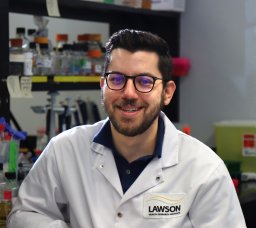 John A Chmiel合作论文数Lawson Hlth Res Inst, Ctr Human Microbiome & Probiot Res, London, ON, Canada26
 Greg Gloor合作论文数Department of Biochemistry, Schulich School of Medicine and Dentistry, University of Western Ontario23Jennifer Bjazevic合作论文数22
 Philip A Wescombe合作论文数BLIS Technol Ltd, Univ Otago21
 Michael Silverman合作论文数Centre for Global Health, Dalla Lana School of Public Health, University of Toronto;Clinical Public Health Division, Dalla Lana School of Public Health, University of Toronto18
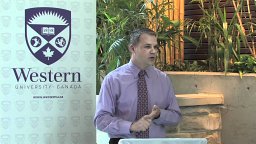 Peter A. Cadieux合作论文数Department of Microbiology and Immunology, University of Western Ontario18
 Brendan A Daisley合作论文数Lawson Hlth Res Inst, Ctr Human Microbiome & Probiot Res, London, ON, Canada16Seema Nair Parvathy合作论文数15
 Jordan Bisanz合作论文数Department of Biochemistry and Molecular Biology, Eberly College of Science, The Pennsylvania State University;One Health Microbiome Center, Huck Institutes of the Life Sciences, The Pennsylvania State University13Gerrit A. Stuivenberg合作论文数12
 Chanyi Ryan M合作论文数Department of Microbiology and Immunology, University of Western Ontario12C. N. Chilcott合作论文数11K. Feng合作论文数11
 Wongsakorn Kiattibirut合作论文数11
 Laura J Craven合作论文数Dept Microbiol & Immunol, Western Univ10
 Jeffrey Michael Campbell合作论文数Department of Urology, University of Oklahoma College of Medicine10
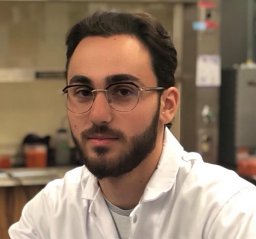 Polycronis Paul Akouris合作论文数Dept Microbiol & Immunol, Western Univ9
 John Denstedt合作论文数9
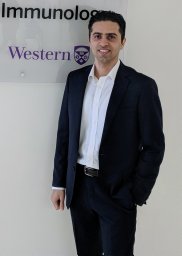 Saman Maleki合作论文数Department of Microbiology and Immunology, The University of Western Ontario9W. Kiattiburut合作论文数8Hannah Wilcox合作论文数Univ Western Ontario, Dept Microbiol & Immunol, London, ON N6A 5C1, Canada7Macdonald Kyle合作论文数7Sumit Dave合作论文数7Mithunah Krishnamoorthy合作论文数6Ettinger Grace合作论文数6
 Shannon Seney合作论文数Lawson Health Research Institute6
 Mohammed A. Alqumber合作论文数5Marc Monachese合作论文数5
 Charles Carr合作论文数Dept Mol Genet, Univ Toronto5Duane R. Hickling合作论文数5Chilcott Chris N合作论文数5Goldhawk Donna E合作论文数Imaging Program, Lawson Health Research Institute5
 Nick Heng合作论文数5
 Estelle Devillard合作论文数5
 Yige Bao合作论文数Western University, University of Western Ontario5
 S.M. Mansour Haeryfar合作论文数5
 Blayne Welk合作论文数Department’s of Surgery (Urology) and Epidemiology and Biostatistics at Western University5
 Jean M Macklaim合作论文数Department of Biochemistry;University of Western Ontario5
 Neil Gelman合作论文数5PA Cadieux合作论文数4Liam Brennan合作论文数4John K McCormick合作论文数4E. Devillard合作论文数4
 Shaeley Gibbons合作论文数Univ Western Ontario, Dept Microbiol & Immunol, London, ON N6A 5C1, Canada4




