Introduction Human papillomavirus type 16 (HPV16) E6 antibodies may be an early biomarker of anal cancer. We cross-sectionally evaluated when in the course of anal disease, HPV16 antibodies are induced. Methods A nested case-control study of 846 men who have sex with men (MSM) was conducted within a prospective study of men with and without HIV. Cases of anal HPV16 (N=262), biopsy-confirmed high-grade squamous intraepithelial lesion (HSIL;N=140), and anal cancer (N=21) were individually matched to controls (N=423) on HIV status, study-participation duration, and age. Serum samples closest to diagnosis underwent HPV serologic testing; prediagnostic serial samples were tested for anal cancers only. Conditional logistic regression was used to calculate odds ratios (OR) and 95% confidence intervals (CIs). Results HPV16 E6 seroprevalence was non-significantly elevated in anal disease: OR:1.6 (95%CI:0.7-3.6) for HPV16 infection; OR:1.4 (95%CI:0.5-3.8) for HSIL; and OR:1.5 (95%CI:0.3-9.0) for anal cancer. HPV16 E6 seroprevalence was dramatically lower among men with versus without HIV with the same disease stage: 1.5% vs. 11.2% ( P <0.001) for anal HPV16 infection; 4.2% vs. 13.6% ( P =0.043) for HSIL; and 5.6% vs. 66.7% ( P =0.005) for anal cancer. HPV16 E6 seroprevalence was only associated with anal HPV16 among men without HIV (OR:2.9 [95%CI:1.0-8.0]); no significant associations between HPV16 E6 seroprevalence and anal disease were observed among men with HIV. Among the 21 anal cancers, 66.7% (2/3) without HIV and 5.6% (1/18) with HIV were HPV16 E6 seropositive before diagnosis. Conclusions HPV16 E6 antibodies show poor sensitivity for anal cancer and its precursors, particularly among men with HIV.
BACKGROUND:Cardiac dysfunction is more common in people with HIV (PWH) than those without HIV (PWoH), with mitochondrial dysfunction implicated in pathogenesis. We investigated whether variations in mitochondrial DNA (mtDNA) and certain dideoxynucleoside analogs (D-drugs) relate to left ventricular diastolic dysfunction (LVDD) in PWH. METHODS:We included individuals with echocardiograms from the Multicenter AIDS Cohort Study and Women's Interagency HIV Study. LVDD was defined using characterizing heart function on antiretroviral therapy criteria. mtDNA haplogroups were inferred using HaploGrep. Separate exploratory multivariable logistic regressions examined associations between LVDD and African (L0L1, L2, L3, or "other") or European haplogroups (UK, H, JT, or "other"), D-drugs, and their interactions. No adjustments were made for multiple comparisons. RESULTS:Among 842 men (455 PWH and 387 PWoH) and 898 women (620 PWH and 278 PWoH), LVDD prevalence was 29% in women and 24% in men. Among non-Hispanic White men with HIV, European haplogroup H was associated with lower odds of LVDD (odds ratio [OR], 0.50; 95% CI, 0.26-0.93), while haplogroup clade JT was associated with increased odds (OR, 2.09; 95% CI, 1.00-4.36). In men with HIV, D-drug exposure was associated with increased odds of LVDD (OR, 1.94; 95% CI, 1.21-3.13). No significant associations were observed between haplogroups and LVDD in women. HIV serostatus modified the association of haplogroup L2 (pinteraction = 0.036) and L3 (pinteraction = 0.045) with LVDD in women. CONCLUSIONS:Mitochondrial genetic variation and D-drug use were associated with altered LVDD risk in men with HIV, highlighting potential biological mechanisms that may be targeted for surveillance or therapeutic strategies.
PurposeTrust is a critical part of patient-provider relationships and has been shown to improve patient outcomes, including increased utilization of preventative services and greater adherence to medications. However, few studies have examined health care provider trust (HCPT) among older sexual minority men (SMM) and its association with healthcare avoidance.DesignCross-sectional secondary data analysis.Setting/Sample: Baseline data from the MACS/WIHS Combined Cohort Study's Stigma and Non-Communicable Disease Syndemic Sub-Study (N = 997).MethodsMultiple linear and multivariable logistic regression models were conducted to estimate associations between HCPT and past-year healthcare avoidance.ResultsParticipants had a mean age of 59 years (SD = 13.3); 64% were White, 30% Black, and 5% identified as other races. Fifty-six percent were living with HIV. HCPT was lower among Black SMM (b = -2.23; 95% CI = -4.46, 0.00) and was positively associated with multiple income groups and having 1 (b = 3.80; 95% CI = 1.49, 6.11), 2 (b = 2.96; 95% CI = 0.67, 5.25), and 3 (b = 3.03; 95% CI = 0.53, 5.53) chronic health conditions. Past-year healthcare avoidance was inversely associated with HCPT (aOR = 0.95; 95% CI = 0.94, 0.97) and age (age 26-45 years vs 65-75 years, aOR = 0.26; 95% CI = 0.11, 0.58).ConclusionThis work demonstrates various associations between healthcare provider trust and sociodemographic and health factors. Furthermore, lower HCPT was associated with a higher likelihood of avoiding medical care, indicating the importance of provider trust for accessing health services.
Cognitive impairment still occurs despite well-controlled HIV but with milder symptoms. People with and without HIV have different neuronal protein changes that may differentiate the asymptomatic neurocognitive impairment (ANI) condition from normal cognition (NPN) and mild neurocognitive disorder (MND). Plasma neuronal-enriched extracellular vesicles (nEVs) were isolated from people with HIV (PWH) with NPN, ANI, or MND, and HIV seronegative controls with NPN (HIV−). Two different platforms were used to delineate protein patterns between sexes and cognitive conditions. When combining results from men and women, the nEV cargo in many cases showed little difference between cognitive conditions. However, when separated, there were different patterns between the sexes for some nEV cargo that distinguished the HIV− groups and HIV+ cognition groups. PWH with NPN had higher nEV toxic proteins compared to individuals without HIV. Women with HIV showed perfect separation between NPN and ANI with Aβ42 and NCAM-1 and perfect separation between ANI and MND with Aβ40 and NCAM-1. Men with HIV with MND had significantly higher NCAM-1 when compared to ANI, and lower GLRX when compared to NPN. This study shows distinct markers for different HIV cognitive categories, many of which differed between men and women.
Allele-specific variability in HLA class I gene expression levels has been associated with many diseases. Although expression variation at the allelic level has not been well-characterised for the HLA class II genes, differential expression of these genes, as marked by single nucleotide polymorphisms (SNPs), has been implicated in the outcome of several diseases. Here, we measured cell surface expression levels of distinct HLA-DR, HLA-DQ and HLA-DP allotypes in 175 healthy European American donors using locus-specific antibodies. We identified allotype-specific variation in the intrinsic cell surface expression levels. To further characterise genetic associations with differential protein expression levels of the HLA class II molecules, we performed a genome-wide association study (GWAS). This showed that surface expression levels of HLA-DR, HLA-DQ and HLA-DP associated most significantly with rs28383323 (p = 3.9 × 10⁻¹⁰), rs281860696 (p = 2.2 × 10⁻⁵) and rs3128928 (p = 1.3 × 10⁻⁸), respectively. Two SNPs, rs3128927 and rs9277534, were previously reported to associate with HLA-DP protein expression and hepatitis B virus (HBV) recovery/persistence. We show that rs3128928, which resides in the COL11A2P1 pseudogene, associates most significantly with HLA-DP protein expression, whereas the neighbouring rs3128927 associates most significantly with HBV recovery/persistence. Thus, protein expression levels of HLA-DR, DQ and DP appear to be controlled by cis-elements that do not mark specific alleles. This finding may help to distinguish disease associations caused by specific HLA allelic effects vs. protein expression levels.
Ferroportin (FPN) disease is a genetically predisposed iron overload driven by over 30 mutations in the FPN gene that increase FPN resistance to degradation by hepcidin. Most of the reported mutations have negligible frequencies, except for the FPN Q248H mutation, which is highly prevalent in Africans (frequency up to 13.4%). A high frequency of the FPN Q248H mutation may be due to a survival advantage and positive selection. Data from combined cohorts comprising over 18,000 African children demonstrated that the FPN Q248H mutation is associated with modest protection against anemia, hemolysis, and iron deficiency, but does not protect against malaria or bacteremia. We hypothesize that the FPN Q248H mutation might protect from HIV-1 infection and possibly other chronic viral infections which have a high burden in Africa, and, thus, be positively selected. Our previous studies showed that the FPN Q248H mutant has reduced sensitivity to hepcidin and facilitated more active iron export in the presence of hepcidin (Nekhai et al., Haematologica, 2013), and that FPN expression inhibits HIV-1 replication (Xu et al., Retrovirology, 2010). We hypothesize that the FPN Q248H mutation might reduce the comorbidities of chronic HIV infection. We genotyped the FPN Q248H mutation in 927 African American male participants from the Multicenter AIDS Cohort Study (MACS, age 26-48 years), including 479 persons with HIV (PWH) and 448 control persons without HIV-1 (PWOH). The FPN Q248H mutation was genotyped by single-nucleotide polymorphism (SNP) assay from Thermo Fisher (rs11568350 SNP ID) using DNA extracted from peripheral blood mononuclear cells. Longitudinal analysis of viral load (VL), CD4+ and CD8+ levels were assessed alongside body weight trends and stratified by the FPN Q248H mutation status. The baseline characteristics between FPN mutants(A/A or A/C) and wild type FPN (C/C) were compared using the Student's t-test. We used mixed-effect models to test the effect of FPN Q248H mutation on the change of CD4, CD8, and weight during the follow-up period in PWH. Models were adjusted for the confounding effect of antiretroviral therapy, the number of male sex partners, and illicit drug use. The frequency of the FPN Q248H mutation was 9.6% in PWH and 9.2% in PWOH. The baseline VL was higher in participants with FPN Q248H (A/A or A/C) mutations (β=0.14, p=0.74), whereas CD4 (β=-1.48, p=0.11), CD8 (β=-1.50, p=0.11), or CD4/CD8 (β=-0.02, p=0.63), levels were lower. The proportion with undetectable VL at the initial visit was higher among PWH with the FPN Q248H (A/A or A/C) mutation (14.3%) compared to WT FPN (C/C) (10.5%). In the 20-year follow-up, there was a statistically significant increase in CD4 (β=0.19, p<0.001), and CD8 (β=0.12, p<0.001), levels in PWH with FPN Q248H mutation compared to those with WT FPN, suggesting better control of HIV-1 infection. Analysis of the longitudinal changes in the body weight of PWH showed a significant increase in participants with the FPN Q248H mutation. PWH with WT FPN gained less than 2% of body weight, whereas PWH who had FPN Q248H mutation gained about 8% of body weight (P for interaction of time and mutation <0.001).PWOH gained about 10% of body weight during the 20-year follow-up period. The findings of this study indicate that PWH with FPN Q248H mutation maintain similar weight trajectories to PWOH as compared to the PWH with WT FPN. Weight loss is a serious complication of HIV infection that increases mortality risks. A substantial proportion of PWH in Sub-Saharan Africa is undernourished, and undernutrition contributes to an increased risk of mortality and other comorbidities. Protection from weight loss (cachexia) in people with chronic infections may contribute to the positive selection of the FPN Q428H mutation in Africa. Future studies will elucidate the mechanism of weight preservation and evaluate the role of iron metabolism modifying treatments in the management of chronic HIV-1 infection. ACKNOWLEDGMENTS: We acknowledge the Genomics Core Facility at the University of Utah for sample processing and genotyping and thank Michael Klein for his assistance. This work was supported by 1R01HL125005, U54MD007597, 2P30AI117970, U01-HL146241, U01-HL146201, U01-HL146204, U01-HL146202, U01-HL146193, U01-HL146245, U01-HL146242, U01-HL146205, U01-HL146203, U01-HL146192, U01-HL146194, UL1-TR000004, P30-AI-050409, P30-AI-050410 and P30-AI-027767.
OBJECTIVES:To understand the extent of racial disparities in SARS-CoV-2 vaccination among PWH and those vulnerable to HIV infection and to estimate the contributions of medical mistrust and vaccine-hesitant attitudes to these disparities. DESIGN:Quantitative data analyses in a racially and gender-diverse, mixed-serostatus prospective cohort, the Multicenter AIDS Cohort Study (MACS)/Women's Interagency HIV Study (WIHS) Combined Cohort Study. METHODS:Interviewer-assisted questionnaires assessed SARS-CoV-2 vaccination, medical mistrust, and vaccine-hesitant attitudes from March 2021 to September 2022 ( n = 3948). Longitudinal analyses assessed effects of sociodemographics on medical mistrust and vaccine-hesitant attitudes. A hierarchical multivariable logistic regression assessed effects of these co-factors on SARS-CoV-2 vaccination. Causal mediation models assessed whether medical mistrust mediated the relationship between Black identity and vaccine-hesitant attitudes, and vaccine-hesitant attitudes mediated the relationship between Black identity and SARS-CoV-2 nonvaccination. RESULTS:Participants' mean age was 56.7; 55.3% were Black, 52.6% cisgender female, 62.6% PWH. 10.1% reported never receiving SARS-CoV-2 vaccinations (13.4% of Black and 4.5% of White participants). Black-identified participants had higher odds of nonvaccination than White participants [aOR = 1.72; 95% confidence interval (CI) 1.08-2.72]. Medical mistrust mediated the relationship between Black identity and vaccine-hesitant attitudes, accounting for 46% of the effect ( P < 0.0001). Vaccine-hesitant attitudes mediated the relationship between Black identity and SARS-CoV-2 nonvaccination to the extent that 57.7% (95% CI 25.3-90.1%) of the disparity would be eliminated if vaccine-hesitant attitudes among Black respondents were reduced to levels reported among other racial groups. CONCLUSION:Findings indicate a profound need to build trustworthy healthcare environments to combat medical mistrust and vaccine-hesitant attitudes in Black communities in the United States, including those affected by HIV.
BACKGROUND:Operating room (OR) traffic disrupts airflow and increases particle count, which predisposes patients to surgical site infections, particularly in longer surgeries with hardware placement. The aim of this study is to evaluate the rate of traffic during neurosurgical procedures, as well as reasons for and perceptions of OR traffic. METHODS:This is a single-center, multimethod study monitoring neurosurgical OR traffic through direct observation, automated monitoring, and interviews. Traffic was observed between the skin incision and closure. Personal interviews with OR teams including surgeons, anesthesia, and nurses were conducted to evaluate their perceptions of the frequency of OR traffic and reasons for OR traffic. RESULTS:Direct observation reported OR door opening an average of 18 times, with 20 people entering or exiting per hour. The exact reason for traffic was not verified in all traffic cases and was able to be confirmed in only a third of the cases. Automated monitoring resulted in an average of 31 people entering or exiting the OR per hour. The procedure length was significantly associated with the number of people entering or exiting the OR per hour (P < .0001). Interviews highlighted that OR teams reported traffic to be significantly lower than observed and automated monitoring results, with approximately <6 people entering or exiting per hour. CONCLUSIONS:OR traffic is higher than staff expected, and updated processes are required to reduce the number of times the OR door opens. Implementing automated observation of OR traffic could reduce the OR traffic and the risk for surgical site infection.
Introduction: Highly active antiretroviral therapy (HAART) helps improve some measures of accelerated epigenetic aging in persons living with HIV (PLWH), but its overall impact on the epigenome is not fully understood.Methods: In this study, we analyzed the DNA methylation profiles of PLWH (n = 187) shortly before and approximately 2–3 years after they started HAART, as well as matched seronegative (SN) controls (n = 187), taken at two time intervals. Our aim was to identify specific CpGs and biologic pathways associated with HIV infection and initiation of HAART. Additionally, we attempted to identify epigenetic changes associated with HAART initiation that were independent of HIV-associated changes, using matched HIV seronegative (SN) controls (matched on age, hepatitis C status, and interval between visits) to identify CpGs that did not differ between PLWH and SN pre-HAART but were significantly associated with HAART initiation while being unrelated to HIV viral load. Epigenome-wide association studies (EWAS) on >850,000 CpG sites were performed using pre- and post-HAART samples from PLWH. The results were then annotated using the Genomic Regions Enrichment of Annotations Tool (GREAT).Results: When only pre- and post-HAART visits in PLWH were compared, gene ontologies related to immune function and diseases related to immune function were significant, though with less significance for PLWH with detectable HIV viral loads (>50 copies/mL) at the post-HAART visit. To specifically elucidate the effects of HAART separately from HIV-induced methylation changes, we performed EWAS of HAART while also controlling for HIV viral load, and found gene ontologies associated with transplant rejection, transplant-related diseases, and other immunologic signatures. Additionally, we performed a more focused analysis that examined CpGs reaching genome-wide significance (p < 1 × 10⁻⁷) from the viral load-controlled EWAS that did not differ between all PLWH and matched SN controls pre-HAART. These CpGs were found to be near genes that play a role in retroviral drug metabolism, diffuse large B cell lymphoma proliferation, and gastric cancer metastasis.Discussion: Overall, this study provides insight into potential biological functions associated with DNA methylation changes induced by HAART initiation in persons living with HIV.
IntroductionPersons living with HIV (PLWH) experience the early onset of age-related illnesses, even in the setting of successful human immunodeficiency virus (HIV) suppression with highly active antiretroviral therapy (HAART). HIV infection is associated with accelerated epigenetic aging as measured using DNA methylation (DNAm)-based estimates of biological age and of telomere length (TL).MethodsDNAm levels (Infinium MethylationEPIC BeadChip) from peripheral blood mononuclear cells from 200 PLWH and 199 HIV-seronegative (SN) participants matched on chronologic age, hepatitis C virus, and time intervals were used to calculate epigenetic age acceleration, expressed as age-adjusted acceleration residuals from 4 epigenetic clocks [Horvath’s pan-tissue age acceleration residual (AAR), extrinsic epigenetic age acceleration (EEAA), phenotypic epigenetic age acceleration (PEAA), and grim epigenetic age acceleration (GEAA)] plus age-adjusted DNAm-based TL (aaDNAmTL). Epigenetic age acceleration was compared for PLWH and SN participants at two visits: up to 1.5 years prior and 2–3 years after HAART (or equivalent visits). Flow cytometry was performed in PLWH and SN participants at both visits to evaluate T-cell subsets.ResultsEpigenetic age acceleration in PLWH decreased after the initiation of HAART but remained greater post-HAART than that in age-matched SN participants, with differences in medians of 6.6, 9.1, and 7.7 years for AAR, EEAA, and PEAA, respectively, and 0.39 units of aaDNAmTL shortening (all p < 0.001). Cumulative HIV viral load after HAART initiation was associated with some epigenetic acceleration (EEAA, PEAA, and aaDNAmTL), but even PLWH with undetectable HIV post-HAART showed persistent epigenetic age acceleration compared to SN participants (p < 0.001). AAR, EEAA, and aaDNAmTL showed significant associations with total, naïve, and senescent CD8 T-cell counts; the total CD4 T-cell counts were associated with AAR, EEAA, and PEAA (p = 0.04 to <0.001). In an epigenome-wide analysis using weighted gene co-methylation network analyses, 11 modules demonstrated significant DNAm differences pre- to post-HAART initiation. Of these, nine were previously identified as significantly different from pre- to post-HIV infection but in the opposite direction.DiscussionIn this large longitudinal study, we demonstrated that, although the magnitude of the difference decreases with HAART is associated with the cumulative viral load, PLWH are persistently epigenetically older than age-matched SN participants even after the successful initiation of HAART, and these changes are associated with changes in T-cell subsets.
Introduction The increasing burden of non-communicable diseases, such as hypertension, diabetes and dyslipidaemia, presents key challenges to achieving optimal HIV care outcomes among ageing people living with HIV. These diseases are often comorbid and are exacerbated by psychosocial and structural inequities. This interaction among multiple health conditions and social factors is referred to as a syndemic. In the USA, there are substantial disparities by social position (ie, racial, ethnic and socioeconomic status) in the prevalence and/or control of non-communicable diseases and HIV. Intersecting stigmas, such as racism, classism and homophobia, may drive these health disparities by contributing to healthcare avoidance and by contributing to a psychosocial syndemic (stress, depression, violence victimisation and substance use), reducing success along the HIV and non-communicable disease continua of care. Our hypothesis is that marginalised populations experience disparities in non-communicable disease incidence, prevalence and control, mediated by intersectional stigma and the psychosocial syndemic.Methods and analysis Collecting data over a 4 year period, we will recruit sexual minority men (planned n=1800) enrolled in the MACS/WIHS Combined Cohort Study, a long-standing mixed-serostatus observational cohort in the USA, to investigate the following specific aims: (1) assess relationships between social position, intersectional stigma and the psychosocial syndemic among middle-aged and ageing sexual minority men, (2) assess relationships between social position and non-communicable disease incidence and prevalence and (3) assess relationships between social position and HIV and non-communicable disease continua of care outcomes, mediated by intersectional stigma and the psychosocial syndemic. Analyses will be conducted using generalised structural equation models using a cross-lagged panel model design.Ethics and dissemination This protocol is approved as a single-IRB study (Advarra Institutional Review Board: Protocol 00068335). We will disseminate results via peer-reviewed academic journals, scientific conferences, a dedicated website, site community advisory boards and forums hosted at participating sites.
Clonal hematopoiesis (CH) is an age-related phenomenon in which hematopoietic stem cells (HSCs) acquire somatic mutations that confer a survival advantage and thereby clonal dominance. The mutations implicated in CH are in genes that are known drivers of leukemia. CH is considered a hematologic malignancy precursor state: carriers of a CH mutation have a 13-fold increased risk of hematologic malignancy. Interestingly, CH also increases the risk of a number of non-malignant disease states and all-cause mortality. Recent preclinical and clinical studies make clear that CH prevalence can vary due to environmental factors and inflammatory stimuli. Further, the prevalence of CH varies widely between individuals but cannot be explained by differences in the rate of mutation acquisition alone. Our group has previously demonstrated in a mouse model that infection is a driver of CH. This relationship holds true in clinical studies as well: people living with HIV (PLWH) have an increased risk of CH as compared to age-matched controls without HIV. The worldwide distribution of infection is unequal. Sub-Saharan Africa (SSA) shoulders a significant burden of infections with the highest prevalence of HIV, malaria, and tuberculosis. The impact of geography (endemic infection) on CH prevalence is unknown. We hypothesize that CH is more prevalent in areas of the world with increased burden of endemic infections. Comparison of matched populations in Uganda and the United States will illustrate the impact of infection burden on CH and will provide critical CH prevalence data in this Sub-Saharan population. Additionally, the specific CH mutations in SSA may be different from those previously described in other regions of the world due to genetic ancestry and environmental factors. Our work is uniquely designed to address this gap of knowledge. To determine the impact of geography on CH, we designed a retrospective cohort study to compare CH in PLWH in Uganda with a frequency matched population in the United States. Study participants were selected from two prospective epidemiology studies: MACS/WIHS Combined Cohort Study (MWCCS, United States) and Ugandan AIDS Rural Treatment Outcomes (UARTO, from the AIDS and Cancer Specimen Resource (ACSR) biorepository). We selected participants who were self-reported African American or Black men and women ≥ 40 years of age with confirmed HIV infection and without documented malignancy. Clinical data was provided by MWCCS and the ACSR to include in our analysis. CH was detected via whole exome sequencing. A previously validated somatic mutation calling pipeline was utilized to identify known and novel CH mutations. Mutations with variant allele frequency > 1% were retained for further analysis. Sequencing analysis and sub-analyses are ongoing to determine the prevalence and specific genes mutated in our study population. Of the 750 participants in the UARTO study, 193 were eligible for this study and 172 were included in our analysis. Of the 12,102 participants in MWCCS, 611 were eligible for this study and 178 were included in our analysis. American study participants had a median age of 51 years (IQR: 46.00 -57.00). Ugandan study participants had a median age of 50.1 years (IQR: 46.33 - 54.35). Most of the American study participants (n = 120, 67%) were on antiretroviral therapy at time of sample collection, with median viral load of 478.50 copies/mL (IQR: 35 - 12,383) and CD4 count of 459.50 cells/m3 (IQR: 264.50 - 717.80). All of the Ugandan study participants were on antiretroviral therapy at time of sample collection, with median viral load of 20 copies/mL (IQR: 20 - 20) and CD4 count of 421 cells/m3 (IQR: 308.00 - 547.00). Nearly half (n = 77, 45%) of the Ugandan study participants have documented Kaposi's sarcoma-associated herpesvirus infection. The most common self-reported infections for the American study participants were gonorrhea (n = 54, 30%), urethritis (n = 58, 33%), and trichomonas (n = 55, 31%). This study is the first to characterize CH in SSA and provides necessary insight into whether geographical locations with differing burden of infectious disease exposure can impact CH.
Long COVID (LongC) is associated with a myriad of symptoms including cognitive impairment. We reported at the beginning of the COVID-19 pandemic that neuronal-enriched or L1CAM+ extracellular vesicles (nEVs) from people with LongC contained proteins associated with Alzheimer’s disease (AD). Since that time, a subset of people with prior COVID infection continue to report neurological problems more than three months after infection. Blood markers to better characterize LongC are elusive. To further identify neuronal proteins associated with LongC, we maximized the number of nEVs isolated from plasma by developing a hybrid EV Microfluidic Affinity Purification (EV-MAP) technique. We isolated nEVs from people with LongC and neurological complaints, AD, and HIV infection with mild cognitive impairment. Using the OLINK platform that assesses 384 neurological proteins, we identified 11 significant proteins increased in LongC and 2 decreased (BST1, GGT1). Fourteen proteins were increased in AD and forty proteins associated with HIV cognitive impairment were elevated with one decreased (IVD). One common protein (BST1) was decreased in LongC and increased in HIV. Six proteins (MIF, ENO1, MESD, NUDT5, TNFSF14 and FYB1) were expressed in both LongC and AD and no proteins were common to HIV and AD. This study begins to identify differences and similarities in the neuronal response to LongC versus AD and HIV infection.
BACKGROUNDIFNL4 genetic variants that are strongly associated with clearance of hepatitis C virus have been linked to risk of certain opportunistic infections (OIs) and cancers, including Kaposi sarcoma, cytomegalovirus infection, and herpes simplex virus infection. As the interferon (IFN) λ family plays a role in response to viral, bacterial, and fungal infections, IFNL4 genotype might affect risk for a wide range of OIs/cancers.METHODSWe examined associations between genotype for the functional IFNL4 rs368234815 polymorphism and incidence of 16 OIs/cancers among 2310 men with human immunodeficiency virus (2038 white; 272 black) enrolled in the Multicenter AIDS Cohort Study during 1984-1990. Our primary analyses used Cox proportional hazards models adjusted for self-reported racial ancestry to estimate hazard ratios with 95% confidence intervals, comparing participants with the genotypes that generate IFN-λ4 and those with the genotype that abrogates IFN-λ4. We censored follow-up at the introduction of highly effective antiretroviral therapies.RESULTSWe found no statistically significant association between IFNL4 genotype and the incidence of Kaposi sarcoma (hazard ratio, 0.92 [95% confidence interval, .76-1.11]), cytomegalovirus infection (0.94 [.71-1.24]), herpes simplex virus infection (1.37 [.68-2.93]), or any other OI/cancer. We observed consistent results using additive genetic models and after controlling for CD4 cell count through time-dependent adjustment or restriction to participants with a low CD4 cell count.CONCLUSIONSThe absence of associations between IFNL4 genotype and these OIs/cancers provides evidence that this gene does not affect the risk of disease from opportunistic pathogens.
Objectives:People with HIV (PWH) have an elevated risk of non-Hodgkin lymphoma (NHL) and other diseases. Studying clonal hematopoiesis (CH), the clonal expansion of mutated hematopoietic stem cells, could provide insights regarding elevated NHL risk.Design:Cohort analysis of participants in the Multicenter AIDS Cohort Study (N = 5979).Methods:Mosaic chromosomal alterations (mCAs), a type of CH, were detected from genotyping array data using MoChA. We compared CH prevalence in men with HIV (MWH) to HIV-uninfected men using logistic regression, and among MWH, assessed the associations of CH with NHL incidence and overall mortality using Poisson regression.Results:Comparing MWH to HIV-uninfected men, we observed no difference in the frequency of autosomal mCAs (3.9% vs. 3.6%, P-value = 0.09) or mosaic loss of the Y chromosome (mLOY) (1.4% vs. 2.9%, P-value = 0.13). Autosomal mCAs involving copy-neutral loss of heterozygosity (CN-LOH) of chromosome 14q were more common in MWH. Among MWH, mCAs were not associated with subsequent NHL incidence (autosomal mCA P-value = 0.65, mLOY P-value = 0.48). However, two MWH with diffuse large B-cell lymphoma had overlapping CN-LOH mCAs on chromosome 19 spanning U2AF2 (involved in RNA splicing), and one MWH with Burkitt lymphoma had high-frequency mCAs involving chromosome 1 gain and chromosome 17 CN-LOH (cell fractions 22.1% and 25.0%, respectively). mCAs were not associated with mortality among MWH (autosomal mCA P-value = 0.52, mLOY P-value = 0.93).Conclusions:We found limited evidence for a relationship between HIV infection and mCAs. Although mCAs were not significantly associated with NHL, mCAs detected in several NHL cases indicate a need for further investigation.
[This corrects the article DOI: 10.1016/j.isci.2022.104488.].
Background: Men who have sex with men (MSM) have been disproportionately impacted by the HIV/AIDS epidemic. Receptive anal intercourse is a prominent risk factor for HIV-1 seroconversion among MSM, and its impact on the MSM-associated gut microbiome and HIV susceptibility is of clinical and public health interest. This study aims to evaluate the association between receptive anal intercourse and gut-microbiome alterations by analyzing data from the 1984/1985 phase of the Multicenter AIDS Cohort Study (MACS). Methods: Sexual behavior data were used to cluster 241 MACS participants into five groups based on the number of partners for receptive anal intercourse (G1: 0, G2: 1, G3: 2-3, G4: 4-8, G5: 9+). Fecal samples from study participants were collected before HIV infection and sequenced for gut microbiome analysis. Microbial alpha diversity and beta diversity were analyzed using QIIME. Microbial differential abundance was analyzed using ANCOM-BC. Subsequent HIV seroconversion rates among groups were analyzed by Chi-square. Results: For gut microbiome beta diversity, G3 was statistically different compared to G1 at the family and genus levels (p-value < 0.05). At the microbial genus level, G5 showed significantly higher levels of Succinivibrio, Prevotella, Desulfovibrio, Cantenibacterium , and Mogibacterium , and significantly lower levels of Alistipes and Akkermansia (adjusted p-value < 0.05) compared to G1. At the species level, G5 showed significantly higher levels of P. stercorrea , and significantly lower levels of A. putredinis, C. spiroforme, R. torques , and A. muciphila
Background: Epigenetic aging is accelerated in tissues of persons living with HIV (PLWH) and may underlie the early onset of age-related illnesses. This study examines the rate-of-change in epigenetic age in PLWH following HIV infection but before HAART, using archived longitudinal samples from the Multicenter AIDS Cohort Study.Methods: DNA was isolated from cryopreserved peripheral blood mononuclear cells from 101 men living with HIV, with baseline visit <2.5 years after HIV seroconversion (Visit 1) and follow-up visit <1.5 years before the initiation of HAART (Visit 2), and 100 HIV-uninfected men matched on age and visits with comparable time intervals. DNA methylation (DNAm) age was estimated for five clocks (Pan-tissue, Extrinsic, Phenotypic, Grim, and Skin & Blood age), and a DNAm-based estimate of telomere length (DNAmTL). Multivariate linear regression models were used to examine baseline factors associated with rate-of-aging, defined as (DNAm age visit 2–DNAm age visit 1)/(age visit 2–age visit 1).Results: Epigenetic age increased approximately twice as fast in PLWH as uninfected controls (Pan-tissue, Extrinsic, and Phenotypic clocks). Shortening of DNAmTL was nearly 3-fold faster in PLWH than controls. Faster rate-of-aging was associated with HIV status (Pan-Tissue, Extrinsic, Phenotypic, and DNAmTL), white race (Extrinsic, DNAmTL), higher cumulative HIV viral load (Grim), and lower baseline DNAm age (Phenotypic, Skin & Blood).Conclusion: Epigenetic rates-of-aging were significantly faster for untreated PLWH. Our findings expand on the important impact of HIV infection on biologic aging, both in elevating epigenetic age and increasing the rate-of-aging in the years following infection.
The human immunodeficiency virus (HIV) belongs to the Retroviridae family and remains a public health problem in sub‐Saharan Africa. Recent reports from WHO have shown that 33 million people died from HIV infections. HIV is one of the most serious fatal human diseases of the 20th and 21st centuries. However, variations in genetic and immunological factors are associated with protection against HIV infection in uninfected people exposed to HIV. This is the case with naturals killers which play an important role in the progression or regression of HIV infection. The objective of this study is to characterize certain HLA (human leukocyte antigen) class II genes and KIR genes in HIV‐1 serodiscordant couples in Burkina Faso. This study was carried out at Burkina Faso among nineteen (19) HIV‐1 serodiscordant couples. Classical multiplex PCR (SSP‐PCR) was used to characterize the presence or absence of the KIR genes and certain class II HLAs (DRB1*11 and DRB1*12). The characterization of the KIR and HLA genes DRB1*11, DRB1*12 in this study demonstrated that the inhibitor KIR2DL5B, would confer protection against HIV‐1 infection in seronegative partners (odd ratio [OR] = 0.13 [0.02−0.72] and p = 0.029), and the HLA DRB1*12 allele was associated with protection against HIV‐1 infection in seronegative partners (OR = 0.16 [0.03−0.77] and p = 0.038). AA and Bx haplotypes were not found to be associated with HIV‐1 infection in serodiscordant couples. This study confirms the involvement of the KIR genes in viral pathologies such as HIV‐1 infection. Future larger‐scale studies may provide a better understanding of the molecular mechanism by which the KIR haplotype and combination of KIR/HLA are associated with protection against HIV infection.
 Steven Wolinsky合作论文数Feinberg School of Medicine, Northwestern University;Northwestern Memorial Hospital21
 Joseph Margolick合作论文数Department of Molecular Microbiology and Immunology, Bloomberg School of Public Health, Johns Hopkins University15
 Robert E Ferrell合作论文数Department of Human Genetics, School of Public Health, University of Pittsburgh15
 Lisa P. Jacobson合作论文数General Epidemiology and Methodology Division, Department of Epidemiology, Bloomberg School of Public Health, Johns Hopkins University;Data Analysis Center, Bloomberg School of Public Health, Johns Hopkins University14
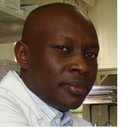 Collins Ouma合作论文数Mpala Research Centre13
 Gregory C. Davenport合作论文数13John M Ong'echa合作论文数12
 Jay H. Bream合作论文数Molecular Microbiology and Immunology, Bloomberg School of Public Health, Johns Hopkins University12
 Tom Were合作论文数Kenya Medical Research Institute, University of Pittsburgh12
 Douglas D. Perkins合作论文数Department of Human and Organizational Development, Vanderbilt University12
 John Vulule合作论文数Centre for Global Health Research, Kenya Medical Research Institute11
 Otoniel Martinez-Maza合作论文数Department of Microbiology, Immunology and Molecular Genetics, College of Life Sciences, University of California, Los Angeles;Department of Epidemiology, Fielding School of Public Health, University of California, Los Angeles10
 Priya Duggal合作论文数Epidemiology, Bloomberg School of Public Health, Johns Hopkins University10Hussain Shehnaz K合作论文数9J. B. Clegg合作论文数9
 Frank J Palella合作论文数Infectious Diseases, Department of Medicine, Feinberg School of Medicine, Northwestern University8Beth D. Jamieson合作论文数David Geffen School of Medicine, University of California8
 Mary Carrington合作论文数Center for Cancer Research, National Cancer Institute, National Institutes of Health, U.S. Department of Health and Human Services;Frederick National Laboratory for Cancer Research, National Cancer Institute, National Institutes of Health, U.S. Department of Health and Human Services;Laboratory of Integrative Cancer Immunology Program, National Cancer Institute, National Institutes of Health, U.S. Department of Health and Human Services8
 Samuel B. Anyona合作论文数Dept Med Biochem, Maseno Univ7
 Jacques Fellay合作论文数School of Life Sciences, Ecole Polytechnique Federale de Lausanne7
 Charles R. Rinaldo合作论文数Division of Infectious Diseases, Department of Medicine, University of Pittsburgh6Jacques Simpore合作论文数5Elizabeth C Breen合作论文数5Aj Boyce合作论文数5
 Gregory D. Kirk合作论文数School of Medicine, Johns Hopkins University;Division of Infectious Disease Epidemiology, Johns Hopkins University;Bloomberg School of Public Health, Johns Hopkins University;Center for Global Health, Johns Hopkins University5
 Matthew J. Mimiaga合作论文数Department of Epidemiology, Fielding School of Public Health, University of California, Los Angeles;Department of Psychiatry & Biobehavioral Sciences, David Geffen School of Medicine, University of California, Los Angeles;Center for Lgbtq+ Advocacy, Research & Health, University of California, Los Angeles5
 Tegwinde Rebeca Compaore合作论文数Laboratory of Molecular Biology and Genetics (LABIOGENE),, University of Ouagadougou;Pietro Annigoni Biomolecular Research Centre (CERBA), 01 P.O. Box 364, Ouagadougou 01, Burkina Faso.;Pietro Annigoni Biomolecular Research Centre (CERBA),, University of Ouagadougou5McKay Heather合作论文数5
 James Goedert合作论文数Division of Cancer Epidemiology & Genetics, National Cancer Institute5
 Gordon Awandare合作论文数Graduate School of Public Health, University of Pittsburgh5
 Gypsyamber D’Souza合作论文数Bloomberg School of Public Health, Johns Hopkins University5
 Lawrence A Kingsley合作论文数Department of Infectious Diseases and Microbiology, School of Public Health, University of Pittsburgh;Department of Epidemiology, School of Public Health, University of Pittsburgh5
 Christopher C Keller合作论文数5
 Pegdwendé Abel Sorgho合作论文数Pietro Annigoni Biomolecular Research Center (CERBA)4
 Mary E. Sehl合作论文数Computational and Systems Biology, College of Life Sciences, University of California, Los Angeles4
 Sudhir Penugonda合作论文数Infectious Diseases, Department of Medicine, Feinberg School of Medicine, Northwestern University4
 Di Zhao合作论文数Epidemiology, Bloomberg School of Public Health, Johns Hopkins University4
 Wendy Post合作论文数Department of Epidemiology, Bloomberg School of Public Health, Johns Hopkins University;School of Medicine, Johns Hopkins University;Ciccarone Center for the Prevention of Cardiovascular Disease, Johns Hopkins University4Todd T. Brown合作论文数Epidemiology, Bloomberg School of Public Health, Johns Hopkins University4
 Eliseo Guallar合作论文数Department of Epidemiology, School of Global Public Health, New York University4
 Mirjam C Kempf合作论文数4
 Amalio Telenti合作论文数Trail Biomed;The Scripps Research Institute;Caris Life Sciences4
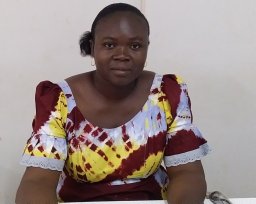 Djigma Florencia合作论文数Centre de Recherche Biomoléculaire Pietro Annigoni (CERBA), BP 364, Ouagadougou 01, Burkina Faso;Laboratoire de Biologie Moléculaire et de Génétique (LABIOGENE),, Université de Ouagadougou;Centre de Recherche Biomoléculaire Pietro Annigoni (CERBA),, Université de Ouagadougou4
 Ragnagnewende Serge Theophile Soubeiga合作论文数Molecular Biology, University of Ouagadougou/CERBA/LABIOGENE4Yonli Albert Théophane合作论文数4
 Ouattara Abdoul Karim合作论文数Centre for Biomolecular Research Pietro Annigoni (CERBA) LABIOGENE UFR/SVT, University of Ouagadougou4
 Eun-Young Kim合作论文数Department of Medicine, Feinberg School of Medicine, Northwestern University;Center for Human Immunobiology, Feinberg School of Medicine, Northwestern University4
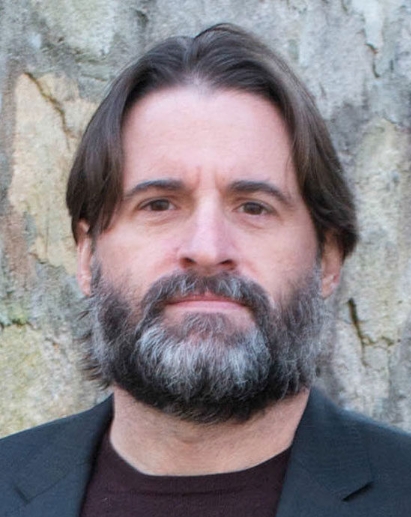 Stephen R. Cole合作论文数Department of Epidemiology, Gillings School of Global Public Health, University of North Carolina at Chapel Hill4
 Steve Horvath合作论文数Department of Biostatistics, School of Public Health, University of California Los Angeles;Institutes of Science, Altos Labs4




