40 Jahre Olympismus an der Universität Stettin (1985–2025) In der Monografie wird der Versuch unternommen, die vierzigjährige (1985–2025) Präsenz des Olympismus und Paralympismus an der Universität Stettin darzustellen – einer Hochschule, die seit Beginn ihrer Tätigkeit nicht nur Studierende ausbildet, sondern auch die Sportgeschichte der Region und des Landes mitgestaltet. Die ersten Jahre des Bestehens der Universität waren vor allem durch die Einbeziehung olympischer Thematiken in die Didaktik geprägt. Diese Fragestellungen fanden Eingang in Veranstaltungen zur Geschichte der Körperkultur, Sporttheorie, Theorie der Leibeserziehung, Physiologie und Biochemie. Zudem entstanden erste Masterarbeiten und wissenschaftliche Publikationen, die sich den Vorbereitungen auf olympische Wettkämpfe sowie der aktiven Teilnahme an sportlichen Rivalitäten widmeten. In dieser Zeit nahmen viele Olympiateilnehmer ihr Studium am Institut für Körperkultur auf – einige schlossen es erfolgreich ab, andere mussten es aufgrund sportlicher oder persönlicher Verpflichtungen unterbrechen. Nach dem Jahr 2000 nahm die olympische Thematik im Wirken der Universität eine zunehmend bedeutendere Rolle ein – insbesondere in den Bereichen Forschung, Didaktik und Organisation des akademischen Lebens. Die intensivste Entwicklung fiel in die Jahre 2011–2019, als die Fakultät für Körperkultur und Gesundheitsförderung bestand. Die Monografie gliedert sich in drei Kapitel. Im ersten wird die Entstehungsgeschichte der Universität Stettin sowie ihre organisatorischen Strukturen dargestellt. Das zweite Kapitel charakterisiert die universitären Einrichtungen für Körperkultur und Gesundheit in den Jahren 1985–2025. Im dritten, umfangreichsten Kapitel, wird die Thematik des Olympismus an der Universität Stettin in vier Dimensionen präsentiert: – wissenschaftlich – Forschung, Konferenzen und Publikationen, – didaktisch – Bachelor- und Masterarbeiten, – organisatorisch – Umfragen, Treffen mit bekannten Sportlern, Glückwünsche für Olympioniken und Paralympioniken, Zusammenarbeit mit dem Westpommerschen Olympischen Rat, – museal – Tätigkeit des Olympiamuseums an der Universität Stettin, Sammlung von Erinnerungsstücken und gewürdigte Persönlichkeiten. Am Ende der Publikation finden sich ein Fazit, eine umfangreiche Bibliografie, ein Personenregister, Zusammenfassungen in englischer und deutscher Sprache sowie eine biografische Notiz des Autors.
So far, in the history of the modern Summer Olympic Games, the event has not been organized only three times – due to World Wars – in 1916 (6th Olympic Games), 1940 (12th Olympic Games), and 1944 (13th Olympic Games). For the first time in its 124-year history, the International Olympic Committee decided (on March 24, 2020) to postpone the Games to the following year due to the pandemic caused by the SARS-CoV-2 virus. The 32nd Olympic Games Tokyo 2020 were held between July 23 and August 8, 2021, in a strict sanitary regime. The purpose of this paper is: to present the academic status of athletes – students and graduates of the University of Szczecin – who participated of the Olympic Games Tokyo 2020; to present key sports achievement to-date of these athletes; to analyze the sports results obtained by them in athletics in the context of medals won at the 32nd Olympic Games. The Polish Olympic team who participated in Tokyo 2020 included three athletes (runners), associated with the University of Szczecin: Patryk Dobek – 800 m run, Marcin Lewandowski – 1,500 m run, and Adam Nowicki – marathon. The coaching staff of Polish athletes included another graduate of the University of Szczecin, Jacek Kostrzeba. Additionally, Marek Kolbowicz, PhD – an employee of the Institute of Physical Culture Sciences at the Faculty of Health and Physical Culture of the University of Szczecin (INoKF WKFiZ US) – acted as a TV commentator/rowing expert. WKFiZ US’ student – Patryk Dobek – won a bronze medal in the 800 m run, which was an unexpected surprise in the Polish Olympic team.
Background and Study Aim. The physical activity level of students is closely associated with ecological, hygienic, and socioeconomic facts. This is especially true during the COVID-19 pandemic, which has dramatically reduced the student opportunity to engage in regular physical activity. The purpose of the work is to study the influence of the weekly physical exercises on the indicators of biological age of students of higher education institutions of Ukraine. Material and Methods. The study involved 409 students (182 boys and 227 girls), who were divided into experimental (87 boys and 117 girls) and control (95 boys and 110 girls) groups. The biological age (BA) of students was determined by means of Voitenko’s method using biomarkers of their physical status. Indices of the cardiovascular system (pulse, systolic, and diastolic blood pressure); respiratory system (vital capacity, the Hench and Stange test); central nervous system (static balancing); PHSA (personal health self-assessment) were studied. In addition, a questionnaire-based survey of students on their health self-assessment including 27 questions was carried out. Statistica 13.5 statistical software package was used to process the experimental material. Methods of variation statistics, correlation, and regression analysis were used. The coefficients of the Student t-test and Fisher’s F-test were calculated. Results. In the process of pedagogical experiment, the positive impact of the author’s physical education program on BA of students of the experimental group (EG) was revealed: in boys, the positive dynamics of BA changes was detected already after four additional hours of performing exercises per week, whereas in girls – after six or more hours. The most pronounced changes in physical state, which determined BA decrease during academic year were noted in students with a weekly motor regime exceeding 6 hours. In boys of EG, the biological age decreased at the end of the experiment by 11,1 years (p < 0,001), whereas in girls – by 5,3 years (p < 0,001). No positive changes of BA were observed at the end of the experiment in students of the control group (CG), whose weekly regime of motor activity constituted 2 hours. In boys of EG, the decrease of BA is manifested after four additional hours of performing physical exercises per week, whereas in girls – after six or more hours. The most pronounced changes in BA indices during the academic year were noted in students of the experimental group with weekly motor regime exceeding 6 hours. Conclusions. The developed mathematical models are recommended to be used for estimating, modelling, and predicting the biological age of students according to informative indices of physical state.
PurposeThe aims of the study were to determine the relationship between the shoulder muscles strength and the athletic performance of high-level swimmers and to detect the strength variables that had the biggest impact on high performance in sports swimming.MethodsThe study involved 39 high qualified swimmers (12 females and 27 males). To determine the strength variables, shoulder flexion and extension were carried out in isokinetic conditions. A Biodex S4 dynamometer was used. The following protocols were applied: (1) 3 repetitions, 60°/s; (2) 20 repetitions, 180°/s. The r-Pearson correlation analysis or the rho-Spearman correlation analysis were used. The family-wise error was checked.ResultsThe level of strength had a greater influence on the swimming performance in males (25 of the 68 obtained variables) than in females (18 of the 68 variables). The strength variables that had the biggest impact on high performance in sports swimming were peak torque (r: 0.39–0.633), total work (r: 0.408–0.692), average power (r: 0.44–0.739), and average peak torque (r: 0.456–0.72).ConclusionsRegardless of the respondents’ gender or the analysed shoulder movement, the following variables were repeated: peak torque, total work, average power, and average peak torque. Unfortunately, the results were not statistically significant. Only acceleration time of the left shoulder in the arm flexion movement in males was significant. Despite this, once the muscular groups are similar for the listed strength variables, the swimmer’s capability to produce force out of water seems to help them perform better in the water.
Background and Study Aim. The objective of the work consisted in studying the ratio and interconnections of functional fitness structure key components of elite combat athletes in the process of adaptation to physical loads at the stage of individual capacity maximum realization. Material and Methods. 55 highly skilled wrestlers aged 19-27 years old, members of the national teams of Ukraine in different styles of wrestling - freestyle, Greco-Roman, judo were examined. The assessment of wrestlers’ functional fitness structure was made according to a complex of indices of physiological systems activity at rest and during performance of a block of testing physical loads on a bicycle ergometer. Results. The components of functional fitness structure of male combat athletes of three wrestling styles (Greco-Roman, freestyle and judo) were studied according to the manifestations of the respiratory and circulatory functions during testing loads performance, and achieved indices of work capacity. It has been revealed that the key integrative components of the general structure of wrestlers' fitness include: the level of special work capacity, general level of functional fitness, mobility of physiological processes, economy, anaerobic power. Greco-Roman wrestlers are superior to freestyle wrestlers and judokas in anaerobic power, mobility and economy. The greatest differences are manifested in the values of anaerobic power, mobility and general level of functional fitness, whereas the least - in indices of economy. The key criteria for the functional fitness of wrestlers in the manifestation of a high level of physical work capacity include: economy of functioning at rest and during muscular activity of anaerobic-aerobic nature, high reactivity of the cardiovascular system to physical load, power of the anaerobic energy supply system, the rate of recovery processes, the state of cardiac activity regulatory mechanisms, the level of metabolic processes and excitability of the heart muscle. The level of development and the ratio of the components of functional fitness structure of elite combat athletes may be used as the reference models for development of differentiated scales for estimation of the key constituents of physical state of wrestlers specialized in freestyle, Greco-Roman wrestling and judo. Complex application of different methods of testing athletes provides more efficient approach to the problem of monitoring and managing functional fitness and special work capacity of wrestlers at the stage of maximum realization of individual capacities. Conclusions. An increase in the proportion of key integrative functional indices in special work capacity of athletes specialized in various wrestling styles - Greco-Roman, freestyle and judo represents the most significant criterion for improving their functional fitness structure.
Ważnym celem strategicznym władz Poznania jest propagowanie idei zdrowego, aktywnego stylu życia wśród mieszkańców i poprawa jakości życia w zakresie dostępnych form spędzania wolnego czasu. Tym samym podniesienie świadomości prozdrowotnej wśród mieszkańców miasta Poznania. Badaniem na terenie krytych kortów tenisowych (16 obiektów), krytych pływalni (12 obiektów) oraz fitness klubów (11 obiektów) miasta Poznania, zostało objętych 1159 usługobiorców (korzystających z usług danego obiektu sportowo-rekreacyjnego). Kwestionariusze ankietowe skierowano do usługobiorców (mieszkańcy miasta Poznania korzystający z oferowanych usług w badanych obiektach sportowo-rekreacyjnych). Usługobiorcy zostali dodatkowo podzieleni na grupę osób wyczynowo uprawiającą sport i tych, którzy nigdy nie uprawiali sportu wyczynowo. Badana grupa respondentów, w kwestionariuszu ankietowym, miała możliwość zaznaczenia odpowiedzi TAK lub NIE, oraz wyrażenia swojego poziomu zadowolenia/oceny przy pomocy określonej skali punktowej od 1 do 10 (1 – niezadowolony, 10 – bardzo zadowolony). Wypowiedzi ankietowanych usługobiorców oceniają realizację propagowania idei zdrowego, aktywnego stylu życia w kategoriach wyższych niż wartości przeciętne, zarówno w grupie amatorów, jak i wyczynowo uprawiających sport. Różnice pomiędzy nimi nie są istotne statystycznie. Ujemne wartości współczynnika skośności w obu badanych grupach pokazują silną tendencję do stawiania ocen wyższych, niż przeciętna.
Background and Study Aim. The objective of the work is to study the key factors of highly skilled wrestler fitness structure determining the level of their functional state and physical work capacity at the stage of maximum realization of individual capacities. Material and methods. 45 highly skilled wrestlers aged 19-27 years, members of the national teams of Ukraine in freestyle and Greco-Roman wrestling were examined. 27 athletes of student age (19-24 years-old), among them were 23 students and postgraduate. Instrumental research methods were used to record indices of functional fitness (FF) and physical work capacity of wrestlers while performing a specialized test with throws of a partner and a block of testing physical loads on a bicycle ergometer. Results. It was revealed that among factors determining the structure of wrestlers' fitness, the integral factor of FF general level (31.13% of the total variance) has the greatest impact on the variability of physical work capacity indices of athletes. Increase in skill level of wrestlers is associated with decreased time of performing throws in a specialized test, increased relative values of lactate power, O2-debt, general level of FF, O2 consumption per 1 kg of body mass. Improvement of wrestler FF structure along with an increase in their skill level is characterized by higher contribution of FF integral parameters (anaerobic power, mobility of physiological reactions, FF general level) to the manifestation of physical work capacity. It was revealed that the general level of FF of wrestlers is characterized by the following ratio of key factors (relative to model values of elite athletes): anaerobic power - 52.6 ± 4.9%, aerobic power - 52.8 ± 4,1%, mobility - 80.4 ± 5.3%, economy - 43.3 ± 3.0%. In the course of studies, mathematical models of the key factors of wrestler FF structure associations with the level of special work capacity, skill level and weight category have been developed. Modeling allowed to specify the criteria and develop scales for assessing special physical work capacity level, differentiated according to skill level and weight category groups of highly skilled wrestlers. Conclusions. The findings reflect the crucial role of anaerobic energy supply mechanisms in the manifestation of high special work capacity in wrestling. Improvement of wrestler FF structure along with the increase of their skills is characterized by a decrease in the number of key functional parameters determining the level of physical work capacity during testing with loads that model specific activity of highly skilled wrestlers. This, along with body functions economization, is one of the important criteria for improving FF structure of the combat athletes.
The aim of this article is to present an analysis of the current qualifying standards for the 32nd Summer Olympics and the 16th Paralympics, Tokyo 2020 (2021). The article takes account of athletes who are students and graduates of the University of Szczecin in their respective sports disciplines, as well as sports restrictions related to the COVID-19 pandemic. Moreover, the article presents trainers, physiotherapists, employees and graduates of the University of Szczecin who are working with athletes who meet the qualifying standards or plan to compete in sports events to meet the standards, for the Tokyo 2020 Olympic Games. If their athletes qualify for the Games, they will become members of, or potential candidates for, the coaching and medical staff of the Polish Olympic and Paralympic team participating in Tokyo 2020 (2021). This article serves as a continuation of research and analyses on the participation of student athletes, coaches and physiotherapists who are graduates of the Higher School of Pedagogy in Szczecin (later: University of Szczecin), in the Summer Olympics and Paralympics. For the first time in the history of the modern Olympic Games, the event has been postponed: Tokyo 2020, although retaining its name, will take place the following year. This decision is a result of the global COVID-19 pandemic. The research material consisted of 14 individuals: eight athletes, five trainers, and one physiotherapist. Out of the eight analysed athletes, four of them – Patryk Dobek, Michał Gadowski, Piotr Lisek and Marcin Lewandowski - have already achieved qualifying standards which enables them to participate in the Olympic Games. The Paralympic qualifications in rowing, won by Michał Gadowski, have guaranteed coach Tomasz Kaźmierczak and physiotherapist Beata Buryta’s participation in the 16th Paralympics Tokyo 2020 (2021).
Objective: determination of criteria for assessing functional reserves and reliability of voluntary movement control system under various conditions of muscular activities. Material: Students aged 17-19 and athletes aged18-27 and specialised in various sports events participated in different studies. At Physical Education classes, female students were engaged in a programme aimed at improving the reliability and reserving the control system of local and regional movements of different coordination complexity. Athletes – cyclists, wrestlers, weightlifters, shooters performed specialised movements of different coordination complexity in the process of adaptation to specific physical loads in each sports event. The quality of motor regulation demonstrated by cyclists, weightlifters and wrestlers was analysed according to muscular activities, intermuscular relationships during muscular performance manifestation in the process of cyclic and acyclic loads, whereas shooters performed it according to the result of shooting at a target. Results: It has been revealed that in the process of a long-term adaptation to various types of muscular activities, the reserves of the movement control system representing different coordination structure are characterized by: an increase in the power of compensatory rearrangements to maintain the motor function reliability in complicated conditions of motor regulation and, in particular, during functional deprivation of the key sensory systems, maximum activation of physiological systems in the process of muscular activity and compensated phase of developed fatigue. The most prominent changes occur in movements, in the control of which the highest levels of regulation are involved. In movements regulated at lower motor levels, the shifts are less significant. Such movements are more stable, programmatic and harder subjected to change by means of physical exercises. Conclusions: The key criteria for the reserve capacities of the movement control system are as follows: power, efficiency and interchangeability of compensatory responses and mechanisms ensuring the reliability of movement control under the influence of distorting factors and fatigue; speed of transition to programme mechanism of motor regulation in the process of improvement under stable functioning conditions; manifestation of the "afferentation narrowing" principle in the sensory control of movements under stable functioning conditions.
Balancing sports practice at the highest world level with university education is a difficult – but feasible – task. An example of such skilful balance are some graduates of the Higher Pedagogical School in Szczecin, University of Szczecin, majoring in Physical Education, who graduated from the university with a successfully defended Master's thesis while being active athletes. The aim of this paper is: to present current students of the Faculty of Physical Culture and Health Promotion of the University of Szczecin (WKFiPZ US) and a graduate of the Institute of Physical Culture of the Faculty of Natural Sciences at the University of Szczecin (IKF WNP US) as potential candidates of various disciplines for the 32nd Summer Olympic or 16th Paralympic Games Tokyo 2020; to show their sports achievements in previous Olympic and Paralympic Games; to present the indicators and qualification rules that the analysed athletes must follow to represent Poland in the Olympic and Paralympic Games Tokyo 2020. The study involved a group of seven athletes, current students of the University of Szczecin, Faculty of Physical Culture and Health Promotion: Patryk Dobek, Michał Gadowski, Marcin Lewandowski, Piotr Lisek, Katarzyna Mądrowska, Paulina Woźniak, Krystian Zalewski and one graduate of the Institute of Physical Culture of the Faculty of Natural Sciences of the University of Szczecin, Anna Harkowska. All of them are members of the national Polish team in their respective sport disciplines. They compete in their respective sports disciplines in which they strive for qualifying standards which guarantee a start in the 32nd Summer Olympic or the 16th Paralympic Games Tokyo 2020. Piotr Lisek has the best chance of winning a medal in Tokyo in pole vault, as well as the following disabled athletes: Anna Harkowska in cycling, Michał Gadowski in rowing, and Paulina Woźniak in swimming. Marcin Lewandowski – a titled European medallist in the 800 m race will probably compete in his fourth Summer Olympics Tokyo 2020 (he participated in 2008, 2012, and 2016) and this time will fight for the best place amongst the finalist in the 1,500 m race.
Club coaches, national team coaches, as well as Olympic or Paralympic team coaches are those trainers who use their knowledge, professionalism and experience to lead their trainees to achieve sports results that satisfy athletes as well as coaches and authorities of Polish associations of various sports disciplines practiced by the athletes. A good trainer is the most important person in the coaching team, as they supervise the whole participation of their Olympians or Paralympians. Among the graduates of the Szczecin University’s Physical Education, there are many trainers of various sports disciplines. They are club coaches, national team coaches and they also hold coaching functions at the Summer Olympic and Paralympic Games. The aim of this paper is to: present the university (student) characteristics of the analyzed coaches and a physiotherapist who stand among the potential candidates to be appointed for the coaching and medical staff of their trainees (including the football team) who will fight for qualification standards guaranteeing them participation in the 32nd Summer Olympics or 16th Paralympic Games Tokyo 2020; showing the current coaching activity of the trainers and a physiotherapist in question; presenting the criteria and eligibility rules which the athletes of the coaches and the physiotherapist need to obtain to take part in the Tokyo Olympic or Paralympic competition. The research material consists of six graduates of the University of Szczecin, who majored in Physical Education, and who currently work primarily in the coaching team (Tomasz Kaźmierczak, Jacek Kostrzeba, Tomasz Lewandowski, Grzegorz Musztafaga, Miłosz Stępiński) and the medical/therapeutic team (Beata Buryta). All of the analyzed graduates of the University of Szczecin are among the trainers and physiotherapists who are candidates for the Polish national team for the 32nd Olympic Games or the 16th Paralympics Games Tokyo 2020. Tomasz Kaźmierczak – he will definitely be present for the fourth time at the Summer Games Tokyo 2020 as a coach for disabled rowers (previous participations in 2008, 2012, and 2016). The trainees of the coaches in question (except for the football team) can be included into the Polish team participating in the Summer Games Tokyo 2020 and at least compete in finals during the Olympic or Paralympic competition.
Background: The Special Olympics are dedicated to people with intellectual disability and multiple disabilities. The aim of the study was to define the level of athletics competition results for participants with intellectual disabilities. More over researchers tried to determine the impact of gender and age on the results obtained by people with mental disabilities. Material and methods: There were 1108 results (431 female, 677 male) achieved at Special Olympics events in 2016-2017. Competitors were divided into 4 age groups and competed in 8 track and field events. Results: There were no statistically significant differences between the examined males and females in the 50 m sprint scores in all categories. In the 100, 200 and 400 m races, the males in groups III and IV were faster than the females in each group. In the long jump-standing competition, the results for the males were on average longer than the females in every category. The results of the long jump-running indicate that the women in the III and IV category had on average shorter lengths than men in the same groups. Only men in category III had higher scores than females in the ball throw. All categories showed higher results of men in the shot put. Among females there were differences between age groups in 100, 200 m races, long jump-standing and ball throw events. Among males age groups, the differences were observed in 100, 200 m races and long jump-running competitions. Conclusion: The results of people aged 8-11 and 12-15 indicated a similar level of athletics competition results for males and females. In the groups 16-21 and 22+ years, a higher level of athletics competition results for was observed in men.
Aim: Verification of special and task-oriented fitness test of competitive ballroom dancers carried out among the most qualified contestants by Rokita (2006).Basic procedures: The research material consisted of 76 dancers (38 European couples) of the highest international dance class S, who train ballroom dance in European countries, i.e.: Poland, Italy, the United Kingdom, Germany, and Ukraine. The research methodology included carrying out a test constructed by Rokita (2006), consisting of a total of 16 “chaines” turns in 2/4 metre and at a rate of 40 bars per minute. Results: The presented results constitute a proof that the tool proposed by Rokita is not reliable for all competitive ballroom dancers. It is obvious that the most qualified male and female dancers show a higher level of physical fitness due to, for example, training. This however does not mean that there are no significant differences between them. Nevertheless, it is impossible to measure them using this test. Therefore, the conducted research led to considerations on the principles of construction of a motor skills test. Conclusions: The presented results constitute a proof that the tool proposed by Rokita is not reliable for all competitive ballroom dances. This test does not fully meet the criteria for the construction of a motor skills test.
Introduction. Swimming as a sport encompasses various styles and distances (from 50 up to 1,500 meters). The correlation between sports results and general/special muscle strength seems unquestionable. Aim. The purpose of this paper is to answer the question related to maintaining the proportion between muscle strength development (which depends mainly on land-based trainings) and endurance trainings in water. Material and methods. The study covered 14 leading swimmers from MKP Szczecin who specialized mainly in short and medium distances; they were members of the national senior and junior teams in the 2013/14 training year. The general strength tests were conducted at the beginning and at the end of the winter and summer preparatory periods. The following tests were performed: bench-pressing, pull-ups and bar dips. At the end of the main research period, a thrust test was conducted on land (on a swim bench), as well as a thrust test in the water. Results. All participants demonstrated progress in results between the summer season and the winter season. The range of training loads was higher in the summer due to the length of preparation (by about 100%). The individual progress was, however, very varied. Conclusions. The level of sports progress achieved by individual swimmers was greatly diversified. The relatively high level of general and special strength in the tested swimmers was linked to their need to display these motor skills while swimming. Subjects who showed the greatest progress in the general and special strength trials, displayed the biggest improvement in their swimming performance during the competition season. Swimmers with a fairly high level of strength, but a moderate sports level should analyze and improve their swimming technique. Subjects whose progress in general and special strength tests was the least significant, should try and achieve progress by developing other technical and coordination skills.
INTRODUCTION AND OBJECTIVE:Anterior cruciate ligament rupture is one of the most common knee injuries in sports. Although various intrinsic and extrinsic risk factors have been identified, the exact aetiology of the injury is not yet fully understood. Single nucleotide polymorphisms (SNPs) in the collagen type I (COL1A1) gene have been shown to be associated with several complex connective tissue disorders. The aim of this study was to examine the association of -1997G/T polymorphisms in the COL1A1 gene with ACL ruptures in Polish recreational skiers in a case-control study.MATERIALS AND METHODS:A total of 180 male and female recreational skiers with surgically diagnosed with primary ACL ruptures were recruited for the study, all of whom qualified for ligament reconstruction. The control group was comprised of 245 apparently healthy male and female skiers with a comparable level of exposure to ACL injury, none of whom had any self-reported history of ligament or tendon injury. DNA samples extracted from the oral epithelial cells were genotyped for -1997G/T polymorphisms using PCR method.RESULTS:Genotype distribution in the cases (GG-82.2% GT-16.7%; TT-1.1%) showed significant difference (P=0.036) compared to controls (GG-71.4% GT-26.5%; TT-2.2%). The frequency of the GG genotype in the ACL rupture group was also statistically significant (p=0.011, Fisher's exact test recessive mode: GG vs GT+TT). The frequency of the G allele was higher in these cases (90.6%), and also statistically significant (p=0.012) when compared with controls (84.7%).CONCLUSION:The results obtained indicate that the -1997G/T COL1A1 gene is one of the genetic markers to be taken into the consideration in the identification of the risk of ACL injury.
The aim of this study was to find out whether Masters class swimming affects strength disproportion and if there is a correlation between the length of sport swimming training in Masters swimmer’s past (SST) and strength parameter’s deficits? Eighteen Masters category swimmers affiliated in Szczecin Masters Team (178.3 ±2.28 m; 77.9 ±2.86 kg) participated in the study. Isokinetic strength measurement was made on Biodex S4 dynamometer. Subjects performed shoulder flexion/extension moves: 3 repetitions – 60 deg/sec and 20 repetitions – 180 deg/sec. Following values were used: peak torque (PT), maximal repetition work (MRW), coefficient of variation (COV), total work (TW), average power (AP), agonist to antagonist ratio (AG:AN). None of the investigated variables were statistically significant in side to side comparison. All of the parameters were higher in extension. Also, no statistically significant difference between sides in AG:AN. Moderate positive correlation was found between SST and PT deficit in extension movement (0.420). Also low positive correlation between SST and PT deficit in flexion (0.396), and MRW deficit in extension (0.352). Masters class swimming did not affect side strength disproportion or agonist to antagonist differences. However, it is possible that swimming training in other categories does.
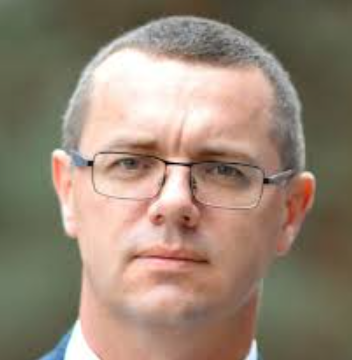 Pawel Cieszczyk合作论文数Department of Physical Education, Gdansk University of Physical Education and Sport31
 Krzysztof Ficek合作论文数20
 Marek Sawczuk合作论文数18
 Katarzyna Kotarska合作论文数14
 Leonska-Duniec Agata合作论文数Faculty of Physical Education and Health Promotion, University of Szczecin12
 Elzbieta Sienko-Awierianow合作论文数8Maciejewska-Karlowska Agnieszka合作论文数8Stepien-Slodkowska Marta合作论文数8
 Stanisław Sawczyn合作论文数7
 Agnieszka Maciejewska-Skrendo合作论文数6Wioletta Lubkowska合作论文数6
 Rafal Buryta合作论文数6Alicja Drohomirecka合作论文数5Sygit Katarzyna合作论文数5Ostanek M合作论文数5Zarębska Aleksandra合作论文数5a drohomirecka合作论文数4Waldemar Moska合作论文数4Mariusz Kaczmarczyk合作论文数4A Maciejewska合作论文数3Krzysztof Krupecki合作论文数3
 Aleksander Wiazewicz合作论文数3Stanislav Prysiazhniuk合作论文数3
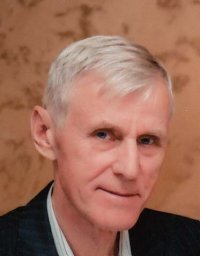 Sergii Iermakov合作论文数Gdansk Univ Phys Educ & Sports3Sygit Marian合作论文数3
 Dorota Kostrzewa-Nowak合作论文数3
 Robert Nowak合作论文数3Klocek Tomasz合作论文数3Nijole Jascaniene合作论文数3a grenda合作论文数2Tomasz Chamera合作论文数2janas jascaninas合作论文数2
 Oleksandr Pryimakov合作论文数Inst Phys Culture Sci, Szczecin Univ2n jascaniene合作论文数2
 Malgorzata Paczynska-Jedrycka合作论文数Faculty of Physical Culture and Health, University of Szczecin2
 Milena Lachowicz合作论文数2Mirosława Szark-Eckardt合作论文数Kazimierz Wielki University in Bydgoszcz2
 Michał Spieszny合作论文数2
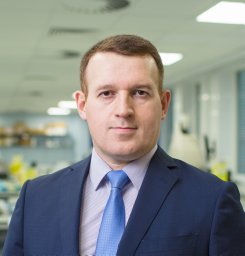 Ildus I. Ahmetov合作论文数Research Institute for Sport and Exercise Sciences, Liverpool John Moores University2
 Jastrzębski Zbigniew合作论文数Gdansk University of Physical Education and Sport2Rozpara Michał合作论文数2
 Puciato Daniel合作论文数Wydział Wychowania Fizycznego i Fizjoterapii, Politechnika Opolska2Wladyslaw Mynarski合作论文数2
 Olga Fedotovskaya合作论文数St Petersburg Research Institute of Physical Culture Sports Genetics Laboratory2maria makris合作论文数1manefa miskinienė合作论文数1Nijole Jascaniniene合作论文数1radoslaw sroka合作论文数1




