Water conservation is usually catalogued by technology, efficient fixtures, leak control, reuse, metering, process integration. That framing hides a stubborn fact: realised savings consistently fall short of engineering potential and often fade with time. Rebound, poor maintenance and behavioural decay explain part of the gap, but not all. We argue that a large share is an agency mismatch: the actor who would benefit from a measure lacks the authority, capacity and incentive to deploy it, while the actor who holds them does not benefit. Using the Scandinavian concept of rådighet (agency), we map water-conservation measures to the actors holding primary and secondary agency. Clear patterns emerge: agency is concentrated for network measures and fragmented for building-scale ones; the largest potentials sit with the weakest-agency actors; and standards, pricing and digital infrastructure act as agency bridges. Two Swedish field trials show why misaligned agency undermines otherwise sound technology, and we set out what an agency-first approach means for policy.
Hot water circulation (HWC) systems in multifamily buildings face a fundamental trade-off: maintaining temperatures sufficient to suppress Legionella pneumophila (>= 50 degrees C) while minimizing the 2.5-4.3 TWh annual energy loss these systems represent in Sweden alone. This study employed a novel dual approach combining controlled laboratory experiments with real-world validation to address this challenge. We constructed a fullscale test rig simulating a 20-apartment building to quantify thermal losses and microbial dynamics under varying flow rates and temperatures. This was complemented by a field validation encompassing 56 water samples from 31 multifamily buildings. The results demonstrate that when optimizing the system to maintain a regulatory required return temperature of 50 degrees C, thermal heat losses were nearly identical between low-flow (0.2 m/s) and high-flow (0.5 m/s) operation. The decisive factor was pump energy, where high-flow operation required 3.4 times more power than low-flow operation (108 W vs. 32 W). This resulted in a total annual energy saving of approximately 12% for the low-flow strategy, entirely attributable to reduced electricity consumption for the pump. Periodic thermal shocks at 60-65 degrees C effectively reduced L. pneumophila concentrations, indicating that continuous high-temperature operation is not required for microbial control. Field sampling revealed that 23% of samples tested positive for legionella, with problematic cases strongly linked to design flaws like towel warmers connected to the HWC loop. These findings indicate that a risk-based strategy combining low-flow circulation (0.2 m/s), a baseline return temperature of 50 degrees C, and periodic thermal shocks can significantly reduce system energy consumption while maintaining legionella safety.
Most field studies of residential water-saving devices rely on aggregate meter data that cannot isolate device-level effects. We present a tap-level monitoring framework applied at HSB Living Lab, a 29-apartment facility in Gothenburg, Sweden. Over 32 months, 205,097 water use events were recorded across 80 taps (31 treated, 49 control) for nine water-saving products installed in three rounds. Event-level non-parametric tests, a difference-in-differences (DiD) framework, and three user experience surveys (n = 26) were combined.Event-level tests found that 65–81% of treated taps showed statistically significant shifts in the distribution of individual use events (median volume change –7.1%); because an event here reflects a ∼10-minute reporting window rather than a fully independent discrete use, we treat this as exploratory description rather than confirmatory evidence. The aggregate, tap-clustered difference-in-differences estimate—our confirmatory analysis—was not significant. Product-specific effects were heterogeneous; in this small, exploratory survey (n = 26 respondents, 3–10 per product), the least-liked product showed the largest measured reduction and the most-liked showed none, a suggestive pattern that would need confirmation in larger samples. Event-level monitoring can surface intervention effects that aggregate data may not resolve; we interpret this as a consequence of finer measurement resolution rather than evidence of savings hidden within aggregate figures. We emphasise, however, that statistically significant event-level shifts indicate changes in the distribution of individual water-use events, not necessarily reductions in total water use at the building scale.
This paper develops a multi-criteria decision support framework to provide a structured process for selecting and assessing sustainable and energy-efficient water supply systems. The research addresses the need for a unified, practical tool that consolidates the diverse factors involved in water sustainability. We developed this conceptual framework by conducting semi-structured interviews and focus groups with 13 diverse stakeholders in Sweden, including representatives from municipalities and water suppliers. This participatory process identified 30 criteria and 39 indicators dimensions of water, energy, health, resilience, and climate. The criteria were organized into national, regional, and project-related categories to ensure seamless adaptability to local conditions. The framework utilizes a modular boundary logic and organize criteria into national, regional, and project level tiers. It was validated though proof of concept for a residential building in Stockholm and sensitivity analysis was conducted to test the robustness of the result. Ultimately, this framework offers a robust and adaptable methodology for assessing water and energy systems in buildings. By translating complex academic research into a practical tool, it serves as a vital bridge between theory and implementation, enabling more informed and sustainable decisions in water resource management.
Addressing the limited research on integrated rainwater utilization for cooling, this study assesses a dual-purpose rainwater harvesting system for indirect evaporative cooling and toilet flushing in three cities in Sweden during 2015-2023. Using climate data and a validated model, water and energy savings in residential and commercial buildings were evaluated. Simulation was conducted to reach 90 % of evaporative cooling water demand, redirecting water to toilet flushing during low cooling periods. Annual water demand ranged from 7 to 22 m3/ (m3/s), covering 28-58 % of cooling demand. Energy savings reached 34 % with water savings between 13 and 28 %. Suggested system size yielded energy savings of 1-28 % and water savings of 8-28 %. The seasonal coefficient of performance varied strongly with operational time and cooling demand. This study provides crucial data on the synergetic benefit of such a system, bridging the knowledge gaps on their practical performance and potential on enhancing building resource efficiency.
This study examines the potential of transforming stormwater retention basins into multifunctional systems for flood mitigation and rainwater harvesting, addressing urban challenges of flood risk and sustainable water management. By integrating real-time control (RTC) mechanisms, the research explores how traditional basins can serve dual purposes. A Python-based hydrological model tested forecast-based control (FBC) strategies against rule-based and business-as-usual (BAU) systems. In a case study from Gothenburg, Sweden, FBC reduced overflow volumes by up to 50% compared to rule-based control and met up to 95% of water reuse demand. Experimental validation showed strong agreement between simulated and observed data, highlighting the benefits of FBC in optimizing water discharge and reuse. These results demonstrate the feasibility of repurposing existing retention basins into multifunctional infrastructure, offering environmental and economic advantages while enhancing urban water resilience.
The energy and water demand are expected to increase as a consequence of industrial development. The water streams in a typical building could however be used in a more energy and water efficient way to mitigate these challenges. Unfortunately, there are limited ways to evaluate and compare these system solutions. Thus, this study aims to identify the potential of different water streams within a typical building, their energy and volumetric potential and the areas of interest that can serve as a basis for a framework used for the evaluation of a system solution. A literature study will be performed to identify possible aspects of interest and to identify prevailing water stream within a building. Semi-structured interviews will also be conducted with stakeholders operating within the field which will work as a basis to develop the framework of areas and parameters of interest. Eight water streams were identified within a building where the stream with the largest volume was cold water, greywater and blackwater and the streams containing the largest energy content where cold water, rainwater and condensate. The interview produced several issues where, after processing, three different general aspects and 10 areas of interest were identified. Rainwater has shown to have the potential to work as an energy source for evaporative cooling due to the volume and high quality. By separating the sensible energy from the grey water and utilizing both, both resources enable proper use for higher acceptance amongst tenants.
Globally an increasing number of people are facing water scarcity. To address the challenge, measures to reduce water demand are investigated in the world. In the present paper, a novel approach to reuse bathroom graywater for shower and bathroom sink hot water is investigated. The investigation focuses on water and energy savings, water treatment, economic benefit and investigates the main actors and institutions that are involved. The main results are that there is significant potential for water and energy savings with a positive economic benefit. Water savings of domestic hot water up to 91 % and energy savings up to 55 % were observed. The investigated treatment plant produces recycled graywater with a quality close to drinking water standards. The investigation also presents that the reason for the positive economic benefit will depend on the utility tariffs. Therefore, two locations with different utility rate structures were investigated, Gothenburg, Sweden and Settle, USA. In Gothenburg, the utility cost for energy was the driver of economic benefit and in Seattle it was the water and wastewater cost that was the driver. The return of investment for the system and installation was shown to be 3.7 years in Gothenburg and 2.4 years in Seattle.
Municipal drinking water supplies are under great stress globally, and one way to mitigate the problems is the reutilization of wastewater in various settings. In this paper, a greywater reuse scheme and the impact of system design and configuration on water and energy savings are investigated. The objective of the paper was to investigate the impact of hydraulic design and performance of a greywater treatment and reuse system on water and energy savings. A simulation model was created based on real, disaggregated water consumption data that predicts the reuse potential. Three scenarios were investigated; (1) greywater collection from the bathroom and reuse for toilet flushing, (2) greywater collection from bathroom sinks and showers, and reuse as hot water for sinks and showers, and (3) a combination of (1) and (2) where greywater collection from bathroom sinks and showers is used for toilet flushing, sinks and shower. The results indicate hot water reductions between 55.6 and 58.2%, while cold water reductions ranged from 5.8 to 30.6%. Reductions in energy for producing hot water between 43.5 and 46.8% were observed. Recommendations per connected user for hydraulic design ranged from 0.033 to 0.1 dm 3 min −1 , 3 dm 3 , and 0.7–10 dm 3 for treatment capacity, collection and holding tank volume.
The GoBiGas plant, which comprises a 32-MWth dual fluidized bed gasifier, was constructed as a demonstration unit for converting biomass to biomethane via gasification. On several occasions during the commissioning of the plant, low activity of the olivine bed generated a high content of tar in the produced gas, which was deleterious to the downstream equipment. The problem was attributed to a deficiency of ash constituents, and the solution was to control activation of the bed material through the addition of K2CO3 to the process. This enabled extended operational periods without tar-related issues. The achieved activity could be lost during interrupted operation at which time the activation procedure had to be repeated. In the present paper analysis of the bed material samples extracted upon activation and after loss of activity using Scanning Electron Microscopy coupled with Energy Dispersive X-ray spectroscopy (SEM-EDS) showed similar morphologies for the ash layers formed around the olivine particles. The observed differences mainly related to the distributions of potassium (K) across the layers. Furthermore, surface analysis showed differences in K speciation within the outer regions. K solubility tests and X-ray photoelectron spectroscopy analyses indicated that K was present as an oxide/hydroxide rather than as a silicate on the surface of the active olivine. The presented results are of major relevance for the operation of dual fluidized bed gasifiers with fuels that are potassium-lean when ash components need to be supplied as additives.
This paper explores how the design of domestic appliances influences people's energy use during everyday activities. Drawing on findings from an interview study with 81 informants, a variety of design characteristics were uncovered, which set preconditions for use that in different ways impede or support energy conservation. The identified characteristics concerned not only appliances' operative functions but also their interactive and communicative functions as well as people's underlying motives for using specific appliances. Addressing the full range of characteristics during the development of new appliances will highlight a variety of design opportunities and increase the possibilities for developing appliances that support people to go about their everyday activities in less energy-reliant ways.
Increasing amounts of heavy metals is a growing societal problem. By using ion exchangers, heavy metals can be captured and thereby their environmental impact can be decreased.Microalgae have been shown to adsorb metals; the algal cell wall contains functional groups, such as amino-, carboxyl-, hydroxyl- and sulphate groups, to which the various metal ions could bind [1]. This makes them suitable as a sustainable alternative for environmental remediation. Removal of pollutants with algae is called phycoremediation and is well studied for e.g. waste water [2].Within this project, we study the potential of microalgae for remediating heavy metals in low concentration originating from leaching of combustion ashes, by measuring the metal binding capacity by three phytoplankton species: Chlorella sauna, Dunaliella sauna and Scendesmus obliquus. The heavy metals assessed are divalent ions of copper (Cu), cadmium (Cd), zinc (Zn), mercury (Hg) and lead (Pb). The effect of pH has been determined, as well as binding over time.
Household consumption is the ultimate driver for all production in our economies, and a significant part is direct consumption that takes place within physical boundaries of the household, which we call the home. Important consumption categories include utilities like water, electricity, heating and cooling, but also the food we eat and the clothes we wear. To facilitate sustainable innovation in the built environment, reducing innovation cost and product time to market a co-creation open innovation approach is proposed, which is expected to lower thresholds for new innovation project for all actors, and in particular small to medium enterprises (SME's). In the Habitation Lab academia, public bodies, industry and users come together to form a quadruple helix of innovation. The open innovation process involves multiple stakeholders, and end users take on the role not only as test subjects, but also as active contributors and co-creators of new products and services. A newly built Habitation Lab in Gothenburg, Sweden, containing 29 apartments, a co-creation studio and 2,000 sensors is presented as a case study.
Passive diffusion sampling, due to its low cost and low-labor dependency, is the preferred alternative for frequent time-averaged monitoring of pollutants concentration in vvater. Even though passive samplers have shovvn good results for deployment in a vvide range of vvater environments, their sampling rates are found to be affected by environmental variables such as temperature, turbulence and biofouling. İn the present vvork passive samplers vvere exposed to 16 metals in laboratory conditions. The main goal vvas to find the driving mechanism behind the diffusion and uptake of metal ions and thereby to account for the influence of factors such as temperature, stirring speed and exposure concentration. For ali the tested factors metals considered as strong electrolytes shovved the same tendency of increase in sampling rate (around 1.5 times) vvith increase of the tested parameter, vvhile for the ones considered as vveak electrolytes the tendency vvas the opposite vvith a decrease of 0.5 times in sampling rates. □miting factors for this distinguished difference vvere found and discussed. For temperature the limiting factor vvas the radii of ions, vvhile vvhen comparing concentrations and turbulence the charge density appeared to have a dominant influence on uptake order of metals. 4ih BBCAC, 19-23 Sept., Sunny Beach, Bulgaria
Diffusion-based passive samplers are increasingly used for water quality monitoring. While the overall method robustness and reproducibility for passive samplers in water are widely reported, there has been a lack of a detailed description of uncertainty sources. In this paper an uncertainty budget for the determination of fully labile Cu in water using a DGT passive sampler is presented. Uncertainty from the estimation of effective cross-sectional diffusion area and the instrumental determination of accumulated mass of analyte are the most significant sources of uncertainty, while uncertainties from contamination and the estimation of diffusion coefficient are negligible. The results presented highlight issues with passive samplers which are important to address if overall method uncertainty is to be reduced and effective strategies to reduce overall method uncertainty are presented.
Metals in urban runoff water need to be monitored in order to estimate fluxes and assess their impact on the aquatic environment. Passive sampling is a useful and reliable emerging tool for measuring time averaged concentrations of metals in water bodies. This paper describes the deployment of a passive sampler to measure Cu, Ni and Zn in an urban runoff water treatment facility. The concentrations derived from the passive samplers are compared to concentrations obtained from an automated water sampler which provides pooled spot water samples and to model predictions from the visualMINTEQ computer speciation code. Results show that visualMINTEQ predictions partly describe the metal speciation in non-equilibrium systems. In addition we conclude that passive samplers are useful for monitoring and characterization of metal speciation under chemodynamic conditions.
A passive sampler device for the kinetic accumulation of nitrate (NO3(-)) and phosphate (HPO4(2-)) in water was developed and calibrated. The sampler incorporates an ion-exchange disk as the receiving phase and selectively collects nitrate and phosphate at sampling rates of 197 ± 43 and 75 ± 12 mL per day, respectively. Minimum exposure times under nutrient rich and nutrient poor conditions were estimated to be 3 and 27 days respectively for phosphate and 1 and 7 days respectively for nitrate. The influence of the environmental variables pH (5-9), temperature (7-21 °C) and turbulence (50-400 rpm) on sampling rates was investigated. Temperature was found to have a significant influence on uptake rates for both anions, while pH influenced phosphate only. Water turbulence did not influence the uptake rates under the studied conditions. A series of field studies was conducted at a municipal wastewater treatment plant. Results for the passive sampler were lower than concentrations obtained using conventional measurement methods, due to methodological differences, and biofouling was found to affect the results for sampling periods over 3 days. This study shows that passive sampling can be used to monitor nitrate and phosphate concentrations in aqueous media. The approach provides an interesting alternative to grab sampling as it yields time-averaged concentrations of the analytes.
A simple and rapid field sampling procedure was developed for the speciation of dissolved Fe(II) and Fe(III) in waters. The determination of iron species was possible by selective batch solid phase extraction of Fe(III) using chelating resin Chelex-100 in H+ form, sample acidity range of pH 1.5-2.5, elution with 0.03 mol L-1 NH4-EDTA, and detection of Fe(III) by flame or electrothermal atomic absorption spectrometry (ETAAS). The concentration of Fe(II) was determined in the solution above the resin by direct ETAAS or after adsorption on Chelex-100 in NH4+ form without the need for preoxidation of Fe(II) to Fe(III). Water samples were collected in situ and filtered by passing them through a syringe filter (0.45 mu m). The batch procedure was performed at the field and then, the tubes containing the resins with the loaded analytes were returned to the laboratory where the iron species were eluted and determined. Field sampling prevents changes in the oxidation state of iron. The effect of humic acid was also investigated. The results obtained indicated that the method was not affected by the presence of up to 0.01% humic acid. The limit of detection (3s) was 0.8 mu g L-1 Fe (ETAAS detection). The relative standard deviation (n=10) ranged from 2% at the 1 mg L-1 Fe up to 20% at the 1 mu g L-1 Fe(III) level. Recoveries of spiked Fe(II) and Fe(III) in river, lake, tap and groundwater samples ranged from 93 to 105%.
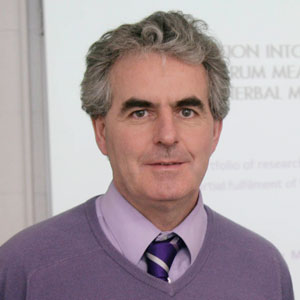 Graham Mills合作论文数School of Pharmacy and Biomedical Sciences, University of Portsmouth9
 Richard Greenwood合作论文数School of Chemical Engineering, University of Birmingham9
 Ian John Allan合作论文数School of Biological Sciences, University of Portsmouth9Nathalie Guigues合作论文数6Gregory M. Morrison合作论文数6
 Branislav Vrana合作论文数5Jörgen Wallin合作论文数Division of Applied Thermodynamics and Refrigeration, Department of Energy Technology, School of Industrial Engineering and Management, KTH Royal Institute of Technology5
 Pavleta Knutsson合作论文数4Fouillac Anne-Marie合作论文数4Sebastien Rauch合作论文数Department of Civil and Environmental Engineering, Water Environment Technology4pavleta petrova合作论文数3Sonja Arpadjan合作论文数3
 Yuliya Kalmykova合作论文数Department of Civil and Environmental Engineering, Chalmers University of Technology3
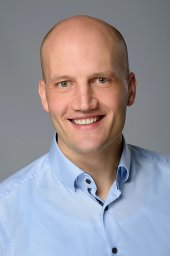 christian marx合作论文数Fac Sci I Biosci, Martin Luther Univ Halle Wittenberg2
 Ann-Margret Stromvall合作论文数2Janine Bruemmer合作论文数1
 Anton Larsson合作论文数1ewa łopuchin合作论文数1
 Jelena Maric合作论文数Department of Space, Earth, and Environment (SEE),, Chalmers University of Technology1
 Timos Karpouzoglou合作论文数Division of History of Science, Technology and Environment, Department of Philosophy and History, School of Architecture and the Built Environment, KTH Royal Institute of Technology1Arne Holmberg合作论文数1Kolishka Tsekova合作论文数1Kristina Hargelius合作论文数1Jenny Veide合作论文数1
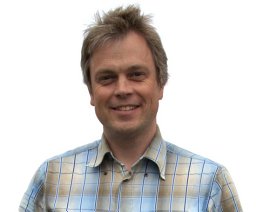 Thomas J. R. Pettersson合作论文数Department of Civil and Environmental Engineering, Chalmers University of Technology1
 Ulrike Rahe合作论文数Chalmers University of Technology1
 Anneli Selvefors合作论文数Chalmers University of Technology1
 Claes Breitholtz合作论文数Department of Signals and Systems, Chalmers University of Technology1Ewa Dominiak合作论文数1Martin Seemann合作论文数Laboratory of Energy and Materials Cycles, Paul Scherrer Institut1Katarina Svensson合作论文数1
 Serena Laschi合作论文数1Rocío Aguilar-Martínez合作论文数1
 Britt Marie Steenari合作论文数Department of Chemical and Biological Engineering, Chalmers University of Technology1




