Abstract Selective hydrogenation of lignin-derived aldehydes, particularly achieving high catalyst atomic efficiency under ambient conditions, remains challenging. Here, we developed a stage-evolving Pd catalysis that bridges the functions of distinct Pd states to address this limitation. Operando monitoring reveals a sequential transformation from homogeneous Pd2+ to graphene-confined Pd nanoparticles (~3.26 nm), with each stage making a specific contribution. In the vanillin hydrogenation at 30 °C, this system achieves 99.4% conversion within 30 min with 95.0% yield toward 2-methoxy-4-methylphenol and a remarkable turnover frequency of 673.9 h−1, outperforming conventional static sites Pd catalysts reduced by H2 or NaBH4 (≤42.5% conversion, 12.1% yield). Comprehensive in-situ spectroscopic characterizations, combined with kinetic and theoretical investigations, have elucidated the interfacial reaction pathways governing vanillin hydrogenation at distinct Pd active sites and established the correlation between multi-stage catalysis and product selectivity. Mechanistically, the initial Pd2+ phase facilitates C = O adsorption and subsequent hydrogenation to C-OH (47.47 kJ/mol), whereas the in-situ generated Pd/Graphene promotes H2 homolytic dissociation into H* (rather than hydrogen transfer from the isopropanol solvent) and drives the rate-determining hydrodeoxygenation of C-OH (52.44 kJ/mol). This work paves the way for the rational design of dynamic catalytic systems to achieve atomically efficient hydrogenation of lignin-derived aldehydes.
Background Tumor CMTM6 is known to regulate programmed death-ligand 1 expression and affect the cytotoxicity of infiltrating T cells, while its impact on natural killer (NK) cells and tumor malignancy remains to be fully understood. This study aimed to investigate the influences of tumor CMTM6 on NK cell infiltration and tumor progression. Methods We established animal models of gastric cancer to assess the effects of CMTM6 knockdown on the NK cell infiltration into the tumor. Tumor tissue microarray was used to evaluate the correlation between CMTM6 expression and tumor differentiation. Proteomic analysis was performed to identify potential downstream effectors of CMTM6, validated by coimmunoprecipitation. The lysosomal and proteasomal degradation of the effector was determined by cycloheximide chase given CMTM6 knockdown or over-expression in vitro. Results CMTM6 knockdown significantly enhanced the infiltration of NK cells into gastric tumors and suppressed tumor growth. CMTM6 protein level decreased in poorly differentiated gastric cancer, correlating with the loss of epithelial integrity. We identified poliovirus receptor-related 2 (PVRL2/Nectin-2) as a potential effector of CMTM6, which functions as an adhesion molecule critical for cellular junctions and the epithelial barrier. CMTM6 interacts with Nectin-2 via RAB14/RAB11 mediated trafficking, and CMTM6 inhibits Nectin-2 degradation through both lysosomal and proteasomal pathways. Conclusions Inhibition of CMTM6 expression enhances host anti-tumor immunity by increasing NK cell infiltration while potentially influencing the tumor progression.
KRAS mutation is one of the most prevalent oncogenic driver mutations in NSCLC. UNC5C, as a member of dependence receptors of netrin-1, is a conditional tumor suppressor in cancer progression and metastasis via inducing apoptosis. Despite UNC5C has been intensively reported to be downregulated in multiple types of malignancies, the mechanism of UNC5C loss or downregulation in cancer remains unclear. In this study, we identified UNC5C as a downstream effector of oncogenic KRAS signaling pathway. We found that oncogenic KRAS suppressed UNC5C and inhibition of oncogenic KRAS upregulated UNC5C in KRAS-mutant NSCLC. Mechanically, oncogenic KRAS-mediated downregulation of UNC5C was dependent on the activation of the RAF/MEK/ERK cascade rather than the PI3K/AKT/mTOR pathway. More specifically, ERK2, but not ERK1, was involved in the control of UNC5C expression. Critically, FOS, a downstream transcription factor of the ERK pathway, was responsible for the transcriptional repression of UNC5C in KRAS-mutant NSCLC. In addition, UNC5C, rather than other dependence receptors of netrin-1, was most strongly downregulated in NSCLC and functioned as a tumor suppressor. In conclusion, we reported oncogenic KRAS-mediated transcriptional suppression of UNC5C and deciphered the exact underlying molecular mechanism in NSCLC, thus providing novel insights into the interplay between oncogenes and tumor suppressor genes in KRAS-driven NSCLC.
Concomitant liver and kidney injury is a critical pathological feature of metabolic disorders, but current organ-specific therapies often fail to provide cross-protection. Lipotoxicity is a core mechanism linking damage in both organs. Therefore, this study aimed to investigate whether simultaneously targeting ANGPTL3 and IL-1β could attenuate lipotoxicity and thereby ameliorate concomitant liver and kidney injury. A novel bispecific antibody (BsAb) targeting both ANGPTL3 and IL-1β was generated and characterized by SDS-PAGE, SEC-HPLC, thermal stability analysis, SPR and in vitro bioassay. Then, its protective effects were subsequently studied in the db/db mouse model and the underlying mechanisms were revealed by biochemical examinations, histopathological analysis, immunofluorescence (IF), ELISA, RNA-seq. Administration of the BsAb in db/db mice effectively improved liver and kidney function with alleviated liver steatosis and inflammation, as well as reduced kidney glomerular injury. Furthermore, the treatment attenuated lipotoxicity in both organs and ameliorated glycolipid metabolism disturbance including restored hepatic glycogen reserves and enhanced renal utilization of fatty acids. The results demonstrate that the anti-ANGPTL3/IL-1β BsAb alleviates concomitant liver and kidney injury in db/db mice by attenuating lipotoxicity and regulating glycolipid metabolism, which highlights a promising therapeutic approach for addressing multi-organ damage in metabolic disorders.
The importance of levoglucosenone (LGO) as a bio-derived platform molecule has been significantly elevated through its transformation into Cyrene™, a widely adopted green solvent. In this study, we investigate the interactions of LGO with water, a key component of biorefinery systems, revealing a new, efficient route to monohydroxycyrene (MHC). This transformation involves the slow, aqueous-based conversion of LGO to a triol intermediate, followed by selective dehydration to form MHC—a chiral molecule with dual functional groups and promising synthetic potential. MHC was synthesised in two simple and green steps without the need for catalysts or reagents, achieving an 88% yield and 98% purity under mild conditions. This environmentally benign approach aligns with the principles of green chemistry by eliminating the need for hazardous reagents and employing water as a sustainable solvent. The structure of MHC was confirmed using a combination of NMR, IR, UV-Vis, CHN, MS, and thermal analyses. Our results also highlight the role of temperature in influencing product formation, with lower temperatures (45–65 °C) enhancing yield, while higher temperatures (e.g., 95 °C) reduce conversion efficiency. MHC exhibits favourable physical and chemical properties, including polarity, solubility, and thermal stability, making it a promising candidate for future applications in green chemistry, pharmaceuticals, and materials science. The combined reactivity of the carbonyl and hydroxyl groups makes MHC a promissing platform molecule for synthesising polymers, pharmaceuticals, and advanced bio-based materials. Moreover, the mild reaction conditions and catalyst-free nature of the process contribute to reduced energy input and lower environmental impact. This work offers new insights into sustainable chemical pathways and provides a strong foundation for scaling up the production of novel biomass-derived building blocks.
Antibody-drug conjugates (ADCs) have revolutionized cancer treatment by merging the targeting precision of antibodies with the cell-killing power of cytotoxic drugs. Yet traditional IgG-based ADCs suffer from toxicity issues, poor biodistribution, and high manufacturing cost. To overcome these hurdles, we created an innovative Fc-free bispecific nanobody drug conjugate (dtNDC) directed against Nectin4 and Trop2, two antigens highly expressed across many malignant cancers. The dtNDC, equipped with a C18 fatty acid modification, displayed excellent pharmacokinetics with a 20-h plasma half-life and negligible kidney accumulation while achieving rapid tumor uptake (peaking just 2 h post intravenous injection), striking an optimal balance between systemic persistence and tissue penetration. In nonclinical evaluations, Eribulin-loaded dtNDC demonstrated potent antitumor efficacy across three xenograft models. Notably, in MDA-MB-468 cell-based tumor bearing mice, two subcutaneous injection induced tumor free status in all mice; and it could also result in in complete remission following two intravenous administrations in HCC1954 cell xenograft tumors. Histopathological analysis confirmed absence of treatment-related toxicity in vital mouse organs (liver, lung, kidney, heart) at therapeutic doses. These findings position dtNDC as a promising therapeutic combining durable tumor regression with exceptional tolerability. Moreover, its simplified structure and cost-effective manufacturing process make this dtNDC a compelling next-generation therapeutic for cancers.
Immune checkpoint inhibitors (ICIs) have significantly advanced the field of cancer immunotherapy. However, clinical data has shown that many patients have a low response rate or even resistance to immune checkpoint inhibitor alone. The underlying reasons for its poor efficacy include the deficiency of immune infiltration and effective CD28/CD80 costimulatory signal in tumor. Discoidin domain receptor 1 (DDR1) has been reported to be negatively related to immune cell infiltration in tumors. Herein, we constructed a soluble fusion protein using CD80, the natural ligand of CD28, in combination with DDR1 inhibitor. Our results demonstrated that CD80-Fc effectively activated T cells and inhibited tumor growth in vivo, even in tumors with poor efficacy of ICIs. Importantly, CD80-Fc fusion protein had a milder affinity against the targets which suggested a potential higher safety than CD28 agonists. Further, in order to promote tumor immune infiltration, we attempted to combine CD80-Fc fusion protein with DDR1 inhibitor for treatment. Our results indicated that using CD80-Fc fusion protein along with DDR1 inhibitor significantly promoted T cell infiltration in tumor microenvironment and more strongly inhibited tumor growth. Therefore, the combination use of CD80 fusion protein and DDR1 inhibitor could become an effective tumor immunotherapy strategy, potentially benefiting a larger number of patients. • We successfully constructed, expressed, and purified the recombinant CD80-Fc fusion protein • We demonstrated that CD80-Fc fusion protein has good safety and anti-tumor activity • We demonstrated that using CD80-Fc fusion protein along with DDR1 inhibitor can significantly promote immune infiltration of T cells in tumor microenvironment and more strongly inhibit tumor growth
Previous studies have demonstrated that soluble CD80 not only enhance T-cell activation by activating the CD28 costimulatory signal or blocking PD-1 coinhibitory signal, but also bind to CTLA-4 for exerting a CTLA-4-trap effect. Herein, we innovatively designed a soluble CD80 fusion protein (Fc-CD80) by fusing the extracellular domain of the costimulatory ligand CD80 to the C-terminus of the Fc region. Our preliminary findings indicated that Fc-CD80 exhibited superior anti-tumor efficacy compared to CD80-Fc in our previous study. Then, we endeavored to combine Fc-CD80 with anti-angiogenesis therapy to further enhance its therapeutic potential. Our data indicated that this combination could effectively activate T cells, inhibit angiogenesis, and increase the infiltration of immune effector cells, thereby exerting a more pronounced anti-tumor effect. More significantly, we further constructed and expressed a new bifocal fusion protein, α-VEGF-CD80, using the Fab fragment of an anti-VEGF antibody and the CD80 ECD. This protein significantly promoted immune cell infiltration into tumors and effectively suppressed tumor growth. Additionally, α-VEGF-CD80 exhibited excellent targeting specificity, an extended half-life, and favorable in vivo safety profiles. Collectively, our findings suggested that integrating multi-target immune activation with anti-angiogenic strategies might represent a highly promising cancer immunotherapy strategy, potentially benefiting a broader patient population.
To achieve "lignin-first" dissolution and efficient aromatic monomer conversion from coconut shells, tailored alkaline deep eutectic solvents (DESs) were screened and designed by conductor-like screening model for real solvents (COSMO-RS) calculations. The results indicated that tetramethylammonium hydroxide (TMAH)-based DESs (TMAH-urea, TMAH-ethanolamine, TMAH-lysine and TMAH-imidazole) provide high solubility for lignocellulose and exhibit an excellent fractionation effect for real lignocellulose under mild conditions. This may be attributed to their higher excess enthalpy and strong hydrogen bonding forces. A high delignification rate of 63.33%-67.37% with a good hemicellulose retention of more than 90% could be achieved in 30% TMAH-based DESs at 50 degrees C for 3 h. An in-depth insight into the evolution of the lignin structure demonstrated that the cleavage of the lignin-carbohydrate ester bond was the main route for lignin extraction, rather than the beta-O-4 ether bonds. Therefore, the extracted lignin fragments retained more than 84% of beta-O-4 ether bonds, which was conducive to subsequent depolymerization to produce aromatic monomers. The strong oxidation effect of TMAH-imidazole contributed to its superior catalytic oxidation performance and resulted in a high aromatic monomer yield of 74.54%. Overall, this study designed and screened a solvent with strong hydrogen bonding and oxidation abilities, which enabled a feasible "lignin-first" strategy for efficient aromatic monomer production under milder conditions. A "win-win" situation of low energy consumption and high yield was achieved, highlighting a sustainable energy future through the advanced valorization of lignin.
Hypertrophic scars (HS) are fibrotic proliferative diseases that develop after deep skin injuries caused by trauma, burns, and surgery. Traditional treatment methods include both surgical and nonsurgical therapies. Early intervention and combination therapy tailored to the individual needs of the patients are crucial for achieving optimal results. Three-dimensional (3D) printing technology, a rapid prototyping technique, is increasingly being applied in the medical field. The customization and precise functionality of 3D printing technology are particularly important for the rehabilitation of HS. This review provides an overview of HS and the role of 3D printing technology in medical applications, analyses the application of 3D-printed rehabilitation aids for HS, and discusses the use of 3D printing technology to improve HS treatment outcomes, thereby providing clinical guidance for effective HS rehabilitation.
Acute myeloid leukemia (AML) is a severe blood cancer with an urgent need for novel therapies for refractory or relapsed patients. Leukocyte-associated immunoglobulin-like receptor 1 (LAIR1), an immune suppressive receptor expressed on immune cells and AML blasts but minimally on hematopoietic stem cells (HSCs), represents a potential therapeutic target. But there has been limited research on therapies targeting LAIR1 for AML and no published reports on LAIR1 antibody-drug conjugate (ADC). We developed LA-057-MMAE, a first-in-class ADC, and evaluated its antitumor potential. LA-057-MMAE demonstrated strong binding to human LAIR1 with an affinity of 3.9 nM, efficient internalization of approximately 70 % within 4 h, and remarkable cytotoxicity against AML cells, with IC50 values of 0.22 nM for MV-4-11, 0.02 nM for U937, and 0.09 nM for HL-60 cells, respectively. In vivo, it achieved complete tumor regression in 100 % of MV-4-11 xenograft mice at 6 mg/kg, extending survival beyond 60 days. Our findings suggest that LA-057-MMAE, as a first-in-class treatment distinct from existing LAIR1 monoclonal therapies, could provide a groundbreaking therapeutic strategy for AML.
Discoidin domain receptor 1 (DDR1), a collagen-binding receptor tyrosine kinase, plays a key role in extracellular matrix remodeling, tumor progression, and immune evasion. However, DDR1’s comprehensive role across diverse cancers and its therapeutic potential in immune-resistant tumors remain poorly defined. We performed a pan-cancer analysis integrating bulk transcriptomic datasets, single-cell RNA sequencing, and pathway enrichment to evaluate DDR1 expression, genetic alterations, and its associations with immune cell infiltration and clinical outcomes. DDR1 was consistently overexpressed in 21 cancer types, correlating with poor prognosis and reduced immune cell infiltration. Mechanistically, DDR1 promoted collagen remodeling, immune exclusion, and upregulated immunosuppressive pathways. Single-cell analysis in pancreatic ductal adenocarcinoma (PDAC) revealed DDR1-high ductal cells associated with reduced cytotoxic T cell infiltration and increased regulatory T cell populations. Therapeutic blockade of DDR1 in an immunocompetent KPC mouse model of PDAC disrupted collagen architecture, enhanced CD8+ T cell infiltration, and improved responses to chemotherapy, highlighting a direct link between DDR1 inhibition and immune reactivation. These findings establish DDR1 as a key mediator of collagen-driven immune resistance and a promising therapeutic target for overcoming immune exclusion, especially in PDAC and other collagen-rich solid tumors.
The escalating crisis of heavy metal contamination in soil demands advanced material to effectively control pollution risk. To enhance the effectiveness of biochar to remediate the soils contaminated with cadmium (Cd) and lead (Pb), this study developed an in-situ polymerization method to anchor covalent organic frameworks (COF), one class of emerging porous polymers, onto rice husk biochar surfaces, generating a novel COF-modified rice husk biochar (COF-RB). Adsorption studies showed that COF-RB exhibited a significantly faster adsorption rate and higher adsorption capacity for Cd2+ and Pb2+ compared to RB. The maximum adsorption capacities of COF-RB for Cd2+ and Pb2+ were 40.56 and 101.33 mg g- 1, respectively, approximately 7-fold and 5-fold higher than RB alone. The metal adsorption on COF-RB fit the Freundlich isotherm model and the pseudo-second-order kinetic model, indicating the occurrence of chemical adsorption. X-ray photoelectron spectroscopy (XPS) analysis further revealed that the surface complexation with nitrogen-containing functional groups on COF-RB played an essential role in facilitating the Cd2+ and Pb2+ adsorption process. When COF-RB was applied into contaminated soil, both the concentrations of soil available Cd and Pb decreased, ranging from 42.70 %-65.42 % and 23.29 %- 45.78 %, respectively, compared to RB-treated soil. Additionally, COF-RB promoted the transformation of the metals from labile to more stable fractions in soils. Overall, the findings highlight that COF-RB presents as a promising solution for immobilizing Cd and Pb pollutants in water and soils. The research offers new insight and method for biochar surface modification, and facilitates the remediation of heavy metal contamination.
Non-alcoholic fatty liver disease (NAFLD) is a prevalent metabolic liver disorder worldwide, and effective therapeutic strategies for its treatment remains limited. In this article, we introduced Glipo-siRubi, a hepatocytes-targeting RNA interference (RNAi) nanoliposome for suppression of Rubicon expression, aiming to achieve precise regulation of autophagy in NAFLD. Autophagy activation induced by Rubicon suppression resulted in reduced endoplasmic reticulum stress and intracellular lipid accumulation in vitro. Moreover, Glipo-siRubi administration exhibited remarkable therapeutic efficacy, characterized by decreased liver lipid accumulation, ameliorated histopathology and improved insulin sensitivity in mice with western diet, indicating its notable potential against NAFLD. By inducing autophagy activation, the hepatocytes-targeting Glipo-siRubi provided a promising method for NAFLD treatment, addressing the limitations of current approaches. Our study highlighted the significance of Rubicon-specific suppression in NAFLD treatment, offering a specific, safe, and efficient approach to mitigate NAFLD.
Phytophthora nicotianae is a highly destructive soil-borne plant pathogen that leads to significant economic losses in agriculture. Chitooligosaccharides (COS) are popular biostimulant which can promote plant growth and responses to biotic and abiotic stresses. However, the role of COS in resisting the black-shank disease (BSD, caused by P. nicotianae) through regulating plant root exudates and rhizosphere microecology remains unclear. An integrative analysis, based on the transcriptome analysis, root exudate metabolome, and biochemical tests, revealed the secretion of more sugar-related differential metabolites and differential gene expressions expressed under COS treatment during the disease resistance response. Furthermore, increased accumulation of trehalose and trehalose 6-phosphate as well as increased activity of trehalose 6-phosphate synthase was observed under COS treatment after inoculation with P. nicotianae. Additionally, sucrose and glucose, which positively regulate resistance to plant diseases, also exhibited elevated levels. Beneficial microorganisms, such as Bacillus were enriched in the rhizosphere soil during COS treatment. The isolated Bacillus velezensis T-2 strain exerted inhibitory activity on P. nicotianae, which was enhanced by the presence of trehalose. This multi-omics study of transcriptome, metabolome, and microbiomics revealed that COS enhances resistance to tobacco BSD by regulating sugar homeostasis and recruiting beneficial microorganisms.
Blood lipid levels play a critical role in the progression of atherosclerosis. However, even with adequate lipid reduction, significant residual cardiovascular risk remains. Therefore, it is necessary to seek novel therapeutic strategies for atherosclerosis that can not only lower lipid levels but also inhibit inflammation simultaneously. The fusion protein FD03-IL-1Ra was designed by linking the Angiopoietin-like 3 (ANGPTL3) nanobody and human interleukin-1 receptor antagonist (IL-1Ra) sequences to a mutated human immunoglobulin gamma 1 (IgG1) Fc. This construct was transfected into HEK293 cells for expression. The purity and thermal stability of the fusion protein were assessed using SDS-PAGE, SEC-HPLC, and differential scanning calorimetry. Binding affinities of the fusion protein to ANGPTL3 and IL-1 receptor were measured using Biacore T200. The biological activity of the fusion protein was validated through in vitro experiments. The therapeutic efficacy of the fusion protein was evaluated in an ApoE-/- mouse model of atherosclerosis, including serum lipid level determination, histological analysis of aorta and aortic sinus sections, and detection of inflammatory and oxidative stress markers. ImageJ software was utilized for quantitative image analysis. Statistical analysis was performed using one-way ANOVA followed by Bonferroni post hoc test. The FD03-IL-1Ra fusion protein was successfully expressed, with no polymer formation detected, and it demonstrated good thermal and conformational stability. High affinity for both murine and human ANGPTL3 was exhibited by FD03-IL-1Ra, and it was able to antagonize hANGPTL3's inhibition of LPL activity. FD03-IL-1Ra also showed high affinity for both murine and human IL-1R, inhibiting IL-6 expression in A549 cells induced by IL-1β stimulation, as well as suppressing IL-1β-induced activity inhibition in A375.S2 cells. Our study revealed that the fusion protein effectively lowered serum lipid levels and alleviated inflammatory responses in mice. Furthermore, the fusion protein enhanced plaque stability by increasing collagen content within atherosclerotic plaques. These findings highlighted the potential of bifunctional interleukin-1 receptor antagonist and ANGPTL3 antibody fusion proteins for ameliorating the progression of atherosclerosis, presenting a promising novel therapeutic approach targeting both inflammation and lipid levels.
Research and development on Nectin-4 antibody-drug conjugates (ADC) have been greatly accelerated since the approval of enfortumab vedotin to treat uroepithelial cancer. During the course of this study, we identified that autophagy serves as a cytoprotective mechanism during Nectin-4-MMAE treatment and proposed a strategy to enhance the antitumor effects of Nectin-4-MMAE in bladder cancer. Nectin-4-MMAE rapidly internalized into bladder cancer cells in 30 minutes and released MMAE, inducing the onset of caspase-mediated apoptosis and leading to the inhibition of tumor cell growth. Transcriptomics showed significant alterations in autophagy-associated genes in bladder cancer cells treated with Nectin-4-MMAE, which suggested autophagy was activated by Nectin-4-MMAE. Furthermore, autophagy activation was characterized by ultrastructural analysis of autophagosome accumulation, immunofluorescence of autophagic flux, and immunoblotting autophagy marker proteins SQSTM1 and LC3 I/II. Importantly, inhibiting autophagy by LY294002 and chloroquine significantly enhances the cytotoxicity effects of Nectin-4-MMAE in bladder cancer cells. Additionally, we detected the participation of the AKT/mTOR signaling cascade in the induction of autophagy by Nectin-4-MMAE. The combination of Nectin-4-MMAE and an autophagy inhibitor demonstrated enhanced antitumor effects in the HT1376 xenograft tumor model. After receiving a single dose of Nectin-4-MMAE, the group that received the combination treatment showed a significant decrease in tumor size compared to the group that received only one type of treatment. Notably, one mouse in the combination treatment group achieved complete remission of the tumor. The combination group exhibited a notable rise in apoptosis and necrosis, as indicated by H&E staining and immunohistochemistry (cleaved caspase-3, ki67). These findings demonstrated the cytoprotective role of autophagy during Nectin-4-MMAE treatment and highlighted the potential of combining Nectin-4-MMAE with autophagy inhibitors for bladder cancer treatment.
An integrated biorefinery will transition towards a comprehensive refining and zero-waste utilization process of all the biomass components, including the largely wasted or ignored inorganics. Here, we report an effective process of combined valorization of both organic components and inorganics. Small molecules from carbohydrates (32.5 wt%) and lignin (22.5 wt%) were obtained under catalyst-free conditions, in addition to a large amount of alkoxysilanes (>80 mol%) from silicon in rice straw. The connection of silicon with other components in rice straw was probed with XPS etching, SEM mapping, and CP/MAS 29Si NMR, etc. Pretreatment of rice straw with physical, chemical, and biological methods helps us reveal the plant's active silicon. It was indicated that both organosilicon connected with organic components in rice straw and the inorganic silica deposited in silica cell exists in rice straw can be converted to alkoxysilanes. Furthermore, exogenous silica could be converted to alkoxysilanes directly when mixed with biomass, indicating a new conversion process. We also demonstrate efficient methods for separating and purifying alkoxysilane and recycling the solvent. An ex-ante life-cycle assessment of the processes has been established. The ex-ante LCA supports the economic viability and predicts minimized waste and clean production of the new process.
Knowledge of the collective activities of individual plants together with the derived clinical effects and targeted disease associations is useful for plant-based biomedical research. To provide the information in complement to the established databases, we introduced a major update of CMAUP database, previously featured in NAR. This update includes (i) human transcriptomic changes overlapping with 1152 targets of 5765 individual plants, covering 74 diseases from 20 027 patient samples; (ii) clinical information for 185 individual plants in 691 clinical trials; (iii) drug development information for 4694 drug-producing plants with metabolites developed into approved or clinical trial drugs; (iv) plant and human disease associations (428 737 associations by target, 220 935 reversion of transcriptomic changes, 764 and 154121 associations by clinical trials of individual plants and plant ingredients); (v) the location of individual plants in the phylogenetic tree for navigating taxonomic neighbors, (vi) DNA barcodes of 3949 plants, (vii) predicted human oral bioavailability of plant ingredients by the established SwissADME and HobPre algorithm, (viii) 21-107% increase of CMAUP data over the previous version to cover 60 222 chemical ingredients, 7865 plants, 758 targets, 1399 diseases, 238 KEGG human pathways, 3013 gene ontologies and 1203 disease ontologies. CMAUP update version is freely accessible at https://bidd.group/CMAUP/index.html.
Preparation of high-value monomers from PET waste plastic.
 Dianwen Ju (鞠佃文)合作论文数School of Pharmaceutical Sciences, Fudan University80
 James Clark合作论文数Department of Chemistry, University of York;Fudan University75
 Xuyao Zhang (章旭耀)合作论文数School of Pharmaceutical Sciences, Fudan University39
 Vitaliy Budarin合作论文数36
 Jingyun Luan合作论文数31
 Xian Zeng (曾贤)合作论文数School of Pharmacy, Fudan University31
 Yubin Li合作论文数Xilinx30
 Shicheng Zhang (张士成)合作论文数Department of Environmental Science and Engineering, Fudan University26Ziyu Wang (王子玉)合作论文数26Yichen Wang合作论文数23
 Wei Chen合作论文数College of Animal Science, Shandong Agricultural University23
 Shaofei Wang合作论文数Swiss Federal Institute of Technology Zurich(ETH Zurich)20
 Gang Luo (罗刚)合作论文数Department of Environmental Science and Engineering, Fudan University19
 Zhonglian Cao (曹忠莲)合作论文数School of Pharmaceutical Sciences, Fudan University17Ping Song合作论文数16
 Yannan Yang (杨雁南)合作论文数South Australian immunoGENomics Cancer Institute, College of Health, University of Adelaide16
 Changwei Hu (胡常伟)合作论文数College of Chemistry, Sichuan University;Key Laboratory of Green Chemistry & Technology, Ministry of Education15
 Li Ye (葉麗)合作论文数School of Pharmacy, Macau University of Science and Technology13
 Xiaobin Mei (梅小斌)合作论文数第二军医大学附属长海医院肾内科12
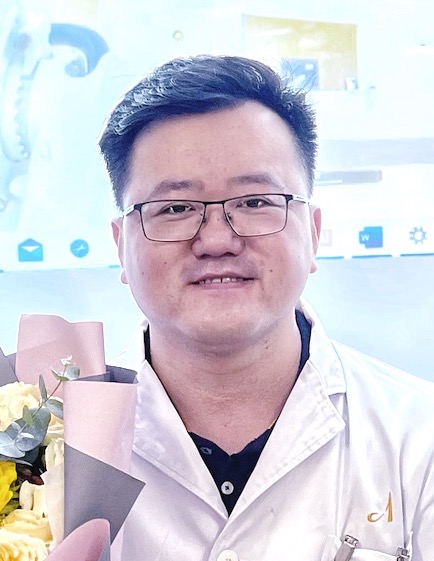 Yun Sun合作论文数Shanghai Key Laboratory of Radiation Oncology, Shanghai Proton and Heavy Ion Center12
 Wenjing Zai合作论文数11
 Duncan Macquarrie合作论文数Department of Chemistry, University of York11
 Dan Tsang合作论文数The Hong Kong University of Science and Technology10
 Mark James Gronnow合作论文数9Xiaozhi Hu合作论文数9
 Lei Han合作论文数9
 Florent Bouxin合作论文数9
 Iris Yu合作论文数Department of Civil and Environmental Engineering, College of Design and Engineering, National University of Singapore8
 Peter S Shuttleworth合作论文数Green Chemistry Centre of Excellence, University of York8Yilan Shen合作论文数7Qicheng Chen合作论文数7
 Dong Han (韩冬)合作论文数Ninth People’s Hospital, School of Medicine, Shanghai Jiao Tong University7
 Ping Yang (杨萍)合作论文数School of Pharmaceutical Sciences, Fudan University7Zhicheng Jiang (蒋智成)合作论文数College of Biomass Science and Engineering, Sichuan University7
 Christopher J. Chuck合作论文数Dept Chem Engn, Univ Bath7Tao Wu合作论文数6Yiqiang Li合作论文数6Xin Jin合作论文数6Javier Remón合作论文数6Qi Bian (边琪)合作论文数6Yiping Luo (罗倚坪)合作论文数Chengdu Institute of Biology, Chinese Academy of Sciences6
 Xunlong Shi (史训龙)合作论文数School of Pharmaceutical Sciences, Fudan University6
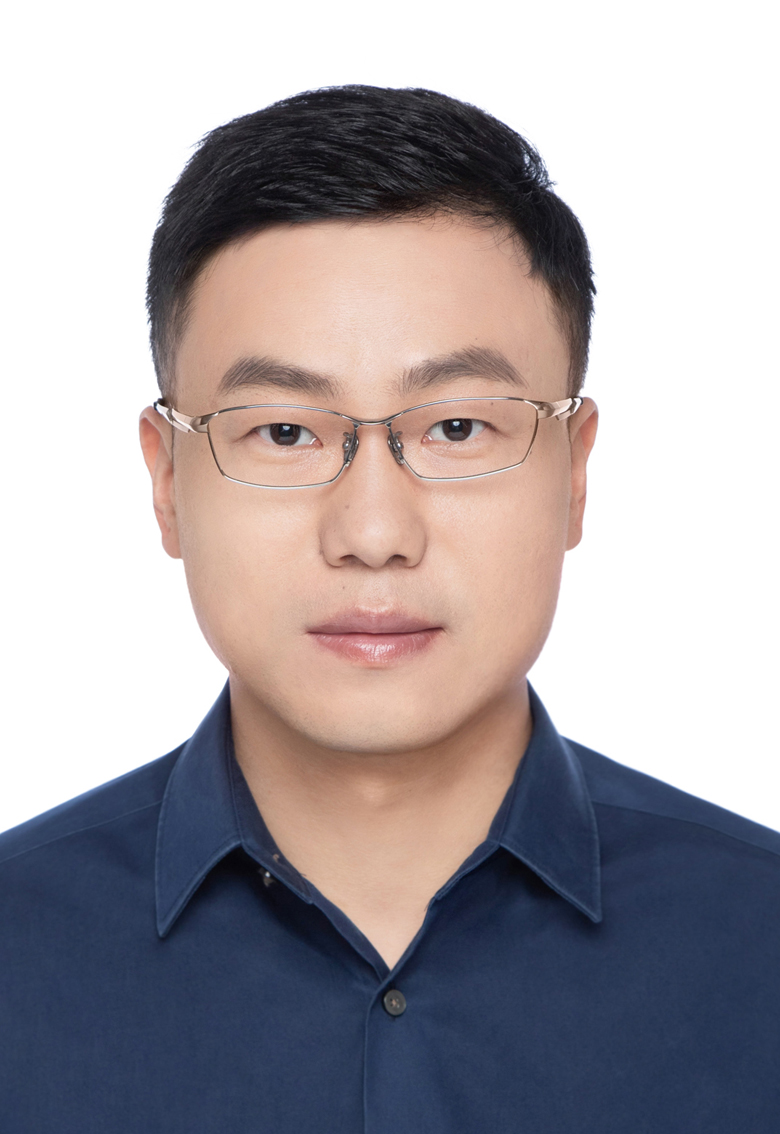 Xiangdong Zhu (朱向东)合作论文数Institute of Soil Science, Chinese Academy of Science6
 Meiqing Feng (冯美卿)合作论文数School of Pharmacy, Fudan University6Zongshu Xian合作论文数5Yuting Zhang合作论文数5Long Zhou合作论文数5Hongjian Gao合作论文数5Jinghui Zhang合作论文数5




