The taxonomic structure of biofilms on 0.3-mm microplastics differed significantly from that on 3-mm microplastics or glass particles. Compared with the 3-mm microplastics, biofilms on 0.3-mm microplastics were enriched for genes involved in flagellar-based motility and chemotaxis, pointing to a more 'mobile' community. The association between motility and bacterial colonization of 0.3-mm microplastics was observed through laboratory experiments using isolated strains.
The development of metagenomics has opened up a new era in the study of marine microbiota, which play important roles in biogeochemical cycles. In recent years, the global ocean sampling expeditions have spurred this research field toward a deeper understanding of the microbial diversities and functions spanning various lifestyles, planktonic (free-living) or sessile (biofilm-associated). In this review, we deliver a comprehensive summary of marine microbiome datasets generated in global ocean expeditions conducted over the last 20 years, including the Sorcerer II GOS Expedition, the Tara Oceans project, the bioGEOTRACES project, the Micro B3 project, the Bio-GO-SHIP project, and the Marine Biofilms. These datasets have revealed unprecedented insights into the microscopic life in our oceans and led to the publication of world-leading research. We also note the progress of metatranscriptomics and metaproteomics, which are confined to local marine microbiota. Furthermore, approaches to transforming the global ocean microbiome datasets are highlighted, and the state-of-the-art techniques that can be combined with data analyses, which can present fresh perspectives on marine molecular ecology and microbiology, are proposed.
Thiosulfate oxidation by microbes has a major impact on global sulfur cycling. Here, we provide evidence that bacteria within various Roseobacter lineages are important for thiosulfate oxidation in marine biofilms. We isolate and sequence the genomes of 54 biofilm-associated Roseobacter strains, finding conserved sox gene clusters for thiosulfate oxidation and plasmids, pointing to a niche-specific lifestyle. Analysis of global ocean metagenomic data suggests that Roseobacter strains are abundant in biofilms and mats on various substrates, including stones, artificial surfaces, plant roots, and hydrothermal vent chimneys. Metatranscriptomic analysis indicates that the majority of active sox genes in biofilms belong to Roseobacter strains. Furthermore, we show that Roseobacter strains can grow and oxidize thiosulfate to sulfate under both aerobic and anaerobic conditions. Transcriptomic and membrane proteomic analyses of biofilms formed by a representative strain indicate that thiosulfate induces sox gene expression and alterations in cell membrane protein composition, and promotes biofilm formation and anaerobic respiration. We propose that bacteria of the Roseobacter group are major thiosulfate-oxidizers in marine biofilms, where anaerobic thiosulfate metabolism is preferred.
Ocean warming profoundly impacts microbes in marine environments; yet, how lifestyle (e.g., free living versus biofilm associated) affects the bacterial response to rising temperature is not clear. Here, we compared transcriptional, enzymatic, and physiological responses of free-living and biofilm-associated Leisingera aquaemixtae M597, a member of the Roseobacteraceae family isolated from marine biofilms, to the increase in temperature from 25℃ to 31℃. Complete genome sequencing and metagenomics revealed the prevalence of M597 in global ocean biofilms. Transcriptomics suggested a significant effect on the expression of genes related to carbohydrate metabolism, nitrogen and sulfur metabolism, and phosphorus utilization of free-living M597 cells due to temperature increase, but such drastic alterations were not observed in its biofilms. In the free-living state, the transcription of the key enzyme participating in the Embden-Meyerhof-Parnas pathway was significantly increased due to the increase in temperature, accompanied by a substantial decrease in the Entner-Doudoroff pathway, but transcripts of these glycolytic enzymes in biofilm-forming strains were independent of the temperature variation. The correlation between the growth condition and the shift in glycolytic pathways under temperature change was confirmed by enzymatic activity assays. Furthermore, the rising temperature affected the growth rate and the production of intracellular reactive oxygen species when M597 cells were free living rather than in biofilms. Thus, biofilm formation stabilizes metabolism in M597 when grown under high temperature and this homeostasis is probably related to the glycolytic pathways.IMPORTANCEBiofilm formation is one of the most successful strategies employed by microbes against environmental fluctuations. In this study, using a marine Roseobacteraceae bacterium, we studied how biofilm formation affects the response of marine bacteria to the increase in temperature. This study enhances our understanding of the function of bacterial biofilms and the microbe-environment interactions in the framework of global climate change.
Culture enrichment was developed to discover the uncharted microbial species in the environmental microbiota. Yet this strategy has not been widely used to study microbes of deep-sea environments. Here, we report the cultivation and metagenomic analysis of oceanic sediment microbiota collected from 6,477 m deep in the Mariana Trench. The sediment samples were cultured anaerobically in the laboratory for 4 months, before being subjected to full-length 16S rRNA gene sequencing using the PacBio technique and metagenome sequencing using both the Illumina and Oxford Nanopore techniques. The 16S rRNA gene analyses revealed 437 operational taxonomic units specific to the cultured microbes, despite the lower diversity of the cultured microbiota in comparison with the original. Metagenome analyses revealed the prevalence of functions related to respiration, energy production, and stress response in the cultured microbes, suggesting these functions may contribute to microbial proliferation under laboratory conditions. Binning of the assembled metagenome contigs of the cultured microbiota generated four nearly complete genomes affiliated to yet unclassified species under the genera Alcanivorax , Idiomarina , Sulfitobacter , and Erythrobacter . Excepting Alcanivorax , the other three genera were almost undetectable in the original samples and largely enriched in the cultured samples. The four genomes possessed a variety of genes for carbohydrate utilization and nitrite reduction, pointing to an ability to respire diverse carbon sources using nitrite as the final electron acceptor. Taken together, the findings suggest that a combination of culture enrichment and long-read sequencing is an ideal way to mine novel microbial species in the hadal environment, particularly species that are rare in their native environmental niches, and thus expand our understanding of the hadal microbial diversity and function.
 Weipeng Zhang (张伟鹏)合作论文数College of Marine Life Sciences, Ocean University of China6
 Wei Ding (丁维)合作论文数College of Marine Life Sciences, Ocean University of China5
 Shen Fan合作论文数4
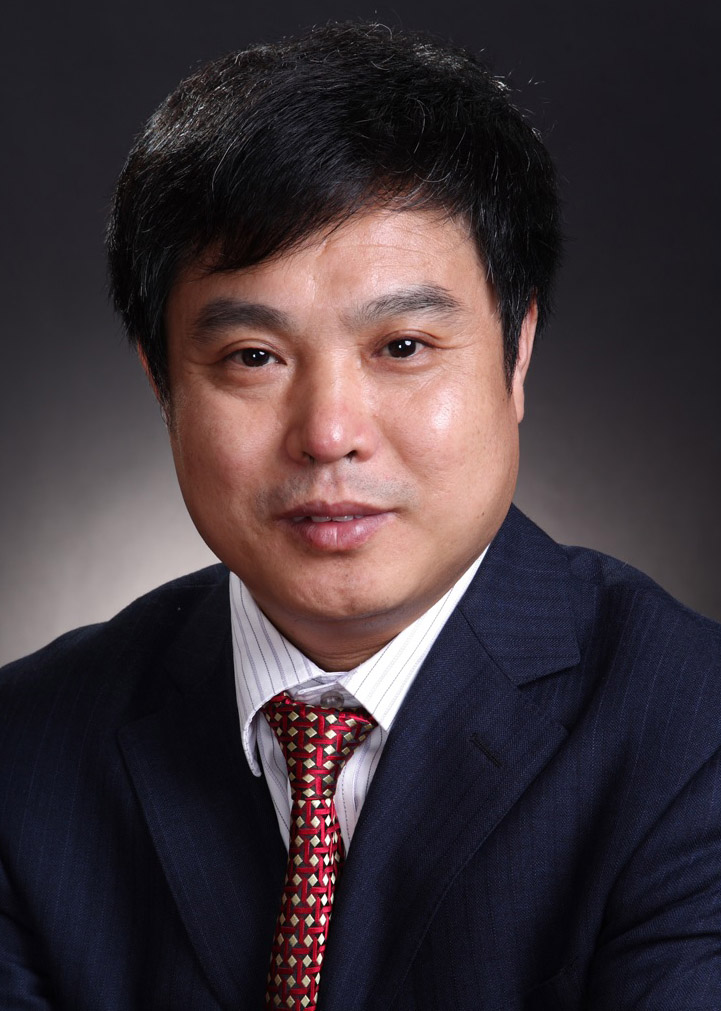 Yuzhong Zhang (张玉忠)合作论文数College of Marine Life Sciences, Ocean University of China;State Key Laboratory of Microbial Technology, Shandong University4Peng Qin合作论文数3
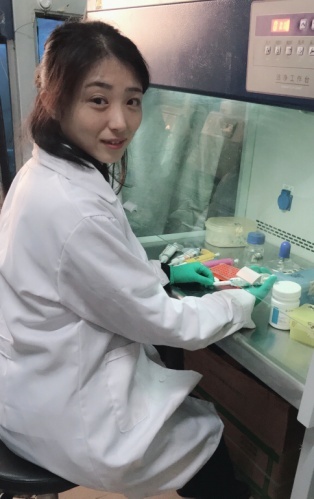 Huihui Fu (付慧慧)合作论文数College of Marine Life Sciences, Ocean University of China3Heng Zhang合作论文数2Xiaoyan Su合作论文数2Shuaitao Wang合作论文数2Yi Shu合作论文数2Shougang Wang合作论文数2
 Cui Han合作论文数2Shangxian Zhang合作论文数1Chengrui Zhu合作论文数1Peiyan Cai合作论文数1Panxin Li合作论文数1Yi Lan合作论文数Hong Kong Univ Sci & Technol, Div Life Sci, Kowloon, Hong Kong, Peoples R China1Huan Wang合作论文数1LI Jiangyan (李江燕)合作论文数1
 Yong-Xin Li合作论文数Yong-Xin Li's Lab, The University of Hong Kong1
 Rulong Liu (刘如龙)合作论文数College of Marine Sciences, Shanghai Ocean University1Jiasong Fang (方家松)合作论文数College of Marine Sciences, Shanghai Ocean University1
 Tian Renmao合作论文数1Wang Yongming合作论文数1
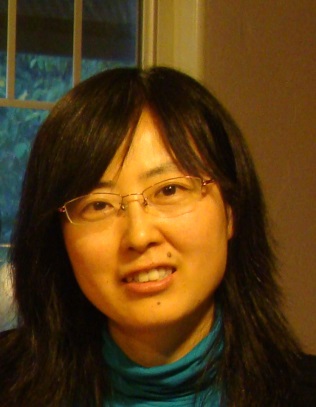 Xiaoli Hu (胡晓丽)合作论文数College of Marine Life Sciences, Ocean University of China1
 Jin Sun (孙进)合作论文数Institute of Evolution & Marine Biodiversity, Ocean University Of China1
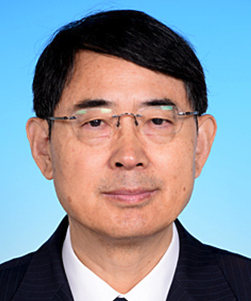 Peiyuan Qian (錢培元)合作论文数Department of Ocean Science, The Hong Kong University of Science and Technology;Division of Life Science, The Hong Kong University of Science and Technology1
 Jinshui Lin合作论文数1




