虚拟现实(VR)是用户利用视、听、嗅、触等各种感觉通路完成对实际的模拟.VR科技能够给生物反馈系统带来更真实的生物反应现场环境与反馈信息,并且二者的融合比传统的生物反馈科技有着更巨大的优越性.本文简要介绍广州新华学院VR的生物反馈实验室的建设及应用情况,为其他高校基于VR的生物反馈实验室建设及设备研制提供思路.
Endothelial cell activation plays a critical role in leukocyte recruitment during inflammation and infection. We previously found that cholinergic stimulation (via vagus nerve stimulation) attenuates vascular endothelial impairment and reduces the inflammatory profile in ovariectomized rats. However, the specific molecular mechanism is unclear. This study was designed to explore the effects and molecular mechanisms of cholinergic agonists (acetylcholine [ACh]) on lipopolysaccharide (LPS)-induced endothelial cell activation in vitro. Human umbilical vein endothelial cells (HUVECs) were treated with different concentrations of LPS (10/100/1000 ng/mL) to activate endothelial cells. HUVECs were untreated, treated with ACh (10−5 M) alone, treated with 100 ng/mL LPS alone, or treated with different concentrations of ACh (10−9/10−8/10−7/10−6/10−5 M) before LPS stimulation. HUVECs were also pre-treated with 10−6 M ACh with or without mecamylamine (an nAChR blocker) (10 µM) and methyllycaconitine (a specific α7 nAChR blocker) (10 µM) and incubated with or without LPS. ELISA, western blotting, cell immunofluorescence, and cell adhesion assays were used to examine inflammatory cytokine production, adhesion molecule expression, monocyte-endothelial cell adhesion and activation of the MAPK/NF-κB pathways. LPS (at 10 ng/mL, 100 ng/mL and 1,000 ng/mL) increased VCAM-1 expression in HUVECs in a dose-dependent manner (with no significant difference between LPS at 100 ng/mL and 1,000 ng/mL). ACh (10−9 M–10−5 M) blocked adhesion molecule expression (VCAM-1, ICAM-1, and E-selectin) and inflammatory cytokine production (TNF-α, IL-6, MCP-1, IL-8) in response to LPS in a dose-dependent manner (with no significant difference between 10−5 and 10−6 M Ach). LPS was also shown to significantly enhance monocyte-endothelial cell adhesion, which was largely abrogated by treatment with ACh (10−6 M). VCAM-1 expression was blocked by mecamylamine rather than methyllycaconitine. Lastly, ACh (10−6 M) significantly reduced LPS-induced phosphorylation of NF-κB/p65, IκBα, ERK, JNK and p38 MAPK in HUVECs, which was blocked by mecamylamine. ACh protects against LPS-induced endothelial cell activation by inhibiting the MAPK and NF-κB pathways, which are mediated by nAChR, rather than α7 nAChR. Our results may provide novel insight into the anti-inflammatory effects and mechanisms of ACh.
The "Four-step Teaching of Encouraging and Sharing" is a learner-centered teaching method that advocates teamwork and gives full play to the role of the teacher in guiding learning. It is an innovative teaching approach to realize students' self-transcendence by stimulating students' internal motivation for independent learning, applying group task-driven learning, and giving teachers' feedback to students' sharing. It consists of four steps: teachers' guiding, students' self-regulated learning, team learning and practice, experience sharing. We have applied this method to the teaching practice of physiology and experimental physiological science with a significant impact on teaching effects. This teaching method has also been implemented to other courses in other majors. To solve the problems of reduced communication and interaction, low learning enthusiasm and motivation in online teaching course during COVID-19 pandemic, we recruited 21 undergraduates from different schools and majors. Using the "Tencent Meeting" platform, the authors tried to apply the whole process of the "Four-step Teaching of Encouraging and Sharing" to the online teaching of physiology. Group tests and questionnaires were used to evaluate teaching effects. The results showed that the implementation of the "Online Four-step Teaching of Encouraging and Sharing (OFST)" was feasible and effective, and to a certain extent alleviated the problems of loneliness and low learning motivation of students during online learning caused by home quarantine, which was particularly helpful for long-distance inter-school and inter-discipline team learning.
The role of G protein-coupled estrogen receptor 1 (GPER) signaling, including promotion of Ezrin phosphorylation (which could be activated by estrogen), has not yet been clearly identified in triple-negative breast cancer (TNBC). This study aimed to evaluate the prognostic value of GPER and Ezrin in TNBC patients. Clinicopathologic features including age, menopausal status, tumor size, nuclear grade, lymph node metastasis, AJCC TNM stage, and ER, PR and HER-2 expression were evaluated from 249 TNBC cases. Immunohistochemical staining of GPER and Ezrin was performed on TNBC pathological sections. Kaplan-Meier analyses, as well as logistic regressive and Cox regression model tests were applied to evaluate the prognostic significance between different subgroups. Compared to the GPER-low group, the GPER-high group exhibited higher TNM staging (P = 0.021), more death (P < 0.001), relapse (P < 0.001) and distant events (P < 0.001). Kaplan-Meier analysis showed that GPER-high patients had a decreased OS (P < 0.001), PFS (P < 0.001), LRFS (P < 0.001) and DDFS (P < 0.001) than GPER-low patients. However, these differences in prognosis were not statistically significant in post-menopausal patients (OS, P = 0.8617; PFS, P = 0.1905; LRFS, P = 0.4378; DDFS, P = 0.2538). There was a significant positive correlation between GPER and Ezrin expression level (R = 0.508, P < 0.001) and the effect of Ezrin on survival prognosis corresponded with GPER. Moreover, a multivariable analysis confirmed that GPER and Ezrin level were both significantly associated with poor DDFS (HR: 0.346, 95% CI 0.182-0.658, P = 0.001; HR: 0.320, 95% CI 0.162-0.631, P = 0.001). Thus, overexpression of GPER and Ezrin may contribute to aggressive behavior and indicate unfavorable prognosis in TNBC; this may correspond to an individual's estrogen levels.
Triple-negative breast cancer (TNBC) is the most malignant type of breast cancer with ample vascularisation and high vascular endothelial growth factor (VEGF) expression. The sex steroid hormone oestrogen is involved in several cellular activities associated with TNBC regulation. However, the role of oestrogen in VEGF expression and angiogenesis in TNBC remains unclear. In this study, we found that treatment with 17β-oestradiol (E2) inhibited VEGF mRNA and protein expression in the TNBC cell lines MDA-MB-468 and MDA-MB-436. To further elaborate on the phenomenon of E2-regulated angiogenesis, we showed that conditioned medium from the TNBC cell line MDA-MB-468 treated with E2 inhibits the tube formation ability of human umbilical vein endothelial cells (HUVECs). Additionally, the G-protein-coupled oestrogen receptor-1 (GPER-1)-specific agonist G-1 has a function similar to that of E2. While G-15, the selective antagonist of GPER-1, notably reversed the inhibitory effects of E2 and G-1 on VEGF expression and tube formation, suggesting that GPER-1 is involved in the E2-induced angiogenesis suppression in TNBC cells. Moreover, E2 inhibited in vivo tumour growth and angiogenesis and reduced the expression levels of VEGF, NF-κB/p65, STAT3, and the endothelial marker CD34 in MDA-MB-468 xenograft tumours. Our findings provide important evidence that E2 can inhibit VEGF expression and angiogenesis in TNBC by activating GPER-1, offering additional insight into tumour angiogenesis and targets for drug intervention in TNBC.
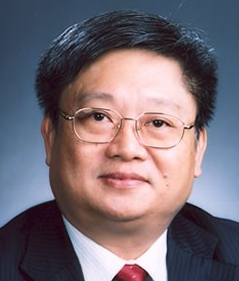 Tinghuai Wang (王庭槐)合作论文数Zhongshan School of Medicine, Sun Yat-sen University5
 Xiaodan Xu合作论文数2Shuang Ye合作论文数2
 Ling Wang (王领)合作论文数School of Biology and Biological Engineering, South China University of Technology2Ping Li合作论文数Department of Statistical Science
Faculty of Computing and Information Science 2TAN Jing-yi (谭静仪)合作论文数1Shuhui Zheng合作论文数1Yuanyuan Xu合作论文数1
Ling Wang (王领)合作论文数School of Biology and Biological Engineering, South China University of Technology2Ping Li合作论文数Department of Statistical Science
Faculty of Computing and Information Science 2TAN Jing-yi (谭静仪)合作论文数1Shuhui Zheng合作论文数1Yuanyuan Xu合作论文数1 Yaxing Zhang (张亚星)合作论文数Guangzhou University of Chinese Medicine1
 Peng Sun (孙朋)合作论文数College of Physical Education and Health of East China Normal University1Kewen Zhou合作论文数1




