BACKGROUND:Maintaining a well-developed vascular system alongside adipose tissue (AT) expansion significantly reduces the risk of metabolic complications. Although GSK3 beta (glycogen synthase kinase-3 beta) is known for its role in various cellular processes, its specific functions in AT and regulation of body homeostasis have not been reported.METHODS:GSK3 beta-floxed and GSK3 alpha-floxed mice were crossed with adiponectin-Cre mice to generate GSK3 beta or GSK3 alpha adipocyte-specific knockout mice (GSK3 beta ADKO and GSK3 alpha ADKO). A comprehensive whole-body metabolism analysis was performed on obese GSK3 beta ADKO mice induced by a high-fat diet. RNA sequencing was conducted on AT of both obese GSK3 beta ADKO and GSK3 alpha ADKO mice. Various analyses, including vessel perfusion studies, lipolysis analysis, multiplex protein assays, in vitro protein phosphorylation assays, and whole-mount histology staining, were performed on AT of obese GSK3 beta ADKO mice. Tube-formation experiments were performed using 3B-11 endothelial cells cultured in the conditional medium of matured adipocytes under hypoxic conditions. Chromatin precipitation and immunofluorescence studies were conducted using cultured adipocytes with GSK3 inhibition.RESULTS:Our findings provide the first evidence that adipocyte-specific knockout of GSK3 beta expands AT vascularization and mitigates obesity-related metabolic disorders. GSK3 beta deficiency, but not GSK3 alpha, in adipocytes activates AMPK (AMP-activated protein kinase), leading to increased phosphorylation and nuclear accumulation of HIF-2 alpha, resulting in enhanced transcriptional regulation. Consequently, adipocytes increased VEGF (vascular endothelial growth factor) expression, which engages VEGFR2 on endothelial cells, promoting angiogenesis, expanding the vasculature, and improving vessel perfusion within obese AT. GSK3 beta deficiency promotes AT remodeling, shifting unhealthy adipocyte function toward a healthier state by increasing insulin-sensitizing hormone adiponectin and preserving healthy adipocyte function. These effects lead to reduced fibrosis, reactive oxygen species, and ER (endoplasmic reticulum) stress in obese AT and improve metabolic disorders associated with obesity.CONCLUSIONS:Deletion of GSK3 beta in adipocytes activates the AMPK/HIF-2 alpha/VEGF/VEGFR2 axis, promoting vasculature expansion within obese AT. This results in a significantly improved local microenvironment, reducing inflammation and effectively ameliorating metabolic disorders associated with obesity.
Glycogen synthase kinase-3 (GSK-3) plays important roles in the pathogenesis of cardiovascular, metabolic, neurological disorders and cancer. Isoform-specific loss of either GSK-3α or GSK-3β often provides cytoprotective effects under such clinical conditions. However, available synthetic small molecule inhibitors are relatively non-specific, and their chronic use may lead to adverse effects. Therefore, screening for natural compound inhibitors to identify the isoform-specific inhibitors may provide improved clinical utility. Here, we screened 70 natural compounds to identify novel natural GSK-3 inhibitors employing comprehensive in silico and biochemical approaches. Molecular docking and pharmacokinetics analysis identified two natural compounds Psoralidin and Rosmarinic acid as potential GSK-3 inhibitors. Specifically, Psoralidin and Rosmarinic acid exhibited the highest binding affinities for GSK-3α and GSK-3β, respectively. Consistent with in silico findings, the kinase assay-driven IC50 revealed superior inhibitory effects of Psoralidin against GSK-3α (IC50=2.26 μM) vs. GSK-3β (IC50=4.23 μM) while Rosmarinic acid was found to be more potent against GSK-3β (IC50=2.24 μM) than GSK-3α (IC50=5.14 μM). Taken together, these studies show that the identified natural compounds may serve as GSK-3 inhibitors with Psoralidin serving as a better inhibitor for GSK-3α and Rosmarinic for GSK-3β isoform, respectively. Further characterization employing in vitro and preclinical models will be required to test the utility of these compounds as GSK-3 inhibitors for cardiometabolic and neurological disorders and cancers.
Large-scale genome-wide association studies (GWASs) have associated intronic variants in PDE4B, encoding cAMP-specific phosphodiesterase-4B (PDE4B), with increased risk for post-traumatic stress disorder (PTSD), as well as schizophrenia and substance use disorders that are often comorbid with it. However, the pathophysiological mechanisms of genetic risk involving PDE4B are poorly understood. To examine the effects of PDE4B variation on phenotypes with translational relevance to psychiatric disorders, we focused on PDE4B missense variant M220T, which is present in the human genome as rare coding variant rs775201287. When expressed in HEK-293 cells, PDE4B1-M220T exhibited an attenuated response to a forskolin-elicited increase in the intracellular cAMP concentration. In behavioral tests, homozygous Pde4b M220T male mice with a C57BL/6JJcl background exhibited increased reactivity to novel environments, startle hyperreactivity, prepulse inhibition deficits, altered cued fear conditioning, and enhanced spatial memory, accompanied by an increase in cAMP signaling pathway-regulated expression of BDNF in the hippocampus. In response to a traumatic event (10 tone-shock pairings), neuronal activity was decreased in the cortex but enhanced in the amygdala and hippocampus of Pde4b M220T mice. At 24 h post-trauma, Pde4b M220T mice exhibited increased startle hyperreactivity and decreased plasma corticosterone levels, similar to phenotypes exhibited by PTSD patients. Trauma-exposed Pde4b M220T mice also exhibited a slower decay in freezing at 15 and 30 d post-trauma, demonstrating enhanced persistence of traumatic memories, similar to that exhibited by PTSD patients. These findings provide substantive mouse model evidence linking PDE4B variation to PTSD-relevant phenotypes and thus highlight how genetic variation of PDE4B may contribute to PTSD risk.
Reperfusion after acute myocardial infarction further exaggerates cardiac injury and adverse remodeling. Irrespective of cardiac cell types, loss of specifically the α isoform of the protein kinase GSK-3 is protective in chronic cardiac diseases. However, the role of GSK-3α in clinically relevant ischemia/reperfusion (I/R)-induced cardiac injury is unknown. Here, we challenged cardiomyocyte-specific conditional GSK-3α knockout (cKO) and littermate control mice with I/R injury and investigated the underlying molecular mechanism using an in vitro GSK-3α gain-of-function model in AC16 cardiomyocytes post-hypoxia/reoxygenation (H/R). Analysis revealed a significantly lower percentage of infarct area in the cKO vs. control hearts post-I/R. Consistent with in vivo findings, GSK-3α overexpression promoted AC16 cardiomyocyte death post-H/R which was accompanied by an induction of reactive oxygen species (ROS) generation. Consistently, GSK-3α gain-of-function caused mitochondrial dysfunction by significantly suppressing mitochondrial membrane potential. Transcriptomic analysis of GSK-3α overexpressing cardiomyocytes challenged with hypoxia or H/R revealed that NOD-like receptor (NLR), TNF, NF-κB, IL-17, and mitogen-activated protein kinase (MAPK) signaling pathways were among the most upregulated pathways. Glutathione and fatty acid metabolism were among the top downregulated pathways post-H/R. Together, these observations suggest that loss of cardiomyocyte-GSK-3α attenuates cardiac injury post-I/R potentially through limiting the myocardial inflammation, mitochondrial dysfunction, and metabolic derangement. Therefore, selective inhibition of GSK-3α may provide beneficial effects in I/R-induced cardiac injury and remodeling. KEY MESSAGES: GSK-3α promotes cardiac injury post-ischemia/reperfusion (I/R). GSK-3α regulates inflammatory and metabolic pathways post-hypoxia/reoxygenation (H/R). GSK-3α overexpression upregulates NOD-like receptor (NLR), TNF, NF-kB, IL-17, and MAPK signaling pathways in cardiomyocytes post-H/R. GSK-3α downregulates glutathione and fatty acid metabolic pathways in cardiomyocytes post-H/R.
Supplementary Figures 1-5. Supplementary Fig. 1. Kaplan-Meier overall survival curves and cause of death data for control and experimental female mice. Supplementary Fig. 2. Mammary pathology analysis and estrogen receptor α staining for experimental mice. Supplementary Fig. 3. Activation of Stat3 and Mapk signaling in mouse mammary tumors. Supplementary Fig. 4. Ras pathway activation is associated with relapse and survival of breast cancer patients independent of PI3K and Stat3 pathway activation. Supplementary Fig. 5. PI3K pathway activation is associated with relapse of patients with Basal-like breast cancer.
Metastatic breast-cancer is a major cause of death in women worldwide, yet the relationship between oncogenic drivers that promote metastatic versus primary cancer is still contentious. To elucidate this relationship in treatment-naive animals, we hereby describe mammary-specific transposon-mutagenesis screens in female mice together with loss-of-function Rb, which is frequently inactivated in breast-cancer. We report gene-centric common insertion-sites (gCIS) that are enriched in primary-tumors, in metastases or shared by both compartments. Shared-gCIS comprise a major MET-RAS network, whereas metastasis-gCIS form three additional hubs: Rho-signaling, Ubiquitination and RNA-processing. Pathway analysis of four clinical cohorts with paired primary-tumors and metastases reveals similar organization in human breast-cancer with subtype-specific shared-drivers (e.g. RB1-loss, TP53-loss, high MET, RAS, ER), primary-enriched (EGFR, TGFβ and STAT3) and metastasis-enriched (RHO, PI3K) oncogenic signaling. Inhibitors of RB1-deficiency or MET plus RHO-signaling cooperate to block cell migration and drive tumor cell-death. Thus, targeting shared- and metastasis- but not primary-enriched derivers offers a rational avenue to prevent metastatic breast-cancer.
Functional differentiation of the two isoforms of the protein-serine/threonine kinase, glycogen synthase kinase-3 (GSK-3), is an unsettled area of research. The isoforms are highly similar in structure and are largely redundant, though there is also evidence for specific roles. Identification of isoform-specific protein interactors may elucidate the differences in function and provide insight into isoform-selective regulation. We therefore sought to identify novel GSK-3 interaction partners and to examine differences in the interactomes of the two isoforms using both affinity purification and proximity-dependent biotinylation (BioID) mass spectrometry methods. While the interactomes of the two isomers are highly similar in HEK293 cells, BioID in HeLa cells yielded a variety of preys that are preferentially associated with one of the two isoforms. DCP1B, which favored GSK-3α, and MISP, which favored GSK-3β, were evaluated for reciprocal interactions. The differences in interactions between isoforms may help in understanding the distinct functions and regulation of the two isoforms as well as offer avenues for the development of isoform-specific strategies.
Glycogen synthase kinase-3 (GSK3) mediates phosphorylation of several hundred proteins, and its aberrant activity is associated with an array of prevalent disorders. The two paralogs, GSK3α and GSK3β, are expressed ubiquitously and fulfill common as well as unique tasks throughout the body. In the CNS, it is established that GSK3 is involved in synaptic plasticity. However, the relative roles of GSK3 paralogs in synaptic plasticity remains controversial. Here, we used hippocampal slices obtained from adult mice to determine the role of each paralog in CA3−CA1 long-term potentiation (LTP) of synaptic transmission, a form of plasticity critically required in learning and memory. Conditional Camk2a Cre-driven neuronal deletion of the Gsk3a gene, but not Gsk3b, resulted in enhanced LTP. There were no changes in basal synaptic function in either of the paralog-specific knockouts, including several measures of presynaptic function. Therefore, GSK3α has a specific role in serving to limit LTP in adult CA1, a postsynaptic function that is not compensated by GSK3β.
Background: Glycogen synthase kinase-3 (GSK-3) inhibitors are considered to activate Wnt/beta-Catenin, which remains a controversial topic in melanoma treatment.Objective: Here, we have developed Pym-5, an attractive GSK-3 inhibitor. Using Pym-5 as a chemical tool to probe the GSK-3 biology, we aimed to investigate the potential of GSK-3 inhibition as a strategy of melanoma treatment and underlying mechanisms.Methods: Using pigment B16 and B16BL6 murine melanoma model in vitro and a zebrafish pigmentation model in vivo, we investigated Pym-5-meditaed activation of Wnt/beta-Catenin, melanogenesis and antitumor response in melanoma treatment.Results: We found that Pym-5 delayed the growth and promoted melanogenesis of melanoma cells. Pym-5 activated the transcription of beta-Catenin and responsive targets genes (AXIN2 and MITF), melanin biosynthesis genes (TYR, TYRP1 and TYRP2) and eventually elevated the production of melanin. Interestingly, genetic inactivation of GSK-3 beta, but not its paralogue GSK-3 alpha, compromised Pym-5-mediated melanogenesis in B16 and B16BL6 cells.Conclusion: These data provide insight into the potential therapeutic benefits obtained from activation of Wnt/beta-Catenin signaling pathway and how Pym-5 can regulate melanin production and the rationale for future clinical application of GSK-3 inhibitor in melanoma patients.(c) 2022 Japanese Society for Investigative Dermatology. Published by Elsevier B.V. All rights reserved.
Continued waves, new variants, and limited vaccine deployment mean that SARS-CoV-2 tests remain vital to constrain the coronavirus disease 2019 (COVID-19) pandemic. Affordable, point-of-care (PoC) tests allow rapid screening in non-medical settings. Reverse-transcription loop-mediated isothermal amplification (RT-LAMP) is an appealing approach. A crucial step is to optimize testing in low/medium resource settings. Here, we optimized RT-LAMP for SARS-CoV-2 and human β-actin, and tested clinical samples in multiple countries. "TTTT" linker primers did not improve performance, and while guanidine hydrochloride, betaine and/or Igepal-CA-630 enhanced detection of synthetic RNA, only the latter two improved direct assays on nasopharygeal samples. With extracted clinical RNA, a 20 min RT-LAMP assay was essentially as sensitive as RT-PCR. With raw Canadian nasopharygeal samples, sensitivity was 100% (95% CI: 67.6% - 100%) for those with RT-qPCR Ct values ≤ 25, and 80% (95% CI: 58.4% - 91.9%) for those with 25 < Ct ≤ 27.2. Highly infectious, high titer cases were also detected in Colombian and Ecuadorian labs. We further demonstrate the utility of replacing thermocyclers with a portable PoC device (FluoroPLUM). These combined PoC molecular and hardware tools may help to limit community transmission of SARS-CoV-2.
p62/SQSTM1 is a multifunctional, cytoplasmic protein with fundamental roles in autophagy and antioxidant responses. Here we showed that p62 translocated from the cytoplasm to the nucleus in nigral dopaminergic neurons in a 1-methyl-4-phenyl-1,2,3,6-tetrahydropyrid (MPTP)-induced mouse model of Parkinson's disease (PD). We found that p62 was physically associated with glycogen synthase kinase (GSK)-3β, a serine/threonine protein kinase implicated in dopaminergic neurodegeneration in PD, and that MPTP treatment promoted dissociation of the complex in mice. Conditional knockout of GSK-3 prevented nuclear translocation of p62, suggesting that this translocation was detrimental to dopaminergic neurons. p62 knockout mice were used to investigate the role of p62 in MPTP-induced neuronal death. Knockout of p62 aggravated neuronal injury induced by MPTP intoxication, suggesting that p62 plays an important role in dopaminergic cell survival in stress conditions. Together, our data demonstrate that GSK-3 mediates nuclear translocation of p62 during MPTP-induced parkinsonian neurodegeneration. These findings shed new light on the role of the cytoplasmic-nuclear shuttling of p62 and the mechanism underlying GSK-3-depedent neuronal death in PD pathogenesis.
The cardiomyocytes are terminally differentiated cells and ischemia-induced cardiomyopathy is an irreparable loss. Novel strategies are needed to induce resident cardiac progenitor cells (CPCs) proliferation in situ to enhance the possibility of cardiac regeneration. Here we sought to identify a potential role for glycogen synthase kinase-3β (GSK-3β), a critical regulator of cell proliferation and differentiation, in CPCs proliferation in the ischemic heart. Cardiomyocyte-specific conditional GSK-3β knockout (cKO) and littermate control mice were recruited and challenged with myocardial infarction (MI). The cardiac function was assessed using trans-thoracic M-mode echocardiography. The level of CPC proliferation in the ischemic cKO hearts was determined at 2, 4 and 8 weeks post-MI through immunofluorescence labeling of stem cell marker c-Kit. To confirm the lineage of identified c-Kit -positive cells (KPCs) in the heart, a hematopoietic lineage marker was stained along with c-Kit. The cardiac left ventricular chamber dimension (LVID) and contractile functions were comparable until 2 weeks post-MI. The cKO mice displayed significantly preserved LV chamber [LVIDd(mm); 5.01±0.67 vs.6.09±0.65, p =0.01] and contractile function [LVEF(%); 31.98±8.52 vs. 18.06±7.11., p =0.01] in comparison to control mice at 4 week post-MI. Consistent with protective phenotypes, an increased percentage of KPC was observed in the cKO hearts at 4 and 6-weeks post-MI which was accompanied by an increased level of cardiomyocyte proliferation. Further analysis revealed that the observed increased number of KPCs in the ischemic cKO hearts were mostly from a cardiac lineage as the majority of identified KPCs were negative for the hematopoietic marker, CD45. In conclusion, our findings strongly suggest that GSK-3β inhibits CPCc proliferation post-ischemia, and loss of GSK-3β in cardiomyocytes promotes resident CPCc proliferation potentially through paracrine mechanisms.
Cardiomyopathy is an irreparable loss and novel strategies are needed to induce resident cardiac progenitor cell (CPC) proliferation in situ to enhance the possibility of cardiac regeneration. Here we sought to identify the potential roles of glycogen synthase kinase-3β (GSK-3β), a critical regulator of cell proliferation and differentiation, in CPC proliferation post-myocardial infarction (MI). Cardiomyocyte-specific conditional GSK-3β knockout (cKO) and littermate control mice were employed and challenged with MI. Though cardiac left ventricular chamber dimension (LVID) and contractile functions were comparable at two-week post-MI, cKO mice displayed significantly preserved LV chamber and contractile function vs. control mice at four-weeks post-MI. Consistent with protective phenotypes, an increased percentage of c-kit-positive cells (KPCs) were observed in the cKO hearts at four and six-weeks post-MI which was accompanied by increased levels of cardiomyocyte proliferation. Further analysis revealed that the observed increased number of KPCs in the ischemic cKO hearts was mainly from a cardiac lineage as the majority of identified KPCs were negative for the hematopoietic lineage marker, CD45. Mechanistically, cardiomyocyte-GSK-3β profoundly suppresses the expression and secretion of growth factors, including basic-FGF angiopoietin-2, erythropoietin, stem cell factor (SCF), PDGF-BB, G-CSF, and VEGF, post-hypoxia. In conclusion, our findings strongly suggest that loss of cardiomyocyte-GSK-3β promotes cardiomyocyte and resident CPC proliferation post-MI. The induction of cardiomyocyte and CPC proliferation in the ischemic cKO hearts is potentially regulated by autocrine and paracrine signaling governed by dysregulated growth factors post-MI. A strategy to inhibit cardiomyocyte GSK-3β could be helpful for the promotion of in situ cardiac regeneration post-ischemic injury.
The most common events in breast cancer (BC) involve chromosome arm losses and gains. Here we describe identification of 1089 gene-centric common insertion sites (gCIS) from transposon-based screens in 8 mouse models of BC. Some gCIS are driver-specific, others driver non-specific, and still others associated with tumor histology. Processes affected by driver-specific and histology-specific mutations include well-known cancer pathways. Driver non-specific gCIS target the Mediator complex, Ca++ signaling, Cyclin D turnover, RNA-metabolism among other processes. Most gCIS show single allele disruption and many map to genomic regions showing high-frequency hemizygous loss in human BC. Two gCIS, Nf1 and Trps1, show synthetic haploinsufficient tumor suppressor activity. Many gCIS act on the same pathway responsible for tumor initiation, thereby selecting and sculpting just enough and just right signaling. These data highlight ~1000 genes with predicted conditional haploinsufficient tumor suppressor function and the potential to promote chromosome arm loss in BC.
The COVID-19 pandemic caused by the SARS-CoV-2 virus has placed extensive strain on RNA isolation and RT-qPCR reagents. Rapid development of new test kits has helped to alleviate these shortages. However, comparisons of these new detection systems are largely lacking. Here, we compare indirect methods that require RNA extraction, and direct RT-qPCR on patient samples. For RNA isolation we compared four different companies (Qiagen, Invitrogen, BGI and Norgen Biotek). For detection we compared two recently developed Taqman-based modules (BGI and Norgen Biotek), a SYBR green-based approach (NEB Luna Universal One-Step Kit) with published and newly-developed primers, and clinical results (Seegene STARMag RNA extraction system and Allplex 2019-nCoV RT-qPCR assay). Most RNA isolation procedures performed similarly, and while all RT-qPCR modules effectively detected purified viral RNA, the BGI system proved most sensitive, generating comparable results to clinical diagnostic data, and identifying samples ranging from 65 copies – 2.1×10⁵ copies of viral Orf1ab/μl. However, the BGI detection system is ∼4x more expensive than other options tested here. With direct RT-qPCR we found that simply adding RNase inhibitor greatly improved sensitivity, without need for any other treatments (e.g. lysis buffers or boiling). The best direct methods were ∼10 fold less sensitive than indirect methods, but reduce sample handling, as well as assay time and cost. These studies will help guide the selection of COVID-19 detection systems and provide a framework for the comparison of additional systems.
Glycogen synthase kinase-3 (GSK-3) is a widely expressed serine/threonine kinase regulates a variety of cellular processes including proliferation, differentiation and death. Mammals harbor two structurally similar isoforms GSK-3 alpha and beta that have overlapping as well as unique functions. Of the two, GSK-3 beta has been studied (and reviewed) in far greater detail with analysis of GSK-3 alpha often as an afterthought. It is now evident that systemic, chronic inhibition of either GSK-3 beta or both GSK-3 alpha/beta is not clinically feasible and if achieved would likely lead to adverse clinical conditions. Emerging evidence suggests important and specific roles for GSK-3 alpha in fatty acid accumulation, insulin resistance, amyloid-beta-protein precursor metabolism, atherosclerosis, cardiomyopathy, fibrosis, aging, fertility, and in a variety of cancers. Selective targeting of GSK-3 alpha may present a novel therapeutic opportunity to alleviate a number of pathological conditions. In this review, we assess the evidence for roles of GSK-3 alpha in a variety of pathophysiological settings.
Glycogen synthase kinase-3 (GSK-3) dysregulation has been implicated in nigral dopaminergic neurodegeneration, one of the main pathological features of Parkinson's disease (PD). The two isoforms, GSK-3α and GSK-3β, have both been suggested to play a detrimental role in neuronal death. To date, several studies have focused on the role of GSK-3β on PD pathogenesis, while the role of GSK-3α has been largely overlooked. Here, we report in situ observations that both GSK-3α and GSK-3β are dephosphorylated at a negatively acting regulatory serine, indicating kinase activation, selectively in nigral dopaminergic neurons following exposure of mice to 1-methyl-4-pheny-1,2,3,6-tetrahydropyridine (MPTP). To identify whether GSK-3α and GSK-3β display functional redundancy in regulating parkinsonian dopaminergic cell death, we analysed dopaminergic neuron-specific Gsk3a null (Gsk3a ΔDat ) and Gsk3b null (Gsk3b ΔDat ) mice, respectively. We found that Gsk3b ΔDat , but not Gsk3a ΔDat , showed significant resistance to MPTP insult, revealing non-redundancy of GSK-3α and GSK-3β in PD pathogenesis. In addition, we tested the neuroprotective effect of tideglusib, the most clinically advanced inhibitor of GSK-3, in the MPTP model of PD. Administration of higher doses (200 mg/kg and 500 mg/kg) of tideglusib exhibited significant neuroprotection, whereas 50 mg/kg tideglusib failed to prevent dopaminergic neurodegeneration from MPTP toxicity. Administration of 200 mg/kg tideglusib improved motor symptoms of MPTP-treated mice. Together, these data demonstrate GSK-3β and not GSK-3α is critical for parkinsonian neurodegeneration. Our data support the view that GSK-3β acts as a potential therapeutic target in PD and tideglusib would be a candidate drug for PD neuroprotective therapy.
Acute kidney injury (AKI) is characterized by injury to the tubular epithelium that leads to the sudden loss of renal function. Proper tubular regeneration is essential to prevent progression to chronic kidney disease. In this study, we examined the role of FoxM1, a forkhead box family member transcription factor in tubular repair after AKI. Renal FoxM1 expression increased after renal ischemia/reperfusion (I/R)‐induced AKI in mouse kidneys. Treatment with thiostrepton, a FoxM1 inhibitor, reduced FoxM1 regulated pro‐proliferative factors and cell proliferation in vitro, and tubular regeneration in mouse kidneys after AKI. Glycogen synthase kinase‐3 (GSK3) was found to be an upstream regulator of FoxM1 because GSK3 inhibition or renal tubular GSK3β gene deletion significantly increased FoxM1 expression, and improved tubular repair and renal function. GSK3 inactivation increased β‐catenin, Cyclin D1, and c‐Myc, and reduced cell cycle inhibitors p21 and p27. Importantly, thiostrepton treatment abolished the improved tubular repair in GSK3β knockout mice following AKI. These results demonstrate that FoxM1 is important for renal tubular regeneration following AKI and that GSK3β suppresses tubular repair by inhibiting FoxM1.
Triple-negative breast cancer (TNBC) has been subdivided into six distinct subgroups: basal-like 1 (BL1), basal-like 2 (BL2), mesenchymal (M), mesenchymal stem–like (MSL), immunomodulatory (IM), and luminal androgen receptor (LAR). We recently identified a subgroup of TNBC with loss of the tumor suppressor PTEN and five specific microRNAs that exhibits exceedingly poor clinical outcome and contains TP53 mutation, RB1 loss and high MYC and WNT signalling. Here, show that these PTEN-low/miRNA-low lesions cluster with BL1 TNBC. These tumors exhibited high RhoA signalling and were significantly stratified on the basis of PTEN-low/RhoA-signalling-high with hazard ratios (HRs) of 8.2 (P = 0.0009) and 4.87 (P = 0.033) in training and test cohorts, respectively. For BL2 TNBC, we identified AKT1 copy gain/high mRNA expression as surrogate for poor prognosis (HR = 3.9; P = 0.02 and HR = 6.1; P = 0.0032). In IM, programmed cell death 1 (PD1) was elevated and predictive of poor prognosis (HR = 5.3; P = 0.01 and HR = 3.5; P < 0.004). Additional alterations, albeit without prognostic power, characterized each subtype including high E2F2 and TGFβ signalling and CXCL8 expression in BL2, high IFNα and IFNγ signalling and CTLA4 expression in IM, and high EGFR signalling in MSL, and may be targeted for therapy. This study identified PTEN-low/RhoA-signalling-high, and high AKT1 and PD1 expression as potent prognostications for BL1, BL2 and IM subtypes with survival differences of over 14, 2.75 and 10.5 years, respectively. This intrinsic heterogeneity could be exploited to prioritize patients for precision medicine.
Disease recurrence (locoregional, distant) exerts a significant clinical impact on the survival of estrogen receptor-positive breast cancer patients. Many of these recurrences occur late, more than 5 years after original diagnosis, and represent a major obstacle to the effective treatment of this disease. Indeed, methods to identify patients at risk of late recurrence and therapeutic strategies designed to avert or treat these recurrences are lacking. Therefore, an international workshop was convened in Toronto, Canada, in February 2018 to review the current understanding of late recurrence and to identify critical issues that require future study. In this article, the major issues surrounding late recurrence are defined and current approaches that may be applicable to this challenge are discussed. Specifically, diagnostic tests with potential utility in late-recurrence prediction are described as well as a variety of patient-related factors that may influence recurrence risk. Clinical and therapeutic approaches are also reviewed, with a focus on patient surveillance and the implementation of extended endocrine therapy in the context of late-recurrence prevention. Understanding and treating late recurrence in estrogen receptor-positive breast cancer is a major unmet clinical need. A concerted effort of basic and clinical research is required to confront late recurrence and improve disease management and patient survival.
 Bradley W. Doble合作论文数Institute of Cardiovascular Sciences, St Boniface General Hospital Research Centre28
 Thomas Force合作论文数Division of Cardiovascular Medicine, Vanderbilt University Medical Center24
 Satish Patel合作论文数19
 Firdos Ahmad合作论文数Department of Hematology, All India Institute of Medical Sciences17
 Jibin Zhou合作论文数16
 Hind Lal合作论文数Division of Cardiovascular Disease, UAB;The University of Alabama at Birmingham;UAB, The University of Alabama at Birmingham16
 Joseph Avruch合作论文数Mass General Research Institute, Massachusetts General Hospital;Department of Molecular Biology, Harvard Medical School;Boston Area Diabetes and Endocrinology Research Center14
 Erhe Gao合作论文数Aging + Cardiovascular Discovery Center, Lewis Katz School of Medicine, Temple University;Center for Metabolic Disease Research, Temple University13
 Tony Hunter合作论文数Salk Institute Cancer Center;Molecular and Cell Biology Laboratory, Salk Institute13
 John M Kyriakis合作论文数12K Hughes合作论文数12
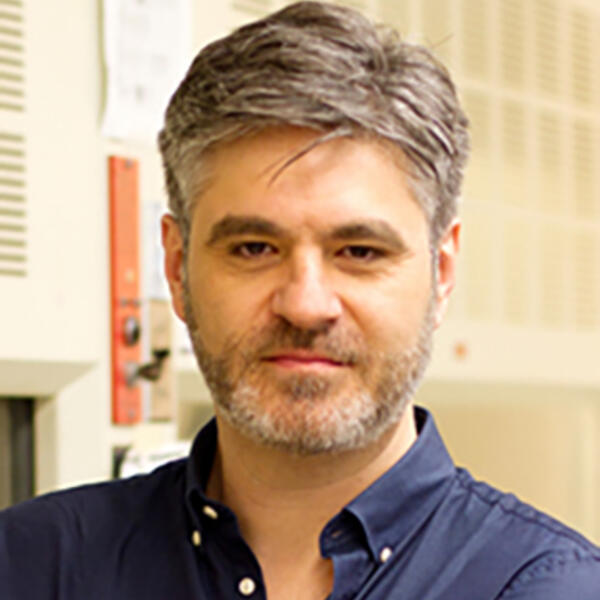 Vuk Stambolic合作论文数Department of Medical Biophysics, Temerty Faculty of Medicine, University of Toronto11
 Pamela Ohashi合作论文数Department of Immunology, Faculty of Medicine, University of Toronto;Campbell Family Institute for Breast Cancer Research;Ontario Cancer Institute11
 Kathleen L. Gould合作论文数Department of Cell and Developmental Biology, School of Medicine, Vanderbilt University11
 Oksana Kaidanovich-Beilin合作论文数11
 Philip Cohen合作论文数Department of Biochemistry, School of Life Sciences, University of Dundee10Lisa Kockeritz合作论文数10BH ANDERTON合作论文数9
 Eldad Zacksenhaus合作论文数Department of Laboratory Medicine and Pathobiology, Temerty Faculty of Medicine, University of Toronto9
 Ronald J Vagnozzi合作论文数Dept Pediat, Cincinnati Childrens Hosp Med Ctr9Katrina Macaulay合作论文数9
 Christopher Miller合作论文数Department of Basic & Clinical Neuroscience, School of Neuroscience, Institute of Psychiatry, Psychology & Neuroscience, King’s College London9Bj Pulverer合作论文数8
 Sean E Egan合作论文数Hospital for Sick Children8
 Josef Penninger合作论文数Department of Medical Genetics, Faculty of Medicine, University of British Columbia;Life Sciences Institute, University of British Columbia8
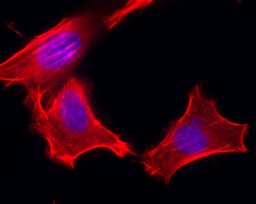 Michael Scheid合作论文数Ontario Cancer Institute8
 Reena Rao合作论文数Department of Lipid Science and Traditional Foods;Technological Research Institute;Department of Lipid Science and Traditional Foods, Technological Research Institute8Eleni Nikolakaki合作论文数Laboratory of Biochemistry, The Aristotle University of Thessaloniki8E A Rubie合作论文数7LA Tibbles合作论文数7Plyte S E合作论文数7
 Russell Jones合作论文数Department of Physiology, School of Biomedical Sciences, McGill University;Russell Jones Laboratory, Department of Metabolism and Nutritional Programming, Van Andel Institute7Brion Jean-Pierre合作论文数7elizabeth a rubie合作论文数6Jennifer Gorman合作论文数6L Ruel合作论文数6Xiying Shang合作论文数6
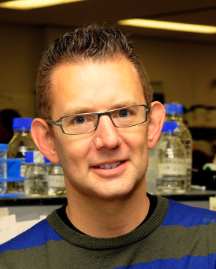 Paul Coffer合作论文数University Medical Center Utrecht6Armen S. Manoukian合作论文数6JM GALLO合作论文数5CH REYNOLDS合作论文数5
 Tak Mak (麦德华)合作论文数Department of Medical Biophysics, Temerty Faculty of Medicine, University of Toronto;Department of Pathology, School of Clinical Medicine, University of Hong Kong5Elford Alisha R合作论文数5Kerkelä Risto合作论文数Research Unit of Biomedicine and Internal Medicine, Faculty of Medicine, University of Oulu5
 Jessica Adams合作论文数Program in Developmental and Stem Cell Biology, The Hospital for Sick Children5
 Ming-Sound Tsao合作论文数Princess Margaret Cancer Centre;Department of Laboratory Medicine and Pathobiology, University of Toronto;Department of Medical Biophysics, University of Toronto5
 Tony Pawson (安东尼·鲍森)合作论文数Department of Molecular Genetics, Temerty Faculty of Medicine, University of Toronto5
 Kathleen C Woulfe合作论文数5
 Shixin Tao合作论文数Chemical Engineering and Chemistry, Eindhoven University of Technology5




