Chromosome instability is highly prevalent in cancer and drives large-scale chromosomal imbalances, known as aneuploidies1-4. How aneuploidy contributes to tumorigenesis remains difficult to study due to the vast numbers of genes affected. Here we established a CRISPR knockout- and activation-linked assay (CRISPR-KOALA), enabling high-throughput bidirectional genetic screens in immunocompetent mouse models of cancer. We developed a compendium of the ten most frequent human chromosome-arm-level alterations in basal-like breast cancer (BLBC), a disease type that is driven by large copy-number alterations (CNAs)5-8. Using CRISPR-KOALA, we screened the mouse orthologues of 3,752 genes on these arms and identified 90 cancer driver genes, the function of the vast majority of which is unknown. These genes drive distinct signalling pathways including MAPK, HIPPO and WNT, reflecting the high degree of BLBC heterogeneity. Manipulating the identified cancer driver genes overcomes the need for CNAs in Trp53-mutant BLBC mouse models. Mechanistically, we identify that PLGRKT is a potent oncogene that lies on chromosome 9p and show that its tumour-promoting activity is associated with highly stress-resistant mitochondria and an increased ability to detoxify reactive oxygen species. Together, our findings reveal that arm-level CNAs can function to select specific driver genes to promote heterogeneous biological processes.
Leptomeningeal metastases are the primary source of morbidity and mortality for pediatric medulloblastoma patients. Due to limited surgical sampling of metastases in patients, little is understood of the mechanisms of metastasis. Here, we identify biologically distinct quiescent small metastases (designated as micrometastases) and mitotically active larger metastases (macrometastases). Macrometastases are more metabolically active than micrometastases and contain higher levels of lipids, particularly cholesterol. Macrometastases secrete CXCL12, which attracts lipid-laden macrophages into the tumor. Lipid-laden macrophages upregulate the cholesterol transporter ABCG1, promoting the efflux of free cholesterol, which is then taken up by tumor cells via the HDL receptor SCARB1. CXCL12-driven macrophage recruitment and exogenous cholesterol are sufficient and necessary to drive progression of medulloblastoma leptomeningeal metastases in vivo. High fat diets drive metastatic progression in vivo. Dietary or pharmacological interventions targeting the CXCL12-SCARB1-cholesterol axis represent therapeutic strategies to either prevent or treat medulloblastoma leptomeningeal metastases.
Chromosome instability is highly prevalent in cancer and drives large scale chromosomal imbalances, known as aneuploidies. However, how aneuploidy contributes to tumorigenesis remains difficult to study due to the vast numbers of genes affected. To address these limitations, we have developed a CRISPR-Knock Out and Activation Linked Assay (CRISPR-KOALA), which enables systematic high-throughput bidirectional genetic screens in immune-competent mouse models of cancer. Using CRISPR-KOALA we screened the mouse orthologs of all 3,752 genes residing on the ten most frequently altered human chromosome arms in basal-like breast cancer (BLBC), which to date is the largest bidirectional screen performed in vivo. Our screen identified 90 cancer driver genes, the vast majority of which have hitherto unknown functions in cancer. These genes drive distinct signalling pathways, reflecting the high degree of BLBC heterogeneity. Individual manipulation of the identified cancer driver genes completely overcomes the need for copy number alterations (CNAs) in p53-mutant BLBC mouse models. Mechanistically, we uncover PLGRKT as a potent oncogene and show that its tumor-promoting activity is associated with the creation of highly stress-resistant mitochondria that promote tumor cell survival, rather than through its canonical role of regulating the extracellular matrix. Overall, our work reveals that arm-level CNAs can function to select specific driver genes to promote heterogenous biological processes. Citation Format: Khalid N Al-Zahrani, Ellen R Langille, Andreea Obersterescu, Christopher Lowden, Katie Teng, Lauren Caldwell, David Cook, Miguel Pérez-Castro, Cynthia Chiu, Alexander Bahcheli2, Ricky Tsai, Jacob Berman, Kin Chan, Linkang Zhang, K.W. Annie Bang, Michael Parsons, Adele Lopes, Jocelyn Nurtanto, E. Idil Temel, Iosifina Fotiadou, Julien Dessapt, Hartland Jackson, Sean Egan, Jüri Reimand, Jeffrey Wrana, Daniel Schramek. Decoding aneuploidy: Identifying drivers and therapeutic targets in recurrent breast cancer copy number alterations [abstract]. In: Proceedings of the AACR Special Conference in Cancer Research: Functional and Genomic Precision Medicine in Cancer: Different Perspectives, Common Goals; 2025 Mar 11-13; Boston, MA. Philadelphia (PA): AACR; Cancer Res 2025;85(5 Suppl):Abstract nr A022.
The loss of chromosome 16q is the single most common genomic event in BC, occurring in over 50% of tumors. Despite this, the literature is focused almost exclusively on the importance of focal mutations that show a maximum frequency of ∼35-40%. We have modeled 16q loss by deleted this region in mammary epithelium of genetically modified mice. This event was sufficient to induce mammary tumor formation. This finding establishes for the first time that 16q is a BC-suppressing chromosome arm. We have gone on to identify two genes on 16q that can promote tumor formation when one copy is lost (Cbfb and Ankrd11, each in cooperation with Pik3caHR). We have also identified mutations that cooperate with 16q syntenic sequence loss in spontaneous tumors from our 16q mouse model (c-Met gene amplification and p53 mutation) as well as in a Sleeping Beauty transposon-based screen (identifying mutations that enhance Ras and Rho signaling). Finally, we have used transcriptional profiling and proteomics to compare matching mammary tumors with/without 16q-syntenic sequence loss, which revealed that hemizygous deletion of this region suppressed keratinocyte-like differentiation in mammary tumors. Citation Format: Sean Egan, Idil Eda Temel, YeJi An, Katelyn Kozma, Amanda Loch, Wei Wang. 16q is a breast cancer suppressor arm [abstract]. In: Proceedings of the San Antonio Breast Cancer Symposium 2024; 2024 Dec 10-13; San Antonio, TX. Philadelphia (PA): AACR; Clin Cancer Res 2025;31(12 Suppl):Abstract nr P3-04-17.
Notch signaling is altered in breast cancer. Recent studies highlighted both tumor-suppressive and oncogenic roles for Notch in this tissue. The function of Jagged1, the most highly expressed Notch ligand in the mammary gland, is not well defined. Here we report that deletion of Jagged1 in the mammary epithelium of virgin mice led to expansion of the mammary stem cell (MaSC) compartment and defective luminal differentiation associated with decreased expression of the progesterone receptor (PR). In contrast, deletion of Jagged1 in alveolar cells of pregnant mice had no effect on alveolar and lactogenic differentiation or post-lactational involution. Interestingly, deletion of Jagged1 promoted mouse mammary tumor formation from luminal cells but suppressed them from basal cells, associated with downregulation of Notch target genes Hey1 and Hey2, respectively. In agreement with mouse experiments, high expression of JAG1 and HEY1 are associated with better overall survival among patients with luminal tumors, whereas high expression of JAG1 and HEY2 are both associated with worse overall survival in basal subtype of human breast cancer. These results identified Jagged1 as an important regulator of mammary epithelial hierarchy and revealed differential roles of Jagged1-mediated Notch signaling in different subtypes of breast cancer arising from distinct cell types.
Chromosome instability is highly prevalent in cancer and drives large scale chromosomal imbalances, known as aneuploidies. However, how aneuploidy contributes to tumorigenesis remains difficult to study due to the vast numbers of genes affected. Here, we develop a CRISPR-Knock Out and Activation Linked Assay (CRISPR-KOALA), enabling high-throughput bidirectional genetic screens in immune-competent mouse models of cancer. We developed a compendium of the ten most frequently altered human chromosome arms in basal-like breast cancer (BLBC), a copy number-driven disease. Using CRISPR-KOALA we screened the mouse orthologs of all 3,752 genes on these arms and identified 90 cancer driver genes, the vast majority of which have hitherto unknown functions in cancer. These genes drive distinct signalling pathways including MAPK, Hippo and WNT, reflecting the high degree of BLBC heterogeneity. Manipulating the identified cancer driver genes overcomes the need for copy number alterations (CNAs) in p53-mutant BLBC mouse models. Mechanistically, we uncover PLGRKT as a potent oncogene that lies adjacent to the immune checkpoint gene CD274/PD-L1 on chr9p and show that its tumor-promoting activity is associated with the creation of highly stress-resistant mitochondria that promote tumor cell survival. Thus, our findings reveal that arm-level CNAs can function to select specific driver genes to promote heterogenous biological processes.
Intersectin-1 (Itsn1) is a scaffold protein that plays a key role in coupling exocytosis and endocytosis of synaptic vesicles (SVs). However, it is unclear whether and how Itsn1 regulates these processes to support efficient neurotransmission during development. To address this, we examined the calyx of Held synapse in the auditory brainstem of wild-type and Itsn1 mutant mice before (immature) and after (mature) the onset of hearing. Itsn1 was present in the pre- and postsynaptic compartments at both developmental stages. Loss of function of Itsn1 did not alter presynaptic action potentials, Ca2+ entry via voltage-gated Ca2+ channels (VGCCs), transmitter release or short-term depression (STD) induced by depletion of SVs in the readily releasable pool (RRP) in either age group. Yet, fast Ca2+-dependent recovery from STD was attenuated in mature mutant synapses, while it was unchanged in immature mutant synapses. This deficit at mature synapses was rescued by introducing the DH-PH domains of Itsn1 into the presynaptic terminals. Inhibition of dynamin, which interacts with Itsn1 during endocytosis, had no effect on STD recovery. Interestingly, we found a developmental enrichment of Itsn1 near VGCCs, which may underlie the Itsn1-mediated fast replenishment of the RRP. Consequently, the absence of Itsn1 in mature synapses led to a higher failure rate of postsynaptic spiking during high-frequency synaptic transmission. Taken together, our findings suggest that Itsn1 translocation to the vicinity of VGCCs during development is crucial for accelerating Ca2+-dependent RRP replenishment and sustaining high-fidelity neurotransmission. KEY POINTS: Itsn1 is expressed in the pre- and postsynaptic compartments of the calyx of Held synapse. Developmental upregulation of vesicular glutamate transporter-1 is Itsn1 dependent. Itsn1 does not affect basal synaptic transmission at different developmental stages. Itsn1 is required for Ca2+-dependent recovery from short-term depression in mature synapses. Itsn1 mediates the recovery through its DH-PH domains, independent of its interactive partner dynamin. Itsn1 translocates to the vicinity of presynaptic Ca2+ channels during development. Itsn1 supports high-fidelity neurotransmission by enabling rapid recovery from vesicular depletion during repetitive activity.
Abstract Background: Replication Repair Deficiency (RRD), caused by germline monoallelic (Lynch Syndrome) or biallelic (Constitutional Mismatch Repair Deficiency, CMMRD) mutations in MMR genes, is present in 5-10% of glioblastomas in children, adolescents, and young adults. RRD glioblastomas are chemoradiation-resistant, but respond favorably to immune checkpoint inhibition (ICI). Representative immunocompetent animal models are urgently needed for 3 recently identified subgroups based on specific somatically-acquired mutations, survival, and immunotherapy response (RRD1: MMRD with POLE mutations, RRD2: MMRD associated with TP53 mutations, and RRD3: MMRD harboring IDH1 mutations). Methods: Using germline mutations and brain-specific Cre-drivers, we genetically engineered mouse models that recapitulate each human RRD-subgroup. Results: All mouse models robustly developed brain tumors displaying phenotypic variation. RRD1 (Nestin- and Olig2-Cre+/Msh2LoxP/LoxP/PoleS459F/+ and LSL-PoleP286R/+): CMMRD-like Nestin-Cre-driven mice develop posterior-fossa glioma-like or embryonal (EB)-like tumors at ~2.7 months. Olig2-Cre-driven mice display hemispheric gliomas at ~10 months, suggesting distinct cell-of-origin. RRD2 (Nestin-Cre+/Trp53LoxP/LoxP and Msh2LoxP/LoxP or Mlh1−/−): tumors develop primarily in the hindbrain in germline Mlh1 mice, and majority arise in the forebrain of Nestin-Cre/Msh2 mice, highlighting the timeline of mutagenesis. Strikingly, germline Mlh1 tumors occur earlier than Nestin-Cre-driven RRD2 tumors, indicating early developmental mutation accumulation in CMMRD-patients. Lynch-like RRD1/2 mice succumb exclusively to gliomas >13 months (p<0.0001). RRD3 (Olig2-Cre+/Msh2LoxP/LoxP/Trp53LoxP/LoxP/LSL-Idh1R132H/+): mice succumb to brain tumors at >11 months and are hemispheric. Significance: These observations recapitulate human data, where CMMRD-patients develop glioblastoma/EB earlier than Lynch-patients (8.6 vs. 14-years; p<0.0001), and posterior-fossa glioblastoma/EB presents earlier than hemispheric gliomas (p=0.04). Additionally, tumor onset and location vary by subgroup (RRD1: 7.6-years, RRD2: 8.3-years, both hemispheric/posterior-fossa; RRD3: 12-years, hemispheric; p=0.005). In both mice and humans, RRD1 exhibits ultra-hypermutation, high immune infiltration, and response to ICI, whereas RRD2 harbors lower mutational burden, are immune-cold, and ICI-monotherapy resistant. Temporal dynamics of RRD tumor development is currently being tracked by serial MRI to define previously undetermined biologically relevant time points of tumor progression. Conclusion: Our models accurately mimic the human condition and provide unique insights into RRD tumorigenesis, allowing optimization of subgroup-tailored therapeutic approaches. Citation Format: Zoya Aamir, Melissa Galati, Emma Gattoni, Owen Crump, Nuno M. Nunes, Anirban Das, Nicholas Fernandez, Nicholas Fernandez, Angel K. Wong, Jerome Fortin, Lucie Stengs, Vanessa Bianchi, Melissa Edwards, Logine Negm, Cynthia Hawkins, David Malkin, Sean Egan, Uri Tabori. Replication repair deficient mouse models provide insights into gliomagenesis and response to immunotherapy [abstract]. In: Proceedings of the American Association for Cancer Research Annual Meeting 2024; Part 1 (Regular Abstracts); 2024 Apr 5-10; San Diego, CA. Philadelphia (PA): AACR; Cancer Res 2024;84(6_Suppl):Abstract nr 1451.
Copy number gains in genes coding for Rho activating exchange factors as well as losses affecting genes coding for RhoGAP proteins are common in breast cancer (BC), suggesting that elevated Rho signaling may play an important role. Extra copies and overexpression of RHOC also occur, although a role for RhoC overexpression in driving tumor formation has not been assessed in vivo. To this end, we report on the development of a Rosa26 (R26)-targeted Cre-conditional RhoC overexpression mouse (R26RhoC). This mouse was crossed to two models for ERBB2/NEU+ breast cancer: one based on expression of an oncogenic ErbB2/Neu cDNA downstream of the endogenous ErbB2 promoter (FloxNeoNeuNT), the other, a metastatic model that is based on high-level expression from MMTV regulatory elements (NIC). RhoC overexpression dramatically enhanced mammary tumor formation in FloxNeoNeuNT mice but showed a more subtle effect in the NIC line, which forms multiple mammary tumors after a very short latency. RhoC overexpression also enhanced mammary tumor formation in an activated Pik3ca model for breast cancer (Pik3caH1047R). The transforming effect of RhoC was associated with epithelial/mesenchymal transition (EMT) in ErbB2/NeuNT and Pik3caH1047R systems. Thus, our study reveals the importance of elevated wildtype Rho protein expression as a driver of breast tumor formation and highlights the significance of Copy Number Abberations that affect Rho signalling.
Supplementary Table S2 from High-level Coexpression of JAG1 and NOTCH1 Is Observed in Human Breast Cancer and Is Associated with Poor Overall Survival
Supplementary Table S3 from High-level Coexpression of JAG1 and NOTCH1 Is Observed in Human Breast Cancer and Is Associated with Poor Overall Survival
PDF file - 67KB, Supplementary Figure S2 shows results from the primary and validation screens with hits on sphere only or both sphere and monolayer, as well as sensitivity of HC11 cells.
Supplementary Table S1 from High-level Coexpression of JAG1 and NOTCH1 Is Observed in Human Breast Cancer and Is Associated with Poor Overall Survival
PDF file - 44KB, Supplementary Table S2a and S2b list hits on Her2/Neu spheres and monolayer cells.
PDF file - 51KB, Supplementary Table S4a lists gene sets enriched in TBK1-II treated HER2+ breast cancer cells.
Abstract Replication Repair Deficiency (RRD), caused by germline monoallelic (Lynch Syndrome) or biallelic (Constitutional Mismatch Repair Deficiency, CMMRD) mutations in MMR genes, is present in 5-10% of glioblastomas in children, adolescents, and young adults. RRD glioblastomas are chemoradiation-resistant, but respond favorably to immune checkpoint inhibition (ICI). Representative immunocompetent animal models are urgently needed for 3 recently identified subgroups based on specific somatically-acquired mutations, survival, and immunotherapy response (RRD1: MMRD with POLE mutations, RRD2: MMRD associated with TP53 mutations, and RRD3: MMRD harboring IDH1 mutations). Using germline mutations and brain-specific Cre-drivers, we genetically engineered mouse models that recapitulate each human RRD-subgroup. RRD1 (Nestin- and Olig2-Cre+/ Msh2LoxP/LoxP/PoleS459F/+ and LSL-PoleP286R/+): CMMRD-like Nestin-Cre-driven mice develop posterior-fossa glioma-like or medulloblastoma (MB)-like tumors at ~2.7 months. Olig2-Cre-driven mice display hemispheric gliomas at ~10 months, suggesting distinct cell-of-origin. RRD2 (Nestin-Cre+/Trp53LoxP/LoxP and Msh2LoxP/LoxP or Mlh1-/-): CMMRD-like tumors develop in heterogenous locations at ~4.5 months (p<0.0001), classifying primarily as MB-like in hindbrain, and glioma-like in other brain regions. Strikingly, germline Mlh1 tumors occur earlier than Nestin-Cre-driven RRD2 tumors, indicating early developmental mutation accumulation in CMMRD-patients. Lynch-like RRD1/2 mice succumb exclusively to gliomas >13 months (p<0.0001). RRD3 (Olig2-Cre+/Msh2LoxP/LoxP/Trp53LoxP/LoxP/LSL-Idh1R132H/+): brain tumors occur later and are hemispheric. These observations recapitulate human data, where CMMRD-patients develop glioblastoma/MB earlier than Lynch-patients (8.6 vs. 14-years; p<0.0001), and posterior-fossa glioblastoma/MB presents earlier than hemispheric gliomas (p=0.04). Additionally, tumor onset and location vary (RRD1: 7.6-years, RRD2: 8.3-years, hemispheric/posterior-fossa; RRD3: 12-years, hemispheric; p=0.005). In both mice and humans, RRD1 exhibits ultra-hypermutation, high immune infiltration, and response to ICI, whereas RRD2 harbors lower mutational burden, are immune-cold, and ICI-monotherapy resistant. Temporal dynamics of RRD tumor development is currently being tracked by serial MRI to define biologically relevant time points. Our models accurately mimic the human condition and provide unique insights into RRD tumorigenesis, allowing optimization of subgroup-tailored therapeutic approaches.
Supplementary Figure 7 from Cooperation between Pik3ca and p53 Mutations in Mouse Mammary Tumor Formation
Supplementary Figure 9 from Cooperation between Pik3ca and p53 Mutations in Mouse Mammary Tumor Formation
PDF file - 66KB, Supplementary Figure S6 shows IC50 values of indicated drugs on Her2/Neu-monolayer, SKBR3, HCC1954 or JIMT1 cells.
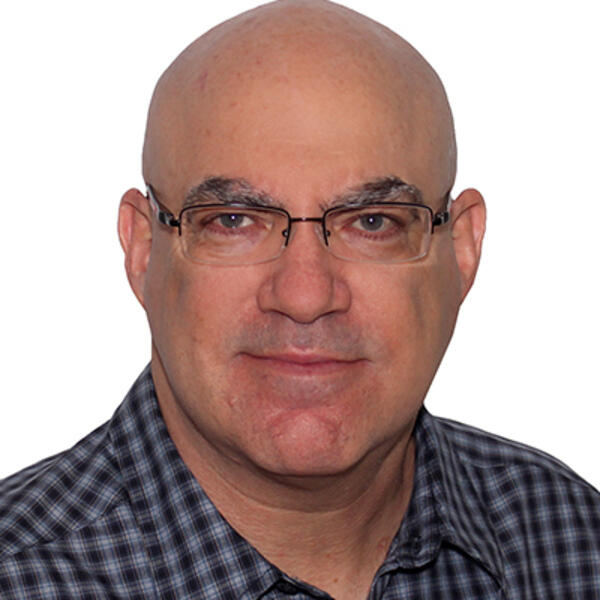 Eldad Zacksenhaus合作论文数Department of Laboratory Medicine and Pathobiology, Temerty Faculty of Medicine, University of Toronto40
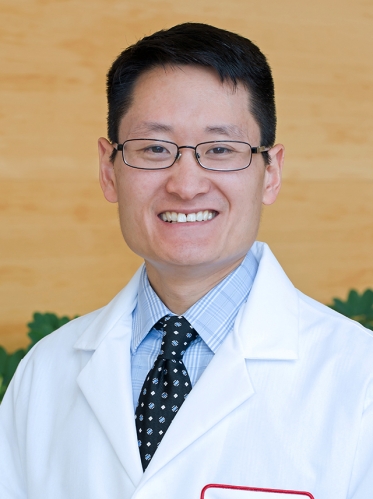 Jeffrey Chang-Jen Liu合作论文数Department of Surgical Oncology, Fox Chase Cancer Center;Department of Otolaryngology-Head and Neck Surgery, Lewis Katz School of Medicine at Temple University32
 Keli Xu合作论文数25
 Zhe Jiang合作论文数19
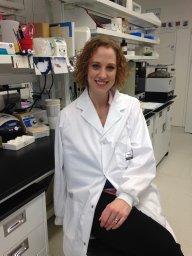 Jessica Adams合作论文数Program in Developmental and Stem Cell Biology, The Hospital for Sick Children17Chung Philip E D合作论文数17
 Michael Reedijk合作论文数Department of Medical Biophysics, Temerty Faculty of Medicine, University of Toronto15Schachter Nathan F合作论文数15Tao Deng合作论文数15Arnold H. Greenberg合作论文数15David E Uehling合作论文数14Al-Awar Rima合作论文数14Loch Amanda J合作论文数14
 Ahmed Aman合作论文数13
 Jason Moffat合作论文数Department of Molecular Genetics, University of Toronto;The Hospital for Sick Children12
 Rob Rottapel合作论文数Department of Medical Biophysics, Temerty Faculty of Medicine, University of Toronto12Ketela Troy合作论文数12
 Babu Joseph合作论文数12Ja Wright合作论文数11
 Wei Wang (王薇)合作论文数School of Automation Science and Electrical Engineering, Beihang University10
 Katherine Wright合作论文数10Gina Lockwood合作论文数9Lynn Chang合作论文数8Silvia Odorcic合作论文数8
 Ruth G Wong合作论文数Schulich Sch Med & Dent, Western Univ8
 Cynthia Guidos合作论文数Department of Immunology, Temerty Faculty of Medicine, University of Toronto;The Hospital for Sick Children Research Institute8
 Timothy F. Lane合作论文数Department of Biological Chemistry, University of California, Los Angeles8
 Elizabeth Fisher合作论文数Department of Neuromuscular Diseases, University College London;Institute of Neurology, University College London8
 Jim Woodgett合作论文数Department of Medical Biophysics, Faculty of Medicine, University of Toronto;Lunenfeld-Tanenbaum Research Institute8Natalia M. Ruiz Agamez合作论文数7
 David McCready合作论文数Department of Surgery, Temerty Faculty of Medicine, University of Toronto7Miller Naomi A合作论文数7
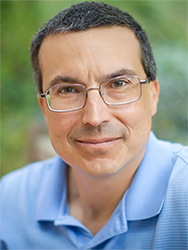 Charles M. Perou合作论文数Department of Genetics, School of Medicine, University of North Carolina at Chapel Hill;Reveal Genomics, S.L.;GeneCentric Therapeutics, Inc.6
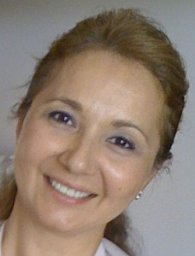 Isik G. Yulug合作论文数St. Mary's Hospital Medical School, Imperial College;and Division of Immunology and Cancer Research, The Hospital for Sick Children;St. Mary's Hospital Medical School, Imperial College6Ameet S. Sengar合作论文数Department of Medical Biochemistry;University of Calgary;Health Science Centre;Health Science Centre, University of Calgary6
 Ladislav Jarolim合作论文数6Jennifer Gorman合作论文数5Katelyn J Kozma合作论文数5
 Gary Bader合作论文数Donnelly Centre for Cellular and Biomolecular Research, University of Toronto;Department of Molecular Genetics, Temerty Faculty of Medicine, University of Toronto5Chung Wen-cheng合作论文数5
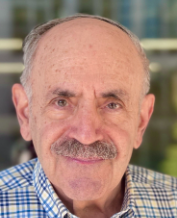 Robert A. Weinberg合作论文数Department of Biology, Massachusetts Institute of Technology;Whitehead Institute for Biomedical Research, Massachusetts Institute of Technology;Ludwig Center, Massachusetts Institute of Technology5Dong-Yu Wang合作论文数First Department of Pathology, Hamamatsu University School of Medicine5
 Susan Done合作论文数Department of Laboratory Medicine and Pathobiology, Temerty Faculty of Medicine, University of Toronto5Alessandro Datti合作论文数Mount Sinai Hospital, Samuel Lunenfeld Research Institute5Hui Zhang合作论文数4Darci T Butcher合作论文数4Alex Wu合作论文数4
 Michael Taylor合作论文数Department of Medical Biophysics, Temerty Faculty of Medicine, University of Toronto;Departments of Pediatrics, Baylor College of Medicine;Texas Children’s Hospital4




