Optical imaging techniques provide low-cost, non-radiative images with high spatiotemporal resolution, making them advantageous for long-term dynamic observation of blood perfusion in stroke research and other brain studies compared to non-optical methods. However, high-resolution imaging in optical microscopy fundamentally requires a tight optical focus, and thus a limited depth of field (DOF). Consequently, large-scale, non-stitched, high-resolution images of curved surfaces, like brains, are difficult to acquire without z-axis scanning. To overcome this limitation, we developed a needle-shaped beam optical coherence tomography angiography (NB-OCTA) system, and for the first time, achieved a volumetric resolution of less than 8 μm in a non-stitched volume space of 6.4 mm × 4 mm × 620 μm in vivo. This system captures the distribution of blood vessels at 3.4-times larger depths than normal OCTA equipped with a Gaussian beam (GB-OCTA). We then employed NB-OCTA to perform long-term observation of cortical blood perfusion after stroke in vivo, and quantitatively analyzed the vessel area density (VAD) and the diameters of representative vessels in different regions over 10 days, revealing different spatiotemporal dynamics in the acute, sub-acute and chronic phase of post-ischemic revascularization. Benefiting from our NB-OCTA, we revealed that the recovery process is not only the result of spontaneous reperfusion, but also the formation of new vessels. This study provides visual and mechanistic insights into strokes and helps to deepen our understanding of the spontaneous response of brain after stroke.
Artificial intelligence (AI) has taken breathtaking leaps forward in recent years, evolving into a strategic technology for pioneering the future. The growing demand for computing power—especially in demanding inference tasks, exemplified by generative AI models such as ChatGPT—poses challenges for conventional electronic computing systems. Advances in photonics technology have ignited interest in investigating photonic computing as a promising AI computing modality. Through the profound fusion of AI and photonics technologies, intelligent photonics is developing as an emerging interdisciplinary field with significant potential to revolutionize practical applications. Deep learning, as a subset of AI, presents efficient avenues for optimizing photonic design, developing intelligent optical systems, and performing optical data processing and analysis. Employing AI in photonics can empower applications such as smartphone cameras, biomedical microscopy, and virtual and augmented reality displays. Conversely, leveraging photonics-based devices and systems for the physical implementation of neural networks enables high speed and low energy consumption. Applying photonics technology in AI computing is expected to have a transformative impact on diverse fields, including optical communications, automatic driving, and astronomical observation. Here, recent advances in intelligent photonics are presented from the perspective of the synergy between deep learning and metaphotonics, holography, and quantum photonics. This review also spotlights relevant applications and offers insights into challenges and prospects.
2023 年 10 月 31 日-11 月 2 日,"Advanced Photonics论坛:智能光子学"在北京香山成功举行,两百多名专家学者围绕智能光子学方向分享最新研究进展,讨论最新热点问题,预测未来发展趋势,吸引多家单位对智能光子产业发展的关注.
视觉是人类最重要的感官体验之一,人类大脑几乎一半的运算能力都用于视觉图像处理.如何将真实世界中物体的信息记录并呈现,是成像与显示领域工作者追求的重要目标.智能成像与显示技术作为人工智能的前端技术,通过大数据和智能算法辅助硬件进行成像与显示,能够实现信息的准确获取和处理,以及信息的智能交互.在智能成像方面,多孔径成像、无透镜成像、散射成像、光场成像、非视域成像等技术拓宽了成像的维度,智能算法的引入有助于实现体积轻薄、低功耗、低延迟的成像系统.在智能显示方面,光场显示、全息显示、近眼显示等技术为三维立体显示的发展奠定了基础.目前,基于深度学习与人工智能的先进成像技术和元宇宙背景下的VR/AR与三维显示技术已经成为领域前沿和热点.智能成像与显示技术采用先进的器件、算法和系统方案,可为用户提供更加清晰多维的图像信息和更深层次的沉浸式体验.
Diffractive optical elements (DOEs) are intricately designed devices with the purpose of manipulating light fields by precisely modifying their wavefronts. The concept of DOEs has its origins dating back to 1948 when D. Gabor first introduced holography. Subsequently, researchers introduced binary optical elements (BOEs), including computer-generated holograms (CGHs), as a distinct category within the realm of DOEs. This was the first revolution in optical devices. The next major breakthrough in light field manipulation occurred during the early 21st century, marked by the advent of metamaterials and metasurfaces. Metasurfaces are particularly appealing due to their ultra-thin, ultra-compact properties and their capacity to exert precise control over virtually every aspect of light fields, including amplitude, phase, polarization, wavelength/frequency, angular momentum, etc. The advancement of light field manipulation with micro/nano-structures has also enabled various applications in fields such as information acquisition, transmission, storage, processing, and display. In this review, we cover the fundamental science, cutting-edge technologies, and wide-ranging applications associated with micro/nano-scale optical devices for regulating light fields. We also delve into the prevailing challenges in the pursuit of developing viable technology for real-world applications. Furthermore, we offer insights into potential future research trends and directions within the realm of light field manipulation.
Fourier‐based optical computing operations, such as spatial differentiation, have recently been realized in compact form factors using flat optics. Experimental demonstrations, however, have been limited to coherent light requiring laser illumination and leading to speckle noise and unwanted interference fringes. Here, the use of an optimized multilayer film, combined with dual color image subtraction, is demonstrated to realize differentiation with unpolarized incoherent light. Global optimization is achieved by employing neural networks combined with the reconciled level set method to optimize the optical transfer function of a multilayer film at wavelengths of 532 and 633 nm. Spatial differentiation is then achieved by subtracting the normalized incoherent images at these two wavelengths. The optimized multilayer film is experimentally demonstrated to achieve incoherent differentiation with a resolution of 6.2 μ$\umu$ m. The use of a multilayer film allows for scalable lithography‐free fabrication and results in a system that could open the door to high‐speed processing for a wide variety of incoherent, and coherent, imaging systems.
Wavefront encoding is a crucial step in computer-generated holography, which converts the complex-amplitude wavefront on the hologram plane into a holographic modulating function. Since the digital element for complex-amplitude modulation is not yet available, current implementations of holographic wavefront modulation are carried out by phase-type or amplitude-type elements. The holograms are relatively converted to amplitude-only or phase-only forms. Herein, the phase optimization encoding and complex-amplitude converting methods of computer-generated holography based on liquid crystal spatial light modulators are introduced. The basic principle, range of applications, and algorithm flows are discussed, providing feasible strategies for various holographic implementations.
Structured illumination microscopy (SIM) is an advanced microscope system that provides superresolution capability with excellent imaging speed, which has become a practical tool for live-cell imaging. However, the bulky size is blocking the application of SIM in wider study fields and scenarios. Here, we developed a miniaturized SIM (Mini SIM) system that provided periodic illumination using a diffractive optical element (DOE) for the first time. This optimized phase-only DOE generated the two-dimensional sinusoidal illumination by optical Fourier transform with an illuminating objective lens, which substantially simplified and miniaturized the illumination system. We built up a Mini SIM prototype and demonstrated lateral superresolution imaging of fluorescence beads and A549 cell slides. The proposed Mini SIM greatly simplifies the experimental setup and may lead to important applications in bio-imaging.
Computer-generated holography provides an approach to modulate the optical wavefront with computationally synthesized holograms. Since the hardware implementation for complex wavefronts is not yet available, double-phase decomposition is utilized as a complex encoding method of converting a complex wavefront to a double-phase hologram. The double-phase hologram adapts a complex wavefront for the phase-type devices, but the reconstruction is plagued by the noise caused by spatial-shifting errors. Here, a spectral-envelope modulated double-phase method is proposed to suppress the spatial-shifting noise with an off-axis envelope modulation on the Fourier spectrum of a double-phase hologram. This proposed method out-performs conventional on-axis double-phase method in optical reconstructing accuracy with indicated 9.54% improvement in PSNR and 196.86% improvement in SSIM.
The first design example is a three-mirror freeform imaging system that has a field-of-view of 8°×6°, a focal length of 50 mm and a F-number of 1.8, which works in the LWIR band. The computing task is deployed on the high-performance computing platform in Tsinghua University. Through 41.8 hours of automatic computation, 127 systems are obtained, all of which have the average RMS wavefront error (AVG WFE RMS) smaller than 0.075λ (λ = 10 μm). The imaging quality is considered to be diffraction-limited or near-diffraction-limited. Credit: Benqi Zhang, Guofan Jin and Jun Zhu
Fourier-based optical computing operations, such as spatial differentiation, have recently been realized in compact form factors using flat optics. Experimental demonstrations, however, have been limited to coherent light requiring laser illumination and leading to speckle noise and unwanted interference fringes. Here, we demonstrate the use of optimized multilayer films, combined with dual color image subtraction, to realize differentiation with unpolarized incoherent light. Global optimization is achieved by employing neural networks combined with the reconciled level set method to optimize the optical transfer functions of multilayer films at wavelengths of 532 nm and 633 nm. Spatial differentiation is then achieved by subtracting the normalized incoherent images at these two wavelengths. The optimized multilayer films are experimentally demonstrated to achieve incoherent differentiation with a numerical aperture up to 0.8 and a resolution of 6.2 μm. The use of multilayer films allows for lithography-free fabrication and is easily combined with existing imaging systems opening the door to applications in microscopy, machine vision and other image processing applications.
High resolution and wide field of view (FOV) are always the goals of imaging, which are related to the space-bandwidth product (SBP) of the system. Currently, most methods focus on either resolution enhancement or FOV extension. Few works pay attention on both. There lacks a generalized framework for the joint space-frequency SBP expansion. We propose such a holographic imaging method, termed phase-space synthesized digital holography (PSH), which can improve and adjust resolution and FOV simultaneously, based on a phase-space analysis. Through a controllable SBP expansion in the phase space by multiangle divergent spherical wave illumination, a synthesized hologram is obtained to reconstruct a resolution-enhanced and FOV-extended image. As a general methodology of SBP expansion, the proposed method could open new insights for the imaging community. (C) 2021 Society of Photo-Optical Instrumentation Engineers (SPIE)
A novel imaging system design is proposed, in which the FOV and maximum resolution are improved simultaneously while the detector remains fixed. These improvements are realized using freeform optical surfaces and field-dependent characteristic parameters. The resulting imaging system design has optical properties that vary continuously with the field angle. In the central FOV, the system is equivalent to a long-focal-length camera, while in the marginal FOV, it is equivalent to a short-focal-length camera; however, the system has a constant F-number across the FOV. A 2× variation in the field-dependent characteristic parameters across the FOV is achieved.
Objective Obtaining high-quality reconstruction is desirable in computer-generated holography. Continuous complex-amplitude computer-generated holograms (CGHs) can present the most enhanced reconstruction quality because accurate amplitude and phase values rather than approximate values are obtained. However, in a practical system, CGHs need to be uploaded on the spatial light modulator (SLM). The most commonly used SLMs can only modulate either amplitude or phase. In addition, SLMs generally have pixelated structures with limited value ranges. It is necessary to sample the continuous distribution into a two-dimensional matrix with specific resolution and discrete pixel values in practical applications. This characteristic may harm the holographic reconstruction quality. Therefore, an optimization method based on parameter space traversal is proposed in this study to evaluate the effect of quantization on the holographic reconstruction quality. Various related parameters are considered in the evaluation. Proper quantization in some specific applications is also suggested. Methods The CGH of a target object is calculated using the angular-spectrum model. In this model, when the reconstruction distance is too large, an aliasing error in the transfer function will be introduced. The maximum reconstruction distance, also called the effective distance, is determined by the Shannon-Nyquist sampling theorem. Meanwhile, when the reconstruction distance is too small, different diffraction orders on the reconstruction plane will interfere with each other. The minimum reconstruction distance is determined by the grating function. To quantitatively evaluate the reconstruction quality, the peak signal-to-noise ratio (PSNR) is used as the index to measure the difference between the reconstructed and target objects. Moreover, a traversal method is used to quantitatively evaluate the influence of quantization. Considering the pixelated structure and discrete value ranges of current SLMs, the continuous complex-amplitude distribution is converted into quantized amplitude- or phase-only distribution by rounding down decimals to integers. Results and Discussions PSNRs of reconstructions via continuous complex-amplitude CGHs are infinite (Fig. 3). No matter how many related parameters, such as resolution, zero-padding area, reconstruction distance, reconstruction wavelength, and pixel pitch change, this conclusion remains unchanged. The calculation and reconstruction of continuous complex-amplitude CGHs were inverse processes. The 8-bit quantization of amplitude in complex-amplitude CGHs induced the degradation of reconstruction quality. The calculation and reconstruction of CGHs were not perfect inverse processes in this situation. However, the difference is negligible (Fig. 4). Compared with results by complex-amplitude CGHs with 8-bit quantized amplitude, results by complex-amplitude CGHs with 8-bit quantized phase presented a worse reconstruction quality. In addition, a zero-padding operation could improve the quality of the reconstruction by CGHs with 8-bit quantized phase. When the size of the target objects was doubled via the zero-padding operation, the PSNRs of reconstructions increased by 6.32 dB (Fig. 5). Phase-only CGHs were obtained by neglecting the amplitude of the complex-amplitude. The neglect of the amplitude had an extremely negative impact on reconstruction quality. PSNRs of reconstruction by phase-only CGHs decreased by 34. 77 dB compared with those by complex-amplitude CGHs with 8-bit quantized amplitude. In some specific applications, quantization parameters could be selected appropriately. Phase-only CGHs with 5-bit quantization were proved to be suitable for the applications of dynamic holographic displays. Practically, a look-up table (LUT) often deviates from the designed one. However, a small phase modulation deviation had little effect on the reconstruction quality. In the application of anticounterfeiting, rough calibration for LUT could also be effective (Fig. 6). The reconstruction quality was affected by the quantization of both amplitude and phase. A small increase in the quantization of both amplitude and phase induced a better effect than a huge increase in the quantization of only amplitude or phase (Fig. 8). This conclusion was also applicable when the pixel pitch was less than 1 mu m, which would provide guidance for designing meta-surface devices. Conclusions Because of the modulation characteristics of available SLMs, complex-amplitude CGHs with continuous values usually need to be converted to amplitude- or phase-only CGHs with discrete values. The quantization process of approximating continuous values to discrete values has a significant influence on the holographic reconstruction quality. In this study, a traversal method is used to quantitatively evaluate the influence of quantization. Various parameters, such as resolution, zero-padding area, reconstruction distance, reconstruction wavelength, random phase, and pixel pitch are considered. For phase-only CGHs, neglecting the amplitude has an extremely negative impact on reconstruction quality. The PSNRs of reconstruction by phase-only CGHs decrease by 34.77 dB compared with those by complex-amplitude CGHs with 8-bit quantized amplitude. In some specific applications, quantization parameters can be selected appropriately. Dynamic holographic display, holographic anticounterfeiting, and the design of meta-surface devices are discussed specifically. We hope this study will provide a guideline for designing CGH-based systems.
Objective: To explore how to personalize lung cancer screening programs for prevention in Chinese populations based on individual genetic risk score. Methods: We constructed the lung cancer polygenic genetic risk score (PRS-19) based on the 19 previously published genetic variations, using 100 615 participants with genotyping data from the China Kadoorie Biobank (CKB). Using the 5-year absolute risk of lung cancer in a population (55 years old with at least 30-pack-year history of smoking) as reference, the trend of 5-year absolute risk in different genetic risk groups was calculated in smokers and non-smokers, respectively. Distribution curves of 5-year absolute risk were also described to determine the theoretical age or smoking dose when different genetic risk groups reached the reference values. Given the overall findings, the specific start age for lung cancer screening were suggested for different genetic risk groups. Results: The 5-year absolute risk of lung cancer was 0.67% in 55-year-old smokers with 30 packs per year in the CKB. Among smokers, 5-year absolute risk of participants increased as the genetic risk increased. Hence, it was recommended that people at high genetic risk should start screening earlier. For the highest genetic risk populations (the top 1% of PRS), the start age might be changed to 50 years old. If the start age remained at 55-year-old, the smoking dose should be set lowered in high genetic risk populations. For the highest genetic risk populations, they should be included in lung cancer screening regardless of the cumulative smoking exposure. Among nonsmokers, it was also valuable to screen people with high genetic risk, considering the start age of 62 for the highest genetic risk populations and 74 for the lowest genetic risk populations (the bottom 5% of PRS). Conclusions: PRS-19 can be effectively used in developing lung cancer screening program for individualized prevention in China. For smokers with high genetic risk, the recommended starting age and smoking dose could be lowered for lung cancer screening, and non-smokers with high genetic risk could also be included in the screening programs.
Computer-generated holography has shown the ability of diffractive calculation and digital encoding for optical wavefronts. The optical wavefronts can be reconstructed through the coherent illuminating onto computer-generated holograms. But the spatial bandwidth product of computer-generated holography is still limited by existing digital modulating elements, resulting in a degraded optical reconstruction with excessive noises introduced by amplitude encoding or phase encoding. Complex-modulated holography encodes the complex-amplitude wavefronts with existing optical elements and avoids the discarding of amplitude or phase. It possesses the advantages of high calculating efficiency, high spatial bandwidth product and high reconstructing accuracy. The double-phase decomposition is a promising complex-modulating method with high theoretical maturity and optical reliability, making it highly desired and of great value in the future three-dimensional holographic display. This paper reviews the principle and recent progress of complex-modulated holographic display, especially the recent researches based on the double-phase complex modulation using liquid crystal spatial light modulators.
The importance of gut microbes to human health has gradually attracted attention. With the use of animal models, it has been revealed that maternal microbes during pregnancy could influence their children's health outcomes through shaping their microbial composition and regulating the development of their metabolic and immune system. However, the physiological mechanism of the human body is more complex and is affected by the interaction of multiple factors. The research results obtained from animal models are often inconsistent with human studies. At present, the influence of maternal intestinal microbes during pregnancy on the microbial colonization in their offspring and on a series of children's health outcomes is still unclear. Establishing a sub-cohort to detect the microbiome of the women across pregnancy and of their offspring, and further to integrate with variety of environmental and behavioral exposures can better provide reliable support for the research on the mechanism of children's health and diseases. This paper briefly introduces the research objectives, content, progress, strength and limitations of the sub-cohort study.
Objective: To explore the association between polygenic risk score (PRS) and age at onset and early-onset risk of gastric cancer (GC). Methods: Gastric cancer cases from existing genome-wide association study were included, and 112 single nucleotide polymorphisms associated with GC risk were used to derive individual PRS. Analysis of variance and Pearson correlation test was used to depict the relationship between PRS and GC onset age. Cases diagnosed before 50 years old were defined as early-onset gastric cancer. Cox proportional hazard model was used to test the association between PRS and early-onset GC risk with early-onset age as the timescale and low genetic risk (PRS ≤20%) as the reference group. Results: A total of 8 629 cases, including 6 284 males (72.82%) and 2 345 females (27.18%), were included, and the mean age was (60.61±10.80) years old. The PRS was negatively correlated with age of GC onset (r=-0.05, P<0.001). The mean age of gastric cancer cases with low, intermediate, and high genetic risk were (61.68±10.33), (60.53±10.79), (59.80±11.20), respectively. PRS was significantly associated with the risk of early-onset GC in a dose-response manner (intermediate genetic risk: HR=1.19, 95%CI: 1.03-1.39, P=0.022; high genetic risk: HR=1.44, 95%CI: 1.20-1.71, P<0.001). Conclusions: PRS may contribute to the risk of both GC and early-onset GC. PRS can be used as a measurable indicator for risk prediction for occurrence and early-onset of GC.
Design of an optical system, whether classic or novel, in the past or the present, requires significant effort from the designer. In addition to design methods and theories, the designer's skills and experience in optical system design are particularly important, which may require years of practice to learn. The diversity and variety of results are limited because of the difficulty, time, and labor costs required. In this article, we propose an automatic design method for freeform optics that can achieve a diverse range of three-mirror designs. The optical specifications and the design constraints are the only inputs required, and a variety of results can be obtained automatically. The output results have various structures and various optical power distributions with high imaging qualities. By implementing the design method, designers can not only realize an overview of the solution space of the three-mirror freeform system, but can also focus on specific designs.
In this Letter, an imaging spectrometer in which a freeform concave grating is the only optical component in the system is introduced. The degrees of freedom of optical freeform surfaces and a variable line-spacing (VLS) grating are used to realize imaging spectrometers. A point-by-point system design method is proposed that can generate a good initial solution rapidly. By exploring the limitations of the system specifications, it is demonstrated that the spectral dispersion, spectral resolving power, and system length can be improved significantly by using the freeform VLS concave grating. It is also found that freeform surfaces with higher degrees of freedom than a toroid can further improve system performance when using a VLS grating.
 Yingbai Yan (严瑛白)合作论文数Tsinghua University332
 Qingsheng He (何庆声)合作论文数清华大学精密测试技术与仪器国家重点实验室249
 Liangcai Cao (曹良才)合作论文数Institute of Opto-electronic Engineering, Department of Precision Instrument, Tsinghua University226
 Minxian Wu (邬敏贤)合作论文数163Qiaofeng Tan (谭峭峰)合作论文数149
 Xiaomin Wu (吴晓敏)合作论文数Department Of Energy And Power Engineeri, Tsinghua University143
 Hao Zhang (张浩)合作论文数Department of Precision Instrument, Tsinghua University71
 Jun Zhu (朱钧)合作论文数Department of Precision Instrument, Tsinghua University52Haisong Liu (柳海松)合作论文数50
 Wenhui Zhang合作论文数State Key Lab Precis Measurement Technol & Instru, Tsinghua Univ30Huaidong Yang (杨怀栋)合作论文数30
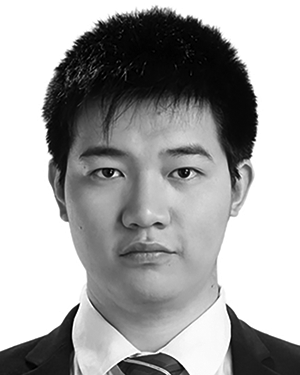 Zehao He合作论文数Tsinghua Univ, Dept Precis Instruments, State Key Lab Precis Measurement Technol & Instru, Beijing 100084, Peoples R China27
 Changxi Yang (杨昌喜)合作论文数Department of Precision Instrument, Tsinghua University27
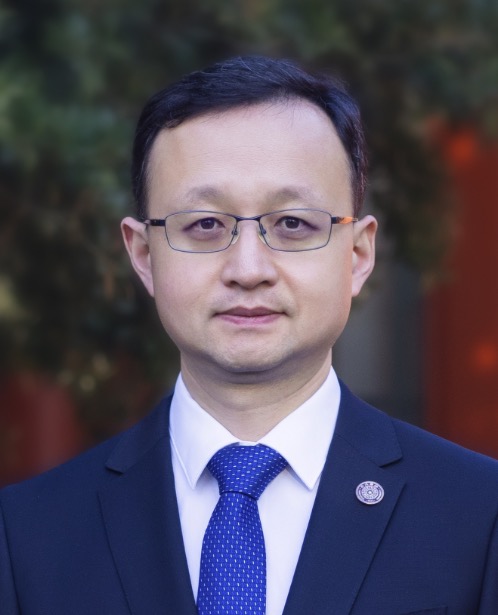 Benfeng Bai (白本锋)合作论文数Department of Precision Instrument, School of Mechanical Engineering, Tsinghua University27
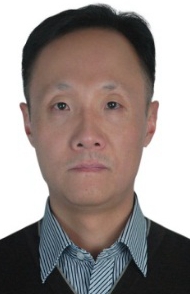 Di Feng (冯迪)合作论文数School of Instrumentation and Optoelectronic Engineering, Beihang University26Guoliang Huang (黄国亮)合作论文数25
 Xingyu Zhang (张行愚)合作论文数School of Information Science and Engineering, Shandong University23
 Qingpu Wang (王卿璞)合作论文数School of Integrated Circuits, Shandong University23
 Haitao Liu (刘海涛)合作论文数Institute of Modern Optics, College of Electronic Information and Optical Engineering, Nankai University22Si Lu合作论文数22
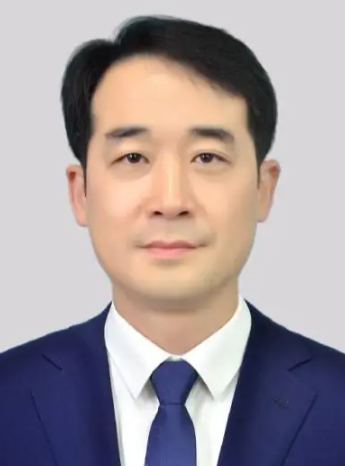 Zhaojun Liu (刘兆军)合作论文数School of Information Science and Engineering, Shandong University;Department of Science and Technology Management, Shandong University21
 Tong Yang (杨通)合作论文数School of Optics and Photonics, Beijing Institute of Technology;Optical Imaging and Computing Lab, Beijing Institute of Technology21
 Wenyi Feng合作论文数AMD21
 Huarong Gu (顾华荣)合作论文数College of Astronautics, Nanjing University of Aeronautics and Astronautics20Xingpeng Yang合作论文数20
 Xiaomeng Sui (隋晓萌)合作论文数清华大学19De Cai (才德)合作论文数19Shifu Yuan合作论文数19Zhao,Yan合作论文数16Ping Su (苏萍)合作论文数16Song Zong合作论文数15D Yi (伊德尔)合作论文数15
 Shiming Gao (高士明)合作论文数College of Optical Science and Engineering, Zhejiang University;Centre for Optical and Electromagnetic Research, Department of Optical Engineering, Zhejiang University14
 Mali Gong (巩马理)合作论文数Department of Precision Instrument, Tsinghua University14Guodong Liu合作论文数14Kexin Chen合作论文数13Li Chengmingyue合作论文数13Lin Pang合作论文数13ShuRong He合作论文数12Zhang,Hua合作论文数12
 Zheng Wang (王政)合作论文数School of Integrated Circuit Science and Engineering, University of Electronic Science and Technology of China12
 Xutang Tao (陶绪堂)合作论文数Institute of Crystal Materials, Shandong University12Wang Jian-Gang合作论文数11shaomin zhou (周少敏)合作论文数11
 Dezhao Kong合作论文数11
 Tianxiang Zheng合作论文数11
 Claire X.-G. Gu合作论文数Department of Electrical and Computer Engineering, Baskin School of Engineering, University of California, Santa Cruz11
 Yongtian Wang (王涌天)合作论文数Optical Imaging and Computing Lab, Beijing Institute of Technology11Xuebin Wan合作论文数10




