Ultrasound-based computer-aided diagnosis (CAD) has indicated effectiveness for developmental dysplasia of the hip (DDH). Recently, foundation models have shown promising potential to further improve the performance of a CAD model. However, their deployment in clinical applications remains challenging due to the high computational cost and overfitting risk of full fine-tuning. To address this issue, a new memory-efficient adaptation framework, named External Spatial Adapter Tuning (ESAT), is proposed for the CAD of DDH. The ESAT develops spatial adapters based on lowrank depthwise separable convolution at each layer of foundation model, so as to extract and refine hierarchical spatial features. These adapter outputs are further fused externally for the classification task, so that the gradient flow is fully decoupled from the foundation model. In real-world DDH diagnosis experiments, the ESAT requires only 30.16 % and 0.304 % of the memory and parameter usage on ViT-Base (as foundation model) compared with the full fine-tuning, yet achieves higher diagnostic accuracy than the full fine-tuning and other parameter-efficient tuning methods.
BACKGROUND:Developmental dysplasia of the hip (DDH) is increasingly recognized as a dynamic condition that may evolve after birth. This study aims to evaluate the natural history of hips with normal or borderline findings on early ultrasound and to identify imaging features associated with late-presenting acetabular dysplasia. METHODS:We retrospectively reviewed the medical records of children who underwent hip ultrasonographic screening between March 2020 and February 2023. Children with Graf type I hips who had pelvic radiographs after 2 years of age were included. Graf type I hips were further subdivided into 4 subgroups according to the β angle (≤55 or >55 degrees) and the bony rim morphology (blunt or sharp). Acetabular index was measured and evaluated on the final follow-up pelvic radiographs, and acetabular dysplasia was defined as an AI >2 SDs above the mean. RESULTS:A total of 87 children (174 hips) met the inclusion criteria. The mean age at the final ultrasound was 17.2±5.7 weeks, the mean α angle was 66.4±2.5 degrees, and the mean β angle was 52.9±4.0 degrees (range: 41.0 to 63.4 degrees). The mean age at the final radiographic follow-up was 2.9±0.6 years. Twenty-two hips were classified as acetabular dysplastic. There was a significant association between sex and acetabular dysplasia (χ2=7.19; P=0.007; OR=6.17; 95% CI: 1.39-27.38). A blunt bony rim on the final ultrasound examination was identified in 29 hips and was strongly associated with acetabular dysplasia (χ2=26.02; P<0.001; OR=9.53; 95% CI: 3.58-25.37). CONCLUSIONS:Graf type I hips with a blunt bony rim may not be entirely equivalent to mature, normal hips and may represent a subgroup susceptible to developing acetabular dysplasia during growth. Careful surveillance of hips with subtle morphologic abnormalities, particularly in female children, may therefore be warranted to facilitate early detection of acetabular dysplasia. LEVEL OF EVIDENCE:Retrospective level III.
ObjectiveTo explore the correlation between the quantitative analysis curve of renal contrast-enhanced ultrasound and the anatomical location of renal cortical microcirculation associated with acute kidney injury.MethodsThis study included a 1-year-and-11-month-old female child with acute kidney injury caused by drug overdosed and a 14-year-old female child with acute kidney injury caused by drug intentional, who were treated at Shanghai Children's Medical Center affiliated with Shanghai Jiao Tong University School of Medicine. Both patients underwent renal contrast-enhanced ultrasound and quantitative analysis. In addition, their clinical medical history data were recorded.ResultsThe first child developed acute kidney injury owing to cyclosporine A overdosed. Contrast-enhanced ultrasound revealed poor cortical blood flow perfusion in both kidneys, with abnormally prolonged cortical perfusion times and possible obstruction of vascular inflow pathways. The second child experienced acute kidney injury owing to ibuprofen intentional. Contrast-enhanced ultrasound showed good cortical blood wash-in/perfusion but significantly delayed wash-out/excretion.ConclusionThe structure and function of the glomerulus significantly influence the perfusion rate and intensity of the rising branch of the curve. Furthermore, the descending branch of the curve is affected by the interplay of the capillaries surrounding the renal tubules. Exploration of these anatomical structures aids in understanding the renal microcirculation pathways and provides further insight into renal perfusion dynamics.
The B-mode ultrasound based computer-aided diagnosis (CAD) has shown its effectiveness for diagnosis of Developmental Dysplasia of the Hip (DDH) in infants within 6 months. Hip landmark detection is a feasible way for the CAD of DDH according to the Graf's method. However, existing landmark detection algorithms mainly focus on designing special models to capture the features from hip ultrasound images, but generally ignore the important spatial relations among different landmarks. To this end, a novel weakly supervised learning-based algorithm, the Topological Graph Convolutional Network (TGCN) guided Improved Conformer (TGCN-ICF), is proposed for detecting landmarks from hip ultrasound images. The TGCN-ICF includes two subnetworks: an Improved Conformer (ICF) subnetwork to generate heatmaps and constraint vectors from ultrasound images, and a TGCN subnetwork to additionally explore topological relations among hip landmarks with the guidance of class labels for further refining and improving the detection accuracy. Moreover, a new Mutual Modulation Fusion (MMF) module is developed to fully exchange and fuse the extracted feature information from the convolutional neural network (CNN) and Transformer branches in ICF. Meanwhile, a novel Mutual Supervision Constraint (MSC) strategy is designed to provide a constraint for detection of each hip landmark. The experimental results on two real-world DDH datasets demonstrate that the TGCN-ICF outperforms all the compared algorithms, suggesting its potential applications.
Developmental dysplasia of the hip (DDH) is the most common congenital joint disease in infant. The B-mode ultrasound (BUS) based computer-aided diagnosis (CAD) can help sonologists improve diagnostic accuracy for DDH. The routine CAD models mainly developed based on convolutional neural network or Transformer, which cannot fully learn the inherent structural and texture properties in the hip BUS images. The newly proposed Mamba model has shown its superior performance for learning feature representation with linear computation complexity. However, the scanning mechanism still effect the performance of state space model in Mamba to learns sequence information. To this end, a novel Hybrid Symmetry Mamba Network (HSMN) is proposed to improve the diagnostic performance of CAD model for DDH. The HSMN conducts both the symmetry convolution operation and symmetry scanning in Mamba to more effectively extract inherent information to represent the symmetrical structure in hip BUS images for DDH. The experimental results indicate that the proposed HSMN achieves a diagnostic accuracy of 89.28±2.32%, and outperforms all the compared algorithms, suggesting its effectiveness.Clinical RelevanceThis CAD model has the potential to be applied in clinical practice for help sonologist improve diagnostic accuracy of DDH.
Effective monitoring and precise control of electrolyte and liquidus temperatures (which together give superheatSuperheat levels) are imperative for optimising the performance, extending the lifespan, and improving the current efficiencyCurrent efficiency of aluminiumAluminium smelter cellsCell. During periods of intensive and frequent power modulationPower modulation, where the power input to the cellCell is altered, maintaining a perfect mass and thermal equilibrium becomes increasingly challenging. As a result, both bath temperature and superheatSuperheat will invariably fluctuate. This paper presents a study of a power modulationPower modulation event, as well as encouraging results on the use of a comprehensive dynamic model, which integrates mass and thermal balancesThermal balance, for the continuous prediction of the bulk electrolyte and liquidus temperatures, ledgeLedge thickness, and bath compositions. This paper is working towards addressing the absence of continuous thermal measurements suitable for real-time thermal monitoring and control, especially under complex conditions introduced by power modulationPower modulation.
The B-mode ultrasound based computer-aided diagnosis (CAD) has demonstrated its effectiveness for diagnosis of Developmental Dysplasia of the Hip (DDH) in infants. However, due to effect of speckle noise in ultrasound im-ages, it is still a challenge task to accurately detect hip landmarks. In this work, we propose a novel hip landmark detection model by integrating the Topological GCN (TGCN) with an Improved Conformer (TGCN-ICF) into a unified frame-work to improve detection performance. The TGCN-ICF includes two subnet-works: an Improved Conformer (ICF) subnetwork to generate heatmaps and a TGCN subnetwork to additionally refine landmark detection. This TGCN can effectively improve detection accuracy with the guidance of class labels. Moreo-ver, a Mutual Modulation Fusion (MMF) module is developed for deeply ex-changing and fusing the features extracted from the U-Net and Transformer branches in ICF. The experimental results on the real DDH dataset demonstrate that the proposed TGCN-ICF outperforms all the compared algorithms.
The distribution of aluminaAlumina concentration is important for optimal cellCell operationsOperation in the aluminium smeltingAluminium smelting process. However, continuous real-time measurement of aluminaAlumina concentration is generally infeasible due to the hostile environment in the cellCell. As such a soft sensor is often needed to estimate the aluminaAlumina concentration from readily available measurements (e.g., cellCell voltage and line current). However, these approaches often suffer from poor estimation accuracy when the model error increases (e.g., during the anode effectAnode effect). To address these problems, this work develops a robust Kalman filter to estimate the spatial aluminaAlumina concentration using voltage measurements and individual anodeAnode current data. The proposed methodMethod utilises a Huber function to deal with model errors, resulting in more robust estimations. The effectiveness of this approach is validated through experimental data, demonstrating its potential for improving spatial aluminaAlumina concentration estimation in the aluminium smeltingAluminium smelting process.
The B-mode ultrasound based computer-aided diagnosis (CAD) has demonstrated its effectiveness for diagnosis of Developmental Dysplasia of the Hip (DDH) in infants, which can conduct the Graf's method by detecting landmarks in hip ultrasound images. However, it is still necessary to explore more valuable information around these landmarks to enhance feature representation for improving detection performance in the detection model. To this end, a novel Involution Transformer based U-Net (IT-UNet) network is proposed for hip landmark detection. The IT-UNet integrates the efficient involution operation into Transformer to develop an Involution Transformer module (ITM), which consists of an involution attention block and a squeeze-and-excitation involution block. The ITM can capture both the spatial-related information and long-range dependencies from hip ultrasound images to effectively improve feature representation. Moreover, an Involution Downsampling block (IDB) is developed to alleviate the issue of feature loss in the encoder modules, which combines involution and convolution for the purpose of downsampling. The experimental results on two DDH ultrasound datasets indicate that the proposed IT-UNet achieves the best landmark detection performance, indicating its potential applications.
Alumina is the primary reactant in the aluminium reduction process, and its concentration significantly affects productivity and process efficiency. However, due to the harsh environment of the electrolytic bath, real-time measurement of alumina concentration is often infeasible, leading to significant challenges in online reduction cell control. The Extended Kalman filter (EKF) can be used to estimate the alumina concentration. However, its performance is often unsatisfactory when there are events or abnormal conditions that are not captured by the process model. In this paper, an H-infinity state estimator is developed to deal with uncertainties in the cell operations for the real-time estimation of alumina concentration, utilising the alumina feed rate, beam movements and voltage measurements. The experimental study using a production cell shows that the H-infinity filter can provide better estimation compared to an EKF when abnormal conditions occur. Copyright (c) 2024 The Authors. This is an open access article under the CC BY-NC-ND license (https://creativecommons.org/licenses/by-nc-nd/4.0/)
Existing B-mode ultrasound (BUS) based computer-aided diagnosis (CAD) for developmental dysplasia of the hip (DDH) is mainly developed based on the Graf’s method by segmenting crucial anatomical structures. However, their diagnosis performance heavily depends on the accuracy of segmentation algorithms. To this end, the pioneering CAD models based on non-Graf’s method have shown their feasibility and effectiveness for DDH diagnosis. However, the deep neural network based models generally suffer from the issue of small sample size. In this work, a novel hybrid multi-task self-supervised learning algorithm, named Dual-Domain Masked Image Modeling (MIM) based Contrastive Learning (DDMCL), is proposed to improve the diagnosis performance of CAD model for DDH with limited BUS training samples. The DDMCL performs both the spatial domain MIM and frequency domain MIM to learn more comprehensively intrinsic representations from BUS images, and then integrates the dual-domain features into the contrastive learning (CL) framework. Moreover, a new hybrid loss function, i.e. the energy and mutual information based loss (named EM-Loss), is developed to jointly optimize the dual-domain network branches in CL, which can effectively distinguish the dual-domain features with large discrepancy. The experimental results on two DDH BUS datasets indicate that the proposed DDMCL outperforms all the compared algorithms, suggesting its effectiveness.
In an aluminum smelting cell, the alumina concentration plays a critical role in determining process stability and performance, thus it is always desirable to control the alumina concentration at a stable level within a reasonable range. However, the traditional logic-based alumina feed control strategies typically implement overfeed-basefeed-underfeed cycles to control the alumina concentration in a range, which causes significant variations in alumina concentration within the aluminum smelting cell, and risk transgression to perfluorocarbons (PFC) co-evolution. Different from the traditional methods, this paper presents an advanced cell monitoring and control approach which integrates a state estimator, model-based control and logic control to improve cell performances through tighter control of alumina concentration. Copyright (c) 2023 The Authors. This is an open access article under the CC BY-NC-ND license (https://creativecommons.org/licenses/by-nc-nd/4.0/)
This paper discusses a new individual anode current measurementIndividual anode current measurement scheme and its applications in real-timeReal-time monitoring and control of the Hall-HéroultHall-Héroult process. While anodeAnode current can be directly measured from the anodeAnode rod, this approach takes measurementsMeasurement from the anodeAnode beam allowing the sensors to remain intact through various cell operationsOperations, including anode changeAnode change. This instrumentation scheme employs smart sensors that are daisy-chained on a common bus for digital data transfer. This approach limits electromagnetic interferences and offers system self-configuration and self-diagnosis, thus allowing for easy maintenance. The system can be configured to work across a broad range of cell technologies. Monitoring anodeAnode current distributionsCurrent distribution helps improve process operationOperations and allows early detection of process faults such as perfluorocarbonPerfluorocarbon (PFC) co-evolution and blocked feedersFeeder. This also offers the ability to monitor process states such as local aluminaAlumina concentration and bath temperature, along with potential improvementsImprovement to cell operationOperations and current efficiencyCurrent efficiency.
Purpose: To evaluate the residual acetabular dysplasia in Graf type II hips after Pavlik harness treatment with a radiographic follow-up at 2 years of age. Methods: We retrospectively reviewed the developmental dysplasia of the hip patients who were treated with the Pavlik harness between March 2018 and February 2022. Patients with Graf type II hip dysplasia who had at least one radiographic follow-up after 2 years of age were included. The following information, sex, laterality, affected side, age at harness initiation, treatment duration, α angle, and the morphology of bony roof, was collected and studied. We evaluated the radiographic acetabular index at the last follow-up and defined the value of greater than 2 standard deviations as residual acetabular dysplasia. Results: A total of 33 patients (53 hips) met the criteria. The mean initial α angle was 53.4°; the mean age at Pavlik harness initiation was 10.9 weeks. The mean treatment duration was 10 weeks. The mean α angle at the last ultrasound follow-up was 64.9°. The mean age of the last radiographic follow-up was 2.6 years, and 26 hips had a residual acetabular dysplasia with acetabular indexes greater than 2 standard deviations above the mean. The morphology of the acetabular bony rim (odds ratio = 4.333, P = 0.029) and age of initial treatment <12 weeks (odds ratio = 7.113, P = 0.014) were seen as significant predictors for a higher acetabular index more than 2 years of age. Conclusions: A notable incidence of residual acetabular dysplasia after Pavlik harness treatment in Graf type II hips, wherein the acetabular bony roof with a blunt rim at the end of treatment and initial age after 12 weeks were independent predictors associated with residual acetabular dysplasia. Levels of evidence: Therapeutic studies, IV.
In an aluminum smelting cell, the alumina concentration plays a critical role in determining process stability and performance, thus it is always desirable to control the alumina concentration at a stable level within a reasonable range. However, the traditional logic-based alumina feed control strategies typically implement overfeed–basefeed–underfeed cycles to control the alumina concentration in a range, which causes significant variations in alumina concentration within the aluminum smelting cell, and risk transgression to perfluorocarbons (PFC) co-evolution. Different from the traditional methods, this paper presents an advanced cell monitoring and control approach which integrates a state estimator, model-based control and logic control to improve cell performances through tighter control of alumina concentration.
Medical imaging techniques have been widely used for diagnosis of various diseases. However, the imagingbased diagnosis generally depends on the clinical skill of radiologists. Computer-aided diagnosis (CAD) can help radiologists improve diagnostic accuracy as well as the consistency and reproducibility. Although convolutional neural network (CNN) has shown its feasibility and effectiveness in CAD, it generally suffers from the problem of small sample size when training CAD models. Nowadays, self-supervised learning (SSL) has shown its effectiveness in the field of medical image analysis, especially when there are only limited training samples. However, the backbone of downstream task sometimes cannot be well pre-trained in the conventional SSL framework due to the limitation of the pretext task and fine-tuning mechanism. In this work, an improved SSL framework, named Hybrid-supervised Bidirectional Transfer Networks (HBTN), is proposed to improve the performance of CAD models. Specifically, a novel Gray-Scale Image Mapping (GSIM) task is developed, which still takes the widely used image restoration task in SSL as the pretext task, but further embeds the class label information into it to improve discriminative feature learning of its corresponding network model. The proposed HBTN then integrates two different network architectures, i.e. the image restoration network for the pretext task and the classification network for the downstream task, into a unified hybrid-supervised learning (HSL) framework. It jointly trains both networks and collaboratively transfers the knowledge between each other. Consequently, the performance of downstream network is thus improved. The proposed HBTN is evaluated on two medical image datasets for CAD tasks. The experimental results indicate that HBTN outperforms the conventional SSL algorithms for CAD with limited training samples.
Background: The assessment of renal function is important to the prognosis of patients needing Fontan palliation due to the reconstructed compromised circulation. To know the relationship between the kidney perfusion and hemodynamic characteristics during surgical design could reduce the risk of acute kidney injury (AKI) and the postoperative complications. However, the issue is still unsolved because the current clinical evaluation methods are unable to predict the hemodynamic changes in renal artery (RA).Methods: We reconstructed a three-dimen-sional (3D) vascular model of a patient requiring Fontan palliation. The technique of computational fluid dynamics (CFD) was utilized to explore the changes of RA hemodynamics under different possible blood flow rates. The relationship between the kidney perfusion and hemodynamic characteristics was investigated.Results: The calculated results indicated the declined tendency of the pressure and pressure drop as the flow rate decreased. When the flow rate decreased to two-thirds of its baseline, both the pressure of left renal artery (LRA) and the pressure of right renal artery (RRA) dipped below 50%, and the pressure of RRA fell more quickly than that of LRA. Uneven distribution of WSS was observed on the trunk of RA, and the lowest WSS was found at the distal of RA. The average WSS in RA dropped to around 50% as the flow rate reached one-third of its baseline.Conclusions: As a promising approach, CFD can be utilized to quantitatively evaluate the hemodynamic char-acteristics of RA and contribute to offsetting the drawbacks of clinical assessments of renal function, to help rea-lize better prognosis for the patients with Fontan palliation.
OBJECTIVES:This study aimed to investigate the diagnostic and prognostic performance of superb microvascular imaging (SMI) in evaluation of synovial inflammation in patients with juvenile idiopathic arthritis (JIA) compared with power Doppler ultrasound (PDUS).METHODS:Fifty-nine patients with active disease and 62 patients with inactive disease were enrolled. The synovial inflammation was evaluated via vascularity index (VI) of SMI and PDUS. The correlations between VIs and the inflammatory biomarkers were analysed by Spearman's coefficient. Receiver operating characteristics curves were plotted to examine the prognostic value of SMI and PDUS.RESULTS:The VI of SMI was significantly higher than that of PDUS in JIA patients regardless of the disease activity. The SMI and PDUS VI were significantly correlated with levels of erythrocyte sedimentation rate (ESR), C-reactive protein (CRP), and serum amyloid A (SAA). The SMI VI was significantly higher in patients with relapse than in those with remission, and showed superior performance in predicting relapse in JIA patients with inactive disease.CONCLUSIONS:SMI may detect the synovial inflammation with greater sensitivity than PDUS in patients with JIA, and correlate well with the inflammatory biomarkers. SMI signal in the knees might play an important role in prediction of relapse in clinically inactive patients, thus allowing personalised treatment strategies for JIA patients.
In the Hall–Héroult process, control of alumina concentration is crucial to process performance and safety. Existing logic-based alumina feed control typically implements overfeed–basefeed–underfeed cycles to control the cell voltage in a band to maintain the alumina concentration in a range. This, however, leads to significant variations of alumina concentration, and risks transgression to PFC co-evolution. This article presents a model-based optimal alumina feed control approach in conjunction with a nonlinear state observer to tightly control the alumina concentration to a desired value. Experimental studies were conducted in an industrial smelting cell, showing improved alumina concentration control with reduced variations.
The B-mode ultrasound (BUS) based computer-aided diagnosis (CAD) has shown its effectiveness for developmental dysplasia of the hip (DDH) in infants. In this work, a two-stage meta-learning based deep exclusivity regularized machine (TML-DERM) is proposed for the BUS-based CAD of DDH. TML-DERM integrates deep neural network (DNN) and exclusivity regularized machine into a unified framework to simultaneously improve the feature representation and classification performance. Moreover, the first-stage meta-learning is mainly conducted on the DNN module to alleviate the overfitting issue caused by the significantly increased parameters in DNN, and a random sampling strategy is adopted to self-generate the meta-tasks; while the second-stage meta-learning mainly learns the combination of multiple weak classifiers by a weight vector to improve the classification performance, and also optimizes the unified framework again. The experimental results on a DDH ultrasound dataset show the proposed TML-DERM algorithm achieves the superior classification performance with the mean accuracy of 85.89%, sensitivity of 86.54%, and specificity of 85.23%.
 Jun Du合作论文数10
 Jie Bao合作论文数School of Chemical Engineering, Faculty of Engineering, The University of New South Wales10
 Maria Skyllas Kazacos合作论文数School of Chemical Engineering, UNSW Sydney10
 Barry Welch合作论文数Faculty of Engineering, Chemical and Materials Engineering, University of Auckland;Welbank Consulting Ltd;North East University9
 Jun Shi (施俊)合作论文数School of Communication and Information Engineering, Shanghai University8
 Qian Wang (王乾)合作论文数School of Biomedical Engineering, ShanghaiTech University7
 Yuhan Wang (王宇晗)合作论文数School of Mechanical Engineering, Shanghai Jiao tong University7
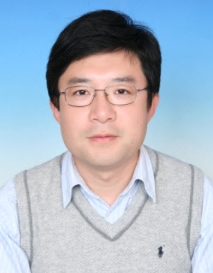 Qingzhen Bi (毕庆贞)合作论文数School of Mechanical Engineering, Shanghai Jiao Tong University7Ali Jassim合作论文数6
 Choon-Jie Wong合作论文数University of New South Wales6Mohamed Mahmoud合作论文数6Jun Wang (王骏)合作论文数School of Digital Media,Jiangnan University,Wuxi6
 Ahmed Al-Durra合作论文数Center for Automotive Research, The Ohio State University5
 Yuchen Yao合作论文数4
 Juncheng Li (李俊诚)合作论文数School of Computer Science and Technology, East China Normal University4
 Jinlong Liu (刘金龙)合作论文数Shanghai Children's Medical Center, School of Medicine, Shanghai Jiao Tong University4Amal Aljasmi合作论文数3Konstantin Nikandrov合作论文数3nadia ahli合作论文数3Peixuan Sun合作论文数3
 Igor Boiko合作论文数Khalifa University of Science and Technology3
 Meng Yin (殷猛)合作论文数The Shanghai Children's Medical Center Affiliated to Shanghai Jiao Tong University School of Medicine3Jialing Zhang合作论文数3Juanya Shen合作论文数2Chaohui Deng合作论文数2
 Dong Li合作论文数2
 Al-Wahedi, K.合作论文数2
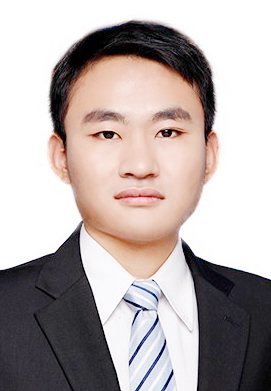 Dongdong Zhang (张冬冬)合作论文数School of Electrical Engineering, Guangxi University2
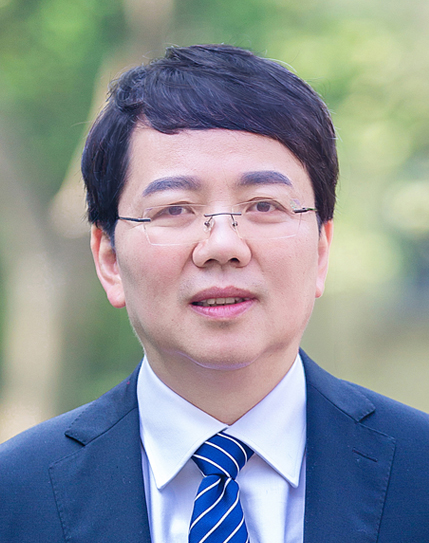 Han Ding (丁汉)合作论文数School of Mechanical Science and Engineering, Huazhong University of Science and Technology;National Innovation Institute of Digital Design and Manufacturing, Huazhong University of Science and Technology2
 Limin Zhu (朱利民)合作论文数Institute of Intelligent Manufacturing and Information Engineering, School of Mechanical Engineering, Shanghai Jiao Tong University;State Key Laboratory of Mechanical System and Vibration, Shanghai Jiao Tong University2
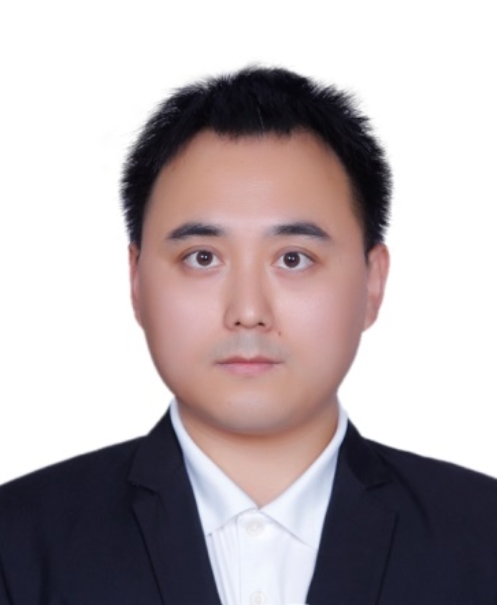 Haisen Zhao (赵海森)合作论文数School of Electrical and Electronic Engineering, North China Electric Power University2
 Rachid Errouissi合作论文数EMICLab, University of Quebec at Chicoutimi2
 Thomas X. Wu合作论文数2
 Xiumei Mo (莫秀梅)合作论文数Donghua University2
 Mohamed Ahmed Abou-Khousa合作论文数Petr Inst, Khalifa Univ Sci & Technol2
 Imad Matraji合作论文数Lab. S.E.T, Univ. de Technol. de Belfort-Montbeliard;c;Lab. S.E.T, Univ. de Technol. de Belfort-Montbeliard2Sheng Zhao合作论文数1Yehui Hu合作论文数1Dekai Xia合作论文数1Yusheng Tong合作论文数1Mingyuan Miao合作论文数1Lefei YANG (杨乐飞)合作论文数1Ronglin Gong合作论文数1guodong wu合作论文数1Huan Zhang合作论文数1Jian Wang合作论文数1
 Qiwen Du合作论文数1Mustafa Mustafa合作论文数1




