Foundation Models (FMs) are profoundly transforming the clinical management pathway for liver cancer. Their core value lies in enhancing diagnostic accuracy, enabling personalized therapeutic decision-making, and optimizing clinical efficiency through the integrative analysis of multimodal data, encompassing symptoms, medical histories, imaging findings, and genomic profiles. At the diagnostic level, FMs facilitate risk stratification by analyzing symptom and historical data while leveraging imaging features to aid in the early identification of lesions. Within the therapeutic decision-making domain for liver cancer, intelligent systems such as IDEAL provide critical clinical support by enabling precise hepatic anatomical reconstruction, quantitative assessment of surgical feasibility, and generation of individualized therapeutic recommendations for targeted agents and immunotherapy, thereby serving as essential adjuncts to HCC management. Despite their transformative potential, the clinical deployment of FMs faces significant core challenges: including concerns over model accuracy, reliability, and ethical issues such as data privacy and equitable access. Addressing these challenges requires interdisciplinary efforts focused on domain-specific model fine-tuning, robust ethical frameworks, and standardized regulatory guidelines. This review outlines the evolution and current state of FMs within healthcare, specifically highlighting their substantial application value in the liver cancer therapeutic landscape, and articulates the stage-specific challenges impeding their broader clinical adoption.
Hepatocellular carcinoma (HCC) is a common malignancy and a leading cause of cancer-related mortality. Current guidelines and staging systems provide coarse categories, but often miss within-stage heterogeneity and the clinical context in electronic medical records (EMRs). We present HCC-STAR (Hepatocellular Carcinoma Staging, Treatment And pRognosis), a clinically aligned large language model that reads routine EMR narratives and jointly outputs risk score-based staging, ranked guideline-consistent treatments with evidence-based rationales, and individualized survival estimates. We curated about 30,000 HCC cases from SEER and expanded them into EMR-style narrative training data using a clinician-validated, prompt-based augmentation workflow. On this corpus, we developed a knowledge-aligned reasoning framework optimized with a step-verifiable composite reward, moving beyond text-level memorization of clinical guidelines. In a multi-center cohort of 6,668 patients from 12 hospitals in China, HCC-STAR achieved state-of-the-art performance in treatment recommendation and risk stratification compared with clinical guidelines and competitive models, including GPT-5 and Gemini-2.5 Pro. Hypothetical overall-survival analysis showed a median survival of 51 months under adherence to HCC-STAR recommendations, compared with 29 and 32 months under BCLC and CNLC. In clinician-centric evaluations, blinded hepatobiliary specialists rated HCC-STAR's reasoning and evidence-based justifications as trustworthy. The model surpassed resident and attending physicians in treatment accuracy and helped physicians make more accurate decisions faster when used as an assistant. These findings support HCC-STAR as a reliable and verifiable decision-support system for risk stratification and precision therapy in HCC.
For patients with early-stage hepatocellular carcinoma (HCC), radiation segmentectomy (RS) has been recognized as a curative-intent treatment option. Besides, real-world experience has suggested that RS may achieve favorable local tumor control in appropriately selected patients with large or advanced HCC. However, standardized and widely accepted procedural protocols for anatomical RS have yet to be established. We proposed an anatomical RS paradigm guided by precision liver surgery principles. Clinical, imaging, and follow-up data were retrospectively reviewed for HCC patients who underwent RS at our institution between Oct 2022 and Jun 2025. Treatment response was assessed on contrast-enhanced CT/MRI using the Liver Imaging Reporting and Data System Treatment Response Algorithm (LI-RADS TRA). Hematologic and liver function-related biochemical toxicities were graded according to the Common Terminology Criteria for Adverse Events (CTCAE) v5.0. Time-to-progression (TTP) and overall survival (OS) were estimated using the Kaplan-Meier (K-M) method. Twenty-three HCC patients were included; 11 received RS alone (Cohort 1) and 12 received RS combined with systemic therapy (Cohort 2). The absorbed dose to target lesions was 250.0 (200.0-300.0) Gy. Among patients with tumors < 5 cm, radiation subsegmentectomy (sub-RS) was achieved in 9 of 17 (52.9
To evaluate the utility of CT-derived body composition in predicting futile pancreatectomy and to develop a risk-stratification model for patients with pancreatic ductal adenocarcinoma (PDAC). Patients with anatomically resectable PDAC who underwent upfront pancreatectomy between March 2015 and November 2024 at three institutions were retrospectively included. Futile pancreatectomy was defined as death or recurrence within 6 months postoperatively. Body composition metrics were derived from skeletal muscle and adipose tissue segmented at the third lumbar level on preoperative CT, including the skeletal muscle index (SMI), deviation from sex-specific sarcopenia thresholds, and visceral fat–related ratios. A futility risk model was developed and validated using multivariable logistic regression, and its prognostic association with overall survival (OS) was assessed using Cox regression. A total of 604 patients (median age, 67.0 years [interquartile range, 60.0–72.0]; 348 males) were included, comprising 354 in the derivation cohort and 250 in the validation cohort. Futile pancreatectomy occurred in 20.2
PURPOSE:Vessels encapsulating tumor clusters (VETC) was implicated in the unfavourable prognosis of hepatocellular carcinoma (HCC). While potentially valuable for noninvasive evaluation, the proposed imaging criteria of VETC require external validation. This study aimed to evaluate the performance and prognostic value of these imaging criteria via CT and gadoxetic acid-enhanced MRI. METHODS:Retrospectively, we gathered study included 191 patients with a single HCC who underwent preoperative CT and gadoxetic acid-enhanced MRI at three tertiary care centers between January 2017 and May 2021. The performance of previously reported radiological feature-based criteria of VETC, including the SN (size and necrosis) score, the VETC nomogram, and Fan's model, were evaluated using the area under the curve (AUC) and compared using the DeLong method. Imaging estimated VETC stratification was assessed for its association with early recurrence. RESULTS:Ninety-four patients (49.2%) were pathologically identified as VETC-positive HCC. No significant differences were found between CT and gadoxetic acid-enhanced MRI regarding the performance of the criteria (allP> 0.05). However, the VETC nomogram, which incorporates tumor size, necrosis, and enhancement pattern, outperformed the SN score and Fan's model (AUC: 0.825 vs. 0.716 and 0.588 at CT; 0.841 vs. 0.721 and 0.621 at gadoxetic acid-enhanced MRI, bothP< 0.001). Stratification using the VETC nomogram, validated on both CT and gadoxetic acid-enhanced MRI, was associated with early recurrence (P< 0.05). CONCLUSION:This study confirmed that the radiological feature-based criteria of VETC in HCC are applicable to both CT and gadoxetic acid-enhanced MRI, with the VETC nomogram showing strong discriminatory power in identifying VETC-positive HCC and predicting early recurrence.
BACKGROUND:Pathological evaluation of hepatocellular carcinoma (HCC) traditionally relies on surgical resection, posing risks of infection and complications while failing to provide comprehensive pathological insights preoperatively. This study aims to develop HepaPathGPT, which utilises preoperative imaging to deliver detailed pathological interpretations, enabling non-invasive, real-time pathological assessments for patients with HCC. METHODS:A retrospective study of 1091 patients with HCC from 10 independent cohorts was used. SegFormer-b5 segmented tumour regions, and vision-language alignment mapped imaging features to pathology descriptions. We fine-tuned four pretrained frameworks using Low-Rank Adaptation (LoRA) to efficiently translate imaging features into structured histological reports, enabling real-time evaluation via an interactive interface. FINDINGS:HepaPathGPT showed robust tumour segmentation (mean Intersection over Union: 0.883 ± 0.007, Dice: 0.934 ± 0.006) and an average accuracy of 0.697 ± 0.024 for six pathological markers in external validation (n = 109). For text generation, BLEU-4 and ROUGE-1 scores were 62.7 ± 1.7 and 84.2 ± 1.1. Five pathologists rated 92.5% and 87.4% of reports as acceptable for accuracy and completeness. INTERPRETATION:HepaPathGPT offers a approach for non-invasive pathological analysis in patients with HCC. This technology holds significant clinical value for decision-making in patients with HCC and promises scalability to other diseases in the future. FUNDING:National Natural Science Foundation of China (82090053, 82090052, 12326618, 82272703, 82473201); Tsinghua University Initiative Scientific Research Program of Precision Medicine (2022ZLA007); CAMS Innovation Fund for Medical Sciences (2019-I2M-5-056); Elite Youth Project of Natural Science Foundation of Fujian Province (2023J06056); Science-Health Joint Medical Scientific Research Project of Chongqing (2023MSXM092).
External beam radiotherapy (EBRT)-based combination therapy yields heterogeneous survival outcomes in unresectable hepatocellular carcinoma (uHCC), underscoring the need for precise prognostic stratification. We conducted a multicenter retrospective study across six institutions, enrolling 875 uHCC patients treated with either EBRT combined with systemic therapy (ES cohort, n = 383) or EBRT combined with transarterial chemoembolization (TACE) and systemic therapy (ETS cohort, n = 492). After propensity score matching, median overall survival was significantly prolonged in the ETS cohort compared to the ES cohort (24.0 vs. 19.0 months; HR = 0.73, P < 0.0001). The multimodal deep learning model, TRIM-uHCC (transformer-based risk-stratification integrated multimodal model for uHCC), was developed to stratify patients into high-, intermediate-, and low-risk groups. Prognostic performance was compared with current guideline-based staging systems (BCLC/CNLC/AJCC-TNM) and deep learning models (Swin-Transformer/ViT/ResNet50/ResNeXt50) using the C-index and time-dependent AUC. TRIM-uHCC model showed significantly superior prognostic prediction performance compared to current guideline standards (C-indices: 0.71-0.79 vs. 0.51-0.61, all P < 0.0001) and deep learning models (C-indices: vs. 0.62-0.75, P < 0.0001-0.106) in the ETS and ES cohorts. Based on TRIM-uHCC, 8.8 % (29/331) of patients in the ES cohort could potentially achieve improved survival by adjusting to ETS, whereas 7.9 % (26/331) of patients in the ETS cohort were recommended to switch to ES treatment. Collectively, the TRIM-uHCC model offers more accurate individualized prognostic stratification than current guideline standards and other deep learning models, providing valuable decision-making support for EBRT-based combination therapies.
Hepatocellular carcinoma (HCC) treatment is challenging due to tumor heterogeneity and patient variability. Current guidelines often overlook individual factors, limiting treatment precision. We developed an integrated framework combining radiomics, deep learning, and large language model (LLM)-based decision agents to generate personalized HCC treatment recommendations. A modified GhostNet incorporating dilated convolutions, channel and spatial attention mechanism (CBAM), and residual channel attention (RCA) modules was trained on MRI to predict pathological markers such as microvascular invasion (MVI), capsule presence, and tumor differentiation. A fusion model integrating radiomics and deep learning enhanced prediction accuracy. Six AI agents processed structured multimodal data and generated individualized treatment strategies, which were evaluated by hepatobiliary surgeons. The fusion model significantly improved prediction accuracy, with MVI and capsule presence reaching 0.8902 and 0.8765, respectively. DeepSeek-R1 achieved the highest clinical relevance score, followed by GPT-4 and Med-PaLM 2. This framework demonstrates the feasibility of AI-assisted, patient-specific HCC decision-making, offering a promising direction for precision oncology.
BACKGROUND:Current hepatic inflow occlusion techniques have limitations in effectively preventing posthepatectomy liver failure (PHLF) from ischemia-reperfusion injury. Innovations in occlusion methods remain a critical area for advancement. This study investigated a hepatic inflow occlusion approach using selective portal vein occlusion (SPO) while maintaining hepatic arterial flow, aiming to evaluate its perioperative effects. METHODS:Clinical data from consecutive patients who underwent hepatectomy between 2014 and 2024 were retrospectively collected. Postoperative outcomes were compared after a 1:1 ratio using propensity score matching (PSM) based on sex, age, body mass index, and Child-Pugh score using a fixed random seed. Univariate and multivariate logistic regression analyses were performed to identify risk factors for PHLF. Subgroup analyses were conducted to investigate the association between vascular occlusion strategies and the incidence of PHLF. RESULTS:A total of 574 patients (192 SPO and 382 Pringle) were included. After PSM, 384 patients (192 SPO and 192 Pringle) were compared. PHLF was observed in 26 patients (6.8%). Hepatectomy with SPO was associated with a lower incidence of PHLF (3.1% vs. 10.4%, P = 0.026). No statistically significant difference was found in postoperative Clavien-Dindo grade III-IV complication rates between the two occlusion groups (7.3% vs. 13.0%, P = 0.165). The optimal cut-off value of ICG-R15 for predicting PHLF was identified as 6.9% based on receiver operating characteristic (ROC) analysis, with an area under the curve (AUC) of 0.830 (95% CI: 0.735-0.922), a sensitivity of 88.5%, and a specificity of 66.5%. In multivariate logistic regression analysis, blood loss ( P = 0.019), ICG-R15 > 0.069 ( P < 0.001), and undergoing >hemihepatectomy ( P < 0.001) were identified as independent risk factors for PHLF. SPO was found to be an independent protective factor ( P = 0.005). Subgroup analysis identified populations that benefit more from SPO, showing a significantly lower incidence of PHLF in patients aged <60 years (OR = 5.42, P = 0.019), males (OR = 5.06, P = 0.010), those with BMI ≥ 23 (OR = 3.81, P = 0.049), without cirrhosis (OR = 4.9, P = 0.003), with benign disease (OR = 5.07, P = 0.031), and undergoing ≤ hemihepatectomy (OR = 5.16, P = 0.005). CONCLUSION:The occlusion approach of SPO while preserving hepatic arterial flow can significantly reduce the incidence of PHLF.
BackgroundCadmium (Cd) accumulates in the body over time, damaging organs such as the liver, kidneys, and brain. Some researchers have suggested that elevated blood Cd levels may contribute to the onset and progression of nonalcoholic fatty liver disease (NAFLD). However, only a few studies have explored the relationship between Cd exposure and long-term health outcomes in patients with NAFLD. This study aimed to evaluate the predictive value of blood cadmium levels for mortality risk in patients with NAFLD.MethodsThis study analyzed data from 13,450 patients with NAFLD in the National Health and Nutrition Examination Survey (NHANES) database, covering the years 1999 to 2018. Patients were categorized into three groups based on their blood Cd levels. The relationship between blood cadmium concentrations and all-cause, cardiovascular, and cancer mortality in NAFLD patients was assessed using Cox proportional hazards regression while accounting for potential confounders. Results were visualized using Kaplan–Meier and restricted cubic spline (RCS) curves. Stratified analyses were performed for validation of the robustness of the results.ResultsAfter adjusting for all covariates, blood Cd levels were positively associated with all-cause, cardiovascular, and cancer mortality in patients with NAFLD, showing a significant linear dose–response relationship. Specifically, for each unit increase in Log-transformed blood cadmium concentration, the risk of all-cause mortality increased by 191% (HR = 2.91, 95% CI: 2.39–3.53); cardiovascular mortality risk increased by 160% (HR = 2.6, 95% CI: 1.80–3.76); and cancer mortality risk increased by 279% (HR = 3.79, 95% CI: 2.54–5.65). Stratified analysis confirmed the robustness of these findings.ConclusionOur study suggests that high Blood Cd levels adversely affect the prognosis of patients with NAFLD. Individuals with NAFLD should be aware of Cd exposure and take preventive measures. Moreover, stricter environmental protection policies may be necessary to reduce Cd exposure.
ABSTRACTTransjugular intrahepatic portosystemic shunt (TIPS) is a widely used surgery for portal hypertension. In clinical practice, the diameter of the stent forming a shunt is usually selected empirically, which will influence the postoperative portal pressure. Clinical studies found that inappropriate portal pressure after TIPS is responsible for poor prognosis; however, there is no scheme to predict postoperative portal pressure. Therefore, this study aims to develop a computational model applied to predict the portal pressure after TIPS ahead of the surgery. For this purpose, a patient‐specific 0‐3‐D multi‐scale computational model of the hepatic circulation was developed based on preoperative clinical data. The model was validated using the prospectively collected clinical data of 18 patients. Besides, the model of a representative patient was employed in the numerical experiment to further investigate the influences of multiple pathophysiological and surgical factors. Results showed that the difference between the simulated and in vivo measured portal pressures after TIPS was −1.37 ± 3.51 mmHg, and the simulated results were significantly correlated with the in vivo measured results (r = 0.93, p < 0.0001). Numerical experiment revealed that the estimated model parameters and the severity of possible inherent portosystemic collaterals slightly influenced the simulated results, while the shunt diameter considerably influenced the results. In particular, the existence of catheter for pressure measurement would markedly influence postoperative portal pressure. These findings demonstrated that this computational model is a promising tool for predicting postoperative portal pressure, which would guide the selection of stent diameter and promote individualization and precision of TIPS.
Background & Aims: Anatomical resection (AR) for hepatocellular carcinoma (HCC) could improve micrometastasis eradication and reduce their recurrence, but conflicting findings suggest heterogeneous treatment effects (HTEs). This study investigated the heterogeneity in the association between AR and decreased postoperative HCC recurrence. Methods: Between January 2014 and December 2021, preoperative imaging and clinicopathologic data from 1,859 patients with HCC were retrospectively reviewed from seven hospitals in China. Using data from six centers (the development set), causal forest modeling was performed to estimate subgroups with different HTEs after propensity score matching (PSM) for multiple clinical–radiological covariates. Differences in early recurrence risk (within 2 years) and recurrence-free survival (RFS) between AR and non-AR were evaluated in identified subgroups. Data from the remaining center were treated as the validation set. Results: The development set included 1,496 patients, of whom 1,266 were identified after PSM; the validation set included 363 patients. The causal forest model identified tumor size ≤5 cm and non-smooth tumor margins on preoperative imaging as effect modifiers distinguishing those who benefited differentially from AR in the development set. AR achieved a 16.76% absolute reduction in early recurrence risk (95% CI, 3.39–29.48) compared with non-AR in patients with tumors ≤5 cm and non-smooth margins (393/1,266; 31.0%), along with improved RFS (hazard ratio [NAR vs AR], 1.53; 95% CI, 1.13–2.07; p = 0.0018). No significant survival benefit was observed in AR for tumors >5 cm or those with smooth margins. These findings were confirmed in the validation set. Conclusions: HTEs of AR occurred in patients with single HCC. Tumor size ≤5 cm and non-smooth tumor margin might could be used to identify patients with HCC who are likely to derive benefit from AR. Impact and implications: Causal forest modeling enables the detection of HTEs of AR in patients with HCC based on multiple clinical–radiological characteristics. Radiological tumor size ≤5 cm and non-smooth tumor margins were identified as significant modifiers and should be taken into consideration when selecting between AR and non-AR. Based on these findings, over 30% of the study population who underwent non-AR might have experienced a reduced risk of early recurrence and improved RFS if AR had been performed, thereby supporting the importance of personalized selection of the optimal hepatectomy type in patients with HCC.
Skeletal muscle index (SMI) is a commonly used research method for evaluating muscle mass.However, its impact on post-embolization syndrome(PES) of patients with hepatocellular carcinoma (HCC) undergoing transarterial chemoembolization (TACE) is unclear.Our objective was to determine the effect of SMI on PES after TACE in patients with HCC. We conducted a retrospective analysis of patients who received TACE treatment for HCC at our hospital from 2015 to 2020. The subjects were divided into two groups according to the presence or absence of PES after TACE, and their clinical characteristics were compared.SMI was measured and calculated by cross-sectionally at the level of the third lumbar vertebra based on computed tomography (CT). According to the cutoff value, the patients were classified into either low or high SMI group.Potential risk factors for PES were assessed using univariate and multivariable Cox proportional risk models. A total of 110 people were included in this study, from which including 82 patients experienced PES. Serum albumin was significantly lower in the PES group compared to the non-PES group.The frequency of HCC with a maximum diameter > 3 cm and low SMI in the PES group was significantly higher than in patients without PES. Cox multivariate analysis identified that the maximum diameter of HCC > 3 cm and low SMI were independent predictors of PES after TACE. Low SMI is an independent predictor of PES in HCC patients after TACE treatment, making preoperative CT assessment of skeletal muscle mass is a simple and effective tool for predicting PES.
For portal hypertensive patients with splenomegaly and hypersplenism, splenectomy is an effective surgery to relieve the complications. However, patients who have undergone splenectomy often suffer from portal venous system thrombosis, a sequela that requires prophylaxis and timely treatment to avoid deterioration and death. The aim of this study is to investigate the feasibility of predicting post-splenectomy thrombosis using hemodynamic metrics based on computational models. First, 15 portal hypertensive patients who had undergone splenectomy were enrolled, and their preoperative clinical data and postoperative follow-up results were collected. Next, computational models of the portal venous system were constructed based on the preoperative computed tomography angiography images and ultrasound-measured flow velocities. On this basis, splenectomy was mimicked and the postoperative area of low wall shear stress (ALWSS) was simulated for each patient-specific model. Finally, model-simulated ALWSS was statistically compared with the patient follow-up results to investigate the feasibility of predicting post-splenectomy thrombosis using hemodynamic metrics. Results showed that ALWSS could predict the occurrence of post-splenectomy thrombosis with the area under the receiver operating characteristic curve (AUC) equal to 0.75. Moreover, statistical analysis implied that the diameter of the splenic vein is positively correlated with ALWSS (r = 0.883, p < 0.0001), and the anatomical structures of the portal venous system also influence the ALWSS. These findings demonstrated that the computational model-based hemodynamic metric ALWSS, which is associated with the anatomorphological features of the portal venous system, is capable of predicting the occurrence of post-splenectomy thrombosis, promoting better prophylaxis and postoperative management for portal hypertensive patients receiving splenectomy.
Aims:Surveys and research on the applications of the hepatic venous pressure gradient(HVPG)are important for understanding the current status and future development of this technology in China.This article aimed to investigate the status of hepatic venous pressure gradient measurement in China in 2022. Methods:We investigated the overall status of HVPG technology in China—including hospital distribution,hospital level,annual number of cases,catheters used,average cost,indications,and current challenges by using online questionnaire.By counting the number and percentages of cases of these results,we hope to clarify the current status of HVPG measurements in China. Results:According to the survey,85 hospitals in China used HVPG technology in 2022 distributed across 29 provinces.A total of 4989 HVPG measurements were performed in all of the surveyed hospitals in 2022,of which 2813 cases(56.4%)were measured alone.The average cost of HVPG measurement was 5646.8±2327.9 CNY.Of the clinical teams who performed the measurements(sometimes multiple per hospital),94.3%(82/87)used the balloon method,and the majority of the teams(72.4%,63/87)used embolectomy catheters. Conclusions:This survey clarified the clinical application status of HVPG in China and confirmed that some medical institutions in China have established a foundation for this technology.It is still necessary to continue promoting and popularizing this technology in the future.
Purpose Hepatocellular carcinoma (HCC) has a poor prognosis, and alpha-fetoprotein (AFP) is widely used to evaluate HCC. However, the proportion of AFP-negative individuals cannot be disregarded. This study aimed to establish a nomogram of risk factors affecting the prognosis of patients with AFP-negative HCC and to evaluate its diagnostic efficiency. Patients and methods Data from patients with AFP-negative initial diagnosis of HCC (ANHC) between 2004 and 2015 were collected from the Surveillance, Epidemiology, and End Results database for model establishment and validation. We randomly divided overall cohort into the training or validation cohort (7:3). Univariate and multivariate Cox regression analysis were used to identify the risk factors. We constructed nomograms with overall survival (OS) and cancer-specific survival (CSS) as clinical endpoint events and constructed survival analysis by using Kaplan-Meier curve. Also, we conducted internal validation with Receiver Operating Characteristic (ROC) analysis and Decision curve analysis (DCA) to validate the clinical value of the model. Results This study included 1811 patients (1409 men; 64.7% were Caucasian; the average age was 64 years; 60.7% were married). In the multivariate analysis, the independent risk factors affecting prognosis were age, ethnicity, year of diagnosis, tumor size, tumor grade, surgery, chemotherapy, and radiotherapy. The nomogram-based model related C-indexes were 0.762 (95% confidence interval (CI): 0.752–0.772) and 0.752 (95% CI: 0.740–0.769) for predicting OS, and 0.785 (95% CI: 0.774–0.795) and 0.779 (95% CI: 0.762–0.795) for predicting CSS. The nomogram model showed that the predicted death was consistent with the actual value. The ROC analysis and DCA showed that the nomogram had good clinical value compared with TNM staging. Conclusion The age(HR:1.012, 95% CI: 1.006–1.018, P -value < 0.001), ethnicity(African-American: HR:0.946, 95% CI: 0.783–1.212, P -value: 0.66; Others: HR:0.737, 95% CI: 0.613–0.887, P -value: 0.001), tumor diameter(HR:1.006, 95% CI: 1.004–1.008, P -value < 0.001), year of diagnosis (HR:0.852, 95% CI: 0.729–0.997, P -value: 0.046), tumor grade(Grade 2: HR:1.124, 95% CI: 0.953–1.326, P -value: 0.164; Grade 3: HR:1.984, 95% CI: 1.574–2.501, P -value < 0.001; Grade 4: HR:2.119, 95% CI: 1.115–4.027, P -value: 0.022), surgery(Liver Resection: HR:0.193, 95% CI: 0.160–0.234, P -value < 0.001; Liver Transplant: HR:0.102, 95% CI: 0.072–0.145, P -value < 0.001), chemotherapy(HR:0.561, 95% CI: 0.471–0.668, P -value < 0.001), and radiotherapy(HR:0.641, 95% CI: 0.463–0.887, P -value:0.007) were independent prognostic factors for patients with ANHC. We developed a nomogram model for predicting the OS and CSS of patients with ANHC, with a good predictive performance.
 Xiaolong Qi合作论文数47Dengxiang Liu合作论文数43
 Chuan Liu合作论文数28Jinlong Li合作论文数22Yanna Liu合作论文数18Dan Xu合作论文数16Ye Gu (谷野)合作论文数15Shubo Chen合作论文数13
 Shenghong Ju (居胜红)合作论文数School of Medicine, Southeast University;School of Artificial Intelligence, Nanjing University of Information Science & Technology12Shengqiang Zou合作论文数10
 Chunqing Zhang (张春清)合作论文数山东省立医院10Tianyu Tang (汤天宇)合作论文数10Changzeng Zuo合作论文数9Guangchuan Wang合作论文数9Huiling Xiang合作论文数9Xiaoguo Li合作论文数9Yong Liao合作论文数9LiTing Zhang (张立婷)合作论文数9Lei Li (李磊)合作论文数9
 Jiahong Dong (董家鸿)合作论文数Beijing Tsinghua Changgung Hospital9
 Wenhong Zhang (张文宏)合作论文数Huashan Hospital, Fudan University;School of Life Sciences, Fudan University;National Medical Centre for Infectious Diseases9Chengyu Liu合作论文数8Ruoyang Shao合作论文数8Zhenhuai Chen合作论文数8Nina Zhang合作论文数8Changchun Liu合作论文数8Aiguo Zhang合作论文数8Jingwen AI (艾静文)合作论文数8Weimin An合作论文数8Zhiyun Hou合作论文数8FengXiao Gao (高凤霄)合作论文数8
 Xun Li (李汛)合作论文数The First Hospital of Lanzhou University8Ning Kang (康宁)合作论文数8Junqiang Lei合作论文数7Guohong Ge合作论文数7Xiang-Pan Meng合作论文数7Wei Qin合作论文数7JiaoJian Lv (吕娇健)合作论文数7
 Ormeci Necati合作论文数Medical School, Ankara University7
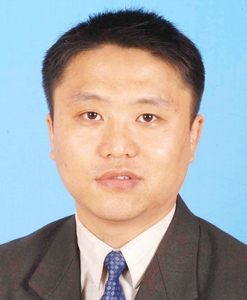 Qian Yu (俞谦)合作论文数School of Medicine, Southeast University7
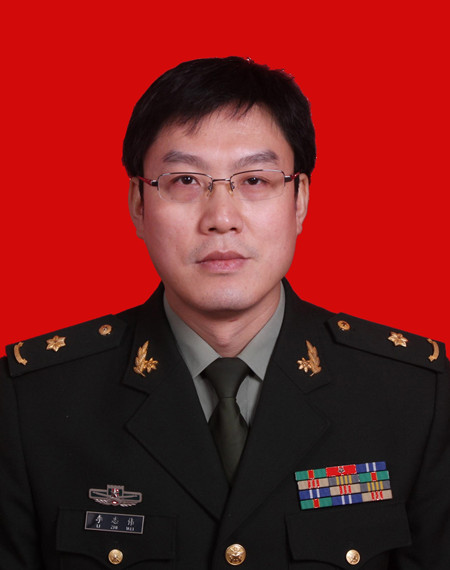 Zhiwei Li (李志伟)合作论文数Chinese People's Liberation Army General Hospital7
 Jiansong Ji (纪建松)合作论文数Lishui Central Hospital7
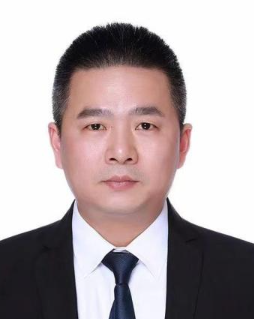 Yewei Zhang (张业伟)合作论文数The Second Affiliated Hospital of Nanjing Medical University;School of Biomedical Engineering and Informatics, Nanjing Medical University7Zeynep Ellik合作论文数6Özgün Ömer Asiller合作论文数6Xuying Zhang合作论文数6Emrecan Çelebioğlu合作论文数6Qiran Zhang合作论文数6Hongmei Zu合作论文数6




