Federated Learning (FL) is a popular algorithm to train machine learning models on user data constrained to edge devices (for example, mobile phones) due to privacy concerns. Typically, FL is trained with the assumption that no part of the user data can be egressed from the edge. However, in many production settings, specific data-modalities/meta-data are limited to be on device while others are not. For example, in commercial SLU systems, it is typically desired to prevent transmission of biometric signals (such as audio recordings of the input prompt) to the cloud, but egress of locally (i.e. on the edge device) transcribed text to the cloud may be possible. In this work, we propose a new algorithm called Partial Federated Learning (PartialFL), where a machine learning model is trained using data where a subset of data modalities or their intermediate representations can be made available to the server. We further restrict our model training by preventing the egress of data labels to the cloud for better privacy, and instead use a contrastive learning based model objective. We evaluate our approach on two different multi-modal datasets and show promising results with our proposed approach.
Transformer-based models demonstrate state of the art results on several natural language understanding tasks. However, their deployment comes at the cost of increased footprint and inference latency, limiting their adoption to real-time applications. Early exit strategies are designed to speed-up the inference by routing out a subset of samples at the earlier layers of the model. Exiting early causes losing model accuracy. In order to optimize the trade-off between model accuracy and latency, we propose Pyramid Dynamic Inference (PDI), a scheme that encourages fast inference via boosting the performance of early exit heads. PDI allows for more confident early inference by injecting stronger classifiers at earlier layers. It also prevents a significant increase in the model footprint by gradually shrinking the classifiers as the semantic capacity of the deeper transformer layers increase. Experiment results show that PDI outperforms the baselines on both accuracy and latency on the GLUE benchmark.
The deployment of Federated Learning (FL) systems poses various challenges such as data heterogeneity and communication efficiency. We focus on a practical FL setup that has recently drawn attention, where the data distribution on each device is not static but dynamically evolves over time. This setup, referred to as Continual Federated Learning (CFL), suffers from catastrophic forgetting, i.e., the undesired forgetting of previous knowledge after learning on new data, an issue not encountered with vanilla FL. In this work, we formally quantify catastrophic forgetting in a CFL setup, establish links to training optimization and evaluate different episodic replay approaches for CFL on a large scale real-world NLP dataset. To the best of our knowledge, this is the first such study of episodic replay for CFL. We show that storing a small set of past data boosts performance and significantly reduce forgetting, providing evidence that carefully designed sampling strategies can lead to further improvements.
Continual Federated Learning (CFL) combines Federated Learning (FL), the decentralized learning of a central model on a number of client devices that may not communicate their data, and Continual Learning (CL), the learning of a model from a continual stream of data without keeping the entire history. In CL, the main challenge is forgetting what was learned from past data. While replay-based algorithms that keep a small pool of past training data are effective to reduce forgetting, only simple replay sample selection strategies have been applied to CFL in prior work, and no previous work has explored coordination among clients for better sample selection. To bridge this gap, we adapt a replay sample selection objective based on loss gradient diversity to CFL and propose a new relaxation-based selection of samples to optimize the objective. Next, we propose a practical algorithm to coordinate gradient-based replay sample selection across clients without communicating private data. We benchmark our coordinated and uncoordinated replay sample selection algorithms against random sampling-based baselines with language models trained on a large scale de-identified real-world text dataset. We show that gradient-based sample selection methods both boost performance and reduce forgetting compared to random sampling methods, with our coordination method showing gains early in the low replay size regime (when the budget for storing past data is small).
It is challenging to extract semantic meanings directly from audio signals in spoken language understanding (SLU), due to the lack of textual information. Popular end-to-end (E2E) SLU models utilize sequence-to-sequence automatic speech recognition (ASR) models to extract textual embeddings as input to infer semantics, which, however, require computationally expensive auto-regressive decoding. In this work, we leverage self-supervised acoustic encoders fine-tuned with Connectionist Temporal Classification (CTC) to extract textual embeddings and use joint CTC and SLU losses for utterance-level SLU tasks. Experiments show that our model achieves 4% absolute improvement over the the state-of-theart (SOTA) dialogue act classification model on the DSTC2 dataset and 1.3% absolute improvement over the SOTA SLU model on the SLURP dataset.
Current clinical note-taking approaches cannot capture the entirety of information available from patient encounters and detract from patient-clinician interactions. By surveying healthcare providers' current note-taking practices and attitudes toward new clinical technologies, we developed a patient-centered paradigm for clinical note-taking that makes use of hybrid tablet/keyboard devices and artificial intelligence (AI) technologies. PhenoPad is an intelligent clinical note-taking interface that captures free-form notes and standard phenotypic information via a variety of modalities, including speech and natural language processing techniques, handwriting recognition, and more. The output is unobtrusively presented on mobile devices to clinicians for real-time validation and can be automatically transformed into digital formats that would be compatible with integration into electronic health record systems. Semi-structured interviews and trials in clinical settings rendered positive feedback from both clinicians and patients, demonstrating that AI-enabled clinical note-taking under our design improves ease and breadth of information captured during clinical visits without compromising patient-clinician interactions. We open source a proof-of-concept implementation that can lay the foundation for broader clinical use cases.
As large and powerful neural language models are developed, researchers have been increasingly interested in developing diagnostic tools to probe them. There are many papers with conclusions of the form "observation X is found in model Y", using their own datasets with varying sizes. Larger probing datasets bring more reliability, but are also expensive to collect. There is yet to be a quantitative method for estimating reasonable probing dataset sizes. We tackle this omission in the context of comparing two probing configurations: after we have collected a small dataset from a pilot study, how many additional data samples are sufficient to distinguish two different configurations? We present a novel method to estimate the required number of data samples in such experiments and, across several case studies, we verify that our estimations have sufficient statistical power. Our framework helps to systematically construct probing datasets to diagnose neural NLP models.
Modern machine learning (ML) technologies have great promise for automating diverse clinical and research workflows; however, training them requires extensive hand-labelled datasets. Disambiguating abbreviations is important for automated clinical note processing; however, broad deployment of ML for this task is restricted by the scarcity and imbalance of labeled training data. In this work we present a method that improves a model’s ability to generalize through novel data augmentation techniques that utilizes information from biomedical ontologies in the form of related medical concepts, as well as global context information within the medical note. We train our model on a public dataset (MIMIC III) and test its performance on automatically generated and hand-labelled datasets from different sources (MIMIC III, CASI, i2b2). Together, these techniques boost the accuracy of abbreviation disambiguation by up to 17% on hand-labeled data, without sacrificing performance on a held-out test set from MIMIC III.
We propose a novel Transformer encoder-based architecture with syntactical knowledge encoded for intent detection and slot filling. Specifically, we encode syntactic knowledge into the Transformer encoder by jointly training it to predict syntactic parse ancestors and part-of-speech of each token via multi-task learning. Our model is based on self-attention and feed-forward layers and does not require external syntactic information to be available at inference time. Experiments show that on two benchmark datasets, our models with only two Transformer encoder layers achieve state-of-the-art results. Compared to the previously best performed model without pre-training, our models achieve absolute F1 score and accuracy improvement of 1.59% and 0.85% for slot filling and intent detection on the SNIPS dataset, respectively. Our models also achieve absolute F1 score and accuracy improvement of 0.1% and 0.34% for slot filling and intent detection on the ATIS dataset, respectively, over the previously best performed model. Furthermore, the visualization of the self-attention weights illustrates the benefits of incorporating syntactic information during training.
Large pretrained language models (LMs) like BERT have improved performance in many disparate natural language processing (NLP) tasks. However, fine tuning such models requires a large number of training examples for each target task. Simultaneously, many realistic NLP problems are "few shot", without a sufficiently large training set. In this work, we propose a novel conditional neural process-based approach for few-shot text classification that learns to transfer from other diverse tasks with rich annotation. Our key idea is to represent each task using gradient information from a base model and to train an adaptation network that modulates a text classifier conditioned on the task representation. While previous task-aware few-shot learners represent tasks by input encoding, our novel task representation is more powerful, as the gradient captures input-output relationships of a task. Experimental results show that our approach outperforms traditional fine-tuning, sequential transfer learning, and state-of-the-art meta learning approaches on a collection of diverse few-shot tasks. We further conducted analysis and ablations to justify our design choices.
Speaker attribution is required in many real-world applications, such as meeting transcription, where speaker identity is assigned to each utterance according to speaker voice profiles. In this paper, we propose to solve the speaker attribution problem by using graph-based semi-supervised learning methods. A graph of speech segments is built for each session, on which segments from voice profiles are represented by labeled nodes while segments from test utterances are unlabeled nodes. The weight of edges between nodes is evaluated by the similarities between the pretrained speaker embeddings of speech segments. Speaker attribution then becomes a semi-supervised learning problem on graphs, on which two graph-based methods are applied: label propagation (LP) and graph neural networks (GNNs). The proposed approaches are able to utilize the structural information of the graph to improve speaker attribution performance. Experimental results on real meeting data show that the graph based approaches reduce speaker attribution error by up to 68% compared to a baseline speaker identification approach that processes each utterance independently.
Deep speaker embedding models have been commonly used as a building block for speaker diarization systems; however, the speaker embedding model is usually trained according to a global loss defined on the training data, which could be suboptimal for distinguishing speakers locally in a specific meeting session. In this work we present the first use of graph neural networks (GNNs) for the speaker diarization problem, utilizing a GNN to refine speaker embeddings locally using the structural information between speech segments inside each session. The speaker embeddings extracted by a pre-trained model are remapped into a new embedding space, in which the different speakers within a single session are better separated. The model is trained for linkage prediction in a supervised manner by minimizing the difference between the affinity matrix constructed by the refined embeddings and the ground-truth adjacency matrix. Spectral clustering is then applied on top of the refined embeddings. We show that the clustering performance of the refined speaker embeddings outperforms the original embeddings significantly on both simulated and real meeting data, and our system achieves the state-of-the-art result on the NIST SRE 2000 CALLHOME database.
Copy number variants (CNVs) play important roles in human disease and evolution. With the rapid development of next-generation sequencing technologies, many tools have been developed for inferring CNVs based on whole-exome sequencing (WES) data. However, as a result of the sparse distribution of exons in the genome, the limitations of the WES technique, and the nature of high-level signal noises in WES data, the efficacy of these variants remains less than desirable. Thus, there is need for the development of an effective tool to achieve a considerable power in WES CNVs discovery. In the present study, we describe a novel method, Estimation by Read Depth (RD) with Single-nucleotide variants from exome sequencing data (ERDS-exome). ERDS-exome employs a hybrid normalization approach to normalize WES data and to incorporate RD and single-nucleotide variation information together as a hybrid signal into a paired hidden Markov model to infer CNVs from WES data. Based on systematic evaluations of real data from the 1000 Genomes Project using other state-of-the-art tools, we observed that ERDS-exome demonstrates higher sensitivity and provides comparable or even better specificity than other tools. ERDS-exome is publicly available at: https://erds-exome.github.io.
Abbreviation disambiguation is important for automated clinical note processing due to the frequent use of abbreviations in clinical settings. Current models for automated abbreviation disambiguation are restricted by the scarcity and imbalance of labeled training data, decreasing their generalizability to orthogonal sources. In this work we propose a novel data augmentation technique that utilizes information from related medical concepts, which improves our model's ability to generalize. Furthermore, we show that incorporating the global context information within the whole medical note (in addition to the traditional local context window), can significantly improve the model's representation for abbreviations. We train our model on a public dataset (MIMIC III) and test its performance on datasets from different sources (CASI, i2b2). Together, these two techniques boost the accuracy of abbreviation disambiguation by almost 14% on the CASI dataset and 4% on i2b2.
Speaker embedding models that utilize neural networks to map utterances to a space where distances reflect similarity between speakers have driven recent progress in the speaker recognition task. However, there is still a significant performance gap between recognizing speakers in the training set and unseen speakers. The latter case corresponds to the few-shot learning task, where a trained model is evaluated on unseen classes. Here, we optimize a speaker embedding model with prototypical network loss (PNL), a state-of-the-art approach for the few-shot image classification task. The resulting embedding model outperforms the state-of-the-art triplet loss based models in both speaker verification and identification tasks, for both seen and unseen speakers.
Digital devices have become an essential part of modern life. However, it is much more difficult for less able-bodied individuals to interact with them. Assistive technology based on facial gestures could potentially enable people with upper limb motor disability to interact with electronic interfaces effectively and efficiently. Previous studies proposed solution that can classify predefined facial gestures. In this study, we build a customizable facial gesture recognition system using the Prototypical Network, an effective solution to the few-shot learning problem. Our second contribution is the insight that since facial gesture recognition is done based on tracked landmarks, a training set can be synthesized using a graphics engine. We show that our model trained using only synthetic faces can perform reasonably well on realistic faces.
Detecting copy number variants (CNVs) is an essential part in variant calling process. Here, we describe a novel method ERDS-pe to detect CNVs from whole-exome sequencing (WES) data. ERDS-pe first employs principal component analysis to normalize WES data. Then, ERDS-pe incorporates read depth signal and single-nucleotide variation information together as a hybrid signal into a paired hidden Markov model to infer CNVs from WES data. Experimental results on real human WES data show that ERDS-pe demonstrates higher sensitivity and provides comparable or even better specificity than other tools. ERDS-pe is publicly available at: https://github.com/microtan0902/erds-pe.
Background The GENCODE project has collected over 10,000 human long non-coding RNA (lncRNA) genes. However, the vast majority of them remain to be functionally characterized. Computational investigation of potential functions of human lncRNA genes is helpful to guide further experimental studies on lncRNAs. Results In this study, based on expression correlation between lncRNAs and protein-coding genes across 19 human normal tissues, we used the hypergeometric test to functionally annotate a single lncRNA or a set of lncRNAs with significantly enriched functional terms among the protein-coding genes that are significantly co-expressed with the lncRNA(s). The functional terms include all nodes in the Gene Ontology (GO) and 4,380 human biological pathways collected from 12 pathway databases. We successfully mapped 9,625 human lncRNA genes to GO terms and biological pathways, and then developed the first ontology-driven user-friendly web interface named lncRNA2Function , which enables researchers to browse the lncRNAs associated with a specific functional term, the functional terms associated with a specific lncRNA, or to assign functional terms to a set of human lncRNA genes, such as a cluster of co-expressed lncRNAs. The lncRNA2Function is freely available at http://mlg.hit.edu.cn/lncrna2function . Conclusions The LncRNA2Function is an important resource for further investigating the functions of a single human lncRNA, or functionally annotating a set of human lncRNAs of interest.
MOTIVATION Gene ontology (GO) is a widely used resource to describe the attributes for gene products. However, automatic GO maintenance remains to be difficult because of the complex logical reasoning and the need of biological knowledge that are not explicitly represented in the GO. The existing studies either construct whole GO based on network data or only infer the relations between existing GO terms. None is purposed to add new terms automatically to the existing GO. RESULTS We proposed a new algorithm 'GOExtender' to efficiently identify all the connected gene pairs labeled by the same parent GO terms. GOExtender is used to predict new GO terms with biological network data, and connect them to the existing GO. Evaluation tests on biological process and cellular component categories of different GO releases showed that GOExtender can extend new GO terms automatically based on the biological network. Furthermore, we applied GOExtender to the recent release of GO and discovered new GO terms with strong support from literature. AVAILABILITY AND IMPLEMENTATION Software and supplementary document are available at www.msu.edu/%7Ejinchen/GOExtender CONTACT jinchen@msu.edu or ydwang@hit.edu.cn SUPPLEMENTARY INFORMATION Supplementary data are available at Bioinformatics online.
The early genome-wide association studies (GWAS) found a significant association between lung cancer and rs1051730 (15q25) polymorphism. However, the subsequent studies reported consistent and inconsistent results in different populations. Three meta-analysis studies were thus performed to reevaluate the association. But their results remain inconsistent. After that, some new GWAS studies reported conflicting results again. We think that the divergence of these results may be due to small-scale samples or heterogeneity among different populations. Therefore, we reevaluated the association by collecting more samples (N = 33,617 cases and 116,639 controls) from 31 studies, which incorporate 8 new studies and 23 previous studies used by one or more of the three meta-analysis studies. We observed a significant association between lung cancer and rs1051730 in pooled population by using allele (OR = 1.30, 95% CI = 1.27–1.34, P < 0.0001), dominant (OR = 1.41, 95% CI = 1.29–1.55, P < 0.0001), recessive (OR = 1.53, 95% CI = 1.42–1.65, P < 0.0001) and additive (OR = 1.75, 95% CI = 1.61–1.90, P < 0.0001) models. Through the subgroup analysis, we observed a significant heterogeneity only in East Asian population (P = 0.006, I 2 = 66.9%) and the association is significant in all subgroups (OR = 1.2976, 95% CI = 1.2622–1.3339 (European ancestry), OR = 1.5025, 95% CI = 1.2465–1.8110 (African), OR = 1.7818, 95% CI = 1.3915–2.2815 (East Asian), P < 0.0001). We believe that these results will contribute to understanding the genetic mechanism of lung cancer.
 Michael Brudno合作论文数Department of Computer Science, University of Toronto;University Health Network;PhenoTips7
 Yadong Wang (王亚东)合作论文数School of Computer Science and Technology, Harbin Institute of Technology;School of Medicine and Health, Harbin Institute of Technology7
 Clement Chung合作论文数6
 Xiaoliang Wu合作论文数6
 Qinghua Jiang (蒋庆华)合作论文数School of Interdisciplinary Medicine and Engineering, Harbin Medical University6
 Renjie Tan合作论文数Irving Medical Center, Columbia University;Shen Lab, Columbia Universit5Frank Rudzicz合作论文数Department of Laboratory Medicine and Pathobiology, Temerty Faculty of Medicine, University of Toronto5
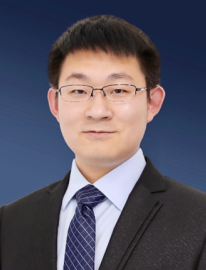 Rui Ma (马睿)合作论文数School of Automation, Northwestern Polytechnical University4
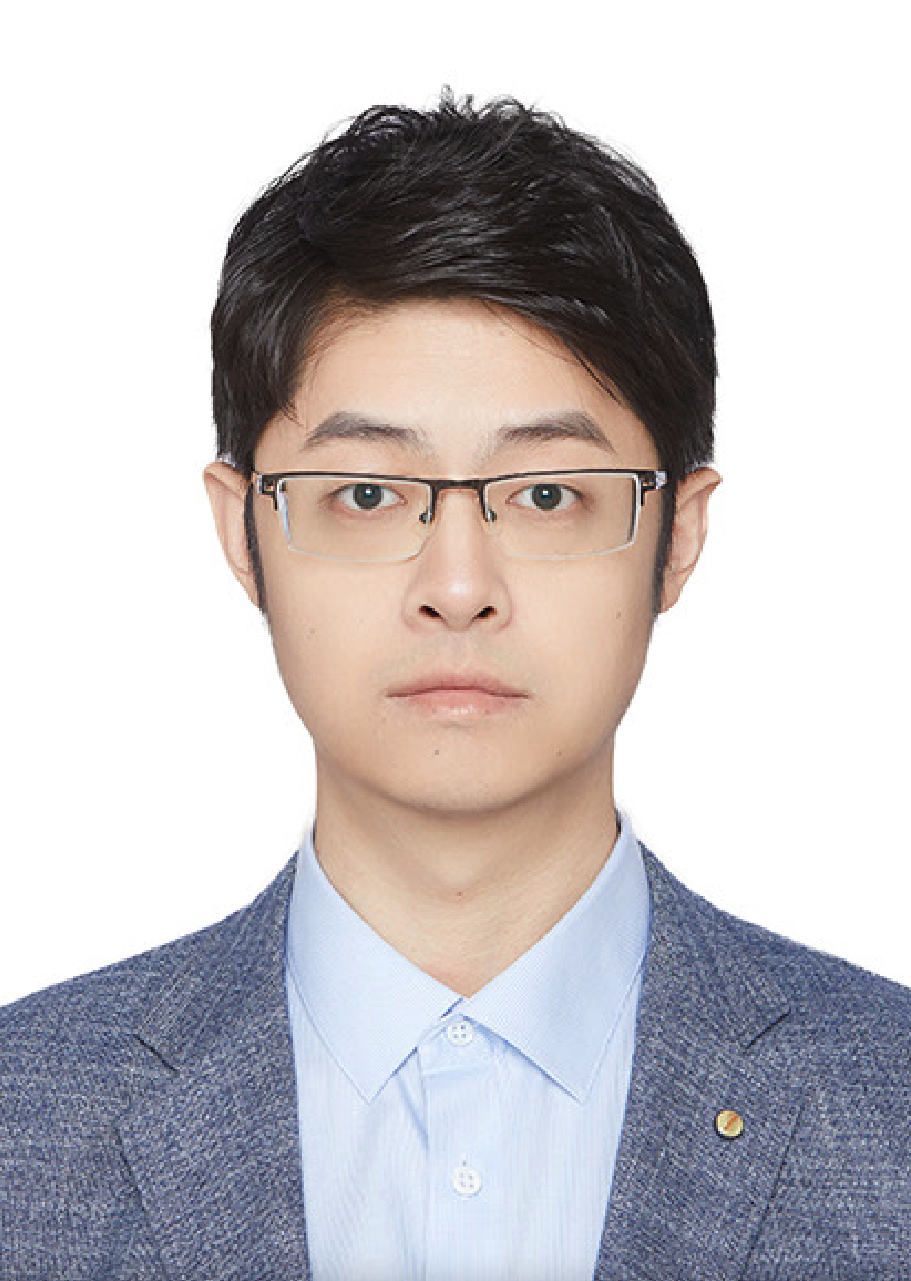 Tianjiao Zhang (章天骄)合作论文数College of Computer and Control Engineering, Northeast Forestry University4
 Shuilin Jin (靳水林)合作论文数School of Mathematics, Harbin Institute of Technology4
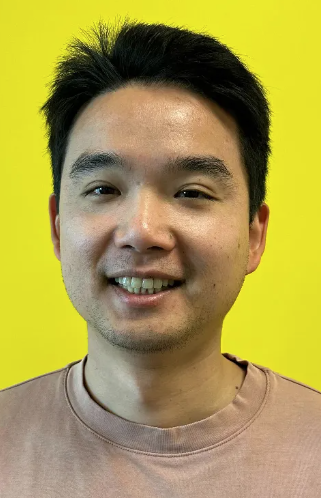 Kuan-Chieh (Jackson) Wang (王冠傑)合作论文数Snap Inc.3
 Marta Skreta合作论文数OpenAI Red Teaming Network3
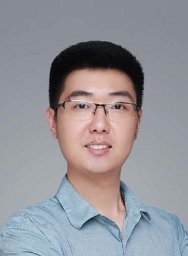 Zhijie Han合作论文数Chongqing Medical University3Aryan Arbabi合作论文数3
 Jiajie Peng (彭佳杰)合作论文数School of Computer Science, Northwestern Polytechnical University3
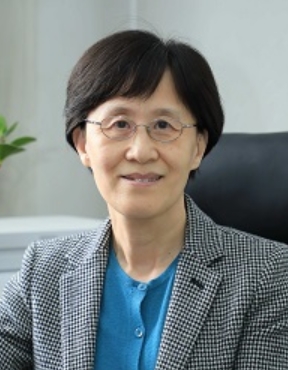 Yu Li (李钰)合作论文数School of Life Science and Technology, Harbin Institute of Technology3
 Rahul Gupta合作论文数University of Southern California3
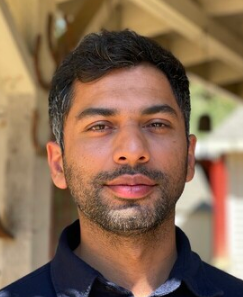 Jimit Majmudar合作论文数Apple3
 Richard Zemel合作论文数Department of Computer Science, Faculty of Arts and Science, University of Toronto;Vector Institute for Artificial Intelligence3
 Rongjie Wang合作论文数2Ramamurthy Ranjani合作论文数2Charith Peris合作论文数2
 Christophe Dupuy合作论文数Alexa AI, Amazon2Martin Radfar合作论文数Alexa Machine Learning, Amazon2Kai Wei合作论文数Amazon2
 Tao Wang (汪涛)合作论文数School of Computer Science, Northwestern Polytechnical University2
 Xiong Xiao合作论文数Microsoft Azure Speech2Weiwei Zhang合作论文数1Jack Good合作论文数1Morteza Ziyadi合作论文数1Pegah Kharazmi合作论文数1
 Anil Ramakrishna合作论文数Meta1Haochi Zhang合作论文数1
 Mia Husic合作论文数1
 Tiantian Feng合作论文数Signal Analysis and Interpretation Laboratory, University of Southern California;Department of Computer Science, University of Southern California;Meta1
 Jingbo Yang合作论文数Dept Elect & Comp Engn, Univ Toronto1Tanya Roosta合作论文数1
 Samridhi Choudhary合作论文数1
 Wenyang Zhou合作论文数Harbin Inst Technol, Sch Life Sci & Technol, Harbin, Peoples R China1
 Erik Drysdale合作论文数Hosp Sick Children, Peter Gilgan Ctr Res & Learning, Genet & Genome Biol, Toronto, ON, Canada1
 Guiyou Liu (刘桂友)合作论文数Beijing Institute for Brain Disorders, Capital Medical University1
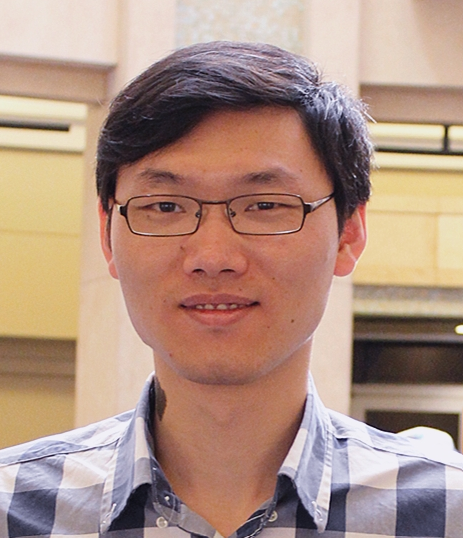 Guoqiang Wan (万国强)合作论文数Model Animal Research Center, Medical School, Nanjing University1
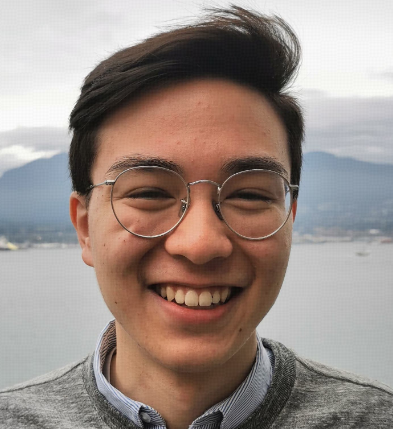 Jacob Kelly合作论文数Google DeepMind1
 Bai Li合作论文数UiPath1
 Devin Singh合作论文数Hospital for Sick Children1
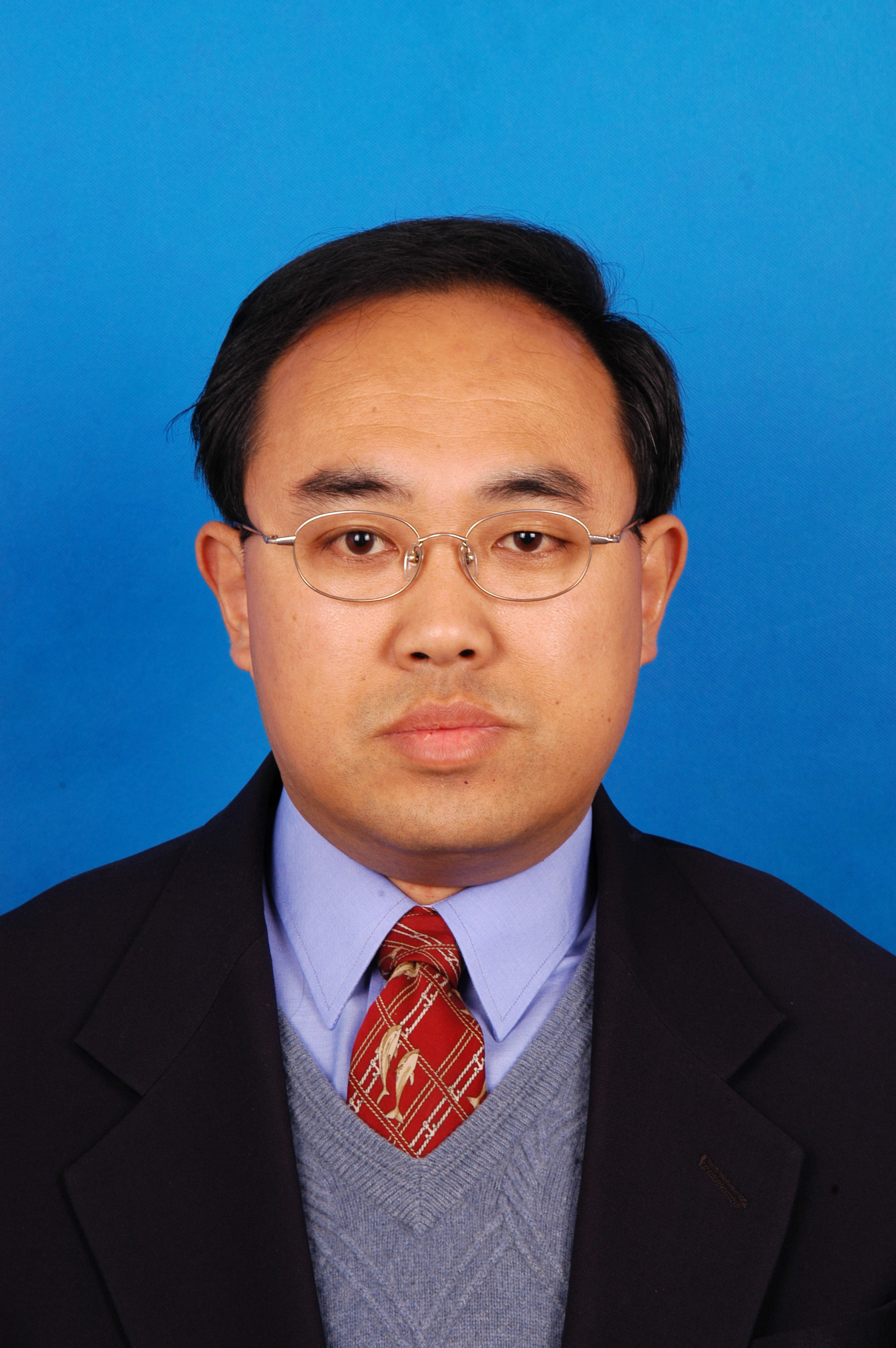 Jian Wu (吴健)合作论文数Institute of Software, Chinese Academy of Sciences1
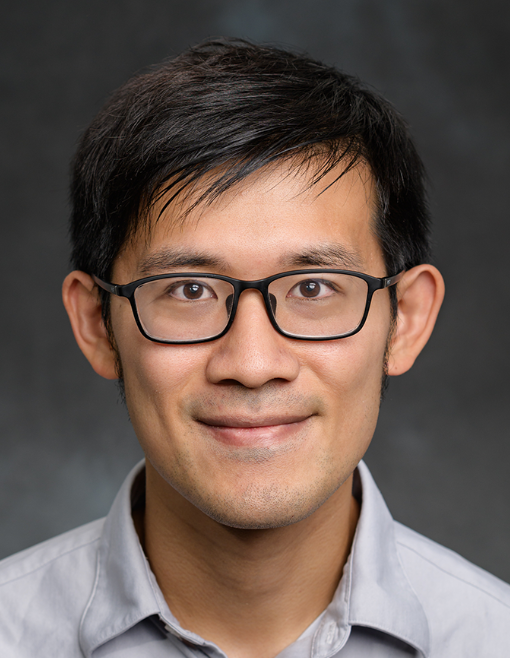 Zining Zhu (朱子宁)合作论文数Explainable and Controllable AI lab, Department of Computer Science, Charles V. Schaefer Jr. School of Engineering and Science, Stevens Institute of Technology;Stevens Institute for Artificial Intelligence, Charles V. Schaefer Jr. School of Engineering and Science, Stevens Institute of Technology;Center for Research Toward Advancing Financial Technologies, Charles V. Schaefer Jr. School of Engineering and Science, Stevens Institute of Technology1
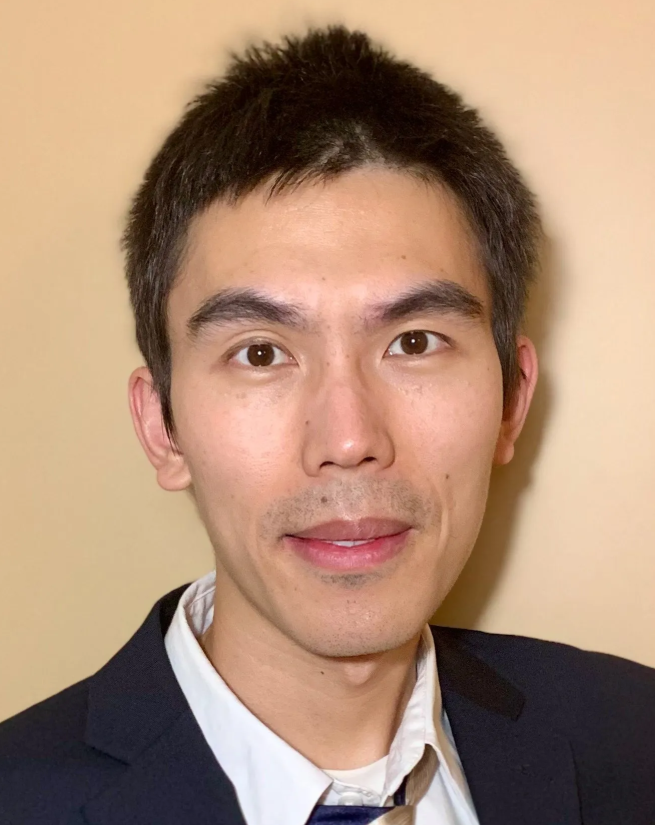 Jie Ding合作论文数College of Science and Engineering, University of Minnesota;School of Statistics, College of Liberal Arts, University of Minnesota1




