The traditional script known as Jawi, used in the Malay language, is a key aspect of the cultural and linguistic heritage of Malay speakers. However, the declining use of Jawi in modern education has raised concerns with regard to children’s exposure to the script and their competence in its use, especially at the kindergarten level. Thus, the current study aimed to develop and test an innovation, the SmartJawi App, to enhance the learning motivation of children aged 4 to 5 during Jawi Education in early childhood education settings. The study was developed according to the Design and Development Research (DDR) paradigm, which involved a multilateral approach and was conducted in three phases. Phase 1 involved a needs assessment that included semi-structured interviews with three kindergarten educators to identify current pedagogical problems. Meanwhile, Phase 2 included developing the SmartJawi App, with three subject-matter experts involved in the process. Moreover, Phase 3 evaluated the application’s effectiveness through a six-week intervention involving one kindergarten educator and nine preschool children. The findings revealed that the SmartJawi App positively affected children’s learning motivation. Additionally, the application’s interactive elements contributed to higher levels of reading and writing skills among young learners. This study also highlights the potential of digital educational tools to support early literacy and preserve linguistic heritage. Overall, the results suggest that SmartJawi App can serve as an effective supplementary resource for kindergarten Jawi instruction.
I was recently at a conference when a question from the floor regarding the challenges of teaching in our overcrowded classrooms in South Africa elicited the passionate response that we should teach reading “by using mediation, like scaffolding tasks”. Which is of course, fine, provided, though, that we know what we mean by mediation and scaffolding. And here is the crux of the matter: the popularity of these terms has led to them losing coherence and becoming basically rhetorically hollow. What often follows some of the better definitions of scaffolding is a list of ‘how to’ that teachers draw on to ‘scaffold’. Not unlike a recipe, except one crucial element seems to be missing from many accounts of scaffolding and this is: what exactly is being ‘cooked up’ when scaffolding is being used and is scaffolding synonymous with mediation? The notion of mediation commonly used in education and psychology comes to us from the Russian psychologist Vygotsky. Scaffolding, conversely, comes from the work of Wood, Bruner and Ross (1976). An investigation of these terms, used so frequently as synonyms, underpins this paper and its focus on recovering the work of Vygotsky as he intended it, showing how concepts such as mediation in the zone of proximal development have become disembedded from their epistemological foundations, enabling them to be used as de-historicized surgically enhanced tools to solve current educational ills. Hence the commitment in this paper is to trace the theoretical roots of the terms: scaffolding, mediation, spontaneous and scientific concepts, and the zone of proximal development, ultimately situating these terms within their epistemological bases. In doing this I hope to show how these concepts have come to be situated within a radical constructivist epistemology and how this has effectively stripped them of their meaning. While predominantly a theoretical paper, the paper draws on data from 39 in-service teachers registered for an Honours degree in education and their perceptions of what effective teaching/learning is. Findings from this data illustrate a trend towards a domesticated view of Vygotsky’s work, distilled into simplistic steps for teaching well. This paper represents an attempt to reclaim the legacy of Vygotsky.
South African students continue to perform exceptionally poorly on international benchmarking science tests, such as the Trends in International Mathematics and Science Study (TIMSS). Research indicates various reasons underpinning this underperformance, such as a lack of student motivation to learn science and a dearth of teachers’ content knowledge. We have developed a mobile science game for Grade 5 educators and students, drawing on cultural-historical principles of teaching/learning, and this paper outlines our development of this game.
The declining number of Malaysian students opting for the science stream has impacted the country's global PISA ranking. This paper presents the development of a Project-based Learning-Technology-based Learning (PBL-TBL) science module for preschool children, aiming to foster early interest in science through collaborative activities. The study employs a mixed-method design, incorporating three phases of the ADDIE Model: needs analysis, design, and development. In the needs analysis phase, interviews were conducted with nine preschool educators to assess the necessity of the module. During the design phase, six experts evaluated the prototype to ensure its effectiveness. The development phase involved nine experts assessing the usability of the MyPraSains learning module, specifically designed for Malaysian preschools. In the implementation phase, 25 preschoolers engaged in an activity from the module to test its practical application. Finally, the evaluation phase involved an educator interview to assess the module’s impact based on expert feedback. Findings revealed that experts unanimously agreed on the validity of the MyPraSains module, achieving a content validity index (CVI) of 1.00. Additionally, children demonstrated significant social development through active participation in module activities. Educators also endorsed the module, recommending its adoption in preschool settings as a benchmark for science education quality in Malaysia. This study highlights the potential of early science exposure in nurturing long-term interest in STEM fields, addressing the ongoing decline in science stream enrolment.
Early science learning has the potential to enhance children's creative thinking skills through quality learning, but this requires well-structured activities and a supportive learning environment. The purpose of this study is to evaluate the effectiveness of the Technological-Project-based Learning (TPBL) Module in early childhood education to enhance the creative thinking skills of children. This study employed a mixed-methods design, where qualitative data was collected using interview instruments and quantitative data was gathered using pre and post-tests. The study involved 2 preschool teachers and 50 preschool children. After an 8week intervention, the findings revealed a significant positive change in the mean score of children's thinking skills in the treatment group, with the average pre-test score of M = 32.60 and a post-test score of M = 55.16. Additionally, the results indicated a significant difference between the treatment and control groups based on the post-test, with p < 0.05 = 0.001. A p-value below 0.001 signifies that this outcome is exceedingly improbable to have arisen by chance. Furthermore, interview data indicated that participants found the TPBL module to be a highly impactful initiative in enhancing their creative thinking skills, as it involved engaging projects and allowed them to make decisions collaboratively with peers. These implications encourage schools to provide technological learning materials to ensure quality science education, in line with 21st-century education standards.
Ideally, pediatric electroencephalograms (EEGs) should be performed by accredited neurophysiology technologists and interpreted by specialists trained in epileptology However, low- and middle-income countries (LMICs) lack such specialists. AIM:To collate expert consensus on essential curriculum content for non-epilepsy specialists in EEG interpretation and safe post-training practice. METHOD:A qualitative study on pediatric EEG training curricula needs was designed in collaboration with an adult education specialist. Data were collected via interviews from 15 epilepsy experts with training experience across high- to low-income settings. Thematic analysis was used to identify sub-themes. The experts voted on the key statements in a two-round Delphi to ascertain consensus. RESULTS:Twelve aspects of pediatric EEG training were identified and categorized thematically: relevance; exposure to pediatrics; focus on pediatrics; barriers; resource-limited setting; entry skills; best pedagogy; assessment; critical skills; reinforcement of skills; training model; and recommendations. CONCLUSION:This study was driven by the inadequate access to training in pediatric EEG for non-epilepsy specialists, which is further exacerbated by the lack of epileptologists and neurophysiologists. The outcomes from the expert consensus opinions promoted consolidation, adaptation, and evolution of existing models that are viable for practice and to be used worldwide. The Delphi consensus demonstrated alignment among regionally located specialists towards the promotion of effective and maintained training for non-epilepsy specialists, as well as highlighting barriers that should be considered and addressed.
South African school children tend to perform poorly in international mathematics and science benchmarking tests such as Trends in International Mathematics and Science Study (TIMSS). Various reasons underpin poor performance, but in this paper, we concern ourselves with curriculum challenges in science by analysing a science topic from a Grade 9 science textbook, the most significant tool for delivering curriculum outside of a teacher. Adopting the model designed by Morris et al. (2016), we analyse a single topic, force, from two science textbooks to ascertain if the abstraction of the topic is explicated and whether it is linked to any real-world application. Our findings indicate that the science concept of force in the textbooks that we analyse is presented in problematic ways that require teachers to elaborate on concepts outside of the text, which may not be possible when such content knowledge is unfamiliar.
This quote from Vygotsky indicates how education functions as a mechanism for political ends. This is perhaps most evident in a country such as South Africa where the apartheid regime systematically undereducated and marginalised black[1] students in schools in a bid to produce workers for the, amongst other things, mines. A multicultural society, South Africa has 11 nationally recognised languages, which, together with its history of segregation lends itself to the use of cultural historical theory to understand the complexities in this society, especially in relation to education. Seeking to overcome the segregated education of the past, South Africa embarked in the late 1990s on a move towards inclusive education, where neurodiverse[2] and neurotypical children would be primarily included in the same classrooms. It is in the notion of inclusion, then, that Vygotsky’s understanding of defectology as entailing a dialectical approach to development, that sees development as resulting from how an individual experiences and is experienced in social context provides a useful lens for investigating pedagogy. In this paper a model of pedagogy for inclusive education is outlined with reference to a single case study of students doing their Honour degrees at a university in Cape Town. Findings from 52 students indicate that the model of pedagogy outlined in this paper not only facilitates more interaction in a lecture hall but is also useful for helping students to access high level concepts. [1] The use of racial categories is recognised as problematic in the 21st century. However, these words continue to be used in the South African context and have some ability to focus social justice interventions. [2] I use the term neurodiverse here to distinguish children who do not follow the evolutionary norm that neurotypical students do.
For decades, scholars have been reporting on the crises in the professoriate, bemoaning how neoliberalism has brought about their deagentification, through inter alia, deprofessionalization, disaffection, hypermetricization, and structural inequity. The problems are real, but the widely circulating glosses of the neoliberal university have both flattened the variation of these problems as well as diminished pursuing tactics to ameliorate their effects. In the following vignettes, faculty across multiple national contexts, ranks, disciplines, genders, and racial identities, redress these concerns. Together, these vignettes detail the embodied challenges faculty face as well as reclaim a sense of productive possibility in redirecting how faculty may lead the charge to shape the professoriate today.
Abstract Background Paediatric electroencephalography (EEG) training is inadequate amongst healthcare practitioners and technicians managing children with epilepsy in sub-Saharan Africa. An entry level handbook was developed for healthcare practitioners in sub-Saharan Africa and subsequently made globally accessible via the International Child Neurology Teaching Network. Aim To investigate the usefulness of a paediatric online EEG handbook. Method A survey of the ICNApedia online EEG handbook was circulated (December 2021–June 2022), to all 108 handbook registered participants (39 countries) via the research electronic data capture (REDCap) from the University of Cape Town (UCT). Results Fifty participants from 25 countries responded: 8 from high income, 16 upper-middle income, 21 lower-middle income and 5 from low-income. 32 (64%) fully and 18 (36%) partially completed the survey. 35/50 (70%) had completed the handbook and seven respondents had partially completed the handbook. Responses supported the handbook as a good entry point to learn EEGs, especially for paediatrics. Likert scale ratings supported the handbook as relevant for gaining/enhancing knowledge and improving diagnosis and management of patients with confidence. The handbook was considered user friendly, comprehensible, and provided a practical experience. For improving EEG reading skills the handbook helped skills development via reinforcement and good illustrations. 29/32 (90%) of respondents confirmed that they are using learnt skills from the handbook in their current work. Conclusion In resource limited settings non-specialist clinicians often provide extended services including EEG interpretation. The survey supports that the handbook is supporting this niche skills area, especially for the accessibility of knowledge gained. The handbook will continue to be adapted in-line with survey feedback.
In recent years, there has been a growing concern in science education on the enhancement of preschoolers' knowledge and motivation for concepts by implementing efficient teaching methods. This study explored the development and effectiveness of the E-sky Module in increasing the development of preschoolers in Project-based Learning (PBL) activities conducted both within and outside of preschool. This study employed the Design and Development Research (DDR) approach, incorporating many research methods. During the qualitative interviews conducted in the needs analysis phase, three different themes related to the difficulties encountered by teachers when conducting early science projects were meticulously recorded and analysed. Based on a quantitative analysis completed by three experts in the field, this E-sky Module has been determined to have a substantial level of validity and a satisfactory level of reliability. This is evidenced by a Cronbach's alpha coefficient of (p < .82) observed. Moreover, throughout the evaluation phase, four distinct themes were effectively reported, suggesting that this module significantly contributed to the comprehensive development of preschoolers. Hence, future studies should explore the potential of enhancing knowledge acquisition through promoting motivation and the emergence of conducive learning environments in the context of PBL. Keywords: project-based learning, teaching pedagogical, facilitation process, learning module, scaffolding
STEM (Science, Technology, Engineering, and Mathematics) education is a 21st century learning approach that is extremely important to students and children nowadays. Many developed countries have emphasized this approach to early childhood education (ECE). Although there are some challenges in promoting children's cognitive development in preschool, there are some best practices that early childhood educators can use as a guideline in planning, implementing, and evaluating their development at school. Four databases were used to find the best practices consist of Scopus, ERIC, Web of Science, and Science Direct. These databases are consulted to analyze published articles that produce findings on the best practices and challenges of implementing STEM activities that have been recorded either in kindergarten or preschool environments. The findings revealed there were 23 themes for the best practices and 10 themes for challenges that were successfully analyzed. In order to ensure that STEM education can be implemented with better quality in the future, educators should know the best way to implement the activities by practicing the best practices. In addition, educators also need to take action wisely when there are challenges in implementing STEM activities so that children can acquire meaningful experience when participating in the activities.
Following the reopening of schools after the national lockdown in March 2020, the Department of Basic Education (2020a) in South Africa implemented the School Reform Plan to mitigate the impact of the COVID19 pandemic on the loss of learning and teaching in schools. To date, limited information is available on the extent to which these measures have had an impact on pedagogical practices of teachers across the different poverty quintile schools. In this paper, we report on teachers' perceptions of how novel technological tools, introduced during the pandemic, altered their pedagogy practices across no-fee and fee-paying schools. Data was obtained from 1098 teachers and analysed using Engestrom's (1987) Cultural Historical Activity Theory as the framework. Findings indicate that two broad, ideal pedagogical types, reinforcement pedagogy and collaborative pedagogy, emerged in both no-fee and fee-paying schools from the use of technology in schools during the COVID pandemic. While reinforcement pedagogy is motivated by the need to cover the curriculum, the motivation behind collaborative pedagogy is to develop learners' understanding of concepts in class.
In 2015, universities around South Africa ground to a standstill while students called first for the fall of Rhodes and then for the fall of fees. For educational theorists such as Vygotsky (1962/1986) it is in moments of crisis that contradictions within a system become visible, forcing change in it. For Roy & Hanacek (2023) crises are portals through which we travel and effect change. Change, of course, can be progressive in the sense that one moves forward to overcome a crisis, but it can also be regressive. With the call for fees to fall, students went further and articulated a need to transform the material and epistemic foundations of the academy to reflect previously marginalised voices. In this largely theoretical paper, I develop an argument for what decolonial pedagogy could look like in context. Drawing on the work of Vygotsky (1986), Freire & Ramos (1970) and Derrida (2016) I engage with what decolonial education is, as a broad concept, before narrowing my gaze to focus specifically on pedagogy and how one can develop a decolonial pedagogy, drawing very largely on the work of Vygotsky whose transformative approach to cognitive development speaks to a transformative pedagogy.
Previous research has demonstrated that since 1967, the Malaysian government has set a target percentage rate of 60:40 for student involvement in the science stream compared to literature. This ratio policy has been followed throughout the national school system ever since. However, such a ratio appears to be impossible to maintain year after year. Therefore, the empowerment of science education needs to be explored from an earlier. This study was conducted to (i) explore best practices in Early Science in relation to the implementation of STEM activity in preschool; (ii) explore best practices in Early Mathematics in relation to the implementation of STEM activity in preschool; (iii) explore technology-assisted teaching tools in relation to the implementation of STEM activity in preschool; and (iv) explore engineering activity in relation to the implementation of STEM activity in preschool. This qualitative study employed a case study approach, with data triangulation based on interviews, observations, and document analysis serving as the exploratory method. This study was conducted independently in three Malaysian preschools in Perak and Selangor respectively, with four teachers and 39 children participating as study participants. ATLAS.ti version 8 software was used to generate, arrange, and organise the themes from the three research instruments described utilizing descriptive analysis with the flow of coding processes. The results show that there are nine STEM education best practices, with play-based learning being identified by participants the most frequently. Thus, this study's most significant contribution is the potential to bridge the gap between the Ministry of Education Malaysia's goals to advance STEM education globally, starting in the early years.
There is a significant body of research that indicates that the use of tablets to learn mathematics in elementary school motivates students to learn. Low mathematical attainment in international benchmarking tests of mathematics in South Africa led the authors to investigate the potential that the mobility of the tablet provided for children to learn how to reason using what Mercer called ‘exploratory’ talk, a form of dialogical interaction indicative of reasoning. In this article the authors investigate two grade 6 classrooms in two schools where students are learning mathematics using tablets. In this multiple case study, the authors videotaped children during mathematics lessons where they used tablets to solve mathematical problems, and the data were transcribed. Findings indicate that the tablets across both contexts facilitate what Mercer calls exploratory talk, which is indicative of reasoning and, therefore, learning.
Climate risks in African cities are complex. Actors must adopt new, collaborative practices to respond to such risks. The theory of expansive learning was deployed in this study to investigate the process and nature of change emanating from transdisciplinarity for navigating such risks. Expansive learning is concerned with the trans formative agency practiced by actors to redefine their practices, which are rooted in a particular cultural and historical context, towards novel collaborative navigation of complex problems. Expansive learning actions taken by local authorities in Lusaka (Zambia) during their participation in the Future Resilience of African CiTies and Lands (FRACTAL) project were explored. Like other actors in African cities, these authorities are dealing with critical development challenges. FRACTAL enabled a learning environment in which local authorities worked with other actors to grapple with drivers of climate risks, which stem from complex development histories. Learning actions taken by these actors indicate transformative agency on their part to begin breaking out of historical patterns of work. Findings suggest that the potential for change for navigating climate risks in African cities lies in actor groups transforming these complex issues into contextually-relevant problems that are characterised by historicity, and transforming themselves (i.e. their practices) to act on these. Principles of transdisciplinarity enabled this in FRACTAL, namely: learning processes rooted in real-world problems, valuing participation and collaboration, including different evidence and perspectives, and embracing emergence. Tensions associated with the work environments of actors in Lusaka need to be overcome before complex climate risks can be collaboratively navigated.
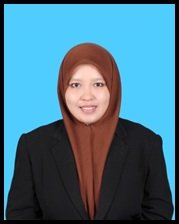 Zakiah Mohamad Ashari合作论文数Universiti Teknologi Malaysia6
 Richard Watermeyer合作论文数Sch Educ, Univ Bristol4
 Dick Ng'ambi合作论文数4
 Kalpana Shankar合作论文数School of Informatics, Indiana University4
 Veena Kander合作论文数4
 Warren Lilley合作论文数University of Cape Town3Suzanne Wijsman合作论文数3
 Jo M Wilmshurst合作论文数Department of Paediatric Neurology, University of Cape Town, Cape Town, South Africa.3
 Roger Chung合作论文数School of Public Health, The University of Hong Kong3
 Venkata Ratnadeep Suri合作论文数Department of Telecommunications, Indiana University3
 Alan Amory合作论文数California Univ.3
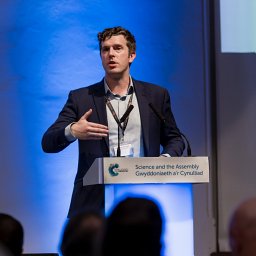 Tom Crick合作论文数Department of Computer Science, University of Bath3
 Beata Set合作论文数2
 Dean Phelan合作论文数Dept Geog, Maynooth Univ2
 Cathryn Knight合作论文数Swansea University2
 Garth Spencer-Smith合作论文数Oceanography Dept;Univ . Cape Town;Oceanography Dept, Univ . Cape Town2Jaime Carrizosa合作论文数1Heather Jacklin合作论文数1Nomakhaya Mashiyi合作论文数1
 Anya Morris合作论文数1Christopher Newfield合作论文数1Veronica Barnes合作论文数Sch Ind Design, Cape Peninsula Univ Technol1
 Gina Ziervogel合作论文数Department of Environmental & Geographical Science, Faculty of Science, University of Cape Town1Alice McClure合作论文数1Archana A Patel合作论文数1
 Petra Angervall合作论文数1
 Aline Courtois合作论文数Dept Educ, Univ Bath1
 Daniela Gachago合作论文数Ctr Innovat Learning & Teaching, Univ Cape Town1
 Denise Wood合作论文数Univ Western Cape South Africa1
 Mitsuhiro Kato合作论文数Yamagata Univ, Fac Med, Dept Pediat, Yamagata 990, Japan1
 Sharon Stein合作论文数Department of Educational Studies, Faculty of Education, The University of British Columbia1Birbeck Gretchen L合作论文数1
 Sandor Beniczky合作论文数Department of Clinical Medicine, Aarhus University;Department of Clinical Neurophysiology, Aarhus University;Clinical Neurophysiology Department, Danish Epilepsy Centre1
 Jorge Vidaurre合作论文数1
 Jan Herrington合作论文数Sch Educ, Murdoch Univ1
 Roisin Finola Kelly-Laubscher合作论文数1
 Vivienne Bozalek合作论文数Professor and Chairperson;Department of Social Work;University of the Western Cape;Department of Social Work, University of the Western Cape1
 Najma Agherdien合作论文数1
 Eunice Ivala合作论文数1
 Lotte Latukefu合作论文数1
 Crain Soudien合作论文数School of Education, University of Cape Town1
 Anil Kanjee合作论文数1
 Gagandeep Singh合作论文数Department of Computer Science, Siebel School of Computing and Data Science, The Grainger College of Engineering, University of Illinois at Urbana-Champaign1
 Irina Verenikina合作论文数Department of Information Systems;University of Wollongong;Department of Information Systems, University of Wollongong1
 Zarina Patel合作论文数School of Geography, teh University of the Witwatersrand1
 Penny Jane Burke合作论文数Institute of Education, University of London1
 Sharlene Swartz合作论文数Human Sci Res Council1Lauren Gail Wild合作论文数1Geraldine B. Boylan合作论文数1




