Pulsed field ablation (PFA) has proven to be a safe and effective non-thermal ablation modality for the treatment of atrial fibrillation (AF), but little outcome data beyond 1 year have been reported. Here we present results from the ADVENT-LTO study, which provides extended follow-up of the ADVENT trial, the first randomized trial comparing PFA with conventional thermal ablation. In ADVENT-LTO, 364 patients with paroxysmal AF (183 PFA, 181 thermal; 237 men, 127 women) participated and were followed for 1,332 ± 147 days. For the primary endpoint of 4-year treatment success, PFA demonstrated preserved effectiveness compared to thermal ablation (72.8% PFA, 64.3% thermal; P = 0.12). Moreover, there was a trend favoring PFA as compared to thermal ablation for the prespecified outcome of freedom from hospital-based arrhythmia intervention (85.6% PFA, 78.6% thermal; hazard ratio (HR) = 0.64, 95% confidence interval (CI): 0.38-1.05), including fewer repeat ablations (10.4% PFA, 17.7% thermal; P = 0.04) as well as a trend favoring PFA as compared to thermal ablation for the prespecified outcome of progression to persistent AF (2.6% PFA, 4.6% thermal; HR = 0.55, 95% CI: 0.16-1.88). Taken together, these data demonstrate that the favorable outcomes of PFA are maintained over the course of 4 years. Coupled with the safety advantages of PFA over thermal ablation, these long-term data support widespread adoption of PFA for the treatment of AF. ClinicalTrials.gov registration: NCT06526546 .
BACKGROUND:Pulsed field ablation (PFA) is emerging as the preferred energy source for atrial fibrillation ablation, largely because of its promising safety profile, including lower risks of esophageal injury, pulmonary vein stenosis, and phrenic nerve injury. However, rare complications may only emerge after treating many thousands of patients. OBJECTIVES:This study sought to determine the real-world utilization and safety profile of the pentaspline PFA catheter in the United States. METHODS:In this retrospective analysis, invitations were sent to U.S. centers performing PFA with the pentaspline catheter. Centers submitted data on patient demographics, procedural details, and adverse events (AEs). The main outcomes included the incidence of major and minor procedure-related AEs. RESULTS:Of the 435 centers contacted, 102 participated, averaging 5.1 operators per center (range 1-16 operators per center). Each center treated a median of 412 patients (range 26-1,961 patients), totaling 41,968 patients between February 2024 and July 2025. The median patient age was 68 years (range 17-99 years), and 56% were male. Most patients underwent first-time ablation (73%), primarily for paroxysmal (54%) or persistent atrial fibrillation (37%). Pulmonary vein isolation was performed in 93% of patients, with extravenous lesions on the posterior wall (57%), cavotricuspid isthmus (31%), or mitral isthmus (14%). Major AEs occurred in only 0.63% of patients, including cardiac tamponade (0.16%), vascular injury requiring intervention (0.18%), and stroke (0.10%). Importantly, no cases of esophageal fistula, persistent phrenic nerve paralysis, or pulmonary vein stenosis occurred. Mortality at 30 days was rare (0.04%), but there was a potential signal for rare (0.019%) unexplained sudden death/cardiac arrest. Rare AEs included coronary spasm (0.10%) and acute renal failure requiring dialysis (0.02%). Minor complications were reported in 2.05%, mainly vascular issues (0.96%), pericarditis (0.52%), and self-limited esophageal dysmotility (0.04%). CONCLUSIONS:In a real-world setting of unselected U.S. patients, PFA demonstrated a safety profile consistent with preferentiality to functional myocardial tissue ablation, without evidence of esophageal fistula or pulmonary vein stenosis. The major complication rate was ∼0.6%-mostly vascular AEs and pericardial tamponade. Stroke (∼1 in 1,000) and death (∼1 in 2,000) were rare. These data indicate that the initial implementation of pentaspline PFA has been overall safe.
AIMS:When it occurs, pulmonary vein (PV) stenosis after atrial fibrillation (AF) ablation is associated with significant morbidity. Even mild-to-moderate PV narrowing may have long-term implications. Unlike thermal ablation energies, such as radiofrequency (RF) or cryothermy, pulsed field ablation (PFA) is a non-thermal modality associated with less fibrotic proliferation. Herein, we compared the effects of PFA vs. thermal ablation on PV narrowing after AF ablation. METHODS AND RESULTS:ADVENT was a multi-centre, randomized, single-blind study comparing PFA (pentaspline catheter) with thermal ablation-force-sensing RF or cryoballoon (CB)-to treat drug-refractory paroxysmal AF. Pulmonary vein diameter and aggregate cross-sectional area were obtained by baseline and 3-month imaging. The pre-specified, formally tested, secondary safety endpoint compared a measure of PV narrowing between PFA vs. thermal groups, with superiority defined by posterior probability > 0.975. Among subjects randomized to PFA (n = 305) or thermal ablation (n = 302), 259 PFA and 255 thermal ablation (137 RF and 118 CB) subjects had complete baseline and 3-month PV imaging. No subject had significant (≥70%) PV stenosis. Change in aggregate PV cross-sectional area was less with PFA (-0.9%) than thermal ablation (-12%, posterior probability > 0.999)-primarily driven by the RF sub-cohort (-19.5%) vs. CB sub-cohort (-3.3%). Almost half of all PFA PV diameters did not decrease, but the majority (80%) of RF PVs decreased, regardless of PV anatomic location. CONCLUSION:In this first randomized comparison of PFA vs. thermal ablation, PFA resulted in less PV narrowing-thereby underscoring the qualitatively differential and favourable impact of PFA on PV tissue.
BACKGROUND:Autonomic denervation is an ancillary phenomenon during thermal ablation of atrial fibrillation (AF), that may have synergistic effects on symptomatic improvement and long-term freedom from AF. Pulsed field ablation (PFA), a nonthermal ablation modality, was noninferior to thermal ablation in treating AF; however, PFA's relative myocardial selectivity may minimize autonomic effects. OBJECTIVES:This study sought to compare heart rate (HR) and heart rate variability (HRV) metrics as markers of autonomic function after ablation using PFA vs thermal ablation. METHODS:ADVENT (FARAPULSE ADVENT PIVOTAL Trial PFA System vs SOC Ablation for Paroxysmal Atrial Fibrillation) was a randomized pivotal study comparing PFA (pentaspline catheter) with thermal ablation (radiofrequency [RF] or cryoballoon [CB]) for treating paroxysmal AF. Baseline HR was acquired from a pre-ablation 12-lead electrocardiogram, whereas follow-up HRs, as well as HRV (standard deviation of all normal to normal RR intervals, standard deviation of 5-minute average RR intervals) metrics, were derived from 72-hour Holter monitors at 6 and 12 months. RESULTS:This study included 379 paroxysmal AF patients undergoing PFA (n = 194) or thermal ablation (n = 185; n = 102 RF, n = 83 CB) completing 6- and 12-month Holter monitoring. Compared with PFA, thermal patients had significantly greater increases in HR from baseline to 6 months (ΔHR; 10.1 vs 5.9 beats/min; P = 0.02) and 12 months (ΔHR; 8.8 vs 5.2 beats/min; P = 0.03). This increase in HR at 6 and 12 months was similar between CB and RF (P = 0.94 and 0.83, respectively). HRV, both standard deviation of all normal to normal RR intervals and standard deviation of 5-minute average RR intervals, were significantly lower at both 6 and 12 months after thermal ablation compared with PFA (P < 0.01). CONCLUSIONS:PFA's effect on the autonomic nervous system was attenuated compared with thermal ablation. Whether this affects long-term freedom from AF or symptomatic bradycardia/pauses after AF ablation requires further study.
BACKGROUND Catheter-based pulmonary vein isolation is an effective treatment for paroxysmal atrial fibrillation. Pulsed field ablation, which delivers microsecond high-voltage electrical fields, may limit damage to tissues outside the myocardium. The efficacy and safety of pulsed field ablation as compared with conventional thermal ablation are not known. METHODS In this randomized, single-blind, noninferiority trial, we assigned patients with drug-refractory paroxysmal atrial fibrillation in a 1:1 ratio to undergo pulsed field ablation or conventional radiofrequency or cryoballoon ablation. The primary efficacy end point was freedom from a composite of initial procedural failure, documented atrial tachyarrhythmia after a 3-month blanking period, antiarrhythmic drug use, cardioversion, or repeat ablation. The primary safety end point included acute and chronic device- and procedure-related serious adverse events. RESULTS A total of 305 patients were assigned to undergo pulsed field ablation, and 302 were assigned to undergo thermal ablation. At 1 year, the primary efficacy end point was met (i.e., no events occurred) in 204 patients (estimated probability, 73.3%) who underwent pulsed field ablation and 194 patients (estimated probability, 71.3%) who underwent thermal ablation (between-group difference, 2.0 percentage points; 95% Bayesian credible interval, -5.2 to 9.2; posterior probability of noninferiority, >0.999). Primary safety end-point events occurred in 6 patients (estimated incidence, 2.1%) who underwent pulsed field ablation and 4 patients (estimated incidence, 1.5%) who underwent thermal ablation (between-group difference, 0.6 percentage points; 95% Bayesian credible interval, -1.5 to 2.8; posterior probability of noninferiority, >0.999). CONCLUSIONS Among patients with paroxysmal atrial fibrillation receiving a catheter-based therapy, pulsed field ablation was noninferior to conventional thermal ablation with respect to freedom from a composite of initial procedural failure, documented atrial tachyarrhythmia after a 3-month blanking period, antiarrhythmic drug use, cardioversion, or repeat ablation and with respect to device- and procedure-related serious adverse events at 1 year.
Background With advancements in technology and ablation techniques, catheter ablation for the treatment of atrial fibrillation (AF) has become safer with time. In the past, standard-of-care recommended overnight stay for outpatient procedures. As safety has improved and procedure times have shortened, some centers have allowed for same-day discharge. We report the results of a multi-center, randomized clinical trial investigating the safety of same-day discharge post-cryoballoon ablation. Methods Patients with paroxysmal atrial fibrillation underwent pulmonary vein isolation (PVI) with the Medtronic Arctic Advance cryoballoon at 3 US centers. Six hours after the procedure, patients were randomized to either stay overnight or be discharged same day. Results A total of 49 patients were enrolled. Two patients were withdrawn prior to randomization. One patient chose to withdraw after randomization. Of the 22 patients randomized to same-day discharge and the 23 patients randomized the overnight stay, no significant adverse outcomes were reported in either group. Occurrence of adverse events did not differ significantly between the two groups. Procedure time and fluoroscopy time did not significantly differ between groups. Conclusions This is the first randomized trial examining the safety of same-day discharge post-cryoballoon ablation. Based on our results, same-day discharge following cryoballoon ablation for paroxysmal AF is a safe option following uncomplicated ablation for PVI. Operators should use their discretion in selecting patients for same-day discharge.
Ms. Paskman and Ms. Hammond are employees of Abbott. The other authors report no conflicts of interest for the published content. Address correspondence to: Robert Sangrigoli, MD. Email: rsangrigoli@dh.org. A 49-year-old woman with multiple documented episodes of narrow QRS complex tachycardia underwent electrophysiology study at our hospital. Baseline ventricular pacing demonstrated eccentric retrograde coronary sinus activation consistent with a left lateral accessory pathway (Figure 1A). Orthodromic tachycardia using a left lateral accessory pathway was repeatedly induced.
Introduction: With advancements in technology and techniques, catheter ablation for the treatment of atrial fibrillation (AF) has become safer with time. Historically, standard-of-care recommended overnight stay after procedure. With improved safety and shorter procedure times, some centers have allowed for same-day discharge (SDD). We report the results of a multi-center, randomized clinical trial investigating the safety of SDD after cryoballoon (CB) ablation of paroxysmal AF. Methods: Patients underwent pulmonary vein isolation (PVI) with the Medtronic Arctic Advance TM cryoballoon at 3 experienced U.S. centers. Six hours after procedure, patients were randomized to either stay overnight or be discharged same-day after meeting study inclusion criteria. Results: A total of 51 patients were enrolled. Two were determined to be screen-fails following ablation of extra-pulmonary foci. Final analysis encompassed the 46 patients who completed randomization and follow-up, with 23 randomized to each group. No significant adverse outcomes were reported in either group, defined as major cardiovascular or cerebrovascular events. Occurrence of any adverse events, including arrhythmia recurrence, vascular complication, ventricular arrhythmia, syncope, pacemaker implant, pulmonary vein stenosis, and persistent phrenic nerve palsy, did not differ significantly between the two groups (p=1.0). Four patients had symptomatic and/or documented recurrence of atrial arrhythmia, three of which were in the same-day discharge group. Two patients developed cough post-operatively, one from each group. One patient from the next-day discharge cohort was diagnosed with pneumonia >2 weeks post-procedure. No patients from either group required emergency room visits due to delayed procedural-related complications. Conclusions: This is the first randomized trial to our knowledge examining the safety of SDD post CB ablation. Based on our results, SDD following CB ablation is a safe option following uncomplicated ablation for PVI. Operators should use their discretion in selecting patients for SDD.
Pulmonary vein isolation (PVI) via catheter ablation is an approved therapy for patients with drug-refractory and symptomatic atrial fibrillation (AF). Furthermore, cryoballoon is now considered to be as effective as focal radiofrequency catheter ablation. This study examines the second-generation cryoballoon performance in a US multicenter review of real-world practices.
Background: Cryoballoon ablation has been effective in treating atrial fibrillation (AF) with high rate of pulmonary vein isolation (PVI). Repeat ablation for failed prior cryoballoon PVI may revea...
Cardiac resynchronization therapy is an established treatment modality in heart failure. Though non-response is a serious issue. To address this issue, a good understanding of the electrical activation during left bundle branch block, biventricular, as well as right- and left ventricular pacing is needed. This way by interpreting the 12-lead electrocardiogram, possible reasons for suboptimal treatment can be identified and addressed. This article reviews the literature on QRS morphology in cardiac resynchronization therapy and its meaning in optimization of therapy.
Background: A standard approach to recent onset atrial fibrillation (AF) in the emergency department (ED) in the United States has not been established.Purpose: The purpose of this prospective clinical trial was to determine howan ED protocol emphasizing rhythm control for recent onset AF compared similar patients receiving standard therapy in the same facility.Methods: We enrolled consecutive patients presenting to our community hospital with recent onset AF into a protocol, which called for rhythm control with procainamide and if unsuccessful electrical cardioversion and discharge home. We compared this prospective cohort with matched historical controls. Primary outcome was admission rate. We also compared ED conversion rates and lengths of stay (LOS). We reported 30-day data on the study group including ED recidivism, recurrent AF, outpatient follow-up, and any important adverse events.Results: Fifty-four patients were enrolled in the study group with 4 being admitted compared with 30 of 50 in the historical control group. Ninety-four percent of the study group converted compared with 28% in the historical control. Both hospital and ED LOS were significantly shorter for the study group. Six patients had recurrent AF, and 4 of those returned to the ED.Conclusion: An ED protocol that uses rhythm control decreased hospital admission and LOS, and there were no adverse events at 30 days. (C) 2015 Elsevier Inc. All rights reserved.
A 50-year-old man with symptomatic, drug-refractory paroxysmal atrial fibrillation presented for pulmonary vein isolation. Preprocedural transesophageal echocardiography revealed a highly mobile interatrial septum with a membrane at the fossa ovalis separate from both atria, consistent with a double atrial septum on two-dimensional imaging (Figure 1A). Doppler ultrasound revealed low flow within this third atrial chamber (Online Movie 1). No clear communication between this chamber and either atrium could be demonstrated. The inferior portion of the interatrial septum appeared to be confluent (Figure 1B, arrow). No additional cardiac structural anomalies were seen.
OBJECTIVES:This study sought to identify the origin within the pulmonary vein (PV) of reproducible atrial fibrillation (AF) triggers. BACKGROUND:Triggers for AF frequently originate from PVs. However, a systematic evaluation of the location of origin within the PV orifice and associated techniques for eliciting triggers has not been performed. METHODS:Spontaneous triggers and those provoked with isoproterenol (up to 20 microg/min) and/or cardioversion in 45 patients with AF were identified using multipolar catheter recordings. In identifying origin, PVs were divided into 17 equal segments from ipsilateral PVs with "carina zone" (CZ) (7 segments between the PVs) and 10 "noncarina zone" (NCZ) segments. RESULTS:Sixty-three reproducible triggers were noted in 37 of the 45 (82%) patients with 57 from PV and 6 (10%) from non-PV sites. Although triggers were identified from 26 of 34 distinct PV segments, most PV triggers (36, 63%) originated from CZ segments (p < 0.05) from both right (17 triggers) and left (19 triggers) PVs. The CZ triggers were more often spontaneous (11 of 36 in CZ vs. 2 of 21 in NCZ; p < 0.05) or elicited with CV (17 of 36 in CZ vs. 6 of 21 in NCZ; p < 0.05). In contrast, NCZ triggers were more likely to require isoproterenol to be provoked (13 of 21 [62%] vs. 8 of 36 [22%], p < 0.05). CONCLUSIONS:Reproducible spontaneous and provoked PV triggers initiating AF can be observed in most patients undergoing AF ablation. These triggers most commonly originate from the carina region of both right and left PVs. Noncarina PV triggers more commonly require provocation with isoproterenol infusion.
Like the introduction of digitalis more than 200 years ago, novel medical therapies today have the potential to significantly alter the course of heart failure (HF) and save thousands of lives. This review outlines new directions in HF medical management beyond the foundation of neurohormonal blockade. Furthermore, the role of novel risk factors in HF such as chronic renal insufficiency, anemia, and sleep apnea present tantalizing therapeutic targets to extend the morbidity and mortality benefits of current therapies. The course of time will tell which of these risk factors and therapies can hold promise, given the recent litany of negative trials in the HF arena. Advancements in molecular and genetic techniques have allowed us to begin to consider patient specific therapies and lay the groundwork for even further improvements in treatment of symptomatic HF. Finally, advances in telemedicine and device technology will allow the clinician to remotely monitor useful clinical parameters such as heart rate variability and pulmonary filling pressures to make more informed clinical decision-making and improve outcomes.
Background: Recent observations indicate that the QTc interval often increases in the early postoperative period (< 1 week) after mechanical unloading of severely failing hearts with a left ventricular assist device (LVAD). The present study examined whether early changes in ventricular repolarization after LVAD placement are associated with ventricular arrhythmias.Methods and Results: An electrocardiogram was obtained within 4 days before LVAD placement, < 12 hours after LVAD placement, and weekly thereafter. Patient records were reviewed for documented ventricular tachycardia (VT) or ventricular fibrillation (VF) for 1 week preoperatively and the first 2 weeks postoperatively. Differences in QTc interval between patients with and without VT were evaluated. Ten of 17 patients enrolled (59%) had VT or VF after LVAD placement. Of these, 4 required therapeutic intervention because of clinical instability or symptoms. The change in the QTc (Delta QTc) between the preoperative and immediate postoperative period was significantly different among patients with VT/VF compared with patients without VT/VF (+23 ms vs. -68 ms, P <.001).Conclusion: The early period after initiation of LVAD support of the failing human heart is associated with a relatively high incidence of significant ventricular arrhythmias after LVAD placement. Beyond the impact of myocardial inflammation and wound healing occurring after all LVAD implants, early postoperative increases in the QTc interval after cardiac unloading appear to predispose to ventricular arrhythmias.
Background Recognizing that mechanical circulatory support with a left ventricular assist device (LVAD) induces changes in myocardial structure and contractile function, we examined whether there are changes in ventricular conduction and/or repolarization among failing human hearts after LVAD implantation. Methods and Results We examined 12-lead electrocardiograms before surgery, immediately after LVAD placement, and at a delayed (>1 week) postoperative time point in 23 patients who were receiving LVAD support for refractory heart failure. The immediate effects of hemodynamic unloading via LVAD placement included a decrease in QRS duration from 117±6 to 103±6 ms ( P <0.01), an increase in absolute QT duration from 359±6 to 378±8 ms ( P <0.05), and an increase in the heart rate-corrected QT interval (QTc) from 379±10 to 504±11 ms ( P <0.01). None of these immediate changes were observed among 22 patients undergoing routine coronary artery bypass grafting. With sustained cardiac unloading via LVAD support, there was a marked decrease in the QTc from 504±11 to 445±9 ms ( P <0.001). Studies in isolated cardiac myocytes, obtained at the time of transplantation, confirmed that delayed decreases in heart rate-adjusted QTc were the result of decreases in action potential duration after LVAD support. Conclusions Acute electrocardiogram responses to LVAD placement demonstrate the dependence of QRS and QT duration on load in the failing human heart. Delayed decreases in QTc and action potential duration reflect reversal of electrophysiologic remodeling in the failing heart. Shortening of the action potential duration likely contributes to the improved cellular contractile performance observed after sustained LVAD support.
 Edward P. Gerstenfeld合作论文数School of Medicine, University of California, San Francisco7
 Moussa Mansour合作论文数Massachusetts General Hospital6
 David B. DeLurgio合作论文数5Robert Sangrigoli合作论文数5
 Vivek Reddy合作论文数Icahn School of Medicine at Mount Sinai5
 William Whang合作论文数Division of Cardiology, Columbia University Medical Center5Wilber Su合作论文数5Marcos Daccarett合作论文数5Elizabeth M Albrecht合作论文数Electrophysiology, Boston Scientific Corp.4Christopher Schneider合作论文数4
 Chinmay Patel合作论文数Main Line Health Heart Center, Lankenau Institute for Medical Research4Mountantonakis Stavros E合作论文数3
 Christopher R Ellis合作论文数3
 Kenneth Ellenbogen合作论文数Department of Internal Medicine, School of Medicine, Virginia Commonwealth University;Pauley Heart Center, Virginia Commonwealth University3
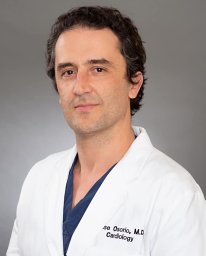 Jose Osorio合作论文数Department of Medicine, University of Alabama at Birmingham3Douglas Gibson合作论文数3Frank A. Cuoco合作论文数3john w lehmann合作论文数2Anitha Achyutha合作论文数2Tom McElderry合作论文数2Stanislav Weiner合作论文数2Jamie Kim合作论文数2V Piacentino合作论文数2Elizabeth Richards合作论文数2
 Jim W. Cheung合作论文数Joan and Sanford I. Weill Department of Medicine, Weill Cornell Medicine, Cornell University2Mugglin Andrew S合作论文数2Turagam Mohit K合作论文数Department of Medicine, University of Wisconsin School of Medicine and Public Health2
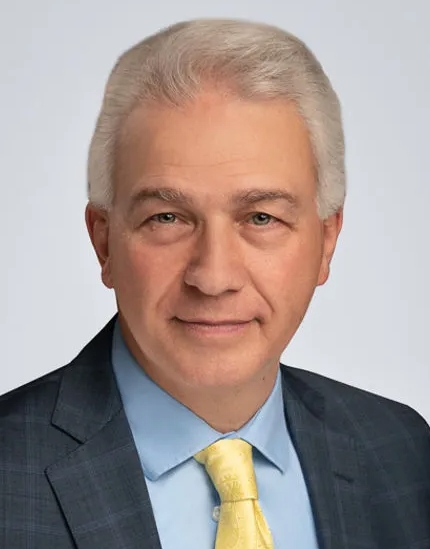 Andrea Natale合作论文数HCA Healthcare;Texas Cardiac Arrhythmia Institute, St. David's Health Care;Scripps Green Hospital2
 Kenneth B. Margulies合作论文数Margulies Laboratory, Perelman School of Medicine, University of Pennsylvania2Waks Jonathan W合作论文数Beth Israel Deaconess Medical Center, Harvard Medical School;Bluhm Cardiovascular Institute, Northwestern University Feinberg School of Medicine;and Division of Cardiology, Hackensack University Medical Center;Northwestern University Feinberg School of Medicine, Hackensack University Medical Center2
 Rong Bai (白融)合作论文数Beijing Anzhen Hospital, Capital Medical University2Kowalski Marcin合作论文数2
 Hugh Calkins合作论文数The Johns Hopkins Hospital;Department of Medicine, Johns Hopkins University2
 Kenneth Stein合作论文数Boston Scientific2Michael Shehata合作论文数2Mariell Jessup合作论文数2
 David N Kenigsberg合作论文数2
 Ganesh Venkataraman合作论文数Center for Biomedical Engineering, Massachusetts Institute of Technology2Sandeep Gautam合作论文数1Jonathan C. Hsu合作论文数1Suneet Mittal合作论文数1Samuel Omotoye合作论文数1
 Scott Wehrenberg合作论文数1Lynn Erickson合作论文数1Emrie Tomaiko-Clark合作论文数1Darren Sidney合作论文数1Brian D Williamson合作论文数1Christopher E Woods合作论文数1




