Background:Cocaine disrupts gut barriers in animal models, potentially enabling microbial translocation and inflammation in the periphery and central nervous system (CNS), but its direct role in inducing inflammation remains controversial. This study aimed to determine if the oral cavity is a source of circulating microbial DNA translocation in individuals with current cocaine use disorder (CUD). Results:A cross-sectional case-control study was conducted, comparing CUD and demographically matched non-drug controls. Ten CUD (via smoking or vaping) and 24 controls provided paired saliva and blood samples. Microbial 16S rRNA V4 region was sequenced in isolated microbial DNA from saliva and plasma. Single-cell RNA sequencing (scRNAseq) was analyzed in human peripheral blood mononuclear cells. Saliva from CUD, but not plasma, exhibited reduced alpha diversity and altered beta diversity, characterized by enriched Streptococcus and depleted Fusobacterium, Neisseria, and other taxa relative to controls. Controls exhibited low to undetectable microbial translocation in plasma. By contrast, plasma Streptococcus and several S. species displayed CUD-specific oral enrichment and evidence of translocation into the bloodstream. In vitro, cocaine selectively enhanced S. parasanguinis growth, consistent with CUD-enriched oral pathobionts and translocation into circulation in vivo. S. parasanguinis, but not cocaine alone, induced IL-1β and TNF-α production in human primary monocytes. scRNAseq further revealed innate immune activation, impaired T cell function, and heightened susceptibility to infection in CUD. Conclusions:This is the first study demonstrating that CUD via smoking or snorting exhibited oral microbial dysbiosis and selective oral-to-blood microbial translocation in vivo. These findings suggest that a compromised oral-to-blood barrier, rather than cocaine itself, promotes immune perturbations in CUD.
Introduction: Inappropriate antimicrobial use represents one of the main drivers of the emergence and dissemination of antimicrobial resistance. This study aims to assess the level of implementation of antimicrobial stewardship programs in Latin American hospitals and to identify weaknesses that may support the development of future strategies. Methods: This was a prospective, multicenter study (pre-intervention phase) including a non-probabilistic sample of 22 hospitals from 10 Latin American countries. Data were collected from March to May 2025 through a validated self-assessment instrument for antimicrobial stewardship programs. Scores ranged from 0 to 100 and were grouped by percentiles. Results: Among participating hospitals, 91% belonged to the public health network. Of the 127 professionals involved, 76% were women. Physicians accounted for 35%, while clinical pharmacists and microbiologists each represented 20%. The overall score was 55.4 (50th percentile). The domain “strategies to optimize antimicrobial prescribing” achieved the highest score in the baseline assessment, likely reflecting the activity of hospital infection control committees. Conversely, the “education” domain had the lowest score, underscoring the need for ongoing training of physicians, patients, and family members — a critical point identified in this analysis. Among the evaluated components, “executive leadership support,” “validated treatment protocols,” and “antimicrobial use process indicators” also received low scores, limiting program consolidation since many actions depend on formal endorsement from hospital administration. The absence of therapeutic protocols tailored to the institutional microbiological profile poses clinical risks, increases costs, and contributes to microbial resistance. Conclusion: Antimicrobial stewardship programs in Latin America remain, for the most part, only partially implemented. Phases II and III of this study will provide indicators of the effectiveness of structured, periodic online mentoring for stewardship professionals in participating hospitals by re-assessing scores using the same validated self-assessment tool at the end of the study in August 2026.
Infectious Diseases (ID) divisions aim to optimize documentation and proper reimbursement for inpatient services with complex patients. Utilization of critical care billing and new add-on G0545 codes have provided new revenue sources but require improved and specific documentation for their use. We instituted a documentation, billing, and coding program at two academic centers: the ID division at Henry Ford Health (HFH) (2017-present) and at the Medical University of South Carolina (MUSC) (2023-present). These programs were enacted by ID providers directing education, billing, documentation, and coding services with a particular focus on critical care billing and the adoption of new coding rules such as G0545 add-on code. Revenue value units (RVUs) are considered reimbursed at 2025 CMS rate. MUSC ID providers adopted using critical care billing in 2023 with an increased code use from 0 in 2022 to 53 in 2023, 91 in 2024 and 87 for 2025 thus far. This represents RVUs and CMS dollar totals of 409.5 and $13,231.15 in 2024, and 391 and $12,648 in 2025. The adoption of G0545 add on code thus far has been utilized on 1132 notes, a coding rate of 13.15%, and represents an additional 1007 RVUs and $32,576 in the first 3 months of use. At HFH, critical care billing was initiated in April 2020 with increased utilization for critical care notes up to over 330 notes by October 2020 during the COVID-19 pandemic. Since 2022, level 1 and 2 critical care billing has average 610 and 55 notes per year, representing a yearly average in RVU production of 3115 and $100,786 per year by 2025 CMS rates. G0545 coding has been applied on 1582 notes, at a rate of 55%, generating 1407.8 RVUs and $45,548 for the first quarter of 2025. Improved training, documentation and proper billing for ID services allows adoption and use of critical care billing codes and new G0545 add-on codes leading to increases in the value generated per service performed by ID physicians. Further expansion of the properly directed use of these codes can have significant positive effects on ID divisional revenue and reimbursement. Marcus Zervos, MD, merck: Honoraria John E. McKinnon, MD, MSc, FIDSA, EMD Serono: Advisor/Consultant
Although cannabinoids such as delta-9-tetrahydrocannabinol (THC) are generally immunosuppressive in preclinical models, chronic cannabis use in humans is paradoxically associated with increased infection risk and systemic inflammation. In this study, we demonstrate that THC directly strengthens intestinal epithelial barrier function in vitro by increasing trans-epithelial electrical resistance in a concentration-dependent manner in Caco-2 monolayers. In a cross-sectional study of chronic cannabis users via smoking or snorting compared with non-using controls, plasma lipopolysaccharide (LPS), and microbial translocation-driven inflammatory cytokines (IL-23, MCP-1, IL-8) were significantly reduced, while some cytokines (IL-6, IL-1β, TNF-α, IL-10) remained unchanged. Concurrently, users exhibited elevated macrophage-derived chemokine (MDC) and homeostatic cytokines IL-15 and IL-21, markedly suppressed IL-7 and IL-4. Plasma IL-15 and MDC levels correlated with consumption intensity, and IL-23, IL-7, and IP-10 correlated with age of first use or during heaviest use. These findings suggest that habitual cannabis use may protect gut barrier integrity and reduce microbial translocation and associated inflammation, while simultaneously disrupting systemic immune homeostasis through selective cytokine dysregulation. This dual, dose-dependent immunomodulatory profile highlights the complex balance between potential benefits and risks in both recreational and therapeutic cannabis use.
In 2017, our group first demonstrated that autoimmunity contributes to HIV pathogenesis, even without autoimmune disease. This concept is now broadly recognized, exemplified by the role of autoimmunity in severe COVID-19. In people with HIV (PWH) on suppressive antiretroviral therapy (ART), anti-CD4 autoantibodies may impair CD4+ T-cell recovery, though the mechanisms driving their production remain unclear. Building on evidence from our group and others that Staphylococcus aureus and its peptidoglycan (PGN) promote autoimmunity, we investigated their contribution to anti-CD4 IgG in HIV. Plasma from 32 ART-naive PWH, 53 ART-treated PWH, and 32 HIV-negative controls was analyzed for IgG autoantibodies and markers of S. aureus translocation using protein array and ELISA. EcoHIV mice were injected intraperitoneally with saline, S. aureus PGN, or Bacillus subtilis PGN. PGN structures were compared by mass spectrometry. Among 87 autoantibodies, 40% were elevated in ART-naive PWH and largely normalized by ART; however, anti-CD4 IgGs remained elevated in PWH on ART. Anti-CD4 IgG levels inversely correlated with CD4+ T-cell counts in ART-treated PWH and positively with markers of S. aureus translocation. In mice, S. aureus PGN induced anti-CD4 IgGs, reduced frequency of CD4+ T cells among total gut T cells, and promoted surface IgG binding and apoptosis in CD4+ T cells. S. aureus and its PGN translocation may drive anti-CD4 autoimmunity and hinder immune recovery in PWH on suppressive ART, highlighting S. aureus colonization as a therapeutic target and supporting the development of competitive probiotic interventions.IMPORTANCECurrently, no treatment is available for improving CD4+ T-cell recovery in people with HIV (PWH) on suppressive antiretroviral therapy (ART). Up to 20% of PWH on ART fail to restore peripheral CD4+ T-cell counts to levels observed in healthy individuals, a condition associated with increased morbidity and mortality and representing a major unmet challenge in HIV clinical care. Our study demonstrates that systemic Staphylococcus aureus translocation contributes to autoimmunity and impaired immune reconstitution in a subset of PWH on suppressive ART. These findings identify a previously unrecognized mechanism of immune failure and support a novel therapeutic strategy combining probiotics with ART to enhance immune recovery and reduce HIV-associated morbidity and mortality.
Autoimmunity contributes to HIV immunopathogenesis even in the absence of overt autoimmune disease. We previously showed that anti-CD4 autoantibodies from people with HIV (PWH) on suppressive antiretroviral therapy (ART) can mediate cytotoxicity against CD4+ T cells, implicating a role in impaired immune reconstitution. Despite viral suppression, many PWH with poor CD4 recovery exhibit chronic immune activation, microbial translocation, and dysregulated humoral immunity. Here, we identify a female-predominant elevation of plasma anti-CD4 IgG autoantibodies in aviremic PWH receiving ART. Across two independent cohorts, HIV-positive females, but not males, displayed significantly higher anti-CD4 IgG, predominantly IgG1, compared with HIV-negative controls, without parallel increases in anti-CD4 IgA or IgM. This sex-specific pattern was unique to anti-CD4 IgG and was not observed for anti-CD8 IgG, anti-double-stranded DNA IgG, or anti-nuclear antigen IgG; these control autoantibodies correlated with one another but not with anti-CD4 IgG. Elevated anti-CD4 IgG levels were associated with lower plasma progesterone levels and reduced absolute CD4+ T-cell counts. Markers of microbial translocation, soluble CD14 (sCD14), lipopolysaccharide-binding protein (LBP), and lipopolysaccharide (LPS), were also selectively increased in HIV-positive females, with sCD14 and LBP showing significant or borderline associations with anti-CD4 IgG. Together, these findings identify anti-CD4 IgG as a sex-dimorphic autoimmune signature in treated HIV infection, linked to progesterone levels, persistent microbial translocation, and incomplete immune recovery. This work highlights an under-recognized intersection of sex, mucosal barrier dysfunction, and autoimmunity in HIV pathogenesis and suggests potential therapeutic targets to improve immune reconstitution in women. ### Competing Interest Statement The authors have declared no competing interest. National Institute on Drug Abuse, https://ror.org/00fq5cm18, R01DA059854, R01DA059538, R01 NS094067 Department of Veterans Affairs, I01CX002422 Swedish government and the county councils, ALFGBG-965885 Swedish Research Council, 2021-06545
Background:Anti-CD4 autoantibodies in people with HIV (PWH) receiving suppressive antiretroviral therapy (ART) appear to prevent CD4+ T cell reconstitution, yet the mechanisms underlying their production remain unclear. Emerging evidence implicates Staphylococcus aureus and its peptidoglycan (PGN) in autoimmunity. Methods:Plasma from 32 ART-naive PWH, 53 ART-treated PWH, and 32 HIV- negative controls was analyzed for IgG autoantibodies and markers of S. aureus translocation. Causality was examined in EcoHIV-infected mice administered PGN from S. aureus or Bacillus subtilis . PGN structure was analyzed via mass spectrometry. Results:Among 87 autoantibodies, 40% were elevated in ART-naive PWH and largely normalized by ART; however, anti-CD4 IgGs remained elevated in PWH on ART. Anti- CD4 IgG levels inversely correlated with CD4+ T cell counts in ART-treated PWH and positively with S. aureus translocation. In mice, S. aureus PGN induced anti-CD4 IgGs, reduced gut CD4+ T cells, and promoted surface IgG binding and apoptosis in CD4+ T cells. Conclusion:S. aureus and its PGN translocation may contribute to anti-CD4 autoimmunity and hinder immune recovery in ART-treated PWH, representing a potential therapeutic target.
In the article entitled "Prevalence, Predictors, and Prognosis of Serious Infections in Takayasu Arteritis: A Cohort Study" by Misra and colleagues in this issue ofThe Journal of Rheumatology, the authors examine the incidence of serious infections in a Takayasu arteritis (TA) patient cohort; analyze associated demographic, clinical, angiographic, and treatment-related factors; and evaluate their impact on serious infections and mortality in TA.1They found that serious infections in patients with TA were prevalent, occurring in one-sixth of their cohort, with pneumonia (38%) and tuberculosis (TB; 24%) as the most common infections identified.1
ObjectiveWe studied the safety and efficacy of hydroxychloroquine (HCQ) as pre-exposure prophylaxis for COVID-19 in healthcare workers (HCWs), using a meta-analysis of randomised controlled trials (RCTs).Data sourcesPubMed and EMBASE databases were searched to identify randomised trials studying HCQ.Study selectionTen RCTs were identified (n=5079 participants).Data extraction and synthesisThe Preferred Reporting Items for Systematic Reviews and Meta-Analyses guidelines were used in this systematic review and meta-analysis between HCQ and placebo using a Bayesian random-effects model. A pre-hoc statistical analysis plan was written.Main outcomesThe primary efficacy outcome was PCR-confirmed SARS-CoV-2 infection and the primary safety outcome was incidence of adverse events. The secondary outcome included clinically suspected SARS-CoV-2 infection.ResultsCompared with placebo, HCWs randomised to HCQ had no significant difference in PCR-confirmed SARS-CoV-2 infection (OR 0.92, 95% credible interval (CI): 0.58, 1.37) or clinically suspected SARS-CoV-2 infection (OR 0.78, 95% CI: 0.57, 1.10), but significant difference in adverse events (OR 1.35, 95% CI: 1.03, 1.73).Conclusions and relevanceOur meta-analysis of 10 RCTs investigating the safety and efficacy of HCQ as pre-exposure prophylaxis in HCWs found that compared with placebo, HCQ does not significantly reduce the risk of confirmed or clinically suspected SARS-CoV-2 infection, while HCQ significantly increases adverse events.PROSPERO registration numberCRD42021285093.
Background . Up to 20% of people with HIV (PWH) who undergo virologically suppressed antiretroviral therapy (ART) fail to experience complete immune restoration. We recently reported that plasma anti-CD4 IgG (antiCD4IgG) autoantibodies from immune non-responders specifically deplete CD4 + T cells via antibody-dependent cytotoxicity. However, the mechanism of antiCD4IgG production remains unclear. Methods . Blood samples were collected from 16 healthy individuals and 25 PWH on suppressive ART. IgG subclass, plasma lipopolysaccharide (LPS), and antiCD4IgG levels were measured by ELISA. Gene profiles in B cells were analyzed by microarray and quantitative PCR. Furthermore, a patient-derived antiCD4IgG–producing B cell line was generated and stimulated with LPS in vitro. B cell IgG class switch recombination (CSR) was evaluated in response to LPS in splenic B cells from C57/B6 mice in vitro. Results . Increased plasma anti-CD4 IgGs in PWH were predominantly IgG1 and associated with increased plasma LPS levels as well as B cell expression of TLR2, TLR4, and MyD88 mRNA in vivo. Furthermore, LPS stimulation induced antiCD4IgG production in the antiCD4IgG B cell line in vitro. Finally, LPS promoted CSR in vitro. Conclusion . Our findings suggest that persistent LPS translocation may promote anti-CD4 autoreactive B cell activation and antiCD4IgG production in PWH on ART, which may contribute to gradual CD4 + T cell depletion. This study suggests that reversing a compromised mucosal barrier could improve ART outcomes in PWH who fail to experience complete immune restoration.
Abstract Enpatoran is a selective inhibitor of toll‐like receptors 7 and 8 (TLR7/8) that potentially targets pro‐inflammatory pathways induced by severe acute respiratory syndrome coronavirus 2 (SARS‐CoV‐2). A phase II study conducted in Brazil, the Philippines, and the USA during the early pandemic phase assessed the safety and efficacy of enpatoran in patients hospitalized with COVID‐19 pneumonia (NCT04448756). A total of 149 patients, who scored 4 on the World Health Organization's (WHO) 9‐point ordinal severity scale, were randomized 1:1:1 and received enpatoran 50 mg (n = 54) or 100 mg (n = 46), or placebo (n = 49) twice daily (b.i.d.) for 14 days plus standard of care. The primary objectives were safety and time to recovery (WHO 9‐point scale ≤3). Clinical deterioration (WHO 9‐point scale ≥ 5) was a key secondary objective. Treatment‐emergent adverse events (TEAEs) were comparable across groups (56.5%–63.0%). Treatment‐related TEAEs were numerically higher with enpatoran 50 mg (14.8%) than 100 mg (10.9%) or placebo (8.2%). Serious TEAEs were numerically lower with enpatoran (50 mg 9.3%, 100 mg 2.2%) than placebo (18.4%). The primary efficacy objective was not met; median time to recovery was 3.4–3.9 days across groups, with placebo‐treated patients recovering on average faster than anticipated. Clinical deterioration event‐free rates up to Day 7 were 90.6%, 95.6%, and 81.6% with enpatoran 50 mg, 100 mg, and placebo, respectively. Enpatoran was well tolerated by patients acutely ill and hospitalized with COVID‐19 pneumonia. Positive signals in some secondary end points suggested potential beneficial effects, supporting further evaluation of enpatoran in patients with hyperinflammation due to infection or autoimmunity.
BACKGROUND:Health care workers (HCW) are among the highest risk groups for acquisition of COVID-19 because of occupational exposures. The WHIP COVID-19 Study aimed to evaluate the safety and efficacy of hydroxychloroquine (HCQ) as chemoprophylaxis for SARS-CoV-2 infection in this population.METHODS:HCW, first responders, and other occupationally high-risk participants were enrolled in a randomized, placebo-controlled clinical study of HCQ from April to October 2020. The trial compared daily versus weekly HCQ with placebo and with a prospective cohort on HCQ for autoimmune diseases. Participants were followed for 8 weeks. Serology or a positive polymerase chain reaction test was used to determine laboratory confirmed clinical cases.RESULTS:A total of 624 participants were randomized to placebo (n = 200), weekly HCQ (n = 201), daily HCQ (n = 197). For the primary safety end point, 279 (44.7%) participants experienced adverse event (AE) level II or lower (total AEs n = 589), similar rates in all randomized groups (P = .188) with no hospitalizations or interventions required. Only 4 laboratory confirmed COVID-19 cases occurred, with 2 in the placebo arm and one in each HCQ randomized arm.CONCLUSIONS:This randomized placebo-controlled trial was able to demonstrate the safety of HCQ outpatient chemoprophylaxis in high-risk groups against COVID-19. Future studies of chemoprophylaxis for SARS-CoV-2 are needed as the epidemic continues worldwide.
Angiotensin-converting enzyme 2 (ACE2) receptor is required for SARS-CoV-2 entry into human cells. However, emerging evidence shows SARS-CoV-2 infected lung monocytes/macrophages from COVID-19 patients barely express ACE2 mRNA, raising a question how SARS-CoV-2 penetrates macrophages. It’s also under debating whether the peripheral blood cells (HPBCs) can be infected by SARS-CoV-2 that may facilitate viral spread from circulation to other organs besides lung. Herein we demonstrate that resting primary HPBCs harbor abundant cytoplasmic ACE2, regardless of COVID-19 status, and that surface translocation is necessary for viral infection. Upon ex vivo TLR4/7/8 stimulation of HPBCs, ACE2 translocated to the cell surface independent of ACE2 transcription, and this translocation was blocked by an endosomal trafficking inhibitor, suggesting the putative source as ACE2-containing exosomes. However, only stimulated monocytes concurrently expressing ACE2 and cell surface transmembrane serine protease type 2 (TMPRSS2) were efficiently infected by SARS-CoV-2, which was significantly mitigated by remdesivir. Furthermore, ACE2 surface translocation in peripheral myeloid cells from patients with severe COVID-19 correlated with their proinflammatory cytokine production. Collectively, TLR4/7/8-induced ACE2 translocation with TMPRSS2 expression is indispensable for SARS-CoV-2 infection of circulating monocytes. Our work not only provides a new mechanism for the pathogenesis of SARS-CoV-2 and a potential path for its systemic infection, but also unveils a prospective therapeutic strategy by targeting ACE2 trafficking for preventing monocyte/macrophage infection. This study is partially supported by National Institutes of Health grants R61AR076803, R01AR063611, R01AI119041, and R01AR069681 (Q-S. M.), R01AR072046 (L.Z.), R01DK120623 (J.Z.S.), Henry Ford Immunology Program grants (T71016, Q-S. M.; T71017, L. Z.), and funding for the U-M Center for Drug Repurposing - NCATS CTSA UL1TR002240 (J.Z.S.).
BackgroundEnpatoran is a selective and potent dual toll-like receptor (TLR) 7/8 inhibitor in development for the treatment of cutaneous and systemic lupus erythematosus (CLE/SLE). Enpatoran inhibits TLR7/8 activation in vitro and suppresses disease activity in lupus mouse models.1 Enpatoran was well tolerated and had linear pharmacokinetic (PK) parameters in healthy volunteers.2 As TLR7/8 mediate immune responses to single-stranded RNA viruses, including SARS-CoV-2, it was postulated that enpatoran may prevent hyperinflammation and cytokine storm in COVID-19.ObjectivesIn response to the COVID-19 pandemic, we conducted an exploratory Phase II trial to assess safety and determine whether enpatoran prevents clinical deterioration in patients (pts) hospitalized with COVID-19 pneumonia. PK and pharmacodynamics (PD) of enpatoran were also evaluated.MethodsANEMONE was a randomized, double-blind, placebo (PBO)-controlled study conducted in Brazil, the Philippines, and the USA (NCT04448756). Pts aged 18–75 years, hospitalized with COVID-19 pneumonia (WHO 9-point scale score =4) but not mechanically ventilated, with SpO2 <94% and PaO2/FiO2 ≥150 (FiO2 maximum 0.4) were eligible. Those with a history of uncontrolled illness, active/unstable cardiovascular disease and SARS-CoV-2 vaccination were excluded. Pts received PBO or enpatoran (50 or 100 mg twice daily [BID]) for 14 days, with monitoring to Day 28 and safety follow-up to Day 60. Primary outcomes were safety and time to recovery (WHO 9-point scale ≤3). Clinical deterioration (time to clinical status >4, WHO 9-point scale) was a secondary outcome. Exploratory endpoints were enpatoran and biomarker concentrations (cytokines, C-reactive protein [CRP], D-dimer and interferon gene signature [IFN-GS] scores) assessed over time.Results149 pts received either PBO (n=49), or enpatoran 50 mg (n=54) or 100 mg (n=46) BID; 88% completed treatment and 86% received concomitant steroids. Median age was 50 years (77% <60 years old), 66% were male, and 50% had ≥1 comorbidity (40% hypertension, 24% diabetes). Overall, 59% pts reported a treatment-emergent adverse event (TEAE) with three non-treatment-related deaths; 11% reported a treatment-related TEAE. The proportion of pts in the enpatoran group reporting serious TEAEs was low (50 mg BID 9%; 100 mg BID 2%) vs PBO (18%). Gastrointestinal disorders were most common (PBO 8%; 50 mg BID 28%; 100 mg BID 9%). The primary outcome of time to recovery with enpatoran vs PBO was not met; medians were 3.4–3.9 days. A positive signal in time to clinical deterioration from Day 1 through Day 28 was observed; hazard ratios [95% CI] for enpatoran vs PBO were 0.39 [0.13, 1.15] (50 mg BID) and 0.30 [0.08, 1.08] (100 mg BID). Mean enpatoran exposure was dose-proportional, and PK properties were within expectations. The median (quartile [Q]1– Q3) interleukin 6 (IL-6), CRP and D-dimer baseline concentration across the groups were 5.7 (4.0–13.5) pg/mL, 30.04 (11.40–98.02) and 0.62 (0.39–1.01) mg/L, respectively. Baseline IFN-GS scores were similar across groups.ConclusionThe ANEMONE trial was the first to evaluate the safety and efficacy of a TLR7/8 inhibitor in an infectious disease for preventing cytokine storm. Enpatoran up to 100 mg BID for 14 days was well tolerated by patients acutely ill with COVID-19 pneumonia. Time to recovery was not improved with enpatoran, perhaps due to the younger age of patients who had fewer comorbidities compared to those in similar COVID-19 trials. However, there was less likelihood for clinical deterioration with enpatoran than placebo. This trial provides important safety, tolerability, PK and PD data supporting continued development of enpatoran in SLE and CLE (NCT04647708, NCT05162586).References[1]Vlach, et al. J Pharmacol Exp Ther 2021;376:397–409;[2]Port, et al. Pharmacol Res Perspect 2021;9:e00842.AcknowledgementsWe would like to thank those who took part in the the ANEMONE trial. This study was sponsored by the healthcare business of Merck KGaA, Darmstadt, Germany (CrossRef Funder ID: 10.13039/100009945), who funded medical writing support by Bioscript Stirling Ltd.Disclosure of InterestsJohn E. McKinnon Consultant of: EMD Serono Research & Development Institute, Inc., Billerica, MA, USA, an affiliate of Merck KGaA, Joel Santiaguel Speakers bureau: Merck Healthcare KGaA, Claudia Murta Speakers bureau: Pfizer/Wyeth, Dongzi Yu Employee of: EMD Serono Research & Development institute (an affiliate of Merck KGaA), Mukhy Khursheed Employee of: Merck Serono Ltd (an affiliate of Merck KGaA), Flavie Moreau Employee of: EMD Serono Research & Development institute (an affiliate of Merck KGaA), Lena Klopp-Schulze Employee of: Merck Healthcare KGaA, Jamie Shaw Employee of: EMD Serono Research & Development institute (an affiliate of Merck KGaA), Sanjeev Roy Employee of: Ares Trading SA (an affiliate of Merck KGaA), Amy Kao Employee of: EMD Serono Research & Development institute (an affiliate of Merck KGaA)
Daily adherence to lifelong antiretroviral therapy (ART) is required to achieve long term treatment success. However, patient preferences for ART tablet size have not been well studied. Our study assessed factors associated with the ease of swallowing (EoS) and tolerability of two placebo tablets representing and matching B/F/TAF (BPT) and DTG/ABC/3TC (DPT). Fifty ART-naive patients were randomized into a two-period cross-over study. Likert scale (1-5) questionnaires were administered to assess patient factors influencing the ease of swallowing, adherence, home medications, medication preferences and perceptions. Comparisons were done using Student t-tests and ordinal regression. Participants were 64% female, 61% white, mean age 43 years, and taking a mean (median) of 4(1) pills/day. BPT was reported to be easier than DPT with ease of swallowability 1.76 vs. 2.42 (p < 0.001) (1 = very easy). DPT tablet was correctly perceived as larger than BPT (p < 0.001); with both tablets perceived as smaller than actual size (p < 0.001). EoS of either tablet was positively associated with the EoS of the largest home tablet medication (p = 0.021, p = 0.03). Patient's perceptions of EoS can affect their medication adherence, especially in HIV, and should be considered in treatment regimens.
Infection of human peripheral blood cells by SARS-CoV-2 has been debated because immune cells lack mRNA expression of both angiotensin-converting enzyme 2 (ACE2) and transmembrane serine protease type 2 (TMPRSS2). Herein we demonstrate that resting primary monocytes harbor abundant cytoplasmic ACE2 and TMPRSS2 protein and that circulating exosomes contain significant ACE2 protein. Upon ex vivo TLR4/7/8 stimulation, cytoplasmic ACE2 was quickly translocated to the monocyte cell surface independently of ACE2 transcription, while TMPRSS2 surface translocation occurred in conjunction with elevated mRNA expression. The rapid translocation of ACE2 to the monocyte cell surface was blocked by the endosomal trafficking inhibitor endosidin 2, suggesting that endosomal ACE2 could be derived from circulating ACE2-containing exosomes. TLR-stimulated monocytes concurrently expressing ACE2 and TMPRSS2 on the cell surface were efficiently infected by SARS-CoV-2, which was significantly mitigated by remdesivir, TMPRSS2 inhibitor camostat, and anti-ACE2 antibody. Mass cytometry showed that ACE2 surface translocation in peripheral myeloid cells from patients with severe COVID-19 correlated with its hyperactivation and PD-L1 expression. Collectively, TLR4/7/8-induced ACE2 translocation with TMPRSS2 expression makes circulating monocytes permissive to SARS-CoV-2 infection.
Objective:Examine the effect of a universal facemask policy for healthcare workers (HCW) and incidence of severe acute respiratory syndrome coronavirus 2 (SARS-CoV-2) positivity.Methods:Daily number of symptomatic HCW tested, SARS-CoV-2 positivity rates, and HCW job-descriptions were collected pre and post Universal HCW facemask policy (March 26, 2020). Multiple change point regression was used to model positive-test-rate data. SARS-CoV-2 testing and positivity rates were compared for pre-intervention, transition, post-intervention, and follow-up periods.Results:Between March 12 and August 10, 2020, 19.2% of HCW were symptomatic for COVID-19 and underwent SARS-CoV-2 testing. A single change point was identified similar to March 28-30 (95% probability). Before the change point, the odds of a tested HCW having a positive result doubled every 4.5 to 7.5 days. Post-change-point, the odds of a tested HCW having a positive result halved every 10.5 to 13.5 days.Conclusions:Universal facemasks were associated with reducing HCW's risk of acquiring COVID-19.
Department of Biological Sciences, Centre for Neuroscience, Xi'an Jiaotong-Liverpool University (XJTLU), Suzhou, 215123, China; Britton Chance Center for Biomedical Photonics, Wuhan National Laboratory for Optoelectronics-Huazhong University of Science and Technology, Wuhan, 430074, China; Department of Medical and Surgical Science, School of Medicine, University of Catanzaro, Catanzaro, Italy
Introduction Hydroxychloroquine has been used for rheumatological diseases for many decades and is considered a safe medication. With the COVID-19 outbreak, there has been an increase in reports associating cardiotoxicity with hydroxychloroquine. It is unclear if the cardiotoxic profile of hydroxychloroquine is previously underreported in the literature or is it a manifestation of COVID-19 and therapeutic interventions. This manuscript evaluates the incidence of cardiotoxicity associated with hydroxychloroquine prior to the onset of COVID-19. Methods PubMED, EMBASE, and Cochrane databases were searched for keywords derived from MeSH terms prior to April 9, 2020. Inclusion eligibility was based on appropriate reporting of cardiac conditions and study design. Results A total of 69 articles were identified (58 case reports, 11 case series). The majority (84%) of patients were female, with a median age of 49.2 (range 16-92) years. 15 of 185 patients with cardiotoxic events were in the setting of acute intentional overdose. In acute overdose, the median ingestion was 17,857 ± 14,873 mg. 2 of 15 patients died after acute intoxication. In patients with long-term hydroxychloroquine use (10.5 ± 8.9 years), new onset systolic heart failure occurred in 54 of 155 patients (35%) with median cumulative ingestion of 1,493,800 ± 995,517 mg. The majority of patients improved with the withdrawal of hydroxychloroquine and standard therapy. Conclusion Millions of hydroxychloroquine doses are prescribed annually. Prior to the COVID-19 pandemic, cardiac complications attributed to hydroxychloroquine were uncommon. Further studies are needed to understand the impact of COVID-19 on the cardiovascular system to understand the presence or absence of potential medication interactions with hydroxychloroquine in this new pathophysiological state.
Abstract Context Tocilizumab (TCZ), an interleukin-6 (IL-6) receptor antagonist, has been approved for use in rheumatoid arthritis and cytokine storm syndrome (CSS) associated with chimeric antigen receptor T cells treatment. Although TCZ is currently utilized in the treatment of critically ill coronavirus 2019 (COVID-19) patients, data on survival impact is minimal. Objectives To assess the mortality rate of patients presenting with COVID-19 who received TCZ for suspected CSS. Methods This retrospective cohort study was conducted at Henry Ford Health System between March 10, 2020 and May 18, 2020. Data collection began in May 2020 and was completed in June 2020. Patients included in the study required hospital admission and had positive severe acute respiratory syndrome coronavirus 2 (SARS-CoV-2) polymerase chain reaction on nasopharyngeal swab. Eligibility criteria to receive TCZ, per hospital protocol, included any of the following: persistent fever, defined as 38.0 °C for at least 6 hours; a diagnosis of the acute respiratory distress syndrome (ARDS); serum ferritin ≥1,000 (ng/mL) or doubling within 24 hours; D-Dimer ≥ 5 (mg/L); serum lactate dehydrogenase ≥500 (IU/L); or interlukin-6 level ≥5 times the upper limit of normal. Dosing was initially determined by weight, then changed to a fixed 400 mg per hospital protocol. A comparator cohort was created from patients with COVID-19 and ARDS who did not receive TCZ. Patient survival was analyzed using the Kaplan–Meier method and compared by log rank test. A multivariable cox regression was applied to evaluate the association between TCZ and mortality. Results One hundred and thirty patients were evaluated in the study, 54 (41.5%) of whom received TCZ. Patients who received TCZ were younger (mean age, 63.8 vs. 69.4 years; p=0.0083) and had higher body mass indices (mean, 33.9 vs. 30.4; p=0.005). Of the comorbid conditions evaluated, heart disease was more common in the comparator group than the TCZ group (27 patients [35.5%] vs. 10 patients [18.5%]; p=0.034). A Kaplan–Meier survival curve demonstrated no difference in survival between TCZ and comparator patients (log rank p=0.495). In the multivariable Cox regression model for mortality at 30 days, treatment with TCZ was not associated with decreased mortality (hazard ratio, 1.1; 95% confidence interval, 0.53–2.3; p=0.77). Lower mean C-reactive protein (CRP) levels were demonstrated within 48 hours of disposition in the TCZ group (mean TCZ, 4.9 vs. mean comparator, 13.0; p=<0.0001). Conclusions In this cohort study, no difference in survival was observed in critically ill patients treated with TCZ.
 John W. Mellors合作论文数Department of Medicine, School of Medicine, University of Pittsburgh9
 Kathleen Maksimowicz-McKinnon合作论文数9
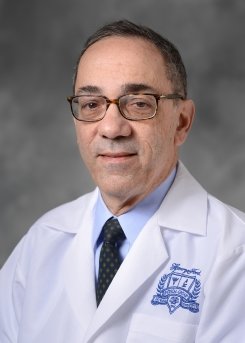 Marcus Zervos合作论文数Division of Infectious Diseases, Henry Ford Health System;Department of Medicine and Infectious Diseases, Wayne State University School of Medicine8
 Timothy Wilkin合作论文数Clinical & Translational Investigation, Weill Cornell Graduate School of Medical Sciences, Cornell University6
 Wei Jiang合作论文数5
 George Alangaden合作论文数5Luo Zhenwu合作论文数Department of Microbiology and Immunology, Medical University of South Carolina5Susan Swindells合作论文数Department of Internal Medicine, University of Nebraska Medical Center5Da Cheng合作论文数4Brar Indira合作论文数4
 Mayur Ramesh合作论文数Department of Internal Medicine, Henry Ford Health System4
 Peter A McCullough合作论文数McCullough Foundation4Khandelwal Akshay K合作论文数4Pampati Vijayamalini合作论文数4Pa Mccullough合作论文数3
 Zohra Chaudhry合作论文数3Odaliz Abreu Lanfranco合作论文数3Zachary Osborn合作论文数3Bastow Barbara合作论文数3Christina Lalama合作论文数3Hj Shenkman合作论文数3Jenna Hudy合作论文数3Smitha Gudipati合作论文数3Sandeep Soman合作论文数3Junying Zhou合作论文数3
 Harvey Risch合作论文数Department of Epidemiology and Public Health, Yale School of Public Health3
 Heather J. Ribaudo合作论文数Harvard T.H. Chan School of Public Health, Harvard University3
 Philip McCarthy合作论文数Department of Medicine, Roswell Park Comprehensive Cancer Center;Jacobs School of Medicine and Biomedical Sciences, University at Buffalo3Heath Sonya L合作论文数3Magnus Gisslén合作论文数University of Gothenburg, Sahlgrenska University Hospital3
 Robert W. Coombs合作论文数Department of Laboratory Medicine & Pathology, University of Washington3
 Paul E. Kilgore合作论文数Division of Translational Research, International Vaccine Institute3Scott Kaatz合作论文数3Namir Khalasawi合作论文数2Danielle Robson合作论文数2Gina Maki合作论文数2Tommy Parraga Acosta合作论文数2Nicholas Yared合作论文数2Guson Kang合作论文数2Norma Jung合作论文数2Pallavi Bhargava合作论文数2Jamie Shaw合作论文数2Kylie Huitsing合作论文数2Jean C Lee合作论文数2Kr Sandberg合作论文数2Li Zhou合作论文数2Rafael Delgado合作论文数2Ai-Min Jiang合作论文数2




