Copyright © 2009 American Heart Association. All rights reserved. Print ISSN: 0009-7322. Online 72514 Circulation is published by the American Heart Association. 7272 Greenville Avenue, Dallas, TX DOI: 10.1161/CIRCULATIONAHA.108.834424 2009;119;3093-3100; originally published online Jun 8, 2009; Circulation Mei-Chiung Shih and Phil Lavori O'Brien, Inder Anand, Alberta Warner, Brack Hattler, Mark Dunlap, John Erikson, Terrence Edson, Stuart Warren, Janet Ohm, Hoang Thai, Lori Churby, Jamie Barnhill, Steven Goldman, Madeline McCarren, Eugene Morkin, Paul W. Ladenson, Robert Heart Failure: Phase II Trial Veterans Affairs Cooperative Study DITPA (3,5-Diiodothyropropionic Acid), a Thyroid Hormone Analog to Treat http://circ.ahajournals.org/cgi/content/full/CIRCULATIONAHA.108.834424/DC1 Data Supplement (unedited) at: http://circ.ahajournals.org/cgi/content/full/119/24/3093 located on the World Wide Web at: The online version of this article, along with updated information and services, is
Background-In animal studies and a pilot trial in patients with congestive heart failure, the thyroid hormone analog 3,5 diiodothyropropionic acid (DITPA) had beneficial hemodynamic effects.Methods and Results-This was a phase II multicenter, randomized, placebo-controlled, double-blind trial of New York Heart Association class II to IV congestive heart failure patients randomized (2: 1) to DITPA or placebo and treated for 6 months. The study enrolled 86 patients (n = 57 to DITPA, n = 29 to placebo). The primary objective was to assess the effect of DITPA on a composite congestive heart failure end point that classifies patients as improved, worsened, or unchanged based on symptom changes and morbidity/mortality. DITPA was poorly tolerated, which obscured the interpretation of congestive heart failure-specific effects. Fatigue and gastrointestinal complaints, in particular, were more frequent in the DITPA group. DITPA increased cardiac index (by 18%) and decreased systemic vascular resistance (by 11%), serum cholesterol (-20%), low-density lipoprotein cholesterol (-30%), and body weight (-11 lb). Thyroid-stimulating hormone was suppressed in patients given DITPA, which reflects its thyromimetic effect; however, no symptoms or signs of potential hypothyroidism or thyrotoxicosis were seen.Conclusions-DITPA improved some hemodynamic and metabolic parameters, but there was no evidence for symptomatic benefit in congestive heart failure. (Circulation. 2009; 119: 3093-3100.)
Background— In animal studies and a pilot trial in patients with congestive heart failure, the thyroid hormone analog 3,5 diiodothyropropionic acid (DITPA) had beneficial hemodynamic effects. Methods and Results— This was a phase II multicenter, randomized, placebo-controlled, double-blind trial of New York Heart Association class II to IV congestive heart failure patients randomized (2:1) to DITPA or placebo and treated for 6 months. The study enrolled 86 patients (n=57 to DITPA, n=29 to placebo). The primary objective was to assess the effect of DITPA on a composite congestive heart failure end point that classifies patients as improved, worsened, or unchanged based on symptom changes and morbidity/mortality. DITPA was poorly tolerated, which obscured the interpretation of congestive heart failure-specific effects. Fatigue and gastrointestinal complaints, in particular, were more frequent in the DITPA group. DITPA increased cardiac index (by 18%) and decreased systemic vascular resistance (by 11%), serum cholesterol (−20%), low-density lipoprotein cholesterol (−30%), and body weight (−11 lb). Thyroid-stimulating hormone was suppressed in patients given DITPA, which reflects its thyromimetic effect; however, no symptoms or signs of potential hypothyroidism or thyrotoxicosis were seen. Conclusions— DITPA improved some hemodynamic and metabolic parameters, but there was no evidence for symptomatic benefit in congestive heart failure.
DITPA, a Thyroid Hormone Analog to Treat Heart Failure: Phase II Trial VA Cooperative Study Steven Goldman*, Madeline McCarren*, Eugene Morkin, Paul Ladenson, Robert Edson, Stuart Warren, Janet Ohm, Hoang Thai, Lori Churby, Jamie Barnhill, Terrence O’Brien, Inder Anand, Alberta Warner, Mark Dunlap, Brack Hattle, John Erikson, Mei-Chiung Shih, Phil Lavori; Southern Arizona VA Health Care System, Tucson, AZ; VA Center for Medication Safety, Hines, IL; University of Arizona Health Sciences, Tucson, AZ; Johns Hopkins University, Baltimore, MD; Palo Alto CSP Coordinating Center, Palo Alto, CA; CSP Clinical Research Pharmacy Coordinating Center, Albuquerque, NM; VA Medical Center, Charleston, SC; Minneapolis VA Medical Center, Minneapolis, MN; Greater Los Angeles Healthcare System, Los Angeles, CA; Louis Stokes VA Healthcare System, Cleveland, OH; VA Eastern Colorado Health Care System, Denver, CO; South Texas Veterans Health Care System, San Antonio, TX
 Lori Churby合作论文数4Mei-Chiung Shih合作论文数4
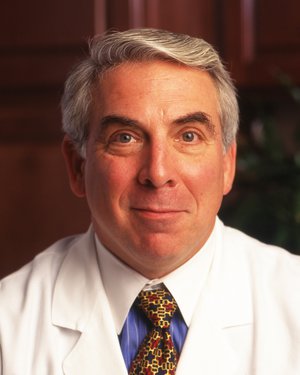 Paul W Ladenson合作论文数Department of Otolaryngology-Head and Neck Surgery, School of Medicine, Johns Hopkins University4McCarren Madeline合作论文数4
 Steven A. Goldman合作论文数University of Copenhagen;Center for Translational Neuromedicine, University of Rochester Medical Center;Department of Neurology, University of Rochester Medical Center4Alberta Warner合作论文数4
 Inder S Anand合作论文数Department of Cardiovascular Medicine, University of Minnesota;University of Minnesota Twin Cities;VA Medical Center4Janet Ohm合作论文数4Robert G. Edson合作论文数4
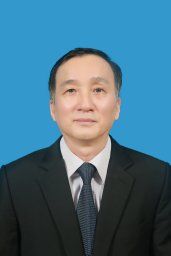 Hoang Thai合作论文数Alberta Hospital Edmonton4
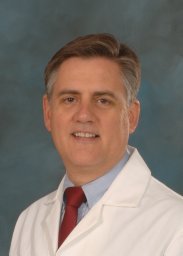 Mark E. Dunlap合作论文数Department of Medicine, Louis Stokes Veterans Affairs Medical Center4Stuart R. Warren合作论文数VA Cooperative Studies Program Clinical Research Pharmacy Coordinating Center, US Department of Veterans Affairs4Terrence O'Brien合作论文数4Eugene Morkin合作论文数4Brack G. Hattler合作论文数3Phil Lavori合作论文数3Jamie Barnhill合作论文数2Evan Saenger合作论文数1Humayun Naqvi合作论文数1Brack Hattle合作论文数1




