Groote Eylandt, Australia, is an island of international conservation significance as well as the site of one of the world's largest manganese (Mn) mines. Endangered northern quolls (Dasyurus hallucatus) living near active Mn mining sites on Groote Eylandt accumulate Mn at higher concentrations in the hair, testes, and brain than do animals living far from the mine. However, little is known about the potential developmental effects of Mn exposure on the tissues of quolls or other marsupials, and marsupial histology and ecotoxicology are relatively under-studied. We examined relationships between exposure to Mn and other toxic metals with histological endpoints of quolls and northern brown bandicoots (Isoodon macrourus). Male quolls (n = 18) and bandicoots (n = 9) were live trapped both near and far from mining activities, euthanized, and then dissected for target tissues (liver, lung, muscles [bicep, quadricep, skull], olfactory bulb), which were preserved in formalin for histology. Tissues were prepared using H&E staining and analyzed with Leica imaging software. Although we did not find differences in most tissues between animals collected near vs. far from the mine, we found that Mn exposure was associated with altered muscle histomorphology of quolls, potentially affecting their ability to find food and avoid predators. Our results showed clear differences between the muscle histology of quolls and bandicoots. Given the ecological importance of Groote Eylandt and the conservation needs of species such as quolls and bandicoots, information on exposure to contaminants and effects on health and development is critical to successful management, including environmental remediation.
Understanding population connectivity in the marine realm is crucial for conserving biodiversity, managing fisheries, and predicting species responses to environmental change. This is particularly important in Antarctic waters, where unique evolutionary histories and extreme conditions shape marine biodiversity. The longfin icedevil Aethotaxis mitopteryx is an elusive notothenioid fish endemic to Antarctic waters. To explore population connectivity in A. mitopteryx, we used RAD-seq to investigate the genetic differentiation of two populations, one from the Eastern Weddell Sea and the other from the Eastern Antarctic Peninsula, two regions of ecological relevance greatly impacted by climate change. Despite spatial separation, analyses revealed no significant genetic differentiation between the two populations, suggesting extensive gene flow. A pronounced genetic distinction was, however, observed between males and females. This differentiation was largely localized to a specific chromosome, implying a genetic sex determination system with males being the heterogametic sex. These findings contribute novel insights into the genetic structure of A. mitopteryx populations and expand our understanding of genetic mechanisms in Antarctic fish. This study provides a foundation for further investigations into the evolutionary and ecological implications of sex chromosome differentiation in extreme environments.
We present the genome assemblies of three females of the Danio rerio strains, AB, Nadia and Cooch Behar (zebrafish; Chordata; Actinopteri; Cypriniformes; Cyprinidae). These assemblies were released in 2020 as part of the Danioninae Sequencing Project. The genome sequence of the strain AB is 1,405.10 megabases, the Nadia strain 1,465.10, and the Cooch Behar strain 1,421.80 megabases in length. Most of the assembly is scaffolded into 25 chromosomal pseudomolecules in each case. For each strain, the mitochondrial genome was also assembled and is 16.6 kilobases in length.
Since the description of zebrafish (Danio rerio) in 1822, the identity of its closest living relative has been unclear. To address this problem, we sequenced the exomes of 10 species in genus Danio, using the closely related Devario aequipinnatus as outgroup, to infer relationships across the 25 chromosomes of the zebrafish genome. The majority of relationships within Danio were remarkably consistent across all chromosomes. Relationships of chromosome segments, however, depended systematically upon their genomic location within zebrafish chromosomes. Regions near chromosome centers identified Danio kyathit and/or Danio aesculapii as the closest relative of zebrafish, while segments near chromosome ends supported only D. aesculapii as the zebrafish sister species. Genome-wide comparisons of derived character states revealed that danio relationships are inconsistent with a simple bifurcating species history but support an ancient hybrid origin of the D. rerio lineage by homoploid hybrid speciation. We also found evidence of more recent gene flow limited to the high recombination ends of chromosomes and several megabases of chromosome 20 with a history distinct from the rest of the genome. Additional insights gained from incorporating genome structure into a phylogenomic study demonstrate the utility of such an approach for future studies in other taxa. The multiple genomic histories of species in the genus Danio have important implications for comparative studies in these morphologically varied and beautiful species and for our understanding of the hybrid evolutionary history of zebrafish.
Antarctic notothenioid fish form an adaptive radiation that diversified in the Southern Ocean over the past 10 million years. The biology and life history of about a third of notothenioids have been studied, however, most frequently from a single location. Because species distributions can be discontinuous and depend on environmental conditions, local populations might differ substantially both genetically and phenotypically from distant conspecifics. Among notothenioids, the 15 Trematomus species diversified to occupy environments ranging from subsurface cryopelagic habitats to the deep sea and many Trematomus species likely have circumpolar distributions. Here, we analyzed life history traits of the notothen Trematomus scotti from two distinct geographic areas: Andvord Bay, a fjord on the Western Antarctic Peninsula, and the Weddell Sea at the edge of pack ice zones. These two populations inhabit drastically different areas with important differences in environmental conditions driven by latitude, temperature and ice cover, thus enabling the study of the effects of the environment on life history traits. We first found no evidence for substantial genetic heterogeneity based on the mitochondrial marker mt-co1. Fish in Andvord Bay, however, grew faster and reached longer sizes than congeners in the Weddell Sea. Furthermore, females in Andvord Bay had higher fecundity but produced smaller eggs compared to females in the Weddell Sea. Thus, these two populations of T. scotti displayed distinct life histories likely in response to local environmental conditions. Local life history traits such as these are crucial to consider to evaluate the vulnerability of a species to environmental change.
Pathogens affecting Antarctic fishes remain mostly unknown and are largely limited to the description of macroparasites such as leeches and endoparasitic worms. Fish, however, occupy a crucial role in the functioning of the Antarctic ecosystem and deterioration of their health can alter the entire Antarctic food chain. In recent years, several studies have identified novel viruses and unicellular parasites affecting the health of notothenioid fishes. Among those, the unicellular parasitic family Xcellidae has received attention following the discovery of an unprecedented disease outbreak in a fjord on the Western Antarctic Peninsula. This pathological situation was caused by a novel X-cell genus Notoxcellia. Soon thereafter, an additional X-cell genus, Cryoxcellia, was described infecting the Bald Notothen Trematomus borchgrevinki in the Ross Sea. These studies raised awareness and drew observers’ and researchers’ attention to pathologies in Antarctic fishes. Here, we report that during a 2023 Ross Sea shelf survey, a specimen of the Scaly Notothen Trematomus loennbergii displaying skin lesions reminiscent of Notoxcellia infection had been ingested by an Antarctic Toothfish Dissostichus mawsoni and was recovered from its stomach. Molecular analyses confirmed the presence of Notoxcellia sp. X-cell parasites in the fish’s lesions. This new case of X-cell disease suggests that Notoxcellia spp. may have a circumpolar distribution and stresses the need for monitoring Antarctic fish health similar to surveillance protocols for Antarctic birds and marine mammals.
Mining is an essential part of the Australian economy, but can create environmental concerns due to toxic metal pollution. Surrounding active manganese (Mn) mining sites, such as those on Groote Eylandt, Australia, toxic metal exposure leads to variation in the internal distribution within animals (i.e., tissue tropism) and can exert long-term health effects on wildlife. We aimed to determine if hair of the endangered northern quoll (Dasyurus hallucatus) or of the northern brown bandicoot (Isoodon macrourus) would be sufficient to monitor internal contamination. We analyzed nine toxic metals (Al, Cd, Co, Cr, Cu, Mn, Ni, Pb, Zn) in eight tissues/organs (cerebellum, hair, kidney, liver, lung, neocortex, olfactory bulb, testes) of quolls and bandicoots using inductively coupled plasma - optical emission spectroscopy (ICP-OES). We found six significant positive and five significant negative correlations between the concentration of metals in internal tissues and the concentration in hair in quolls, and four significant relationships in bandicoots, all negative. We also found that the concentrations of metals in quoll tissues/organs, except for hair, were significantly higher than in bandicoots. Differences in the magnitude and direction of these relationships may reflect differences in life histories or metabolic rates. The concentration of Mn in hair was significantly higher in quolls collected near the mining sites than in quolls collected at distant locations, and this also appeared to be the case for bandicoots, but we lacked a sufficient sample size to demonstrate this statistically. The concentration of Al in the hair of quolls was also significantly higher near the mining sites. The concentration of Mn in the hair of quolls reflected the concentration of Mn in the cerebellum and neocortex, while the concentration of Al in the hair of quolls reflected Al concentration in the cerebellum, neocortex, liver, and kidney. We conclude that hair analyzed with ICP-OES is an effective biomarker of local exposure to Mn and Al for quolls, and that hair Mn and Al concentration in quolls can be used as a biomarker of concentration of some tissues, such as cerebellum and neocortex. These findings point to hair as a valuable non-invasive method for assessing metal exposure in wildlife that can be useful for management and conservation efforts.
Rising ocean temperatures pose significant threats to marine ectotherms. Sensitivity to temperature change varies across life stages, with embryos often being less tolerant to thermal perturbation than adults. Antarctic notothenioid fishes evolved to occupy a narrow, cold thermal regime (−2 to +2°C) as the high-latitude Southern Ocean (SO) cooled to its present icy temperatures, and they are particularly vulnerable to small temperature changes, which makes them ideal sentinel species for assessing climate change impacts. Here, we detail how predicted warming of the SO may affect embryonic development in the Antarctic bullhead notothen, Notothenia coriiceps . Experimental embryos were incubated at +4°C, a temperature projected for the high-latitude SO within the next 100–200 years under high emission climate models, whereas control embryos were incubated at present-day ambient temperature, ∼0°C. Elevated temperature caused a high incidence of embryonic morphological abnormalities, including body axis kinking/curvature and reduced body size. Experimental embryos also developed more rapidly, such that they hatched 68 days earlier than controls (87 vs. 155 days post-fertilization). Accelerated development disrupted the evolved timing of seasonal hatching, shifting larval emergence into the polar winter when food availability is scarce. Transcriptomic analyses revealed molecular signatures of hypoxia and disrupted protein-folding in near-hatching embryos, indicative of severe cellular stress. Predictive modeling suggested that temperature-induced developmental disruptions would narrow seasonal reproductive windows, thereby threatening population viability under future climate scenarios. Together, our findings underscore the vulnerability of Antarctic fish embryos to higher water temperature and highlight the urgent need to understand the consequences of disruption of this important trophic component on ecosystem stability in the SO. Significance Statement Antarctic fishes evolved cold-adapted phenotypes suited to the stable thermal conditions of the Southern Ocean, yet are threatened by rising temperatures. The impact of rising temperatures on early life stages in Antarctic fishes is not well understood; our findings show that projected warming may induce premature hatching, developmental abnormalities, and molecular stress responses in embryos, potentially reducing recruitment and leading to population instability and trophic-level ecosystem disruptions. These results underscore the urgency of assessing climate-driven vulnerabilities across life stages of Antarctic marine organisms to refine population projections and enhance conservation strategies amid ongoing environmental change. ### Competing Interest Statement The authors have declared no competing interest. National Science Foundation, https://ror.org/021nxhr62, PLR-1444167, PLR-2324998, OPP-1543383, OPP-2232891
Vertebrates transport oxygen throughout the body bound to hemoglobin packed in red blood cells. Antarctic icefishes are evolutionary oddities with transparent, white blood lacking hemoglobin. Previous work revealed that the icefish ancestor lost all hemoglobin genes, except for one exon of one alpha-globin gene. This peculiar condition has puzzled biologists for decades and is widely considered maladaptive because it is associated with numerous physiological and anatomical compensations. While we know that hemoglobin genes evolved episodically during cold adaptation in Antarctic notothenioid ancestors and that red-blooded sister species to icefishes have seemingly altered hemoglobin and lack multiple hemoglobin isoforms (hemoglobin multiplicity), we still do not know how the two hemoglobin gene clusters, the LA and MN clusters, shared by all other teleost fishes, were lost in the icefish ancestor. Here, we analyzed the two hemoglobin cluster regions in ten red-blooded notothenioid species and their orthologous region in eight icefishes and identified traces of molecular mechanisms that could have independently deleted each cluster. Adjacent to the LA cluster, an Antarctic notothenioid-specific massive amplification of tRNA genes associated with transposable elements (TEs) likely deleted the hemoglobin cluster when tRNAs transposed into the second intron of the second alpha-globin gene. Independently, extreme species-specific gene turnover characterized the evolution of the MN cluster in all notothenioids. Conserved TEs precisely located at the boundaries of the deleted MN hemoglobin gene cluster incriminate them in the cluster's deletion. Together, these results provide a deeper understanding of the evolution of the iconic icefishes and their unique phenotype.
We present the genome assemblies of three females of the Danio rerio strains, AB, Nadia and Cooch Behar (zebrafish; Chordata; Actinopteri; Cypriniformes; Cyprinidae). These assemblies were released in 2020 as part of the Danioninae Sequencing Project. The genome sequence of the strain AB is 1,405.10 megabases, the Nadia strain 1,465.10, and the Cooch Behar strain 1,421.80 megabases in length. Most of the assembly is scaffolded into 25 chromosomal pseudomolecules in each case. For each strain, the mitochondrial genome was also assembled and is 16.6 kilobases in length.
Ancient bony fishes had heterocercal tails, like modern sharks and sturgeons, with asymmetric caudal fins and a vertebral column extending into an elongated upper lobe. Teleost fishes, in contrast, developed a homocercal tail characterized by two separate equal-sized fin lobes and the body axis not extending into the caudal fin. A similar heterocercal-to-homocercal transition occurs during teleost ontogeny, although the underlying genetic and developmental mechanisms for either transition remain unresolved. Here, we investigated the role of hox13 genes in caudal fin formation as these genes control posterior identity in animals. Analysis of expression profiles of zebrafish hox13 paralogs and phenotypes of CRISPR/Cas9-induced mutants showed that double hoxb13a and hoxc13a mutants fail to form a caudal fin. Furthermore, single mutants display heterocercal-like morphologies not seen since Mesozoic fossil teleosteomorphs. Relaxation of functional constraints after the teleost genome duplication may have allowed hox13 duplicates to neo- or subfunctionalize, ultimately contributing to the evolution of a homocercal tail in teleost fishes.
Phenotypic variation among individuals plays a key role in evolution, since variation provides the material on which natural selection can act. One important link between genetic and phenotypic variation is gene expression. As for other phenotypes, the range of accessible expression variation is limited and biased by different evolutionary and developmental constraints. Gene expression variability broadly refers to the tendency of a gene to vary in expression (i.e., between individuals or cells) due to stochastic fluctuations or differences in genetic, epigenetic, or environmental factors, separately from the differences between e.g. organs. Variability due to biomolecular stochasticity (transcriptional 'noise') and cell-to-cell heterogeneity has been well-studied in isogenic populations of unicellular organisms such as bacteria and yeasts. However, for more complex organisms with multiple cells, tissues, and organs sharing the same genetic background, the interplay between inter-individual expression variability, gene and organ function, and gene regulation remains an open question. In this study, we used highly multiplexed 3'-end Bulk RNA Barcoding and sequencing (BRB-seq) to generate transcriptome profiles spanning at least nine organs in outbred individuals of three ray-finned fish species: zebrafish, Northern pike, and spotted gar. For each condition, we measured expression variation per gene independent of mean expression level. We observed that lowly variable genes are enriched in cellular housekeeping functions whereas highly variable genes are enriched in stimulus-response functions. Furthermore, genes with highly variable expression between individuals evolve under weaker purifying selection at the coding sequence level, indicating that intra-species gene expression variability predicts inter-species protein sequence divergence. Genes that are broadly expressed across organs tend to be both highly expressed and lowly variable between individuals, whereas organ-biased genes are typically highly variable within their top organ of expression. For genes with organ-biased expression profiles, we inferred differences in selective pressure on gene regulation depending on their top organ. We found that genes with peak expression in the brain have low inter-individual expression variability across non-nervous organs, suggesting stabilizing selection on regulatory evolution of brain-biased genes. Conversely, liver-biased genes have highly variable expression across organs, implying weaker regulatory constraints. These patterns show that gene regulatory mechanisms evolved differently based on constraints on the primary organ. ### Competing Interest Statement The authors have declared no competing interest.
Ugur et al. characterize the bridge-like lipid transfer protein VPS13B and report its localization between Golgi cisternae and its impact on Golgi complex reformation after its BFA-induced dispersion. They also provide evidence for its functional partnership with FAM177A1, a newly identified Golgi complex protein. Mutations in VPS13B, a member of a protein family implicated in bulk lipid transport between adjacent membranes, cause Cohen syndrome. VPS13B is known to be concentrated in the Golgi complex, but its precise location within this organelle and thus the site(s) where it achieves lipid transport remains unclear. Here, we show that VPS13B is localized at the interface between proximal and distal Golgi subcompartments and that Golgi complex reformation after Brefeldin A (BFA)-induced disruption is delayed in VPS13B KO cells. This delay is phenocopied by the loss of FAM177A1, a Golgi complex protein of unknown function reported to be a VPS13B interactor and whose mutations also result in a developmental disorder. In zebrafish, the vps13b ortholog, not previously annotated in this organism, genetically interacts with fam177a1. Collectively, these findings raise the possibility that bulk lipid transport by VPS13B may play a role in the dynamics of Golgi membranes and that VPS13B may be assisted in this function by FAM177A1.
The genetics of sex determination varies across taxa, sometimes even within a species. Major domesticated strains of zebrafish (Danio rerio), including AB and TU, lack a strong genetic sex determining locus, but strains more recently derived from nature, like Nadia (NA), possess a ZZ male/ZW female chromosomal sex-determination system. AB fish pass through a juvenile ovary stage, forming oocytes that survive in fish that become females but die in fish that become males. To understand mechanisms of gonad development in NA zebrafish, we studied histology and single cell transcriptomics in developing ZZ and ZW fish. ZW fish developed oocytes by 22 days post-fertilization (dpf) but ZZ fish directly formed testes, avoiding a juvenile ovary phase. Gonads of some ZW and WW fish, however, developed oocytes that died as the gonad became a testis, mimicking AB fish, suggesting that the gynogenetically derived AB strain is chromosomally WW. Single-cell RNA-seq of 19dpf gonads showed similar cell types in ZZ and ZW fish, including germ cells, precursors of gonadal support cells, steroidogenic cells, interstitial/stromal cells, and immune cells, consistent with a bipotential juvenile gonad. In contrast, scRNA-seq of 30dpf gonads revealed that cells in ZZ gonads had transcriptomes characteristic of testicular Sertoli, Leydig, and germ cells while ZW gonads had granulosa cells, theca cells, and developing oocytes. Hematopoietic and vascular cells were similar in both sex genotypes. These results show that juvenile NA zebrafish initially develop a bipotential gonad; that a factor on the NA W chromosome, or fewer than two Z chromosomes, is essential to initiate oocyte development; and without the W factor, or with two Z doses, NA gonads develop directly into testes without passing through the juvenile ovary stage. Sex determination in AB and TU strains mimics NA ZW and WW zebrafish, suggesting loss of the Z chromosome during domestication. Genetic analysis of the NA strain will facilitate our understanding of the evolution of sex determination mechanisms.
In comparisons between mutant and wild-type genotypes, transcriptome analysis can reveal the direct impacts of a mutation, together with the homeostatic responses of the biological system. Recent studies have highlighted that, when the effects of homozygosity for recessive mutations are studied in non-isogenic backgrounds, genes located proximal to the mutation on the same chromosome often appear over-represented among those genes identified as differentially expressed (DE). One hypothesis suggests that DE genes chromosomally linked to a mutation may not reflect functional responses to the mutation but, instead, result from an unequal distribution of expression quantitative trait loci (eQTLs) between sample groups of mutant or wild-type genotypes. This is problematic because eQTL expression differences are difficult to distinguish from genes that are DE due to functional responses to a mutation. Here we show that chromosomally co-located differentially expressed genes (CC-DEGs) are also observed in analyses of dominant mutations in heterozygotes. We define a method and a metric to quantify, in RNA-sequencing data, localised differential allelic representation (DAR) between those sample groups subjected to differential expression analysis. We show how the DAR metric can predict regions prone to eQTL-driven differential expression, and how it can improve functional enrichment analyses through gene exclusion or weighting-based approaches. Advantageously, this improved ability to identify probable eQTLs also reveals examples of CC-DEGs that are likely to be functionally related to a mutant phenotype. This supports a long-standing prediction that selection for advantageous linkage disequilibrium influences chromosome evolution. By comparing the genomes of zebrafish (Danio rerio) and medaka (Oryzias latipes), a teleost with a conserved ancestral karyotype, we find possible examples of chromosomal aggregation of CC-DEGs during evolution of the zebrafish lineage. Our method for DAR analysis requires only RNA-sequencing data, facilitating its application across new and existing datasets.
Hybridization between species and the establishment of hybridization barriers can influence the diversification of species. Antarctic notothenioid fishes represent a prime example of marine adaptive radiation that diversified in the icy waters of Antarctica from an ancestral population that innovated antifreeze glycoproteins. The processes by which Antarctic notothenioid species evolved, however, remain elusive, and interspecific hybridization or the establishment of hybridization barriers between lineages may have influenced species diversification. To evaluate the current hybridization potential of notothenioids, we performed an experimental in vitro fertilization cross between two sympatric and congeneric notothen species using oocytes from the bullhead notothen Notothenia coriiceps and sperm from the marbled notothen N. rossii . Resulting embryos developed to late gastrula/early neurula stages and then suddenly died. Genetic analyses of embryos and parents demonstrated that the embryos lacked detectable paternal DNA and were thus gynogenetic. While premating barriers are likely to exist between the two species, this experiment suggests a strong postmating, prezygotic reproductive barrier preventing hybridization between the sister species due to gametic incompatibility in this directional cross. Our study provides novel information on mechanisms that may have contributed to the divergence and maintenance of these two ecologically important congeneric species.
PURPOSE:The function of FAM177A1 and its relationship to human disease is largely unknown. Recent studies have demonstrated FAM177A1 to be a critical immune-associated gene. One previous case study has linked FAM177A1 to a neurodevelopmental disorder in 4 siblings. METHODS:We identified 5 individuals from 3 unrelated families with biallelic variants in FAM177A1. The physiological function of FAM177A1 was studied in a zebrafish model organism and human cell lines with loss-of-function variants similar to the affected cohort. RESULTS:These individuals share a characteristic phenotype defined by macrocephaly, global developmental delay, intellectual disability, seizures, behavioral abnormalities, hypotonia, and gait disturbance. We show that FAM177A1 localizes to the Golgi complex in mammalian and zebrafish cells. Intersection of the RNA sequencing and metabolomic data sets from FAM177A1-deficient human fibroblasts and whole zebrafish larvae demonstrated dysregulation of pathways associated with apoptosis, inflammation, and negative regulation of cell proliferation. CONCLUSION:Our data shed light on the emerging function of FAM177A1 and defines FAM177A1-related neurodevelopmental disorder as a new clinical entity.
The Percidae family comprises many fish species of major importance for aquaculture and fisheries. Based on three new chromosome-scale assemblies in Perca fluviatilis, Perca schrenkii and Sander vitreus along with additional percid fish reference genomes, we provide an evolutionary and comparative genomic analysis of their sex-determination systems. We explored the fate of a duplicated anti-Mullerian hormone receptor type-2 gene (amhr2bY), previously suggested to be the master sex determining (MSD) gene in P. flavescens. Phylogenetically related and structurally similar amhr2 duplications (amhr2b) were found in P. schrenkii and Sander lucioperca, potentially dating this duplication event to their last common ancestor around 19-27 Mya. In P. fluviatilis and S. vitreus, this amhr2b duplicate has been lost while it was subject to amplification in S. lucioperca. Analyses of the amhr2b locus in P. schrenkii suggest that this duplication could be also male-specific as it is in P. flavescens. In P. fluviatilis, a relatively small (100 kb) non-recombinant sex-determining region (SDR) was characterized on chromosome-18 using population-genomics approaches. This SDR is characterized by many male-specific single-nucleotide variants (SNVs) and no large duplication/insertion event, suggesting that P. fluviatilis has a male heterogametic sex determination system (XX/XY), generated by allelic diversification. This SDR contains six annotated genes, including three (c18h1orf198, hsdl1, tbc1d32) with higher expression in testis than ovary. Together, our results provide a new example of the highly dynamic sex chromosome turnover in teleosts and provide new genomic resources for Percidae, including sex-genotyping tools for all three known Perca species.
ABSTRACT Wild zebrafish ( Danio rerio ) have a ZZ/ZW chromosomal sex determination system with the major sex locus on the right arm of chromosome-4 (Chr4R) near the largest heterochromatic block in the genome, suggesting the hypothesis that the Chr4R transcriptome might be different from the rest of the genome. We conducted an RNA-seq analysis of adult ZW ovaries and ZZ testes and identified four regions of Chr4 with different gene expression profiles. Unique in the genome, protein-coding genes in a 41.7 Mb section (Region-2) were expressed in testis but silent in ovary. The AB lab strain, which lacks sex chromosomes, verified this result, showing that testis-biased gene expression in Region-2 depends on gonad biology, not on sex-determining mechanism. RNA-seq analyses in female and male brain and liver validated few transcripts from Region-2 in somatic cells, but without sex-specificity. Region-2 corresponds to the heterochromatic portion of Chr4R and its content of genes and repetitive elements distinguishes it from the rest of the genome. In Region-2, protein-coding genes lack human orthologs; it has zinc finger genes expressed early in zygotic genome activation; it has maternal 5S rRNA genes, maternal spliceosome genes, a concentration of tRNA genes, and an distinct set of repetitive elements. The colocalization of 1) genes silenced in ovaries but not in testes that are 2) expressed in embryos briefly at the onset of zygotic genome activation; 3) maternal-specific genes for translation machinery; 4) maternal-specific spliceosome components; and 4) adjacent genes encoding miR-430, which mediates maternal transcript degradation, suggest that this is a Maternal-to-Zygotic-Transition Gene Regulatory Block. ARTICLE SUMMARY The wild zebrafish sex chromosome has a region, unique in the genome, that contains protein-coding genes silenced in ovaries but expressed in testes and transiently in the embryo as it begins to express its own genes. This region also contains maternal-specific genes encoding the protein-synthesis machinery used specifically by developing embryos, and molecules that target for degradation messenger RNAs that the mother stored in her eggs. This region defines a distinct maternal-to-zygotic-transition gene block.
Persistent organic pollutants (POPs) are lipophilic compounds that bioaccumulate in animals and biomagnify within food webs. Many POPs are endocrine disrupting compounds that impact vertebrate development. POPs accumulate in the Arctic via global distillation and thereby impact high trophic level vertebrates as well as people who live a subsistence lifestyle. The Arctic also contains thousands of point sources of pollution, such as formerly used defense (FUD) sites. Sivuqaq (St. Lawrence Island), Alaska was used by the U.S. military during the Cold War and FUD sites on the island remain point sources of POP contamination. We examined the effects of POP exposure on ninespine stickleback (Pungitius pungitius) collected from Troutman Lake in the village of Gambell as a model for human exposure and disease. During the Cold War, Troutman Lake was used as a dump site by the U.S. military. We found that PCB concentrations in stickleback exceeded the U.S. Environmental Protection Agency's guideline for unlimited consumption despite these fish being low trophic level organisms. We examined effects at three levels of biological organization: gene expression, endocrinology, and histomorphology. We found that ninespine stickleback from Troutman Lake exhibited suppressed gonadal development compared to threespine stickleback (Gasterosteus aculeatus) studied elsewhere. Troutman Lake stickleback also displayed two distinct hepatic phenotypes, one with lipid accumulation and one with glycogen-type vacuolation. We compared the transcriptomic profiles of these liver phenotypes using RNA sequencing and found significant upregulation of genes involved in ribosomal and metabolic pathways in the lipid accumulation group. Additionally, stickleback displaying liver lipid accumulation had significantly fewer thyroid follicles than the vacuolated phenotype. Our study and previous work highlight health concerns for people and wildlife due to pollution hotspots in the Arctic, and the need for health-protective remediation.
 Yi-Lin Yan合作论文数Postlethwait Zebrafish Genetics Laboratory, Institute of Neuroscience, University of Oregon103
 Thomas Desvignes合作论文数Department of Biology, College of Arts and Sciences, University of Alabama at Birmingham56
 Angel Amores合作论文数Institute of Neuroscience, University of Oregon54
 Manfred Schartl合作论文数Medical School, University of Würzburg;Xiphophorus Genetic Stock Center, Texas State University38
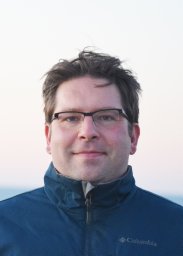 Ingo Braasch合作论文数Department of Biology, University of Konstanz;Biozentrum, University of Würzburg;University of Konstanz, University of Würzburg36
 Catherine Wilson合作论文数Department of Pharmacology, School of Biological Sciences, University of Cambridge33
 Yann Guiguen合作论文数UR 1037-SCRIBE, INRA29
 H. William Detrich合作论文数Department of Biology, Northeastern University Boston29Batzel Peter合作论文数28
 Monte Westerfield合作论文数Department of Biology, College of Arts and Sciences, University of Oregon;Institute of Neuroscience, Office of the Vice President for Research and Innovation, University of Oregon;Zebrafish International Resource Center, University of Oregon27
 Catchen Julian M合作论文数Dept Anim Biol, Univ Illinois22Tom A. Titus合作论文数22
 William Cresko合作论文数The Institute of Ecology and Evolution, University of Oregon21
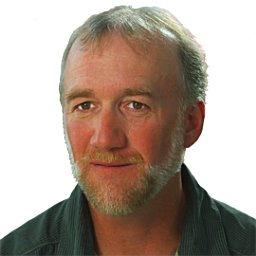 Loren Buck合作论文数Department of Biological Sciences, Northern Arizona University;Universidade de São Paulo21
 Charles Kimmel合作论文数Department of Biology, College of Arts and Sciences, University of Oregon19
 Cristian Cañestro合作论文数Institute of Neuroscience, University of Oregon19
 Leonard Zon合作论文数Department of Stem Cell and Regenerative Biology, Harvard University;Boston Children's Hospital17Ruth A. BreMiller合作论文数17
 Christophe Klopp合作论文数Sigenae UR875 Biométrie et Intelligence Artificielle, INRA16
 Julien Bobe合作论文数S.C.R.I.B.E., Institut National de la Recherche Agronomique16
 Wes Warren合作论文数Department of Animal Sciences, College of Agriculture, Food and Natural Resources, University of Missouri;Christopher S. Bond Life Sciences Center, University of Missouri16Amaury Herpin合作论文数Biozentrum, University of Würzburg15Sydes Jason合作论文数14Xinjun He合作论文数14
 William Talbot合作论文数Stanford University14
 Shinya Yamamoto合作论文数13
 Hugo J Bellen合作论文数Department of Molecular and Human Genetics, Baylor College of Medicine;Jan and Dan Duncan Neurological Research Institute, Texas Children Hospital13
 Ronald Walter合作论文数Department of Chemistry & Biochemistry, Texas State University13Amy Singer合作论文数13
 Laurent Journot合作论文数Institut de Génomique Fonctionnelle, Montpellier, France13Worthey Elizabeth A合作论文数12Kneitz Susanne合作论文数12Elodie Jouanno合作论文数12Draper Bruce W合作论文数12
 Michael Wangler合作论文数Department of Molecular and Human Genetics, Baylor College of Medicine12Barry H. Paw合作论文数12
 Christine M. Eng合作论文数Department of Molecular and Human Genetics, Baylor College of Medicine;Baylor Genetics;Texas Children's Hospital12Anastasia L Wise合作论文数11Jonathan A Bernstein合作论文数11Hugues Parrinello合作论文数11Cecilia Esteves合作论文数11
 Stanley F. Nelson合作论文数David Geffen School of Medicine, University of California, Los Angeles11Chloe Reuter合作论文数Pediatrics Department, Stanford University11
 Romain Feron合作论文数Institut des Sciences de l'Évolution (UMR 5554), Université de Montpellier11
 Rizwan Hamid合作论文数11
 Isaac Kohane合作论文数Department of Biomedical Informatics, Blavatnik Institute, Harvard Medical School;Boston Children's Hospital11
 Euan A. Ashley合作论文数Department of Biomedical Data Science, School of Medicine, Stanford University;Department of Medicine, Stanford University11Adriana Rodríguez-Marí合作论文数11
 Dan Larhammar合作论文数Department of Medical Cell Biology, Uppsala University11




