Background:Ex vivo lung perfusion (EVLP) of donor lungs not otherwise acceptable for transplantation can provide outcomes similar to standard-criteria lung transplantation and has been reported to increase transplant volume by approximately 20% in some transplant centers. Evidence to support decisions about use of EVLP is limited, so expert opinion can be a useful decision aid. This study developed expert consensus recommendations for EVLP with acellular perfusate using a modified Delphi method. Methods:A panel of 18 physicians with expertise in lung transplantation and EVLP who practice in North America completed three surveys on EVLP: Survey 1 used open-ended questions; Survey 2 used primarily Likert-scale questions; and Survey 3 repeated Survey 2 while providing panelists with the Survey 2 results. A follow-up meeting after Survey 3 probed open questions. Results:The primary goal for EVLP is expanding the number of donor lungs available for transplant. Lungs that are acceptable after EVLP are equivalent to lungs that met standard criteria initially. Lungs with unclear or marginal quality should be placed on EVLP for evaluation, including lungs received from third party organizations with incomplete or concerning information. Decisions on whether to put lungs on EVLP require nuanced clinical judgement and should consider compliance and deflation, the ratio of PaO2 to fraction of inspired oxygen (P/F ratio), peak inspiratory pressure (PIP), edema on imaging, and bronchoscopy, with additional parameters considered as appropriate if lung quality is unclear. EVLP lungs are appropriate for transplant if all relevant parameters are acceptable and may be appropriate if some parameters are borderline depending on clinical judgment. Decisions about transplanting EVLP lungs should consider radiography, delta PO2, overall movement, STEEN Solution™ loss, bronchoscopy, peak airway pressure, and palpation, along with other parameters as appropriate. Key open areas for research include evidence-based criteria for lung selection and assessment, the role of biomarkers, and enhanced techniques and perfusion solutions. In addition, the role of EVLP is unclear in lungs with pulmonary emboli and lungs procured with normothermic regional perfusion (NRP), as is the maximal duration of cold ischemia time (CIT). Conclusions:Decisions about EVLP require nuanced consideration of numerous parameters. Expert opinion from this study may help optimize use of EVLP.
This study identified 26 late invasive primary surgical site infection (IP-SSI) within 4-12 months of transplantation among 2073 SOT recipients at Duke University Hospital over the period 2015-2019. Thoracic organ transplants accounted for 25 late IP-SSI. Surveillance for late IP-SSI should be maintained for at least one year following transplant.
BACKGROUND: Reoperative lung transplantation (LTx) survival has improved over time such that a growing number of patients may present for third-time LTx (L3Tx). To understand the safety of L3Tx, we evaluated perioperative outcomes and 3-year survival after L3Tx at a high-volume US LTx center. METHODS: This retrospective study included all patients who underwent bilateral L3Tx at our institution. Using an optimal matching technique, a primary LTx (L1Tx) cohort was matched 1:2 and a second-time LTx (L2Tx) cohort 1:1. Recipient, operative, and donor characteristics, perioperative outcomes, and 3-year survival were compared among L1Tx, L2Tx, and L3Tx groups. RESULTS: Eleven L3Tx, 11 L2Tx, and 22 L1Tx recipients were included. Among L3Tx recipients, median age at transplant was 37 years and most (73%) had cystic fibrosis. L3Tx was performed median 6.0 and 10.6 years after L2Tx and L1Tx, respectively. Compared to L1Tx and L2Tx recipients, L3Tx recipients had greater intraoperative transfusion requirements, a higher incidence of postoperative complications, and a higher rate of unplanned reoperation. Rates of grade 3 primary graft dysfunction at 72 hours, extracorporeal membrane oxygenation at 72 hours, reintubation, and in-hospital mortality were similar among groups. There were no differences in 3-year patient (log-rank p = 0.61) or rejection-free survival (log-rank p = 0.34) after L1Tx, L2Tx, and L3Tx. CONCLUSIONS: At our institution, L3Tx was associated with similar perioperative outcomes and 3year patient survival compared to L1Tx and L2Tx. L3Tx represents the only safe treatment option for patients with allograft failure after L2Tx; however, further investigation is needed to understand the long-term survival and durability of L3Tx. (c) 2023 International Society for Heart and Lung Transplantation. All rights reserved.
Mollicute infections, caused by Mycoplasma and Ureaplasma species, are serious complications after lung transplantation; however, understanding of the epidemiology and outcomes of these infections remains limited. We conducted a single-center retrospective study of 1156 consecutive lung transplants performed from 2010-2019. We used log-binomial regression to identify risk factors for infection and analyzed clinical management and outcomes. In total, 27 (2.3%) recipients developed mollicute infection. Donor characteristics independently associated with recipient infection were age ≤40 years (prevalence rate ratio [PRR] 2.6, 95% CI 1.0-6.9), White race (PRR 3.1, 95% CI 1.1-8.8), and purulent secretions on donor bronchoscopy (PRR 2.3, 95% CI 1.1-5.0). Median time to diagnosis was 16 days posttransplant (IQR: 11-26 days). Mollicute-infected recipients were significantly more likely to require prolonged ventilatory support (66.7% vs 21.4%), undergo dialysis (44.4% vs 6.3%), and remain hospitalized ≥30 days (70.4% vs 27.4%) after transplant. One-year posttransplant mortality in mollicute-infected recipients was 12/27 (44%), compared to 148/1129 (13%) in those without infection (P <.0001). Hyperammonemia syndrome occurred in 5/27 (19%) mollicute-infected recipients, of whom 3 (60%) died within 10 weeks posttransplant. This study highlights the morbidity and mortality associated with mollicute infection after lung transplantation and the need for better screening and management protocols.
BACKGROUND Debate continues regarding the superiority of porcine vs pericardial bioprostheses, and data relevant to this comparison are scant. This study compared late survival and structural valve deterioration of porcine and pericardial mitral valve prostheses. METHODS Adults undergoing mitral valve replacement with 1 first-generation porcine valve model and 1 pericardial valve line were reviewed from a prospectively maintained institutional database between 1976 and 2020. Multivariable regression and Cox proportional hazards analysis were used to compare late outcomes. RESULTS Of 1162 consecutive patients, 612 (53%) received porcine valves and 550 (47%) received pericardial valves. At 10 years, patient survival (porcine, 36% +/- 2%; pericardial, 38% +/- 3%; P = .5) and cumulative incidence of mitral valve structural deterioration (porcine, 18% +/- 2%; pericardial, 19% +/- 3%; P = .3) were similar. The structural failure mode was more likely severe mitral stenosis in pericardial valves (35 of 50 170%] vs 38 of 106 136%]; P < .001), and it was more likely severe mitral regurgitation in porcine valves (80 of 106 175%] vs 19 of 50 138%]; P < .0001). After adjustment, structural deterioration was associated with younger patient age (P < .001) but not valve type. At 10 years, porcine valves demonstrated a higher cumulative incidence of mitral reoperation (19% +/- 2% vs 9% +/- 2%; P < .001) and reoperation for structural deterioration (15% +/- 1% vs 6% +/- 2%; P = .007). CONCLUSIONS This study demonstrated similar rates of 10-year survival and structural deterioration with porcine and pericardial bioprostheses in mitral valve replacement. The study suggests a lack of major improvement in durability of mitral bioprosthetic valves over time. The failure mode may have a greater influence on surgeon decision making regarding valve choice.
BACKGROUND There is no consensus on the optimal allograft sizing strategy for lung transplantation in restrictive lung disease. Current methods that are based on predicted total lung capacity (pTLC) ratios do not account for the diminutive recipient chest size. The study investigators hypothesized that a new sizing ratio incorporating preoperative recipient computed tomographic lung volumes (CTVol) would be associated with postoperative outcomes. METHODS A retrospective single -institution study was conducted of adults undergoing primary bilateral lung transplantation between January 2016 and July 2020 for restrictive lung disease. CTVol was computed for recipients by using advanced segmentation software. Two sizing ratios were calculated: pTLC ratio (pTLCdonor/pTLCrecipient) and a new volumetric ratio (pTLCdonor/CTVolrecipient). Patients were divided into reference, oversized, and undersized groups on the basis of ratio quintiles, and multivariable models were used to assess the effect of the ratios on primary graft dysfunction and survival. RESULTS CTVol was successfully acquired in 218 of 220 (99.1%) patients. In adjusted analysis, undersizing on the basis of the volumetric ratio was independently associated with decreased primary graft dysfunction grade 2 or 3 within 72 hours (odds ratio, 0.42; 95% CI, 0.20-0.87; P =.02). The pTLC ratio was not significantly associated with primary graft dysfunction. Oversizing on the basis of the volumetric ratio was independently associated with an increased risk of death (hazard ratio, 2.27; 95% CI, 1.04-4.99; P =.04], whereas the pTLC ratio did not have a significant survival association. CONCLUSIONS Using computed tomography-acquired lung volumes for donor -recipient size matching in lung transplantation is feasible with advanced segmentation software. This method may be more predictive of outcome compared with current sizing methods, which use gender and height only. (Ann Thorac Surg 2024;117:413-21) (c) 2024 by The Society of Thoracic Surgeons. Published by Elsevier Inc.
ObjectiveBiologic valves dominate tricuspid valve replacement, yet data on different valve types are lacking. We compare the survival and durability of porcine and pericardial tricuspid prostheses.MethodsA retrospective review of consecutive patients undergoing tricuspid valve replacement with porcine (N = 542) or pericardial (N = 144) prostheses between 1975 and 2022 was performed using a prospectively maintained institutional database. Concurrent procedures were included. Cox proportional hazards and logistic regression were performed.ResultsPatients who received the porcine prosthesis, compared with pericardial, were younger (56 ± 17 years vs 63 ± 15 years) and more likely to present urgently (55% porcine, 44% pericardial); however, there were no differences in redo status or concomitant operations. Ten-year survival was not significantly different between the porcine and pericardial groups (35% ± 3% vs 28% ± 4%, respectively, P = .2). The 10-year cumulative incidence of structural valve deterioration (porcine 9% ± 2%, pericardial 11% ± 3%, P = .8), reoperation for structural valve deterioration (porcine 5% ± 1%, pericardial 4% ± 2%, P = .06), and severe regurgitation (porcine 4% ± 1%, pericardial 5% ± 2%, P = .7) were not significantly different between groups. The failure mode was similar, with no difference in severe stenosis (porcine 32/47 [68%], pericardial 11/16 [69%], P = .9) or severe regurgitation (porcine 18/47 [38%], pericardial 7/16 [44%], P = .7). On regression analysis, valve type was not associated with survival (P = .6). Valve type was not associated with structural valve deterioration (P = .1) or reoperation for structural valve deterioration (P = .9).ConclusionsIn our series, there were no differences in survival or durability between porcine and pericardial valves. In most patients undergoing tricuspid valve replacement, the choice of porcine versus pericardial prosthesis is unlikely to affect clinical outcomes.
Mycoplasma hominis and Ureaplasma species are urogenital mollicutes that can cause serious donor-derived infections in lung transplant recipients. Best practices for mollicute screening remain unknown. We conducted a single-center prospective study analyzing lung transplants performed from October 5, 2020, to September 25, 2021, whereby donor and recipient bronchoalveolar lavage (BAL) samples obtained at time of transplant underwent mollicute screening via culture and polymerase chain reaction (PCR). Of 115 total lung transplants performed, 99 (86%) donors underwent combined mollicute BAL culture and PCR testing. The study cohort included these 99 donors and their matched recipients. In total, 18 (18%) of 99 donors screened positive via culture or PCR. Among recipients, 92 (93%) of 99 had perioperative BAL screening performed, and only 3 (3%) had positive results. After transplant, 9 (9%) recipients developed mollicute infection. Sensitivity of donor screening in predicting recipient mollicute infection was 67% (6/9) via culture and 56% (5/9) via PCR. Positive predictive value for donor culture was 75% (6/8), compared with 33% (5/15) for PCR. Donor screening via culture predicted all serious recipient mollicute infections and had better positive predictive value than PCR; however, neither screening test predicted all mollicute infections. Independent of screening results, clinicians should remain suspicious for posttransplant mollicute infection.
Chronic thromboembolic pulmonary hypertension (CTEPH) is a sequelae of acute pulmonary embolism (PE) in which the PE remodels into a chronic scar in the pulmonary arteries. This results in vascular obstruction, small vessel arteriopathy and pulmonary hypertension. Our current understanding of CTEPH pathobiology is primarily derived from cell-based studies limited by the use of specific cell markers or phenotypic modulation in cell culture. Here we used single cell RNA sequencing (scRNAseq) of tissue removed at the time of pulmonary thromboendarterectomy (PTE) surgery to identify the multiple cell types, including macrophages, T cells, and smooth muscle cells, that comprise CTEPH thrombus. Notably, multiple macrophage subclusters were identified but broadly split into two categories, with the larger group characterized by an upregulation of inflammatory signaling predicted to promote pulmonary vascular remodeling. Both CD4+ and CD8+ T cells were identified and likely contribute to chronic inflammation in CTEPH. Smooth muscle cells were a heterogeneous population, with a cluster of myofibroblasts that express markers of fibrosis and are predicted to arise from other smooth muscle cell clusters based on pseudotime analysis. Additionally, cultured endothelial, smooth muscle and myofibroblast cells isolated from CTEPH thrombus have distinct phenotypes from control cells with regards to angiogenic potential and rates of proliferation and apoptosis. Lastly, our analysis identified protease-activated receptor 1 (PAR1) as a potential therapeutic target that links thrombosis to chronic PE in CTEPH, with PAR1 inhibition decreasing smooth muscle cell and myofibroblast proliferation and migration. These findings suggest a model for CTEPH similar to atherosclerosis, with chronic inflammation promoted by macrophages and T cells driving vascular remodeling through smooth muscle cell modulation, and suggest new approaches for pharmacologically targeting this disease.
Donation after circulatory death (DCD) heart procurement is done using either direct procurement (DP) or thoracoabdominal normothermic machine perfusion (TA-NRP). Both approaches could impact lung transplant outcomes with combined heart and lung procurements from the same donor. The impact of such practice on DCD lung transplant remains unstudied. We performed a retrospective analysis using the United Network for Organ Sharing (UNOS) dataset, identifying DCD lung transplants where the donor also donated the heart (cardia lung donor [CD]). A cohort of noncardiac DCD lung donors (noncardiac lung donor [NCD]) from the same era, matched for donor and recipient characteristics, was used as a comparison group. Both immediate and long-term outcomes were examined. A subanalysis was performed comparing the distinct impact of DP or TA-NRP on DCD lung transplant outcomes. Overall graft survival did not significantly differ between CD and NCD. However, recipients in the CD group trended toward a lower P/F ratio at 72 hours (CD vs NCD: 284 vs 3190; P = .054). In the subanalysis, we identified 40 DP donors and 22 TA-NRP donors. We found the both cohorts had lower P/F ratio at 72 hours than the NCD control (P = .04). Overall, 1-year graft survival was equivalent among the TA-NRP, DP, and NCD cohorts.
Objective: To define textbook outcome (TO) for lung transplantation (LTx) using a contemporary cohort from a high-volume institution. Summary Background Data: TO is a standardized, composite quality measure based on multiple postoperative endpoints representing the ideal “textbook” hospitalization. Methods: Adult patients who underwent LTx at our institution between 2016 and 2019 were included. TO was defined as freedom from intraoperative complication, postoperative reintervention, 30-day intensive care unit or hospital readmission, length of stay >75th percentile of LTx patients, 90 day mortality, 30-day acute rejection, grade 3 primary graft dysfunction at 48 or 72 hours, postoperative extracorporeal membrane oxygenation, tracheostomy within 7 days, inpatient dialysis, reintubation, and extubation >48 hours post-transplant. Recipient, operative, financial characteristics, and post-transplant outcomes were recorded from institutional data and compared between TO and non-TO groups. Results: Of 401 LTx recipients, 97 (24.2%) achieved TO. The most common reason for TO failure was extubation >48 hours post-transplant (N = 119, 39.1%); the least common was mortality (N = 15, 4.9%). Patient and graft survival were improved among patients who achieved versus failed TO (patient survival: log-rank P < 0.01; graft survival: log-rank P < 0.01). Rejection-free and chronic lung allograft dysfunction-free survival were similar between TO and non-TO groups (rejection-free survival: log-rank P = 0.07; chronic lung allograft dysfunction-free survival: log-rank P = 0.3). On average, patients who achieved TO incurred approximately $638,000 less in total inpatient charges compared to those who failed TO. Conclusions: TO in LTx was associated with favorable post-transplant outcomes and significant cost-savings. TO may offer providers and patients new insight into transplant center quality of care and highlight areas for improvement.
Objective: Pulmonary insufficiency requiring reintervention frequently occurs after primary tetralogy of Fallot repair. Repeat interventions present a challenge for both the surgeon and patient. We compare a minimally invasive, 5 cm left anterior mini-incision to redo median sternotomy for pulmonary valve replacement in tetralogy of Fallot patients. Methods: Following Internal Review Board approval, we conducted a single institution retrospective review of patients with tetralogy of Fallot who underwent pulmonary valve replacement via redo median sternotomy or left anterior mini-incision between 13 July, 2016 and 6 March, 2020. Results: Twenty-three patients underwent pulmonary valve replacement following primary tetralogy of Fallot repair between March 2016 and March 2020. Twelve patients received a redo-median sternotomy from March 2016 to August 2018. Left anterior mini-incision was first offered in August of 2018 and was chosen by all eleven patients thereafter. The two groups had similar baseline characteristics including preoperative pulmonary valve dysfunction. Early trends suggest a longer cardiopulmonary bypass time for patients who received left anterior mini-incisions. Other outcomes were comparable, including operative times, blood product requirements, residual pulmonary valve dysfunction, postoperative pain, narcotic requirements, ICU length of stay, total length of stay, and postoperative complications. Conclusions: In patients who have previously undergone primary repairs of tetralogy of Fallot, outcomes for pulmonary valve replacement via left anterior mini-incision are comparable to those via redo median sternotomy.
Hypoxia is encountered frequently in the ICU as a result of a wide range of pathologic characteristics. The oxygen-hemoglobin dissociation curve describes hemoglobin's affinity for a given Po2 and factors affecting uptake and offload. Research in manipulating this relationship between hemoglobin and oxygen is sparing. Voxelotor is a hemoglobin oxygen-affinity modulator that is approved by the US Food and Drug Association for use in the management of sickle cell disease. We present two patients without sickle cell disease who underwent treatment with this novel agent to assist with chronic hypoxia and weaning of mechanical support.
•Systolic PVF reversal is specific to severe MR.•We report systolic PVF reversal with severe TR and TS.•This may be caused by interatrial dependence due to elevated RAP.
Objective: In an era of broader lung sharing, different-team transplantation (DT, procuring team from nonrecipient center) may streamline procurement logistics; however, safety and cost implications of DT remain unclear. To understand whether DT represents a safe means to reduce lung transplant (LTx) costs, we compared posttransplant outcomes and lung procurement and index hospitalization costs among matched DT and same-team transplantation (ST, procuring team from recipient center) cohorts at a single, high-volume institution. We hypothesized that DT reduces costs without compromising outcomes after LTx.Methods: Patients who underwent DT between January 2016 to May 2020 were included. A cohort of patients who underwent ST was matched 1:3 (nearest neighbor) based on recipient age, disease group, lung allocation score, history of previous LTx, and bilateral versus single LTx. Posttransplant outcomes and costs were compared between groups.Results: In total, 23 DT and 69 matched ST recipients were included. Perioperative outcomes and posttransplant survival were similar between groups. Compared with ST, DT was associated with similar lung procurement and index hospitalization costs (DT vs ST, procurement: median $65,991 vs $58,847, P = .16; index hospitalization: median $294,346 vs $322,189, P = .7). On average, procurement costs increased $3263 less per 100 nautical miles for DT versus ST; DT offered cost-savings when travel distances exceeded approximately 363 nautical miles.Conclusions: At our institution, DT and ST were associated with similar post-LTx outcomes; DT offered cost-savings with increasing procurement travel distance. These findings suggest that DT may mitigate logistical and financial burdens of lung procurement; however, further investigation in a multi-institutional cohort is warranted. (J Thorac Cardiovasc Surg 2023;165:908-19)
Objective: We developed a hybrid technique for repairing post-myocardial infarction (MI) ventricular septal defect (VSD) that combines infarct exclusion with patch and a nitinol-mesh septal occluder device (SOD) to provide a scaffold to support the damaged septal wall. Here, we compare outcomes of patients with post-MI VSD repaired using patch only or hybrid patch/SOD.Methods: Patients undergoing post-MI VSD repair at our institution from 2013 to 2022 who received patch alone or patch/SOD repair were analyzed. Primary outcome was survival to hospital discharge. Clinical outcomes and echocardiograms were also analyzed.Results: Over a 9-year period, 24 patients had post-MI VSD repair at our institution with either hybrid patch/SOD (n = 10) or patch only repair (n = 14). VSD size was 18 +/- 5.8 mm for patch/SOD and 17 +/- 4.6 mm for patch only. In the patch/SOD repair cohort, average size of SOD implant was 23.6 +/- 5.6 mm. Mild left ventricular dysfunction was present prerepair and was unchanged postrepair in both groups; however, moderate-to-severe right ventricular (RV) dysfunction was common in both groups before repair. RV function worsened or persisted as severe in 10% of hybrid versus 54% of patch-only patients postrepair. Tricuspid annular systolic excursion and RV:left ventricle diameter ratio, quantitative metrics of RV function, improved after patch/SOD repair. No intraoperative mortality occurred in either group. Postoperative renal, hepatic, and respiratory failure requiring tracheostomy was common in both groups. Survival to hospital discharge in both cohorts was 70%.Conclusions: Post-MI VSD repair with patch/SOD has comparable short-term outcomes with patch alone. Addition of a SOD to patch repair provides a scaffold that may enhance the repair of post-MI VSD with patch exclusion.
BACKGROUND The integrated 6-year thoracic surgery (I-6) residency model was developed in part to promote early interest in cardiothoracic surgery in diverse trainees. To determine gaps in and opportunities for recruitment of women and minority groups in the pipeline for I-6 residency, we quantified rates of progression at each training level and trends over time. METHODS We obtained 2015 to 2019 medical student, I-6 applicant, and I-6 resident gender and race/ethnicity de-mographic data from the American Association of Medical Colleges and Electronic Residency Application Service public databases and Accreditation Council for Graduate Medical Education Data Resource Books. We performed c2, Fisher exact, and Cochran-Armitage tests for trend to compare 2015 and 2019. RESULTS Our cross-sectional analysis found increased representation of women and all non-White races/ethnicities, except Native American, at each training level from 2015 to 2019 (P < .001 for all). The greatest trends in increases were seen in the proportions of women (28% vs 22%, P = .46) and Asian/Pacific Islander (25% vs 15%, P = .08) applicants. There was also an increase in the proportions of women (28% vs 24%, P = .024) and White (61% vs 58%, P = .007) I-6 residents, with a trend for Asian/Pacific Islanders (20% vs 17%, P = .08). The proportions of Hispanic (5%) and Black/ African American (2%) I-6 residents in 2019 remained low. CONCLUSIONS I-6 residency matriculation is not representative of medical student demographics and spotlights a need to foster early interest in cardiothoracic surgery among all groups underrepresented in medicine while ensuring that we mitigate bias in residency recruitment. (Ann Thorac Surg 2023;115:771-7)(c) 2023 by The Society of Thoracic Surgeons
OBJECTIVE:To define textbook outcome (TO) for lung transplantation (LTx) using a contemporary cohort from a high-volume institution.SUMMARY BACKGROUND DATA:TO is a standardized, composite quality measure based on multiple postoperative endpoints representing the ideal "textbook" hospitalization.METHODS:Adult patients who underwent LTx at our institution between 2016 and 2019 were included. TO was defined as freedom from intraoperative complication, postoperative reintervention, 30-day intensive care unit or hospital readmission, length of stay >75th percentile of LTx patients, 90 day mortality, 30-day acute rejection, grade 3 primary graft dysfunction at 48 or 72 hours, postoperative extracorporeal membrane oxygenation, tracheostomy within 7 days, inpatient dialysis, reintubation, and extubation >48 hours post-transplant. Recipient, operative, financial characteristics, and post-transplant outcomes were recorded from institutional data and compared between TO and non-TO groups.RESULTS:Of 401 LTx recipients, 97 (24.2%) achieved TO. The most common reason for TO failure was extubation >48 hours post-transplant (N = 119, 39.1%); the least common was mortality (N = 15, 4.9%). Patient and graft survival were improved among patients who achieved versus failed TO (patient survival: log-rank P < 0.01; graft survival: log-rank P < 0.01). Rejection-free and chronic lung allograft dysfunction-free survival were similar between TO and non-TO groups (rejection-free survival: log-rank P = 0.07; chronic lung allograft dysfunction-free survival: log-rank P = 0.3). On average, patients who achieved TO incurred approximately $638,000 less in total inpatient charges compared to those who failed TO.CONCLUSIONS:TO in LTx was associated with favorable post-transplant outcomes and significant cost-savings. TO may offer providers and patients new insight into transplant center quality of care and highlight areas for improvement.
 Matthew G. Hartwig合作论文数20Klapper Jacob合作论文数18
 Jacob Niall Schroder合作论文数Department of Surgery, School of Medicine, Duke University13
 Carmelo Alessio Milano合作论文数Cardiothoracic Surgery Translational Research Laboratory, Duke University;Division of Cardiothoracic Surgery, School of Medicine, Duke University12
 Mani Daneshmand合作论文数Division of Cardiothoracic Surgery, Department of Surgery, Emory University School of Medicine12Samantha E Halpern合作论文数11
 John Michael Reynolds合作论文数Department of Medicine, School of Medicine, Duke University School of Medicine9
 Joseph W Turek合作论文数Department of Surgery, School of Medicine, Duke University School of Medicine8Nellis Joseph R合作论文数8Jeffrey G. Gaca合作论文数8
 Andrew M Vekstein合作论文数Department of Surgery, Duke University Medical Center6
 Benjamin S Bryner合作论文数Feinberg School of Medicine, Northwestern University6
 Ian J. Welsby合作论文数Duke Anesthesiology, Duke University School of Medicine6Madison K Krischak合作论文数5
 Cameron Robert Wolfe合作论文数Department of Medicine, School of Medicine, Duke University School of Medicine5
 Barbara Dudley Alexander合作论文数Department of Medicine, School of Medicine, Duke University;Department of Molecular Genetics and Microbiology, School of Medicine, Duke University5
 Madhav Swaminathan合作论文数Duke Anesthesiology, Duke University School of Medicine5Bonadonna Desiree合作论文数5
 Donald D. Glower合作论文数Department of Surgery, School of Medicine, Duke University5
 Nicholas D Andersen合作论文数5
 Yen-Rei Yu合作论文数4John M Reynolds合作论文数4Brittany A Zwischenberger合作论文数4
 Ashley Y Choi合作论文数Duke Univ, Med Ctr, Dept Surg, Duke Transplant Ctr, Durham, NC 27710 USA4Danae Olaso合作论文数4
 Mihai V. Podgoreanu合作论文数Duke Anesthesiology, Duke University School of Medicine4
 Alina Nicoara合作论文数Duke Anesthesiology, Duke University School of Medicine4
 Brandi Anne Bottiger合作论文数Department of Anesthesiology, Duke University4
 Sudarshan Rajagopal合作论文数Department of Biochemistry, Duke University School of Medicine;Duke Cardiology Clinic;Duke University Hospital4Onaitis Mark W合作论文数4
 Yaron D. Barac合作论文数Clalit Health Services;The Sackler Faculty of Medicine, Tel Aviv University;The Cardiothoracic Surgery Translational Research Laboratory, Tel Aviv University;Division of Cardiovascular and Thoracic Surgery, Rabin Medical Center4
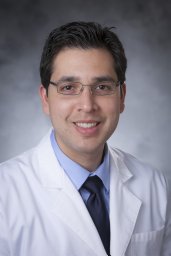 Andrew S. Barbas合作论文数Medical Center, Duke University4
 Theodore N. Pappas合作论文数Department of Surgery, School of Medicine, Duke University4Rebecca P. Petersen合作论文数4
 Thomas Anthony D'Amico合作论文数Department of Surgery, School of Medicine, Duke University4David H. Stone合作论文数3Dimitrios Moris合作论文数3Adam Williams合作论文数3T D'Amico合作论文数Div Endocrinol, Univ Roma La Sapienza3Sandra Au合作论文数3
 Jacob A Klapper合作论文数Department of Surgery, School of Medicine, Duke University School of Medicine3
 Michael Yarrington合作论文数Department of Medicine, School of Medicine, Duke University School of Medicine3
 Rachel Ann Miller合作论文数Department of Medicine, School of Medicine, Duke University School of Medicine3
 Arthur Wakefield Baker合作论文数Department of Medicine, Duke University School of Medicine3
 Sana Arif合作论文数Department of Medicine, Duke University School of Medicine3
 Sharon L. McCartney合作论文数Duke Anesthesiology, Duke University School of Medicine3
 Michael W. Manning合作论文数Duke Anesthesiology, Duke University School of Medicine3
 Kamrouz Ghadimi合作论文数Department of Anesthesiology, Duke University School of Medicine3Bartz Raquel R合作论文数Department of Anesthesiology, Duke University School of Medicine;Durham Veterans Affairs Medical Center;Durham Veterans Affairs Medical Center, Duke University School of Medicine3




