Chronic conditions associated with aging have proven difficult to prevent or treat. Senescence is a cell fate defined by loss of proliferative capacity and the development of a pro-inflammatory senescence-associated secretory phenotype comprised of cytokines/chemokines, proteases, and other factors that promotes age-related diseases. Specifically, an increase in senescent peripheral blood mononuclear cells (PBMCs), including T cells, is associated with conditions like frailty, rheumatoid arthritis, and bone loss. However, it is unknown if the percentage of senescent PBMCs associated with age-associated orthopedic decline could be used for potential diagnostic or prognostic use in orthopedics. Here, we report senescent cell detection using the fluorescent compound C12FDG to quantify PBMCs senescence across a large cohort of healthy and osteoarthritic patients. There is an increase in the percent of circulating C12FDG+ PBMCs that is commensurate with increases in age and senescence-related serum biomarkers. Interestingly, C12FDG+ PBMCs and T cells also were found to be elevated in patients with mild to moderate osteoarthritis, a progressive joint disease that is strongly associated with inflammation. The percent of C12FDG+ PBMCs and age-related serum biomarkers were decreased in a small subgroup of study participants taking the senolytic drug fisetin. These results demonstrate quantifiable measurements in a large group of participants that could create a composite score of healthy aging sensitive enough to detect changes following senolytic therapy and may predict age-related orthopedic decline. Detection of peripheral senescence in PBMCs and subsets using C12FDG may be clinically useful for quantifying cellular senescence and determining how and if it plays a pathological role in osteoarthritic progression.
Mesenchymal stem cells (MSCs) have long been viewed as a promising therapeutic for musculoskeletal repair. However, regulatory concerns including tumorgenicity, inconsistencies in preparation techniques, donor-to-donor variability, and the accumulation of senescence during culture expansion have hindered the clinical application of MSCs. Senescence is a driving mechanism for MSC dysfunction with advancing age. Often characterized by increased reactive oxygen species, senescence-associated heterochromatin foci, inflammatory cytokine secretion, and reduced proliferative capacity, senescence directly inhibits MSCs efficacy as a therapeutic for musculoskeletal regeneration. Furthermore, autologous delivery of senescent MSCs can further induce disease and aging progression through the secretion of the senescence-associated secretory phenotype (SASP) and mitigate the regenerative potential of MSCs. To alleviate these issues, the use of senolytic agents to selectively clear senescent cell populations has become popular. However, their benefits to attenuating senescence accumulation in human MSCs during the culture expansion process have not yet been elucidated. To address this, we analyzed markers of senescence during the expansion of human primary adipose-derived stem cells (ADSCs), a population of fat-resident MSCs commonly used in regenerative medicine applications. Next, we used the senolytic agent fisetin to determine if we can reduce these markers of senescence within our culture-expanded ADSC populations. Our results indicate that ADSCs acquire common markers of cellular senescence including increased reactive oxygen species, senescence-associated β-galactosidase, and senescence-associated heterochromatin foci. Furthermore, we found that the senolytic agent fisetin works in a dose-dependent manner and selectively attenuates these markers of senescence while maintaining the differentiation potential of the expanded ADSCs.
Aging leads to several geriatric conditions including osteoporosis (OP) and associated frailty syndrome. Treatments for these conditions are limited and none target fundamental drivers of pathology, and thus identifying strategies to delay progressive loss of tissue homeostasis and functional reserve will significantly improve quality of life in elderly individuals. A fundamental property of aging is the accumulation of senescent cells. Senescence is a cell state defined by loss of proliferative capacity, resistance to apoptosis, and the release of a proinflammatory and anti-regenerative senescence-associated secretory phenotype (SASP). The accumulation of senescent cells and SASP factors is thought to significantly contribute to systemic aging. Senolytics—compounds which selectively target and kill senescent cells—have been characterized to target and inhibit anti-apoptotic pathways that are upregulated during senescence, which can elicit apoptosis in senescent cells and relieve SASP production. Senescent cells have been linked to several age-related pathologies including bone density loss and osteoarthritis in mice. Previous studies in murine models of OP have demonstrated that targeting senescent cells pharmacologically with senolytic drugs can reduce symptomology of the disease. Here, we demonstrate the efficacy of senolytic drugs (dasatinib, quercetin, and fisetin) to improve age-associated degeneration in bone using the Zmpste24−/− (Z24−/−) progeria murine system for Hutchinson–Gilford progeria syndrome (HGPS). We found that the combination of dasatinib plus quercetin could not significantly mitigate trabecular bone loss although fisetin administration could reduce bone density loss in the accelerated aging Z24−/− model. Furthermore, the overt bone density loss observed in the Z24−/− model reported herein highlights the Z24 model as a translational model to recapitulate alterations in bone density associated with advanced age. Consistent with the “geroscience hypothesis,” these data demonstrate the utility of targeting a fundamental driver of systemic aging (senescent cell accumulation) to alleviate a common condition with age, bone deterioration.
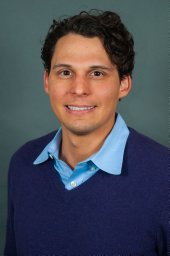 William S Hambright合作论文数Center for Regenerative and Personalized Medicine (CRPM), Steadman Philippon Research Institute4
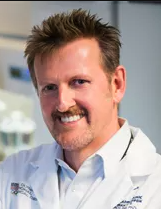 Johnny Huard合作论文数Center for Regenerative Sports Medicine, Steadman Philippon Research Institute;Department of Clinical and Biomedical Sciences, College of Veterinary Medicine, Colorado State University4
 Michael Mullen合作论文数Linda and Mitch Hart Center for Regenerative and Personalized Medicine, Steadman Philippon Research Institute3
 Heidi Kloser合作论文数2Anna Laura Nelson合作论文数2Charles Huard合作论文数United2Ping Guo (郭平)合作论文数Steadman Philippon Res Inst2
 Bahney Chelsea S合作论文数University of California, University of California, San Francisco2
 Xueqin Gao (高雪芹)合作论文数Shandong Academy of Medical Sciences, Shandong Jining Health School2
 Verena Oberlohr合作论文数1Haylie Lengel合作论文数1Jake Billings合作论文数1
 Charles A Su合作论文数1
 Victoria Duke合作论文数Steadman Philippon Research Institute1Kaitlyn E. Whitney合作论文数1
 Sudheer Ravuri合作论文数Center for Regenerative and Personalized Medicine, Steadman Philippon Research Institute1Yohei Kawakami合作论文数1
 James Kirkland合作论文数Center for Advanced Gerotherapeutics, Cedars-Sinai;Cedars-Sinai Medical Center;College of Medicine, Mayo Clinic1
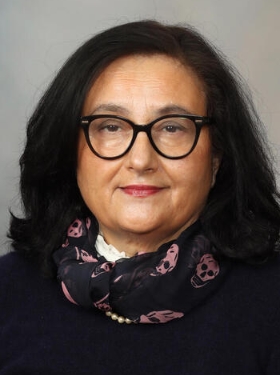 Tamar Tchkonia合作论文数Cedars-Sinai Medical Center1Lu Aiping合作论文数1
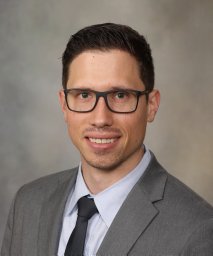 Hellwinkel Justin E合作论文数1
 Marc J Philippon合作论文数1
 Paul Robbins合作论文数College of Biological Sciences, University of Minnesota;Institute on the Biology of Aging and Metabolism, University of Minnesota1
 Xiaodong mu合作论文数Baylor College of Medicine1
 Haruki Nishimura合作论文数1Laura J. Niedernhofer合作论文数1




