The synthesis of metal oxide nanostructures commonly requires sophisticated scientific apparatus, complex synthesis processes, and time-inefficient processes, or produces undesirable by-products. We have overcome these challenges by developing a low-cost and time-effective synthesis technique that allows considerable control of growth energetics enabling exploration of crystal phases that occupy small regions of phase space. Here, we report on nanostructures of tungsten oxide WO2.76 (W17O47) synthesized in a single-step process, which takes roughly one minute to grow WO2.76 and an additional roughly 30 min for preparation. The nanostructures were synthesized directly onto tungsten filaments by resistive heating of tungsten wire in an oxygen environment. The nanostructures are rod-shaped with an average diameter of 25 +/- 9 nm. Their physical properties were investigated through an arsenal of experimental probes including scanning electron microscopy, X-ray diffraction, Raman spectroscopy, transmission electron microscopy, X-ray photoelectron spectroscopy, electrochemical impedance spectroscopy, and cyclic voltammetry. The improved electrochemical performance in comparison to WO3 along with its large dielectric constant suggests that despite WO2.76 being somewhat elusive to researchers, it demonstrates the potential of this compound for functional applications such as supercapacitors and photocatalytic water splitting.
Chalcogenide nanoparticles have become a very active field of research for their optoelectronic and biological properties. This article shows the production of tellurium dioxide nanoparticles (TeO2 NPs) by pulsed laser ablation in liquids. The produced nanoparticles were spherical with a diameter of around 70 nm. The energy band gap of those nanoparticles was determined to be around 5.2 eV. Moreover, TeO2 NPs displayed a dose-dependent antibacterial effect against antibiotic-resistant bacteria such as multidrug-resistant Escherichia coli (MDR E. coli) and methicillin-resistant Staphylococcus aureus (MR S. aureus). The "naked" nature of the nanoparticle surface helped to eradicate the antibiotic-resistant bacteria at a very low concentration, with IC50 values of ∼4.3 ± 0.9 and 3.7 ± 0.2 ppm for MDR E. coli and MR S. aureus, respectively, after just 8 h of culture. Further, the IC50 values of the naked TeO2 NPs against melanoma (skin cancer) and healthy fibroblasts were 1.6 ± 0.7 and 5.5 ± 0.2 ppm, respectively, for up to 72 h. Finally, to understand these optimal antibacterial and anticancer properties of the TeO2 NPs, the reactive oxygen species generated by the nanoparticles were measured. In summary, the present in vitro results demonstrate much promise for the presently prepared TeO2 NPs and they should be studied for a wide range of safe antibacterial and anticancer applications.
Summary The link between folate deficiency and congenital spina bifida defects was first suggested in the 1960s. Although the prevention of these defects by preconception folic acid supplementation was confirmed in a large multi-centre controlled trial in 1991, its subsequent implementation as health education advice has made very little difference. North America’s policy of folic acid fortification of flour and bread has had a beneficial impact. No European country has implemented fortification due to concern over possible adverse effects on older subjects, but a recent review shows these to be largely hypothetical and far outweighed by beneficial effects. Recent research by Menezo et al. has, however, shown that folic acid is ineffective for some women with severe fertility problems including recurrent miscarriage and failed in vitro fertilisation. There is a genetically determined bottleneck (677TT) in their folate metabolism that can be successfully overridden by going straight to the next step in the metabolic pathway and taking 5-methylytetrahydrofolate, as a preconception supplement. Menezo suggests that all women with fertility problems should be tested for 677TT. If fortification of flour and bread is to be implemented in the UK, there should be monitoring for possible adverse effects including the incidence of colorectal cancers and cognitive decline. In conclusion, whilst there are concerns that fortification could have a detrimental effect on these conditions, there is sound evidence that it would have much greater beneficial effects.
Advanced Functional MaterialsVolume 30, Issue 51 2070339 FrontispieceFree Access Binary Oxide Superlattices: Versatile Tunability of the Metal Insulator Transition in (TiO2)m/(VO2)m Superlattices (Adv. Funct. Mater. 51/2020) Gyula Eres, Gyula Eres Oak Ridge National Laboratory, Materials Science and Technology Division, Oak Ridge, TN, 37831 USASearch for more papers by this authorShinbuhm Lee, Shinbuhm Lee Oak Ridge National Laboratory, Materials Science and Technology Division, Oak Ridge, TN, 37831 USA Department of Emerging Materials Science, Daegu-Gyeongbuk Institute of Science and Technology, Daegu, 42988 Republic of KoreaSearch for more papers by this authorJohn Nichols, John Nichols Oak Ridge National Laboratory, Materials Science and Technology Division, Oak Ridge, TN, 37831 USASearch for more papers by this authorChanghee Sohn, Changhee Sohn Oak Ridge National Laboratory, Materials Science and Technology Division, Oak Ridge, TN, 37831 USASearch for more papers by this authorJong Mok Ok, Jong Mok Ok Oak Ridge National Laboratory, Materials Science and Technology Division, Oak Ridge, TN, 37831 USASearch for more papers by this authorAlessandro R. Mazza, Alessandro R. Mazza Oak Ridge National Laboratory, Materials Science and Technology Division, Oak Ridge, TN, 37831 USASearch for more papers by this authorChenze Liu, Chenze Liu Department of Materials Science and Engineering, University of Tennessee, Knoxville, TN, 37996 USASearch for more papers by this authorGerd Duscher, Gerd Duscher Department of Materials Science and Engineering, University of Tennessee, Knoxville, TN, 37996 USASearch for more papers by this authorHo Nyung Lee, Ho Nyung Lee Oak Ridge National Laboratory, Materials Science and Technology Division, Oak Ridge, TN, 37831 USASearch for more papers by this authorDaniel E. McNally, Daniel E. McNally Paul Scherrer Institut, Photon Science Division, Villigen PSI, CH-5232 SwitzerlandSearch for more papers by this authorXingye Lu, Xingye Lu Paul Scherrer Institut, Photon Science Division, Villigen PSI, CH-5232 SwitzerlandSearch for more papers by this authorMilan Radovic, Milan Radovic Paul Scherrer Institut, Photon Science Division, Villigen PSI, CH-5232 SwitzerlandSearch for more papers by this authorThorsten Schmitt, Thorsten Schmitt Paul Scherrer Institut, Photon Science Division, Villigen PSI, CH-5232 SwitzerlandSearch for more papers by this author Gyula Eres, Gyula Eres Oak Ridge National Laboratory, Materials Science and Technology Division, Oak Ridge, TN, 37831 USASearch for more papers by this authorShinbuhm Lee, Shinbuhm Lee Oak Ridge National Laboratory, Materials Science and Technology Division, Oak Ridge, TN, 37831 USA Department of Emerging Materials Science, Daegu-Gyeongbuk Institute of Science and Technology, Daegu, 42988 Republic of KoreaSearch for more papers by this authorJohn Nichols, John Nichols Oak Ridge National Laboratory, Materials Science and Technology Division, Oak Ridge, TN, 37831 USASearch for more papers by this authorChanghee Sohn, Changhee Sohn Oak Ridge National Laboratory, Materials Science and Technology Division, Oak Ridge, TN, 37831 USASearch for more papers by this authorJong Mok Ok, Jong Mok Ok Oak Ridge National Laboratory, Materials Science and Technology Division, Oak Ridge, TN, 37831 USASearch for more papers by this authorAlessandro R. Mazza, Alessandro R. Mazza Oak Ridge National Laboratory, Materials Science and Technology Division, Oak Ridge, TN, 37831 USASearch for more papers by this authorChenze Liu, Chenze Liu Department of Materials Science and Engineering, University of Tennessee, Knoxville, TN, 37996 USASearch for more papers by this authorGerd Duscher, Gerd Duscher Department of Materials Science and Engineering, University of Tennessee, Knoxville, TN, 37996 USASearch for more papers by this authorHo Nyung Lee, Ho Nyung Lee Oak Ridge National Laboratory, Materials Science and Technology Division, Oak Ridge, TN, 37831 USASearch for more papers by this authorDaniel E. McNally, Daniel E. McNally Paul Scherrer Institut, Photon Science Division, Villigen PSI, CH-5232 SwitzerlandSearch for more papers by this authorXingye Lu, Xingye Lu Paul Scherrer Institut, Photon Science Division, Villigen PSI, CH-5232 SwitzerlandSearch for more papers by this authorMilan Radovic, Milan Radovic Paul Scherrer Institut, Photon Science Division, Villigen PSI, CH-5232 SwitzerlandSearch for more papers by this authorThorsten Schmitt, Thorsten Schmitt Paul Scherrer Institut, Photon Science Division, Villigen PSI, CH-5232 SwitzerlandSearch for more papers by this author First published: 15 December 2020 https://doi.org/10.1002/adfm.202070339AboutPDF ToolsRequest permissionExport citationAdd to favoritesTrack citation ShareShare Give accessShare full text accessShare full-text accessPlease review our Terms and Conditions of Use and check box below to share full-text version of article.I have read and accept the Wiley Online Library Terms and Conditions of UseShareable LinkUse the link below to share a full-text version of this article with your friends and colleagues. Learn more.Copy URL Share a linkShare onFacebookTwitterLinkedInRedditWechat Graphical Abstract The fabrication of binary oxide superlattices is undertaken as a general approach for exploring novel concepts and phenomena in reduced dimensionality systems of strongly correlated oxides. In article number 2004914, Gyula Eres, Milan Radovic, Thorsten Schmitt, and co-workers achieve a wide range of tunability of the metal insulator transition in VO2 while reducing oxygen vacancy formation that is detrimental to electrical properties. The design was prepared by Yun-Yi Pai and Gyula Eres both of ORNL. Volume30, Issue51December 15, 20202070339 RelatedInformation
Perovskite rhodates are characterized by intermediate strengths of both electronic correlation as well as spin-orbit coupling (SOC) and usually behave as moderately correlated metals. A recent publication (Phys. Rev. B 95, 245121(2017)) on epitaxial SrRhO$_3$ thin films unexpectedly reported a bad-metallic behavior and suggested the occurrence of antiferromagnetism below 100 K. We studied this SrRhO$_3$ thin film by hard x-ray photoemission spectroscopy and found a very small density of states (DOS) at Fermi level, which is consistent with the reported bad-metallic behavior. However, this negligible DOS persists up to room temperature, which contradicts with the explanation of antiferromagnetic transition at around 100 K. We also employed electronic structure calculations within the framework of density functional theory and dynamical mean-field theory. In contrast to the experimental results, our calculations indicate metallic behavior of both bulk SrRhO$_3$ and the SrRhO$_3$ thin film. The thin film exhibits stronger correlation effects than the bulk, but the correlation effects are not sufficient to drive a transition to an insulating state. The calculated uniform magnetic susceptibility is substantially larger in the thin film than that in the bulk. The role of SOC was also investigated and only a moderate modulation of the electronic structure was observed. Hence SOC is not expected to play an important role for electronic correlation in SrRhO$_3$.
Chiral interactions in magnetic systems can give rise to rich physics manifested, for example, as nontrivial spin textures. The foremost interaction responsible for chiral magnetism is the Dzyaloshinskii-Moriya interaction (DMI), resulting from inversion symmetry breaking in the presence of strong spin-orbit coupling. However, the atomistic origin of DMIs and their relationship to emergent electrodynamic phenomena, such as topological Hall effect (THE), remain unclear. Here, we investigate the role of interfacial DMIs in 3d-5d transition metal-oxide-based LaMnO3/SrIrO3 superlattices on THE from a chiral spin texture. By additively engineering the interfacial inversion symmetry with atomic-scale precision, we directly link the competition between interfacial collinear ferromagnetic interactions and DMIs to an enhanced THE. The ability to control the DMI and resulting THE points to a pathway for harnessing interfacial structures to maximize the density of chiral spin textures useful for developing high-density information storage and quantum magnets for quantum information science.
In contrast to perovskites that share only common corners of cation‐occupied octahedra, binary‐oxides in addition share edges and faces increasing the versatility for tuning the properties and functionality of reduced dimensionality systems of strongly correlated oxides. This approach for tuning the electronic structure is based on the ability of X‐ray spectroscopy methods to monitor the creation and transformation of occupied and unoccupied electronic states produced by interface coupling and lattice distortions. X‐ray diffraction reveals a new range of structural metastability in (TiO 2 ) m /(VO 2 ) m /TiO 2 (001) superlattices with m = 1, 3, 5, 20, 40, and electrical transport measurements show metal insulator transition (MIT) behavior typically associated with presence of high oxygen vacancy concentrations. However, X‐ray absorption spectroscopy (XAS) at the Ti and V L 3,2 ‐edge and resonant inelastic X‐ray scattering (RIXS) at the Ti and V L 3 ‐edge show no excitations characteristic of oxygen vacancy induced valance change in V and negligible intensities in Ti RIXS. The unexpected absence of oxygen vacancy related states in the X‐ray spectroscopy data suggests that superlattice fabrication is capable of suppressing oxygen vacancy formation while still affording a wide tunability range of the MIT. Achieving a wide range of MIT tunability while reducing or eliminating oxygen vacancies that are detrimental to electrical properties is highly desirable for technological applications of strongly correlated oxides.
We report three-dimensional Mott variable-range hopping (3D Mott-VRH) transport of Sr2IrO4 epitaxial thin films, with a transition to Efros-Shklovskii variable-range hopping (ES-VRH) with increased misfit strain or isovalent doping. We have observed that the characteristic temperature of 3D Mott-VRH transport decreases under increased misfit strain, implying that the density of states near the Fermi energy is reconstructed. With further increased misfit strain (or doping with Ca or Ba ions), a crossover from the 3D Mott-VRH to ES-VRH transport takes place due to increased carrier localization by disorder, opening a Coulomb gap by increasing the effective electron-correlation. The results of magnetoresistance measurements also confirm that the disorder caused by misfit strain or isovalent doping plays an important role in the electronic transport of these Sr2IrO4 thin films. Our experimental observations propose that subtle external stimuli such as structural modifications can modulate the electronic properties of the relativistic Mott insulator, suggesting an unprecedented pathway for electronic device applications.
The epitaxy of complex-oxide thin films and heterostructures provides an immense challenge in designing novel functional oxides, enabling us to explore previously unavailable phase space regions. It has been recently shown that strong spin-orbit coupling offered in 5d transition metal oxides can be used to create or manipulate many interesting quantum mechanical behaviors. This perfect marriage between exotic materials and thin film synthesis has inspired many researchers to overcome the technical challenges associated with growing thin films and artificial heterostructures that include these 5d oxides to manipulate their novel properties. Here, we chronicle the motivation and results of these recent studies, which include details of thin film synthesis along with results for both phase pure and multilayer systems. In addition, we also provide some insight for the future direction of this community.
BACKGROUND:When advising patients on diet and health, the general practitioner (GP) makes judgements based on the evidence available. Since current evidence on diet and cardiovascular disease is conflicted and confusing, we surveyed the current consensus amongst GPs. The aim of this study was to determine the views of GPs on dietary saturated fat, carbohydrates and long chain omega-3 fatty acids in the management of cardiovascular disease.METHOD:An online questionnaire inviting participants to comment on seven contentious statements on diet and cardiovascular disease. Questionnaire circulated to the 1800 members of South West Thames Faculty of the Royal College of General Practitioners (RCGP). Participants were invited to tick "Agree", "Disagree" or "Not sure" and were encouraged to add comments for each question. The results were analysed with a combination of statistical analysis and thematic analysis of comments.RESULTS:There were 89 responses. Most GPs seem well aware that drug treatment alone is inadequate and that dietary advice is important. However, there was considerable disagreement about the roles of saturated fats and carbohydrates in cardiovascular disease and "Not sure" responses ranged from 12 to 40.7%. The 40.7% related to a statement on long chain omega-3 fatty acids. Analysis of comments revealed more opinions including an awareness of the need to warn patients about trans-fatty acids.CONCLUSIONS:Although the GP response rate was poor, responders do seem to see dietary advice as part of their role but do not consider themselves as experts. Education in this area should have a higher priority.
Deliberate control of oxygen vacancy formation and migration in perovskite oxide thin films is important for developing novel electronic and iontronic devices. Here, it is found that the concentration of oxygen vacancies (V-O) formed in LaNiO3 (LNO) during pulsed laser deposition is strongly affected by the chemical potential mismatch between the LNO film and its proximal layers. Increasing the V-O concentration in LNO significantly modifies the degree of orbital polarization and drives the metal-insulator transition. Changes in the nickel oxidization state and carrier concentration in the films are confirmed by soft X-ray absorption spectroscopy and optical spectroscopy. The ability to unidirectional-control the oxygen flow across the heterointerface, e.g., a so-called oxygen diode, by exploiting chemical potential mismatch at interfaces provides a new avenue to tune the physical and electrochemical properties of complex oxides.
The theory that raised blood homocysteine is a major factor in the development of cardiovascular disease was initially rejected by the medical establishment. Trials of a treatment to lower homocysteine in moderately advanced disease have failed to show benefits (except in those not treated with anti-platelet drug), but there is mounting evidence for a role in treatment of very early disease and as a preventive strategy. Recent evidence has shown that lowering of high blood homocysteine significantly slows cognitive decline and the brain shrinkage associated with Alzheimer's disease. This is a test that should be done more frequently by National Health Service (NHS) general practitioners and private practitioners.
A risk score for lung cancer derived from genetic and clinical data has been shown to motivate smokers to quit. However, smokers with a relatively low (but not insignificant) risk score are more likely to carry on smoking. To understand this observation, the balance between smoking cessation motivators and de‐motivators must be understood. A relatively low risk score can act as a de‐motivator. Other de‐motivators that have been recorded and were observed by researchers involved in this project were: nicotine addiction and fear of withdrawal symptoms, optimism bias, confirmation bias, attentional bias, post‐traumatic stress disorder (PTSD), anxieties about smoking cessation and weight gain, side effects of smoking cessation therapy, fatalism, peer pressure and lack of family cohesion. This long list of de‐motivators serves to emphasize the complexity of the psychological make‐up of the individual smoker. This is illustrated by a set of case histories (anonymised for confidentiality). The future use of a risk score as a smoking cessation motivator is discussed and suggestions are made as to how a risk score could be made more effective including inclusion of scoring for cardiovascular risk.
As genetic tests become cheaper, the possibility of their widespread availability must be considered. This study involves a risk score for lung cancer in smokers that is roughly 50% genetic (50% clinical criteria). The risk score has been shown to be effective as a smoking cessation motivator in hospital recruited subjects (not actively seeking cessation services).
Strong interplay of fundamental order parameters in complex oxides are known to give rise to exotic physical phenomena. The 4d transition metal oxide SrRhO3 has generated much interest, but advances have been hindered by difficulties in preparing single crystalline phases. Here, we have epitaxially stabilized high quality single crystalline SrRhO3 films and investigated their structural, electronic, and magnetic properties. We determine that their properties significantly differ from the paramagnetic metallic ground state that governs bulk samples and are strongly related to rotations of the RhO6 octahedra.
The behavior of matter near a quantum critical point (QCP) is one of the most exciting and challenging areas of physics research. Emergent phenomena such as high-temperature superconductivity are linked to the proximity to a QCP. Although significant progress has been made in understanding quantum critical behavior in some low dimensional magnetic insulators, the situation in metallic systems is much less clear. Here we demonstrate that NiCoCrx single crystal alloys are remarkable model systems for investigating QCP physics in a metallic environment. For NiCoCrx alloys with x = 0.8, the critical exponents associated with a ferromagnetic quantum critical point (FQCP) are experimentally determined from low temperature magnetization and heat capacity measurements. For the first time, all of the five critical exponents ( gamma-subT =1/2 , beta-subT = 1, delta = 3/2, nuz-subm = 2, alpha-bar-subT = 0) are in remarkable agreement with predictions of Belitz-Kirkpatrick-Vojta (BKV) theory in the asymptotic limit of high disorder. Using these critical exponents, excellent scaling of the magnetization data is demonstrated with no adjustable parameters. We also find a divergence of the magnetic Gruneisen parameter, consistent with a FQCP. This work therefore demonstrates that entropy stabilized concentrated solid solutions represent a unique platform to study quantum critical behavior in a highly tunable class of materials.
 Ho Nyung Lee合作论文数Oak Ridge National Laboratory27
 Ambrose Seo合作论文数Dept Phys & Astron, Univ Kentucky18
 Gang Cao合作论文数Department of Physics, College of Arts and Sciences, University of Colorado Boulder15
 J.W. Brill合作论文数Department of Physics and Astronomy, University of Kentucky13J. Terzic合作论文数University of Kentucky, University of Kentucky12Meyer Tricia L合作论文数11Changhee Sohn合作论文数Institute for Basic Science (IBS),, Seoul National University11
 Erjia Guo (郭尔佳)合作论文数Key Lab for Optical Physics, Institute of Physics, Chinese Academy of Sciences;University of Chinese Academy of Sciences10
 M. R. Fitzsimmons合作论文数Los Alamos National Laboratory10
 Shinbuhm Lee合作论文数Dept Emerging Mat Sci, Daegu Gyeongbuk Inst Sci & Technol9J. G. Connell合作论文数8
 John William Freeland合作论文数X-ray Science Division, Argonne National Laboratory;Department of Physics, Northern Illinois University8
 Andreas Herklotz合作论文数Mat Sci & Technol Div, Oak Ridge Natl Lab8
 Zac Ward合作论文数Center for Nanophase Materials Sciences, Oak Ridge National Laboratory8
 Ryan D. Desautels合作论文数8Jonathan R. Petrie合作论文数7
 Xiang Gao合作论文数7
 John Gruenewald合作论文数6
 Qian Li (李千)合作论文数School of Materials Science and Engineering, Tsinghua University6O. B. Korneta合作论文数6
 Sergei V. Kalinin合作论文数Tennessee Quantum Center, The University of Tennessee, Knoxville;Department of Materials Science and Engineering, Tickle College of Engineering, The University of Tennessee, Knoxville;Pacific Northwest National Laboratory6
 John W. Freeland合作论文数Argonne National Laboratory6
 Timothy Charlton合作论文数Neutron Scattering Division, Oak Ridge National Laboratory;MR Instrument Team, Oak Ridge National Laboratory6
 Valeria Lauter合作论文数Oak Ridge Natl Lab, Spallat Neutron Source5
 Manuel A. Roldan合作论文数5M. Souri合作论文数4Justin Thompson合作论文数4
 Satoshi Okamoto合作论文数Materials Science Technology Division, Oak Ridge National Laboratory4
 Jian Liu合作论文数Dept Phys, Univ Arkansas4
 L. E. De Long合作论文数Department of Physics and Astronomy, University of Kentucky4
 Gyula Eres合作论文数4
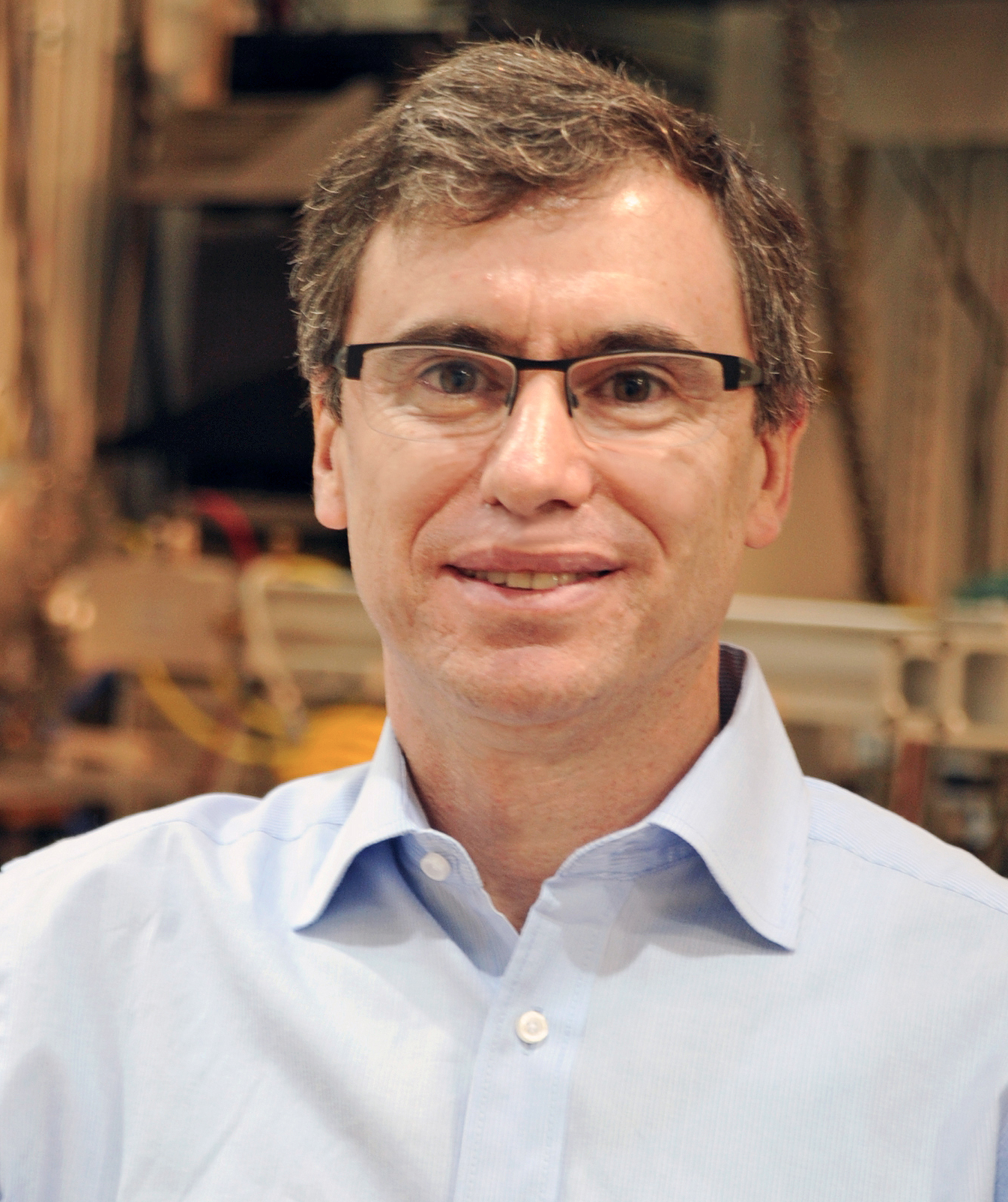 Daniel Haskel合作论文数Argonne National Laboratory;Northwestern Argonne Institute of Science and Engineering4L. Ladino合作论文数3
 Armin Ansary合作论文数3Williams Peter合作论文数3
 Jinwoo Hwang合作论文数Materials Science and Engineering, Ohio State University3
 Jong Mok Ok合作论文数Department of Physics, Pusan National University3
 J. Van Lierop合作论文数Department of Physics and Astronomy;University of Manitoba;Department of Physics and Astronomy, University of Manitoba3Matthew F. Chisholm合作论文数Materials Science and Technology Division, Oak Ridge National Laboratory;University of Tennessee3Noah Bray-Ali合作论文数Department of Physics and Astronomy;University of Southern California;Department of Physics and Astronomy, University of Southern California3Yongseong Choi合作论文数3D. Dominko合作论文数2Paul Grob合作论文数2kwokwai ng合作论文数2
 Dong-kyu Lee合作论文数2Cassie Marker合作论文数2
 Anthony T. Wong合作论文数NASA Jet Propulsion Laboratory2
 Chenze Liu (刘琛仄)合作论文数POB, Oak Ridge Natl Lab2
 Shang-Lin Hsu合作论文数Univ Calif Berkeley, Dept Mat Sci & Engn, Berkeley, CA 94720 USA2




