Moderate intensity continuous training (MICT) is the standard for exercise-based cardiac rehabilitation (CR) of patients with coronary artery disease (CAD). Traditionally, resistance training has been used as an adjunctive modality; however, new evidence suggests aerobic exercise and resistance training are complementary, a combined approach called concurrent training (CT). The present review analyzed emergent scientific evidence of programmatic efficacy of CT vs MICT. Analyses focused on five primary outcomes: aerobic capacity, cardiovascular performance, cardiovascular disease (CVD) risk factors, recurrent cardiac events, and psychosocial changes. A PubMed search for eligible studies used Boolean phrases that included both sexes, CAD, MICT and CT treatment groups, 18-to-36 CR sessions, and both pre-post program measurements from two or more outcome categories. Sixteen investigations met eligibility criteria, and findings indicated strength gains with CT exceeded those of traditional MICT programming. Separately, patients assigned to CT demonstrated similar changes in VO2peak, peak heart rate, and body composition as MICT. Despite reduced time spent on the moderate intensity aerobic exercise component, patients assigned to CT had similar improvements in VO2peak as compared with MICT. Both exercise formats demonstrated comparable adherence rates, whereas collective patient hours of observed CT were insufficient to draw conclusions regarding safety or adverse events.
IntroductionWe examined the physiologic alterations in respiratory and cardiovascular parameters during and after acute exercise under controlled woodsmoke inhalation conditions.MethodsThis study involved 20 recreationally active participants (10 males and 10 females) divided into groups based on their sensitivity to the cold pressor test (CPT+ vs CPT-) and their chronotype, as assessed by the Morningness-Eveningness Questionnaire. Participants completed a 120-min stationary cycling session at 50% VO2max while exposed to woodsmoke at a concentration of 250 μg·m-3. Assessments of heart rate variability, pulse wave velocity, blood pressure, pulmonary function testing, and oxidative stress were performed before, immediately after, and 24 h after exercise.ResultsIn the CPT+ group, significant alterations were noted in the pulse wave velocity variable, augmentation index, and heart rate variability metrics of logarithmic transformation of high- and low-frequency powers of heart rate variability immediately following exercise, whereas no such changes were observed in the CPT- group.ConclusionClassification of participants indicated a potentially susceptible subpopulation when exposed to a single acute exercise session in the presence of woodsmoke.
Background Exercise interventions are among the best-known interventions for cancer-related fatigue (CRF). Rural survivors of cancer, however, report specific barriers to engaging in exercise programs and lack overall access to effective programs. Objective The purpose of this investigation was to assess the feasibility of a novel telehealth exercise program designed specifically for rural survivors of cancer with CRF. Methods A single-arm clinical trial of the BfitBwell Telehealth Program was performed. Based on an established clinical program, this adapted 12-week program addressed barriers previously reported by rural survivors by providing synchronous videoconference exercise sessions (2 per program), asynchronous exercise sessions using a personal training smartphone or internet app (3-5 per week), and regular symptom (CRF) monitoring using automated emailed surveys (every 2 weeks). Personalized exercise prescriptions containing aerobic and resistance activities were implemented by cancer exercise specialists. Symptom-triggered synchronous sessions were initiated for participants failing to improve in CRF, as identified by a reference chart of CRF improvements observed during a supervised exercise program. Eligible participants were adult survivors of any cancer diagnosis who had completed treatment with curative intent in the past 12 months or had no planned changes in treatment for the duration of the study, lived in a rural area, and were currently experiencing CRF. Feasibility was assessed by objective measures of recruitment, data collection, intervention acceptability and suitability, and preliminary evaluations of participant responses. CRF was the primary clinical outcome (assessed using the Functional Assessment of Chronic Illness Therapy—Fatigue Scale [FACIT-Fatigue]) and was measured before, after, and 6 months after program completion. Results In total, 19 participants enrolled in the study, 16 initiated the exercise program, and 15 completed the program. A total of 14 participants were recruited through internet advertisements, and the total recruitment rate peaked at 5 participants per month. Participants completed 100% of initial and final assessments (30 assessments across all participants) and 93% (70/75 possible surveys across all participants) of emailed surveys and attended 97% (29/30 possible sessions across all participants) of synchronous exercise sessions. In total, 6 participants initiated symptom-triggered sessions, with 6 of 7 initiated sessions attended. The mean FACIT-Fatigue scores significantly improved (P=.001) by 11.2 (SD 6.8) points following the completion of the program. A total of 13 participants demonstrated at least a minimal clinically important difference in FACIT-Fatigue scores (≥ +3 points) at this time. FACIT-Fatigue scores did not significantly change from program completion to 6-month follow-up (n=13; mean change –1.1, SD 3.4 points; P=.29). Conclusions Results from this investigation support the feasibility of the BfitBwell Telehealth Program and a subsequent efficacy trial. Novel program components also provide potential models for improving exercise program efficacy and efficiency through asynchronous exercise prescription and symptom monitoring. Trial Registration ClinicalTrials.gov NCT04533165; https://clinicaltrials.gov/study/NCT04533165
Background: Acute myocardial infarction (AMI) remains the leading form of cardiovascular morbidity and mortality, while exercise is a preventative and therapeutic countermeasure. The collective benefits of exercise on the heart are called cardioprotection. Exercise-induced cardioprotection encompasses four broad areas: 1) cardiovascular disease (CVD) risk factor improvement, 2) anatomical remodeling of the heart, 3) improved cardiac physiologic function, and 4) mechanisms of exercise preconditioning. Discussion: With respect to the latter area of cardioprotection, research indicates that a few days of moderate intensity aerobic exercise preconditions the heart against cardiac dysrhythmias, ventricular pump dysfunction, and tissue death. The short duration protective timeframe, hours to days after exercise, indicates that the mechanisms are biochemical in nature. Protective mechanisms within exercised hearts include endogenous antioxidant enzymes, better regulation of cytosolic Ca2+, and more efficient bioenergetics. However, a formative body of work conducted over the last decade indicates that additional exogenous mechanisms may be receptor mediated, presumably providing cardioprotection via circulating factors. Preliminary findings indicate that tissue-to-tissue cross talk involves cardioprotective paracrine factors derived from muscle or autocrine factors originating from the heart itself. This protection is termed exogenous (or remote) cardiac preconditioning, and appears to include δ-opioid receptors, IL-6 receptors, and perhaps other surface receptors on exercised cardiac tissue. Conclusion: The current review outlines existing knowledge on exercise and factors of cardiac preconditioning, and highlights the avenues for next-step scientific advances to understanding treatments against AMI.
OBJECTIVE:The aim of the study was to evaluate the combined effects of sleep deprivation and simulated wildland firefighting on systemic inflammation and oxidative stress. METHODS:Ten participants performed two exercise trials while exposed to woodsmoke following one night of normal sleep or sleep deprivation (4 hours) in a crossover design. Blood biomarkers of oxidative stress and inflammation were quantified through ELISAs. RESULTS:Interleukin-6 significantly increased after simulated wildland firefighting ( P < 0.001, ηp 2 = 0.74), with no effect of sleep deprivation. Oxidative stress markers (8-isoprostanes, 3-nitrotyrosine, myeloperoxidase) showed no significant changes or interactions. CONCLUSIONS:Simulated wildland firefighting elicits an inflammatory response but does not alter oxidative stress markers. Acute sleep deprivation did not to modulate these responses. Future research should explore the cumulative effects of prolonged sleep restriction and repeated woodsmoke exposure to better understand their impact on inflammation and oxidative stress.
Cardiovascular disease remains a leading cause of morbidity and mortality, a fact that is commonly associated with co-morbidities such as clinical depression. While phase II cardiac rehabilitation is an established intervention for those with cardiovascular disease, its effect on patients who also suffer from depression are under studied. Aim: To quantify Pre- and Post-cardiac rehabilitation questionnaire scores collected from a large patient data registry. For this investigation, 27 670 patients completed Patient Health Questionnaire-9 questionnaires both Pre- and Post-rehabilitation (averaging [28.0 f 8.7] phase II sessions). Findings reveal that questionnaire scores decreased by 40%-48% across all groups, a finding that was independent of assigned sex, race, and ethnicity. Moreover, when data were stratified for questionnaire scores that may indicate major and minor depressive disorder, phase II cardiac rehabilitation outcomes were lower by 61% and 49% respectively. While all groups exhibited lower questionnaire scores following cardiac rehabilitation participation, numerical differences at Preand Post-rehabilitation time points indicate that males and White patients have more favorable scores. This latter observation, while not confirmed currently, appears to be linked to referral rates to phase II cardiac rehabilitation, which remain poor for females, racial and ethnic minorities.
More than 4 years has elapsed since the World Health Organization(WHO)officially announced the coronavirus disease 2019(COVID-19)as a pandemic outbreak in March 11,2020.Despite the ongoing in-vestigations and political debates upon the origin,exacerbation,resur-gence,and final control of COVID-19,medical and scientific consensus indicates that the now endemic COVID-19 virus is one of the worst public health crises in our lifetime.
Objective To evaluate sleep deprivation effects on the acute physiological response to a combined stressor of woodsmoke and exercise. Methods Ten participants completed two exercise trials (8 hours of sleep vs 4 hours) with woodsmoke. Trials were conducted in a crossover design. Key measures examined before and after each trial included heart rate variability, pulse wave velocity, blood pressure, pulmonary function testing, and oxidative stress. Results Acute sleep deprivation experienced before exercise and woodsmoke exposure did not impact metrics of heart rate variability, pulse wave velocity, pulmonary function testing, blood pressure, or oxidative stress. Conclusions Acute sleep deprivation did not amplify physiologic metrics in response to moderate-intensity aerobic exercise with inhaled woodsmoke. Although findings do not eliminate the negative impacts of inhaling woodsmoke, more research is needed to understand the acute effects of woodsmoke exposure on the cardiovascular system. 1
PURPOSE:Cardiac rehabilitation is a prescribed exercise intervention that reduces cardiovascular mortality, secondary events, and hospitalizations. Hybrid cardiac rehabilitation (HBCR) is an alternative method that overcomes barriers to participation, such as travel distance and transportation issues. To date, comparisons of HBCR and traditional cardiac rehabilitation (TCR) are limited to randomized controlled trials, which may influence outcomes due to supervision associated with clinical research. Coincidental to the COVID-19 pandemic, we investigated HBCR effectiveness (peak metabolic equivalents [peak METs]), resting heart rate (RHR), resting systolic (SBP) and diastolic blood pressure (DBP), body mass index (BMI), and depression outcomes (Patient Health Questionnaire-9 [PHQ-9]).METHODS:Via retrospective analysis, TCR and HBCR were examined during the COVID-19 pandemic (October 1, 2020, and March 31, 2022). Key dependent variables were quantified at baseline (pre) and discharge (post). Completion was determined by participation in 18 monitored TCR exercise sessions and four monitored HBCR exercise sessions.RESULTS:Peak METs increased at post-TCR and HBCR ( P < .001); however, TCR resulted in greater improvements ( P = .034). The PHQ-9 scores were decreased in all groups ( P < .001), while post-SBP and BMI did not improve (SBP: P = .185, BMI: P = .355). Post-DBP and RHR increased (DBP: P = .003, RHR: P = .032), although associations between intervention and program completion were not observed ( P = .172).CONCLUSIONS:Peak METs and depression metric outcomes (PHQ-9) improved with TCR and HBCR. Improvements in exercise capacity were greater with TCR; however, HBCR did not produce inferior results by comparison, an outcome that may have been essential during the first 18 mo of the COVID-19 pandemic.
ABSTRACT Purpose ACSM guidelines state that aerobic exercise intensity should be 30%/40% to 89% V̇O2reserve (V̇O2R) or heart rate reserve (HRR). Determining the proper intensity within this range is the “art” of exercise prescription, often relying on rating of perceived exertion (RPE) as the adjunctive intensity modulator. Current guidelines do not consider the use of ventilatory threshold (VT) due to the need for specialized equipment and methodological issues. The purpose of this investigation was to evaluate VT related to V̇O2peak, V̇O2R, HRR, and RPE across the full spectrum of very low to very high V̇O2peak values. Methods Eight hundred and sixty-three records of exercise tests were retrospectively examined. Data were stratified for V̇O2peak, activity level, age, test modality, and sex. Results When stratified for V̇O2peak, V̇O2 at VT (V̇O2vt) had a lower mean value of ~14 mL·kg−1·min−1 in the lowest fit, rose gradually until median V̇O2peak, and rose steeply thereafter. When graphed relative to V̇O2peak, V̇O2vt as a percentage of V̇O2R (VT%V̇O2R) resembled a U-shaped curve, with a nadir ~43% V̇O2R at V̇O2peak ~40 mL·kg−1·min−1. Average VT%V̇O2R increased to ~75% in groups with the lowest or highest V̇O2peak. There was a large variance in the value of VT at all V̇O2peak levels. Mean RPE at VT was 12.5 ± 0.93, regardless of V̇O2peak. Conclusions Given the relationship of VT as the transition from moderate- to higher-intensity exercise, these data may help the understanding of aerobic exercise prescription in persons across the spectrum of V̇O2peak values.
Duchenne muscular dystrophy (DMD) is a progressive muscle disease that results in muscle wasting, wheelchair dependence, and eventual death due to cardiac and respiratory complications. In addition to muscle fragility, dystrophin deficiency also results in multiple secondary dysfunctions, which may lead to the accumulation of unfolded proteins causing endoplasmic reticulum (ER) stress and the unfolded protein response (UPR). The purpose of this investigation was to understand how ER stress and the UPR are modified in muscle from D2-mdx mice, an emerging DMD model, and from humans with DMD. We hypothesized that markers of ER stress and the UPR are upregulated in D2-mdx and human dystrophic muscles compared to their healthy counterparts. Immunoblotting in diaphragms from 11-month-old D2-mdx and DBA mice indicated increased ER stress and UPR in dystrophic diaphragms compared to healthy, including increased relative abundance of ER stress chaperone CHOP, canonical ER stress transducers ATF6 and pIRE1α S724, and transcription factors that regulate the UPR such as ATF4, XBP1s, and peIF2α S51. The publicly available Affymetrix dataset (GSE38417) was used to analyze the expression of ER stress and UPR-related transcripts and processes. Fifty-eight upregulated genes related to ER stress and the UPR in human dystrophic muscles suggest pathway activation. Further, based on analyses using iRegulon, putative transcription factors that regulate this upregulation profile were identified, including ATF6, XBP1, ATF4, CREB3L2, and EIF2AK3. This study adds to and extends the emerging knowledge of ER stress and the UPR in dystrophin deficiency and identifies transcriptional regulators that may be responsible for these changes and be of therapeutic interest.
Environmental temperature can impact exercise-induced blood oxidative stress; however, the effects of heat acclimation on this response have not been fully elucidated. The purpose of the study was to investigate the effects of hot (33°C) and room temperature (20°C) environments on post-exercise blood oxidative stress responses following 15 temperature acclimation sessions. Untrained participants (n = 38, 26 ± 7 years, VO2peak = 38.0 ± 7.2 years) completed 15 temperature acclimation sessions of a cycling bout at an intensity perceived as "hard" in either a hot (33°C) or room temperature (20°C) environment. Pre and post acclimation exercise tolerance trials were conducted, which involved cycling at 50% Wpeak for one hour. Blood sampling occurred before exercise, immediately after, two hours, and four hours after the exercise tolerance trials. Blood samples were analyzed for oxidative stress markers including lipid hydroperoxides, 8-isoprostanes, protein carbonyls, 3-nitrotyrosine, ferric-reducing ability of plasma, and Trolox-equivalent antioxidant capacity. Exercise-dependent increases were observed in lipid hydroperoxides, Trolox-equivalent antioxidant capacity, and ferric-reducing ability of plasma (p < 0.001). Considering exercise-induced elevations in markers of blood oxidative stress, there were no differences observed between environmental temperatures before or after the acclimation training period.
Duchenne muscular dystrophy (DMD), caused by deficiency of functional dystrophin protein, is a fatal, progressive muscle disease that frequently includes metabolic dysregulation. Herein, we explore the physiologic consequences of dystrophin deficiency within the context of obesity and insulin resistance. We hypothesized that dystrophin deficiency increases the frequency of insulin resistance, and insulin resistance potentiates muscle pathology caused by dystrophin deficiency.
Wildland firefighters (WLFFs) are inserted as the front-line defense to minimize loss of natural resources, property, and human life when fires erupt in forested regions of the world. The WLFF occupation is physically demanding as exemplified by total daily energy expenditures that can exceed 25 MJ/day (6000 calories). WLFFs must also cope with complex physical and environmental situations (i.e., heat, altitude, smoke, compromised sleep, elevated stress) which challenge thermoregulatory responses, impair recovery, and increase short- and long-term injury/health risks while presenting logistical obstacles to nutrient and fluid replenishment. The occupation also imposes emotional strain on both the firefighter and their families. The long-term implications of wildfire management and suppression on the physical and mental health of WLFFs are significant, as the frequency and intensity of wildland fire outbreaks as well as the duration of the fire season is lengthening and expected to continue to expand over the next three decades. This article details the physical demands and emerging health concerns facing WLFFs, in addition to the challenges that the U.S. Forest Service and other international agencies must address to protect the health and performance of WLFFs and their ability to endure the strain of an increasingly dangerous work environment. © 2023 American Physiological Society. Compr Physiol 13:4587-4615, 2023.
PURPOSE: To determine if previous exercise experience influences the learning effect on the 6MWT and TUG performance in cardiac patients. METHODS: Twenty-three cardiac patients (age = 59.8 ± 11.2 years, height = 167.9 ± 8.4 cm, weight = 74.4 ± 11.1 kg, BMI = 26.4 ± 3.4 kg/m2) were measured on heart rate (HR), systolic (SBP) and diastolic (DBP) blood pressure, six-minute walking test (6MWT) and the Timed-up-and-Go-Test (TUG) at baseline (pre) of cardiac rehabilitation (CR), after 2 exercise sessions (post-1) and after 24 exercise sessions (post-2). Participants were divided into two groups, the exercise experience (EE) group and the no exercise experience (NEE) group. Two-way mixed ANOVA and Bonferroni´s post hoc test identifies significant mean differences. Effect sizes (ES) and 95% confidence intervals (95%CI) were also calculated. Statistical significance was set a priori at (p < .05). RESULTS: A learning effect of 7.8% for 6MWT and 14.3% for TUG was observed between baseline and after three exercise sessions in the EE group and 14.1% and 5.7% for 6MWT and TUG respectively in the NEE group. However, no significant differences were found between groups on walking distance in the 6MWT (F = .47; p = .63), speed (F = .37; p = .69), rating of perceived exertion (RPE) (F = .12; p = .89), final HR post 6MWT (F = .27; p = .67), final SBP post 6MWT (F = .14; p = .87) and TUG (F = 1.01; p = .37). Moreover, significant differences were found in the 6MWT (F = 23.0; p < .001), speed (F = 21.5; p < .001), RPE (F = 9.5; p < .001) and TUG (F = 9.05; p < .001) between measurements. Post hoc revealed differences between pre-and-post-1 (p < .001) and pre-and-post-2 (p < .001). Although, no significant differences were found between post-1-and-post-2 (p = .17). Effect sizes were 0.6, 1.0, 0.5 in 6MWT between pre-and-post-1, pre-and-post-2, and post-1-and post-2 in the EE group and 1.1, 0.94, 0.22 in the NEE group, respectively. Effect sizes for TUG were 0.9, 0.8, 0.0 between pre-and-post-1, pre-and-post-2, and post-1-and post-2 in the EE group and 0.2, 0.4, and 0.1 in the NEE group, respectively. CONCLUSIONS: Previous exercise experience does not influence the learning effect on the 6MWT and TUG performance. These results should be taken with caution since this study does not have a control group or a random sample.
During fire season, individuals in the western US are exposed to woodsmoke during work and recreational activities. Woodsmoke is a complex mixture of gases and airborne particles that harms the cardiovascular system during exercise and physical activity. Wildland firefighters are exposed to a unique combination of hard physical work, woodsmoke inhalation, and circadian disruption. Prolonged exposure to these physiological stressors increases risk of chronic conditions including cardiovascular disease and cancer. PURPOSE: To better understand the effect of woodsmoke exposure, exercise, and sleep deprivation on at-risk populations, such as wildland firefighters. METHODS: Ten participants performed 2 moderate-intensity exercise (70%VO2max) trials while exposed to woodsmoke particulate matter <2.5um (PM2.5) at a concentration of 250 μg/m3 following a night of normal sleep (NS, 8 hrs) or sleep restriction (SR, 4 hrs) in a crossover design. Self administered buccal swabs were completed leading up to each exercise session at 4 time points (12 PM, 6 PM, 12 AM, 6 AM). RNA from these were used to quantify clock gene expression (BMAL1). Blood biomarkers of oxidative stress and inflammation (8-ISO, IL-6, 3-NT, TNFa, CRP, Pentraxin) were quantified through ELISA assays. Repeated measures ANOVA was completed for gene expression (buccal swab time-point (4) vs. sleep (2)) and blood oxidative stress (sleep (2) vs. exercise (2)) with significance accepted at p < 0.05. RESULTS: CLOCK gene expression data showed no significant relationship between buccal swab time-point and sleep. IL-6 showed a significant ME for sleep and exercise (p = 0.05, p < 0.001) with IL-6 decreasing after SR (1.51 ± 0.18 vs. 1.22 ± 0.17) and increasing after exercise (0.75 ± 0.14 vs. 1.99 ± 0.26). 8-ISO showed a near significant trend towards an interaction effect between sleep and exercise (p = 0.08, np2 = 0.35) where 8-ISO decreased post-exercise after NS (42.4 ± 5.4 vs. 20.8 ± 2.5) and increased post-exercise after SR (35.7 ± 2.6 vs. 28.2 ± 3.6). CONCLUSION: Acute sleep restriction dampens the immune response to woodsmoke exposure and increases oxidative stress, potentially leading to negative health outcomes. However, acute sleep restriction did not significantly alter CLOCK gene expression among our participants. Supported by NIGMS via NV-INBRE to GRM.
 Charles L Dumke合作论文数Department of Health and Human Performance, University of Montana36
 Joshua T Selsby合作论文数Dept Anim Sci, Iowa State Univ31
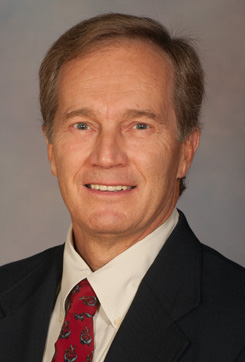 Scott Powers合作论文数Department of Applied Physiology and Kinesiology, College of Health and Human Performance, University of Florida31
 Graham McGinnis合作论文数28
 Ballmann Christopher合作论文数School of Kinesiology, Auburn University26
 Lisa S. Mcanulty合作论文数Department of Family and Consumer Sciences, Appalachian State University20
 Tiffany S. Quindry合作论文数18
 Alan Utter合作论文数Department of Health & Exercise Science, Beaver College of Health Sciences, Appalachian State University18
 Brent C. Ruby合作论文数Human Performance Laboratory;Health and Human Performance Department;University of Montana;Human Performance Laboratory, University of Montana17
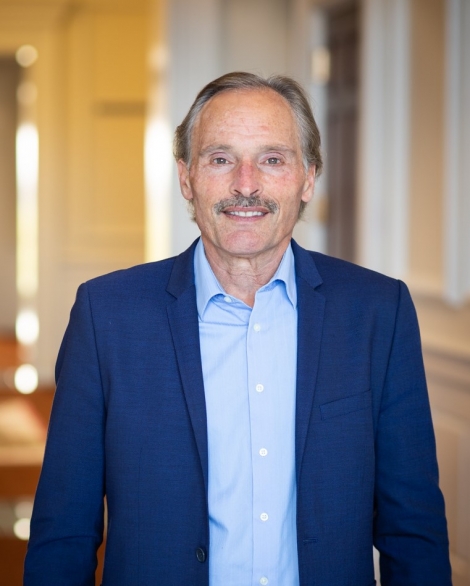 David C. Nieman合作论文数Department of Biology, College of Arts and Sciences, Appalachian State Univerisity;Human Performance Lab, North Carolina Research Campus17
 Steven R Mcanulty合作论文数16Dru A. Henson合作论文数15
 Dustin R Slivka合作论文数Human Performance Laboratory;Ball State University;Human Performance Laboratory, Ball State University14Rajesh Amin合作论文数13
 Lindsey Miller合作论文数Elson S Floyd Coll Med, Washington State Univ13Craig E. Broeder合作论文数Human Performance Laboratory, the University of Texas at Austin12
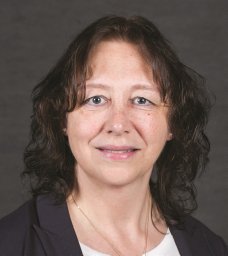 N. Travis Triplett合作论文数Center for Sports Medicine, The Pennsylvania State University12
 Karyn L Hamilton合作论文数12Peters Bridget合作论文数11
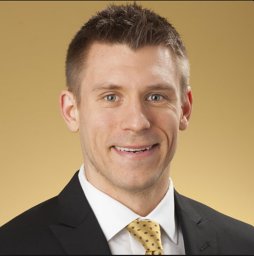 Brian Matthew Kliszczewicz合作论文数11
 Gayani Nanayakkara合作论文数10Andreas N. Kavazis合作论文数10
 Peter A. Hosick合作论文数10
 Martin D Carmichael合作论文数Arnold School of Public Health, University of South Carolina10Cassie M. Williamson-Reisdorph合作论文数9Davis J M合作论文数9
 Jawahar L. Mehta合作论文数Cardiology Clinic, University of Arkansas for Medical Sciences Medical Center;Department of Physiology and Cell Biology, College of Medicine, University of Arkansas for Medical Sciences9
 Elizabeth Angela Murphy合作论文数Department of Pathology, Microbiology & Immunology, School of Medicine Columbia, University of South Carolina9Hailes Walter S合作论文数8
 Lynn Panton合作论文数8Zea Urbiztondo合作论文数8
 Hannah Spaulding合作论文数7Joel French合作论文数7
 Conrad P. Earnest合作论文数Exercise & Sport Nutrition Lab, Department of Health and Kinesiology, Texas A&M University7John S. Cuddy合作论文数Human Performance Laboratory, University of Montana7
 Joseph A Sol合作论文数6J. Megan Irwin合作论文数6Jp French合作论文数6Y Lee合作论文数6
 Youngil Lee合作论文数BioScience Center, San Diego State University6
 Barry A. Franklin合作论文数GPS For Success;Beaumont Health;William Beaumont School of Medicine, Oakland University;School of Medicine, Wayne State University6Sarah J. Gross合作论文数6
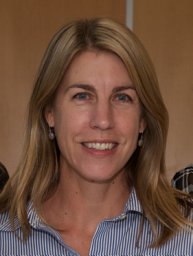 Shannon L. Lennon合作论文数Myocardial Biology Unit, Boston University Medical Center6K. Brittingham合作论文数6Lindsey Schreiber合作论文数5
 Kathryn Tiemessen合作论文数5
 Shae C. Gurney合作论文数5Elias Maurice Malek合作论文数5Ronald J. Beyers合作论文数5




