OBJECTIVES:Since December 2019, the outbreak of coronavirus disease 2019 (COVID-19) has become a worldwide pandemic. The aim of the study is to investigate the demographic, clinical, and laboratory characteristics in suspected COVID-19 patients in our institution.METHODS:In this retrospective study, we investigated suspected COVID-19 patients admitted to the University of Alabama at Birmingham with a request for an interleukin-6 send-out test, from March 28 to June 27, 2020. Patients' demographic, clinical, and laboratory characteristics were collected by chart review.RESULTS:Fifty patients suspected with COVID-19 were included in our study, of whom 24 patients were positive with severe acute respiratory syndrome coronavirus-2 infection and 26 were negative. During the observation period, 30 patients were discharged, 17 died during hospitalization, and three remained in hospital. Compared to non-COVID-19 patients, COVID-19 patients had older age, more comorbidities, and elevated levels of inflammation markers such as erythrocyte sedimentation rate (ESR), C-reactive protein (CRP), serum ferritin, and lactate dehydrogenase (LDH). However, there was no significant difference in laboratory data between survivors and nonsurvivors in COVID-19 patients in our study.CONCLUSION:This study indicated that potential risk factors of older age, multiple comorbidities, and high levels of ESR, CRP, serum ferritin, and LDH could help the clinician to identify potential COVID-19 patients. However, this data needs to be further validated in a larger population.
The coronavirus SARS-CoV-2 has infected more than 600,000 people and has overwhelmed hospital systems around the world. However, the factors mediating fatal SARS-CoV-2 infections are poorly understood. Here, we show that cigarette smoke causes a dose-dependent upregulation of Angiotensin Converting Enzyme 2 (ACE2), the SARS-CoV-2 receptor, in rodent and human lungs. Using single-cell sequencing data, we demonstrate that ACE2 is expressed in a subset of epithelial cells that line the respiratory tract, including goblet cells, club cells, and alveolar type 2 cells. Chronic smoke exposure triggers a protective expansion of mucus-secreting goblet cells and a concomitant increase in ACE2 expression. In contrast, quitting smoking causes a decrease in lung ACE2 levels. Taken together, these results may partially explain why smokers are particularly likely to develop severe SARS-CoV-2 infections, and they suggest that quitting smoking could lessen coronavirus susceptibility.
Framework monoclonal antibodies have identified a population of human lymphocytes that express the T3 glycoprotein but not the T-cell receptor (TCR) alpha- and beta-subunits. Chemical crosslinking experiments reveal that these lymphocytes express novel T3-associated polypeptides, one of which appears to be the product of the T gamma gene. The other polypeprlde may represent a fourth TCR subunit, designated T delta.
Inhibitors of specific cellular pathways are useful for investigating the roles of proteins of unknown function, and for selectively inhibiting a protein in complex pathways to uncover its relationships to other proteins in this and other interacting pathways. This appendix provides links to Web sites that describe cellular processes and pathways along with the various classes of inhibitors, numerous references, downloadable diagrams, and technical tips.
This unit describes a solution-phase radioimmunoassay (RIA) using the double antibody/PEG method. A solution RIA determines the amount of a specific protein (or peptide) in a sample by comparison to a standard curve of the same protein (or peptide). The amount of protein (or peptide) in the sample is determined based on its ability to compete with a radiolabeled tracer for binding to a specific antibody. A secondary antibody and PEG are used to precipitate the primary antibody-protein complexes. The amount of radioactivity in the complex is inversely proportional to the amount of protein in the sample. Under ideal conditions, an RIA is capable of measuring picograms of a protein (or peptide), but only if the tracer is labeled at a high specific activity. To this end, this unit also presents protocols for radioiodination of proteins and peptides using lactoperoxidase or the Bolton-Hunter reagent.
This unit describes spectrophotometric and colorimetric methods for measuring the concentration of a sample protein in solution. Absorbance measurement at 280 nm is used to calculate protein concentration by comparison with a standard curve or published absorptivity values for that protein. An alternate protocol uses absorbance at 205 nm to calculate the protein concentration. Both methods can be used to quantitate total protein in crude lysates and purified or partially purified protein. Use of a spectrofluorometer or a filter fluorometer to measure the intrinsic fluorescence emission of a sample solution is also described. The measurement is compared with the emissions from standard solutions to determine the concentration of purified protein. The Bradford colorimetric method, based upon binding of the dye Coomassie brilliant blue to an unknown protein, is also presented, as is the Lowry method, which measures colorimetric reaction of tyrosyl residues in an unknown.
gene precise molecular the and un-clear. and their a specific interaction between peptide and each the peptide of an we structural the NP-40, the nuclei sedimented and treated with proteinase K (50 wg/ml) at 37°C overnight. DNA was extracted with phenol, chloroform, and was dialyzed against TE buffer (10 mM Tris-HCl, 1 mM EDTA, pH 8.0). After RNase (100 pg/ml) treatment, proteinase A and phenol-chloroform steps were repeated. The dialyzed DNA was digested with restriction enzyme and subjected to electrophoresis on 0.8% agarose at 25 V. The DNA was then transferred to Gene Screen Plus nylon membrane by the method of Southern (33) and was hybridized with a '12P-labeled probe as in Northern analysis. by using T4 polynucleotide kinase [y-s2P]ATP The Northern blots were hybridized with oligonucleotide probes in SSC, 1% SDS, ug/ml salmon sperm DNA, 5X Denhart's, 10% Dextran at 39°C for 48 h. Lysate Hybridization. hybridomas screened for reactivity. The hybridization hybridizing avariable region probe, blot aconstant region Hybridomas hybridize constant region in the hybridomas screened by lysate hybridization before sub- cloning. many hybridomas proper density, T cell hybridomas less stable at high cell density. the results oflysate hybridiza- tions should represent a lower limit of the total number ofhybridomas that use the particular TCR variable gene.
Poly-beta-leucines have been evaluated as catalysts for the Juliá-Colonna asymmetric epoxidation of enones; the beta 3-isomer was found to be an effective catalyst for the epoxidation of chalcone (70% ee) and some analogues.
Epoxidation of chalcone (1), using basic hydrogen peroxide, catalysed by polypeptides with defined primary structures demonstrates that the residues in the chain near to the N-terminus determine the stereochemical outcome of the reaction.
The oxidation of chalcone 1 to optically active epoxide 2 [a precursor of (+)-clausenamide (+)-3] may be effected using a 15-mer or 20-mer of L-leucine bound to a PEG based support; poly-L-leucines of this type may be used as immobilised catalysts in a fixed-bed reactor.
We compared centralized vs distributed methods for delivering "stat" test results for blood gas, glucose, and electrolyte assays. The parameters for comparison were as follows: (a) laboratory turnaround time (TAT), (b) therapeutic TAT, and (c) staff satisfaction. Therapeutic TAT, defined as the time from the initiating order to the receipt of the result and the implementation of any indicated change in treatment, was obtained by direct observation of testing procedures at the bedside and timing each step in the process. Observing therapeutic TAT yields information on the impact of laboratory testing methods in the context of clinical decision making. Therapeutic TAT was 1-2 min shorter for bedside testing compared with a satellite laboratory and 9-14 min shorter in the satellite laboratory compared with centralized testing. Satellite laboratories received the highest staff satisfaction scores, followed by bedside testing, with the central laboratory receiving the lowest scores.
Accurate length poly-leucines have been used to evaluate mechanistic features of the asymmetric epoxidation of chalcone. Studies have been directed towards the influence of the length of the chain, the stereochemistry of the amino acid residues and the nature of the terminal amino group.
ABSTRACT It was recently reported that Streptococcus iniae , a bacterial pathogen of aquatic animals, can cause serious disease in humans. Using the chaperonin 60 (Cpn60) gene identification method with reverse checkerboard hybridization and chemiluminescent detection, we identified correctly each of 12 S. iniae samples among 34 aerobic gram-positive isolates from animal and clinical human sources.
Recent epidemiological evidence suggests a link between the intensity of exercise and infectious and neoplastic disease. One likely way by which exercise exerts its effect on cancer and infection is by altering the function of the immune system. Indeed, experimental evidence has been accumulating to support the hypothesis that moderate exercise enhances, whereas stressful acute exercise or chronic overtraining suppresses, various aspects of immunity when compared to sedentary controls. This symposium will present current information regarding the beneficial and deleterious effects of different doses of exercise on cells of the nonspecific immune system including the macrophage (Mφ), natural killer (NK) cell, and polymorphonuclear neutrophil (PMN). Attention will be paid to the mechanisms by which exercise may alter anti-tumor and anti-microbial functions in vitro andin vivo and how this might relate to altered susceptibility to infection and cancer. The authors are all actively engaged in exercise immunology research as it relates to the cell types listed above. They will present their most recent data and that of others as it relates to the field of exercise immunology. Participants in this symposium will gain an understanding of exercise-immune function interactions and develop an appreciation for immune function measurement including its limitations. The presenters will also relay practical information concerning strategies to maintain optimal health in athletes and physically active people to the ACSM community and scientific/methodologic information to those interested in exercise immunology research.
 Fang-Jen Lee合作论文数6
 Frances L. Owen合作论文数4Robert W. Flood合作论文数3
 Michael S. Krangel合作论文数Department of Immunology, School of Medicine, Duke University;Duke Cancer Institute3Stanley M. Roberts合作论文数University of Manchester3
 Fred S. Rosen合作论文数CBR Institute for Biomedical Research, Faculty of Medicine, Harvard University3
 Jonathan G. Seidman合作论文数Blavatnik Institute, Harvard Medical School;Department of Genetics, Harvard Medical School3
 John Skidmore合作论文数Neurology CEDD, GlaxoSmithKline3
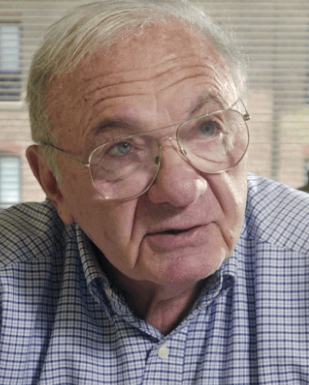 Jack Strominger合作论文数Department of Stem Cell and Regenerative Biology, Faculty of Arts and Sciences, Harvard University3
 John R Morrison合作论文数2Pa Bentley合作论文数2Deno P. Dialynas合作论文数2STEPHEN H. IP合作论文数2Joanne McLean合作论文数2Michael W. Cappi合作论文数2melanie a smith合作论文数2
 Philip S Rudland合作论文数Institute of Systems, Molecular and Integrative Biology, University of Liverpool2
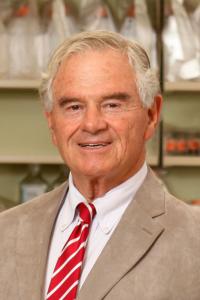 David H Sachs合作论文数Vagelos College of Physicians and Surgeons, Columbia University Irving Medical Center2
 Jay A. Berzofsky合作论文数Center for Cancer Research, National Cancer Institute2
 Robert Moritz合作论文数Institute for Systems Biology2
 Antony Burgess合作论文数Division of Structural Biology, The Walter and Eliza Hall Institute of Medical Research2
 Edouard Nice合作论文数Department of Biochemistry and Molecular Biology, Monash University2
 Alison Finnegan合作论文数Dept Med, Rheumatol Sect, Rush Univ2Lee-Wen Lin合作论文数2CJ LLOYD合作论文数1Christopher J. Lloyd合作论文数1B Grego合作论文数1M Gefter合作论文数1Natalie M. Williamson合作论文数1MJ OHARE合作论文数1Stephen A Moser合作论文数1Weiping Chen合作论文数1Sh Goh合作论文数1DP DIALYNAS合作论文数1Gr Beilharz合作论文数1Nancy Macdonald合作论文数1j mclean合作论文数1Liyun Cao合作论文数1D Najarian合作论文数1
 George D. Rose合作论文数Thomas C. Jenkins Department of Biophysics, Krieger School of Arts & Sciences, Johns Hopkins University;Department of Biophysics and Biophysical Chemistry, School of Medicine, Johns Hopkins University1
 Randy Cron合作论文数Department of Pediatrics, Heersink School of Medicine, University of Alabama at Birmingham1
 Douglas Fearon合作论文数Cancer Center, Cold Spring Harbor Laboratory1
 Mervyn D. Cohen合作论文数Department of Radiology, Indiana University School of Medicine/Indiana University Health West Hospital/Indiana University Health North Hospital1
 Jason M. Sheltzer合作论文数David H. Koch Institute for Integrative Cancer Research and;Howard Hughes Medical Institute, Massachusetts Institute of Technology;David H. Koch Institute for Integrative Cancer Research and;Howard Hughes Medical Institute, Massachusetts Institute of Technology1Davis J M合作论文数1Woods Jeffrey A合作论文数1
 Richard Simpson合作论文数La Trobe Institute for Molecular Science, La Trobe University1YongWei Liao合作论文数1
 Donald Low合作论文数University of Toronto;Department of Microbiology, Mount Sinai Hospital1




