Background Even though traumatization is linked to substantially reduced health-related quality of life, help-seeking and service utilization among trauma survivors are very low. To date, there has not been available in Iceland a culturally attuned, self-reported measure on help-seeking barriers after trauma. This study aimed to translate and cross-culturally adapt the English version of Barriers to Help-Seeking for Trauma (BHS-TR) scale into the Icelandic language and context. Methods The BHS-TR was culturally adapted following well-established and rigorous guidelines, including forward-backward translation, expert committee review, and pretesting through cognitive interviews. Two rounds of interviews with 17 female survivors of intimate partner violence were conducted using a think-aloud technique and verbal probing. Data were analyzed using qualitative content analysis, a combination of deductive and inductive approaches. Results Issues with the BHS-TR that were uncovered in the study were classified into four categories related to general design, translation, cultural aspects, and post-trauma context. The trauma-specific issues emerged as a new category identified in this study and included concepts specific to trauma experiences. Therefore, modifications were of great importance—resulting in the scale becoming more trauma-informed. Revisions made to address identified issues improved the scale, and the process led to an Icelandic version, which appears to be semantically and conceptually equivalent to the original version; additionally, the results provided evidence of content validity. Conclusions As a cognitive interview study, it adds to the growing cognitive interviewing methodology literature. Furthermore, the results provide essential insights into the self-report response process of trauma survivors, highlighting the significance of making health-related research instruments trauma-informed.
This study examines the perspectives of Sami community members and university researchers regarding the ethical considerations for engagement in Community-Based Participatory Research (CBPR) with Sami communities in northern Finland. Key informant interviews were conducted with Sami people from Finland who were exposed to or participated in research in their communities as well as with researchers who have conducted research with the Sami in Finland across diverse topics. Five themes were identified: establishing trust, research preparation, research comprehension, research ethics, and inclusion in research. The differences in participant perspectives were compared based on their community versus researcher roles. Our findings emphasize the need for (1) strategies to develop and maintain trust between Sami communities and researchers; (2) methods to bridge concepts of bias projected onto Sami communities and researchers by the others’ differing world views and beliefs about research; and (3) increased education in community-engaged methods for social and natural scientists working with Sami communities. This study supports the need for the development of formalized ethical protocols for conducting community-based engaged research with and for Sami people in Finland that ensure mutually beneficial research for all involved.
As a tumultuous and unpredictable 2020 comes to a close it seems fitting to pause and reflect not only on the continuing and potentially growing threats to our circumpolar health and well-being, bu...
Background: The Alaska Native Community Resilience Study (ANCRS) is the central research project of the Alaska Native Collaborative Hub for Research on Resilience (ANCHRR), one of three American Indian and Alaska Native (AIAN) suicide prevention hubs funded by the National Institute of Mental Health. Objective: This paper describes the development of a structured interview to identify and measure community-level protective factors that may reduce suicide risk among youth in rural Alaska Native communities. Methods: Multilevel, iterative collaborative processes resulted in: a) expanded and refined constructs of community-level protection, b) clearer and broadly relevant item wording, c) respectful data collection procedures, and d) Alaska Native people from rural Alaska as primary knowledge-gathering interviewers. Lessons Learned: Moving beyond engagement to knowledge co-production in Alaska Native research requires flexibility, shared decision-making and commitment to diverse knowledge systems; this can result in culturally attuned methods, greater tool validity, new ways to understand complex issues and innovations that support community health.
Objective: To identify practices, attitudes, and beliefs associated with intake of traditional foods among Alaska Native women. Design: Cross-sectional study that measured traditional food intake; participation in food-sharing networks; presence of a hunter or fisherman in the home; the preference, healthfulness, and economic value of traditional foods; and financial barriers to obtaining these foods. Participants: Purposive sample of 71 low-income Alaska Native women receiving Special Supplemental Nutrition Program for Women, Infants, and Children (WIC) assistance in Anchorage, AK. Analysis: Bivariate and multivariate regression analyses. Results: Traditional foods contributed 4% of total daily calories. Given a choice, 63% of participants indicated that they would prefer half or more of the foods they ate to be traditional (ie, not store-bought). The majority of participants (64%) believed that traditional foods were healthier than store-bought foods. Of all participants, 72% relied on food-sharing networks for traditional foods; only 21% acquired traditional foods themselves. Participants who ate more traditional foods preferred traditional foods (B = .011 P = .02). Implications for Research and Practice: Traditional food intake was low and findings suggested that Alaska Native women living in an urban setting prefer to consume more but are unable to do so. Future research might examine the effect of enhancing social networks and implementing policies that support traditional food intake.
RATIONALE:This study evaluates the process and preliminary outcomes of Promoting Community Conversations About Research to End Suicide (PC CARES), an intervention that brings key stakeholders together so they can discuss suicide prevention research and find ways to put it into practice. Originally piloted in remote and rural Alaskan communities, the approach shows promise.METHOD:Using a multi-method design, the study describes a series of locally-facilitated "learning circles" over 15 months and their preliminary results. Sign-in sheets documented participation. Transcriptions of audio-recorded sessions captured facilitator fidelity, accuracy, and the dominant themes of community discussions. Linked participant surveys (n=83) compared attendees' perceived knowledge, skills, attitudes, and their 'community of practice' at baseline and follow-up. A cross-sectional design compared 112 participants' with 335 non-participants' scores on knowledge and prevention behaviors, and considered the social impact with social network analyses.RESULTS:Demonstrating feasibility in small rural communities, local PC CARES facilitators hosted 59 two to three hour learning circles with 535 participants (376 unique). Local facilitators achieved acceptable fidelity to the model (80%), and interpreted the research accurately 81% of the time. Discussions reflected participants' understanding of the research content and its use in their lives. Participants showed positive changes in perceived knowledge, skills, and attitudes and strengthened their 'community of practice' from baseline to follow-up. Social network analyses indicate PC CARES had social impact, sustaining and enhancing prevention activities of non-participants who were 'close to' participants. These close associates were more likely take preventive actions than other non-participants after the intervention.CONCLUSION:PC CARES offers a practical, scalable method for community-based translation of research evidence into selfdetermined, culturally-responsive suicide prevention practice.
Background: Anchorage, Alaska, has a large immigrant and refugee population. In fact, it is one of the most ethnically diverse cities in the United States with almost 100 languages spoken by children in the public school system. The city's immigrant and refugee population speaks limited English, and most of these residents are unfamiliar with where or how to obtain health care services through the American health care system. Brief Description of Activity: We developed a peer language navigator (PLN) program. Implementation: The Anchorage Health Literacy Collaborative developed a community-wide program to address the health literacy needs of the city's immigrant and refugee population. Select people who attended Anchorage's adult literacy program (the Alaska Literacy Program) were chosen to learn about health and wellness topics as well as how to obtain health information from reliable online sources. These people, initially known as PLNs, were then trained to share health information resources with their respective communities. Results: A recent evaluation of the program using ripple effects mapping showed that the program has demonstrated wide success, providing understandable health information to hundreds of new English learners throughout the area and guiding them to reliable health and wellness information they can use for themselves, their families, and their community. PLNs have become leaders in their communities and have been renamed peer leader navigators. Lessons Learned: For similar programs to be successful, PLNs should be trained using adult learning principles, allowing them to focus on topics and issues of interest to them. The program should link with community organizations to extend the reach of the program. Care must be exercised to avoid overextending or overwhelming PLNs because after they become leaders in their communities, they will receive many requests to provide guidance and education. Finally, when possible, PLNs should be compensated so they can more fully devote their efforts to serving the community. [ HLRP: Health Literacy Research and Practice . 2019;3(Suppl.):S15–S24.] Plain Language Summary: The Anchorage Health Literacy Collaborative in Alaska developed a program in which immigrant and refugees attending the city's adult education program to learn beginning English are chosen to serve as peer language navigators (PLNs). The PLNs learn how to obtain credible and easy-to-understand health information and then share it with their respective cultural communities. Lessons learned over time are shared.
Food insecurity is a public health concern. Food security includes the pillars of food access, availability and utilisation. For some indigenous peoples, this may also include traditional foods. To conduct a scoping review on traditional foods and food security in Alaska. Google Scholar and the High North Research Documents were used to search for relevant primary research using the following terms: "traditional foods", "food security", "access", "availability", "utilisation", "Alaska", "Alaska Native" and "indigenous". Twenty four articles from Google Scholar and four articles from the High North Research Documents were selected. The articles revealed three types of research approaches, those that quantified traditional food intake (n=18), those that quantified food security (n=2), and qualitative articles that addressed at least one pillar of food security (n=8). Limited primary research is available on food security in Alaskan. Few studies directly measure food security while most provide a review of food security factors. Research investigating dietary intake of traditional foods is more prevalent, though many differences exist among participant age groups and geographical areas. Future research should include direct measurements of traditional food intake and food security to provide a more complete picture of traditional food security in Alaska.
Astute readers may have noticed this past year has been one of behind-the-scenes transition for our Journal. In late 2016, our publisher Co-Action and its portfolio of journals were bought out by Taylor & Francis. This was basically a publishing decision, with notification to the editorial team after the fact. To their mutual credit, both publishers were committed to a smooth transfer of responsibilities, and all staff recognised the need for continuity and support, particularly for those authors who had manuscripts under review, being revised, copy set or otherwise in process. That the multi-month transfer began at the outset of the winter holiday season and crossed over two calendar years added to the challenges. We greatly appreciate the professionalism of all involved, and the patience of our authors, reviewers, readers and editors as we all learned new systems and processes, and engaged with new staff for previously routine activity. Manuscript transfer from one publisher to the other was occasionally problematic and review and copyediting processes were occasionally delayed. Navigating new websites sometimes still under development created some additional stress for authors and reviewers, and no doubt created some confusion for our readers. By summer, things seemed to have settled down, and as this new year begins, we seem to have evolved into a positive “new normal”. Thanks to all who have travelled in good humour with us on this somewhat bumpy journey. The other good news? We remain Open Access, and continue to attract high-quality submissions from around the Arctic, and remain a key dissemination avenue for unique and vital circumpolar health content. In late 2016, we published three Special Issues: one including all the abstracts from the 16th International Congress of Circumpolar Health held in Oulu, Finland (NOV), one highlighting key findings from the Arctic Monitoring and Assessment Programme’s latest Five Year Report (DEC) and one focused on addressing the complex issues surrounding sexual and reproductive health in the Arctic (DEC). We are grateful to the guest editors who proposed and shepherded these Special Issues and are happy to report we already have at least one Special Issue planned for 2018. If you have ideas for a Special Issue, please feel free to contact me. In the meantime, as 2017 came to a close, we can look back upon a successful and productive year. By year’s end, we published just over 50 articles, or about an average of one article per week. Our authors come from across the North, with all Arctic Council member states represented, and many diverse and significant topics covered. This year Canada and Norway led the pack with the most articles published, with Greenland close behind. The vast majority of articles published were Original Research, but we also published Case Reports, Theory and Methods, and noted two new Circumpolar Dissertations. We look forward to continuing our primary focus on research articles, while expanding the variety of articles published, and already have a few Book Reviews in the works for the new year. We encourage all to review our Instructions for Authors, and to consider sharing your own good work. If you have ideas about a perhaps atypical submission, please feel free to contact me to discuss. Building on the strong foundation of previous editors, we continue to extend the impact and reach of our Journal. Our Thompson impact factor (IF) is continuing its upward trajectory (moving from .707 in 2015 to 1.141 in 2016/2017). Other ways to note this growing influence is through SCImago Journal Rank (SJR): in 2012, it was .049, and is currently .559. Similar to the h-Index for researchers, the Journal h-index is another measure of the quality of a journal and can be calculated using data from Web of Science, Scopus or Google Scholar. As with the impact factor, Journal h-index does not take into account differing citation practices of fields (unlike the weighted SJR) and so is best used to compare journals within a field. Journal h-factor is described simply: a journal has a h-index value of y if the entity has y publications that have all been cited at least y times. Our Journal h-5 index for the past five years is 20; the h-5 median is 27 and our current h-index is now 34. This means that we have at least 34 articles that have been cited at least 34 times. This excellent trend would not be possible without the dedicated efforts of many. I would particularly like to acknowledge our Editorial Team, and the mentorship and support of our past Editors-in-Chief noted below and all the dedicated reviewers listed who helped us out this past year (see list). INTERNATIONAL JOURNAL OF CIRCUMPOLAR HEALTH, 2018 VOL. 77, 1426242 https://doi.org/10.1080/22423982.2018.1426242
Background United States teenagers have the highest crash rate of any group in the nation. Alaska data tell a similar story. Leading causes of crashes for Alaska teen drivers are: driver inattention, unsafe speed, failure to yield and driver inexperience (Alaska Injury Prevention Centre, 2012). In partnership with the Alaska Injury Prevention Centre, a resource guide was created, listing best practices in Alaska teen driving interventions connected to three areas: distracted driving, seat belt use and drinking and driving. Methods Guide content was evaluated for alignment with best practice through a multi-step filtering process. Available literature was distilled down to a final collection of safe teen driving intervention strategies based on best-available evidence. Results were categorised into a taxonomy of approaches, and were classified into levels of promise associated with certainty of effectiveness and potential population impact. Results Strategies found to be most promising included public policy efforts surrounding graduated drivers' licensing programs, a minimum legal drinking age of 21, cell phone restrictions while driving and seat belt requirements. In addition, community and parental roles of partnerships, boundary setting and monitoring teens' driving behaviours, were found to have equal levels of promise. Of significance was the importance of intervention strategies with diverse influences, including all levels of the Social Ecological Model. Conclusions The developed process can be used as an effective model when synthesising large amounts of data, and can work in a variety of study areas to help practitioners understand complex research and guide them in their intervention choices. Resulting recommendations included multiple public policy enhancements in the state of Alaska, including graduated driver's license program modifications, enhancement of the state's zero-tolerance policy and broad scale restrictions of driver cell-phone use.
No abstract available. (Published: 27 June 2016) Citation: Int J Circumpolar Health 2016, 75: 32591 - http://dx.doi.org/10.3402/ijch.v75.32591
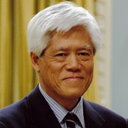 Kue Young合作论文数4
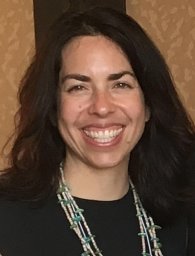 Andrea Bersamin合作论文数Stanford Prevention Research Center, Stanford University4
 Ellen D. S. Lopez合作论文数3Dianne Kinnon合作论文数2Troy Ritter合作论文数2Jennifer Dobson合作论文数2Melissa Tholl合作论文数2Kath Clarida合作论文数2Korie Hickel合作论文数2
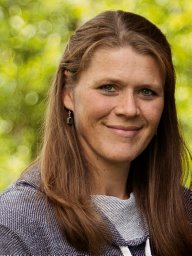 Amanda Walch合作论文数Dietet & Nutr, Univ Alaska Anchorage2
 Lisa M. Wexler合作论文数School of Social Work, University of Michigan-Ann Arbor2Smith Jeff合作论文数2Carry Catherine L合作论文数2
 James Allen合作论文数2
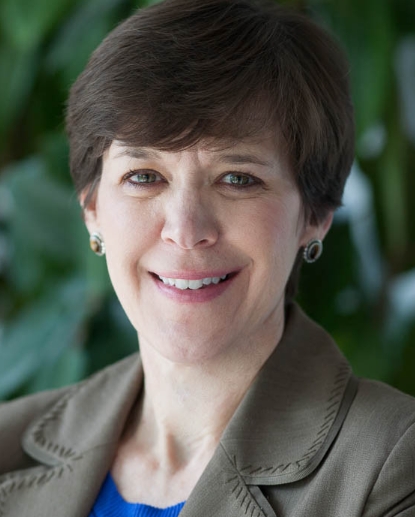 Julie Ann Baldwin合作论文数Department of Health Sciences, Northern Arizona University;College of Health and Human Services, Northern Arizona University;Center for Health Equity Research, Northern Arizona University2
 Philip A Loring合作论文数Department of Anthropology, University of Alaska Fairbanks Resilience and Adaptation Program2
 Heidi A. Wayment合作论文数Department of Psychology, Northern Arizona University2S. Rasmus合作论文数1Winston Wong合作论文数1Tanya Kirk合作论文数1Charlene Apok合作论文数1
 Suzanne Rataj合作论文数1Diane McEachern合作论文数1Kami Kandola合作论文数1stephen a somers合作论文数1Roberts Richard合作论文数1Kristan Elwell合作论文数1Chelsea Ward-Waller合作论文数1Robin Morales合作论文数1
 Karen Birna Thorvaldsdottir合作论文数School of Health Sciences, University of Akureyri1Eva Goldwater合作论文数1Anna Mullany合作论文数1
 Jessica Ullrich合作论文数University of Alaska Anchorage1Lily Velarde合作论文数1Roberta Moto合作论文数1
 Jerreed Ivanich合作论文数Colorado School of Public Health, the University of Colorado1Alan J Parkinson合作论文数1
 Diana Redwood合作论文数1
 Susan Chatwood合作论文数Social & Behavioural Health Sciences Division, Dalla Lana School of Public Health, University of Toronto1
 Tracey Galloway合作论文数Department of Anthropology, Faculty of Arts and Science, University of Toronto1
 Lisa Wexler合作论文数Injury Prevention Center, Medical School, University of Michigan-Ann Arbor1
 Denise Saint Arnault合作论文数Center for Japanese Studies, College of Literature, Science, and the Arts, University of Michigan-Ann Arbor1Christensen Claudia合作论文数1Rink Elizabeth合作论文数1Egger Marlene J合作论文数Department of Family and Preventive Medicine, University of Utah School of Medicine1Haverkamp Donald合作论文数1Snyder Elizabeth Hodges合作论文数1Rawlins Wayne合作论文数1Hill Anne合作论文数1




