Mollusk trade is vital in many coastal areas and island communities throughout the Philippines because it provides livelihoods, food, and incomes to millions of Filipinos via fisheries (e.g., shellfish fishing and gleaning), shell craft, arts, shell trading and collections, and aquaculture. However, the assessments of the national trends and status of mollusc production and trade in the Philippines are largely non-existent in peer-reviewed literature. The main purpose of this paper is to present and evaluate the status and trends of traded Mollusks in the Philippines based on available online databases and a systematic review of published literature. To date, available databases on Philippine mollusk trade showed an initial increase in traded volume (the 1970s to 2006) but decreased afterward. In contrast, the traded mollusk value continued to generally increase over time (albeit the observed decrease between 2011 and 2016), indicating value increase as mollusk volume decreased. However, there is a great need to (1) resolve many of the obvious inconsistencies in data entries across all the available mollusk trade databases (BFAR, PSA, and CITES) and (2) provide field assessment of the Philippine mollusk trade and the conservation status of all traded mollusk taxa in the country.
Functional feeding group (FFG) is an approach that classifies macroinvertebrates based on their utilization of organic matter food resources. Across streams and rivers, variations in the distribution of FFGs reflect the unequal distribution of food resources, which are affected by varying environmental conditions and disturbances to the ecosystem. In the tropics, the distribution of FFGs does not follow the pattern observed in temperate streams. This study aims to (1) determine the FFGs present in selected Philippine tropical streams, (2) assess the variations in FFG distributions and how the distributions vary across space, and (3) evaluate how FFG distributions are affected by certain environmental factors and habitat structure. Benthic macroinvertebrates were collected in 2010 from five sites and assigned to their primary FFG based on published literature. Across study sites, the macroinvertebrates collected were classified into gathering collectors (total n = 4,640), scrapers (n = 1,670), filtering collectors (n = 1,545), predators (n = 632), and shredders (n = 270). Within and between sites, these FFGs varied significantly. Variations explained the upstream-downstream and north-south variations in the mean of FFG abundance in width and depth of the stream, discharge, temperature, pH, riparian vegetation, and habitat stability and variability. This study reveals that the FFG approach is a useful bioassessment tool in tropical aquatic systems. However, there is still a need for verification of the findings in other streams and seasons.
The negative effects of slow onset events (SOEs) related to climate change are already affecting developing countries, with the resulting impacts likely to increase significantly. With an increasing urgency to act on SOEs, this paper systematically reviewed and synthesized literature on SOEs in Southeast Asia (SEA), which is a region of several highly climate vulnerable countries. With a focus on scenarios and emerging response options by affected sectors such as agriculture, fisheries, and forestry, we found that the drivers of SOEs in SEA are both indirect and direct and have confounding impacts. Only a few researches used scenarios and models for assessing SOEs in SEA, a majority of which use Representative Concentration Pathways and Shared Socioeconomic Pathways. The impacts of SOEs range from environmental, ecological, economic, and social factors and require integrated response options including mitigation or adaptation that pay attention to the complexity of the intersection between human and natural systems.
Philippine coral reefs have been on the decline since the 1970s, and this degradation has posed a risk to biodiversity, food security, and livelihood in the country. In an effort to arrest this degradation, marine protected areas (MPAs) were established across the country. MPAs are known to improve fish biomass, but their effect on live coral cover and other benthos is not yet well documented and understood. In this study, 28 MPAs across the Philippines were surveyed comparing benthic cover and indices between protected reefs and adjacent unprotected reefs. No consistent differences were found between reefs inside and outside MPAs through all the benthic categories and reef health indices considered that are indicative of protection effects or recovery within MPAs. However, there were notable site-specific differences in benthic cover across the study MPAs-suggesting that factors other than protection play important roles in influencing benthic cover inside and outside of MPAs. Storm frequency and proximity to rivers, as a proxy for siltation, were the strongest negative correlates to live coral cover. Also, high coastal population, a proxy for pollution, and occurrence of blast and poison fishing positively correlated with high dead coral cover. The lack of significant difference in benthic cover between reefs inside and outside MPAs suggests that protection does not necessarily guarantee immediate improvement in benthic condition. Correlations between benthic condition and storm frequency, siltation, and pollution suggest that it is necessary to augment MPAs with other management strategies that will address the multiple stressors that are usually indiscriminate of MPA boundaries. Supplementing long-term and systematic monitoring of benthic cover and biodiversity inside and outside of MPAs with data on other important environmental and human impact variables will help improve understanding of benthic cover and biodiversity dynamics inside and outside of MPA boundaries.
Scenario analyses have been used in multiple science-policy assessments to better understand complex plausible futures. Scenario archetype approaches are based on the fact that many future scenarios have similar underlying storylines, assumptions, and trends in drivers of change, which allows for grouping of scenarios into typologies, or archetypes, facilitating comparisons between a large range of studies. The use of scenario archetypes in environmental assessments foregrounds important policy questions and can be used to codesign interventions tackling future sustainability issues. Recently, scenario archetypes were used in four regional assessments and one ongoing global assessment within the Intergovernmental Science-Policy Platform for Biodiversity and Ecosystem Services (IPBES). The aim of these assessments was to provide decision makers with policy-relevant knowledge about the state of biodiversity, ecosystems, and the contributions they provide to people. This paper reflects on the usefulness of the scenario archetype approach within science-policy processes, drawing on the experience from the IPBES assessments. Using a thematic analysis of (a) survey data collected from experts involved in the archetype analyses across IPBES assessments, (b) notes from IPBES workshops, and (c) regional assessment chapter texts, we synthesize the benefits, challenges, and frontiers of applying the scenario archetype approach in a science-policy process. Scenario archetypes were perceived to allow syntheses of large amounts of information for scientific, practice-, and policy-related purposes, streamline key messages from multiple scenario studies, and facilitate communication of them to end users. In terms of challenges, they were perceived as subjective in their interpretation, oversimplifying information, having a limited applicability across scales, and concealing contextual information and novel narratives. Finally, our results highlight what methodologies, applications, and frontiers in archetype-based research should be explored in the future. These advances can assist the design of future large-scale sustainability-related assessment processes, aiming to better support decisions and interventions for equitable and sustainable futures.
Philippine reefs are mega-diverse but, to date, few ecosystem models have been developed to understand their dynamics and functioning. This study assessed the status of reefs in 12 municipalities of Leyte Gulf, Philippines. It is an important fishing ground experiencing degradation and impacts of super-typhoons—the strongest one was Haiyan (local name: Yolanda). Empirical and literature data were used to develop Ecopath (trophic) models and Ecosim simulations to evaluate the impacts of reduction and increase in productivity on the Leyte Gulf Reef (LGR) ecosystem. Results showed that the LGR’s ecosystem is in a degraded state—dominated by small-medium herbivores and carnivores, with most productivity immediately returned to detritus. In addition, a comparative study of two Ecopath models showed that reduction in the coral cover (e.g., by Super-Typhoon Haiyan) will result in a decline in biomass of many functional groups. Changes in LGR’s productivity (e.g., eutrophication) will also strongly impact most functional groups (e.g., shift to overdominance of herbivores that take advantage of algal growth and extirpation of coral reef-dependent species). Moreover, additional climate-related or human-induced disturbances on the degraded LGR will further decrease the reef’s productivity. Therefore, effective recovery and management of degraded reef ecosystems is needed to sustain the LGR’s productivity (e.g., reef fisheries production). Keywords: conservation ∙ climate change ∙ ecological modeling ∙ fisheries ∙ Philippine reefs
Coral reefs in Eastern Samar, Philippines were badly damaged by super typhoon Haiyan, which left many reefs in a fragmented state - with many branching corals and other coral forms scattered in loose pieces. As part of the efforts to address this problem, we tested the re-attachment of 43 species of coral fragments to sturdy natural substrates in three reef sites in Eastern Samar (Can-usod and Monbon in Lawaan, and Panaloytoyon in Quinapondan). The results revealed that 88% of re-attached coral fragments survived (45% showed positive growth, and 43% survived with partial tissue mortality). Those that showed positive growth exhibited high growth rates. We also found that fragments of some coral species are more fast-growing (e.g., Cyphastrea decadia, Echinopora pacificus, and Millepora tenella) than others (e.g., Porites lobata or Pectinia paeonia). Overall, our results suggest that if Local Government Units (LGUs) invest in the re-attachment of fragmented corals (e.g., reefs damaged by super typhoons or by various human activities such as fishing), then coral reef degradation in the Philippines would have a better chance of recovering.
Ecosystem Services (ES) – the direct (e.g., food and natural medicines) and indirect (e.g., cultural diversity and aesthetic values) benefits people obtain from various ecosystems – need to be assessed to aid decision makers and concerned public in creating policies that ensure continuous flow of ES to their beneficiaries (e.g., fisheries, food, income, livelihood, and traditional way of life to fishers and consumers). However, to date, ES assessments in Philippine reefs are mostly concentrated only on fisheries and tourism or on few areas in the Philippines (e.g., Pangasinan and Bohol Marine Triangle). This study fills research gaps by assessing coral reefs across 15 regions in the Philippines by estimating the following: (1) potential reef fisheries and Willingness-To-Pay (WTP) biodiversity values using underwater surveys and literature data, (2) reef fisheries value using Bureau of Fisheries and Aquatic Resources (BFAR) and literature data, (3) tourism value using Department of Tourism (DOT) and literature data, and (4) Total Economic Value (TEV). The TEV of Philippine reefs' ES amounted to 4 billion US$/yr or 140,000 US$/km2/yr. Furthermore, in each region of the Philippines, annual TEV ranged from 100 to 800 million US$, with potential reef fisheries value contributing the most in the TEV, followed by reef fisheries, tourism, and WTP biodiversity values. In addition, the Visayas regions have the highest values of benefits from coral reefs. Although the Philippines is deriving millions to billions of dollars of economic benefits from coral reefs, the observed degradation and temporal decline in coastal ecosystems could lead to a decline in the potential reef fisheries value, subsequently the TEV. The Philippines need to improve accounting and managing the derived benefits from coral reefs to ensure the sustainability and continuous flow of these benefits for present and future Filipino beneficiaries.
The problem of overexploitation in global fisheries is well-recognized. However, published assessment of fisheries spatio-temporal trends at the national scale is lacking for many high biodiversity developing countries, which is problematic since fisheries management is often implemented at the local or national levels. Here, we present the long-term spatio-temporal trends of Philippine fisheries production based on the landed national fish catch data (1980-2012) and fishers’ interviews. We found that the total Philippine fish catch volume (Metric Tons MT) of most capture fisheries throughout the country has either stagnated or declined over the last three decades. The decline is even more prominent when evaluating fisheries trends at the provincial level, suggesting spatial serial depletion of the country’s fisheries. In contrast, the total Philippine fish catch value (US Dollars US$ or Philippine Pesos PHP) has continued to increase over time, despite the declining fish catch volume. However, local municipal fishers are experiencing both low fish catch and income, contributing to observable poverty in many coastal communities in the Philippines. The various stakeholders of Philippine fisheries need to recognize the depleted state of Philippine fisheries, and learn from various experiences of collapsed and recovered fisheries from around the world, in order to recover the Philippines’ capture fisheries. Lessons from the literature on collapsed fisheries offer the following options for recovery: (1) regulate or reduce fisheries exploitation and other human activities impacting the fisheries to allow fisheries to rebuild or recover, (2) enforce effective networks of marine reserves, (3) engage fishers, consumers, and other stakeholders in fisheries management, (4) improve fisheries science, monitoring, and management capacities, and (5) provide alternative livelihood, skills, and improved education to fishers and their families.
This report presents super-typhoon Yolanda's impacts on coral reefs of Eastern Samar, Philippines, and evaluates its implications on resource management in the area. Coral reefs suffer regular impacts of typhoons, and typhoons nowadays are stronger in magnitude, longer in duration, more frequent in occurrence, and larger in scale. Thus, there is a great need to understand the impacts and consequences of super-typhoons on reefs and the coastal communities. Yolanda is the strongest recorded typhoon to make a landfall. Here is the first account of Yolanda's impacts on corals and benthic organisms, reef fish, and fisheries production. Our study sites covered Lawaan, Balangiga, Giporlos, Quinapondan, Salcedo, and Guiuan in Eastern Samar, Philippines-municipalities that were greatly damaged by Yolanda. To quantify the impacts of Yolanda on coral reefs, we compared coral cover and diversity, and fish abundance, biomass, and diversity between sites before and after Yolanda. We found that some reef areas were completely wiped out by Yolanda ( i.e., the shallow branching reefs), but other reef sites were only partially damaged. The extent of damages depends on reef locations relative to Yolanda's trajectory, depth, coral species composition, and reef condition prior to Yolanda. We also found that most reefs in the area already suffered degradation prior to Yolanda ( i.e., due to overfishing, destructive fishing, and siltation from land). Active coral restoration, reduction in fishing effort, diversification of economic activities, and effective management of no-take marine reserves should play key roles in the recovery of resources and human lives in these devastated areas.
The Philippines is dubbed the ‘global center of marine biodiversity’ for having the greatest number of reef fish species per unit area in the world, mainly based on analysis of museum collections. However, to date, there is no national assessment of the status of Philippine reef fish species based on species abundance and distribution. We conducted underwater visual census belt transect surveys of all non-cryptic reef fish, to explore spatial trends in fish biodiversity and to assess the national status of Philippine reef fish species. We found that most places in the Philippines still hold high numbers of non-cryptic reef fish species, with 54 % of the surveyed transects having ≥22 reef fish species per 100 m2. However, only 13 % of all recorded species had high abundances (≥0.81 individuals per 100 m2) and wide distributions (≥291,964 km2) (category A species), while 33 % had either low abundances or restricted distributions (category B species), and 54 % exhibited both low abundances and restricted distributions (category C species). In addition, 97 % of the large-bodied species (maximum TL > 30.1 cm) were assigned to category B or C—a matter of concern, since 47 % of the recorded large-bodied species in our study are food-fish. The findings of our study present the most recent (2012–2013) national assessment for all non-cryptic reef fish species using standardized methods, and highlight the need for conservation action for many Philippine reef fish species, upon which many Filipinos derive benefits such as food, income, livelihood, and recreation.
Recent national-level assessments of Philippine reef fish diversity have been mainly based on species richness surveys, but generally do not account for reef fish abundance and biomass-metrics that better describe fish community assemblages. Given that the Philippines is considered a major biodiversity hotspot and is heavily reliant on coastal resources, there is a great need to quantify the current status of its reef fish diversity using standardized methods. Here, standardized Underwater Visual Census (UVC) belt transect sampling methods were used to quantify current levels of reef fish species richness, relative abundance, and relative biomass throughout the Philippines. Results showed that most surveyed municipalities were still species-rich (22.2 +/- 0.8 reef fish species per 100 m(2)), but appeared depleted in terms of reef fish abundance and biomass. Partitioning analysis revealed significant differences in reef f ish species richness patterns across municipalities, suggesting the presence of a few restricted-range and rare species per site. However, partitioning analysis accounting for relative abundance showed that reef fish diversity was generally homogenous across study sites, suggesting the dominance of a few highly-abundant species. SIMPER analysis revealed that Philippine reefs were generally dominated by small and medium-bodied species, rather than large-bodied species-the latter of which are especially vulnerable to fishing due to certain life history traits (e.g., late age at maturity and slow growth rate) and commercial exploitation. While current municipal-level management may be sufficient for restricted-range fish species, large-scale conservation efforts (i.e., in the form of collaborative marine reserve networks) are needed for wide-range and large-bodied species that are not confined to politically-defined municipal boundaries. In addition, long-term and nationwide efforts to systematically monitor Philippine reef diversity are needed to provide up-to-date knowledge of the status of Philippine reef diversity that will help support science-based reef management and recovery efforts throughout the country.
There is widespread concern and debate about the state of global marine resources and the ecosystems supporting them, notably global fisheries, as catches now generally stagnate or decline. Many fisheries are not assessed by standard stock assessment methods including many in the world's most biodiverse areas. Though simpler methods using widely available catch data are available, these are often discounted largely because data on fishing effort that contributed to the changes in catches are mostly not considered. We analyse spatial and temporal patterns of global fishing effort and its relationship with catch to assess the status of the world's fisheries. The study reveals that fleets now fish all of the world's oceans and have increased in power by an average of 10-fold (25-fold for Asia) since the 1950s. Significantly, for the equivalent fishing power expended, landings from global fisheries are now half what they were a half-century ago, indicating profound changes to supporting marine environments. This study provides another dimension to understand the global status of fisheries.
Integration of genetic connectivity information in effective marine reserve (MR) design is important in sustaining marine biodiversity. Here, genetic connectivity based on mitochondrial DNA (mtDNA) of three reef fish species, namely Epinephelus merra (n = 67; 32 from Bolinao, 14 from Alaminos, and 21 from Masinloc), Parupeneus multifasciatus (n = 23; 12 from Bolinao and 11 from Masinloc), and Odonus niger (n = 35; 21 from Mabini and 14 from Tingloy), sampled across western Luzon, Philippines, was inferred by assessing their genetic diversity, population genetic structure, and historical demography. The results show high haplotype and nucleotide diversity in the three species. Tests for population structure indicate high gene flow and no spatial genetic structuring for the three species. Mismatch analyses suggest unimodal distribution for E. merra and P. multifasciatus, but bimodal distribution for O. niger. Even with differences in mismatch distributions, all the three species exhibit low raggedness index indicating demographic population expansion. The bimodal distribution of O. niger could be attributed to the mixing of two isolated populations. High gene flow between sampling locations implies genetic exchanges and connectivity between many small MRs and fishing grounds in western Luzon, Philippines, at a scale similar to our study. This research is among the first few to elucidate the high genetic connectivity of reef fish communities across the Philippines (here western Luzon), but it also calls for more support (i.e. government and academia) for genetic research that aims to (1) understand the maintenance of megadiversity of the country and (2) search for effective biodiversity conservation options for the coral reefs.
Comparing the difference in forest community structure between a reforested area and a nearby old growth forest is one way to evaluate the ability of a disturbed forest to recover. Here, we show how a high altitude reforested area in Mt. Apo, Philippines is recovering relative to a nearby old growth forest. The species richness of understory vegetation in the old growth forest did not differ significantly from the 11 year-old reforested area, suggesting fast recovery in this aspect. However, the tree assemblage and sizes (i.e., Diameter at Breast Height) in the old growth forest had significantly higher tree diversity as well as larger trees than the reforested area, suggesting slower recovery in this aspect. In addition, the dominant species in terms of understory vegetation cover, tree abundance, and sizes differed significantly between the old growth forest and the 11 year-old reforested area. In general, the composition and structure of vegetation communities (understory and trees) in the old growth forest and the 11 year-old reforested area were about 13-29% similar. This means that, without management interventions (e.g., assisted recovery), it would probably take much longer time (than 11 years) for the reforested area to get to same condition as the nearby old growth forest. More importantly, results showed which aspects of the reforested area could be adjusted to potentially hasten its recovery towards the old growth forest status.
According to a recent World Bank report, the intensification of global fishing effort and the ensuing depletion of marine fish stocks causes economic losses of 50billion US dollars annually. Data deficiencies, however, currently hamper analysis of global fishing effort. We analyzed data from the Food and Agricultural Organization of the United Nations (FAO), the EUROPA fishing fleet registry, and peer-reviewed and other publications, to determine the global trends in fishing effort from 1950 to 2006. Our results show that global fishing effort, expressed as total engine power and the number of fishing days in a year (kilowattdays), was roughly constant from 1950 to 1970, and then steadily increased up to the present. Europe dominated global fishing effort, followed by Asia. Projecting current trends suggests that Asia will soon surpass Europe. Trawlers contribute a major fraction of global fishing effort, as do vessels greater than 100 gross registered tons. Current estimates of global fishing effort, the number of vessels, and total vessel tonnage are, however, underestimates given the data gaps that we have identified. Our results are useful in the following ways: (1) they may encourage researchers in academia and government to improve global fishing effort databases; (2) they allow deeper global analyses of the impact of fishing on marine ecosystems; (3) they induce caution in accepting current underestimates of economic losses of global fisheries; and (4) they reinforce calls for a reduction in global fishing effort.
Many conservation projects have to develop practical and feasible ways to detect changes in populations. We compare the ecological information obtained using intensive monitoring of coral-reef fish populations with that which would be procured from less exhaustive sampling. At each of four sites in the Philippines, we surveyed all non-cryptic fish species in eight transects every month for up to 3years. We first tested for changes across years and seasons in fish density, size and species richness. We then compared these results obtained by using all data to those obtained in simulated protocols that restricted effort in ways that were relevant in practical marine resource management. We demonstrate the potential for reducing time in the water (number of surveys or number of transects) or in the number of species surveyed (proportions of those that were easily identified or locally fished) with little loss of information. Bimonthly surveys detected most of the overall but few of the seasonal trends that were identified with monthly sampling; far fewer trends were detected with less frequent surveying. Similarly, most trends were detected when at least four transects were carried out monthly. Most trends were also detected when all possible easily-identified species or at least 75% of fished species were considered. Indeed, ability to detect overall trends remained high even when only fished species were considered in four transects monthly. We conclude that some selective sampling protocols can be sufficiently sensitive to detect important trends, and that the choice of protocol will depend on the objective of the research or management.
AimThe objective of this study was to investigate the influence of protection duration (years of fishing closure) and location (distance from shore) on reef fish diversity.LocationDanajon Double Barrier Reef, Bohol, Philippines.MethodsReef fish abundance and size structure, by species, were obtained monthly using replicated underwater visual belt transects (n = 8; 70 x 5-m belt transects) over 3 years (2002-2005) at eight sites that included six marine reserves and two unprotected reef areas. We analysed species accumulation curves, diversity indices and abundance-biomass comparison (ABC) curves within and across the study sites to assess the influence of protection duration and location.ResultsAnalyses showed that longer protection duration impacted reef fish diversity at both inshore and offshore sites by shifting ABC curves from higher abundance than biomass curves at fished sites to higher biomass than abundance curves at most of the protected sites. Protection duration did not significantly influence either the rate of species accumulation within sites or the 12 diversity indices measured across the study sites. The offshore sites consistently showed higher rates of species accumulation and diversity indices values than inshore sites with similar protection duration. One protected offshore young marine reserve site that has been assessed as the least well-managed showed patterns more consistent with the fished sites.Main conclusionsAnalyses showed that protection duration mainly impacted diversity by increasing the dominance of large-bodied species and enhancing total biomass. Besides protection duration, reserve location influenced species accumulation curves and diversity indices.
 Kevin Thomas B. Go合作论文数3
 Amanda Vincent合作论文数Institute for Resources, Environment and Sustainability, Faculty of Science, The University of British Columbia3
 Haripriya Gundimeda合作论文数Environmental Economics Unit;Department of Economics;University of GBox;Department of Economics, University of GBox3Barron Cedric A. Tan合作论文数2Sana Okayasu合作论文数2
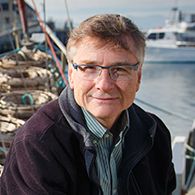 Reg Watson合作论文数Institute for Marine and Antarctic Studies, University of Tasmania2
 Kirsten Davies合作论文数2
 Gopal S. Rawat合作论文数Wildlife Institute of India2
 Madhav Karki合作论文数2
 Philip Riordan合作论文数Department of Zoology, University of Oxford2
 Dirk Zeller合作论文数School of Biological Sciences, University of Western Australia2Lilibeth A. Acosta合作论文数2
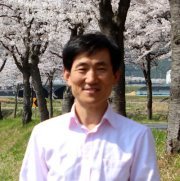 Yeo-Chang Youn合作论文数Department of Forest Sciences, Seoul National University2
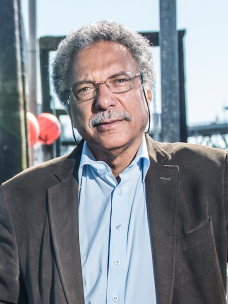 Daniel Pauly合作论文数Institute for the Oceans and Fisheries, University of British Columbia;Department of Zoology, Faculty of Science, University of British Columbia2
 Sonali Ghosh合作论文数1Eefje den Belder合作论文数1Fleurdeliz M. Panga合作论文数1Michael P. Atrigenio合作论文数1
 Fernando Santos-Martin合作论文数1
 Shunsuke Managi (馬奈木俊介)合作论文数Departments of Urban and Environmental Engineering, School of Engineering, Kyushu University;Urban Institute, Kyushu University1francesco antonio t valdecanas合作论文数1Arselene U. Bitara合作论文数1
 Matthew Cantele合作论文数Int Inst Appl Syst Anal IIASA1
 HyeJin Kim合作论文数Inst Biol, Martin Luther Univ Halle Wittenberg1
 Denise Margaret Matias合作论文数Eberswalde Univ Sustainable Dev1
 Odirilwe Selomane合作论文数Centre for Sustainability Transitions, Stellenbosch University1
 Bonifacio O. Pasion合作论文数Chinese Acad Sci, Ctr Integrat Conservat1
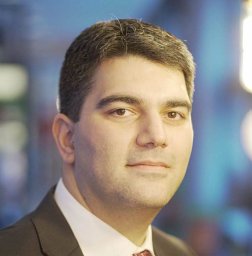 Aidin Niamir合作论文数Senckenberg Biodiversity and Climate Research Institute (SBiK-F), Georg-Voigt-Strasse 14-16, Frankfurt am Main, 60325, Germany.1
 Maike Hamann合作论文数Centre for Sustainability Transitions, Stellenbosch University1
 Laura Pereira合作论文数Centre for Sustainability Transitions, Stellenbosch University1
 Zuzana V. Harmackova合作论文数Czech Acad Sci, Global Change Res Inst1
 Rajarshi Dasgupta合作论文数Inst Global Environm Strategies, Nat Resources & Ecosyst Serv, Hayama, Kanagawa 2400115, Japan1
 William Cheung合作论文数Institute for the Oceans and Fisheries, University of British Columbia1
 Quibilan Miledel C合作论文数1
 Jonas Quilang合作论文数College of Science, University of the Philippines1Ong Perry S合作论文数1
 Nadia Sitas合作论文数Natural Resources and Environment, Council for Scientific and Industrial Research;Department of Conservation Ecology and Entomology, Stellenbosch University;Department of Conservation Ecology and Entomology, Stellenbosch University1
 Duya M Roy合作论文数1Maria Ching Villanueva合作论文数Ifremer Centre de Brest;Laboratoire de Biologie Halieutique, Ifremer1
 Jennifer Hauck合作论文数Helmholtz Centre for Environmental Research-UFZ1Coetzer Kaera L合作论文数School of Animal, Plant and Environmental Sciences, University of the Witwatersrand1
 Matias Ambrocio Melvin A合作论文数Natural Sciences Research Institute, University of the Philippines1
 Ignacio Palomo合作论文数Social-Ecological Systems Laboratory, Universidad Autónoma de Madrid1Giles Brian G合作论文数1
 Antoine Guisan合作论文数Department of Ecology and Evolution, Faculty of Biology and Medicine, Universite de Lausanne1
 Tetsukazu Yahara合作论文数Ctr Asian Conservat Ecol, Kyushu Univ1Wataru Suzuki合作论文数1Philip P. Molloy合作论文数Department of Biological Sciences, Simon Fraser University1
 Anne-Gaelle E Ausseil合作论文数Landcare Research Private Bag 11052 Palmerston North New Zealand1




