Ph.D. training across academic disciplines has faced significant challenges, with news and media outlets regularly highlighting student struggles, including frequent distrust and antagonism in relationships with faculty advisors. Given the centrality of the advisor-advisee relationship in doctoral education-most programs follow an apprenticeship model where students are mentored closely by a primary faculty advisor-the quality of this relationship may be particularly important. Yet almost no empirical research has systematically examined the long-term implications of advisor trust in doctoral education. In a prospective longitudinal study of 558 incoming Ph.D. students-primarily in STEM (Science, Technology, Engineering, and Mathematics) fields-at three US research universities, we examined the role of Ph.D. students' trust in their advisor early in graduate school on 17 outcomes measured repeatedly during students' first year, a sensitive period when a disproportionate number of students have historically exited. Results revealed a surprisingly broad and consistent effect of advisor trust, such that students who had greater trust in their advisor finished their first year more motivated, higher in well-being, and more academically successful than those with lower advisor trust. These effects were independent of student and advisor demographics, students' academic preparation, individual characteristics, and existing differences in outcomes measured at the start of graduate school, highlighting the potential causal implications of advisor trust for shaping a successful and healthy Ph.D. journey.
People who identify as lesbian, gay, bisexual, transgender and queer and other people who are sexual and gender minorities (denoted by the umbrella term LGBTQ+) experience more physical and mental health problems than cisgender or heterosexual people, in part due to excess stress of experiencing stigma. Although it is important to document negative events in the lives of LGBTQ+ people, it is also necessary to identify conditions that provide LGBTQ+ people with the opportunity to thrive. One key psychological factor that can promote prosperity and lessen the disparate health problems for LGBTQ+ people is a sense of belonging. In this Review, we summarize factors identified in the psychological science, public health and public policy literatures that influence belonging for LGBTQ+ people. We use a social ecological model to describe factors that enhance and detract from belonging at the individual, interpersonal, community and societal levels. Our multi-pronged approach encourages the flourishing of LGBTQ+ people as individuals while addressing structural forces that shape their psychosocial well-being. This Review is a resource for researchers, health practitioners and policymakers who seek to understand diverse factors of belonging based on sexual orientation and gender diversity. A sense of belonging can provide LGBTQ+ people with the opportunity to thrive and promote psychological well-being. In this Review, Matsick et al. summarize factors that influence belonging based on sexual orientation and gender diversity using a multi-pronged approach.
Students from lower socioeconomic status (SES) backgrounds can experience stigma in undergraduate educational settings but little research on this topic has been conducted at the PhD level. Lower-SES PhD students may feel lower levels of social integration as they experience incidents of interpersonal disconnection from others inside and outside of academia. Interpersonal disconnection may be a mechanism by which lower-SES leads to a lower sense of social integration. In this prospective study of first-year PhD students at three North American universities (N = 608), we assessed students' perceived social integration and their interpersonal perceptions inside and outside of academia 2-8 times throughout their first year of graduate school. Relative to higher-SES students, lower-SES students perceived lower levels of social integration. They had difficulty making academic friends, felt dissimilar to their academic peers, and perceived a lack of understanding about their work in graduate school from non-academic families and friends. They also lost non-academic social ties. These interpersonal disconnections prospectively mediated the association between lower SES and lower levels of perceived social integration. Lower-SES PhD students are at risk of impaired interpersonal relationships. Institutional policies to promote social connections among PhD students may help lower-SES students integrate into academia.
Science, technology, engineering, and mathematics (STEM) education can be stressful, but uncertainty exists about (a) whether stressful academic settings elevate cortisol, particularly among students from underrepresented racial/ethnic groups, and (b) whether cortisol responses are associated with academic performance. In four classes around the first exam in a gateway college STEM course, we investigated participants' (N = 271) cortisol levels as a function of race/ethnicity and tested whether cortisol responses predicted students' performance. Regardless of race/ethnicity, students' cortisol, on average, declined from the beginning to the end of each class and across the four classes. Among underrepresented minority (URM) students, higher cortisol responses predicted better performance and a lower likelihood of dropping the course. Among non-URM students, there were no such associations. For URM students, lower cortisol responses may have indicated disengagement, whereas higher cortisol responses may have indicated striving. The implication of cortisol responses can depend on how members of a group experience an environment.
To advance understanding of doctoral student experiences and the high attrition rates among Science, Technology, Engineering, and Mathematics (STEM) doctoral students, we developed and examined the psychological profiles of different types of doctoral students. We used latent class analysis on self-reported psychological data relevant to psychological threat from 1,081 incoming doctoral students across three universities and found that the best-fitting model delineated four threat classes: Lowest Threat, Nonchalant, Engaged/Worried, and Highest Threat. These classes were associated with characteristics measured at the beginning of students' first semester of graduate school that may influence attrition risk, including differences in academic preparation (e.g., amount of research experience), self-evaluations and perceived fit (e.g., sense of belonging), attitudes towards graduate school and academia (e.g., strength of motivation), and interpersonal relations (e.g., perceived social support). Lowest Threat students tended to report the most positive characteristics and Highest Threat students the most negative characteristics, whereas the results for Nonchalant and Engaged/Worried students were more mixed. Ultimately, we suggest that Engaged/Worried and Highest Threat students are at relatively high risk of attrition. Moreover, the demographic distributions of profiles differed, with members of groups more likely to face social identity threat (e.g., women) being overrepresented in a higher threat profile (i.e., Engaged/Worried students) and underrepresented in lower threat profiles (i.e., Lowest Threat and Nonchalant students). We conclude that doctoral students meaningfully vary in their psychological threat at the beginning of graduate study and suggest that these differences may portend divergent outcomes.
The COVID-19 pandemic has extensively changed the state of psychological science from what research questions psychologists can ask to which methodologies psychologists can use to investigate them. In this article, we offer a perspective on how to optimize new research in the pandemic’s wake. Because this pandemic is inherently a social phenomenon—an event that hinges on human-to-human contact—we focus on socially relevant subfields of psychology. We highlight specific psychological phenomena that have likely shifted as a result of the pandemic and discuss theoretical, methodological, and practical considerations of conducting research on these phenomena. After this discussion, we evaluate metascientific issues that have been amplified by the pandemic. We aim to demonstrate how theoretically grounded views on the COVID-19 pandemic can help make psychological science stronger—not weaker—in its wake.
What role does intergroup contact play in promoting support for social change toward greater social equality? Drawing on the needs-based model of reconciliation, we theorized that when inequality between groups is perceived as illegitimate, disadvantaged group members will experience a need for empowerment and advantaged group members a need for acceptance. When intergroup contact satisfies each group's needs, it should result in more mutual support for social change. Using four sets of survey data collected through the Zurich Intergroup Project in 23 countries, we tested several preregistered predictions, derived from the above reasoning, across a large variety of operationalizations. Two studies of disadvantaged groups (Ns = 689 ethnic minority members in Study 1 and 3,382 sexual/gender minorities in Study 2) support the hypothesis that, after accounting for the effects of intergroup contact and perceived illegitimacy, satisfying the need for empowerment (but not acceptance) during contact is positively related to support for social change. Two studies with advantaged groups (Ns = 2,937 ethnic majority members in Study 3 and 4,203 cis-heterosexual individuals in Study 4) showed that, after accounting for illegitimacy and intergroup contact, satisfying the need for acceptance (but also empowerment) is positively related to support for social change. Overall, findings suggest that intergroup contact is compatible with efforts to promote social change when group-specific needs are met. Thus, to encourage support for social change among both disadvantaged and advantaged group members, it is essential that, besides promoting mutual acceptance, intergroup contact interventions also give voice to and empower members of disadvantaged groups. (PsycInfo Database Record (c) 2022 APA, all rights reserved).
Tabea Hässler, Johannes Ullrich, Simone Sebben, Nurit Shnabel, Michelle Bernardino, Daniel Valdenegro, Colette Van Laar, Roberto González, Emilio Paolo Visintin, Linda R. Tropp, Ruth K. Ditlmann, Dominic Abrams, Anna Lisa Aydin, Adrienne Pereira, Hema Preya Selvanathan, Jorina von Zimmermann, Nóra Anna Lantos, Mario Sainz, Andreas Glenz, Anna Kende, Hana Oberpfalzerová, Michal Bilewicz, Marija Branković, Masi Noor, Michael H. Pasek, Stephen C. Wright, Iris Žeželj, Olga Kuzawinska, Edona Maloku, Sabine Otten, Pelin Gul, Orly Bareket, Dinka Corkalo Biruski, Luiza Mugnol-Ugarte, Evgeny Osin, Roberto Baiocco, Jonathan E. Cook, Maneeza Dawood, Lisa Droogendyk, Angélica Herrera Loyo, Margareta Jelić, Kaltrina Kelmendi, and Jessica Pistella Online First Publication, June 17, 2021. http://dx.doi.org/10.1037/pspi0000365
Adolescence can be a tumultuous period with numerous threats to self-integrity. A 3-year field experiment tested whether repeated affirmations of self-integrity can help lessen the impact of psychological threat on adolescent (11-14 years old) students' core course GPA over time. A diverse cohort of students (N = 163) was randomly assigned to a control condition or to an affirmation condition, in which teachers repeatedly administered classroom writing exercises that affirmed students' personal values. Results showed that affirmation lessened a downward trajectory of GPA over time. In contrast to previous research, this effect occurred among all ethnic groups rather than only among stereotype-threatened ethnic minority groups. Affirmation did not reduce self-reported psychological threat, but it severed its relationship with performance: Among control students, psychological threat predicted lower GPA. Among affirmed students, psychological threat was unrelated to performance. Beyond their practical implications, these results make two theoretical contributions. First, affirmation can have broader benefits than those previously documented among negatively stereotyped groups, if timed to co-occur with different sources of threat that emerge over a long developmental window. Second, the effect of affirmation may not be so much to reduce threat as to disrupt its adverse cognitive and motivational effects.
Guided by the early findings of social scientists, practitioners have long advocated for greater contact between groups to reduce prejudice and increase social cohesion. Recent work, however, suggests that intergroup contact can undermine support for social change towards greater equality, especially among disadvantaged group members. Using a large and heterogeneous dataset (12,997 individuals from 69 countries), we demonstrate that intergroup contact and support for social change towards greater equality are positively associated among members of advantaged groups (ethnic majorities and cis-heterosexuals) but negatively associated among disadvantaged groups (ethnic minorities and sexual and gender minorities). Specification-curve analysis revealed important variation in the size-and at times, direction-of correlations, depending on how contact and support for social change were measured. This allowed us to identify one type of support for change-willingness to work in solidarity- that is positively associated with intergroup contact among both advantaged and disadvantaged group members.
Retaining students in science, technology, engineering, and math (STEM) fields is critical as demand for STEM graduates increases. Whereas many approaches to improve persistence target individuals' internal beliefs, skills, and traits, the intervention in this experiment strengthened students' peer social networks to help them persevere. Students in a gateway biology course were randomly assigned to complete a control or values affirmation exercise, a psychological intervention hypothesized to have positive social effects. By the end of the term, affirmed students had an estimated 29% more friends in the course on average than controls. Affirmation also prompted structural changes in students' network positions such that affirmed students were more central in the overall course friendship network. These differing social trajectories predicted STEM persistence: Affirmed students were 11.7 percentage points more likely than controls to take the next course in the bioscience sequence, an effect that was statistically mediated by students' end-of-semester friendships.
A three-year field experiment at an ethnically diverse middle school (N = 163) tested the hypothesis that periodic self-affirmation exercises delivered by classroom teachers bolsters students' school trust and improves their behavioral conduct. Students were randomly assigned to either a self-affirmation condition, where they wrote a series of in-class essays about personally important values, or a control condition, where they wrote essays about personally unimportant values. There were no behavioral effects of affirmation at the end of 6th grade, after students had completed four writing exercises. However, after four additional exercises in 7th grade, affirmed students had a significantly lower rate of discipline incidents than students in the control condition. The effect continued to grow and did not differ across ethnic groups, such that during 8th grade students in the affirmation condition on average received discipline at a 69% lower rate than students in the control condition. Analyses of student climate surveys revealed that affirmation was associated with higher school trust over time, a tendency that held across ethnic groups and partially mediated the affirmation effect on discipline. Repeated self-affirmation can bolster students' school trust and reduce the incidence of discipline in middle school, findings with both theoretical and practical implications.
Background Most people with multiple sclerosis (MS) experience social stigma at mild-to-moderate levels, with potential implications for their health. However, little is known about how adults adapt to social stigma across their lives, or with respect to MS stigma in particular. Using a large national database and controlling for confounding demographic and health-related variables, this study examined whether longer MS duration was associated with reports of stigma in people with MS. Methods Data were available from 6771 participants enrolled in the semiannual survey conducted by the North American Research Committee on Multiple Sclerosis (NARCOMS). Participants completed measures of MS stigma and reported on demographic and health-related covariates. Results With disability level, age, and other demographic and health-related covariates taken into account, the longer respondents had lived with MS, the less stigma they felt. Results were similar for people's anticipation of stigma and their feelings of isolation because of stigma. Conclusions As people gain experience living with MS, their adaptations to the social aspects of their illness may allow them to structure their lives so that they can mitigate the impact of stigma. Doctors, therapists, and other health care personnel should consider that patients with MS might be especially concerned and distressed by stigma earlier in the course of their illness.
This study employed an intersectional approach (operationalized as the combination of more than one social identity) to examine the relationship between aspects of social identity (i.e., race, gender, age, SES), self-reported level of mistreatment, and attributions for discrimination. Self-reported discrimination has been researched extensively and there is substantial evidence of its association with adverse physical and psychological health outcomes. Few studies, however, have examined the relationship of multiple demographic variables (including social identities) to overall levels self-reported mistreatment as well the selection of attributions for discrimination. A diverse community sample (N = 292; 42.12% Black; 47.26% male) reported on experiences of discrimination using the Everyday Discrimination Scale. General linear models were used to test the effect of sociodemographic characteristics (i.e., race, gender, age, SES) on total discrimination score and on attributions for discrimination. To test for intersectional relationships, we tested the effect of two-way interactions of sociodemographic characteristics on total discrimination score and attributions for discrimination. We found preliminary support for intersectional effects, as indicated by a significant race by age interaction on the selection of the race attribution for discrimination; gender by SES on the age attribution; age by gender on the education attribution; and race by SES on the economic situation attribution. Our study extends prior work by highlighting the importance of testing more than one factor as contributing to discrimination, particularly when examining to what sources individuals attribute discrimination.
For almost 50 years, psychologists have been theorizing about and measuring religiosity essentially the way Gordon Allport did, when he distinguished between intrinsic and extrinsic religiosity. However, there is a historical debate regarding what this scale actually measures, which items should be included, and how many factors or subscales exist. To provide more definitive answers, we estimated a series of confirmatory factor analysis models comparing four competing theories for how to score Gorsuch and McPherson’s commonly used measure of intrinsic and extrinsic religiosity. We then formally investigated measurement invariance across U.S. Protestants, Irish Catholics, and Turkish Muslims and across U.S. Protestants, Catholics, and Muslims. We provide evidence that a five-item version of intrinsic religiosity is invariant across the U.S. samples and predicts less warmth toward atheists and gay men/lesbians, validating the scale. Our results suggest that a variation of Gorsuch and McPherson’s measure may be appropriate for some but not all uses in cross-cultural research.
Small but timely experiences can have long-term benefits when their psychological effects interact with institutional processes. In a follow-up of two randomized field experiments, a brief values affirmation intervention designed to buffer minority middle schoolers against the threat of negative stereotypes had long-term benefits on college-relevant outcomes. In study 1, conducted in the Mountain West, the intervention increased Latino Americans' probability of entering a college readiness track rather than a remedial one near the transition to high school 2 y later. In study 2, conducted in the Northeast, the intervention increased African Americans' probability of college enrollment 7-9 y later. Among those who enrolled in college, affirmed African Americans attended relatively more selective colleges. Lifting a psychological barrier at a key transition can facilitate students' access to positive institutional channels, giving rise to accumulative benefits.
OBJECTIVE:We conducted a preliminary investigation into dimensions of stigma and their relation to disease concealment in a sample of American adults living with multiple sclerosis (MS).METHODS:Fifty-three adults with MS in the United States completed an online survey assessing anticipated, internalized, and isolation stigma, as well as concealment.RESULTS:Responses to all the scales were relatively low, on average, but above scale minimums (P < .001). Ratings of isolation stigma and concealment were highest. Anticipated stigma strongly predicted concealment.CONCLUSIONS:Many adults living with MS may be concerned that they will be the target of social stigma because of their illness. These concerns are associated with disease concealment. More research is needed to investigate how MS stigma and concealment may be independent contributors to health in patients with MS.
 Geoffrey L. Cohen合作论文数Department of Psychology, Graduate School of Education, Stanford University15
 Valerie Purdie-Greenaway合作论文数Dept Psychol, Columbia Univ10
 Valerie Purdie Greenaway合作论文数6
 Michael H. Pasek合作论文数ARTIS International6Julio Garcia合作论文数6Holly Arrow合作论文数5
 Adriana L Germano合作论文数4
 Bertram F. Malle合作论文数Department of Cognitive, Linguistic, and Psychological Sciences, Brown University4
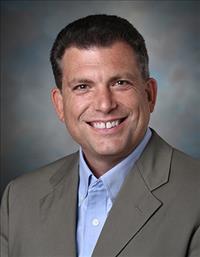 Joshua Morrison Smyth合作论文数Department of Biobehavioral Health, College of Health and Human Development, The Pennsylvania State University4
 Nancy Apfel合作论文数4
 Nurit Shnabel合作论文数Sch Psychol Sci, Tel Aviv Univ4Angélica Herrera Loyo合作论文数3Hana Oberpfalzerová合作论文数3
 Pelin Gul合作论文数3
 Mario Sainz Martinez合作论文数Pontificia Universidad Católica de Chile3
 Kate M. Turetsky合作论文数Princeton Univ3Peter M Ruberton合作论文数Department of Psychology, The Pennsylvania State University3
 Daniel Valdenegro合作论文数Escuela Psicol, Pontificia Univ Catolica Chile3
 Edona Maloku合作论文数Social Sci Unit, Rochester Inst Technol Kosovo3
 Anna Kende合作论文数Inst Psychol, Eotvos Lorand Univ3
 Orly Bareket合作论文数Sch Psychol Sci, Tel Aviv Univ3
 Dominic Abrams合作论文数Centre for the Study of Group Processes, School of Psychology, University of Kent3
 Bilewicz Michał合作论文数Fac Psychol, Univ Warsaw3
 David Sherman合作论文数College of Letters & Science, University of California3
 Visintin Emilio Paolo合作论文数3Margareta Jelic合作论文数Sveuciliste u Zagrebu, University of Zagreb3
 Kaltrina Kelmendi合作论文数Masaryk University, Czech Republic University of Prishtina3
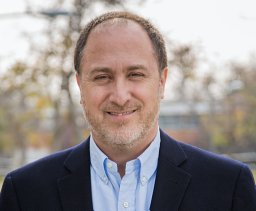 Roberto Gonzalez合作论文数Pontifical Catholic University of Chile3
 Ruth Ditlmann合作论文数3
 Johannes Ullrich合作论文数Institute of Psychology, Goethe University3
 Kevin R. Binning合作论文数University of California , Los Angeles3
 Linda R. Tropp合作论文数Department of Psychological and Brain Sciences, College of Natural Sciences, University of Massachusetts Amherst3
 Sabine Otten合作论文数Friedrich-Schiller-University Jena3
 Masi Noor合作论文数3Stephen C. Wright合作论文数2
 Adrienne Pereira (-Giroud)合作论文数2Andreas Glenz合作论文数2
 Joseph Powers合作论文数2Luiza Mugnol Ugarte合作论文数2Olga Kuzawinska合作论文数2
 Maneeza Dawood合作论文数Dept Psychol, Columbia Univ City New York2
 Lindsey N Potter合作论文数Huntsman Canc Inst, Univ Utah2
 Michelle Bernardino合作论文数Escuela Psicol, Pontificia Univ Catolica Chile2
 Anna Lisa Aydin合作论文数2
 Simone Sebben合作论文数Dept Psychol, Univ Zurich2Jorina von Zimmermann合作论文数2
 Tabea Hässler合作论文数Dept Psychol, Univ Zurich2
 Jessica Pistella合作论文数Dept Dev & Social Psychol, Sapienza Univ Rome2
 Marija Brankovic合作论文数Dept Psychol, Singidunum Univ2




