Though teacher expectations have been researched for decades, their significance and impact remain topics of debate. Across two studies, we use methodologies designed to address common criticisms of observational research on teacher expectations. In Study 1 (NStudents = 16,176), we use classmates’ perceptions of teacher expectations, while in Study 2, we leverage the random assignment of teachers to classrooms (NSections = 188), to examine how teacher expectations predict students’ math test score gains up to three years later. Employing one of the largest and most diverse datasets ever used in teacher expectations research, we compare the effect size of teacher expectations to key factors known to influence achievement (e.g., socioeconomic status, instructional quality), explore how students’ tendencies to devalue academics mediate these effects, and assess equity in teacher expectations across racial/ethnic groups. Our findings reveal that reflected potential—a measure of perceived teacher belief in students’ potential—predicts achievement gains with effect sizes comparable to those of widely recognized educational variables. We also find that this relationship is mediated by a reduced likelihood of students devaluing academics and that students of color receive relatively less reflected potential from their teachers. These results highlight the role of teacher expectations in fostering student achievement.
Ph.D. training across academic disciplines has faced significant challenges, with news and media outlets regularly highlighting student struggles, including frequent distrust and antagonism in relationships with faculty advisors. Given the centrality of the advisor-advisee relationship in doctoral education-most programs follow an apprenticeship model where students are mentored closely by a primary faculty advisor-the quality of this relationship may be particularly important. Yet almost no empirical research has systematically examined the long-term implications of advisor trust in doctoral education. In a prospective longitudinal study of 558 incoming Ph.D. students-primarily in STEM (Science, Technology, Engineering, and Mathematics) fields-at three US research universities, we examined the role of Ph.D. students' trust in their advisor early in graduate school on 17 outcomes measured repeatedly during students' first year, a sensitive period when a disproportionate number of students have historically exited. Results revealed a surprisingly broad and consistent effect of advisor trust, such that students who had greater trust in their advisor finished their first year more motivated, higher in well-being, and more academically successful than those with lower advisor trust. These effects were independent of student and advisor demographics, students' academic preparation, individual characteristics, and existing differences in outcomes measured at the start of graduate school, highlighting the potential causal implications of advisor trust for shaping a successful and healthy Ph.D. journey.
The topics of social belonging, meaning and purpose in life, and mental health have enduring significance, and our objective was to assess the efficacy of two values-affirmation (VA)-based interventions in forestalling critical psychological costs of the COVID-19 pandemic. Both were based on self-affirmation theory (Steele, 1988) and sought to help people stay connected with their core values during this stressful time. One intervention was a one-time VA activity in which participants wrote about important values and were reminded of the value of focusing on core values during uncertain times. A second, elaborated version further guided participants to incorporate brief, values-aligned daily activities. A longitudinal randomized controlled experiment conducted in the United States and Italy revealed an upward trend in social belonging and mental health among participants in the VA conditions-a surprising and positive outcome during a time of looming fear. The trajectories of social belonging and meaning were altered in the intervention conditions, yielding immediate benefits, while long-term benefits (4 weeks postintervention) on social belonging and mental health were confined to men, who experienced poorer psychological outcomes as the pandemic progressed. Additionally, socioeconomic status moderated intervention effects on social belonging, primarily benefitting participants of lower socioeconomic status. Surprisingly, culture and other risk factors (e.g., financial impact of COVID-19; living alone) did not moderate intervention effects. Discussion centers on how tailored VAs can interrupt a recursive cycle triggered by threats to self-integrity, and the potential of social psychologically informed interventions for enhancing belonging, meaning and mental health in face of acute stressors. (PsycInfo Database Record (c) 2025 APA, all rights reserved).
In this paper, we present two studies from the first randomized controlled trial on the impact of a values affirmation intervention on academic performance and psychological well-being in school for deaf students in secondary deaf schools in Nepal. In Study 1, we found moderate and suggestive evidence that values affirmation had a small effect on lowering students’ perceived stereotype threats and improving their academic performance. Contrary to the evidence in past studies, the affirmation effect was stronger among students who initially reported facing fewer stereotype threats. These findings suggested that the intervention might not counter severe threats for some students but could help those facing objectively high, yet relatively lower, threats by providing a psychological buffer. In Study 2, we conducted a qualitative thematic analysis of students’ reflections in both the treatment and control exercises and used the thematic codes to predict academic performance separately within each treatment condition. We found strong evidence that reflections on the themes “Self-awareness and growth in self-identity” and “Relationship with friends” were positively associated with better academic performance for students in the treatment group. We found no evidence that any themes in the control group negatively predicted academic performance for students in the control group. These findings pinpoint plausible context-speific mechanisms for values affirmation and provide an example research agenda for future values affirmation studies targeting vulnerable populations in novel contexts.
We investigate the contrasting realities of the pandemic on psychosocial experiences and ways of coping among American Voices Project respondent surveys (N = 720) and interviews (N = 172). Despite similar levels of distress early in the pandemic, by late 2020 clear differences across education, race and ethnicity, and gender emerged, both quantitatively and qualitatively. Those with structural advantages reported greater gains from the pandemic, including self-improvement opportunities like therapy and time outdoors. In contrast, respondents without college degrees, Black and Hispanic individuals, and women reported experiencing greater psychosocial shocks into the later months of 2020 and feeling disproportionately undervalued, socially disconnected, and stressed, respectively. The former two groups also systematically differed in their coping strategies, which included hard work, emotion suppression, and faith.
Large sample size (N) is seen as a key criterion in judging the replicability of psychological research, a phenomenon we refer to as the N-Heuristic. This heuristic has led to the incentivization of fast, online, non-behavioral studies-to the potential detriment of psychological science. While large N should in principle increase statistical power and thus the replicability of effects, in practice it may not. Large-N studies may have other attributes that undercut their power or validity. Consolidating data from all systematic, large-scale attempts at replication (N = 307 original-replication study pairs), we find that the original study's sample size did not predict its likelihood of being replicated (rs = -0.02, p = 0.741), even with study design and research area controlled. By contrast, effect size emerged as a substantial predictor (rs = 0.21, p < 0.001), which held regardless of the study's sample size. N may be a poor predictor of replicability because studies with larger N investigated smaller effects (rs = -0.49, p < 0.001). Contrary to these results, a survey of 215 professional psychologists, presenting them with a comprehensive list of methodological criteria, found sample size to be rated as the most important criterion in judging a study's replicability. Our findings strike a cautionary note with respect to the prioritization of large N in judging the replicability of psychological science.
Resistance to truth and susceptibility to falsehood threaten democracies around the globe. The present research assesses the magnitude, manifestations, and predictors of these phenomena, while addressing methodological concerns in past research. We conducted a preregistered study with a split-sample design (discovery sample N = 630, validation sample N = 1,100) of U.S. Census-matched online adults. Proponents and opponents of 2020 U.S. presidential candidate Donald Trump were presented with fake and real political headlines ahead of the election. The political concordance of the headlines determined participants' belief in and intention to share news more than the truth of the headlines. This "concordance-over-truth" bias persisted across education levels, analytic reasoning ability, and partisan groups, with some evidence of a stronger effect among Trump supporters. Resistance to true news was stronger than susceptibility to fake news. The most robust predictors of the bias were participants' belief in the relative objectivity of their political side, extreme views about Trump, and the extent of their one-sided media consumption. Interestingly, participants stronger in analytic reasoning, measured with the Cognitive Reflection Task, were more accurate in discerning real from fake headlines when accurate conclusions aligned with their ideology. Finally, participants remembered fake headlines more than real ones regardless of the political concordance of the news story. Discussion explores why the concordance-over-truth bias observed in our study is more pronounced than previous research suggests, and examines its causes, consequences, and potential remedies. (PsycInfo Database Record (c) 2024 APA, all rights reserved).
The COVID-19 pandemic, characterized by its highly contagious nature and devastating death toll, posed a dual threat to both physical and psychological well-being. As a potential intervention to alleviate the psychological impact, values-affirmation involves individuals engaging in the activity of writing about their core values. While its effectiveness in non-WEIRD (i.e. Western, Educated, Industrialized, Rich, Democratic) populations, notably among Chinese adults, has been confirmed, it remains largely unexplored whether the intervention can promote mental health in Chinese adolescents, especially in the context of the COVID-19 pandemic. The purpose of this study thus is to provide the first empirical evaluation of this intervention in promoting well-being and alleviating psychological distress among Chinese adolescents during the COVID-19 pandemic. A total of 2,234 students from 112 secondary schools in China were randomly assigned to an affirmation or control condition. The study found that self-affirmation intervention improved students' life satisfaction, mental health, and self-esteem, as well as buffered a decline of their purpose in life; however, no effects were found for clinical measures of depression, anxiety, and loneliness. The results suggest that self-affirmation interventions, while having limited effects on clinically relevant outcomes, can be an effective approach to boost well-being in adolescents during a major crisis, including in a more historically collectivist culture. Implications for self-affirmation theory and cultural psychology, as well as avenues for future research, are discussed.
An increasingly large body of research in social psychology has underscored the power of brief situational interventions in promoting purposeful change. The present research contributes to the literature on positive psychology interventions (PPIs) by testing a novel volitional intervention that encourages people to engage in activities 'outside their comfort zone.' Participants were randomly assigned either to a condition that encouraged them to engage in an activity outside of their comfort zone over the following two weeks or to a control condition that encouraged them to keep a record of their daily activities. The intervention boosted the life satisfaction of people who were relatively less happy at baseline, with exploratory analyses tentatively suggesting benefits strongest among people who went outside their comfort zone by helping others. Discussion centers on the potential of behavioral 'stretch' interventions to promote positive change and well-being among people dissatisfied with their life.
OBJECTIVE:Using archival and experimental methods, we tested the role that racial associations of first names play in criminal sentencing.HYPOTHESES:We hypothesized that Black defendants with more stereotypically Black names (e.g., Jamal) would receive more punitive sentences than Black defendants with more stereotypically White names (e.g., James).METHOD:In an archival study, we obtained a random sample of 296 real-world records of Black male prison inmates in Florida and asked participants to rate the extent to which each inmate's first name was stereotypically Black or stereotypically White. We then tested the extent to which racial stereotypicality was associated with sentence length, controlling for relevant legal features of each case (e.g., criminal record, severity of convicted offenses). In a follow-up experiment, participant judges assigned sentences in cases in which the Black male defendant was randomly assigned a more stereotypically Black or White name from our archival study.RESULTS:Controlling for a wide array of factors-including criminal record-we found that inmates with more stereotypically Black versus White first names received longer sentences β = 0.09, 95% confidence interval (95% CI) [0.01, 0.16]: 409 days longer for names 1 standard deviation above versus below the mean on racial stereotypicality. In our experiment, participant judges recommended significantly longer sentences to Black inmates with more stereotypically Black names above and beyond the severity of the charges or their criminal history, β = 0.07, 95% CI [0.02, 0.13].CONCLUSIONS:Our results identify how racial associations with first names can bias consequential sentencing decisions despite the impartial aims of the legal system. More broadly, our findings illustrate how racial biases manifest in distinctions made among members of historically marginalized groups, not just between members of different groups. (PsycInfo Database Record (c) 2023 APA, all rights reserved).
a URL, doi, or other permanent path for accessing the specified information in a public, openaccess repository, and the specified information must be provided in a format that is time-stamped, immutable, and permanent.Qualifying public, open-access repositories are committed to preserving data, materials, and/or registered analysis plans and keeping them publicly accessible via the web in perpetuity.Examples include the Open Science Framework (OSF) and the various Dataverse networks.Hundreds of other qualifying data/materials repositories are listed at http://re3data.org/.Preregistration of an analysis plan must take place via a publicly accessible registry system (e.g., OSF, ClinicalTrials.govor other trial registries in the WHO Registry Network, institutional registration systems).Personal websites and most departmental websites do not qualify as repositories.
Students from lower socioeconomic status (SES) backgrounds can experience stigma in undergraduate educational settings but little research on this topic has been conducted at the PhD level. Lower-SES PhD students may feel lower levels of social integration as they experience incidents of interpersonal disconnection from others inside and outside of academia. Interpersonal disconnection may be a mechanism by which lower-SES leads to a lower sense of social integration. In this prospective study of first-year PhD students at three North American universities (N = 608), we assessed students' perceived social integration and their interpersonal perceptions inside and outside of academia 2-8 times throughout their first year of graduate school. Relative to higher-SES students, lower-SES students perceived lower levels of social integration. They had difficulty making academic friends, felt dissimilar to their academic peers, and perceived a lack of understanding about their work in graduate school from non-academic families and friends. They also lost non-academic social ties. These interpersonal disconnections prospectively mediated the association between lower SES and lower levels of perceived social integration. Lower-SES PhD students are at risk of impaired interpersonal relationships. Institutional policies to promote social connections among PhD students may help lower-SES students integrate into academia.
Within psychology, efforts to address racial-ethnic disparities in students’ academic outcomes have focused primarily on students themselves. But there is another important person in classrooms: the teacher. In the United States, most racial-ethnically minoritized students are taught by White teachers. Drawing on research on cross-race interactions, we argue that for White teachers—especially those new to the profession—this dynamic is likely to elicit psychological threat, which then undermines their relationships with students, their well-being, and their effectiveness as an instructor. We hypothesized that values affirmation, a technique to mitigate threat and stress, could improve these outcomes. We randomly assigned White public school teachers ( N = 109) at schools serving predominantly minoritized students to complete a values affirmation exercise or a matched control exercise in the fall of their first year of teaching. Five months later, affirmed teachers reported greater well-being and better teacher–student relationships than their control counterparts, and their classrooms were rated as more rigorous and more supportive of students’ academic growth by trained observers.
Science, technology, engineering, and mathematics (STEM) education can be stressful, but uncertainty exists about (a) whether stressful academic settings elevate cortisol, particularly among students from underrepresented racial/ethnic groups, and (b) whether cortisol responses are associated with academic performance. In four classes around the first exam in a gateway college STEM course, we investigated participants' (N = 271) cortisol levels as a function of race/ethnicity and tested whether cortisol responses predicted students' performance. Regardless of race/ethnicity, students' cortisol, on average, declined from the beginning to the end of each class and across the four classes. Among underrepresented minority (URM) students, higher cortisol responses predicted better performance and a lower likelihood of dropping the course. Among non-URM students, there were no such associations. For URM students, lower cortisol responses may have indicated disengagement, whereas higher cortisol responses may have indicated striving. The implication of cortisol responses can depend on how members of a group experience an environment.
To advance understanding of doctoral student experiences and the high attrition rates among Science, Technology, Engineering, and Mathematics (STEM) doctoral students, we developed and examined the psychological profiles of different types of doctoral students. We used latent class analysis on self-reported psychological data relevant to psychological threat from 1,081 incoming doctoral students across three universities and found that the best-fitting model delineated four threat classes: Lowest Threat, Nonchalant, Engaged/Worried, and Highest Threat. These classes were associated with characteristics measured at the beginning of students' first semester of graduate school that may influence attrition risk, including differences in academic preparation (e.g., amount of research experience), self-evaluations and perceived fit (e.g., sense of belonging), attitudes towards graduate school and academia (e.g., strength of motivation), and interpersonal relations (e.g., perceived social support). Lowest Threat students tended to report the most positive characteristics and Highest Threat students the most negative characteristics, whereas the results for Nonchalant and Engaged/Worried students were more mixed. Ultimately, we suggest that Engaged/Worried and Highest Threat students are at relatively high risk of attrition. Moreover, the demographic distributions of profiles differed, with members of groups more likely to face social identity threat (e.g., women) being overrepresented in a higher threat profile (i.e., Engaged/Worried students) and underrepresented in lower threat profiles (i.e., Lowest Threat and Nonchalant students). We conclude that doctoral students meaningfully vary in their psychological threat at the beginning of graduate study and suggest that these differences may portend divergent outcomes.
This study examined whether conformity to high- but not low-status e-confederates was associated with increases in identification with popular peers and subsequent increases in self-esteem. A sample of 250 adolescents (55.1% male; Mage = 12.70 years; 40.3% White, 28.2% Black, 23.4% Hispanic/Latino, and 7.7% multiracial/other) participated in a well-established experimental chat room paradigm where they were exposed to norms communicated by high- and low-status e-confederates. Results revealed that for boys in the high-status condition only, but not girls, the positive relation between conformity and self-esteem was mediated by greater response alignment with popular peers. These findings bolster prior research by suggesting that conformity to popular peers may be partly motivated by drives for self-esteem and alignment with a valued reference group.
Access to college for students from low-income families is disproportionately low because of many factors. A targeted intervention that addresses social psychological factors is introduced in the present paper. It is hypothesized that the steps needed to go to college-applying for college and applying for financial aid-can be blocked by both psychological and behavioral friction. The psychological friction arises from the threats to self-integrity that low-income students experience when considering attending college. Behavioral friction takes the form of institutional and bureaucratic barriers that students must overcome to apply to college and for financial aid. Two interventions are tested separately and in combination to address these dual barriers. A self-affirmation intervention in which students wrote about important values aimed to alleviate threats to self-integrity; and a behavioral ladder intervention that provided a series of timely reminders or "nudges" and accompanying strategies to students through a mobile application (app) at key decision points along the college admissions process addressed behavioral friction. Students who received the behavioral ladder made further progress along the college admission pipeline based on official records, an effect that was apparent only in the affirmation condition. These results illustrate the efficacy of combining "wise" interventions to address discrete barriers, the importance of tailoring and timing intervention content to key points of friction, and the potential of mobile technology to facilitate both objectives. (PsycInfo Database Record (c) 2022 APA, all rights reserved).
Lay theory interventions instill situation-general ways of thinking, often using short reading and writing exercises, and they have led to lasting changes in behavior and performance in a wide variety of policy domains. Do they work in all contexts? We suggest that lay theory intervention effects depend on psychological affordances, which are defined as cues that allow individuals to view a lay theory as legitimate and adaptive in that context. The present research directly and experimentally tested this hypothesis using the example of a "purpose for learning" lay theory intervention, which taught the lay theory that school is a place to develop skills that allow one to make progress toward self-transcendent aims. A double-blind 2 (student purpose intervention) × 2 (purpose-affording note) field experiment was conducted in a relatively low-performing public middle school in the United States. Students first received a web-based purpose for learning lay theory intervention (or a control activity), and 2 weeks later attended a class in which an assignment was accompanied by a purpose-affording note that was hand-written by a teacher (or a control note). Results showed that the purpose lay theory intervention increased performance on an English class writing assignment, but only when it was accompanied by a purpose-affording note. Exploratory analyses revealed that the effects of the manipulations were apparent among students who were at greater risk for poor performance in the class: nonnative English-speaking students. Thus short, online lay theory interventions may reduce performance gaps, provided that the contexts afford the opportunity for the proffered lay theory to seem legitimate and adaptive. (PsycInfo Database Record (c) 2021 APA, all rights reserved).
This meta-analysis assessed the impact of values affirmation on the academic achievement of students under social identity threats in actual classrooms. After a systematic search yielded 58 relevant studies, multilevel analyses identified an overall affirmation effect for identity-threatened students (Hedges' g = .15), not for identity-nonthreatened students (Hedges' g = .01). Heterogeneity in the affirmation effect was moderate to high for identity-threatened students, with effect sizes associated with (1) a larger covariate-controlled achievement gap between nonthreatened and threatened students in the control condition, suggestive of psychological underperformance, (2) the availability of financial resources in school, (3) more distal performance outcomes, and (4) the presentation of values affirmation as a normal classroom activity rather than a research study or a nonnormal classroom activity. Affirmation appears to work best when it is delivered as a normal classroom activity and where identity threat co-occurs with resources for improvement and time to await cumulative benefits.
A theory-based intervention known as "self-affirmation" provides people with the opportunity to affirm a sense of self-integrity, a global image of moral and adaptive adequacy, at moments of psychological threat. By assuaging threat, affirmations can allay stress and defensive responding. The positive impact of self-affirmations has been shown in many domains where persistent threats to self-integrity can impede adaptive outcomes. Affirmations, by broadening the perceived bases of self-integrity, render these threats less dire. The focus of the present chapter is on affirmations in educational institutions. On the whole, affirmation interventions have been shown to be powerful yet conditional in their effects. They have large and lasting benefits when people are under persistent psychological threat that impedes adaptive outcomes, when the affirmation is well-timed to this threat and activates the self-affirmation process, and where other resources for positive change are available and thus likely to be activated once psychological threat has been assuaged. To illuminate theoretical and practical considerations, a case study is presented from researchers working in a German school system with a large immigrant population; the successful application of affirmation depended on being attentive to the underlying mechanisms and theoretical moderators. In a final section, lingering theoretical and applied questions are discussed.
 Julio Garcia合作论文数26
 David Sherman合作论文数College of Letters & Science, University of California17
 Valerie Purdie-Greenaway合作论文数Dept Psychol, Columbia Univ16
 Jonathan E Cook合作论文数State Coll, Penn State Univ15
 Gregory M. Walton合作论文数Department of Psychology, School of Humanities and Sciences, Stanford University15
 Nancy Apfel合作论文数13Arghavan Salles合作论文数Medical Center, Stanford University13Mueller Claudia合作论文数12
 Mitchell J. Prinstein合作论文数Department of Psychology and Neuroscience, University of North Carolina at Chapel Hill10
 Kevin R. Binning合作论文数University of California , Los Angeles9
 John Gastil合作论文数Departments of Communication Arts and Sciences, College of the Liberal Arts, Pennsylvania State University/Department of Political Science, College of the Liberal Arts, Pennsylvania State University7
 Paul Slovic合作论文数Department of Psychology, University of Oregon;Decision Research7
 Christine Logel合作论文数7Valerie Purdie Greenaway合作论文数6Silverman Arielle M合作论文数6
 Joshua Aronson合作论文数Steinhardt School of Culture, Education, and Human Development, New York University6
 Donald Braman合作论文数Law School , George Washington University6
 Rene Kizilcec合作论文数Department of Information Science, Ann S. Bowers College of Computing and Information Science, Cornell University;Future of Learning Lab, Cornell University6
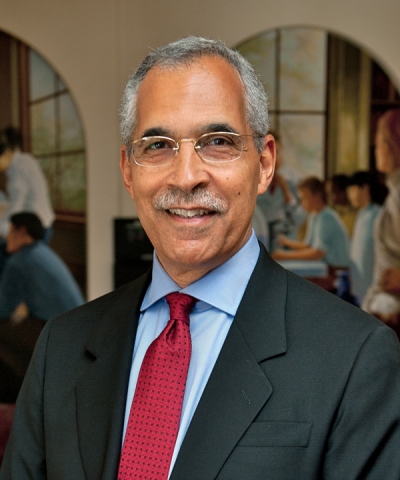 Claude Mason Steele合作论文数Department of Psychology, Stanford University6
 Dan M. Kahan合作论文数Yale Law School, Yale University6Shannon T. Brady合作论文数5
 David S. Yeager合作论文数Population Research Center, College of Liberal Arts, The University of Texas at Austin;Texas Behavioral Science and Policy Institute, The University of Texas at Austin5
 Sophia Choukas-Bradley合作论文数Department of Psychology, University of North Carolina at Chapel Hill5Belmi Peter合作论文数5
 Cortes Barragan Rodolfo合作论文数Department of Psychology, Stanford University5
 Allison Master合作论文数Department of Psychology, Yale University5
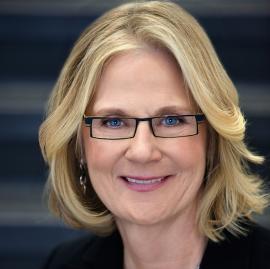 Margaret Ann Neale合作论文数Graduate School of Business, Stanford University5
 Stephanie L. Reeves合作论文数The Ohio State University4
 Matteo Giletta合作论文数Dept Dev Psychol, Tilburg Univ4
 Carol Dweck合作论文数Department of Psychology, School of Humanities and Sciences, Stanford University4
 Akira Miyake合作论文数Department of Psychology and Neuroscience, College of Arts and Sciences, University of Colorado Boulder4Tiffany A. Ito合作论文数University of Colorado at Boulder4
 Noah Finkelstein合作论文数Department of Physics, College of Arts and Sciences, University of Colorado at Boulder4
 Steven J Pollock合作论文数Department of Physics;University of Colorado;Department of Physics, University of Colorado4
 Joseph Powers合作论文数3
 Kate M. Turetsky合作论文数Princeton Univ3Peter M Ruberton合作论文数Department of Psychology, The Pennsylvania State University3
 Parker Goyer合作论文数Stanford Univ, Dept Psychol, Stanford, CA 94305 USA3
 Nicholas Camp合作论文数College of Literature, Science, and the Arts, University of Michigan-Ann Arbor3
 William Hall合作论文数School of Nursing.chool of Social Work, University of North Carolina3Lauren E. Kost-Smith合作论文数3
 Cameron Brick合作论文数University of Amsterdam3Taborsky-Barba Suzanne合作论文数3
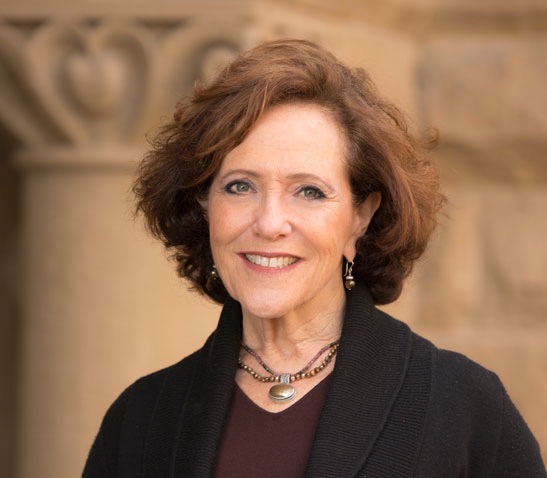 Hazel Rose Markus合作论文数Department of Psychology, Stanford University3
 Jonathan E. Cook合作论文数Computer Science department at New Mexico State University3J. Aronson合作论文数2Channing Tate合作论文数2Patricia Brzustoski合作论文数2Sarah Tomassetti合作论文数2




