Bulk mixed metal oxides are increasingly explored as sustainable catalysts, yet their behaviour under hydrodeoxygenation (HDO) environments remains poorly understood. Here, we reveal how first-row transition metal molybdates (MMo, M = Mn, Fe, Co, Cu, Zn) undergo metal-dependent restructuring under acetone HDO, leading to the emergence of functional Mo-rich phases with distinct redox and catalytic properties. Catalytic testing combined with comprehensive post-reaction characterization shows that HDO conditions promote the formation of substoichiometric molybdenum species (MoOxCy) whose abundance and distribution are governed by the reducibility of the incorporated metal. These dynamically generated phases promote efficient deoxygenation through multiple pathways and explain the broad reactivity trends across the MMo series. Our findings demonstrate that hydrodeoxygenation can direct the self-assembly of transition metal molybdates into catalytically versatile architectures, providing generalizable principles for designing redox-active oxide catalysts for biomass valorization and other oxygen-rich feedstocks.
Gold nanoparticle doped graphitic carbon nitride (Au/g-C3N4) photocatalysts were synthesized via different preparation methods and evaluated for the visible-light-driven degradation of methyl orange at room temperature. All Au-modified samples exhibited superior photocatalytic activity compared to unmodified g-C3N4, which was attributed to the positive role of gold in enhancing charge separation. Notably, catalysts containing well-dispersed Au bimodal size distribution (<0.5 nm intercalated between the layers and 2 nm on the surface) displayed the highest efficiency, achieving complete methyl orange degradation within 180 min. The superior activity of the simple impregnation-derived sample was attributed to its small Au particle size and strong interaction with the g-C3N4 matrix, which facilitated electron trapping and reactive oxygen species generation as shown by photoluminescence, photocurrent response and electrochemical impedance spectroscopy Nyquist plots. The degradation mechanism was determined based on radical scavenger experiments and the dominant reactive species observed were superoxide radicals (O2(center dot-)), hydroxyl radicals ((OH)-O-center dot), and photogenerated holes (h(+)). The solution pH was found to significantly influence the initial adsorption of methyl orange onto the catalyst surface, thereby affecting the overall degradation process. Among the tested strategies, incipient wetness and impregnation routes emerged as promising, facile approaches for the preparation of efficient photocatalysts. This work highlights how synthesis methodology critically governs the physicochemical properties and photocatalytic performance of Au/g-C3N4, offering valuable insights for the design of photocatalysts as sustainable materials for water purification.
Microalgal oil has been increasingly studied as a feedstock for biodiesel production through transesterification reactions using heterogeneous catalysts. This route offers several benefits, including catalyst reuse, ease of separation, and improved safety, while addressing environmental and technical issues associated with using homogeneous acids and bases. Most studies use methanol for the transesterification, and few studies have investigated the transesterification of microalgal oil using ethanol. Beyond the environmental benefits of microalgae compared to plant-based biomass, replacing methanol with bioethanol is advantageous due to its lower cost and reduced toxicity. If the emulsion issue between the produced biodiesel and ethanol is resolved, ethanol could be a more environmentally friendly alternative for green fuel production. This study evaluated various metal oxides as catalysts for the transesterification of rapeseed oil using ethanol as both reagent and solvent to improve miscibility. From catalyst screening, CaO showed the highest fatty acid ethyl esters yield and this catalyst was then tested at different reaction times in two systems (round-bottom flask and autoclave reactor) for the transesterification of both rapeseed and microalgal (Scenedesmus sp.) oil. The highest reaction yield was 86.0 Microalgal oil for biodiesel: greener, cost-effective with CaO catalyst. Ethanol reduces toxicity and cost, promising for biodiesel production. CaO achieves high yield in rapeseed and microalgal oil transesterification. Ethanol transesterification of microalgae addresses environmental issues. Emulsion resolved technically; further environmental and economic analysis needed.
Microalgae are promising feedstocks for sustainable biofuels due to rapid growth, CO2 fixation, and non-reliance on arable land. This study investigates the pyrolysis of Chlorella sp. under non-catalytic, catalytic, and microwave-assisted configurations to optimise bio-oil composition and energy density. Response surface methodology identified optimal conditions at 550 °C and 60 °C/min, yielding 43 wt% bio-oil. Catalytic pyrolysis with HZSM-5 and Na2CO3 improved deoxygenation and increased higher heating value (HHV) to 30.8 MJ/kg. Microwave-assisted pyrolysis at 80 W (∼80 W/g for 1 g sample) produced the best bio-oil, with 68.3 % C, 16.1 % O, and HHV of 33.4 MJ/kg. Carbon-rich biochar (∼80 wt% C) was also obtained, suitable for soil amendment or activation. Catalyst-dependent gas profiles were observed, with Na2CO3). Yielding 24.7 vol% H2. These results highlight the potential of tuning pyrolysis configuration to upgrade algal biomass without post-treatment. The study supports the development of drop-in microalgal biofuels and reinforces their role in circular, carbon-neutral energy systems.
A series of bismuth molybdate catalysts were synthesised at different pH via a hydrothermal method using citric acid. The calcined and uncalcined catalysts were tested for the selective oxidation of propene to acrolein under microwave-electric field heating and conventional heating. Under conventional heating the catalysts synthesised at low pH were found to give the best performance, however, under microwave heating the key parameter was the calcination step. The dielectric properties were determined using cavity perturbation methods and non-calcined samples were found to have a high dielectric loss tangent, a measure of how well a material can convert microwave radiation into heat, that was ascribed to residual water and nitrate ions in the catalysts. On calcination the residual water and nitrate was removed and the particle size increased leading to low dielectric loss tangents. When heated at low power (10–20 W) the microwave-electric field the catalysts gave very high selectivity to acrolein compared to the conventionally heated catalysts at isoconversion. This was attributed to the microwave energy selectively heating the catalyst bed, but not the reactants, suppressing sequential oxidation and cracking reactions. This study demonstrates the importance of both the materials dielectric and catalytic properties in microwave-assisted catalysis which allows high yields to be achieved when compared to the same catalysts under conventional heating.
A series lanthanum perovskite supports (LaBO3, where B = Cr, Mn, Fe, Co and Ni) were synthesised using a hard templating methodology with a mesoporous silica template (SBA-15). This methodology produced high surface area perovskites with surface areas of 70-160 m2 g-1. 1 wt% AuPt was added to the perovskite supports using sol immobilisation and the resultant catalysts tested for the oxidation of glycerol. When the AuPt/LaBO3 catalysts were tested for glycerol oxidation the product distributions via either the oxidation mechanism or a dehydration mechanism could be tuned by substituting different transition metals into the B site. In line with previous studies, AuPt/LaMnO3 and AuPt/LaCoO3 gave the highest yield of oxidation products (glyceric acid with small amounts of tartronic acid), AuPt/LaCrO3 gave the highest yield of lactic acid through the dehydration pathway, while AuPt/LaNiO3 and AuPt/LaFeO3 gave a mixture of products from both the oxidation and dehydration pathways. The product distributions were found to change over the course of the reaction due to the relative rates of the two reaction pathways. For all catalysts except AuPt/LaMnO3 the yield of oxidation products stopped after two hours, while all catalysts except AuPt/LaMnO3 continued to produce lactic acid over the whole reaction. This suggests the perovskite supported catalysts are not stable over the course of the reaction. The most interesting behaviour was found for the AuPt/LaFeO3 catalyst that gave a high initial selectivity to tartronic acid, although further studies are needed to elucidate the mechanism fully.
Catalysts are ubiquitous in manufacturing industries and gas phase pollutant abatement but are not widely used in wastewater treatment, as high temperatures and concentrated waste streams are needed to achieve the reaction degradation rates required. Heating water is energy intensive, and alternative, low temperature solutions have been investigated, collectively known as advanced oxidation processes. However, many of these advanced oxidation processes use expensive oxidants such as perchlorate, hydroxy radicals or ozone to react with contaminants, and therefore have high running costs. This study has investigated microwave catalysis as a low-energy, low-cost technology for water treatment using NiO catalysts that can be heated in the microwave field to drive the decomposition of azo-dye contaminants. Using this methodology for the microwave-assisted degradation of two azo dyes (azorubine and methyl orange), conversions of >95% were achieved in only 10 s with 100 W microwave power.
This manuscript reports for the first time a heterogenous catalytic route to monoglycerides (MAGs) from microalgal oil. Microalgae is an important biomass source with high-value applications, such as food ingredients with essential fatty acids. To date, the glycerolysis of microalgae has only been investigated for a microbial oil ( Schizochytrium sp.) using enzyme catalysis. However, the use of enzymes on a large scale is currently economically impeditive and requires highly selective lipases. In this study, metal oxides were screened and the reaction conditions optimized for rapeseed oil. The optimized conditions were then used to investigate the production of MAGs from Scenedesmus sp. microalga. The most promising catalyst was found to be MgO/KOH, which gave a 44 % yield. Comparing two reaction systems (low temperature 70 °C/atmospheric pressure and high temperature at 200 °C/20 bar), it was found that the latter has a superior performance. Due to the stability of the product in air, the presence of an inert atmosphere is essential to achieve high yields.
Metal oxides have applications in a variety of different fields, and new synthesis methods are needed to control their properties and improve their performance as functional materials. In this study, we investigated a low-cost antisolvent precipitation method using a choline chloride-urea deep eutectic solvent to precipitate CuZnOx materials using water as the antisolvent. Using this methodology, the metal oxide materials can be precipitated directly from the deep eutectic solvent without the need for a high-temperature calcination step that can lead to a reduction in defects and surface area, which are important properties in applications such as catalysis.
Microwave dielectric heating is an emerging technology in heterogeneous catalysis. However, catalyst design in this field is not as well developed as when conventional heating is used. In this study the selective oxidation of propene to acrolein has been used as a model reaction to understand the how the properties of bismuth mixed metal oxide catalysts can be tuned for use in microwave assisted catalysis. The role of the dielectric properties, that are crucial to enable the catalyst to be heated in the microwave electric field, were determined using cavity perturbation methods. Catalysts with a very high loss tangent reached high temperatures leading to combustion products, whereas materials with a low loss tangent could not be heated and were inactive. Bi2MoO6 and BiVO4 both showed promising performance during an initial screening and were investigated further. For Bi2MoO6, a partial substitution of molybdenum with vanadium resulted in the formation of Bi1‐X/3V1‐xMoxO4, with a decrease in particle size and dielectric loss tangent, and the highest rate of acrolein production was found when x= 0.6 at 15 W microwave power. Higher microwave power resulted in thermal runaway which decreased the activity of the catalyst.
Cu-ZrO2 is demonstrated to be a highly effective catalyst for the transfer hydrogenation of methyl levulinate to γ-valerolactone, using methanol as the hydrogen donor. The emergence of several new strategies for synthesising green methanol, underlines its potential as a sustainable hydrogen source for such transformations. Transfer hydrogenation of methyl levulinate over Cu-ZrO2 was determined to proceed through a two-step 'hydrogen borrowing' process. The first step involves methanol dehydrogenation (rate limiting) and the second, levulinate reduction. This proof-of-concept study demonstrates that methanol can be used effectively as a hydrogen source for such transformations when a suitable catalyst is employed.
Exceptional selectivity of LaMnO 3 perovskite supported Au catalysts for the oxidation of glycerol to the dicarboxylate tartronic acid is reported. Through using monometallic Au, Pt or bimetallic Au:Pt nanoparticles the tartronic acid yield could be altered significantly, with a maximum yield of 44% in 6 h with Au/LaMnO 3 and 80% within 24 h. These LaMnO 3 supported catalysts were compared with conventionally TiO 2 supported catalysts, which at comparable reaction conditions produced lactic acid, via a dehydration pathway, in high yield and a maximum tartronic acid yield of only 9% was observed. The LaMnO 3 catalysts produced minimal lactic acid regardless of the supported metal, showing that the support structure influences the prevalence of dehydration and oxidation pathways. The choice of metal nanoparticle influenced product selectivity along the oxidation pathway for both LaMnO 3 and TiO 2 supported catalysts. Au catalysts exhibited a higher selectivity to tartronic acid, whereas AuPt catalysts produced glyceric acid and Pt catalysts produced predominantly C–C scission products. Graphical Abstract
Iron molybdate catalysts were prepared using a sol gel route with malonic acid and oxalic acid and their performance for the selective oxidation of methanol to formaldehyde was evaluated.
Cu/ZnO catalyst precursors for industrial methanol synthesis catalysts are traditionally synthesised by coprecipitation. In this study, a new precipitation route has been investigated based on anti-solvent precipitation using a switchable solvent system of triethylamine and water. This system forms a biphasic system under a nitrogen atmosphere and can be switched to an ionic liquid single phase under a carbon dioxide atmosphere. When metal nitrate solutions were precipitated from water using triethylamine–water as the anti-solvent a hydroxynitrate phase, gerhardite, was formed, rather than the hydroxycarbonate, malachite, formed by coprecipitation. When calcined and reduced, the gerhardite precursors formed Cu/ZnO catalysts which showed better productivity for methanol synthesis from CO2 hydrogenation than a traditional malachite precursor, despite their larger CuO crystallite size determined by X-ray diffraction. The solvents could be recovered by switching to the biphasic system after precipitation, to allow solvent recycling in the process, reducing waste associated with the catalyst synthesis.
This Account is to commemorate the 70th birthday of Graham Hutchings and his diverse and distinguished career in catalysis, working in industry and academia. The scope of his work is wide ranging, and he has contributed to many areas of catalysis and has been a pioneer in several of them. Notable contributions to the discipline include novel methods of catalyst preparation for both metal oxides and supported nanoparticles, selective oxidation, acetylene hydrochlorination, and direct hydrogen peroxide synthesis, and he has played a central role in the discovery, application, and understanding of gold-based catalysts. The aim of this article is to provide an outline of his career and highlight some of the contributions he has made to the field of catalysis. Successfully supervising over 190 Ph.D. students, working directly with more than 90 postdoctoral researchers, and collaborating widely nationally and internationally, his work has influenced many in the discipline of heterogeneous catalysis.
Catalytic hydrogenation of levulinic acid to form gamma-valerolactone was studied over Cu-ZrO2 catalysts doped with metal oxides from the first-row transition metals. The Cu-ZrO2 material was prepared by oxalate gel coprecipitation, and dopants were added by an incipient wetness approach. The addition of 1% Mn into Cu ZrO2 significantly increases the yield of y-valerolactone, and the catalytic activity of Mn/Cu-ZrO2 was found to be 1.6 times higher than that of the undoped Cu ZrO2 catalyst. Catalyst characterization suggests that the Mn dopant improves the dispersion of Cu on the surface of ZrO2. Kinetic studies show that the reaction order with respect to the substrate concentration is approximately zero. However, the order of reaction with respect to the partial pressure of H-2 is different for the Mn/Cu-ZrO2 and Cu-ZrO2 catalysts. Comparison of reaction products from reactions carried out in H2O and D2O solvents using H-1 NMR and C-13 NMR show that there is a pre equilibrium keto enol isomerization step under our reaction conditions. DFT calculations show that the enol isomers have a higher affinity for the Cu surface, which may improve the substrate in the hydrogenation step of the reaction.
A novel pH gradient methodology was used to synthesise a series of Cu–ZrO 2 catalysts containing different quantities of Cu and Zr.All of the catalysts were highly selective to the desired product, γ-valerolactone, and are considerably more stable than Cu–ZrO 2 catalysts prepared by other co-precipitation methods for this reaction.Characterisation and further investigation of these catalysts by XRD, BET, SEM and XPS provided insight into the nature of the catalytic active site and the physicochemical properties that lead to catalyst stability.We consider the active site to be the interface between Cu/CuOxand ZrOx and that lattice Cu species assist with the dispersion of surface Cu through the promotion of a strong metal support interaction.This enhanced understanding of the active site and roles of lattice and surface Cu will assist with future catalyst design.As such, we conclude that the activity of Cu–ZrO 2 catalysts in this reaction is dictated by the quantity of Cu–Zr interface sites.
We have investigated xNi-yCu-ZrO2 catalysts for the selective synthesis of.-valerolactone from levulinic acid (LA). A series of xNi-yCu-ZrO2 catalysts with a consistent metal loading of 50% but varying Ni and Cu composition were prepared by an oxalate gel precipitation method and tested for LA hydrogenation. Ni-rich catalysts showed higher catalytic activity compared with Cu-rich formulations with a 45Ni-5Cu-ZrO2 composition yielding 76% gamma-valerolactone after a reaction time of 30 min at 200 degrees C. Characterisation of the materials by XRD, surface area measurements and TPR allow us to attribute the differences in performance seen for different compositions to particle size and nanoparticle dispersion effects. DFT calculations also showed that a shift of d-band centre to higher energies with the mole fraction of Ni in Cu-Ni alloys would be expected to lead to improved hydrogen dissociation in Ni-rich catalysts and so aid hydrogenation activity.
Methanol synthesis using Cu/ZnO/Al2O3 catalysts is a well-established industrial process. Catalyst development is always an important factor and this has resulted in the current fully optimised commercial catalyst that is prepared by co-precipitation via hydroxycarbonate precursors. Recently, the synthesis of a CuZn hydroxycarbonate precursor, analogous to the rare mineral georgeite, was reported to produce a high activity methanol synthesis catalyst. Here we report the addition of Al3+, the third component found in industrial catalysts, to the zincian georgeite-derived catalyst prepared using a supercritical CO2 anti-solvent precipitation methodology. The co-addition of an AlO(OH) sol to the Cu/Zn precursor solution was found to not disrupt the formation of the CuZn georgeite phase, while providing efficient mixing of the Al3+ within the material. The catalyst derived from the CuZn georgeite precursor phase doped with Al3+ showed a high level of methanol synthesis productivity, which was comparable to that of the binary CuZn georgeite derived catalyst. This material also exhibited enhanced stability during an accelerated ageing test compared to the non-Al doped zincian georgeite material. Performance was benchmarked against an industrially relevant Cu/ZnO/Al2O3 standard catalyst.
Zincian georgeite, an amorphous copper-zinc hydroxycarbonate, has been prepared by co-precipitation using acetate salts and ammonium carbonate. Incorporation of zinc into the georgeite phase and mild ageing conditions inhibits crystallisation into zincian malachite or aurichalcite. This zincian georgeite precursor was used to prepare a Cu/ZnO catalyst, which exhibits a superior performance to a zincian malachite derived catalyst for methanol synthesis and the low temperature water-gas shift (LTS) reaction. Furthermore, the enhanced LTS activity and stability in comparison to that of a commercial Cu/ZnO/Al2O3 catalyst, indicates that the addition of alumina as a stabiliser may not be required for the zincian georgeite derived Cu/ZnO catalyst. The enhanced performance is partly attributed to the exclusion of alkali metals from the synthesis procedure, which are known to act as catalyst poisons. The effect of residual sodium on the microstructural properties of the catalyst precursor was investigated further from preparations using sodium carbonate.
 Graham Hutchings合作论文数School of Chemistry, Cardiff University107
 Stuart Taylor合作论文数School of Chemistry, Cardiff University;Cardiff Catalysis Institute, Cardiff University46
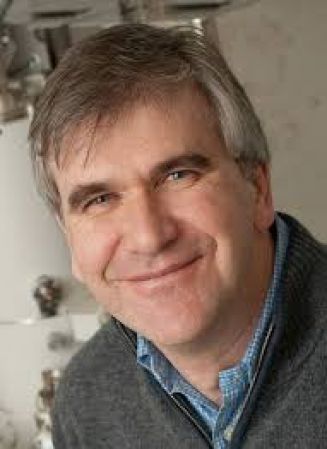 Christopher J. Kiely合作论文数Department of Materials Science and Engineering, P.C. Rossin College of Engineering and Applied Science, Lehigh University42
 Nicholas F. Dummer合作论文数22
 Simon Kondrat合作论文数Cardiff Catalysis Inst, Cardiff Univ21
 Albert Frederick Carley合作论文数School of Chemistry, Cardiff University16
 David Morgan合作论文数Cardiff Catalysis Institute, Cardiff University;School of Chemistry, Cardiff University14
 Thomas E. Davies合作论文数School of Chemistry Main Building, Cardiff University14
 James S Hayward合作论文数11Sarwat Iqbal合作论文数10
 Jose Antonio Lopez-Sanchez合作论文数School of Chemistry, Cardiff University10
 David J. Willock合作论文数Department of Chemistry, Cardiff University10Jeanclaude Volta合作论文数10Peter J. Miedziak合作论文数10
 Robert Schlögl合作论文数Max Planck Institute for Chemical Energy Conversion;University Duisburg-Essen;Humboldt University Berlin9Smith Paul J合作论文数9
 Jennifer K Edwards合作论文数Cardiff University, University of Wales9
 Andrew Burrows合作论文数Center for Advanced Materials and Nanotechnology, Lehigh University8C Rhodes合作论文数7Rpk Wells合作论文数7Michael S Spencer合作论文数7Weihao Weng合作论文数7Satoshi Ishikawa合作论文数Kanagawa Univ, Fac Engn, Kanagawa Ku, Yokohama, Kanagawa 2218686, Japan6
 Marco Conte合作论文数Department of Chemistry, Faculty of Science, The University of Sheffield6
 Delimitis Andreas合作论文数Department of Physics, Aristotle University of Thessaloniki6
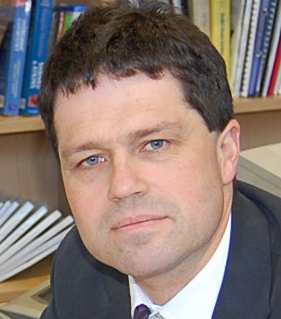 Matthew Rosseinsky合作论文数School of Physical Sciences, Faculty of Science and Engineering, University of Liverpool;Department of Chemistry, University of Liverpool6Colin Rhodes合作论文数6
 Dan I. Enache合作论文数6y h taufiq yap合作论文数5Sujata Sajip合作论文数5Rhys Lloyd合作论文数5
 Greg Shaw合作论文数5
 Reece Christian合作论文数School of Chemistry, Cardiff University5
 Donald Bethell合作论文数Department of Chemistry, University of Liverpool5Li Lu合作论文数5
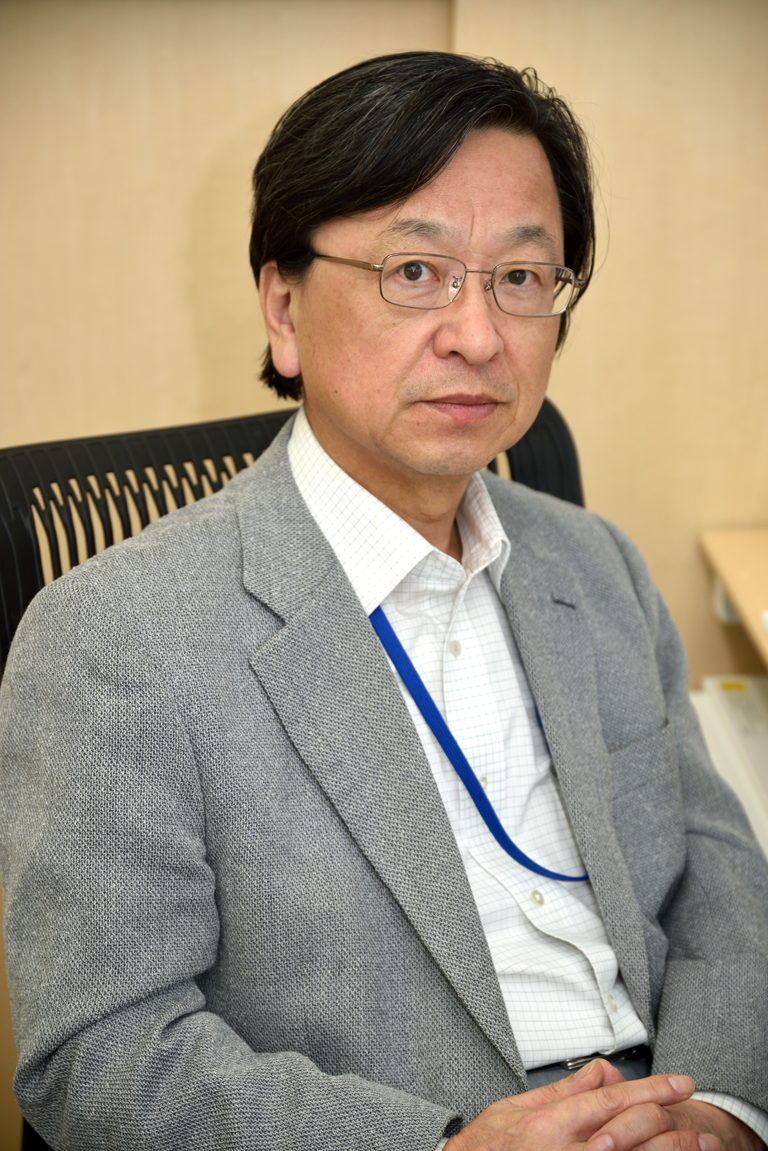 Wataru Ueda (上田渉)合作论文数Kanagawa University5Nf Dummer合作论文数5
 Khalid Karim合作论文数Greenwood Institute of Child Health5Zhongjie Lin合作论文数5
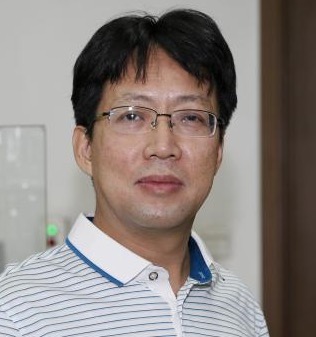 Wensheng Dong (董文生)合作论文数Key Laboratory of Applied Surface and Colloid Chemistry, Ministry of Education, Shaanxi Normal University5Richard P. K. Wells合作论文数5Raimon Marin合作论文数4Ian J. Ellison合作论文数4geoffrey j f pudge合作论文数4James H. Carter合作论文数4
 Chunli Xu (许春丽)合作论文数School of Chemistry & Chemical Engineering, Shaanxi Normal University4
 Zirong Tang (唐紫蓉)合作论文数School of Materials and Energy, University of Electronic Science and Technology of China4
 Daniel R Jones合作论文数4
 Alhumaimess Mosaed合作论文数School of Chemistry, Cardiff University4




