Centella asiatica (CA) is widely used to support skin health, yet heterogeneous sourcing and cultivation conditions can cause batch-to-batch variability in phytochemical profiles, complicating reproducible evaluation and standardized development. Moreover, anti-photoaging-related activity may be modest or inconsistent when aqueous extraction is applied, highlighting the need for cultivars that retain activity under water-based processing. In this study, a newly registered cultivar, Giant Centella asiatica (GCA), was compared with conventional CA for its anti-photoaging-related activity and associated mechanism under UVB-induced conditions. Water extracts of GCA and CA were assessed for chemical antioxidant capacity and total phenolic/flavonoid contents, and their effects on UVB-induced matrix metalloproteinase-1 (MMP-1)-related responses were examined in HaCaT keratinocytes using western blotting and AP-1/MMP-1 promoter luciferase assays. Under the present assay conditions, UVB increased MMP-1 protein levels by approximately 16-fold, and GCA reduced the UVB-induced signal by 74% at 20 μg/mL, whereas CA showed only 5% inhibition at the same concentration. Activity of GCA was further supported in a 3D human skin equivalent model by assessing UVB-driven MMP-1 levels and collagen-associated tissue changes. GCA showed higher chemical radical-scavenging capacity and higher phenolic and flavonoid contents than CA, and it more effectively reduced UVB-induced MMP-1-related responses, accompanied by reduced phosphorylation of c-Raf, MEK1/2, and ERK and by decreased AP-1/MMP-1 transactivation. In the 3D skin model, GCA attenuated UVB-induced MMP-1 upregulation and collagen-associated tissue changes. LC/MS-MS-guided isolation coupled with NMR identified rimanoside, a water-soluble trisaccharide and candidate marker constituent, which dose-dependently inhibited UVB-induced MMP-1 expression (IC50: 20.89 μM) and was associated with reduced ERK phosphorylation under the present assay conditions. Quantitative analysis further showed that rimanoside was present at a higher level in GCA than in CA under identical extraction conditions. Overall, GCA showed stronger anti-photoaging-related activity than CA under the present in vitro and 3D skin-equivalent model conditions, and rimanoside may serve as an active water-soluble constituent and candidate marker compound for future standardization of GCA. Further phytochemical standardization and in vivo validation remain necessary.
Particulate matter (PM) is an environmental pollutant that causes premature skin aging and inflammation. In the present study, we investigated the protective effects of luteolin, a bioactive flavonoid, against PM-induced skin damage in human keratinocytes (HaCaT cells). We examined the antioxidant and anti-inflammatory properties of luteolin, focusing on its ability to inhibit key markers of skin aging and inflammation, specifically matrix metalloproteinase-1 (MMP-1) and cyclooxygenase-2 (COX-2). The results demonstrated that luteolin effectively suppressed PM-induced MMP-1 and COX-2 expression and reduced the production of the proinflammatory cytokine IL-6. Mechanistically, luteolin inhibited the activation of AP-1 and NF-κB pathways and decreased reactive oxygen species (ROS) levels in HaCaT cells. Additionally, luteolin binds directly to mitogen-activated protein kinase kinase (MKK) 4, inhibiting its kinase activity and subsequently reducing the phosphorylation of JNK1/2 and p38 mitogen-activated protein kinase. These findings suggest that luteolin can mitigate PM-induced skin aging and inflammation through multiple molecular pathways, highlighting its potential as a therapeutic agent to protect skin health.
Background/Objectives: Particulate matter (PM), which comprises airborne pollutants characterized by small sizes (typically from 5 to 8 μm in Korea), adversely affect skin health and accelerate aging by inducing oxidative stress and upregulating the expression of matrix metalloproteinase-1 (MMP-1), an enzyme responsible for collagen degradation. The skin, which is the largest organ and the primary barrier against harmful external stimuli such as air pollution, is particularly vulnerable to continuous PM exposure, which can cause skin aging and carcinogenesis. Given the effects of PM on skin aging, identifying compounds that can mitigate these adverse effects is crucial. Genistein is a naturally occurring isoflavone that has not been extensively studied in the context of PM-induced skin aging. Methods: In this study, we investigated the protective effects of genistein against PM-induced skin aging in HaCaT human keratinocytes. Results: Our results demonstrated that genistein treatment significantly reduced PM-induced MMP-1 expression, indicating a protective effect against collagen degradation. Additionally, genistein decreased the expression of the transcription factors activator protein-1 (AP-1) and nuclear factor kappa B (NF-κB), both of which are involved in the regulation of MMP-1. Furthermore, genistein markedly reduced the production of reactive oxygen species (ROS), a key marker of oxidative stress induced by PM exposure. Conclusions: These findings suggest that genistein exerts protective effects against PM-induced skin aging by attenuating collagen degradation and oxidative stress, indicating its potential as a therapeutic agent for improving skin aging associated with PM exposure.
Background/Objectives: Ultraviolet (UV) radiation is a primary factor in skin photoaging, leading to wrinkles, reduced elasticity, and pigmentation changes due to damage to cellular DNA, proteins, and lipids. Glycoproteins from sesame cake (SPE) have potential protective effects against UV-induced skin aging. This study investigated the anti-photoaging effects of SPE on UV-induced damage in human keratinocyte HaCaT cells and SKH-1 hairless mice. Methods: SPE was evaluated for its ability to mitigate UV-induced damage in HaCaT cells by assessing MMP-1 protein and mRNA expression levels, as well as the activity of transcription factors AP-1 and NF-κB. The phosphorylation of AKT and MAPK pathways was also analyzed. In vivo, SKH-1 hairless mice were exposed to UV radiation, and the effects of SPE on wrinkle formation and skin structure were assessed by measuring wrinkle length, area, and volume. Results: SPE significantly inhibited UV-induced MMP-1 protein and mRNA expression in HaCaT cells, indicating suppression of AP-1 and NF-κB transcription factors involved in MMP-1 production. Additionally, SPE reduced UV-induced phosphorylation of AKT and MAPK pathways. In SKH-1 hairless mice, SPE treatment led to significant reductions in wrinkle length, area, and volume, preserving skin structure in UV-exposed mice. Conclusions: The findings demonstrate that SPE has protective effects against UV-induced photoaging by inhibiting key molecular pathways associated with skin aging. SPE shows promise as a natural anti-photoaging agent, providing a foundation for future skincare product development. Further studies are warranted to explore the molecular mechanisms in detail and to validate these effects through clinical trials.
Background/Objectives: Particulate matter (PM) is an environmental pollutant that negatively affects human health, particularly skin health. In this study, we investigated the inhibitory effects of broccoli sprout extract (BSE) on PM-induced skin aging and inflammation in human keratinocytes. Methods: HaCaT keratinocytes were pretreated with BSE before exposure to PM. Cell viability was assessed using the MTT assay. The expression of skin aging and inflammation markers (MMP-1, COX-2, IL-6) was measured using Western blot, ELISA, and qRT-PCR. Reactive oxygen species levels were determined using the DCF-DA assay. Kinase assays and pull-down assays were conducted to investigate the interaction between BSE and p38α MAPK. Results: Our findings demonstrate that BSE effectively suppressed the expression of MMP-1, COX-2, and IL-6—critical skin aging and inflammation markers—by inhibiting p38 MAPK activity. BSE binds directly to p38α without competing with ATP, thereby selectively inhibiting its activity and downstream signaling pathways, including MSK1/2, AP-1, and NF-κB. Conclusions: These results suggest that BSE is a potential functional ingredient in skincare products to mitigate PM-induced skin damage.
Supplemental Table and Figure Legends. Legend for Supplemental Tables S1-S2 and Supplemental Figure S1.
AbstractPlatycosides, major components of Platycodon grandiflorum (PG) extract, have been implicated in a wide range of biological effects. In particular, platycodin D (PD) is a well‐known main bioactive compound of Platycosides. Despite the biological significance of PD, optimization of extract condition for PD from PG root has not been well investigated. Here, we established the optimum extraction condition as ethanol concentration of 0%, temperature of 50°C, and extraction time of 11 h to obtain PD‐rich P. grandiflorum extract (PGE) by using response surface methodology (RSM) with Box–Behnken design (BBD). The 5.63 mg/g of PD was extracted from the PG root in optimum condition, and this result was close to the predicted PD content. To analyze the biological activity of PGE related to mucin production, we demonstrated the inhibitory effect of PGE on PMA‐induced hyperexpression of MUC5AC as well as ERK activation, a signal mediator of MUC5AC expression. Moreover, we showed that PGE had expectorant activity in mice. These results indicated that PGE had sufficient functions as a potential mucoregulator and expectorant for treating diverse airway diseases. Additionally, we confirmed that PGE had antioxidant activity and inhibited LPS‐induced proinflammatory cytokines, TNF‐α, and IL‐6. Taken together, PGE derived from novel optimizing conditions showed various biological effects, suggesting that PGE could be directly applied to the food industry as food material having therapeutic and preventive potential for human airway diseases.
The effect of polyamine depletion with herbacetin on cancer cell doubling time. Colon cancer cells were stably transfected with shControl, shODC, Mock or SAT1. (A-B) The effect of herbacetin on HCT116 or HT29 colon cancer cell doubling time was assessed in shControl and shODC cells. (C-D) The effect of herbacetin on HCT116 or HT29 colon cancer cell doubling time was assessed in Mock and SAT1 cells. All data are represented as mean values {plus minus} S.D. of triplicate values from 3 independent experiments. The asterisk (*) indicates a significant effect (p < 0.05) of herbacetin compared to untreated controls.
PDF file - 148K, Screening of HI-TOPK compounds for inhibition of TOPK kinase activity.
PDF file - 63K, Effect of HI-TOPK-032 on AP1, NF-kB or COX2 reporter activity in colon cancer cells.
Environmental pollutants such as fine dust are increasingly linked to premature skin aging. In this study, we investigated the protective effects of higenamine, a natural plant alkaloid, against fine-dust-induced skin aging in human keratinocytes (HaCaT cells). We found that higenamine significantly attenuated fine-dust-induced expression of matrix metalloproteinase-1 (MMP-1), a key enzyme involved in collagen degradation. Furthermore, higenamine was found to modulate fine-dust-induced AP-1 and NF-κB transactivation, which are crucial factors for MMP-1 transcription. Higenamine also impeded fine-dust-induced phosphorylation in specific pathways related to AP-1 and NF-κB activation, and effectively alleviated reactive oxygen species (ROS) production, a key factor in oxidative stress caused by fine dust exposure. These results suggest that higenamine exerts protective effects against fine-dust-induced skin aging, primarily through its MMP-1 inhibitory properties and ability to mitigate ROS-induced oxidative damage. Our data highlight the potential of higenamine as an effective ingredient in skincare products designed to combat environmental skin damage.
Supplementary Table 1 from (3-Chloroacetyl)-indole, a Novel Allosteric AKT Inhibitor, Suppresses Colon Cancer Growth In Vitro and In Vivo
Chronic solar ultraviolet exposure is a major risk factor for cutaneous squamous cell carcinoma (cSCC), which is the second most common type of skin cancer. Our previous data showed that total protein and phosphorylation levels of T-LAK cell-originated protein kinase (TOPK) were enhanced in solar-simulated light (SSL)-induced skin carcinogenesis and overexpressed in actinic keratosis (AK) and cSCC human skin tissues compared to those in matched normal skin. Thus, targeting TOPK activity could be a helpful approach for treating cSCC. Our data showed that orobol directly binds to TOPK in an ATP-independent manner and inhibits TOPK kinase activity. Furthermore, orobol inhibited anchorage-independent colony formation by SCC12 cells in a dose-dependent manner. After discontinuing the treatment, patients commonly return to tumor-bearing conditions; therefore, therapy or intermittent dosing of drugs must be continued indefinitely. Thus, to examine the efficacy of orobol against the development and regrowth of cSCC, we established mouse models including prevention, and therapeutic models on the chronic SSL-irradiated SKH-1 hairless mice. Early treatment with orobol attenuates chronic SSL-induced cSCC development. Furthermore, orobol showed therapeutic efficacy after the formation of chronic SSL irradiation-induced tumor. In the mouse model with intermittent dosing of orobol, our data showed that re-application of orobol is effective for reducing tumor regrowth after discontinuation of treatment. Moreover, oncogenic protein levels were significantly attenuated by orobol treatment in the SSL-stimulated human skin. Thus, we suggest that orobol, as a promising TOPK inhibitor, could have an effective clinical approach to prevent and treat the development and regrowth of cSCC.
Supplemental Figure S1. 2'-HCA does not exert significant effects on (A,B) body weight or (C) liver status in mice.
PDF file - 27K, Expression of total and phosphorylated TOPK in colon cancer cell lines.
PDF file - 51K, Representative photographs of tumor-bearing athymic nude mouse treated or not treated with HI-TOPK-032.
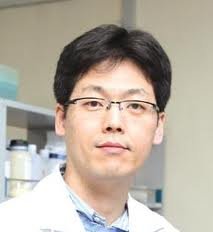 Lee Ki Won合作论文数WCU Biomodulat Major, Seoul Natl Univ88
 Ann M. Bode合作论文数The Hormel Institute, University of Minnesota39
 Zigang Dong (董子钢)合作论文数Zhengzhou University39
 Hj Lee合作论文数31Jung Han Yoon Park合作论文数20
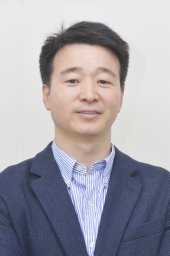 Sung Keun Jung合作论文数Department of Agricultural Biotechnology, Seoul National University20Hee Yang合作论文数19
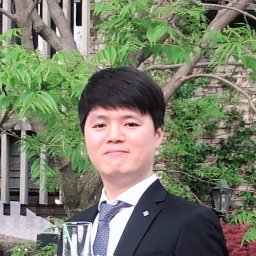 Son Joe Eun合作论文数Department of Agricultural Biotechnology, Seoul National University18Sung-Young Lee合作论文数17
 Jong Hun Kim合作论文数15Seo Sang Gwon合作论文数15
 Dongjoon Kim合作论文数Chuncheon Sacred Heart Hospital, Hallym University College of Medicine15
 Yong-Yeon Cho合作论文数14Reddy Kanamata合作论文数13Yong-Seok Heo合作论文数13Hanyong Chen合作论文数12Jung Yeon Kwon合作论文数Department of Bioscience and Biotechnology, Konkuk University12
 Nam Joo Kang合作论文数Department of Bioscience and Biotechnology, Konkuk University12
 Myoung Ok Kim合作论文数School of Life Science and Biotechnology, Kyungpook National University12Jun Seong Park合作论文数11Yan Li合作论文数10Lee Mee-Hyun合作论文数College of Pharmacy, The Catholic University of Korea10Chang Yong Lee合作论文数College of Agriculture and Life Sciences, Cornell University10
 Eunmiri Roh合作论文数College of Pharmacy, Chungbuk National University10
 Charles M. C. Lee合作论文数Foster School of Business, University of Washington;Graduate School of Business, Stanford University10
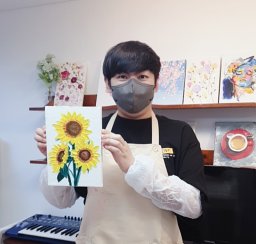 Chang Hyung Lee合作论文数Bio-MAX Institute, Seoul National University9
 Byun Sanguine合作论文数Hormel Inst, Univ Minnesota9Song Nu Ry合作论文数9Hwang Mun Kyung合作论文数Dept Agr Biotechnol, Seoul Natl Univ7Do Young Lim合作论文数Department of Food Science and Nutrition, Hallym University7
 Tae-Gyu Lim合作论文数6
 Han-Seung Shin合作论文数Department of Food Science & Biotechnology, College of Life Science and Biotechnology, Dongguk University6Mee-Hyun Lee合作论文数5
 Hyein Jeong合作论文数5Jae Hwan Kim合作论文数5
 Jiyoung Kim合作论文数5Mottamal Madhusoodanan合作论文数5Shim Jung-Hyun合作论文数5Kang Heerim合作论文数5Yeom Myeong Hun合作论文数5Young Jin Jang合作论文数4Dong-Eun Lee合作论文数4Tae Kyung Lee合作论文数4Ji Yun Lee合作论文数4Kim Bo Yeon合作论文数4Ronald Lubet合作论文数National Cancer Institute4Suk Sujin合作论文数College of Agriculture and Life Sciences, Seoul National University4




