Marine phytoplankton play essential roles in global primary production and biogeochemical cycles. Yet, the evolutionary genetic underpinnings of phytoplankton adaptation to complex marine and coastal environments, where many environmental variables fluctuate and interact, remain unclear. We combined population genomics with experimental transcriptomics to investigate the genomic basis underlying a natural evolutionary experiment that has played out over the past 8000 years in one of the world's largest brackish water bodies: the colonisation of the Baltic Sea by the ancestrally marine diatom Skeletonema marinoi. To this end, we combined target capture of the entire nuclear genome with pooled shotgun sequencing, and showed that the method performs well on both cultures and single cells. Genotype-environment association analyses identified > 1000 genes with signals of selection in response to major environmental gradients in the Baltic Sea, which apart from salinity, include marked differences in temperature and nutrient supply. Locally adapted genes were related to diverse metabolic processes, including signal transduction, cell cycle, DNA methylation and maintenance of homeostasis. The locally adapted genes showed significant overlap with salinity-responsive genes identified in a laboratory common garden experiment, suggesting the Baltic salinity gradient contributes to local adaptation of S. marinoi. Taken together, our data show that local adaptation of phytoplankton to complex coastal environments, which are characterised by a multitude of environmental gradients, is driven by widespread changes in diverse metabolic pathways and functions.
Biodiversity, including genetic diversity, is the foundation of ecosystems and supports the well-being of all organisms, including humans. Determining how the marine environment shapes genetic diversity and developing best practices to conserve it requires a multi-disciplinary approach that incorporates genomic and environmental information. Seascape genetics and genomics combine spatially resolved ecological, genomic, and environmental data, coupled with modeling to explore past, present, and future patterns of diversity and connectivity. Seascape genetics and genomics provide scientists and managers with a multi-faceted tool that can be applied across a wide range of species and incorporated into marine spatial management. Despite the proven importance of genetic diversity for species resilience, the incorporation of genetic and genomic data is grossly underrepresented in policy, decision-making, and conservation measures. Here, we aim to support the understanding and access to information on seascape genetics and genomics for conservation and environmental management practitioners. We explain how integrating environment, space, traits, and genetics or genomics can advance marine spatial management. We use two advanced case studies to outline methodology and concepts of seascape genomics and the respective policy context, although management uptake is still pending. Lastly, we review the present status of seascape genomics research and discuss challenges, strengths, and future opportunities by providing a road map. We present a successful management uptake case study that could aid the integration of seascape genomics into biodiversity management.
During periods of environmental change, genetic diversity in foundation species is critical for ecosystem function and resilience, but it remains overlooked in environmental monitoring. In the Baltic Sea, a key species for monitoring is the brown seaweed Fucus vesiculosus, which forms sublittoral 3D habitats providing shelter and food for fish and invertebrates. Ecological distribution models predict a significant loss of Baltic F. vesiculosus due to ocean warming, unless populations can adapt. Genetic variation and recombination during sexual reproduction are essential for adaptation, but studies have revealed large-scale clonal reproduction within the Baltic Sea. We analysed genome-wide single nucleotide polymorphism (SNP) data from the east Atlantic, the "Transition zone," and the Baltic Sea, and found a mosaic of divergent lineages in the Baltic Sea, contrasting an outside dominance of a few genetic groups. We determined that the previously described endemic species Fucus radicans is predominantly a large female clone of F. vesiculosus in its northern Baltic distribution. In the two Estonian sites, however, individuals earlier referred to as F. radicans are sexually and reproductively isolated from Baltic F. vesiculosus, revealing a separate lineage that may have diverged long before the formation of the Baltic Sea. Monitoring Baltic Fucus without considering this genetic complexity will fail to prioritise populations with adaptive potential to new climate conditions. From our genomic data, we can extract informative and diagnostic genetic markers that differentiate major genetic entities. Such a SNP panel will provide a straightforward tool for spatial and temporal monitoring and informing management decisions and actions.
Connectivity is a fundamental process of population dynamics in marine ecosystems. In the last decade, with the emergence of new methods, combining different approaches to understand the patterns of connectivity among populations and their regulation has become increasingly feasible. The Western Antarctic Peninsula (WAP) is characterized by complex oceanographic dynamics, where local conditions could act as barriers to population connectivity. Here, the notothenioid fish Harpagifer antarcticus, a demersal species with a complex life cycle (adults with poor swim capabilities and pelagic larvae), was used to assess connectivity along the WAP by combining biophysical modelling and population genomics methods. Both approaches showed congruent patterns. Areas of larvae retention and low potential connectivity, observed in the biophysical model output, coincide with four genetic groups within the WAP: (1) South Shetland Islands, (2) Bransfield Strait, (3) the central and (4) the southern area of WAP (Marguerite Bay). These genetic groups exhibited limited gene flow between them, consistent with local oceanographic conditions, which would represent barriers to larval dispersal. The joint effect of geographic distance and larval dispersal by ocean currents had a greater influence on the observed population structure than each variable evaluated separately. The combined effect of geographic distance and a complex oceanographic dynamic would be generating limited levels of population connectivity in the fish H. antarcticus along the WAP. Based on this, population connectivity estimations and priority areas for conservation were discussed, considering the marine protected area proposed for this threatened region of the Southern Ocean.
ABSTRACT Marine phytoplankton play essential roles in global primary production and biogeochemical cycles. Yet, the evolutionary genetic underpinnings of phytoplankton adaptation to complex marine and coastal environments, where many environmental variables fluctuate and interact, remain unclear. We combined population genomics data with experimental transcriptomics to investigate the genomic basis underlying a natural evolutionary experiment that has played out over the past 8,000 years in one of the world’s largest brackish water bodies: the colonization of the Baltic Sea by the marine diatom Skeletonema marinoi . To this end, we used a novel approach for protist population genomics, combining target capture of the entire nuclear genome with pooled sequencing, and showed that the method performs well on both cultures and single cells. Genotype-environment association analyses identified >3,000 genes with signals of selection in response to major environmental gradients in the Baltic Sea, which apart from salinity, include marked differences in temperature and nutrient availability. Locally adapted genes were related to diverse metabolic processes, including signal transduction, cell cycle, DNA methylation, and maintenance of homeostasis. The locally adapted genes showed significant overlap with salinity-responsive genes identified in a laboratory common garden experiment, suggesting the Baltic salinity gradient is a major factor driving local adaptation of S. marinoi . Altogether, our data show that local adaptation of phytoplankton to complex coastal environments, which are characterized by a multitude of environmental gradients, is driven by intricate changes in diverse metabolic pathways and functions.
Many activities take place at sea. For example, goods are transported by ships, people enjoy time by the beach, piers and buildings are constructed on the coastline, and fishermen fish. Human activities change the sea’s environment and can harm ocean animals and plants. To find a good balance between using and protecting the sea, many countries have begun planning their ocean space—a process called marine spatial planning. Planners use tools developed by researchers to understand how various human activities will affect the sea in the future. When we added climate change into a software tool for marine spatial planning in Sweden, we found that climate change alone might be as harmful to the sea as all other human activities taken together! Climate change is strongly affecting the sea and should, therefore, be included in marine spatial planning.
AbstractThe Centre for Marine Evolutionary Biology (CeMEB) at the University of Gothenburg, Sweden, was established in 2008 through a 10‐year research grant of 8.7 m€ to a team of senior researchers. Today, CeMEB members have contributed >500 scientific publications, 30 PhD theses and have organised 75 meetings and courses, including 18 three‐day meetings and four conferences. What are the footprints of CeMEB, and how will the centre continue to play a national and international role as an important node of marine evolutionary research? In this perspective article, we first look back over the 10 years of CeMEB activities and briefly survey some of the many achievements of CeMEB. We furthermore compare the initial goals, as formulated in the grant application, with what has been achieved, and discuss challenges and milestones along the way. Finally, we bring forward some general lessons that can be learnt from a research funding of this type, and we also look ahead, discussing how CeMEB’s achievements and lessons can be used as a springboard to the future of marine evolutionary biology.
Zostera marina (eelgrass) is a foundation species in coastal zones in the northern hemisphere. Eelgrass is declining across its distribution, a trend likely to accelerate under climate change. In Sweden, eelgrass is a species of particular concern in management and conservation. Here, we provide information on genetic variation, an important component for the potential persistence and adaptation of any species in a changing environment. In particular, the steep salinity gradient over which eelgrass is distributed along the Swedish coast (26 psu on the west coast to 5 psu on the east coast) calls for a better understanding of genetic diversity, connectivity, and potential for local adaptation. To assess genetic variation and population genetic structure, we genotyped individuals with 2,138 single nucleotide polymorphisms (SNPs) from 15 eelgrass meadows spanning the whole Swedish distribution. We found a geographic population genetic structure from west to east parallel to the salinity gradient and with a clear genetic break at the entrance to the Baltic Sea. Meadows along the low salinity east coast consisted of a few or only one clone. Eelgrass on the west coast had higher genotypic richness, higher genetic variation, and showed population differentiation on smaller geographic scales. With their low genetic variation, the east coast meadows are especially threatened amidst global changes. Lack of sexual reproduction and the capacity to generate new genotypes is an issue that needs to be seriously considered in management and conservation. In addition, the lack of sexual reproduction renders clonal eelgrass less likely to recover and recolonize after disturbance, and more challenging to restore. The here provided information on genetic clusters, clonality, and genetic variation can be included for prioritizing meadows for conservation and for identifying meadows for restoration purposes. Most importantly, genetic monitoring is urgently needed to assess temporal genetic changes of eelgrass along the Swedish coast and elsewhere facing climate change.
Most marine invertebrates disperse during a planktonic larval stage that may drift for weeks with ocean currents. A challenge for larvae of coastal species is to return to coastal nursery habitats. Shore crab (Carcinus maenas L.) larvae are known to show tidal rhythmicity in vertical migration in tidal areas and circadian rhythmicity in microtidal areas, which seems to increase successful coastal settlement. We studied genome-wide differentiation based on 24,000 single nucleotide polymorphisms of 12 native populations of shore crab sampled from a large tidal amplitude gradient from macrotidal (~8 m) to microtidal (~0.2 m). Dispersal and recruitment success of larvae was assessed with a Lagrangian biophysical model, which showed a strong effect of larval behaviour on long-term connectivity, and dispersal barriers that partly coincided with different tidal environments. The genetic population structure showed a subdivision of the samples into three clusters, which represent micro-, meso- and macrotidal areas. The genetic differentiation was mostly driven by 0.5% outlier loci, which showed strong allelic clines located at the limits between the three tidal areas. Demographic modelling suggested that the two genetic barriers have different origins. Differential gene expression of two clock genes (cyc and pdp1) further highlighted phenotypic differences among genetic clusters that are potentially linked to the differences in larval behaviour. Taken together, our seascape genomic study suggests that tidal regime acts as a strong selection force on shore crab population structure, consistent with larval behaviour affecting dispersal and recruitment success.
Dispersal is generally difficult to directly observe. Instead, dispersal is often inferred from genetic markers and biophysical modelling where a correspondence indicates that dispersal routes and barriers explain a significant part of population genetic differentiation. Biophysical models are used for wind-driven dispersal in terrestrial environments and for propagules drifting with ocean currents in the sea. In the ocean, such seascape genetic or seascape genomic studies provide promising tools in applied sciences, as actions within management and conservation rely on an understanding of population structure, genetic diversity and presence of local adaptations, all dependent on dispersal within the metapopulation. Here, we surveyed 87 studies that combine population genetics and biophysical models of dispersal. Our aim was to understand if biophysical dispersal models can generally explain genetic differentiation. Our analysis shows that genetic differentiation and lack of genetic differentiation can often be explained by dispersal, but the realism of the biophysical model, as well as local geomorphology and species biology also play a role. The review supports the use of a combination of both methods, and we discuss our findings in terms of recommendations for future studies and pinpoint areas where further development is necessary, particularly on how to compare both approaches. This article is part of the theme issue 'Species' ranges in the face of changing environments (part I)'.
Climate change influences the ocean's physical and biogeochemical conditions, causing additional pressures on marine environments and ecosystems, now and in the future. Such changes occur in environments that already today suffer under pressures from, for example, eutrophication, pollution, shipping, and more. We demonstrate how to implement climate change into regional marine spatial planning by introducing data of future temperature, salinity, and sea ice cover from regional ocean climate model projections to an existing cumulative impact model. This makes it possible to assess climate change impact in relation to pre-existing cumulative impact from current human activities. Results indicate that end-of-century projected climate change alone is a threat of the same magnitude as the combination of all current pressures to the marine environment. These findings give marine planners and policymakers forewarning on how future climate change may impact marine ecosystems, across space, emission scenarios, and in relation to other pressures.
Purpose The development of vascular and neurosensory findings were studied in two groups of long-term exposed quarry and foundry workers with different vibration exposures, working conditions and work tasks. Methods The study included 10 quarry workers (mean age 43 yrs., mean exposure time 16 yrs.) and 15 foundry workers (35 yrs.; 11 yrs.) at two plants in Sweden. All participants completed a basic questionnaire and passed a medical examination including a number of neurosensory tests, e.g. the determination of vibration (VPT) and temperature (TPT) perception thresholds as well as a musculoskeletal examination of the neck, shoulders, arms and hands. Results A high prevalence of neurosensory findings (40%) was found among the quarry workers. Both groups, however, showed a low prevalence of vibration white fingers (VWF). Foundry workers showed significantly better sensitivity than quarry workers for all monofilament tests ( p ≤ 0.016), TPT warmth in dig 2 ( p = 0.048) and 5 dexter ( p = 0.008), and in dig 5 sinister ( p = 0.005). They also showed a better VPT performance in dig 5 dexter ( p = 0.031). Conclusions Despite high vibration exposure, the prevalence of VWF was low. The high prevalence of neurosensory findings among the quarry workers may depend on higher A(8) vibration exposure and higher exposure to high-frequency vibrations. An age-effect and exposure to cold could also be contributing factors. The nervous system seems to be more susceptible to high-frequency vibrations than the vascular system. For neurosensory injuries, the current ISO 5349-1 standard is not applicable.
Cumulative impact assessment (CIA) is a promising approach to guide marine spatial planning (MSP) and management. One limitation of CIA is the neglect of seascape connectivity, which may spread the impact of localized pressures to ambient areas, e.g. through lost dispersal and recruitment of organisms. We here, for the first time, incorporate seascape connectivity into a traditional CIA model using a connectivity matrix, exemplified by dispersal of propagules estimated through biophysical modelling. Two connectivity impacts are identified: the source impact represents downstream areas losing recruits because of reduced larval dispersal from sites affected by the pressure, and the sink impact represents loss of recruits originating from upstream areas prevented from settlement in the site affected by the local pressure. By including seascape connectivity in the Swedish MSP-guiding CIA tool Symphony we demonstrate how to practically account for remote effects of local environmental impact. Our example on blue mussel shows how reducing mussel fitness in a given area may have impacts on mussels far from the acting pressures. Overall, results indicate that connectivity impact for blue mussels plays a minor role in most areas, <10% of the ordinary cumulative impact. However, in some smaller areas, e.g. on offshore banks and the Danish Straits, seascape connectivity may increase ordinary cumulative impact with 20%-30%. In an example of scenario-based CIA analyses of MSP projections, we demonstrate how impacts of particular management actions, e.g. shipping rerouting and wind power developments, can be tracked far from the original area of influence. Depending on the dispersal ability of ecosystem components, a local pressure may impact a considerable area through seascape connectivity, transgressing management units and national borders. Although the mean connectivity impact may be modest for a single ecosystem component, the consideration of seascape connectivity across multiple ecosystem components may significantly alter the mapping of cumulative impact and the assessment of different MSP scenarios. Synthesis and applications. Our extension of Cumulative Impact Assessment offers a new method for mapping and practically integrating seascape connectivity with ecosystem-based MSP and other spatial instruments for policy making, such as marine protected areas.
The eelgrass Zostera marina is an important foundation species of coastal areas in the Northern Hemisphere, but is continuing to decline, despite management actions. The development of new management tools is therefore urgent in order to prioritize limited resources for protecting meadows most vulnerable to local extinctions and identifying most valuable present and historic meadows to protect and restore, respectively. We assessed 377 eelgrass meadows along the complex coastlines of two fjord regions on the Swedish west coast-one is currently healthy and the other is substantially degraded. Shoot dispersal for all meadows was assessed with Lagrangian biophysical modeling (scale: 100-1,000 m) and used for barrier analysis and clustering; a subset (n = 22) was also assessed with population genetic methods (20 microsatellites) including diversity, structure, and network connectivity. Both approaches were in very good agreement, resulting in seven subpopulation groupings or management units (MUs). The MUs correspond to a spatial scale appropriate for coastal management of "waterbodies" used in the European Water Framework Directive. Adding demographic modeling based on the genetic and biophysical data as a third approach, we are able to assess past, present, and future metapopulation dynamics to identify especially vulnerable and valuable meadows. In a further application, we show how the biophysical approach, using eigenvalue perturbation theory (EPT) and distribution records from the 1980s, can be used to identify lost meadows where restoration would best benefit the present metapopulation. The combination of methods, presented here as a toolbox, allows the assessment of different temporal and spatial scales at the same time, as well as ranking of specific meadows according to key genetic, demographic and ecological metrics. It could be applied to any species or region, and we exemplify its versatility as a management guide for eelgrass along the Swedish west coast.
Many aspects of sexual and asexual reproduction have been studied empirically and theoretically. The differences between sexual and asexual reproduction within a species often lead to a biased geographical distribution of individuals with different reproductive strategies. While sexuals are more abundant in the core habitat, asexuals are often found in marginal habitats along the edge of the species distribution. This pattern, called geographic parthenogenesis, has been observed in many species but the mechanisms reponsible for generating it are poorly known. We used a quantitative approach using a metapopulation model to explore the ecological processes that can lead to geographic parthenogenesis and the invasion of new habitats by different reproductive strategies. We analyzed the Allee effect on sexual populations and the population sensitivity to environmental stress during the invasion of a marginal, unstable habitat to demonstrate that a complex interaction between the Allee effect, sensitivity to environmental stress and the environmental conditions can determine the relative success of competing reproductive strategies during the initial invasion and longterm establishment in the marginal habitat. We discuss our results in the light of previous empirical and theoretical studies. Author Summary Individuals can reproduce with or without sex. Very often, closely related species are distributed in a such a way that the sexually reproducing species is most frequently found in the core habitat while the asexually reproducing species is found on the edge of the habitat range. This biased distribution of reproductive strategies across a habitat range is called geographic parthenogenesis and has been observed in several species. While many processes have been proposed to explain such a pattern, a quantitative approach of the ecological processes was absent. We investigated important differences between sexual and asexual reproduction and how these differences affect the success of sexuals and asexuals invading a marginal, unstable environment. We showed that the relative frequency of each reproductive strategy in the marginal habitat depends on how much sexuals rely on population density to reproduce and how much asexuals are affected by environmental stress relative to sexuals. Our study presents a quantitative ecological explanation for geographic parthenogenesis and provides the conditions under which different distribution patterns can emerge.
Climate change-related effects threaten species worldwide; within-species populations may react differently to climate-induced stress due to local adaptation and partial isolation, particularly in areas with steep environmental gradients. Populations of the marine foundation seaweed Fucus vesiculosus are established over a steep salinity gradient at the entrance of the brackish water in the Baltic Sea (NE Atlantic). First, we analyzed the genetic differentiation among populations using thousands of genetic markers. Second, we measured the physiological tolerance to reduced salinity, a predicted effect of climate change in the study area, by measuring growth, phlorotannin (defense compounds) content, and maximum photochemical yield in tissue of the same individuals exposed to both current and projected future salinities. Our results show that despite short geographic distances (max 100 km), most populations were genetically well separated. Furthermore, populations responded very differently to a salinity decrease of four practical salinity units (psu) corresponding to projected future salinity. At the high salinity end of the gradient, some populations maintained growth at the cost of reduced phlorotannin production. However, at the low salinity end, mortality increased and growth was strongly reduced in one population, while a second population from similar salinity instead maintained growth and phlorotannin production. Among genetic markers that appeared as outliers (showing more genetic differentiation than the majority of loci), we found that four were associated with genes that were potential candidates for being under selection. One of these, a calcium-binding protein gene, also showed a significant genotype-phenotype relationship in the population where this genetic marker was variable. We concluded that local selection pressure, genetic affinity, and possibly also population history could explain the very different responses to reduced salinity among these populations, despite being from the same geographic area. Our results highlight the importance of local perspective in the management of species.
Spatial connectivity is an essential process to consider in the design and assessment of Marine Protected Areas (MPAs). To help maintain and restore marine populations and communities MPAs should form ecologically coherent networks. How to estimate and implement connectivity in MPA design remains a challenge. Here a new theoretical framework is presented based on biophysical modelling of organism dispersal, combined with a suite of tools to assess different aspects of connectivity that can be integrated in MPA design. As a demonstration, these tools are applied to an MPA network in the Baltic Sea (HELCOM MPA). The tools are based on the connectivity matrix, which summarizes dispersal probabilities, averaged over many years, between all considered areas in the geographic target area. The biophysical model used to estimate connectivity included important biological traits that affect dispersal patterns where different trait combinations and habitat preferences will produce specific connectivity matrices representing different species. Modelled connectivity matrices were used to assess local retention within individual MPAs, which offers indications about the adequacy of size when MPAs are considered in isolation. The connectivity matrix also provides information about source areas to individual MPAs, e.g. sources of larvae or pressures such as contaminants. How well several MPAs act as a network was assessed within a framework of eigenvalue perturbation theory (EPT). With EPT, the optimal MPA network with respect to connectivity can be identified. In addition, EPT can suggest optimal extensions of existing MPA networks to enhance connectivity. Finally, dispersal barriers can be identified based on the connectivity matrix, which may suggest boundaries for management units. The assessment of connectivity for the HELCOM MPA are discussed in terms of possible improvements, but the tools presented here could be applied to any region.
Over two million leisure boats use the coastal areas of the Baltic Sea for recreational purposes. The majority of these boats are painted with toxic antifouling paints that release biocides into the coastal ecosystems and negatively impact non-targeted species. Regulations concerning the use of antifouling paints differ dramatically between countries bordering the Baltic Sea and most of them lack the support of biological data. In the present study, we collected data on biofouling in 17 marinas along the Baltic Sea coast during three consecutive boating seasons (May-October 2014, 2015 and 2016). In this context, we compared different monitoring strategies and developed a fouling index (FI) to characterise marinas according to the recorded biofouling abundance and type (defined according to the hardness and strength of attachment to the substrate). Lower FI values, i.e. softer and/ or less abundant biofouling, were consistently observed in marinas in the northern Baltic Sea. The decrease in FI from the south-western to the northern Baltic Sea was partially explained by the concomitant decrease in salinity. Nevertheless, most of the observed changes in biofouling seemed to be determined by local factors and interannual variability, which emphasizes the necessity for systematic monitoring of biofouling by end-users and/or authorities for the effective implementation of non-toxic antifouling alternatives in marinas. Based on the obtained results, we discuss how monitoring programs and other related measures can be used to support adaptive management strategies towards more sustainable antifouling practices in the Baltic Sea.
 Carl Andre合作论文数Department of Marine Ecology-Tjärnö, University of Gothenburg22
 Kerstin Johannesson (Kerstin Janson)合作论文数Tjarno Marine Laboratory, University of Gothenburg;Department of Marine Sciences, University of Gothenburg19
 Per-Olav Moksnes合作论文数Department of Marine Ecology, University of Gothenburg14
 Kent Morgan Berntsson合作论文数11
 Mats Lindegarth合作论文数Tjärnö Marine Biological Laboratory11
 Mia Dahlström合作论文数10
 Anna-Lisa Wrange合作论文数Sven Lovén Centre for Marine Sciences Tjärnö Department of Marine Ecology, Göteborg University10
 Martin Nilsson Jacobi合作论文数Department of Earth, Space and Environment, Chalmers University of Technology10
 Pereyra Ricardo T合作论文数9
 Hanna Corell合作论文数Department of Biology and Environmental Sciences, University of Gothenburg9
 Anders Blomberg合作论文数Department of Chemistry & Molecular Biology, University of Gothenburg8
 Lars Gamfeldt合作论文数Department of Marine Ecology, University of Gothenburg8
 Jahnke Marlene合作论文数Commonwealth Scientific and Industrial Research Organisation7
 Hillebrand Helmut合作论文数Carl von Ossietzky Universitat Oldenburg7
 Jonne Kotta合作论文数Department of Marine Systems, Estonian Marine Institute, Faculty of Science and Technology, University of Tartu7
 Anna Godhe合作论文数College of Fisheries, University of Agricultural Sciences7Martin Sjögren合作论文数7
 Jon N Havenhand合作论文数6Larsson Ann I合作论文数6
 Lisa Sundqvist合作论文数Department of Biological and Environmental Sciences, University of Gothenburg6
 Hans Björne Elwing合作论文数Department of Chemistry & Molecular Biology, University of Gothenburg6
 Henrik Pavia合作论文数Department of Marine Sciences, University of Gothenburg6
 Emil Rydin合作论文数6Jonathan N. Havenhand合作论文数5
 Rutger Rosenberg合作论文数Institutionen For Biologi Och Miljovetenskap, Goteborgs Universitet5Lind Ulrika合作论文数5
 Pierre De Wit合作论文数5
 Kristina Snuttan Sundell合作论文数5
 Karin Wiberg合作论文数Department of Chemistry, Umeå University5
 Anke Kremp合作论文数Tvärminne Zoological Station, University of Helsinki5
 Magnus Karlsson合作论文数5
 Mikael J Malmaeus合作论文数IVL Swedish Environmental Research Institute5
 Ulf Goransson合作论文数Biomedical Centre, Uppsala University5
 Mattias Berglin合作论文数5
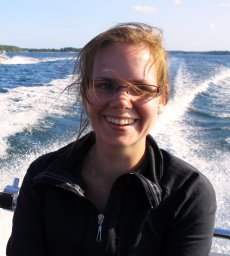 Elina A. Virtanen合作论文数Marine Res Ctr, Finnish Environm Inst4
 Mats Topel合作论文数Dept Marine Sci, Univ Gothenburg4
 Magnus Alm Rosenblad合作论文数4
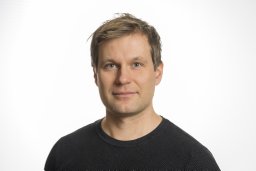 Conny Sjoqvist合作论文数Department of Biosciences, Environmental and Marine Biology, Åbo Akademi University4
 Emiliano Pinori合作论文数4
 S. J. Hawkins合作论文数Faculty of Environmental and Life Sciences, University of Southampton;National Oceanography Centre Southampton, University of Southampton4
 Granhag Lena合作论文数4Lars Bohlin合作论文数4
 Paul Gatenholm合作论文数Department of Chemical and Biological Engineering, Chalmers University of Technology4
 Mats Olsson合作论文数Department of Biological & Environmental Sciences, University of Gothenburg4
 Erik Bonsdorff合作论文数Department of Biosciences, Abo Akademi University4
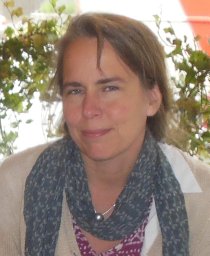 Karin C Harding合作论文数Department of Marine Ecology, Gothenburg University4
 Antonia Nystrom Sandman合作论文数4
 Per Åberg合作论文数Department of Marine Ecology, Göteborg University4
 David Kleinhans合作论文数4




