External knowledge based visual question answering (VQA) requires models to leverage external knowledge beyond the given image to answer stated questions. While large language models (LLMs) implicitly encode such knowledge, their purely text-based pre-training makes their reasoning ability less suited for visually grounded tasks, and most LLM-based VQA methods still fail to explicitly retrieve relevant information. Similarly, large multimodal models (LMMs) lack explicit mechanisms to retrieve or reason over external knowledge, limiting their performance on knowledge-based VQA tasks. In this paper, we propose Knowledge-Integrated Reasoning for VQA (KIR-VQA), a novel framework that augments prompt-guided caption generation with external knowledge retrieval and integrates these knowledge-guided captions into the LLM’s prompt. Moreover, we fine-tune a vision-language transformer, BEiT3, for VQA and leverage its latent answer space for in-context example selection. Our KIR-VQA ensures that the LLM receives explicit information both grounded in the image and relevant in answering the question, rather than solely relying on its implicit knowledge for the VQA task. Extensive experiments on the OK-VQA and A-OKVQA datasets demonstrate the effectiveness of our proposed KIR-VQA framework, surpassing both open-source and proprietary LLM-based approaches.
Pre-trained Vision Transformers (ViTs) face challenges in effectively extracting features for multimodal tasks due to their initial training on single-modality data. Moreover, fine-tuning ViTs for such tasks requires adjusting a significant number of parameters, leading to substantial training and storage costs. In audio-visual multimodal learning, a major challenge is seamlessly integrating both audio and visual cues into the transfer learning process, which can be particularly challenging with pre-trained ViTs. In this paper, we introduce a cross-modal audio-visual parameter-efficient adapter (AV-PEA). By integrating AV-PEA into a frozen ViT, the transformer becomes adept at processing audio inputs without prior audio pre-training, incorporating a minimal set of trainable parameters into each block. AV-PEA also facilitates the exchange of essential audio-visual cues between modalities while keeping the majority of the transformer’s parameters frozen, thus preserving its established knowledge base. Experimental results demonstrate that AV-PEA consistently achieves superior or comparable performance to state-of-the-art methods in various audio-visual downstream tasks, including audio-visual event localization, audio-visual question answering, audio-visual segmentation, audio-visual retrieval, and audio-visual captioning. Additionally, AV-PEA allows seamless integration into these tasks while maintaining a minimal number of trainable parameters, typically accounting for less than 3.7
Modern Earth observation (EO) increasingly leverages deep learning to harness the scale and diversity of satellite imagery across sensors and regions. While recent foundation models have demonstrated promising generalization across EO tasks, many remain limited by the scale, geographical coverage, and spectral diversity of their training data, factors critical for learning globally transferable representations. In this work, we introduce TerraFM, a scalable self-supervised learning model that leverages globally distributed Sentinel-1 and Sentinel-2 imagery, combined with large spatial tiles and land-cover aware sampling to enrich spatial and semantic coverage. By treating sensing modalities as natural augmentations in our self-supervised approach, we unify radar and optical inputs via modality-specific patch embeddings and adaptive cross-attention fusion. Our training strategy integrates local-global contrastive learning and introduces a dual-centering mechanism that incorporates class-frequency-aware regularization to address long-tailed distributions in land cover. TerraFM achieves strong generalization on both classification and segmentation tasks, outperforming prior models on GEO-Bench and Copernicus-Bench. Our code and pretrained models will be publicly released.
Change captioning generates descriptions that explicitly describe the differences between two visually similar images. Existing methods operate on static image pairs, thus ignoring the rich temporal dynamics of the change procedure, which is the key to understand not only what has changed but also how it occurs. We introduce ProCap, a novel framework that reformulates change modeling from static image comparison to dynamic procedure modeling. ProCap features a two-stage design: The first stage trains a procedure encoder to learn the change procedure from a sparse set of keyframes. These keyframes are obtained by automatically generating intermediate frames to make the implicit procedural dynamics explicit and then sampling them to mitigate redundancy. Then the encoder learns to capture the latent dynamics of these keyframes via a caption-conditioned, masked reconstruction task. The second stage integrates this trained encoder within an encoder-decoder model for captioning. Instead of relying on explicit frames from the previous stage---a process incurring computational overhead and sensitivity to visual noise---we introduce learnable procedure queries to prompt the encoder for inferring the latent procedure representation, which the decoder then translates into text. The entire model is then trained end-to-end with a captioning loss, ensuring the encoder's output is both temporally coherent and captioning-aligned. Experiments on three datasets demonstrate the effectiveness of ProCap.
As Large Multimodal Models (LMMs) become more capable, there is growing interest in evaluating their reasoning processes alongside their final outputs. However, most benchmarks remain focused on English, overlooking languages with rich linguistic and cultural contexts, such as Arabic. To address this gap, we introduce the Comprehensive Arabic Multimodal Reasoning Benchmark (ARB), the first benchmark designed to evaluate step-by-step reasoning in Arabic across both textual and visual modalities. ARB spans 11 diverse domains, including visual reasoning, document understanding, OCR, scientific analysis, and cultural interpretation. It comprises 1,356 multimodal samples paired with 5,119 human-curated reasoning steps and corresponding actions. We evaluated 12 state-of-the-art open- and closed-source LMMs and found persistent challenges in coherence, faithfulness, and cultural grounding. ARB offers a structured framework for diagnosing multimodal reasoning in underrepresented languages and marks a critical step toward inclusive, transparent, and culturally aware AI systems. We release the benchmark, rubric, and evaluation suit to support future research and reproducibility. Code available at: https://github.com/mbzuai-oryx/ARB
Referring audio-visual segmentation (Ref-AVS) aims to segment objects within audio-visual scenes using multimodal cues embedded in text expressions. While the Segment Anything Model (SAM) has revolutionized visual segmentation, its applicability to Ref-AVS, where multimodal cues act as novel prompts, remains unexplored. SAM’s limitation to single-frame segmentation also hinders its ability to capture essential temporal context needed for multi-frame audio-visual segmentation. To address this gap, we propose TSAM, a novel extension of SAM designed to leverage multimodal cues for precise segmentation in dynamic audio-visual scenes. TSAM enhances SAM’s image encoder with a temporal modeling branch, enabling spatio-temporal learning and deep multimodal fusion across video frames, while retaining SAM’s pre-trained knowledge. Additionally, TSAM replaces SAM’s user-interactive prompting mechanism with sparse and dense data-driven prompts, enabling more effective integration of audio-visual inputs and reference text expressions. Extensive experiments on the Ref-AVS dataset demonstrate TSAM’s superiority over state-of-the-art methods. The results illustrate its effectiveness in segmenting objects in dynamic audio-visual scenes using text-based multimodal cues and its strong generalization to unseen objects. Project webpage: https://abdurad.github.io/TSAM/.
This study presents a lightweight dual-domain super-resolution network (DDSRNet) that combines Spatial-Net with the discrete wavelet transform (DWT). Specifically, our proposed model comprises three main components: (1) a shallow feature extraction module, termed Spatial-Net, which performs residual learning and bilinear interpolation; (2) a low-frequency enhancement branch based on the DWT that refines coarse image structures; and (3) a shared high-frequency refinement branch that simultaneously enhances the LH (horizontal), HL (vertical), and HH (diagonal) wavelet subbands using a single CNN with shared weights. As a result, the DWT enables subband decomposition, while the inverse DWT reconstructs the final high-resolution output. By doing so, the integration of spatial- and frequency-domain learning enables DDSRNet to achieve highly competitive performance with low computational cost on three hyperspectral image datasets, demonstrating its effectiveness for hyperspectral image super-resolution.
Recent years have witnessed a significant interest in developing large multimodal models (LMMs) capable of performing various visual reasoning and understanding tasks. This has led to the introduction of multiple LMM benchmarks to evaluate LMMs on different tasks. However, most existing LMM evaluation benchmarks are predominantly English-centric. In this work, we develop a comprehensive LMM evaluation benchmark for the Arabic language to represent a large population of over 400 million speakers. The proposed benchmark, named CAMEL-Bench, comprises eight diverse domains and 38 sub-domains including, multi-image understanding, complex visual perception, handwritten document understanding, video understanding, medical imaging, plant diseases, and remote sensing-based land use understanding to evaluate broad scenario generalizability. Our CAMEL-Bench comprises around 29,036 questions that are filtered from a larger pool of samples, where the quality is manually verified by native speakers to ensure reliable model assessment. We conduct evaluations of both closed-source, including GPT-4 series, and open-source LMMs. Our analysis reveals the need for substantial improvement, especially among the best open-source models, with even the closed-source GPT-4o achieving an overall score of 62
2D convolutional neural networks (CNNs) have attracted significant attention for hyperspectral image super-resolution tasks. However, a key limitation is their reliance on local neighborhoods, which leads to a lack of global contextual understanding. Moreover, band correlation and data scarcity continue to limit their performance. To mitigate these issues, we introduce DACN, a dual-attention convolutional network for hyperspectral image super-resolution. Specifically, the model first employs augmented convolutions, integrating multi-head attention to effectively capture both local and global feature dependencies. Next, we infer separate attention maps for the channel and spatial dimensions to determine where to focus across different channels and spatial positions. Furthermore, a custom optimized loss function is proposed that combines L2 regularization with spatial-spectral gradient loss to ensure accurate spectral fidelity. Experimental results on two hyperspectral datasets demonstrate that the combination of multi-head attention and channel attention outperforms either attention mechanism used individually.
Text-to-video retrieval (TVR) has made significant progress with advances in vision and language representation learning. Most existing methods use real-valued and hash-based embeddings to represent the video and text, allowing retrieval by computing their similarities. However, these methods are often inefficient for large volumes of video, and require significant storage and computing resources. In this work, we present a plug-and-play multi-modal multi-tagger-driven pre-screening framework, which pre-screens a substantial number of videos before applying any TVR algorithms, thereby efficiently reducing the search space of videos. We predict discrete semantic tags for video and text with our proposed multi-modal multi-tagger module, and then leverage an inverted index for space-efficient and fast tag matching to filter out irrelevant videos. To avoid filtering out relevant videos for text queries due to inconsistent tags, we utilize contrastive learning to align video and text embeddings, which are then fed into a shared multi-tag head. Extensive experimental results demonstrate that our proposed method significantly accelerates the TVR process while maintaining high retrieval accuracy on various TVR datasets.
Existing Large Multimodal Models (LMMs) generally focus on only a few regions and languages. As LMMs continue to improve, it is increasingly important to ensure they understand cultural contexts, respect local sensitivities, and support low-resource languages, all while effectively integrating corresponding visual cues. In pursuit of culturally diverse global multimodal models, our proposed All Languages Matter Benchmark (ALM-bench) represents the largest and most comprehensive effort to date for evaluating LMMs across 100 languages. ALM-bench challenges existing models by testing their ability to understand and reason about culturally diverse images paired with text in various languages, including many low-resource languages traditionally underrepresented in LMM research. The benchmark offers a robust and nuanced evaluation framework featuring various question formats, including true/false, multiple choice, and open-ended questions, which are further divided into short and long-answer categories. ALM-bench design ensures a comprehensive assessment of a model's ability to handle varied levels of difficulty in visual and linguistic reasoning. To capture the rich tapestry of global cultures, ALM-bench carefully curates content from 13 distinct cultural aspects, ranging from traditions and rituals to famous personalities and celebrations. Through this, ALM-bench not only provides a rigorous testing ground for state-of-the-art open and closed-source LMMs but also highlights the importance of cultural and linguistic inclusivity, encouraging the development of models that can serve diverse global populations effectively. Our benchmark is publicly available.
Deep neural networks have demonstrated highly competitive performance in super-resolution (SR) for natural images by learning mappings from low-resolution (LR) to high-resolution (HR) images. However, hyperspectral super-resolution remains an ill-posed problem due to the high spectral dimensionality of the data and the scarcity of available training samples. Moreover, existing methods often rely on large models with a high number of parameters or require the fusion with panchromatic or RGB images, both of which are often impractical in real-world scenarios. Inspired by the MobileNet architecture, we introduce a lightweight depthwise separable dilated convolutional network (DSDCN) to address the aforementioned challenges. Specifically, our model leverages multiple depthwise separable convolutions, similar to the MobileNet architecture, and further incorporates a dilated convolution fusion block to make the model more flexible for the extraction of both spatial and spectral features. In addition, we propose a custom loss function that combines mean squared error (MSE), an L2 norm regularization-based constraint, and a spectral angle-based loss, ensuring the preservation of both spectral and spatial details. The proposed model achieves very competitive performance on two publicly available hyperspectral datasets, making it well-suited for hyperspectral image super-resolution tasks. The source codes are publicly available at: \href{https://github.com/Usman1021/lightweight}{https://github.com/Usman1021/lightweight}.
Multimodal Large Language Models (MLLM) have significantly advanced AI-assisted medical diagnosis but often generate factually inconsistent responses that deviate from established medical knowledge. Retrieval-Augmented Generation (RAG) enhances factual accuracy by integrating external sources, but it presents two key challenges. First, insufficient retrieval can miss critical information, whereas excessive retrieval can introduce irrelevant or misleading content, disrupting model output. Second, even when the model initially provides correct answers, over-reliance on retrieved data can lead to factual errors. To address these issues, we introduce Multimodal Intelligent Retrieval and Augmentation (MIRA) frame-work designed to optimize factual accuracy in MLLM. MIRA consists of two key components: (1) a calibrated Rethinking and Rearrangement module that dynamically adjusts the number of retrieved contexts to manage factual risk, and (2) A medical RAG framework integrating image embeddings and a medical knowledge base with a query-rewrite module for efficient multimodal reasoning. This enables the model to effectively integrate both its inherent knowledge and external references. Our evaluation of publicly available medical VQA and report generation benchmarks demonstrates that MIRA substantially enhances factual accuracy and overall performance, achieving new state-of-the-art results. Code is released at https://github.com/mbzuai-oryx/MIRA.
Obtaining high spatial resolution hyperspectral data is often difficult and expensive, limiting its use in large-scale or long-term forest monitoring. To develop scalable and efficient methods for forest biodiversity assessment, it is essential to evaluate model performance on different resolutions. Our study focuses on the predictability and sensitivity of forest biodiversity variables to changes in spectral and spatial resolution. We used high-resolution hyperspectral remote sensing imagery and forest biodiversity variable reference data to train a CNN model on varying resolutions. Our data consisted image patches of 16mx16m with 48 channels and 0.5m pixel resolution. In our experiments, spectral dimensionality was progressively reduced from hyperspectral to multispectral, RGB, and panchromatic, while spatial resolution was progressively downscaled by factors of two. Our results show that the predictability of compositionbased variables decreased when spectral resolution was reduced to near-RGB level. Reducing spatial resolution led to a gradual decline of all variables, with a significant effect on structural variables. The findings demonstrate that while high-resolution hyperspectral data offer the best predictability of forest biodiversity variables, lower-resolution data can be sufficient in most cases. Multispectral imagery with meaningful spectral bands can provide reliable predictions even at a low spatial level, encouraging the use of open-access remote sensing data for largescale forest biodiversity monitoring and analysis.
Weakly-supervised Vision-Language Pre-training (W-VLP) explores methods leveraging weak cross-modal supervision, typically relying on object tags generated by a pre-trained object detector (OD) from images. However, training such an OD necessitates dense cross-modal information, including images paired with numerous object-level annotations. To alleviate that requirement, this paper addresses W-VLP in two stages: (1) creating data with weaker cross-modal supervision and (2) pre-training a vision-language (VL) model with the created data. The data creation process involves collecting knowledge from large language models (LLMs) to describe images. Given a category label of an image, its descriptions generated by an LLM are used as the language counterpart. This knowledge supplements what can be obtained using an OD, such as spatial relationships among objects most likely appearing in a scene. To mitigate the noise in the LLM-generated descriptions that destabilizes the training process and may lead to overfitting, we incorporate knowledge distillation and external retrieval-augmented knowledge during pre-training. Furthermore, we present an effective VL model pre-trained with the created data. Empirically, despite its weaker cross-modal supervision, our pre-trained VL model notably outperforms other W-VLP works in image and text retrieval tasks, e.g., VLMixer by 17.7% on MSCOCO and RELIT by 11.25% on Flickr30K relatively in Recall@1 in text-to-image retrieval task. It also shows superior performance on other VL downstream tasks, making a big stride towards matching the performances of strongly supervised VLP models. The results reveal the effectiveness of the proposed W-VLP methodology.
Open-Vocabulary Segmentation (OVS) has drawn increasing attention for its capacity to generalize segmentation beyond predefined categories. However, existing methods typically predict segmentation masks with simple forward inference, lacking explicit reasoning and interpretability. This makes it challenging for OVS model to distinguish similar categories in open-world settings due to the lack of contextual understanding and discriminative visual cues. To address this limitation, we propose a step-by-step visual reasoning framework for open-vocabulary segmentation, named OpenSeg-R. The proposed OpenSeg-R leverages Large Multimodal Models (LMMs) to perform hierarchical visual reasoning before segmentation. Specifically, we generate both generic and image-specific reasoning for each image, forming structured triplets that explain the visual reason for objects in a coarse-to-fine manner. Based on these reasoning steps, we can compose detailed description prompts, and feed them to the segmentor to produce more accurate segmentation masks. To the best of our knowledge, OpenSeg-R is the first framework to introduce explicit step-by-step visual reasoning into OVS. Experimental results demonstrate that OpenSeg-R significantly outperforms state-of-the-art methods on open-vocabulary semantic segmentation across five benchmark datasets. Moreover, it achieves consistent gains across all metrics on open-vocabulary panoptic segmentation. Qualitative results further highlight the effectiveness of our reasoning-guided framework in improving both segmentation precision and interpretability. Our code is publicly available at https://github.com/Hanzy1996/OpenSeg-R.
The fusion of low-spatial-resolution hyperspectral images (HSIs) with high-spatial-resolution conventional images (e.g., panchromatic or RGB) has played a significant role in recent advancements in HSI super-resolution. However, this fusion process relies on the availability of precise alignment between image pairs, which is often challenging in real-world scenarios. To mitigate this limitation, we propose a single-image super-resolution model called the Fusion-Guided Inception Network (FGIN). Specifically, we first employ a spectral-spatial fusion module to effectively integrate spectral and spatial information at an early stage. Next, an Inception-like hierarchical feature extraction strategy is used to capture multiscale spatial dependencies, followed by a dedicated multi-scale fusion block. To further enhance reconstruction quality, we incorporate an optimized upsampling module that combines bilinear interpolation with depthwise separable convolutions. Experimental evaluations on two publicly available hyperspectral datasets demonstrate the competitive performance of our method. The source codes are publicly available at: https://github.com/Usman1021/fusion.
Image Difference Captioning (IDC) methods have advanced in highlighting subtle differences between similar images, but their performance is often constrained by limited training data. Using Large Multimodal Models (LMMs) to describe changes in image pairs mitigates data limits but adds noise. These change descriptions are often coarse summaries, obscuring fine details and hindering noise detection. In this work, we improve IDC with a noise-robust approach at both data and model levels. We use LMMs with structured prompts to generate fine-grained change descriptions during data curation. We propose a Noise-Aware Modeling and Captioning (NAMC) model with three modules: Noise Identification and Masking (NIM) to reduce noisy correspondences, Masked Image Reconstruction (MIR) to correct over-masking errors, and Fine-grained Description Generation (FDG) to produce coherent change descriptions. Experiments on four IDC benchmarks show that NAMC, pre-trained on our large-scale data, outperforms streamlined architectures and achieves competitive performance with LLM-finetuned methods, offering better inference efficiency.
Hyperspectral single-image super-resolution (SISR) remains a challenging task due to the difficulty of restoring fine spatial details and preserving spectral fidelity across a wide range of wavelengths, which inherently limits the performance of conventional deep learning models. To effectively address this challenge, we introduce a novel module called spectral-spatial unmixing fusion (SSUF), which can be seamlessly integrated into existing 2-D convolutional architectures to enhance both spatial resolution and spectral integrity. Specifically, the SSUF combines spectral unmixing and spectral-spatial feature extraction to subsequently guide a ResNet-based convolutional neural network (CNN). In addition, we employ a custom spatial-spectral gradient loss function, which integrates mean squared error (mse) with spatial and spectral gradient components, encouraging the model to accurately reconstruct features across both spatial and spectral dimensions. Experiments on three public remote sensing hyperspectral datasets demonstrate that our proposed hybrid deep learning (HDL) achieves competitive performance while reducing model complexity. The source codes are publicly available at: https://github.com/Usman1021/hsi-super-resolution
Despite growing interest in Audio-Visual Question Answering (AVQA), existing datasets often suffer from limited diversity, rigid formats, and insufficient integration of audio and visual modalities. To address these limitations, we introduce Valor32k-AVQA v2.0, a large-scale dataset containing 28,863 real-world videos and over 225,000 QA pairs, designed to support diverse and realistic multimodal understanding. The dataset features both open-ended and multiple-choice questions, each annotated with the required modality (visual, audio, or audio-visual) and question category (description, action, count, temporal, location, or relative position). All annotations-including questions, answers, and metadata-are generated through a fully automated prompting pipeline using GPT-4o, with human validation performed on a representative sample to ensure quality. We benchmark a few state-of-the-art models, with additional evaluations available on the project page, and observe that incorporating audio consistently improves performance during fine-tuning without compromising visual reasoning capabilities. These findings highlight that the audio signals in our dataset are not only well integrated, but also informative and complementary, establishing Valor32k-AVQA v2.0 as a valuable resource for developing and evaluating robust audio-visual question answering systems.
 Markus Koskela合作论文数Helsinki University of Technology;Laboratory of Computer and Information Science72
 Ville Viitaniemi合作论文数58
 Erkki Oja合作论文数Department of Information and Computer Science, School of Science and Technology, Aalto University57
 Mats Sjöberg合作论文数Laboratory of Computer and Information Science, Helsinki University of Technology40
 Rao Muhammad Anwer合作论文数Intelligent Visual Analytics Lab, Mohamed bin Zayed University of Artificial Intelligence27Jari Kangas合作论文数University of Tampere, Tampere, Finland21
 Fahad Shahbaz Khan合作论文数Mohamed bin Zayed University of Artificial Intelligence;Computer Vision Laboratory, Linkoping University;Inception Institute of Artificial Intelligence21
 Hamed Rezazadegan Tavakoli合作论文数Nokia19Tommi Jantunen合作论文数17
 Matti Karppa合作论文数Basic Algorithms Research Copenhagen, IT University of Copenhagen16Matti Aksela合作论文数Laboratory of Computer and Information Science, Neural Networks Research Centre15
 Mikko Kurimo合作论文数Aalto University14Satoru Ishikawa合作论文数13
 Zhirong Yang (杨志荣)合作论文数Department of Computer Science, Norwegian University of Science and Technology;Norwegian Open AI Lab, Norwegian University of Science and Technology;Nordea;Aalto University12Ramūnas Girdziušas合作论文数Laboratory of Computer and Information Science12
 Zixin Guo合作论文数Aalto University10
 Usman Muhammad合作论文数Univ Chinese Acad Sci, Sch Comp & Control Engn, Beijing, Peoples R China10
 Raphaël Troncy合作论文数Data Science Department, Eurecom10Vuokko Vuori合作论文数10
 Abduljalil Radman合作论文数Department of Computer Science, Aalto University, Finland9
 Matthieu Molinier合作论文数Remote Sensing group, VTT Technical Research Centre of Finland9
 Selen Pehlivan合作论文数Department of Computer Engineering, Bilkent University9
 Salman Khan合作论文数Computer Vision Department, Mohamed bin Zayed University of Artificial Intelligence8
 Joost van de Weijer合作论文数Computer Vision Center, Universitat Autònoma de Barcelona8
 He Zhang合作论文数8
 Samuel Kaski合作论文数Aalto University;Centre for AI Fundamentals, The University of Manchester8
 Hisham Cholakkal合作论文数Mohamed bin Zayed University of Artificial Intelligence8
 Timo Honkela合作论文数Aalto University School of Science,
Department of Information and Computer Science8
Timo Honkela合作论文数Aalto University School of Science,
Department of Information and Computer Science8 Rakshith Shetty合作论文数Amazon7
 Omkar Thawakar合作论文数Mohamed Bin Zayed University of Artificial Intelligence;lawa.ai;NutriGenics6
 Michael Felsberg合作论文数Department of Electrical Engineering, Linkoping University6
 Tuomas Häme合作论文数Remote Sensing Group, VTT Automation6Tzu-Jui Julius Wang合作论文数5Hideaki Sato合作论文数5Fumiaki Tajima合作论文数5
 Teuvo Kohonen合作论文数Academy of Finland5Hannes Muurinen合作论文数5
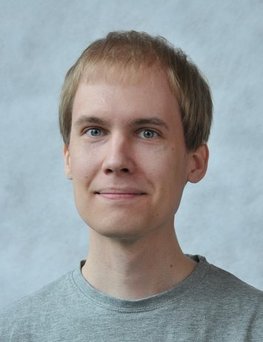 Antti Ajanki合作论文数Aalto University School of Science, Espoo, Finland5Nobuo Matsuda合作论文数5Sami Laakso合作论文数5
 Héctor Laria合作论文数Computer Vision Center, Barcelona, Spain4
 Ismail Harrando合作论文数Biot, EURECOM Sophia Antipolis4
 Alison Reboud合作论文数Biot, EURECOM Sophia Antipolis4
 Mourad Oussalah合作论文数Univ Oulu, Ctr Ubiquitous Comp, Oulu, Finland4Jarmo Hurri合作论文数4
 Mubarak Shah合作论文数Center for Research in Computer Vision, University of Central Florida;Department of Computer Science, College of Engineering and Computer Science, University of Central Florida4
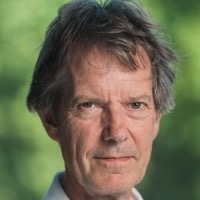 John Shawe-Taylor合作论文数Department of Computer Science, University College London;IRCAI4Naoki Miyatake合作论文数4
 Kai Puolamäki合作论文数Department of Computer Science in University of Helsinki4




