Background:Anterior cruciate ligament (ACL) injuries are among the most common sports-related injuries, accounting for about half of all knee injuries, and most athletes opt to undergo ACL reconstruction (ACLR). The quadriceps tendon (QT) ACLR has only recently been gaining popularity, and therefore few studies exist for evaluating the healing, or ligamentization, timeline of the QT autograft. Purpose:To evaluate the signal intensity (SI) ratio of the tendon QT autograft after ACLR during the first postoperative year. Study Design:Case series; Level of evidence, 4. Methods:A prospective case series of 19 athletes (mean age = 15.63 years) with ACL rupture who underwent ACLR with a QT autograft underwent knee magnetic resonance imaging (MRI) at 4 time points: presurgery (PRE), 3 months postoperative (3M), 6 months postoperative (6M), and 12 months postoperative (12M). SI ratio was calculated across different anatomic landmarks, specifically the intra-articular tissue of the native ACL of the contralateral knee from the PRE time point; the QT graft in the intra-articular space at 3M, 6M, and 12M time points; and the posterior cruciate ligament at each visit, to be used as a reference value and account for visit-to-visit variations in the MRI signal. Means of the SI ratio were calculated at the full graft level, as well as segmented into either 4 or 24 segments for analysis. Results:At the full-graft level, there was a significantly higher SI ratio in the QT graft at 3M and 6M compared with the native contralateral ACL. By 12M, the full graft was most like the native contralateral ACL. Similarly at the 4 subsegment level, all regions except the distal segment had significantly higher SI ratios at 3M and 6M as compared with the native contralateral ACL. By 12M, all subsections of the graft were not significantly different from the native contralateral ACL. Conclusion:The SI ratio of QT graft was increased at 3M and 6M after surgery and then returned close to that of the native ACL by 12M after surgery, which is largely consistent with the published maturational timeline of patellar tendon and hamstring tendon autografts.
BACKGROUND:Anterior cruciate ligament reconstruction (ACLR) is being increasingly performed in part because of higher injury rates among young athletes (≤25 years). High allograft failure rates support the use of autograft for ACLR in young patients. However, data examining the failure rates of the different autografts used in this population are lacking. PURPOSE:The purpose of this study was to compare graft failure rates among bone-patellar tendon-bone (BPTB), hamstring tendon (HT), and quadriceps tendon (QT) autografts in patients ≤25 years old. The secondary aim was to stratify graft failure by potential modifiers, including sex, mean follow-up, time to graft rupture, and concomitant meniscal surgery. STUDY DESIGN:Systematic review and meta-analysis; Level of evidence, 4. METHODS:Studies were included that reported anterior cruciate ligament graft (BPTB, HT, QT) reinjury rates in patients ≤25 years old with a minimum 24 months of follow-up. Studies were excluded if they examined revision ACLR, allograft ACLR, allograft augmentation ACLR, or concomitant lateral extra-articular tenodesis or if they failed to report reinjury rates by graft type and young age (≤25 years). RESULTS:This review included 46 studies comprising 10,624 patients (HT: n = 6090, 47.0% female, 54.5-month mean follow-up; BPTB: n = 3990, 63.0% female, 63.6-month mean follow-up; QT: n = 544, 40.3% female, 41.6-month mean follow-up). HT exhibited the highest failure rate at 11.1% (95% CI, 8.8%-13.9%). Failure rates for BPTB and QT were 5.1% (95% CI, 3.5%-7.2%) and 2.5% (95% CI, 0.5%-11.2%), respectively. HT had a significantly higher failure rate than BPTB (Q = 13.1; P < .001). There were no significant differences in failure rates between HT and QT (Q = 3.7; P = .06) or between BPTB and QT (Q = 0.8; P = .4). Males and females had a similar risk of graft failure regardless of graft type. CONCLUSION:The results of this meta-analysis suggest that HT grafts are not the optimal choice for young patients undergoing ACLR. Instead, these patients should consider BPTB to reduce the risk of graft failure. Further research including randomized controlled trials with larger sample sizes are required to determine how QT grafts compare with BPTB grafts in this population.
BACKGROUND:Understanding the risk of secondary contralateral (CL) anterior cruciate ligament (ACL) injury in young patients after ACL reconstruction (ACLR) may help identify targetable risk factors to optimize rehabilitation and return to sport. It is not clear if the autograft type used in the index procedure affects the risk of having a CL injury. Additionally, the aggregated CL injury rates across studies in young patients have not been well described. PURPOSE:To compare CL ACL injury rates by graft type in patients ≤25 years of age at a minimum follow-up of 24 months after ACLR, and to stratify CL injury rates by potential modifiers, including sex. STUDY DESIGN:Systematic review and meta-analysis; Level of evidence, 4. METHODS:A systematic review of the literature for studies reporting ACL autograft reinjury rates after ACLR using hamstring tendon (HT), bone-patellar tendon-bone (BPTB), or quadriceps tendon (QT) autograft in patients ≤25 years of age with a minimum follow-up of 24 months was conducted. From this data set, CL ACL injury rates from studies in which they were reported were evaluated. RESULTS:The meta-analysis included 22 studies pooling 4435 total patients who received BPTB (n = 2349), HT (n = 1561), or QT (n = 525) autografts for their ALCR. The pooled CL ACL injury rate was 10.8% (95% CI, 8.2%-14.0%) for HT, 10.5% (95% CI, 7.4%-14.8%) for BPTB, 12.2% (95% CI, 9.7%-15.3%) for QT, and 10.6% (95% CI, 8.8%-12.8%) for all grafts together. There were no differences among primary ACLR graft types in CL ACL injury rates (χ2 = 0.7; P = .7). There were differences in CL injury rates by sex among graft types (risk ratio [RR], 0.8; 95% CI, 0.5-1.4; χ2 = 9.2; P < .01). Males had a significantly lower risk of CL ACL injury relative to females after primary BPTB ACLR (RR, 0.439), but not HT (RR, 1.050) or QT (RR, 1.219) ACLR. CONCLUSION:In patients ≤25 years of age, the rates of CL ACL injury are similar after primary HT, BPTB, and QT autograft ACLR. The risk of CL injury was lower in males relative to females after ACLR with BPTB, but not with HT or QT.
Being a team physician is a unique opportunity afforded to orthopedic surgeons or medical doctors who have undergone appropriate subspecialty training and certification. Requirements include specialized skill and expertise in diagnosing and treating various medical and musculoskeletal conditions in the acute sideline setting in addition to the standard clinical setting, and furthermore requires, excellent communication and the ability to coordinate care among a curated care team. Those strongly desiring to be a team physician should seek employment in a position that supports this pathway by way of team contracts, although other opportunities may exist on a volunteer basis.
Background:Given the high proportion of athletes who do not return to sports (RTS) after anterior cruciate ligament reconstruction (ACLR), strategies are needed to identify at-risk patients and optimize rehabilitation for successful RTS after ACLR. Purpose/Hypothesis:This study used latent class analysis (LCA) to characterize a unique clustering of reasons why athletes do not return to their preinjury activity level after ACLR. We hypothesized that patients with high pain scores and high levels of fear would be less likely to return to their preinjury activity level. Study Design:Cohort study; Level of evidence, 3. Methods:All patients at a single institution who underwent primary ACLR between 2005 and 2021 were contacted to complete a survey via REDCap. Patients' ability to RTS and their preinjury activity level, reasons for inability to return to the preinjury activity level, and patient-reported outcome scores were collected from 981 patients. LCA was performed to identify and compare patterns among patients' reasons for not returning to the preinjury activity level. Results:Of the 981 patients included, only 446 (45.5%) were fully able to return to their preinjury activity level. LCA categorized patients into 3 groups based on their reasons for not returning to preinjury activity levels: a high-function group (75.5%), which reported no barriers; a multisymptom group (16.1%), which cited pain, lack of strength, and instability; and a fear-limited group (8.4%), which reported fear as the sole reason. Among the high-function group, 86.2% reported RTS compared with <36.7% in the other classes. There was no difference in Knee injury and Osteoarthritis Outcome Score (KOOS) subscales-including Pain, Symptoms, or Activities of Daily Living-between the high-function and fear-limited groups; however, the multisymptom group presented with the lowest scores in all KOOS subscales (P < .001). In addition, patient characteristics, the time from the index ACLR to the follow-up, and subsequent revision ACLR were similar between groups; however, the multisymptom profile demonstrated the highest proportion of allograft ACLR (P = .04) and secondary ipsilateral surgery (P < .001). Overall subjective knee grade (1-100) and Marx scores were highest in the high-function group, followed by fear-limited and multisymptom groups (P < .001). Conclusion:Patients were differentiated into 3 distinct classes after primary ACLR. Furthermore, those with patient-reported characteristics of pain, lack of strength, instability, or fear were significantly less likely to return to their preinjury activity level or sport.
The purpose of this articler is to discuss methods by which to successfully build a busy clinical sports medicine practice. The authors aim to provide pearls to help facilitate building a successful and busy practice as well as pitfalls to minimize the risk of failure. Topics discussed include how to build patient referral sources, online marketing, sports team coverage, and cultivating relationships with partners and providers within the community.
Graft-tunnel mismatch (GTM) is a known technical challenge that can occur with anterior cruciate ligament reconstruction when using a patellar tendon autograft. Two-incision anterior cruciate ligament reconstruction is a well-established technique with excellent outcomes and can serve as an excellent tool to prevent GTM. Traditionally, 2-incision femoral tunnel drilling has been performed using an over-the-top guide through a lateral incision, but more modern retrograde reamer guides can allow this to be done percutaneously. We detail how a minimally invasive 2-incision femoral tunnel drilling technique can be used in patients with patellar tendon lengths that are longer than average to avoid GTM.
BACKGROUND:While allografts are commonly used for anterior cruciate ligament reconstruction (ACLR), evidence to guide specific allograft selection is lacking. PURPOSE:To compare clinical and graft failure rates after ACLR using soft tissue-only allografts and bone-soft tissue allografts in adults. STUDY DESIGN:Systematic review and meta-analysis; Level of evidence, 4. METHODS:English-language studies with clinical outcome data on primary and revision ACLR in adults with nonirradiated soft tissue-only and bone-soft tissue grafts were identified in the search. Data extracted included allograft type, patient characteristics, follow-up time, and failure rates. The cumulative failure rate was defined as International Knee Documentation Committee grade C/D, graft retear, grade ≥2+ Lachman, grade ≥2+ pivot shift, and/or side-to-side KT-1000 laxity of >5 mm. The graft rupture rate was defined solely by the proportion of patients who had a graft rupture. Meta-analyses using the inverse variance method were used to estimate the pooled rates with 95% CIs. Subgroup analysis was conducted to compare allograft types and determine whether age, sex, and follow-up time influenced the estimates. RESULTS:A total of 14 studies met the inclusion criteria: 7 investigated bone-soft tissue allografts, 6 investigated soft tissue-only allografts, and 1 investigated both. The comparative study showed a difference in the cumulative failure rate between bone-patellar tendon-bone and soft tissue-only allografts. The pooled cumulative failure rates for bone-soft tissue and soft tissue-only allografts were 11% (95% CI, 7-17) and 20% (95% CI, 14-29), respectively (P = .05). The pooled graft rupture rates for bone-soft tissue and soft tissue-only allografts were 6% (95% CI, 4-9) and 13% (95% CI, 7-23), respectively (P = .07). CONCLUSION:The meta-analysis results showed that bone-soft tissue allografts have lower cumulative failure rates than soft tissue-only allografts. Bone-soft tissue allografts may be the preferred allograft choices for ACLR.
Background: Anterior cruciate ligament (ACL) reinjury risk is high in young athletes, with graft failure rates as high as 23%. The optimal autograft choice to minimize reinjury risk in this population is unclear. Purpose: To compare graft failure rates between bone–patellar tendon–bone (BPTB), hamstring tendon (HT), and quadriceps tendon (QT) autografts in patients aged ≤18 years with a minimum follow-up (FU) of 24 months. Study Design: Systematic review; Level of evidence, 4. Methods: A systematic review of the literature between database inception and March 2022 encompassed PubMed/MEDLINE, Cochrane CENTRAL, Embase, and Web of Science Core Collection databases. Studies on autograft ACL reconstruction (ACLR) using HT, QT, or BPTB autograft in patients ≤18 years old with a minimum FU of 2 years were included. Graft failure rates were pooled and estimated using random-effects models via the inverse variance method and logit transformations. Meta-analyses were used to estimate failure rates and pairwise comparisons were conducted by autograft type when appropriate. Results: A total of 24 studies comprising 2299 patients (HT: n = 1237, 44.8% female, 59.1-month mean FU; BPTB: n = 913, 67.3% female, 79.9-month mean FU; QT: n = 149, 36.4% female, 35.3-month mean FU) were included. HT exhibited the highest failure rate at 11.8% (95% CI, 9.0%-15.4%); failure rates for BPTB and QT were 7.9% (95% CI, 6.2%-10.0%) and 2.7% (95% CI, 1.0%-7.5%), respectively. HT had a significantly higher failure rate than both BPTB (Q = 5.01; P = .025) and QT (Q = 7.70; P = .006); BPTB had a significantly higher failure rate than QT (Q = 4.01; P = .045). Male patients were less likely than their female counterparts to experience graft failure after HT ACLR (odds ratio, 0.48; 95% CI, 0.25-0.95). Conclusion: While the HT remains a common choice for ACLR, the current aggregate data indicate that BPTB and QT demonstrated significantly lower failure rates than HT ACLR in adolescent athletes ≤18 years old. The QT demonstrated the lowest failure rate in adolescents but also the lowest proportion of patients represented due to a paucity of published QT data, indicating a need for future studies with larger sample sizes that include QT autografts, reduced risk of bias, and consistent reporting on skeletal maturity and surgical technique to better determine the ideal autograft for active athletic populations ≤18 years old.
Purpose/Introduction: The purpose of this study was to evaluate the ASTQT autograft in revision ACL reconstruction in athletes compared to bone-patellar tendonbone (BTB) autograft.Methods: A retrospective study was performed on all athletes undergoing revision ACL reconstruction between August 2013 and December 2019.Patients participating in high-school or college athletics undergoing first-time revision with either ASTQT or BTB autograft with 2 or more years of follow up were included.Demographic variables, complications, return to sport, and outcome scores including the IKDC and Lysholm were collected and compared between the two cohorts.Results: A total of 58 revision ACL reconstructions were included.Return to sport at the same level occurred in 62.5% of the ASTQT and 53.8% of the BTB group The ASTQT group returned to sport significantly faster than the BTB group (8.9 months vs. 10.3 months, p ¼ 0.020).There was no difference in re-tear rates or other complications between the two groups.Both the IKDC and Lysholm scores were significantly higher at the 6-and 12-month follow-up for the ASTQT autograft group compared to the BTB group.However, IKDC and Lysholm scores were similar between both groups at final follow-up.There was no significant clinical difference in the absolute difference in scores or rate of achieving clinical thresholds between the two cohorts.Conclusion: ASTQT autograft for revision ACL in athletes has similar outcomes as compared to BTB autograft.However, the QT may possibly afford quicker return to sport and better early improvements in patient reported outcomes that normalize by one year.The soft tissue quadriceps autograft should be considered as a viable graft option in revision ACL reconstruction in athletes.Disclosure(s): Dr. Economopoulos
Graft selection for anterior cruciate ligament reconstruction (ACLR) remains controversial. In addition, an increasing number of ACLRs are being performed in an aging population, creating a potential gap in evidence. The goal is to restore functional stability to the knee; minimize the likelihood of graft failure; and provide patient satisfaction, achieved primarily by a patient's ability to return to unrestricted physical activity. Because of an unacceptably high risk of allograft failure in younger patients, the use of allograft for ACLR has substantially decreased over the past 2 decades. However, postoperative activity, rather than age in isolation, determines the success of allograft ACLR. Whereas allograft is rarely indicated in patients who regularly participate in cutting and pivoting activities, regardless of age, a patient-specific approach should consider age, potential donor-site morbidity, and postoperative activity goals. In our experience, allograft ACLR is not indicated in patients younger than 35 years (with very rare exceptions of sedentary individuals preferring to minimize donor-site morbidity). Allograft is not recommended in any patient, regardless of age, who regularly participates in cutting and pivoting sports, particularly level I sports that include jumping, cutting, and hard pivoting. Finally, although surgeons should err toward using autograft when in doubt, allograft may be selectively indicated in older and low-physical demand patients.
Purpose To compare the time-zero biomechanical properties of hamstring graft preparations with or without suture augmentation for anterior cruciate ligament reconstruction (ACLR) in a full-construct cadaveric model. Methods Hamstring grafts were harvested from 24 fresh frozen human cadavers and prepared in 1 of 3 ways: quadrupled SemiTendinosus (SemiT), and quadrupled SemiT with suture augmentation (SemiT+2.0-mm tape or SemiT+1.3-mm tape; n = 8 per group). Adjustable loop suspensory implants and cortical buttons were used for fixation on a porcine tibia and acrylic block. Testing included force-controlled cyclic loading at 250 N and 400 N followed by load to failure. Results The 2 suture augmentation groups had less total elongation and increased stiffness compared to the nonsuture-augmented group (P = .025). The SemiT+2.0-mm tape group had 36% less total elongation and 34% increased stiffness compared to SemiT+1.3mm tape (P < .001). Conclusions Suture augmentation improves construct biomechanics at time zero following hamstring tendon ACLR. Augmentation with 2.0-mm tape suture improves construct biomechanics compared to 1.3-mm tape suture. Clinical Relevance Independent suture augmentation of a quadrupled SemiT graft improves ACLR construct biomechanics. Outcomes were improved with augmentation using 2.0-mm tape suture compared to 1.3-mm tape suture.
PURPOSE:To evaluate the infection rate following anterior cruciate ligament reconstruction (ACLR) using all-soft tissue quadriceps tendon (ASTQT) autograft. METHODS:All primary ASTQT autograft ACLRs within a single surgeon's prospectively collected database from 2011 to 2021 were retrospectively reviewed. No topical antibiotics were administered and no graft-soaking with antibiotics was performed during the study period. Patients who underwent multiligament knee reconstruction or a cartilage restoration procedure were excluded. Patients who underwent a subsequent procedure, including irrigation and debridement (I&D) of the knee joint, were included. Case-specific data, including fluid culture analysis, antibiotics (type, route of administration and duration), time to debridement and method of debridement, were collected. Descriptive statistics were utilized to analyze demographics, incidence and possible association between the need for I&D and concomitant meniscus surgery. RESULTS:Out of 1053 cases (mean age: 20.2 ± 6.3, 44.6% female), four patients (0.38%) (mean age: 18.5 ± 4.0, 25% female) underwent subsequent I&D (arthroscopic I&D only [n = 1], graft harvest site I&D only [n = 1], combined graft harvest site and arthroscopic I&D [n = 1] and tibia wound and arthroscopic I&D [n = 1]). There was no significant difference with regard to demographics. No joint fluid cultures returned positive; one wound culture returned positive for Methicillin-susceptible Staphylococcus aureus from their graft harvest site. The time to I&D ranged from 18 to 23 days. Concomitant meniscectomy or meniscal repair was not associated with requiring surgical I&D. All patients who underwent I&D were prescribed antibiotics for a minimum of 10 days and a maximum of 31 days (mean: 16.25 days). Three patients (75%) who underwent I&D ultimately returned to sport. One patient was lost to follow-up. ACL grafts were retained in all patients. CONCLUSION:The incidence of culture-positive septic arthritis following ASTQT autograft ACLR is 0%, while the overall need for I&D of 0.38% is low and not related to concomitant meniscal procedures or patient-specific factors. LEVEL OF EVIDENCE:Level IV.
PURPOSE:To evaluate and analyze the current literature regarding clinical outcomes after posterolateral corner reconstruction (PLCR) using fibular-based and tibial-based techniques. METHODS:A systematic review of the literature was performed to evaluate patient-reported outcomes after PLCR. Embase, PubMed, and Scopus were searched from their respective inception through October 25, 2022. Studies containing patient-reported outcome scores of tibial and fibular-based PLCR were included. Outcomes collected from each study were summarized using t tests for consistently reported Tegner, Lysholm, and International Knee Documentation Committee Score. RESULTS:Twenty-four studies (16 with level of evidence IV, 6 with Level III, and 2 with Level II) met the inclusion criteria and included 669 patients in total. Four studies comprising 111 patients directly compared the results of tibial- and fibular-based PLCR. Mean clinical follow-up across all studies was 3.3 years. The 4 studies that reported on both tibial and fibular-based PLCR were found to have no significant differences in patient-reported outcomes with P values ranging from .0561 to .9881. CONCLUSIONS:Analysis of the available literature regarding tibial- and fibular-based posterolateral corner reconstruction suggests no clinical differences. LEVEL OF EVIDENCE:Level IV, systematic review of Level II-IV studies.
Background: Numerous patient-reported outcome measures (PROMs) have been used in patients with anterior cruciate ligament reconstruction (ACLR), often with overlapping constructs of interest and limited content validity. Inefficient scale application increases burden and diminishes overall usefulness for both the patient and practitioner. Purpose: To isolate specific PROM items across a diverse set of constructs that patients and practitioners perceive as having the greatest value at various stages of recovery and return to sport (RTS) in patients after ACLR. Study Design: Cross-sectional study. Methods: A combined 77 stakeholders participated in this 2-phase mixed-methods investigation. In phase 1, a total of 27 patients and 21 practitioners selected individual PROM items from various constructs that had the greatest utility or importance. In phase 2, the highest rated items were further tested in a head-to-head comparison with 29 stakeholders who attended the 2022 ACL Injury Research Retreat. In addition to the utility assessment, practitioners answered other questions related to importance and timing of PROM assessments. Results: In phase 1, both patients and practitioners shared the same top item in 6 of the 8 (75%) constructs assessed. In phase 2, the construct of psychological burden was rated as “extremely important” by 59% of respondents, followed by physical function (54%), symptoms (35%), and donor site issues (10%). The PROM items of confidence, perceived likelihood of reinjury, and difficulty stopping quickly were rated by a respective 93%, 89%, and 86% of the sample as either “very useful” or “extremely useful.” All constructs except donor site issues were rated by most stakeholders to be absolutely necessary to evaluate treatment progress and RTS readiness at the 6-month postoperative time and at RTS. Conclusion: Overall, psychological burden, with specific items related to confidence and reinjury likelihood, were rated as most important and useful by both patients and practitioners. The second most important and useful PROM item was related to higher intensity function (eg, decelerating or jumping/landing activities during sports).
T1 rho and Quantitative Susceptibility Mapping (QSM) are evolving as substrates for quantifying the progressive nature of knee osteoarthritis. Objective To evaluate the effects of spin lock time combinations on depth-dependent T1 rho estimation, in adjunct to QSM, and characterize the degree of shared variance in QSM and T1 rho for the quantitative measurement of articular cartilage. Design Twenty healthy participants (10 M/10F, 22.2 +/- 3.4 years) underwent bilateral knee MRI using T1 rho MAPPS sequences with varying TSLs ([0-120] ms), along with a 3D spoiled gradient echo for QSM. Five total TSL combinations were used for T1 rho computation, and direct depth-based comparison. Depth-wide variance was assessed in comparison to QSM as a basis to assess for depth-specific variation in T1 rho computations across healthy cartilage. Results Longer T1 rho relaxation times were observed for TSL combinations with higher spin lock times. Depth-specific differences were documented for both QSM and T1 rho, with most change found at similar to 60% depth of the cartilage, relative to the surface. Direct squared linear correlation revealed that most T1 rho TSL combinations can explain over 30% of the variability in QSM, suggesting inherent shared sensitivity to cartilage microstructure. Conclusions T1 rho mapping is subjective to the spin lock time combinations used for computation of relaxation times. When paired with QSM, both similarities and differences in signal sensitivity may be complementary to capture depth-wide changes in articular cartilage.
Pickleball is the fastest growing sport in the United States. People of all ages participate in the sport, with the most being aged 35 years or older. Pickleball is a paddle and racket sport with a smaller court size, lighter racket, and similar rules as tennis. From 2019 to 2021, the number of pickleball players increased from 3.3 to 4.8 million. Historically, as a sport grows in popularity, there tends to be a linear increase in injuries. This review compiles data from retrospective studies containing emergency department data and case reports of specific injuries sustained playing pickleball. One factor that could be perceived as favorable concerning injury risk is the smaller court size compared with tennis, although no correlation has been found between court size and rate of injury. The most common injuries presenting to the emergency department among pickleball players were muscle strains, joint sprains, and fractures. Men were three times more likely to sustain muscle strains and joint sprains while women were three times more likely to sustain fractures. As the sport continues to grow, the tracking of injury types and mechanisms of injury will become important in informing injury prevention strategies and improved safety for players.
Background: Transient traumatic neuropraxia of either the brachial plexus or cervical nerve root(s) is commonly described as a "stinger" or "burner" by the athlete. Stingers in American Football commonly occur acutely as isolated injuries; however, concomitant injuries, including cervical spine pathologies, have also been reported.Hypothesis: Among National Football League (NFL) athletes, the incidence rate of stingers is higher during the regular season than during the preseason and among positions with high velocity impacts such as running backs, linebackers, defensive backs, and receivers.Study Design: Retrospective epidemiology study.Level of Evidence: Level 4.Methods: Aggregation of all in-game injuries with a clinical impression of "neck brachial plexus stretch" or "neck brachial plexus compression" entered into the NFL injury surveillance database through the centralized league-wide electronic medical record system over 5 years (2015-2019 seasons). Incidence rates per player-play were calculated and reported.Results: A total of 691 in-game stingers occurred during the study period, with a mean of 138.2 per year. Average single-season injury risk for incident stinger was 3.74% (95% CI, 3.46%-4.05%). The incidence rate was higher during regular season games than during preseason games (12.26 per 100,000 player-plays [11.30-13.31] vs 8.87 [7.31-10.76], P < 0.01, respectively). The highest reported stinger incidence rates were among running backs and linebackers (both >15 per 100,000 player-plays). Among stingers, 76.41% did not miss time. Of those that resulted in time lost from football activities, mean time missed due to injury was 4.79 days (range, 3.17-6.41 days). Concomitant injuries were relatively low (7.09%).Conclusion: In-game stinger incidence was stable across the study period and occurred most frequently in running backs and linebackers. Stingers were more common during the regular season, and most players did not miss time. Concomitant injuries were relatively rare.Clinical Relevance: An improved understanding of the expected time loss due to stinger and concomitant injuries may provide insight for medical personnel in managing these injuries.
Quantitative methods to characterize bone contusions and associated cartilage injury remain limited. We combined standardized voxelwise normalization and 3D mapping to automate bone contusion segmentation post-anterior cruciate ligament (ACL) injury and evaluate anomalies in articular cartilage overlying bone contusions. Forty-five patients (54% female, 26.4 ± 11.8 days post-injury) with an ACL tear underwent 3T magnetic resonance imaging of their involved and uninvolved knees. A novel method for voxelwise normalization and 3D anatomical mapping was used to automate segmentation, labeling, and localization of bone contusions in the involved knee. The same mapping system was used to identify the associated articular cartilage overlying bone lesions. Mean regional T1ρ was extracted from articular cartilage regions in both the involved and uninvolved knees for quantitative paired analysis against ipsilateral cartilage within the same compartment outside of the localized bone contusion. At least one bone contusion lesion was detected in the involved knee within the femur and/or tibia following ACL injury in 42 participants. Elevated T1ρ (p = 0.033) signal were documented within the articular cartilage overlying the bone contusions resulting from ACL injury. In contrast, the same cartilaginous regions deprojected onto the uninvolved knees showed no ipsilateral differences (p = 0.795). Automated bone contusion segmentation using standardized voxelwise normalization and 3D mapping deprojection identified altered cartilage overlying bone contusions in the setting of knee ACL injury.
 Gregory D. Myer合作论文数SPORT Center, Cincinnati Children’s Hospital Medical Center;The Human Performance Laboratory for the Division of Sports Medicine, Cincinnati Children’s Hospital Medical Center;Rocky Mountain University;Sport Performance and Research Center, Department of Orthopaedics, School of Medicine, Emory University;Department of Orthopedic Surgery, College of Medicine, University of Cincinnati;Department of Pediatrics, College of Medicine, University of Cincinnati19
 Jed A. Diekfuss合作论文数The SPORT Center Division of Sports Medicine, Cincinnati Children Hospital Medical Center18
 Xerogeanes John W合作论文数Emory Orthopaedic and Spine Center17
 Samuel A Taylor合作论文数12
 Scott A. Rodeo合作论文数Department of Orthopaedic Surgery, Hospital for Special Surgery;Weill Cornell Medical College12Lawton Cort D合作论文数11Hue H. Luu合作论文数11
 Robert Brophy合作论文数Division of Sport Surgery, Department of Orthopedic Surgery, School of Medicine, Washington University in St. Louis;Institute of Clinical and Translational Sciences, School of Medicine, Washington University in St. Louis11
 Rex C. Haydon合作论文数Department of Orthopedic Surgery and Rehabilitation Medicine, University of Chicago10
 Tong-Chuan He合作论文数Division of the Biological Sciences, The University of Chicago;The Molecular Oncology Laboratory, Department of Orthopaedic Surgery and Rehabilitation Medicine, The University of Chicago10Camryn B. Petit合作论文数9
 Alexis B. Slutsky-Ganesh合作论文数Department of Kinesiology, University of North Carolina at Greensboro9
 Erich J. Petushek合作论文数9David L Bernholt合作论文数8
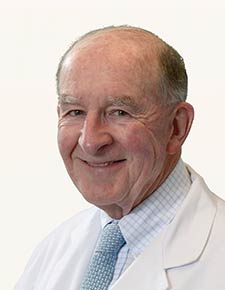 Russell F Warren合作论文数Department of Orthopaedic Surgery, Weill Cornell Medical College;Hospital for Special Surgery8
 Xing Liu (刘星)合作论文数Children's Hospital of Chongqing Medical University8Shayla M Warren合作论文数7Sridhar Pinnamaneni合作论文数7
 Joshua S Dines合作论文数7Wei Shui合作论文数7Ruidong Li (李瑞冬)合作论文数7
 Kim D. Barber Foss合作论文数Sports Medicine Biodynamics Center and Human Performance Laboratory, Cincinnati Children's Hospital Medical Center7Lewis L. Shi合作论文数7
 Eric Wagner合作论文数6Hongyu Zhang合作论文数6GuoXin Nan (南国新)合作论文数6
 Sahitya Denduluri合作论文数Molecular Oncology Laboratory, The University of Chicago Medical Center6
 Liangjun Yin合作论文数6Stephanie H Kim合作论文数5Warren K Young合作论文数5Stephanie Swensen-Buza合作论文数5
 Wenwen Zhang合作论文数5Angeles Jovito合作论文数5
 Janet Simon合作论文数Department of Kinesiology, University of Toledo5
 Kyle Hammond合作论文数5
 Harris S Slone合作论文数Department of Orthopaedic Surgery, University of Virginia Health System5Olivia Lillegraven合作论文数4Sherwin Ho合作论文数4
 April L McPherson合作论文数United States Olympic & Paralympic Committee4Jinhua Wang合作论文数4
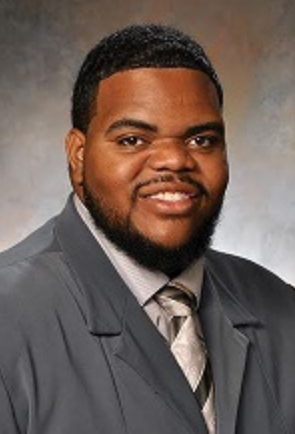 Abdullah Pratt合作论文数Department of Medicine, The University of Chicago4
 Danyal H Nawabi合作论文数4White Mia S合作论文数4
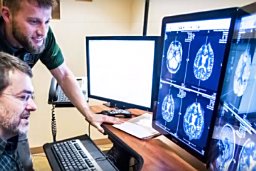 Dustin Grooms合作论文数4Thomas Staci M合作论文数4Jiye Zhang合作论文数4Mary Rose Rogers合作论文数4Gaurav A. Luther合作论文数4
 Hancock Kyle J合作论文数4




