BackgroundThe management of osteochondral lesions of the talus (OLT) is challenging, with 2 main options being conservative and surgical management. Orthobiologic therapies come to bridge the gap between these 2 options; however, inconsistencies in indication, composition, and heterogeneous evidence limit clinical decision-making. To address these challenges, 3 International Congress Meetings on Cartilage Repair of the Ankle were convened in Pittsburgh, USA (2017), Dublin, Ireland (2019), and New York, USA (2025) to establish agreement on the role of conservative management and injectable orthobiologic strategies in the treatment of OLT.MethodsSeventy-five multidisciplinary experts from over 25 countries and 1 territory participated in a structured Delphi-based consensus process. Blinded surveys, structured questionnaires, and in-person discussions were used to develop and refine statements, supported by literature review and graded evidence (A1-E). Consensus strength was defined as consensus (51%-74%), strong consensus (75%-99%), or unanimous (100%)ResultsIn total, 29 consensus statements were achieved across the 3 meetings. Strong agreement was reached regarding indications and expected outcomes of conservative management, including the role of immobilization and appropriate timing for surgical intervention. Orthobiologic injections, including platelet-rich plasma, concentrated bone marrow aspirate, and hyaluronic acid, were considered appropriate in select patients with persistent symptoms, although no superiority was demonstrated among formulations, preparation methods, or injection strategies. When used as adjuncts to surgical procedures, orthobiologics may improve radiological outcomes, with limited evidence for improvement in clinical outcomes. Technical considerations, including preferred harvest sites and a lack of standardized preparation protocols, were identified, along with key principles for patient counselingConclusionThese international consensus statements establish a standardized framework for the conservative management and use of injectable orthobiologic therapies in OLT. By clarifying indications, technical considerations, and current limitations, this work aims to improve consistency in clinical practice, guide treatment decision-making, and inform future research.
BackgroundThe evaluation of osteochondral lesions of the talus (OLT) has long been limited by variability in imaging protocols, lesion measurement techniques, and clinical utility of radiographic classification systems. To address these challenges, 3 International Congress Meetings on Cartilage Repair of the Ankle were convened in Pittsburgh, USA (2017), Dublin, Ireland (2019), and New York, USA (2025) to establish agreement on the work-up, diagnostic imaging, and radiographic classification systems for OLT.MethodsSeventy-five multidisciplinary experts from over 25 countries and 1 territory participated in a structured Delphi-based consensus process. Blinded surveys, structured questionnaires, and in-person discussions were used to develop and refine statements, supported by literature review and graded evidence (A1-E). Consensus strength was defined as consensus (51%-74%), strong consensus (75%-99%), or unanimous (100%).ResultsIn total, 19 consensus statements were achieved across the 3 meetings. Strong agreement was reached for first-line use of weight-bearing radiographs and complementary use of magnetic resonance imaging (MRI) and computed tomography for lesion characterization. Standardized assessment of lesion size in 3 planes and localization using a 9-zone grid were endorsed. Diagnostic arthroscopy was considered to have limited routine value in the setting of advanced imaging. Post-treatment imaging recommendations clarified indications for radiographs and cross-sectional imaging and emphasized the limited correlation between imaging findings and clinical function. Computed tomography-based classification systems were considered more useful for guiding treatment decisions than plain radiographic or MRI-based systems.ConclusionThese international consensus statements establish a standardized imaging-based framework for the evaluation and classification of OLT, improving consistency in diagnosis, treatment planning, and clinical reporting.
Category: Ankle Arthritis; Ankle Introduction/Purpose: Total ankle arthroplasty (TAA) utilization is increasing in the United States. As the incidence of this procedure grows, it is important for providers to understand the future projections for ankle arthroplasty and more importantly revision total ankle arthroplasty (rTAA). Methods: The national inpatient sample (USA) was queried from 2005 to 2017 for all TAA and rTAA. Poisson and linear regression analyses were performed to project annual incidence of TAA and rTAA to 2030, with subgroup analyses on septic rTAA. Results: There were 5315 TAAs performed in 2017, a 564% increase when compared to the TAAs performed in 2005. From 2017 to 2030, the incidence of TAAs is projected to increase from 110% to 796%. There were 1170 rTAAs performed in 2017, a 155% increase when compared to rTAAs performed in 2005. There was a 256% increase in the incidence of septic rTAAs from 2005 to 2017 with a projected increase between 22% and 120% by 2030. Conclusion: The incidence of both TAAs and rTAAs are projected to significantly increase over the next decade. Given the known risk factors of TAA and rTAA, these findings reinforce the need for thoughtful consideration when selecting patients for TAA.
CASE:A 39-year-old man with a chronic Achilles rupture status post (1) failed primary repair and (2) secondary xenograft repair with graft rejection, resulting in a 12-cm Achilles tendon defect, which was reconstructed utilizing an Achilles bone block allograft and flexor hallucis longus (FHL) tendon transfer. At 15-year follow-up, the patient reported good functionality and satisfaction with the repair, with positive patient-reported outcome measures. Physical examination revealed excellent strength and range of motion. Magnetic resonance imaging confirmed the integrity and incorporation of the Achilles/FHL graft composite. CONCLUSION:This case study provides valuable insight into successful long-term management of complex chronic Achilles ruptures with large defects.
Graft selection for anterior cruciate ligament reconstruction (ACLR) remains controversial. In addition, an increasing number of ACLRs are being performed in an aging population, creating a potential gap in evidence. The goal is to restore functional stability to the knee; minimize the likelihood of graft failure; and provide patient satisfaction, achieved primarily by a patient's ability to return to unrestricted physical activity. Because of an unacceptably high risk of allograft failure in younger patients, the use of allograft for ACLR has substantially decreased over the past 2 decades. However, postoperative activity, rather than age in isolation, determines the success of allograft ACLR. Whereas allograft is rarely indicated in patients who regularly participate in cutting and pivoting activities, regardless of age, a patient-specific approach should consider age, potential donor-site morbidity, and postoperative activity goals. In our experience, allograft ACLR is not indicated in patients younger than 35 years (with very rare exceptions of sedentary individuals preferring to minimize donor-site morbidity). Allograft is not recommended in any patient, regardless of age, who regularly participates in cutting and pivoting sports, particularly level I sports that include jumping, cutting, and hard pivoting. Finally, although surgeons should err toward using autograft when in doubt, allograft may be selectively indicated in older and low-physical demand patients.
First metatarsophalangeal joint (MTPJ) arthroplasty provides hallux rigidus patients with pain relief and preserved motion, offering an alternative to arthrodesis . Recent advancements in implant technology and surgical techniques have broadened treatment options. Although good outcomes have been documented in the literature, concerns persist regarding increased complications, uncertain long-term efficacy, and challenges in managing failed arthroplasties. Addressing bone loss resulting from the procedure further complicates salvage procedures . Larger cohorts and extended studies are necessary to establish efficacy of first MTPJ arthroplasty. Decisions must weigh the trade-offs between pain relief and potential complications, requiring thorough patient-surgeon discussions.
Category: Midfoot/Forefoot; Ankle Introduction/Purpose: Venous thromboembolism (VTE) after foot and ankle surgery is a significant concern for patients and surgeons. The absence of guidelines for thromboprophylaxis in elective procedures underscores the importance of understanding risk factors. This study aimed to identify key risk factors of VTE in patients who underwent elective foot and ankle surgery, analyzing the rates based on the anatomical location of the surgery and the post-operative period. Methods: Data was collected from IBM MarketScan Database (2009-2019) for patients >18y without prior VTE who underwent elective foot/ankle surgery. Patients were divided into three groups based on region of surgery (forefoot, mid/hindfoot, lower leg/ankle), and VTE incidence was recorded 30- and 90-days post-surgery. Risk factors for VTE were identified through multivariate logistical regression analysis. Results: Among the 301,256 patients who underwent elective foot and ankle surgeries, the overall incidence of VTE within 90 days was 0.95%. The findings revealed that 31.8% of VTE incidents occurred within the first two weeks after surgery, and 29.2% still occurred after 6 weeks. An analysis of the anatomical region of surgery demonstrated that the lowest rate of VTE was amongst patients undergoing forefoot surgery (0.70%). There was a higher incidence and risk for VTE in patients undergoing midfoot/hindfoot surgery (1.22%, OR = 1.75) and lower leg/ankle surgery (1.76%, OR= 2.53). Additional risk factors for VTE included thrombophilia (OR = 5.06), male sex (OR = 1.43), increasing age (OR > 1.25), and a high Charlson Comorbidity Index (OR < 0.82 for scores < 5). Conclusion: This study identifies the incidence and timing for VTE after elective foot and ankle surgery. Furthermore, this study defines the risk factors associated with increased odds of VTE after elective foot and ankle surgeries. These findings are helpful in educating patients about a continued risk for VTE throughout the 90-day postoperative period. These results can also be utilized to stratify patients who need thromboprophylaxis based on the individual risk level.
Category: Ankle; Sports; Trauma Introduction/Purpose: Traditionally, open surgical repair has provided improved functional outcomes, reduced re-rupture rates, and quicker recovery and return to activities at the expense of increased wound complications of infection and skin necrosis compared to nonoperative management. Ma and Griffith in 1977 introduced the percutaneous approach, and over the following decades, multiple improved techniques, and modifications thereof, have been described with comparable outcomes to the open repair. The current study aims to provide updated level I evidence comparing the open and minimally invasive (MIS) through a comprehensive search of literature published in English, Spanish, Portuguese, and German while avoiding limitations of previous studies such as heterogeneous study designs and a small number of included studies. Methods: Following the PRISMA guidelines, two independent team members searched several databases to identify randomized controlled trials (RCTs) comparing open and MIS Achilles tendon repairs. The primary outcomes were (1) Sural nerve injury, (2) Skin complications, (3) Infection (deep/superficial), whereas the secondary outcomes were (1) AOFAS/ATRS score, (2) surgical time, (3) re-rupture (4) adhesions (5) ankle range of motion. Population: Achilles tendon rupture Intervention: MIS repair Control: Open repair Outcomes: Primary: (1) Sural nerve injury, (2) Skin complications, (3) Infection (deep/superficial) Secondary: (1) AOFAS/ATRS score, (2) surgical time, (3) re-rupture, (4) adhesions, (5) ankle range of motion (6) other complications. Results: Ten RCTs qualified for the meta-analysis with a total of 522 patients. 260(49.8%) patients had open repair while 262(50.2%) had MIS repair. The mean total complication rate was 15.5% (0-36.4%) in open repair vs. 10.4% (0-45.5%) in MIS repair, with non-significant statistical difference (RR= 1.50,CI=0.87-2.57,p= 0.14;I2=40%). The mean re-rupture rate was 2.5% (0-6.8%) in open repair vs. 1.53% (0-4.6%) with MIS repair, with non-significant statistical difference (RR=1.56,CI=0.42-5.70,p= 0.50;I2=0%). No cases of sural nerve injury were reported in the open repair group. The mean sural nerve injury was 3.4%(0-7.3%) in the MIS group, that was statistically significant (RR= 0.16,CI=0.03-0.46,p=0.02;I2=0%). The mean deep infection rate in the open group was 1.4% (0-5%) while no deep infection was reported in MIS, with no statistically significant difference (RR= 3.24,CI=0.48-20.54,p= 0.23;I2=0%). The mean superficial infection rate was 6.04% (0-18.2%) and 0.40% (0-4.5%) for open and MIS repairs, respectively, with statistically significant difference (RR= 5.70,CI=1.80-18.02,p< 0.001;I2=0%). Conclusion: Open Achilles tendon repair is associated with longer surgical time, higher risk of superficial infection, and ankle stiffness, while MIS repair is associated with a greater risk of temporary sural nerve palsy. Re-rupture rate and functional outcomes are mostly equivalent. We found MIS to be a safe and reliable technique. However, high-quality standardized RCTs are still needed before recommending MIS as the gold standard for the management of Achilles tendon rupture.
Purpose:To characterize the secondary anterior cruciate ligament (ACL) injury rates after primary allograft anterior cruciate ligament reconstruction (ACLR) and to identify the age cut-score at which the risk of allograft failure decreases.Methods:All patients who underwent primary ACLR within a single orthopaedic department between January 2005 and April 2020 were contacted at a minimum of 2 years post-ACLR to complete a survey regarding complications experienced post-surgery, activity level, and perceptions of knee health. Patients were excluded for incidence of previous ACLR (ipsilateral or contralateral) and/or age younger than 14 years. Relative proportions were calculated, binary regression analysis was performed, and receiver operating characteristic analysis was used to identify the threshold age for maximal sensitivity and specificity to predict high risk of allograft failure, defined as undergoing revision ACLR.Results:Of the 939 surveys completed, 398 patients underwent primary allograft ACLR (mean age 39.5 years; range 16.0-66.1 years; 54.3% female). The secondary ACL injury rate was 11.6% (5.8% ipsilateral revision ACLR, 5.8% contralateral ACL injury). Male and female patients had similar revision (5.5% male, 6.0% female, P = .82) and contralateral ACL injury rates (6.6% male, 5.1% female, P = .52). Receiver operating characteristic analysis indicated that age ≤34 years was threshold for differentiating high risk of allograft failure (area under the curve 0.65, 95% confidence interval 0.55-0.76; P = .014). Patients aged ≤34 years had a greater secondary injury rate than patients >34 years (20.4% (10.2% revision ACLR, 10.2% contralateral ACL injury) versus 6.9% (3.5% revision ACLR, 3.5% contralateral ACL injury; P < .001). Binary regression analysis demonstrated that decreasing age was associated with increased risk of graft failure (χ2 = 7.9, P = .02.).Conclusions:Allograft ACLR showed similar failure rates between sexes but displayed suboptimal graft failure outcomes in younger and active patients. By age 34 years, the increased revision risk for younger patients diminished.Level of Evidence:Level IV, therapeutic case series.
Purpose: This study aims to provide an updated systematic review and meta-analysis of comparative stu-dies on the outcomes and complications of locked IMNs in comparison to ORIF using plates and screws, while avoiding limitations of similar published reviews.Methods: Following the Preferred Reporting Items for Systematic Reviews and Meta-Analyses (PRISMA) guidelines, two independent team members electronically searched MEDLINE (PubMed), EMBASE, Google Scholar, SCOPUS, and Cochrane databases throughout May 2021 using the following keywords with their synonyms: "Ankle fracture fixation" AND "Open reduction and internal fixation", "locked intramedullary nail", or "complications". The primary outcomes were (1) functional outcomes, (2) complications, and (3) reoperation, while the secondary outcomes were: (1) union rate, and (2) cost. Inclusion criteria: com-parative studies on outcomes and complications of plate open reduction and internal fixation (ORIF) vs. locked intramedullary nailing (IMN) of ankle fractures reporting at least one of the following parameters: functional outcomes, complications (infection, dehiscence, reoperation etc.), union, and cost. Studies re-porting on non-locked intramedullary fibular nails were also excluded.Results: After the removal of duplicates, a total of 1461 studies were identified. After screening those records, 63 studies remained for full-text assessment. Out of those, four comparative studies with a total of 262 ankle fractures met the inclusion criteria for this meta-analysis. The mean 12 months postoperative Olerud and Molander Ankle Scores (OMAS) were reported by two studies, with a statistically significant difference in favor of IMNs (MD= 6.72, CI: 3.77-9.67, p < 0.001, I2= 94%). In the ORIF group, the overall complication rate was 39/134 (29.1%) vs. 10/128 (7.8%) in the IMN group, with a statistically significant difference in favor of the IMN group (RR=3.23, CI:1.71-6.11, p < 0.001, I2=34%). In the ORIF group, the overall infection rate was 11/134 (8.2%), while there were no infections in the IMN group, with a statistically significant difference in favor of the IMN group (RR=8.05, CI:1.51-42.82, p=0.01, I2=0%). In the ORIF group, the overall reoperation rate was 10/134 (7.5%) while the overall reoperation rate was 6/128 (4.7%) in the IMN group, with no statistically significant difference between groups (RR=1.49, CI: 0.60-3.70, p = 0.39, I2=0%).Conclusion: Locked intramedullary nail fixation of distal fibula fractures could provide superior functional outcomes and lower complication rates in comparison to open reduction and plate fixation. Despite the high incidence of ankle fractures, the number of high-quality comparative studies remains limited in lit-erature, especially on newer locked fibular nails, and large multicentric clinical trials are required before recommending locked IMNs as the new standard of care in distal fibula fractures.(c) 2022 European Foot and Ankle Society. Published by Elsevier Ltd. All rights reserved.
Orthopaedic surgeons have always been on the cutting edge of innovation in health care delivery and technology. In turn, the orthopaedic device industry has responded with new products that deliver better quality at competitive prices. Numerous examples of collaboration exist such as in outpatient joint replacement and minimally invasive orthopaedic procedures. In-office needle arthroscopy (IONA) for knees and ankles has been in existence since the 1990s but was hampered by poor image quality and a cumbersome-to-use technology. Now with improved technology for IONA, ankle IONA allows adequate visualization of all pertinent ankle joint structures, allowing reach of 96% of the talus surface and 85% of the tibia plafond, and may show greater accuracy than preoperative magnetic resonance imaging. The majority of cost of an arthroscopy episode of care may reside with the "facility" fee charged for the use of an operating room, personnel, and related equipment. Surgeons and their patients pay higher fees to use hospital or outpatient centers, sometimes with increased inefficiency or more adverse events. IONA may allow orthopaedic surgeons to deliver better services at a reduced cost for ankle arthroscopy.
Articular cartilage injuries have a limited healing capacity and, due to inflammatory and catabolic activities, often experience progressive degeneration towards osteoarthritis. Current repair techniques generally provide short-term symptomatic relief; however, the regeneration of hyaline cartilage remains elusive, leaving both the repair tissue and surrounding healthy tissue susceptible to long-term wear. Therefore, methods to preserve cartilage following injury, especially from matrix loss and catabolism, are needed to delay, or even prevent, the deteriorative process. The goal of this study was to develop and evaluate a cartilage-penetrating hyaluronic-acid (HA) hydrogel to improve damaged cartilage biomechanics and prevent tissue degeneration. At time zero, the HA-based hydrogel provided a 46.5% increase in compressive modulus and a decrease in permeability after simulated degeneration of explants (collagenase application). Next, in a degenerative culture model (interleukin-1β [IL-1β] for 2 weeks), hydrogel application prior to or midway through the culture mitigated detrimental changes to compressive modulus and permeability observed in non-treated explants. Furthermore, localized loss of proteoglycan was observed in degenerative culture conditions alone (non-treated), but hydrogel administration significantly improved the retention of matrix elements. Finally, NITEGE staining and gene expression analysis showed the ability of the HA gel to decrease chondrocyte catabolic activity. These results highlight the importance of reinforcing damaged cartilage with a biomaterial system to both preserve tissue content and reduce catabolism associated with injury and inflammation.
BACKGROUND:Ankle arthrodesis has been the mainstay treatment for end-stage ankle arthritis. The popularity of total ankle arthroplasty (TAA) has been on the rise due to improved implant design and postoperative outcomes. The purpose of this study was to describe the basic epidemiology and trends of annual procedure volumes and incidence in the general American population as well as in different population subgroups from 2009 to 2019. We hypothesize that the incidence of TAA has significantly risen while the median length of hospital stay has decreased nationwide.METHODS:The IBM MarketScan database was queried for patients who underwent TAA from January 2009 to December 2019 based on Current Procedural Terminology coding. Population estimates from the US Census Bureau were used to calculate the annual incidence of TAA. Procedural volume and incidence were calculated for annual sums, gender, age subgroups, inpatient and outpatient TAA, as well as in four statistical geographic regions in the United States. Median length of hospital stay was calculated and trended annually for inpatient TAA.RESULTS:A total of 41,060 primary TAAs were identified in the database from 2009 to 2019, in which 52.5% were performed in males. Annual volumes increased by 136.1%, from 2180 to 5147 procedures nationwide. Incidence reported per 100 000 population increased by 120.8%. Both inpatient and outpatient procedures have increased, by 242.5% and 86.6%, respectively. Median length of hospital stay decreased from 3 days in 2009 to 1 day in 2019 and did not differ between genders. Growth in incidence was demonstrated in males and females above the age of 54 years with the largest growth in annual incidence found between 65 and 74 years. Incidence rose in the South and West of the United States by 111.8% and 136.5%, respectively.CONCLUSION:We found that annual volumes and incidence rates of primary TAA has increased between 2009 and 2019. Although both inpatient and outpatient surgery have become more frequent, inpatient volumes and incidence have increased almost 3 times more than those of outpatient surgery. Length of hospital stay decreased over the study years. When adjusted for the same study period, the cumulative annual growth rates of TAA were found to be 2 times greater than total knee arthroplasty and 3.6 times greater than total hip arthroplasty.LEVEL OF EVIDENCE:Level III, retrospective database review.
Category: Ankle; Arthroscopy; Sports Introduction/Purpose: Ankle sprains are the most common ankle injury accounting for up to 85% of all ankle injuries, and nearly 20% of acute ankle sprains progress to chronic lateral ankle instability that requires surgical intervention. In recent years, there has been a growing interest in arthroscopic Broström techniques as an alternative to open surgery. In the past two years alone, four comparative studies have been published. Recent case series and cohort studies showed reliable improvement in clinical and radiographic outcomes with arthroscopic surgeryAIM. The current study aims at providing the foot and ankle surgery community with the most updated evidence comparing outcomes of open to arthroscopic Broström procedure for chronic lateral ankle instability. Methods: This article was performed following the Preferred Reporting Items for Systematic Reviews and Meta-analyses (PRISMA) guidelines. Two independent authors searched several databases for relevant comparative studies in English literature were identified between database inceptions to May 2020. The primary outcomes were (1) Functional scores (KAFS, AOFAS) and (2) Pain score on VAS, whereas the secondary outcomes were differences in (1) anterior drawer and talar tilt, (2) surgical time and complications rate, (3) time to return to sports and weight-bearing. Population: Chronic lateral ankle instability (LAI)Intervention: Arthroscopic Broström procedure Control: Open Broström procedure Outcomes: Primary: Functional scores, pain Secondary: Anterior drawer and talar tilt, complications, time to return to sport and weight-bearing Results: A total of 408 patients in eight studies met the inclusion criteria were subjected to analysis. 193 (47.3%) patients underwent open surgery, while 215 (52.7%) patients underwent arthroscopic surgery. The one year-AOFAS was 80.05 vs. 88.6 in open and arthroscopic surgery, respectively (MD= -11.96, CI= -21.26, -2.76, I2= 82%, p= 0.01). The mean one year VAS was 2.05 and 1.45 in open and arthroscopic repair, respectively (MD= 0.31, CI= 0.09 to 0.54, I2=0%, p<0.001).The mean time to weight- bearing was 14.25 weeks and 9.0 weeks in open and arthroscopic repair, respectively (MD=1.89, CI= 1.24 to 2.54, I2=99%, p<0.001).There were no statistically significant differences in the time to RTP, postoperative anterior drawer, postoperative talar tilt, and operative time. The total complications rate in open and arthroscopic repair was 21.3% vs. 10%, with statistical insignificance (OR= 0.73, 95%CI= 0.39 to 1.38, I2=0%, p= 0.34). Conclusion: While technically more demanding, arthroscopic Broström is superior to open Broström-Gould surgery in AOFAS functional scores at six and twelve months, time to return to weight-bearing, and VAS pain scores. Operative time, complications rate, talar tilt, and anterior drawer tests are excellent and statistically comparable. Long-term clinical trials are required before recommending arthroscopic Broström as the new gold standard.
Category: Other Introduction/Purpose: Non-union of foot and ankle arthrodesis sites has been associated with revision surgery, morbidity and increased healthcare costs, so many surgeons elect to augment the fusion site with autologous bone grafts to improve union. While iliac crest autografts are considered the historical gold standard, other donor sites distal in the lower extremity such as calcaneus, proximal and distal tibia have been successfully used in foot and ankle surgery. This study aims to report on the safety and donor site morbidity of distal lower extremity (calcaneal, proximal and distal tibial) bone autografts. We summarized the findings in a comprehensive infographic illustration. We are unaware of any similar meta-analyses to date. Methods: Following the PRISMA guidelines, 2 independent investigators searched several databases in December 2020 using the following keywords and their synonyms: ('Bone graft', 'donor site morbidity', 'calcaneal graft', 'Proximal tibia graft', and 'distal tibia graft'). Besides, the reference lists from previous review articles were searched manually for eligible studies. The primary outcomes of interest were (1) Chronic pain, (2) Fracture and (3) infection whereas the secondary outcomes were (1) neurological complications, (2) sensory disturbance and hypertrophic scars, (3) other complications such as shoe-wear difficulties and gait disturbance. Inclusion criteria were: studies on complications and adverse events of lower extremity bone autografts (calcaneal, proximal tibial, and distal tibial bone autografts) reporting at least one desired outcome. Studies not reporting any of the outcomes of interest or if the full text is not available in English were excluded. Studies reporting on bone marrow aspirate or autografts for non-orthopedic indications were also excluded. Results: After removal of duplicates, 5981 studies were identified. After screening, 85 studies remained for full-text assessment, and 15 studies qualified for the meta-analysis with a total of 2296 bone grafts.1557(67.8%) were calcaneal grafts, 625 (27.2%) were proximal tibial grafts, and 114 (5%) were distal tibial grafts. The mean age of all patients was 52.43+-16 [CI=51.77-53.08] years. The mean follow-up duration was 1.86+-1.70[CI=1.79-1.93] years. The primary surgery was reported for 2129 grafts(92.7%).Out of those, foot and ankle procedure represented 97.4% of the procedures. In calcaneal bone grafts, there were 28 cases of chronic pain [1.97%,CI:1.10-2.50%, I2=66%], 5 fractures [0.32%,CI:0.10-0.60%, I2=0%], 20 sural neuritis [1.28%,CI:0.70-1.80%, I2=0%), and no wound infections. In proximal tibial grafts there were 13 cases of chronic pain [2.08%,CI:1.01-3.2%, I2=34.5%], 1 fracture [0.16%,CI:0.10-0.50%, I2= 0%], and 3 superficial wound infections [0.48%,CI:0.10-1.01, I2=0%]. In the distal tibial grafts there were no cases of chronic pain or wound infections, 1 fracture [0.90%,CI:0.80-2.6%,I2=0%], and 5 saphenous neuritis [4.5%,CI: 0.70- 8.40%,I2=65%]. Conclusion: Calcaneal, distal tibial, and proximal tibial bone autografts are safe with a low rate of overall and major complications. We report an overall complication rate of 6.8%, which is less than half of that previously reported for iliac crest grafts. The authors recommend using distal lower extremity grafts for foot and ankle primary surgeries instead of iliac crest grafts when indicated. Clinical trials with large sample sizes are required.
Background: Nearly 20% of acute ankle sprains progress to chronic lateral ankle instability that requires surgical intervention. In recent years, there has been a growing interest in arthroscopic Broström techniques as an alternative to open surgery. Purpose: To review the most up-to-date evidence comparing the outcomes of open and arthroscopic Broström procedures for chronic lateral ankle instability. Study Design: Systematic review; Level of evidence, 3. Methods: This review was performed following the PRISMA (Preferred Reporting Items for Systematic Reviews and Meta-Analyses) guidelines. Relevant comparative studies in English up to May 2020 were identified. The primary outcomes were (1) functional scores (Karlsson Ankle Function Score and American Orthopaedic Foot & Ankle Society [AOFAS] score) and (2) the 10-point visual analog scale (VAS) score for pain. The secondary outcomes were differences in (1) postoperative anterior drawer and talar tilt, (2) surgical time and complication rate, and (3) time to return to sports and weightbearing. Results: A total of 408 patients in 8 studies met the inclusion criteria. Of these, 193 (47.3%) patients underwent open surgery, while 215 (52.7%) patients underwent arthroscopic surgery. There were significant differences between the open and arthroscopic repair groups in mean 6-month AOFAS scores (82.4 vs 92.25, respectively; mean difference [MD], 11.36; 95% CI, 0.14-2.56; I 2 = 90%; P = .03), 1-year AOFAS scores (80.05 vs 88.6; MD, –11.96; 95% CI, –21.26 to –2.76; I 2 = 82%; P = .01), 6-month VAS scores (1.7 vs 1.4; MD, –0.38; 95% CI, –0.54 to –0.21; I 2 = 78%; P < .001), and 1-year VAS scores (2.05 vs 1.45; MD, 0.31; 95% CI, 0.09-0.54; I 2 = 0%; P < .001). The mean time to weightbearing was 14.25 and 9.0 weeks in the open and arthroscopic repair groups, respectively (MD, 1.89; 95% CI, 1.24-2.54; I 2 = 99%; P < .001). There were no statistically significant differences in the remaining outcomes evaluated. Conclusion: While technically more demanding, arthroscopic Broström was superior to open Broström-Gould surgery in postoperative AOFAS scores, VAS pain scores, and time to return to weightbearing. The operative time, complication rate, talar tilt, and anterior drawer tests were excellent and statistically comparable. Long-term clinical trials are required before recommending arthroscopic Broström as the new gold standard.
Courtney N. Gleason was incorrectly captured in the original manuscript.
A 13-year-old female competitive tap dancer with subacute on chronic lateral foot pain is diagnosed with calcaneocuboid instability and undergoes successful reconstruction. This case report supports the use of dynamic ultrasound evaluation of CC joint for the diagnosis of CC instability causing pain. We also provide an innovative surgical technique for CC ligament repair with an internal brace kit supplemented with periosteal augmentation.
Ankle arthrodesis (AA) is frequently employed in the treatment of end-stage ankle arthritis, which is common following trauma and athletic injuries. While AA remains a popular therapeutic option, little data exists about activity and sporting capacity following AA. The objective of this research was to determine functional outcomes and sporting activity levels in patients following Ankle Arthrodesis. Validated questionnaires were emailed to 35 patients with a history of AA at an average follow-up of 52 months. Functional outcomes were assessed using the Foot and Ankle Disability Index (FADI), as well as the associated FADI-Sport. Responses were compared to those from a control population of 24 patients scheduled for AA, at an average pre-operative visit of three months. Activity levels were assessed prior to injury as well as pre- and post-operatively using the Tegner activity level scale. Average Tegner scores of the 35 surgical patients decreased from 3.82 ± 0.38 before their injury, to 1.15 ± 0.19 immediately pre-op, with recovery to 2.67 ± 0.26 following fusion. Average post arthrodesis FADI and FADI-sport scores in our patients were 76.5 ± 3.19% and 33.8 ± 23.06%. For the pre-operative control population, corresponding scores were 47.41 ± 2.61% and 22.24 ± 1.03%. Following AA, we found that patients improved upon their pre-op Tegner score, although they did not return to their pre-injury level of sporting participation. Additionally, patients reported that they had no current dysfunction with their lower leg. Patients undergoing Ankle Arthrodesis should expect improved lower leg function, though will not likely return to their pre-injury level of activity.
 Bariteau Jason T合作论文数Warren Alpert School of Medicine, Brown University13
 Ahmed Khalil Attia合作论文数Sch Med, Emory Univ7
 Mahmoud Karim D合作论文数6
 Rishin J. Kadakia合作论文数5
 Wesley Manz合作论文数Emory University School of Medicine5Xerogeanes John W合作论文数Emory Orthopaedic and Spine Center5
 Kyle Hammond合作论文数5
 Harris S Slone合作论文数Department of Orthopaedic Surgery, University of Virginia Health System4Brian D Dierckman合作论文数3Felix Gonzalez合作论文数Department of Radiology & Imaging Sciences and Orthopedics, Emory University School of Medicine3
 Rahul Kant Goel合作论文数3
 Wilson Jacob M合作论文数Translational and Biomedical Research Center, Medical College of Wisconsin3
 Pieter D’Hooghe合作论文数3William C. Hutton合作论文数3
 Samia khalid Sayyid合作论文数2Maged Hanna合作论文数2Brian Traub合作论文数2Michael A Kowalski合作论文数2Omolola P Fakunle合作论文数2
 Russell E Holzgrefe合作论文数Dept Orthopaed Surg, Emory Univ2Nick N Patel合作论文数2
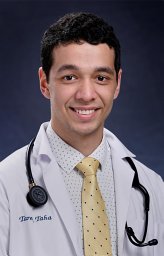 Tarek Taha合作论文数Weill Cornell Med Coll2Jay Patel合作论文数2
 Spero G Karas合作论文数2
 Adam Singer合作论文数Department of Diagnostic Radiology, Jackson Memorial Hospital2
 Joseph D. Lamplot合作论文数University of Chicago Medical Center, University of Chicago Medical Center2Rolf Robert合作论文数2
 H. Andrew Schwartz合作论文数Department of Computer Science, Stony Brook University;College of Connected Computing, Vanderbilt University2
 Gregory D. Myer合作论文数SPORT Center, Cincinnati Children’s Hospital Medical Center;The Human Performance Laboratory for the Division of Sports Medicine, Cincinnati Children’s Hospital Medical Center;Rocky Mountain University;Sport Performance and Research Center, Department of Orthopaedics, School of Medicine, Emory University;Department of Orthopedic Surgery, College of Medicine, University of Cincinnati;Department of Pediatrics, College of Medicine, University of Cincinnati2
 David A. Reiter合作论文数National Institute on Aging, National Institutes of Health2
 Kenneth J. Hunt合作论文数Centre for Rehabilitation Engineering;University of Glasgow;Centre for Rehabilitation Engineering, University of Glasgow2Shayla M Warren合作论文数1Maddie Hasson合作论文数1Forrest Q. Pecha合作论文数1C Edward Hoffler合作论文数1Robert H Rolf合作论文数1Nathan R Kukowski合作论文数1Kenneth R. Mautner合作论文数1Brent T Wise合作论文数1Aparna Kakarala合作论文数1Angela S. P. Lin合作论文数1J Taylor Bellamy合作论文数1Tristan Rodik合作论文数1Courtney N Gleason合作论文数1Mathew W Pombo合作论文数1Pieter Dhooghe合作论文数1Timothy S Maughon合作论文数1Stephanie Boden BA合作论文数1Kareem Ahmed H M A Elsweify合作论文数1




