The Ross procedure, which involves replacing a diseased aortic valve with the patient’s own pulmonary valve (pulmonary autograft), has gained renewed attention in adult patients due to mounting evidence of excellent long-term outcomes. With increasing data demonstrating restoration of life expectancy and improved valve-related outcomes, it is now considered a viable first-line option for selected young and middle-aged adults with non-repairable aortic valve disease. Nonetheless, its adoption remains inconsistent across institutions, partly due to concerns about surgical complexity, long-term durability, and the need for structured follow-up. This expert consensus document, commissioned by the European Association for Cardio-Thoracic Surgery, synthesizes the current evidence and offers clinical statements for using the Ross procedure in adults. Developed through a systematic review and informed by the collective experience of a multidisciplinary panel of internationally recognized experts, the document addresses key topics including patient selection, technical refinements, and perioperative management. Emphasis is also placed on the need for procedural standardization, high-volume surgical expertise, and longitudinal imaging-based follow-up. Moreover, comparative outcome data and subgroup considerations are critically appraised, and areas for future investigation are outlined. This clinical practice document is intended to assist clinicians and Heart Teams in making informed treatment decisions, support harmonized implementation across centres, provide technical considerations to optimize procedural success, and substantially improve outcomes for patients considered for this complex but promising procedure.
BACKGROUND:The Society of Thoracic Surgeons Adult Cardiac Surgery Database (STS ACSD) was expanded in 2017 to include more granular detail on thoracic aortic surgeries. We describe the first validated risk model in thoracic aortic surgery from the STS ACSD. METHODS:The study population consisted of patients undergoing nonemergent isolated ascending aortic aneurysm repair by open or clamped distal anastomoses, including those requiring aortic root or valve replacement. Model outcomes included operative mortality, 30-day major morbidity (cardiac reoperation, deep sternal wound infection, stroke, prolonged ventilation, renal failure), and a composite of both. To select the predictors, univariate associations and clinical face validity of models were examined. Models were evaluated by their ability to distinguish between patients with and without specific outcomes (discrimination) and their predictive accuracy (calibration). RESULTS:Between 2017 and 2021, 24,051 eligible patients underwent ascending aortic aneurysm surgery at 905 hospitals. Procedures included 8913 aortic root replacements, 2135 valve-sparing root replacements, 7545 ascending aortic replacements with aortic valve replacement, and 5458 ascending aortic replacements. Circulatory arrest was performed in 7316 (30.4%) cases. Operative mortality was 1.9%, and 12.2% of patients experienced major morbidity including 2.4% incidence of stroke. The adjusted C statistics for the model were 0.74, 0.67, and 0.67 for mortality, morbidity, and the composite, respectively. Previous stroke and circulatory arrest were associated with new stroke. Genetic aortopathy was associated with less mortality. CONCLUSIONS:A new STS ACSD risk model to predict mortality and morbidity after ascending aneurysm surgery has been developed, and predictors of better and worse outcomes have been identified.
Pituitary apoplexy is a clinical syndrome caused by hemorrhage or infarction of the pituitary gland and has been described as a rare complication of cardiac surgery. Management of this complication after mechanical valve replacement is complex, given the need for postoperative anticoagulation and potential neurosurgical resection. This paper presents a case of pituitary apoplexy identified after mechanical root and ascending hemiarch replacement and describes our clinical decision making around anticoagulation selection and optimal surgical timing. The patient underwent successful resection on postoperative day 9 and did not have any major bleeding or valvular thromboembolic complications. Multidisciplinary collaboration was critical to his favorable outcome.
The bicuspid aortic valve (BAV) is the most prevalent congenital heart defect and may require surgery for complications such as stenosis, regurgitation, and aortopathy. BAV repair surgery is effective but challenging due to the heterogeneity of BAV morphology. Multiple imaging modalities can be employed to assist the quantitative assessment of BAVs for surgical planning. Contrast-enhanced 4D computed tomography (CT) produces volumetric temporal sequences with excellent contrast and spatial resolution. Segmentation of the aortic cusps and root in these images is an essential step in creating patient specific models for visualization and quantification. While deep learning-based methods are capable of fully automated segmentation, no BAV-specific model exists. Among valve segmentation studies, there has been limited quantitative assessment of the clinical usability of the segmentation results. In this work, we developed a fully auto- mated multi-label BAV segmentation pipeline based on nnU-Net. The predicted segmentations were used to carry out surgically relevant morphological measurements including geometric cusp height, commissural angle and annulus diameter, and the results were compared against manual segmentation. Automated segmentation achieved average Dice scores of over 0.7 and symmetric mean distance below 0.7 mm for all three aortic cusps and the root wall. Clinically relevant benchmarks showed good consistency between manual and predicted segmentations. Overall, fully automated BAV segmentation of 3D frames in 4D CT can produce clinically usable measurements for surgical risk stratification, but the temporal consistency of segmentations needs to be improved.
Patients with bicuspid aortic valve disease requiring surgical aortic valve replacement are often younger and want to avoid lifelong anticoagulation. A multicentre single-arm non-randomized study, the COMMENCE trial, studied outcomes of RESILIA tissue aortic valves in bicuspid aortic valve patients through 7 years of follow-up. Of 672 patients who underwent surgical replacement of native aortic valves, 214 had bicuspid and 458 had tricuspid aortic valves. Propensity score analyses with inverse probability of treatment weighting were utilized to minimize bias due to measured confounders. Linear mixed-effect models compared longitudinal changes in haemodynamic parameters. Patients with bicuspid were significantly younger than those with tricuspid aortic valves-mean age of bicuspid: 59.8 (12.4) vs tricuspid: 70.2 (9.5) years; P < .001; 39/214 (18%) bicuspid aortic valve patients were <50 years old. There was no evidence of structural valve deterioration in any bicuspid aortic valve patients over 7 years of follow-up. At 7 years, there was no significant difference between bicuspid and tricuspid aortic valve patients in propensity score- and age-adjusted survival (91.9% vs 88.1%, respectively; P = .35), stroke, or reoperation. Among bicuspid aortic valve patients <65 years of age, there was no significant difference in prosthetic valve effective orifice areas and mean gradients between 3 months and 7 years postoperatively. Patients with bicuspid aortic valves had excellent outcomes with RESILIA tissue valves at 7 years with no evidence of structural valve deterioration. These results suggest a durable alternative for carefully selected younger patients wishing to avoid anticoagulation. NCT01757665.
BACKGROUND The choice of bioprosthetic or mechanical surgical aortic valve replacement (AVR) should balance individual valve durability with the potential liabilities of oral anticoagulation. OBJECTIVES To inform clinical practice, this study sought to evaluate contemporary, real-world, long-term AVR outcomes from the Society of Thoracic Surgeons Adult Cardiac Surgery Database (STS ACSD). METHODS All patients undergoing primary isolated bioprosthetic or mechanical AVR were identified. Patients aged <40 and >75 years with endocarditis, emergency/salvage status, shock, ejection fraction <= 25%, and any prior cardiac surgery were excluded. Validated methodology was applied for linkage to the National Death Index to define longitudinal all-cause mortality (2008-2019). Robust risk adjustment was performed by using age-specific inverse probability weighting and restricted cubic splines to model nonlinear age relationships. Sensitivity analyses excluded pure aortic insufficiency, intermediate/high risk (STS predicted risk of operative mortality >4%), and discontinued valve types. RESULTS A total of 109,842 patients underwent bioprosthetic (n = 94,125) or mechanical (n = 15,717) AVR during the study period. After risk adjustment, freedom from all-cause mortality favored mechanical valves in patients aged 60 years and younger. Age group-specific analyses showed that mechanical valves were associated with lower all-cause mortality in all age groups <= 60 years. These results remained consistent across all sensitivity analyses. CONCLUSIONS In patients aged <= 60 years, mechanical AVR was associated with an independent risk-adjusted survival benefit compared with bioprosthetic AVR. These contemporary 12-year survival data further inform patient and provider shared clinical decision-making regarding prosthetic aortic valves. (JACC. 2025;85:1289-1298) (c) 2025 the American College of Cardiology Foundation. Published by Elsevier. All rights are reserved, including those for text and data mining, AI training, and similar technologies.
OBJECTIVE:The aim of this study was to determine the indication and optimal timing for performing a hemiarch procedure in patients undergoing valve-sparing root replacement (VSRR). METHODS:We conducted a retrospective study on 986 patients undergoing VSRR at three tertiary care centres. Inclusion criteria were all patients undergoing elective VSRR. Exclusion criteria were age <18 years, Stanford type A dissection, dissection in the arch, total aortic arch replacement or previous aortic arch replacement. We performed propensity score matching in a 1:1 ratio. The primary end-point is a composite outcome that includes mortality, aortic arch reintervention, new aortic dissection during follow-up and cerebrovascular incidents within the first 30 days. RESULTS:A total of 401 patients (41%) had a hemiarch replacement, while 585 (59%) did not. Root phenotype was present in 565 (57%). The mean follow-up time was 4.7 years (SD ± 4.6). In the matched population, there was no significant difference in the 10-year freedom from the composite outcome between the non-hemiarch and hemiarch groups (87.3% vs 85.0%, P > 0.999). Similarly, no difference was found for aortic reinterventions (P = 0.13) or survival (P = 0.5). This was also true for patients with heritable thoracic aortic disease. However, in patients with a bicuspid aortic valve, the intervention rate was significantly higher in the hemiarch group (10.8% vs 0%, P = 0.016). There was no significant difference in the 30-day incidence of cerebrovascular accidents between the groups (5% vs 2.7% in the hemiarch group, P = 0.117). Only the distal ascending diameter showed a tendency with better outcome over 45 mm for the hemiarch procedure; otherwise, we found no reliable cut-off values based on ascending length, diameter-to-height index or ascending length-to-height index. CONCLUSIONS:Our findings conclusively demonstrate that concomitant hemiarch replacement does not increase the perioperative risk in young patients undergoing VSRR. However, concomitant replacement does not seem to protect from aortic reinterventions during medium-term follow-up.
BACKGROUND:The GORE® TAG® Thoracic Branch Endoprosthesis is the only currently Food and Drug Administration-approved branched device for the treatment of thoracic aortic pathology requiring landing in Zone 2 in the United States. While the aneurysm cohort disabling stroke rate in the pivotal trial has previously been reported, a more complete and granular description has not yet been published. This is a descriptive series detailing the neurologic sequelae from the pivotal trial, out to 12 months. METHODS:All the patients underwent modified Rankin Scale assessment at screening, discharge, and 1-, 6-, and 12-month intervals. A disabling stroke was defined as occurring within 30 days of the index procedure, combined with a modified Rankin Scale ≥2 with an increase from baseline of at least 1 grade. Descriptive statistics with important associations with aortic pathology, landing in native aorta versus Dacron graft, and intraoperative ballooning were noted. Further granularity with regard to the distribution and type of stroke are also reported, where available. RESULTS:A total of 238 patients were included in the pivotal trial. The treated aortic pathologies were aneurysm (n = 84), dissection (n = 132), traumatic transection (n = 9), and other isolated lesions (n = 13). Through 12 months, the overall stroke rate was 5.9%, with the highest rate of stroke in the aneurysm cohort (aneurysm-8.3%, dissection-4.6%, traumatic transection-0%, other-7.7%). The frequencies of disabling strokes through 12 months were aneurysm-4.3%, dissection-2.3%, and other lesion-7.7%. Forty percent of strokes (n = 6) occurred within 30 days and included both hemorrhagic (n = 3) as well as ischemic (n = 3) events. The distribution of strokes within 30 days included left carotid (n = 1), posterior circulation (n = 2), as well as unknown (n = 3). The strokes occurring after 30 days were primarily ischemic (6/8), and included left carotid (n = 2), right carotid (n = 1), posterior circulation (n = 1), posterior circulation and right carotid (n = 1), posterior circulation and left and right carotid (n = 1), and unknown location (n = 1). The majority of patients suffering from stroke had aortic component landing in the native aortic arch, as well as ballooning of the aortic component (10/14). CONCLUSIONS:The Thoracic Branch Endoprosthesis is associated with comparable 30-day stroke rates to a similar series of patients undergoing Zone 2 landing after debranching procedures. Stroke rates were highest in aneurysm pathology patients, with no strokes in the traumatic transection cohort. Perioperative strokes were hemorrhagic and ischemic, whereas those occurring after the perioperative period were primarily ischemic in nature. The distribution of stroke covered multiple territories, suggesting an embolic etiology. These data better define the neurologic risks associated with placement of this branched technology in the aortic arch.
BACKGROUND:This study describes in detail the clinical burden of malperfusion associated with acute type A aortic dissection (ATAAD) in a large, national cohort and the effect of treatment strategy on outcomes. METHODS:All patients undergoing repair of ATAAD between 2017 and 2020 in The Society of Thoracic Surgeons (STS) Adult Cardiac Surgery Database were studied. Malperfusion was defined using STS definitions on the basis of imaging or the surgeon's evaluation. Multivariable logistic regression was used to analyze the effect of patient and treatment factors on outcomes in patients with and without malperfusion. RESULTS:A total of 9958 patients undergoing ATAAD repair were studied. Preoperative malperfusion occurred in 27.7% (2748 of 9958) of cases and most often involved the extremity (14.9%; 1484 of 9958), renal (10.2%), or cerebral (9.8%) vascular beds. Operative mortality was much greater among patients with malperfusion (26.8% vs 13.6%; P < .001). After adjustment, coronary malperfusion was associated with the highest odds of mortality (odds ratio, 2.28; 95% CI, 1.85-2.81; P < .001) followed by mesenteric malperfusion (odds ratio, 1.82; 95% CI, 1.45-2.28; P < .001). Cerebral malperfusion was not independently associated with significantly increased odds of mortality (odds ratio, 1.14; 95% CI, 0.94-1.38; P = .18). Partial arch replacement (zone 1 or zone 2) compared with ascending aorta or hemiarch replacement only showed a similar rate of mortality in patients with malperfusion (24.8% vs 26.9%; P = .99) and without malperfusion (11.6% vs 13.6%; P = .54). CONCLUSIONS:Preoperative malperfusion in ATAAD was common and associated with significant operative mortality, which varied according to the malperfused region. Partial aortic arch replacement, compared with ascending aorta or hemiarch replacement alone, was not associated with increased mortality.
Background:Mortality after transcatheter aortic valve replacement (TAVR) varies among centers. "Failure to rescue" (FTR) patients from post-TAVR complications may represent an unexplored opportunity for TAVR process improvement. Methods:The Society of Thoracic Surgeons/American College of Cardiology Transcatheter Valve Therapy registry was queried for patients undergoing transfemoral TAVR between 2011 and 2016. Hospital FTR rate was derived from the ratio of observed-to-expected procedural mortality. Multivariable logistic regression models assessed the association between FTR and hospital mortality. Adjusted FTR rates were compared across tertiles of hospital mortality. Results:The analysis included 61,804 patients (429 sites). Post-TAVR mortality at low-, middle-, and high-mortality hospitals was 1.8%, 3.3%, and 5.6% (P < .01), respectively. Risk-adjusted complication rates differed only slightly between tertiles (22.2% vs 24.5% vs 27.0%, P < .001). However, adjusted FTR rates were significantly worse in high- and medium-mortality hospitals than in low-mortality centers (14.6% vs 9.5% vs 5.4%, P < .001). This was true for all investigated complications, including conversion to open surgery (high-mortality: odds ratio [OR], 9.04 [95% CI, 4.12-19.83], P < .001; medium-mortality: OR 2.99 [95% CI, 1.48-6.07], P < .003), stroke (high-mortality: OR, 3.15 [95% CI, 1.97-5.04], P < .001; medium-mortality: OR, 1.67 [95% CI, 1.05-2.67], P < .032), and cardiac arrest (high-mortality: OR, 3.54 [95% CI, 2.57-4.87], P < .001; medium-mortality: OR, 1.67 [95% CI, 1.24-2.24], P < .001). Conclusions:National TAVR mortality rates vary significantly across centers, despite comparable rates of postoperative complications. Patients at medium- and high-mortality centers face a disproportionately higher risk of death due to FTR. These findings highlight the need for a closer evaluation of post-TAVR care processes to address this disparity.
OBJECTIVE:For patients with type A aortic dissection complicated by mesenteric malperfusion syndrome, some centers advocate a nontraditional approach based on up-front endovascular intervention and delayed open repair. However, the efficacy of this strategy cannot be understood without first understanding outcomes of the traditional open-first strategy in the same select patient population eligible for delayed repair, applying modern techniques of hybrid aortic surgery. METHODS:Patients with acute type A aortic dissection and mesenteric malperfusion syndrome were queried from a single institution. Those presenting with aortic rupture, tamponade, or cardiogenic shock (ineligible for delayed repair) were excluded. Patients were managed with immediate open aortic repair. Short-term and long-term outcomes are reported. RESULTS:A total of 1228 patients were treated for acute type A dissection in the study period, of whom 77 were included in the mesenteric malperfusion syndrome cohort. In-hospital mortality was 29% compared with 39% in an identically selected mesenteric malperfusion syndrome population undergoing delayed repair reported previously. Among patients with mesenteric malperfusion syndrome, 32% underwent additional procedures addressing distal malperfusion in a hybrid operating room during or after open repair. Concomitant proximal malperfusion (coronary, cerebral, or upper extremity) was common in the mesenteric malperfusion syndrome cohort, present in 35% of cases. Although early mortality was greater in the mesenteric malperfusion syndrome cohort compared with all acute type A dissections, 10-year survival among those discharged alive was similar (65% vs 59%, P = .18). CONCLUSIONS:The traditional open-first repair strategy performs equal to or better than the delayed repair strategy for patients with mesenteric malperfusion syndrome eligible for delayed repair.
Este consenso de nomenclatura y clasificación para la válvula aórtica bicúspide congénita y su aortopatía está basado en la evidencia y destinado a ser utilizado universalmente por médicos (tanto pediatras como de adultos), médicos ecocardiografistas, especialistas en imágenes avanzadas cardiovasculares, cardiólogos intervencionistas, cirujanos cardiovasculares, patólogos, genetistas e investigadores que abarcan estas áreas de investigación clínica y básica. Siempre y cuando se disponga de nueva investigación clave y de referencia, este consenso internacional puede estar sujeto a cambios de acuerdo con datos basados en la evidencia1.
BACKGROUND We aim to evaluate the impact of antegrade stenting of the distal arch and proximal descending aorta combined with non-total arch procedures in acute type A aortic dissection. METHODS From 2005 to 2022, 733 nonsyndromic patients presented with acute DeBakey type I aortic dissection and underwent non-total arch procedure. Ninety-five patients underwent ante- grade stenting and 638 did not. Propensity-score analysis was performed, and 95 optimal pairs were created. Survival was estimated using the Kaplan-Meier method and cumulative incidence of reintervention with death as a competing event was calculated and compared using Gray's method. RESULTS Survival estimates at 10 years after propensity score matching were similar between both groups, 58.9% (95% CI, 46.5%-74.5%) vs 58.4% (95% CI, 48.3%-70.6%) (P = .6) in the non-stented vs stented group. Cumulative incidence of reintervention with competing risk of death at 10 years after propensity matching was 27% (95% CI, 17%-37%) vs 22% (95% CI, 14%-32%) (P = .44), respectively. CONCLUSIONS Antegrade thoracic endovascular aortic repair may be beneficial for remodeling and facilitating future endovascular reinterventions and reduces the occurrence of reintervention for malperfusion.
Aortic valve disease is common, and valve-preserving operations are preferred whenever possible. Valve-sparing aortic root replacement has become an important tool for managing aortic root pathology in children and adults. The learning curve for this operation is challenging, but with increasing experience and technical modifications, early and late outcomes continue to improve. Durable long-term results vary based on the underlying anatomy, pathology, and patient selection, as well as surgeon expertise. The first installment of this Valve-Sparing Aortic Root Replacement State-of-the-Art Review article addresses patient anatomy and physiology as it relates to candidacy for VSRR.
 Wilson Y. Szeto合作论文数Department of Surgery, Perelman School of Medicine, University of Pennsylvania211
 Nimesh D. Desai合作论文数Division of Cardiovascular Surgery, Hospital of the University of Pennsylvania;Perelman School of Medicine, University of Pennsylvania;Leonard Davis Institute of Health Economics, University of Pennsylvania181
 Prashanth Vallabhajosyula合作论文数Yale Department of Surgery, Yale School of Medicine, Yale University97
 Alberto Pochettino合作论文数86
 Vinod H. Thourani合作论文数Piedmont Healthcare67
 Howard C. Herrmann合作论文数Perelman School of Medicine, University of Pennsylvania;Interventional Cardiology, Cardiovascular Division, Hospital of the University of Pennsylvania;Medtronic;Johnson & Johnson MedTech;Various Medical Device Companies55
 Robert C. Gorman合作论文数Department of Surgery, Perelman School of Medicine, University of Pennsylvania54
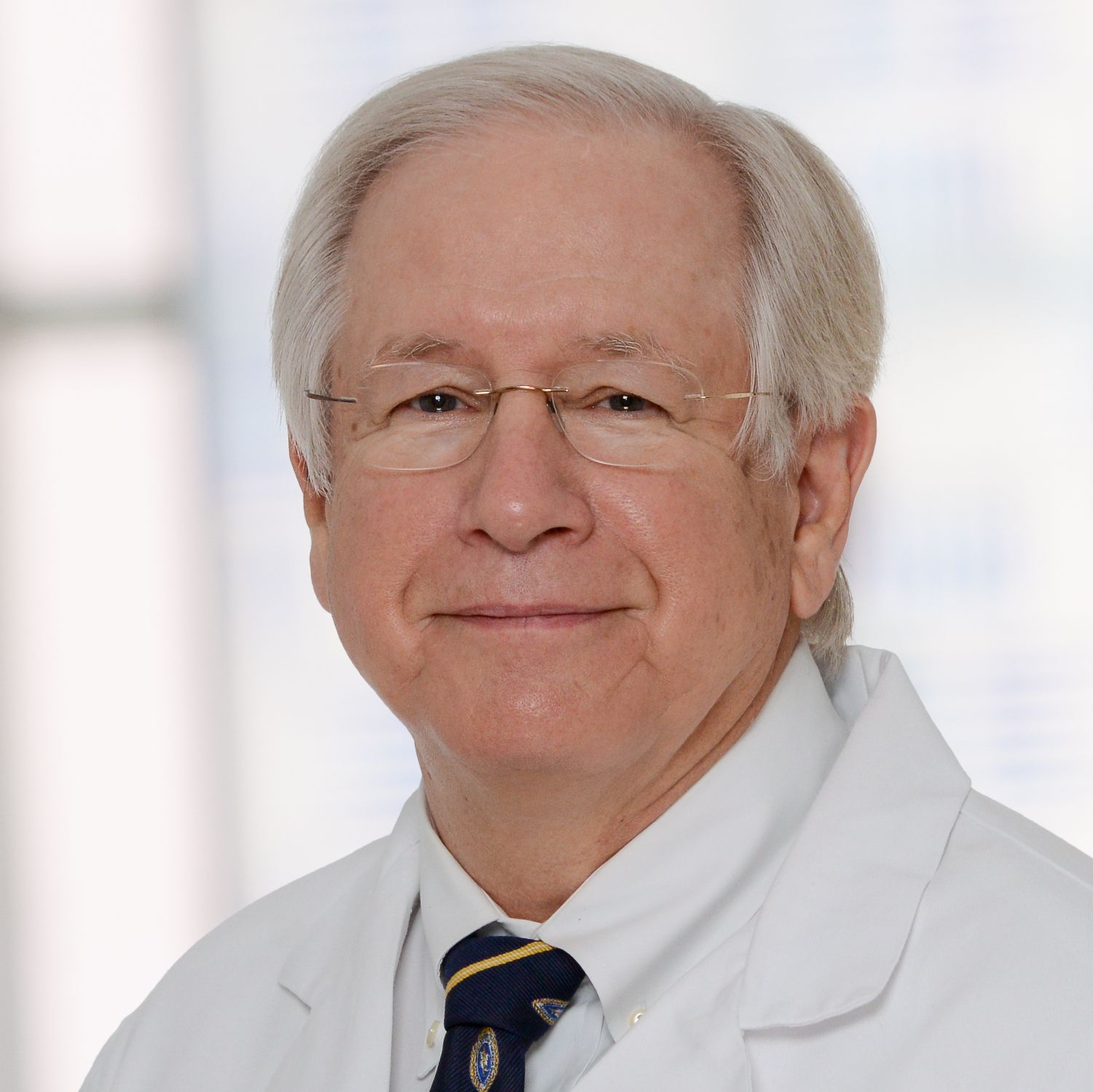 Joseph S. Coselli合作论文数Department of Surgery, Baylor College of Medicine47
 Albert Cheung合作论文数Department of Anesthesiology, Perioperative and Pain Medicine, School of Medicine, Stanford University43
 Joseph H Gorman合作论文数Perelman School of Medicine, University of Pennsylvania41Milewski Rita K合作论文数41Thomas G. Gleason合作论文数40
 Branchetti Emanuela合作论文数Thorac Aort Program, Univ Penn39G. Chad Hughes合作论文数Surgery, Duke University Medical Center39Ronald M. Fairman合作论文数38
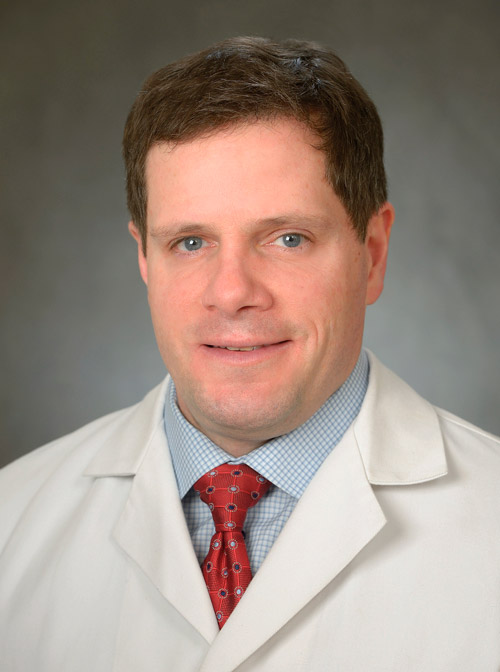 Benjamin M. Jackson合作论文数Surgery Faculty, Perelman School of Medicine, University of Pennsylvania37
 Thoralf M. Sundt合作论文数Division of Cardiac Surgery, Massachusetts General Hospital35
 Lars Svensson合作论文数Vascular & Thoracic Institute, Cleveland Clinic;Cleveland Clinic Lerner College of Medicine, Case Western Reserve University34
 Giovanni Ferrari合作论文数Department of Cardiothoracic Surgery, New York University Medical Center32
 John Augoustides合作论文数31
 Joseph Woo合作论文数Department of Cardiothoracic Surgery, Stanford University School of Medicine29
 Michael A. Acker合作论文数Surgery Faculty, Perelman School of Medicine, University of Pennsylvania28Bartosz Rylski合作论文数28
 Eric Roselli合作论文数Cleveland Clinic28Patrick Moeller合作论文数28
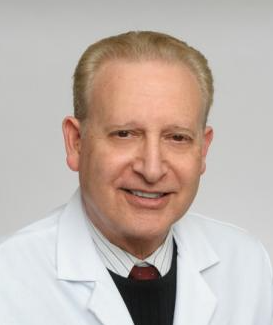 Martin Leon合作论文数Center for Interventional Vascular Therapy, Columbia University Medical Center27
 Jay S. Giri合作论文数Department of Medicine, Perelman School of Medicine, University of Pennsylvania26Edward Y. Woo合作论文数26Saif Anwaruddin合作论文数26
 Grace J. Wang合作论文数Surgery Faculty, Perelman School of Medicine, University of Pennsylvania25Himanshu J. Patel合作论文数25
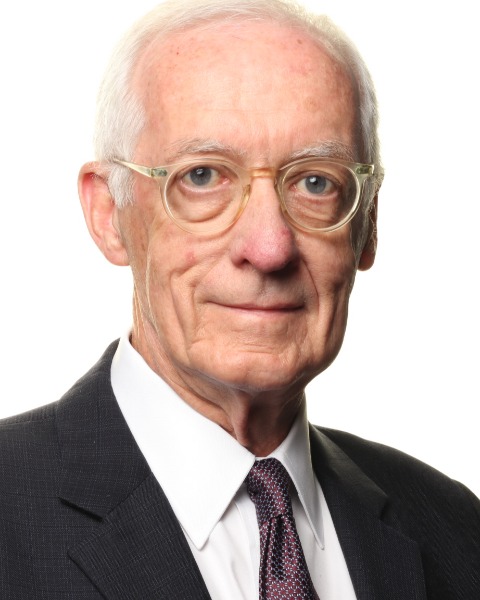 Michael Mack合作论文数Baylor Scott & White Health24
 Edward P Chen合作论文数23
 Kim Allen Eagle合作论文数Department of Health Management and Policy, School of Public Health, University of Michigan23John J. Kelly合作论文数Department of Medicine, Perelman School of Medicine, University of Pennsylvania23
 Juan B Grau合作论文数23Steven L. Lansman合作论文数23
 D. Craig Miller合作论文数Department of Cardiothoracic Surgery, School of Medicine, Stanford University;Cardiovascular Institute, Stanford University23
 Sreekanth Vemulapalli合作论文数Department of Medicine, School of Medicine, Duke University School of Medicine22
 Larry R Kaiser合作论文数Lewis Katz School of Medicine, Temple University22
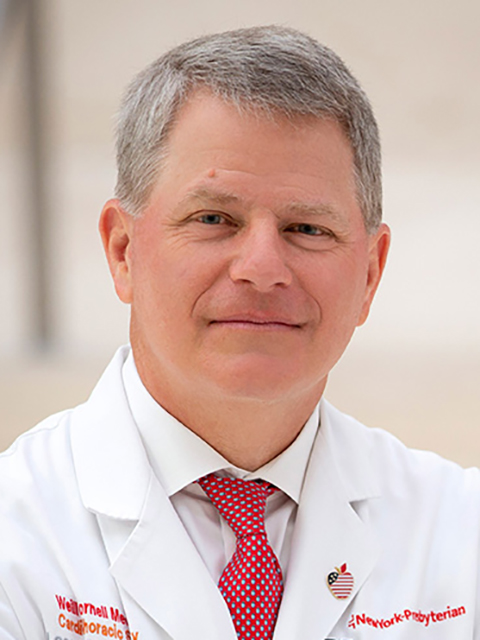 Leonard N. Girardi合作论文数Department of Cardiothoracic Surgery, Weill Cornell Medical Center21McCarthy Fenton H合作论文数21G. William Moser合作论文数21
 Ibrahim Sultan合作论文数19
 Poggio Paolo合作论文数19
 Scott A. LeMaire合作论文数Baylor College of Medicine19
 Komlo Caroline M合作论文数Department of Surgery, University of Pennsylvania19
 Samir Kapadia合作论文数Robert and Suzanne Tomsich Department of Cardiovascular Medicine, Cleveland Clinic;Sydell and Arnold Miller Family Heart, Vascular & Thoracic Institute, Cleveland Clinic;College of Medicine, Case Western Reserve University19Friedhelm Beyersdorf合作论文数18




